
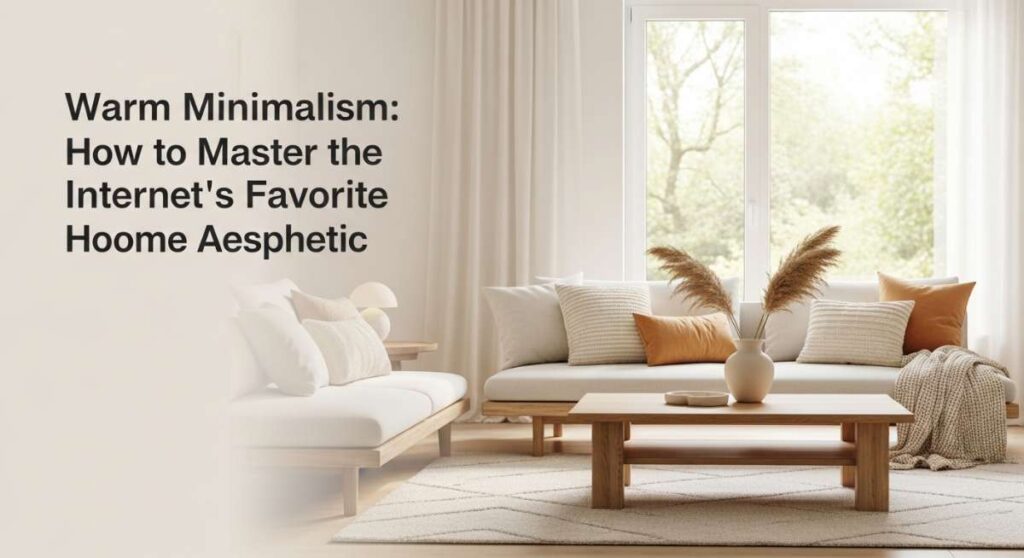
Warm Minimalism: How to Master the Internet’s Favorite Home Aesthetic
We have all seen those sterile, ultra-modern homes that look more like a spaceship than a place where you can actually kick your shoes off and relax. For a long time, minimalism felt cold, uninviting, and—let’s be honest—a little bit boring. But then, a new movement took over our feeds, blending the ‘less is more’ philosophy with the soul-soothing textures of a cozy cottage. Welcome to the era of Warm Minimalism.
It is that perfect sweet spot where clean lines meet chunky knit throws, and where neutral palettes are brought to life by the glow of a flickering candle. It’s not about having nothing; it’s about having exactly what you need and making sure every single piece brings a sense of calm to your chaotic day. If you have been craving a home that feels like a deep exhale, you are in the right place.
In this guide, I am walking you through the ten pillars of mastering this viral aesthetic. From styling your small apartment to creating a high-end sanctuary on a budget, we are going to peel back the layers of design to find the heart of your home. Let’s dive into how you can transform your space into the peaceful haven you deserve.
How to Create a Cozy Minimalist Living Room for Ultimate Serenity
Why we love this
There is a specific kind of magic that happens when you strip away the clutter and focus on tactile richness. This approach transforms a standard living room into a sensory retreat where the scent of cedarwood lingers in the air and the touch of a bouclé sofa feels like a soft hug. We love this because it prioritizes mental clarity without sacrificing the warmth that makes a house feel like a home, allowing you to truly unwind after a long day in a space that feels curated yet lived-in.
Essential Elements:
- A low-profile, neutral-toned sofa in a textured fabric.
- Natural wood coffee table with organic edges.
- Layered lighting including a floor lamp with a warm-toned bulb.
- Sheer linen curtains that filter sunlight into a soft glow.
- One or two high-quality wool or cotton throw blankets.
How to make it
- Begin by decluttering the space entirely to establish a ‘blank canvas’ feel, ensuring that only the most functional and beautiful pieces remain.
- Position your largest furniture piece, the sofa, as the anchor of the room, leaving enough negative space around it to allow for easy movement and a sense of ‘airiness.’
- Introduce ‘visual warmth’ by layering textures; place a plush, high-pile rug underneath the coffee table to create a soft landing for your feet.
- Swap out cool-toned LED bulbs for ‘warm white’ or ‘amber’ tones (2700K) to instantly change the atmospheric temperature of the room from clinical to cozy.
- Style the coffee table using the ‘rule of three’: a stack of two books, a single organic vessel (like a ceramic bowl), and a small green plant for a touch of life.
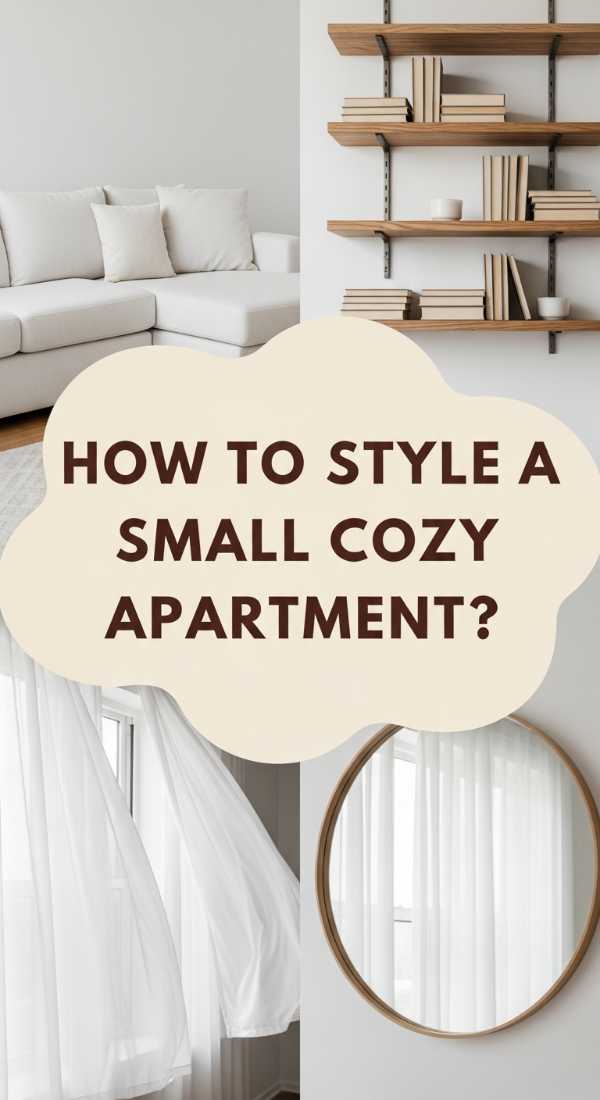
How to Style Small Living Room Apartment Aesthetic for Pure Comfort
Why we love this
Living in a small apartment often feels like a puzzle, but the cozy minimalist aesthetic turns those constraints into a design opportunity. We love this look because it uses light and reflection to expand the physical boundaries of a room, creating an environment that feels expansive rather than cramped. It’s about the soothing rhythm of light bouncing off a well-placed mirror and the comforting weight of a single, perfectly chosen oversized pillow that makes a tiny corner feel like a palace.
Essential Elements:
- Large circular or arched wall mirror to create depth.
- Multi-functional furniture like an ottoman with hidden storage.
- A monochromatic color palette (whites, creams, and sands).
- Wall-mounted shelving to draw the eye upward.
- Potted tall plants like a Fiddle Leaf Fig to add vertical interest.
How to make it
- Select a light, reflective color for the walls, such as a creamy off-white, to maximize the natural light available in the small space.
- Install a large mirror opposite your main window; this ‘prep’ step is crucial as it doubles the visual depth of the room and reflects the outdoors.
- Choose furniture with exposed legs rather than solid bases to allow the eye to see more floor space, which tricks the brain into perceiving the room as larger.
- Utilize vertical space by installing ‘floating’ shelves that hold a few select decorative objects, keeping the floor area clear of unnecessary bulk.
- Finish by placing one large, comfortable accent chair in a corner with a soft lamp nearby to create a designated ‘nook’ for reading or relaxing.
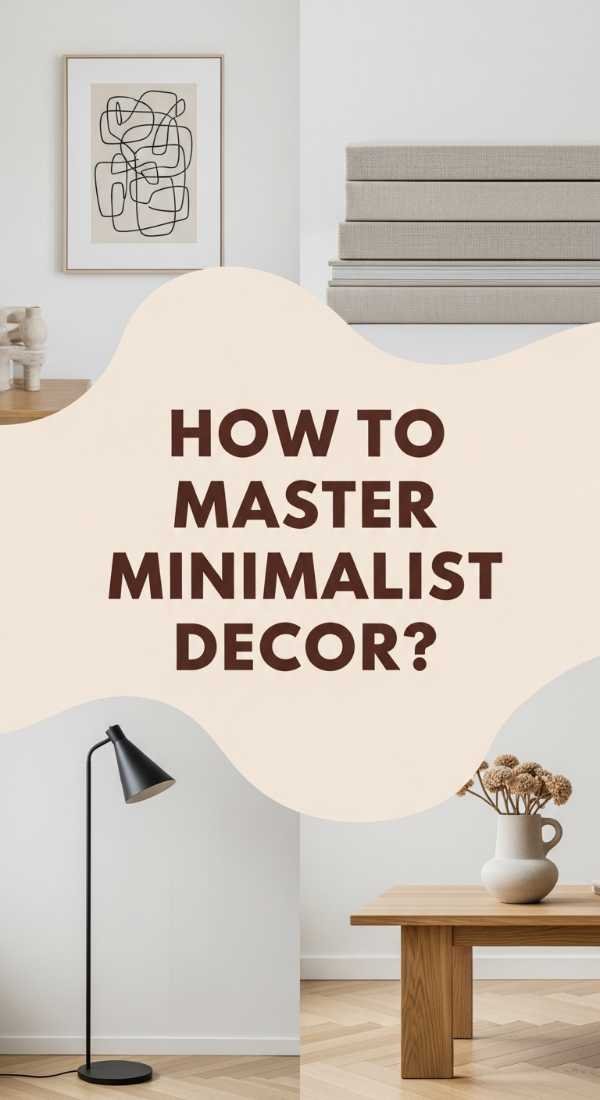
How to Master Minimalist Room Decor for a Peaceful Haven
Why we love this
This aesthetic is all about intentionality, focusing on the quality of the objects you surround yourself with rather than the quantity. We love this because it removes the ‘visual noise’ that often causes subconscious stress, replacing it with the smooth surface of a hand-thrown ceramic vase or the gentle drape of a linen throw. It creates a sanctuary where every item has a story or a purpose, fostering a deep sense of peace and gratitude for the simple things in life.
Essential Elements:
- A curated selection of handmade ceramics.
- Art prints with abstract, soft-edged shapes.
- Natural materials like jute, rattan, and reclaimed wood.
- Negative space on walls and surfaces.
- Scented elements like soy candles or essential oil diffusers.
How to make it
- Evaluate every decorative item you currently own and remove anything that feels ‘noisy’ or doesn’t contribute to a sense of calm.
- Group your remaining items in odd numbers (3 or 5) to create a balanced, asymmetrical look that feels more natural and less forced.
- Choose a focal point for the room, such as a mantle or a sideboard, and decorate it with one large statement piece rather than several small ones.
- Ensure that there is plenty of ‘breathing room’ around each object; if a shelf feels crowded, remove one item to restore the balance.
- Introduce a signature scent using a stone diffuser, as the olfactory sense is vital in cementing the feeling of a ‘peaceful haven.’
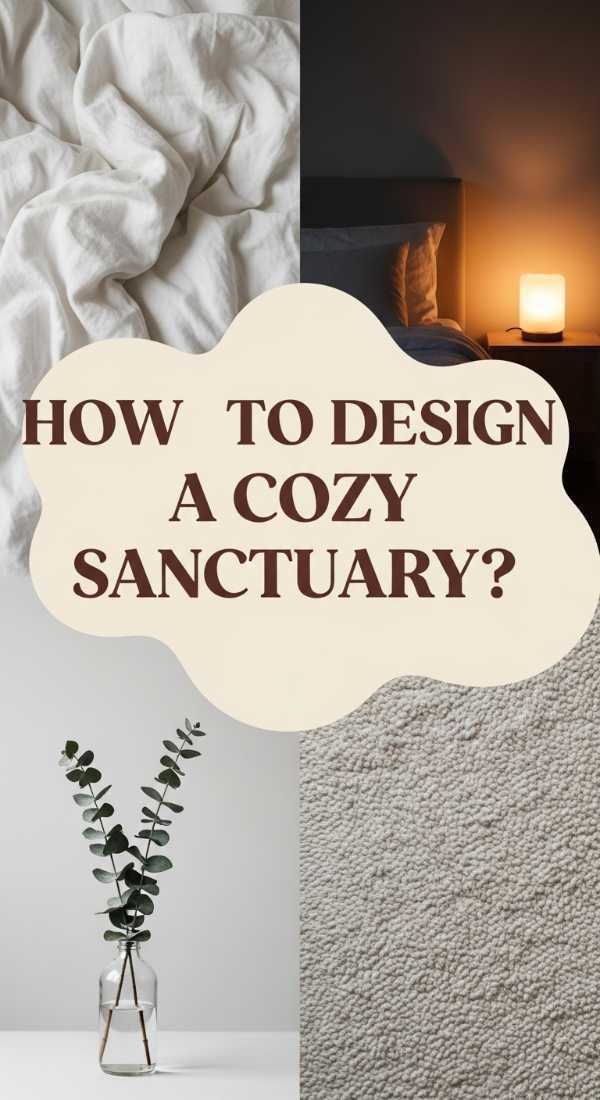
How to Design Cozy Minimalist Sanctuaries for Better Rest
Why we love this
The bedroom should be the ultimate sanctuary, and warm minimalism is the perfect vehicle for restorative sleep. We love this because it emphasizes the ‘cloud-like’ feel of layered textiles and the absence of electronics or clutter that interfere with rest. There is nothing quite like the feeling of sinking into crisp, organic cotton sheets in a room that feels like a quiet, sun-drenched forest clearing, far away from the buzz of the modern world.
Essential Elements:
- High-quality organic linen or cotton bedding in earth tones.
- Upholstered headboard in a soft, neutral fabric.
- Blackout curtains in a heavy, natural weave.
- Dimmable bedside lamps with fabric shades.
- A clutter-free nightstand with only the essentials.
How to make it
- Invest in a high-thread-count, breathable duvet cover; the ‘technique’ here is to choose a slightly oversized duvet to create a plush, ‘overstuffed’ look.
- Layer your bed starting with a flat sheet, followed by the duvet, and topped with a folded coverlet at the foot of the bed for textural depth.
- Clear the nightstand of everything except a book, a carafe of water, and a warm-toned lamp to signal to your brain that it is time to wind down.
- Ensure window treatments are layered: use a sheer drape for daytime privacy and a heavy linen drape for total darkness at night.
- Keep the floor clear of any baskets or piles of clothes to maintain a ‘sanctuary’ vibe that remains undisturbed from the moment you wake up.
How to Arrange Living Room Decor Minimalist Style for an Open Feel
Why we love this
An open-feel living room provides a sense of freedom and movement that is incredibly refreshing in a busy lifestyle. We love this arrangement because it uses ‘intentional gaps’ to guide the eye through the room, making even the most modest floor plan feel like an airy loft. The lack of physical barriers allows light to flow uninterrupted, highlighting the natural grain of wood furniture and the soft curves of minimalist decor.
Essential Elements:
- Furniture with low profiles to keep sightlines open.
- Large-scale area rug to define the ‘zone’ without walls.
- Minimalist coffee table with a glass or open-frame top.
- Symmetry in layout for a balanced, grounded feel.
- Strategic placement of mirrors to reflect light.
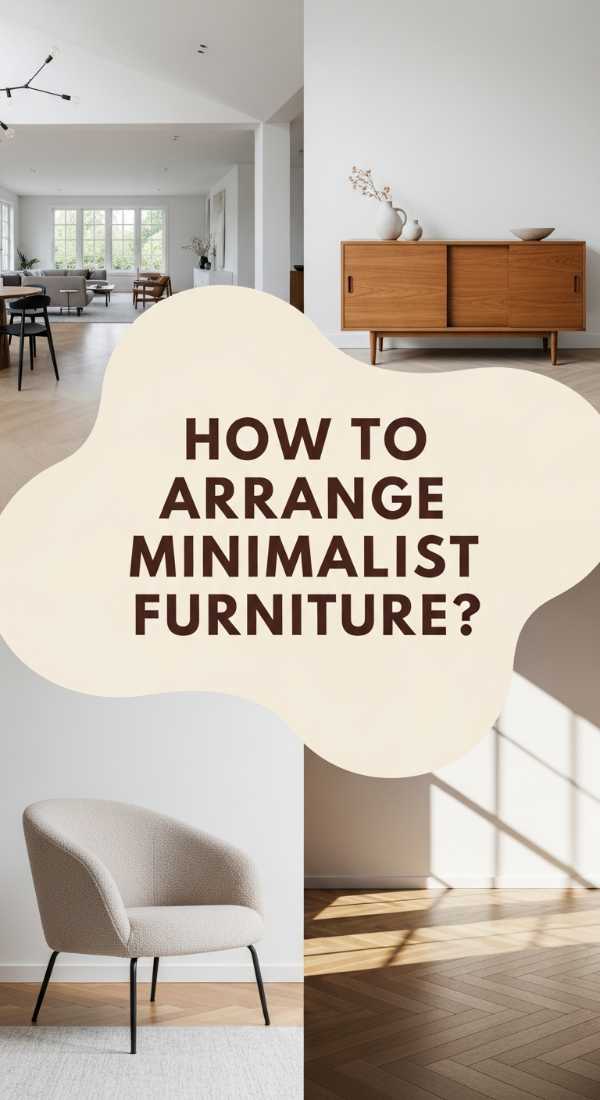
- Pull all furniture away from the walls (at least 6-12 inches) to create a ‘floating’ arrangement that instantly feels more high-end and spacious.
- Define the seating area using a large rug; ensure that all legs of the furniture sit on the rug to ‘ground’ the space and create a unified zone.
- Avoid blocking any natural walkways; create a clear path at least 3 feet wide between the entrance and the main seating area.
- Use a ‘low-and-long’ media console rather than a tall armoire to keep the wall space open and the ceiling feeling higher.
- Add a single, large-scale piece of art on the main wall rather than a gallery wall to provide a clean, uncluttered visual anchor.
- Statement lighting fixtures in brushed brass or matte black.
- High-quality materials like marble, travertine, or solid oak.
- Large-scale, minimalist original artwork.
- Textiles with varied weights (velvet, silk, and linen).
- Architectural elements like crown molding or wall paneling.
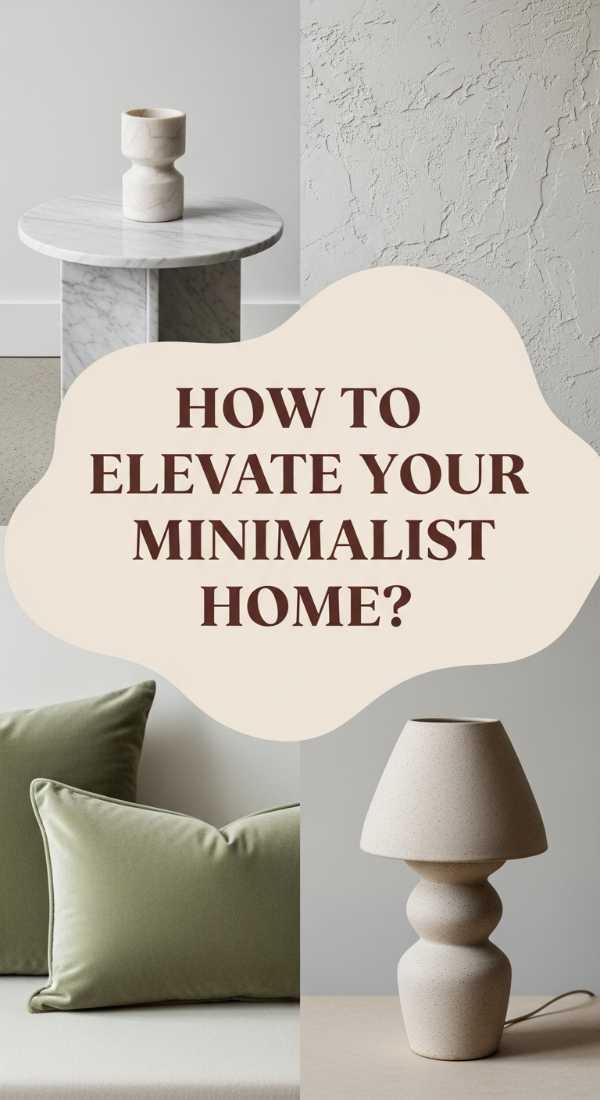
- Select one ‘investment’ material to feature, such as a travertine side table, which adds an immediate sense of luxury through its weight and texture.
- Upgrade your hardware; swap out basic cabinet pulls and door handles for heavy, solid brass or matte black options for a custom-built feel.
- Use ‘oversized’ decor pieces; one massive ceramic vase on a table looks far more high-end than five small trinkets.
- Incorporate various textures of the same color—for example, a cream linen sofa with a cream velvet pillow and a cream wool throw.
- Style your shelves with ‘breathing room’ between items, treating each piece of decor like a sculpture in a high-end gallery.
- Furniture with ‘hidden’ storage compartments.
- Lightweight, movable pieces like nesting tables.
- Wall-mounted lighting to save floor and table space.
- Built-in shelving or floor-to-ceiling cabinets.
- A cohesive color palette to prevent visual fragmentation.
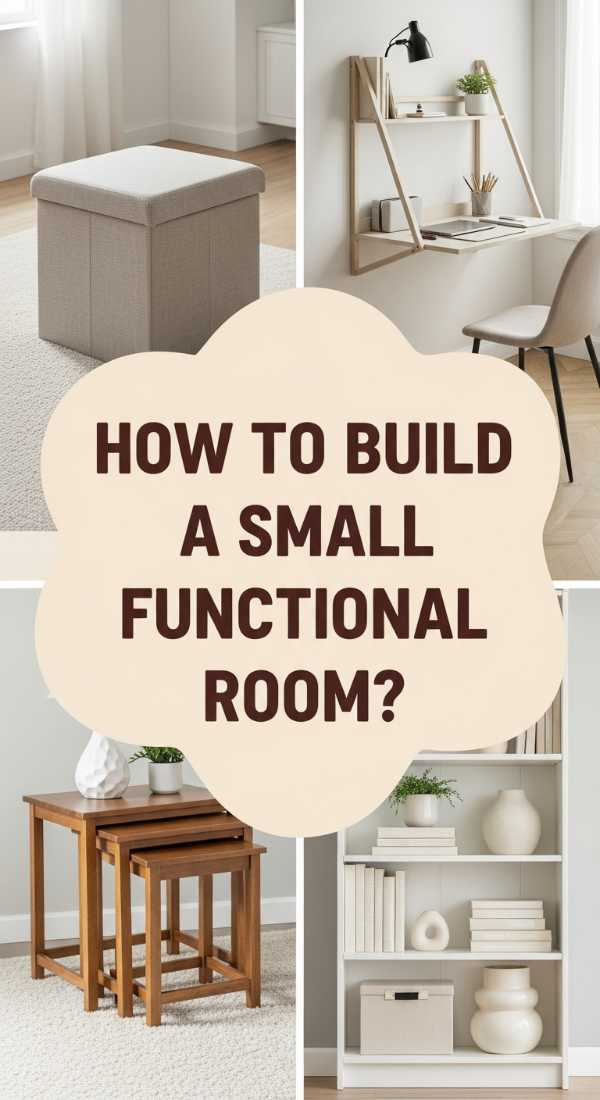
- Inventory your storage needs and choose furniture that addresses them, such as a hollow ottoman or a coffee table with drawers.
- Opt for ‘leggy’ furniture that allows light to pass underneath, making the floor feel continuous and the room feel less crowded.
- Utilize the ‘back of the door’ or ‘inside the cabinet’ for organization to keep the main living surfaces completely clear.
- Install wall sconces with ‘swing arms’ next to your seating area, eliminating the need for bulky side tables and floor lamps.
- Keep the color story consistent across all large items; using varying shades of one color creates a ‘seamless’ look that expands the space.
- Chunky knit or faux-fur throw blankets.
- Floor cushions and soft ottomans for extra seating.
- Candles of varying heights in ceramic holders.
- A pile of firewood (even if decorative).
- Natural greenery like evergreen branches or dried eucalyptus.
- Increase the ‘textural density’ of the room by swapping light summer linens for heavier fabrics like wool, fleece, or velvet.
- Create ‘light clusters’ using candles and small lamps to mimic the warm, dancing light of a fireplace.
- Place a rug on top of another rug (layering) to provide extra insulation for the floor and a richer visual appearance.
- Incorporate organic elements from the season, such as a wooden bowl filled with pinecones or a vase of dried pampas grass.
- Set up a ‘warm beverage station’ on a tray with a sleek kettle and ceramic mugs, keeping the ritual of warmth within arm’s reach.
- A clear ‘drop zone’ for keys and mail at the entrance.
- Designated areas for work, rest, and play.
- Minimalist organizers for drawers and cabinets.
- Natural light as the primary ‘decor’ element.
- Personal items that evoke positive memories only.
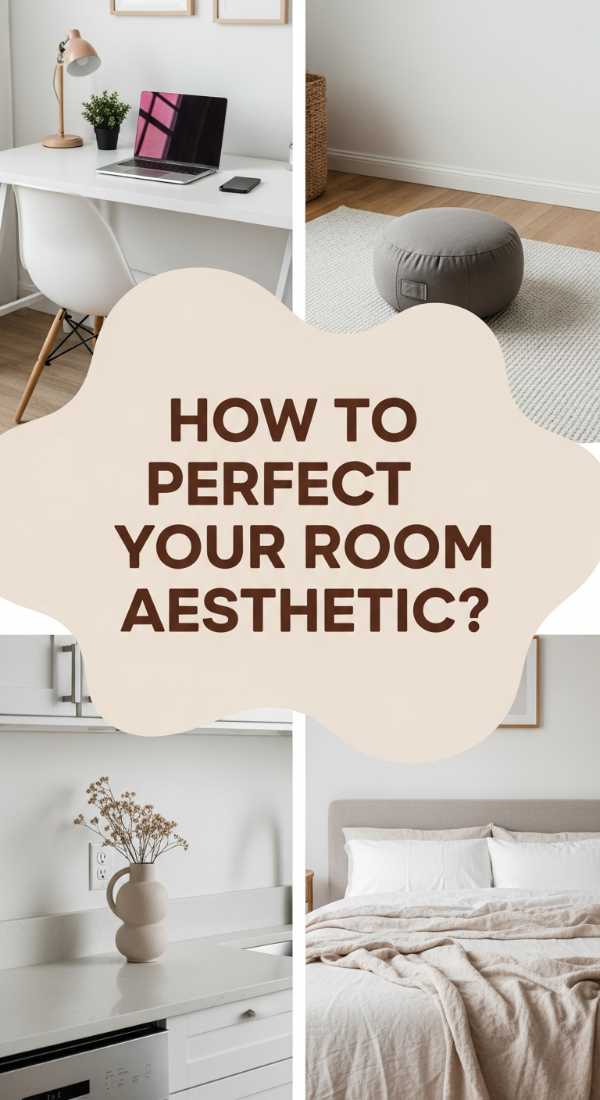
- Implement the ‘one-in-one-out’ rule: for every new item you bring into the home, one must be donated or sold to maintain balance.
- Designate ‘tech-free’ zones in the house, particularly in the living room or bedroom, to encourage human connection and rest.
- Organize your spaces by ‘activity’; keep all your reading materials in one basket and your yoga mat in a specific corner to reduce searching time.
- Use clear or uniform containers inside cabinets to create a sense of ‘internal order’ that matches the external minimalism.
- Practice ‘daily tidying’—take 10 minutes every evening to return items to their designated spots so you wake up to a balanced home.
- Iconic furniture pieces with clean, architectural lines.
- Minimalist clocks or wall calendars.
- Monochromatic or limited-palette art.
- Sculptural lighting fixtures.
- Glass and metal accents for a modern edge.
- Select one ‘statement’ piece of furniture, such as a mid-century modern chair, and allow it to be the star of the room by keeping surrounding decor simple.
- Choose art that features ‘white space’ or ‘negative space’ to reflect the minimalist philosophy on your walls.
- Incorporate ‘industrial’ textures like brushed steel or smoked glass to give the ‘warm’ minimalism a modern, edgy contrast.
- Use a single large plant, such as a Monstera, as a living sculpture to provide a pop of color and organic shape.
- Ensure that all ‘modern’ elements are balanced with something ‘warm’—like a metal lamp next to a wooden table—to maintain the aesthetic.
How to make it
How to Elevate a Minimalist Home for a High End Look
Why we love this
You don’t need a million dollars to make your home look like a million dollars; you just need the right materials. We love this ‘elevated’ look because it focuses on the ‘quiet luxury’ of marble, brass, and fine linen. It’s the contrast between a cold stone surface and a warm, fuzzy wool rug that creates a sophisticated, multi-dimensional environment that feels both expensive and deeply comfortable.
Essential Elements:
How to make it
How to Build a Minimalist Living Room in Small Spaces for Functional Beauty

Why we love this
Functional beauty is the core of successful small-space living. We love this because it proves that you don’t have to sacrifice style for storage. By choosing pieces that serve two purposes—like a beautiful wooden bench that hides blankets or a desk that doubles as a vanity—you create a living room that is as efficient as it is aesthetic. It’s about the satisfaction of a perfectly organized drawer and a clutter-free surface.
Essential Elements:
How to make it
How to Achieve the Minimalist Cozy Vibe for Chilly Days
Why we love this
When the temperature drops, the ‘warm’ in warm minimalism becomes essential. We love this vibe because it focuses on ‘hygge’—the Danish concept of coziness. It’s about the flicker of a fire, the weight of a heavy knit blanket, and the comfort of a warm mug of cocoa. This style ensures that even the most minimalist home feels like a glowing hearth in the middle of winter, protecting you from the elements.
Essential Elements:
How to make it
How to Perfect Minimalist Room Aesthetic for a Balanced Lifestyle
Why we love this
A balanced lifestyle starts with a balanced home. We love the minimalist aesthetic because it acts as a ‘reset button’ for your mind. By removing the physical weight of excess belongings, you create space for new ideas, hobbies, and relaxation. It’s the feeling of walking into a room and knowing exactly where everything is, allowing your brain to switch from ‘management mode’ to ‘relaxation mode’ instantly.
Essential Elements:
How to make it
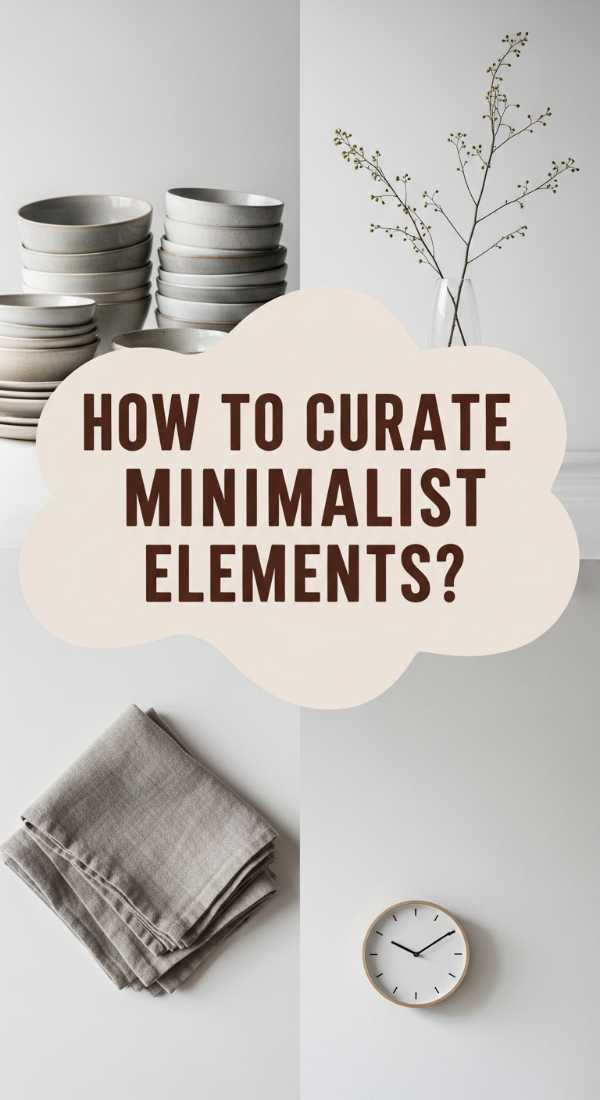
How to Curate Decor Minimalist Elements for a Modern Home
[IMAGE_10]
Why we love this
Curating a modern home is about quality over quantity, and we love the ‘gallery’ feel this creates. It turns everyday objects—a teapot, a chair, a lamp—into works of art. This approach celebrates craftsmanship and design, allowing the beauty of a single line or the texture of a hand-woven rug to take center stage. It’s a sophisticated way of living that feels contemporary yet timeless.
Essential Elements:
How to make it
The Final Touch on Your Warm Minimalist Journey
Mastering the internet’s favorite aesthetic isn’t about following a strict set of rules; it’s about finding what makes you feel most at home. Warm minimalism is a journey toward living more intentionally. By choosing quality over quantity and texture over clutter, you aren’t just decorating a room—you’re designing a lifestyle that prioritizes your peace of mind. Remember, the ‘warmth’ comes from you and the life you live within these walls. Happy styling!