
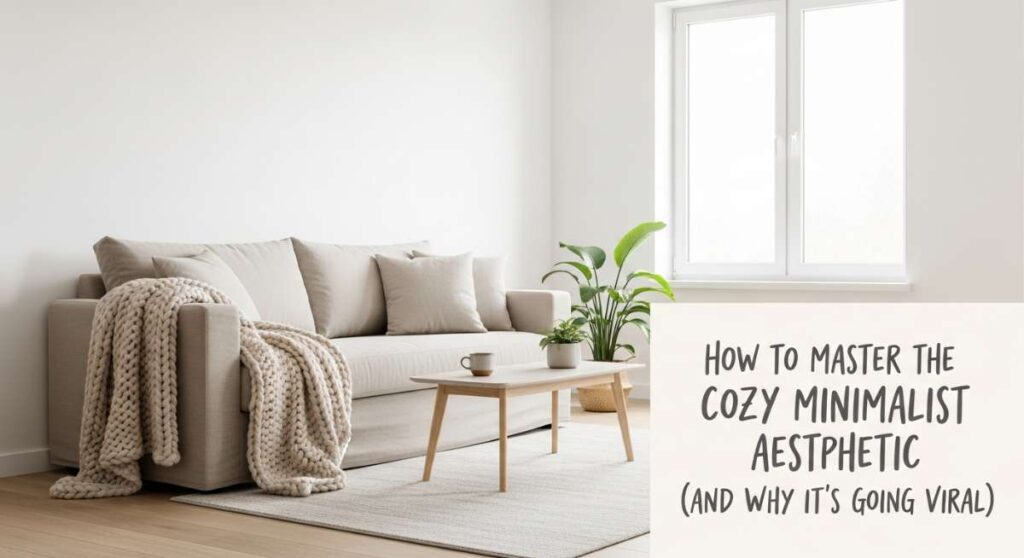
How to Master the Cozy Minimalist Aesthetic (and Why It’s Going Viral)
Have you ever walked into a room and felt an immediate sense of relief, like the space itself was giving you a warm, quiet hug? That is the magic of the cozy minimalist aesthetic, a movement that is currently taking over our feeds and our hearts for all the right reasons. In a world that often feels cluttered and chaotic, this design philosophy offers a sanctuary that prioritizes peace over possession, focusing on the quality of our surroundings rather than the quantity of our things.
The viral success of this trend stems from a collective desire to return to basics without sacrificing comfort. It’s not about living in a cold, empty box; it’s about curating a home that breathes, where every soft throw blanket and every handcrafted ceramic mug serves a purpose. As we spend more time in our homes, we are realizing that a curated, thoughtful environment directly impacts our mental well-being, turning our living spaces into restorative retreats that recharge our souls after a long day.
How to Design a Cozy Minimalist Living Room for Ultimate Relaxation
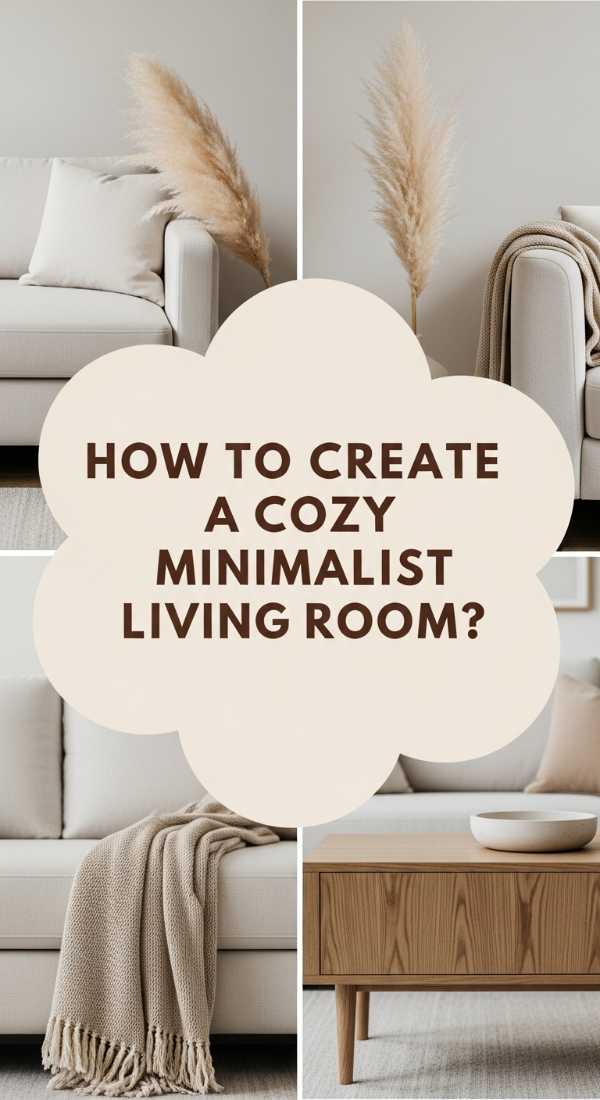
Why we love this
There is something profoundly soothing about a living room that balances open space with tactile warmth. Imagine sinking into a deep, overstuffed linen sofa while the afternoon sun dances across the grain of a reclaimed wood coffee table. The air carries a faint scent of sandalwood and vanilla, and the silence is punctuated only by the soft rustle of a chunky wool rug beneath your feet. It is a sensory experience that invites you to put down your phone, breathe deeply, and truly inhabit the present moment in a space that feels both grounded and ethereal.
Essential Elements:
- Oversized linen or cotton sofa in a neutral tone
- Natural wood coffee table with organic edges
- Large-scale wool or jute area rug
- Layered lighting including floor lamps and task lighting
- A few high-quality, textured throw pillows
How to make it
- Begin by clearing the room entirely to assess the natural light and architectural flow; this allows you to see the potential of the space without visual noise.
- Select your primary seating anchor, choosing a piece with a low profile and high-comfort rating, ensuring it is positioned to face the room’s natural focal point, like a fireplace or a large window.
- Layer a rug that is large enough to sit under the front legs of all furniture pieces, creating a cohesive island of comfort that grounds the seating arrangement.
- Introduce varied textures rather than colors; mix a smooth wooden table with a nubby knit throw and a velvet cushion to create visual interest through touch.
- Install dimmable warm-toned lighting (around 2700K) at different heights to eliminate harsh shadows and create a golden, inviting glow as evening falls.
How to Style a Small Living Room for a Spacious Aesthetic
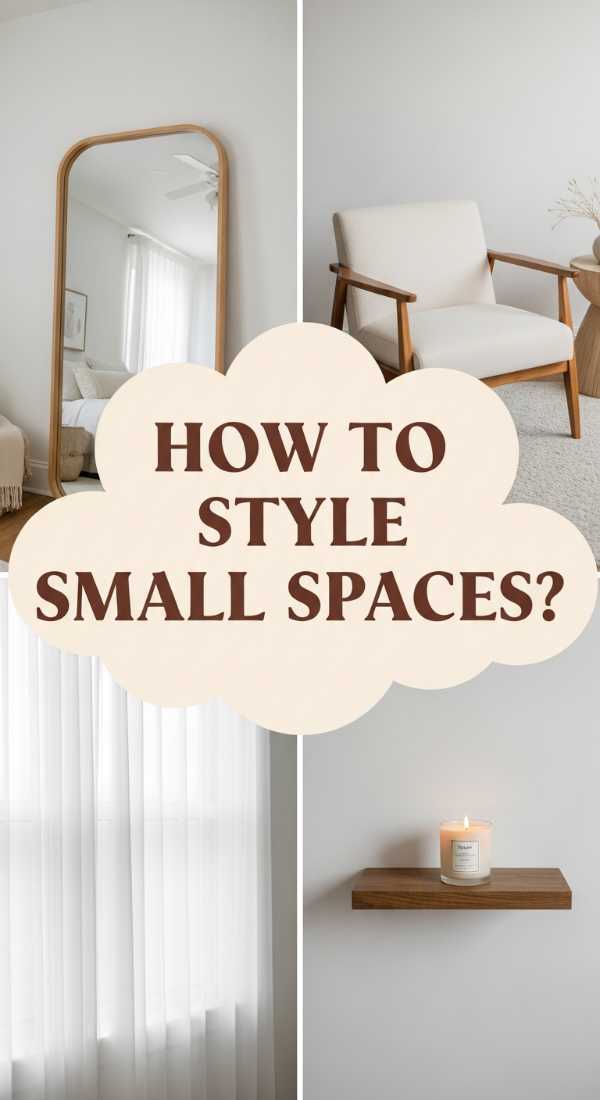
Why we love this
Small spaces have a unique ability to feel like a cozy cocoon when styled with a minimalist mindset. When you remove the excess, the walls seem to push back, and the room begins to feel airy and light-filled. We love the clever use of multifunctional pieces that serve a purpose without crowding the floor, allowing the eye to travel across the room without interruption. It’s about the joy of simplicity, where a single, perfectly placed mirror reflects the morning light, making a modest apartment feel like a sprawling, sun-drenched sanctuary.
Essential Elements:
- Furniture with exposed legs to show more floor space
- Large wall-mounted mirror
- Sheer linen curtains that allow natural light
- A monochromatic color palette
- Multifunctional nesting tables
How to make it
- Select furniture that is proportional to the room’s scale; avoid bulky, skirted pieces and instead opt for ‘leggy’ furniture that allows light to pass underneath.
- Paint the walls and ceiling in the same light, warm-white shade to blur the boundaries of the room and create an illusion of infinite height and width.
- Hang sheer curtains high above the window frame and let them pool slightly on the floor to draw the eye upward and emphasize vertical space.
- Place a large-scale mirror opposite your main light source to bounce sunshine into the darker corners, effectively doubling the visual depth of the room.
- Adopt a ‘one-in, one-out’ rule for decor, ensuring that surfaces remain clear and only the most beautiful, functional items are on display.
How to Curate Minimalist Room Decor for a Peaceful Vibe
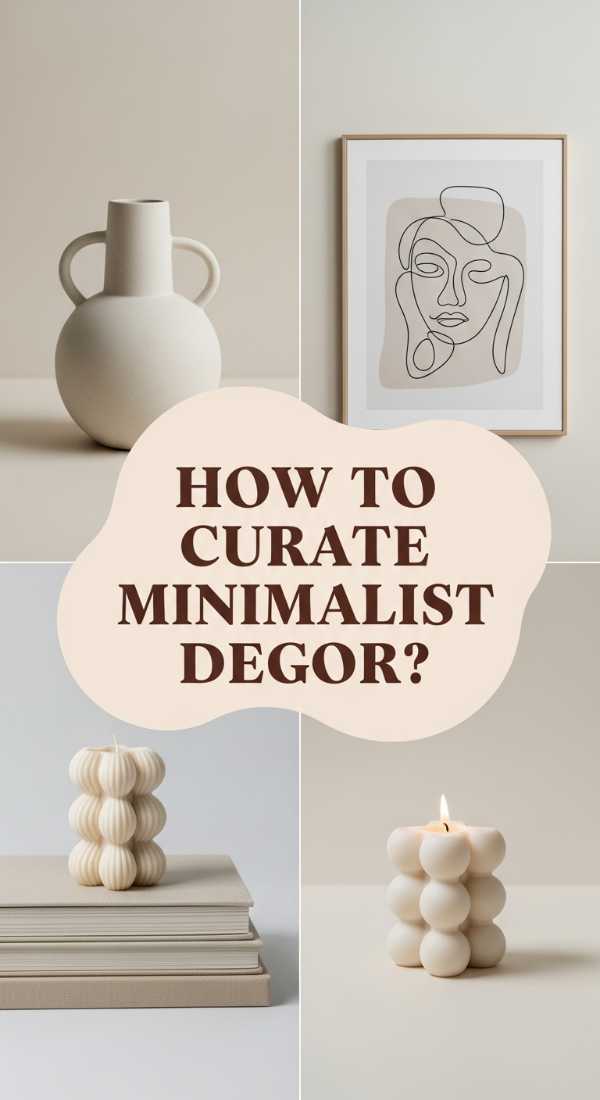
Why we love this
Curating decor is an art form that transforms a house into a home by highlighting what truly matters. We love the intentionality of choosing one striking piece of art or a single, sculptural vase over a shelf full of mass-produced knick-knacks. This approach creates a peaceful vibe because it eliminates the visual competition for your attention. Each item is given the space to breathe and be appreciated, evoking a sense of calm and clarity that allows your mind to rest and your appreciation for craftsmanship to grow.
Essential Elements:
- One statement piece of wall art
- Organic-shaped ceramic vases
- Dried botanicals or a single fresh branch
- Hand-poured candles in stone vessels
- Books with neutral covers or turned spine-in
How to make it
- Start by removing every decorative item from your shelves and tables to create a ‘blank slate’ for your curation process.
- Choose a central theme or color story, such as earthy ochres and creams, to ensure every piece you put back feels harmonious.
- Apply the ‘Rule of Three’ when grouping items, varying the heights and textures—for example, a tall ceramic vase, a medium wooden bowl, and a small candle.
- Leave ‘negative space’ on every surface; aim for at least 40% of the surface area to be empty to prevent the eye from feeling overwhelmed.
- Incorporate elements from nature, like a smooth river stone or a piece of driftwood, to bring an grounding, organic energy into the room.
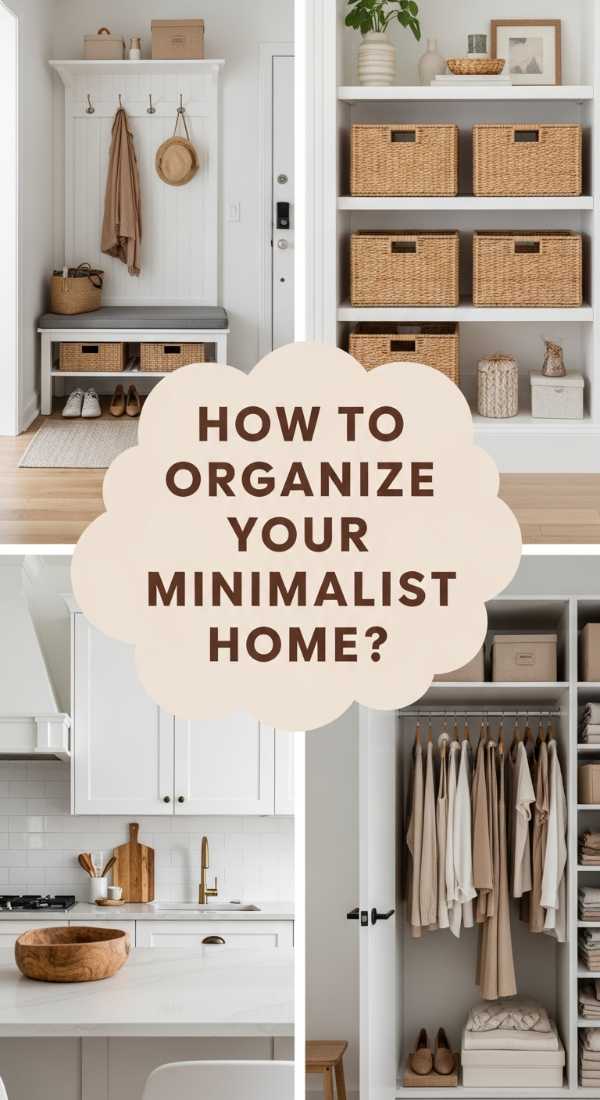
How to Organize a Minimalist Home for Stress Free Living
Why we love this
True minimalist living isn’t just about what you see; it’s about the systems that keep your life running smoothly behind the scenes. We love the liberation that comes from knowing exactly where everything is, tucked away in beautiful, discrete storage. This level of organization removes the low-level friction of daily life—the frantic search for keys or the clutter of mail on the counter. It creates a seamless flow in the home, where the environment supports your routine rather than hindering it, leading to a profound sense of inner quiet.
Essential Elements:
- Woven baskets for hidden storage
- Uniform glass jars for pantry items
- A dedicated ‘drop zone’ by the entry
- Hidden cable management boxes
- Labelled linen organizers
How to make it
- Conduct a ‘clutter audit’ in every room, categorizing items into ‘essential,’ ‘sentimental,’ and ‘excess’ to decide what truly deserves a place in your home.
- Invest in high-quality, uniform storage containers like matching seagrass baskets or linen bins to create visual consistency inside closets and on shelves.
- Designate a specific ‘home’ for every single object, from your remote control to your spare batteries, and commit to returning them there every evening.
- Utilize vertical space with floating shelves or wall-mounted hooks to keep the floors clear, which significantly reduces the feeling of a room being ‘cramped.’
- Set a ‘five-minute reset’ timer every night before bed to clear surfaces and put away stray items, ensuring you wake up to a fresh, organized space every morning.
How to Master Cozy Minimalist Living for a Warm Sanctuary

Why we love this
The ultimate goal of cozy minimalism is the creation of a personal sanctuary that feels like a refuge from the outside world. We love how this style uses ‘warmth’ as a design element, through the use of soft amber light, plush fabrics, and natural materials that age gracefully. It’s a style that celebrates the ‘hygge’ life—the warmth of a crackling fire, the softness of a cashmere throw, and the intimacy of a dimly lit room. It feels lived-in and loved, providing a safe harbor where you can truly be yourself.
Essential Elements:
- Layered textiles (wool, linen, faux fur)
- Warm-toned woods (oak, walnut)
- Soft, indirect lighting sources
- Earthy, muted color palette
- Natural scents like cedar or lavender
How to make it
- Analyze the temperature of your room; if it feels ‘cold,’ swap out metal or glass accents for warm wood or woven textures to immediately raise the visual temperature.
- Layer your bed or sofa with multiple textiles in varying weights, such as a crisp linen sheet topped with a heavy wool duvet and a chunky knit throw.
- Replace bright overhead bulbs with warm-spectrum LEDs and add several small lamps at eye level to create ‘pockets’ of light that draw people into cozy corners.
- Incorporate ‘living’ elements like a large potted olive tree or a cluster of low-maintenance snake plants to add life and air-purifying benefits to your sanctuary.
- Saturate the space with a signature scent using a stone diffuser or high-quality soy candles, choosing notes of earth and wood to reinforce the sanctuary feeling.
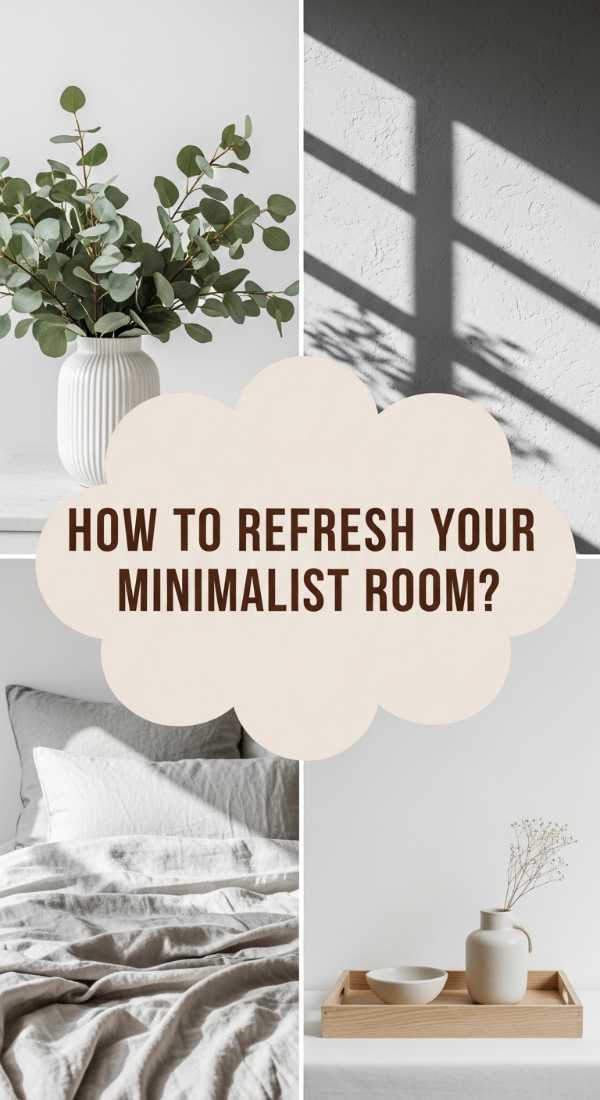
How to Refresh Your Minimalist Room for a Seasonal Glow
Why we love this
One of the best parts of minimalism is how easily the space can be transformed with just a few subtle changes. We love the seasonal refresh because it honors the rhythm of nature, bringing the outside in as the year turns. In the spring, it’s about the crispness of fresh branches and lighter linens; in the winter, it’s the addition of candles and heavier textures. It keeps the minimalist home feeling dynamic and fresh, preventing it from ever feeling stagnant or boring while maintaining its core peaceful identity.
Essential Elements:
- Seasonal florals or dried botanicals
- Interchangeable pillow covers
- Lightweight vs. heavyweight throws
- Scented candles for the current season
- Adjustable window treatments
How to make it
- At the start of a new season, rotate your textiles; swap out heavy velvet cushions for light linen ones in the spring, or vice versa when the frost arrives.
- Update your floral arrangements by foraging from your local environment—use budding branches in spring, dried grasses in autumn, and evergreen boughs in winter.
- Change your home’s ‘scent profile’ to match the weather: citrus and sea salt for summer warmth, and spicy clove or balsam for the cooler months.
- Rearrange your smaller decor items to highlight different areas of the room, such as moving your reading chair closer to the window in the bright summer months.
- Give your windows a deep clean and adjust your blinds or curtains to maximize the specific angle of seasonal sunlight entering your home.
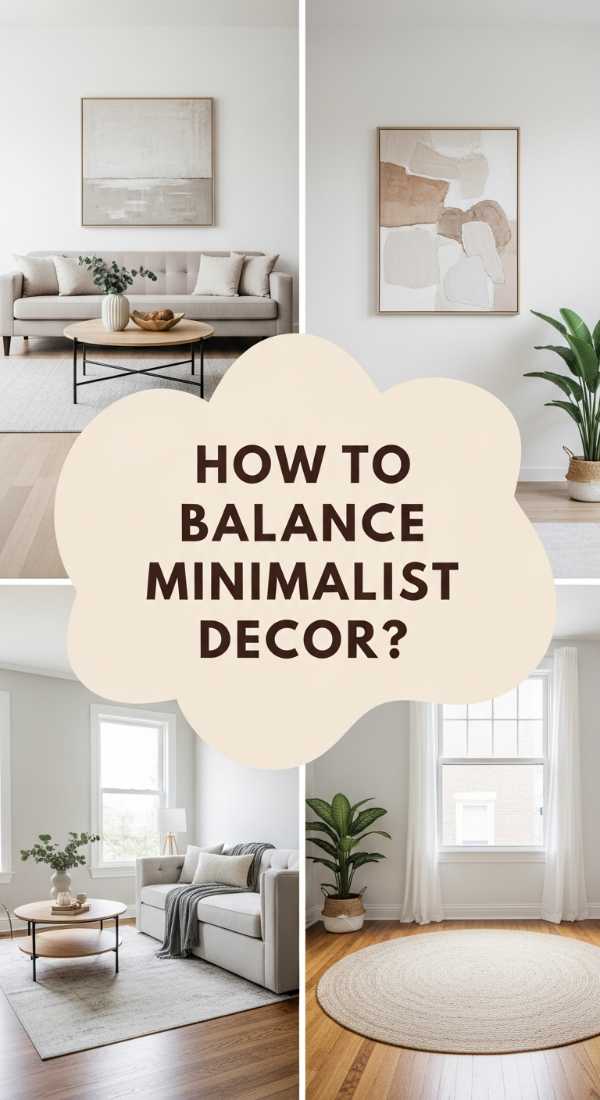
How to Balance Minimalist Living Room Decor for a Harmonious Home
Why we love this
Harmony is the secret ingredient that makes a minimalist room feel ‘right’ rather than just ’empty.’ We love the careful balance of scale and proportion that creates a sense of visual rhythm throughout the space. When a large, heavy sofa is balanced by light, airy window treatments and a delicate floor lamp, the room feels stable and grounded. This balance extends to the soul of the home, creating a harmonious environment where the physical space reflects an internal state of equilibrium and grace.
Essential Elements:
- A mix of high and low furniture profiles
- Symmetrical or balanced asymmetrical layouts
- Consistent wood tones across the room
- Negative space as a design element
- A unifying ‘bridge’ color used in small accents
How to make it
- Map out your room’s layout to ensure there is a clear path of movement; a balanced room should never feel like an obstacle course.
- Use the ‘golden ratio’ when placing furniture: group your main seating to occupy roughly two-thirds of the floor space, leaving the rest open for flow.
- Balance a large, dark object (like a TV or a charcoal sofa) with several lighter elements on the opposite side of the room to prevent the space from feeling ‘lopsided.’
- Ensure your wood tones are within two shades of each other to create a sense of continuity that ties different furniture pieces together.
- Regularly step back and look at the room through a camera lens; this helps you spot areas that are too ‘heavy’ or too ‘sparse’ from a fresh perspective.
How to Elevate a Small Apartment Living Room for Luxury Comfort

Why we love this
Luxury isn’t about the size of the room; it’s about the quality of the materials and the thoughtfulness of the details. We love seeing small apartments transformed into high-end retreats through the use of premium fabrics, sophisticated lighting, and a disciplined color palette. There is something incredibly chic about a compact space that prioritizes the ‘best’ over the ‘most.’ It proves that living small can be an elevated, luxurious experience that feels like a boutique hotel suite curated just for you.
Essential Elements:
- High-thread-count cotton or velvet textiles
- Brass or matte black hardware accents
- Artisan-made furniture pieces
- Layered lighting with designer fixtures
- Plush, high-pile wool rugs
How to make it
- Invest in ‘touchpoints’—the things you interact with most, like soft cushions, heavy door handles, and smooth coasters, as these provide an immediate sense of luxury.
- Swap out builder-grade light fixtures for statement pendant lights or designer sconces that act as jewelry for the room.
- Incorporate a ‘hero’ piece of furniture, such as a marble-topped side table or a custom-made armchair, to serve as a high-end focal point.
- Use a sophisticated, tonal color palette (like various shades of taupe, mushroom, and sand) to create a cohesive, ‘expensive’ look.
- Keep surfaces meticulously clear, using small trays to corral essential items like remotes, which keeps the luxury aesthetic from being marred by clutter.
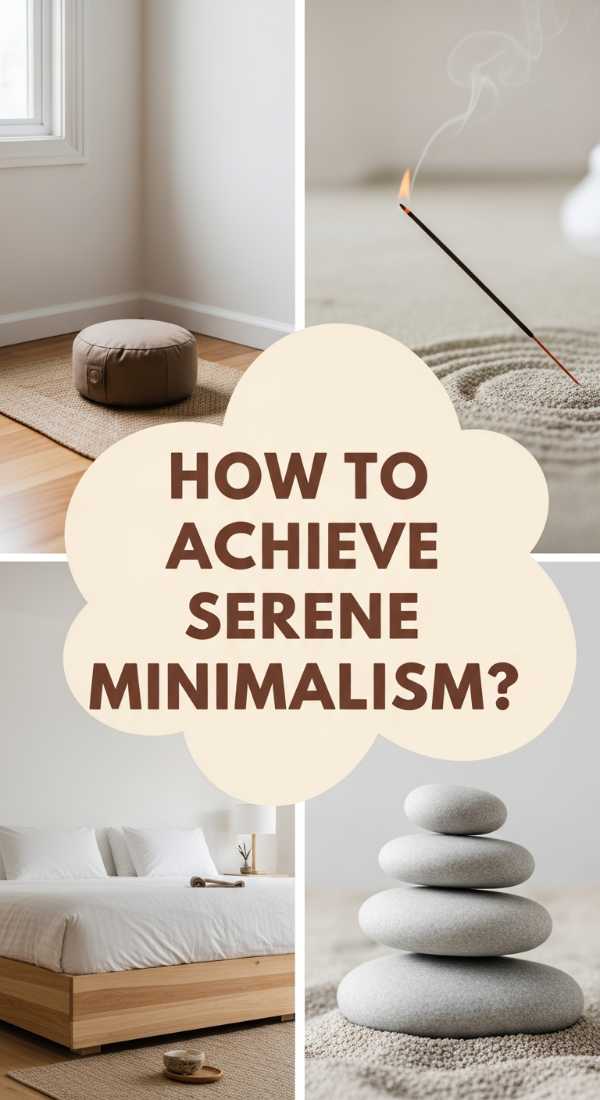
How to Achieve Minimalist Cozy Style for a Serene Atmosphere
Why we love this
A serene atmosphere is the ultimate reward for the cozy minimalist. We love the way this style mutes the ‘noise’ of the world, creating a backdrop for deep relaxation and creative thought. It’s the feeling of a spa at home—the soft glow of a salt lamp, the gentle hum of a diffuser, and the absence of visual clutter. This serenity isn’t just aesthetic; it’s physiological, lowering stress levels and inviting a sense of peace that lingers long after you’ve left the room.
Essential Elements:
- Low-profile, comfortable seating
- Soft, diffused lighting (salt lamps or frosted globes)
- Neutral, earthy wall colors
- Indoor plants for air quality
- Minimal acoustic noise (thick rugs and curtains)
How to make it
- Choose a ‘serenity palette’ based on nature—think soft sages, pale clays, and misty greys—to create a visual landscape that is naturally calming to the brain.
- Incorporate sound-dampening materials like heavy floor-to-ceiling curtains and thick rugs to create a quiet, library-like acoustic environment.
- Set up a ‘slow zone,’ such as a window seat or a floor cushion area, dedicated specifically to meditation, reading, or quiet reflection.
- Utilize hidden technology; keep cords out of sight and store electronics in cabinets to ensure the modern world doesn’t intrude on your serene space.
- Introduce a slow-burning incense or an essential oil blend of frankincense and bergamot to anchor the serene vibe through the sense of smell.
How to Modernize Your Minimalist Home for a Sleek Look
Why we love this
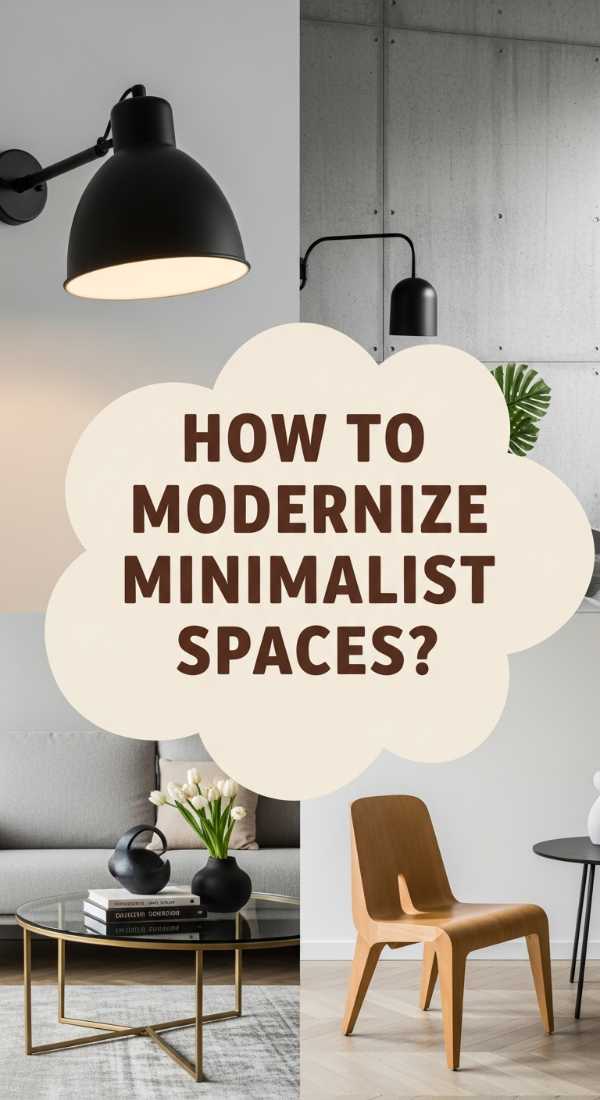
Modernizing a minimalist home is about embracing clean lines and innovative materials while maintaining that essential cozy core. We love the intersection of ‘warm’ and ‘modern’—where sleek black metal meets soft, light oak, and sharp architectural angles are softened by rounded furniture. It feels fresh, current, and incredibly sophisticated. This look is for those who appreciate the ‘less is more’ mantra but want their home to feel like a forward-thinking, contemporary masterpiece that still knows how to be comfortable.
Essential Elements:
- Black or charcoal accent lines
- Curved furniture silhouettes (the ‘jandle’ trend)
- Concrete or stone textures
- Hidden ‘smart home’ integrations
- Large-scale, minimalist abstract art
How to make it
- Introduce high-contrast elements, like a black metal floor lamp against a white wall, to create the sharp, ‘modern’ definition that characterizes this style.
- Look for furniture with ‘soft-modern’ shapes—pieces that have clean lines but rounded edges, which bridge the gap between sleek and cozy.
- Incorporate industrial materials like polished concrete or matte stone in small doses, such as a side table or decorative tray, to add a modern edge.
- Upgrade to smart lighting and climate control that can be operated via voice or phone, allowing the home to function perfectly without visible switches or panels.
- Curate your art collection down to one or two large, impactful abstract pieces that use a limited color palette to maintain a sleek, gallery-like feel.
Creating Your Own Cozy Minimalist Haven
Mastering the cozy minimalist aesthetic is a journey of discovery, finding what truly brings you joy and letting go of the rest. By focusing on quality, texture, and light, you can create a home that isn’t just a place to store your belongings, but a living, breathing sanctuary that supports your best self. Remember, minimalism isn’t about having nothing—it’s about having exactly what you need to feel peaceful, inspired, and at home.