

There is something magical about the moment your guests walk through the door and are greeted by a space that feels like a warm hug. We have all scrolled through those perfectly curated social media feeds, dreaming of a home that balances high-end aesthetics with the messy, beautiful reality of real life. Hosting isn’t just about the food—though we’ll get to that viral board in a second—it is about the atmosphere you create, the way the light hits a linen throw, and the effortless flow of a room designed for connection.
In today’s fast-paced world, our homes have become our sanctuaries, and minimalist design is the secret ingredient to finding that elusive daily calm. I’ve spent months perfecting the art of the ‘cozy minimalist’ lifestyle, learning how to strip away the clutter while keeping all the heart. It’s about making intentional choices that serve your well-being, turning a small apartment into a glowing haven where every corner invites you to breathe a little deeper and stay a little longer.
Whether you are preparing for a weekend brunch or simply want to elevate your Tuesday night routine, this guide will walk you through the essential steps to transforming your living space into a serene retreat. From the textures under your feet to the soft glow of a perfectly placed lamp, we are diving deep into the elements that make a home truly viral-worthy. Let’s create a space that doesn’t just look good on camera, but feels even better to live in.
How to Curate a Cozy Minimalist Living Room for Ultimate Serenity
Why we love this
A cozy minimalist living room is the ultimate canvas for your viral simple food board because it eliminates visual noise, allowing the textures and colors of your hospitality to shine. Imagine the soft scent of eucalyptus mingling with the aroma of freshly sliced sourdough, while the sun filters through sheer curtains onto a clean, uncluttered coffee table. This style emphasizes quality over quantity, using tactile fabrics like bouclé and raw linen to create a sensory experience that feels both grounded and incredibly luxurious. It’s about finding peace in the negative space and joy in the few items that truly resonate with your soul.
Essential Elements:
- Low-profile modular sofa in an oatmeal or sand tone.
- Large-scale abstract art with neutral, earth-toned pigments.
- Handcrafted ceramic vases with single-stem dried botanicals.
- A plush, high-pile rug in a solid cream or off-white.
- A reclaimed wood coffee table with a matte, natural finish.
How to make it
- Start by clearing the room entirely to assess the natural flow and architectural lines of the space without the distraction of existing clutter.
- Select a focal point, such as a fireplace or a large window, and anchor your primary seating arrangement around it to encourage conversation.
- Introduce a ‘neutral-plus’ color palette by choosing one base white and adding layers of beige, tan, and soft grey to prevent the room from feeling flat.
- Assess the ‘visual weight’ of your furniture; ensure that heavier pieces are balanced by thinner, leggy items to keep the room feeling airy.
- Finish the space by adding exactly three decorative items to each surface—no more, no less—to achieve that curated, intentional look that defines minimalist serenity.
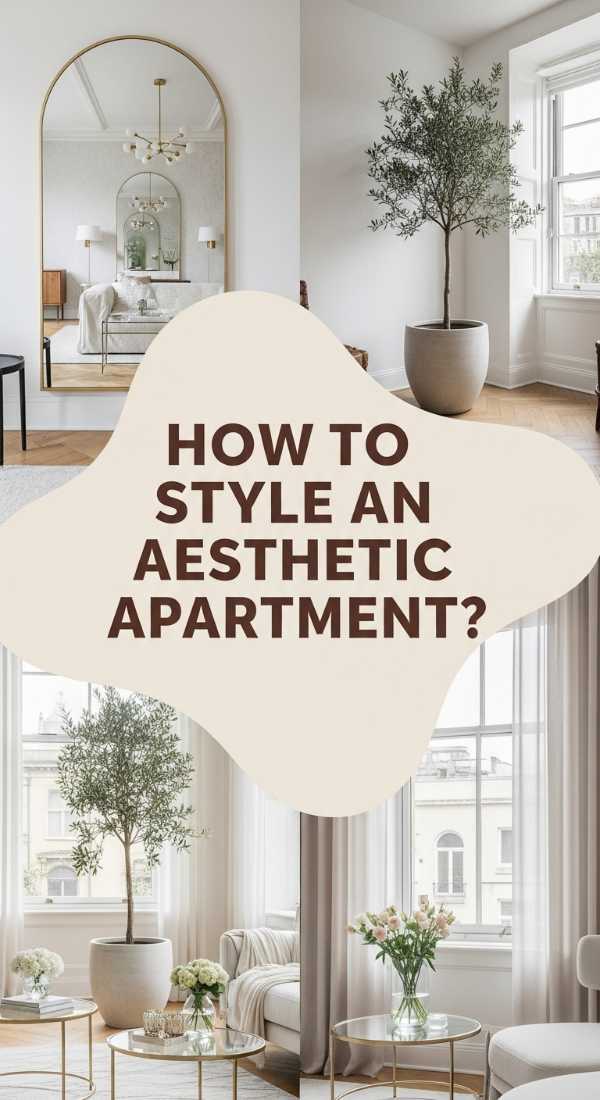
How to Style a Small Living Room Apartment for an Aesthetic Glow
Why we love this
Small apartments possess an inherent intimacy that, when styled correctly, creates an enchanting ‘glow’ that larger spaces often lack. We love this approach because it forces us to be incredibly creative with light and reflection, turning a compact footprint into a shimmering jewel box of a home. There is a specific warmth that comes from a well-placed mirror catching the golden hour light, reflecting it onto a velvet cushion and a marble tray holding your favorite snacks. It’s about maximizing every inch to ensure your lifestyle feels expansive and high-end, regardless of the square footage.
Essential Elements:
- Over-sized floor mirrors to double the perceived visual space.
- Sheer floor-to-ceiling drapes to draw the eye upward.
- Multi-functional furniture like nesting tables or storage ottomans.
- Strategic glass and metallic accents to bounce light around the room.
- Dimmable warm-toned LED strips tucked behind shelves or under sofas.
How to make it
- Measure your floor plan with precision and choose ‘apartment-scale’ furniture that leaves at least 18 inches of walkway space between pieces.
- Install your curtain rod 6 inches above the window frame and let the fabric ‘puddle’ slightly on the floor to create the illusion of soaring ceilings.
- Position a large mirror directly across from your primary light source to maximize the ‘glow’ effect during the daylight hours.
- Layer your lighting by placing lamps at three different heights: floor level, table level, and eye level, to eliminate harsh shadows in corners.
- Keep the floor visible as much as possible by choosing sofas and chairs with exposed legs; this ‘breathability’ makes the room feel much larger than it is.
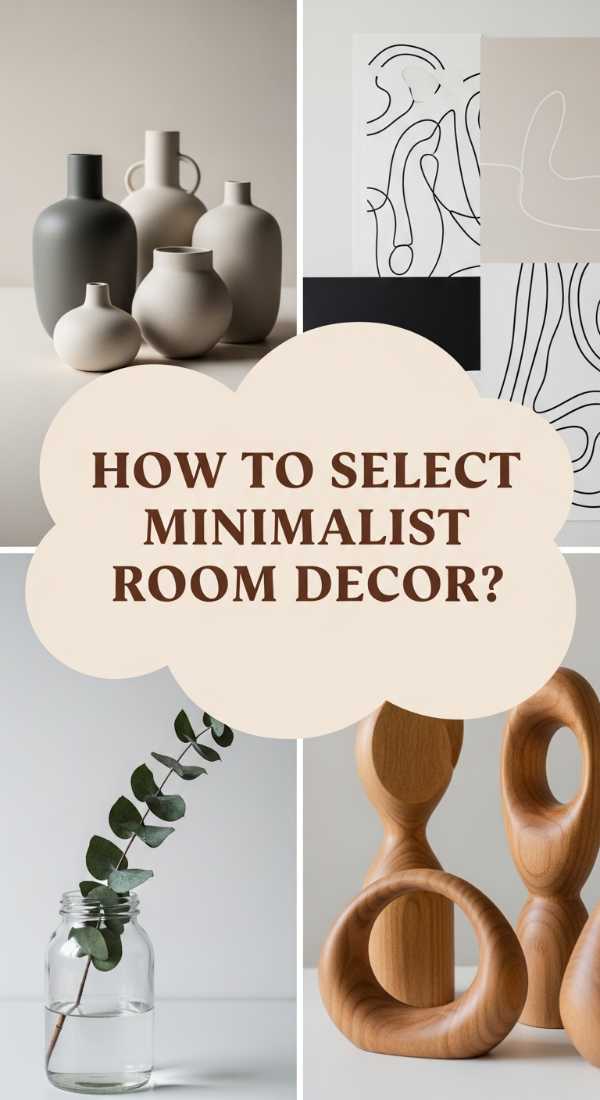
How to Select Minimalist Room Decor for a Peaceful Haven
Why we love this
The selection process for minimalist decor is a meditative practice in itself, focusing on the ‘energy’ of objects rather than their trendiness. We adore this because it results in a home that feels like a curated gallery of your favorite memories and textures, rather than a warehouse of random things. Every piece you choose—from a smooth river stone used as a paperweight to a hand-poured soy candle—should have a tactile quality that invites touch and a visual simplicity that calms the mind. It is the art of ‘enough,’ where each object is given the space it needs to be appreciated fully.
Essential Elements:
- Sculptural candles in organic, asymmetrical shapes.
- Textured wall hangings made of jute or unspun wool.
- Neutral-toned coffee table books with matte covers.
- Small indoor trees like an Olive or Fiddle Leaf Fig in terracotta pots.
- A single, high-quality cashmere or mohair throw blanket.
How to make it
- Apply the ‘one-in, one-out’ rule strictly: for every new decorative piece you bring home, remove one that no longer serves your aesthetic vision.
- Focus on ‘form’ by selecting items with interesting silhouettes—look for spheres, arches, and soft waves that mimic shapes found in nature.
- Group items in odd numbers, specifically clusters of three, varying the height and width of each object to create a sense of organic movement.
- Check the ‘visual temperature’ of your decor; ensure that cool materials like glass or metal are always paired with warm materials like wood or wool.
- Audit your decor every season, removing items that feel ‘heavy’ or cluttered and leaving empty spaces to allow your ‘haven’ to breathe.
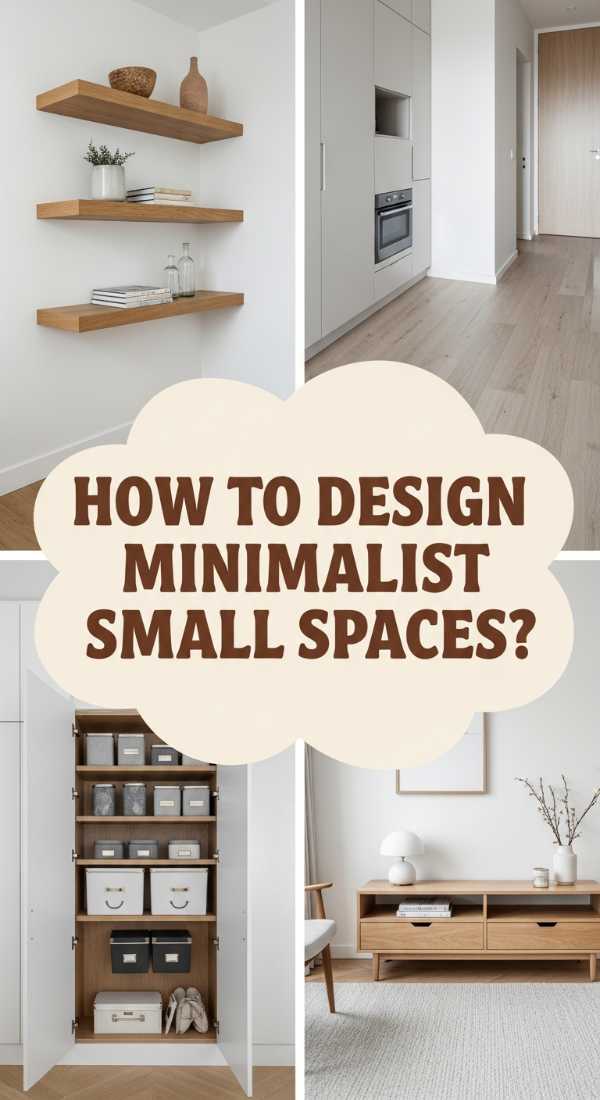
How to Design a Minimalist Living Room in Small Spaces for Breathability
Why we love this
Designing for breathability is like giving your home a pair of lungs; it creates a literal and figurative space to move and think. In small living rooms, this approach is transformative because it turns a cramped area into a light-filled sanctuary that feels fresh and invigorating. We love the way air seems to circulate better when furniture isn’t pushed directly against every wall, and the way the eye can travel uninterrupted across the floor. It creates the perfect backdrop for a simple food board, where the focus remains on the vibrant colors of fresh fruit and artisanal cheeses against a crisp, clean background.
Essential Elements:
- Wall-mounted shelving units to keep the floor clear.
- A monochromatic color scheme (shades of white on white).
- Acrylic or ‘ghost’ furniture that provides function without visual bulk.
- Minimalist window treatments that disappear when open.
- Hidden storage solutions to keep daily clutter out of sight.
- Pull your furniture away from the walls by at least 2-3 inches; this ‘floating’ technique creates an immediate sense of airiness.
- Utilize vertical space by installing high shelves, which draws the gaze upward and keeps the ‘eye level’ area of the room uncluttered.
- Choose a large, light-colored rug that extends under all furniture pieces to unify the space and prevent a ‘choppy’ visual feel.
- Limit your color palette to three closely related tones (e.g., Alabaster, Bone, and Driftwood) to minimize visual transitions.
- Perform a ‘clutter scan’ daily, ensuring that flat surfaces are cleared of anything that doesn’t contribute to the overall sense of breathability.
- A dedicated ‘tech-free’ zone with comfortable floor cushions.
- Natural incense or essential oil diffusers with grounding scents (cedar, sandalwood).
- Storage baskets made of seagrass or water hyacinth for hidden organization.
- An abundance of natural light and access to greenery.
- High-quality, ethically sourced linens for all textile surfaces.
- Identify the ‘pain points’ in your home—areas where clutter habitually accumulates—and design a mindful storage solution for those specific items.
- Incorporate ‘living’ decor, such as air-purifying plants, to physically improve the air quality and connection to nature within your home.
- Establish a ‘threshold ritual’ where you leave your shoes and bags in a designated spot, symbolizing the transition from the busy world to your sanctuary.
- Audit your lighting to ensure you have ‘circadian-friendly’ options, using warm, low-intensity light in the evenings to signal rest.
- Practice ‘intentional placement’ by ensuring every item in your home has a specific ‘home’ and a specific purpose for your lifestyle.
- Symmetrical furniture arrangements for a sense of balance.
- A centralized ‘gathering’ piece like a large round ottoman.
- Defined ‘zones’ for different activities (reading, eating, resting).
- Soft, rounded edges on furniture to prevent ‘visual sharp edges.’
- Minimalist clocks or timepieces that don’t tick loudly.
- Use the ‘Golden Triangle’ rule for your seating: place chairs and sofas so that everyone is roughly an equal distance apart for easy conversation.
- Ensure that every seat has access to a surface (like a side table) and a light source to make the space functional and inviting.
- Create ‘negative space’—areas where there is nothing at all—to give the eye a place to rest and to emphasize the beauty of your furniture.
- Align your furniture with the natural architecture of the room, using walls and windows as guides for placement.
- Test the ‘flow’ by walking through the room with your eyes closed; you should be able to navigate easily without bumping into corners.
- Chunky wool or mohair blankets in cream or charcoal.
- Linen and velvet throw pillows in various sizes.
- Sheepskin or faux-fur rugs draped over chairs or floors.
- Woven wall tapestries or macramé with minimalist designs.
- Natural wood elements with visible grain and texture.
- Start with your ‘base’ texture, which should be the largest surface area (like a smooth leather sofa or a flat-weave rug).
- Layer on a ‘secondary’ texture that contrasts with the base, such as a soft wool blanket on the leather sofa.
- Add ‘accent’ textures in smaller doses—think a silk pillow or a rough-hewn stone bowl on a smooth table.
- Check the ‘warmth balance’ by ensuring that soft, ‘fuzzy’ textures make up at least 60% of the tactile surfaces in the room.
- Mix the ‘scale’ of your textures; pair a large, chunky knit with a fine, delicate linen to create a professional, layered look.
- Architectural floor lamps with slim, matte-black or brass stems.
- Paper lantern-style pendants for a soft, diffused glow.
- Dimmable wall sconces that provide indirect ‘wash’ lighting.
- Battery-operated ‘fairy lights’ inside glass cloches.
- Scented candles with high-quality wicks for a flicker-free flame.
- Abolish ‘the big light’ (harsh overhead lighting) and replace it with multiple ‘task’ and ‘accent’ lights throughout the room.
- Choose ‘warm white’ bulbs (2700K to 3000K) to mimic the cozy glow of golden hour and avoid the sterile feel of blue-toned lights.
- Install dimmers on every light source possible, allowing you to transition the ‘energy’ of the room from morning brightness to evening calm.
- Place lights at different elevations—one low on a shelf, one at table height, and one taller floor lamp—to create ‘pools’ of light rather than a flat wash.
- Use ‘uplighting’ behind plants or large furniture to create dramatic shadows and add depth to the corners of your sanctuary.
- Terracotta or unglazed ceramic pots in various earthy tones.
- Dried pampas grass or eucalyptus bundles for long-lasting greenery.
- River stones or crystals used as natural decorative accents.
- A live-edge wood tray for serving your food boards.
- Baskets made from natural fibers like wicker or rattan.
- Select one ‘hero’ natural element for each room, such as a large potted plant or a significant piece of driftwood, to act as an organic anchor.
- Vary the types of ‘nature’ you include; mix ‘greenery’ (plants) with ‘earth’ (ceramics) and ‘wood’ (furniture) for a holistic feel.
- Keep your plant choices minimalist; stick to one or two species throughout the house (like snake plants or pathos) to maintain a cohesive look.
- Use natural materials to solve functional problems, like using a heavy stone as a doorstop or a wooden bowl for keys.
- Refresh your natural decor seasonally by bringing in branches from outside, ensuring your home always feels connected to the passing of time.
- A primary ‘anchor’ color (e.g., Warm White or Soft Grey).
- Two ‘bridge’ colors (e.g., Beige, Camel, or Greige).
- One ‘depth’ color for contrast (e.g., Charcoal, Forest Green, or Navy).
- Matte paint finishes to soften the reflection of light.
- Natural wood tones that act as ‘neutral’ colors.
- Identify the ‘undertones’ of your space’s fixed elements (like flooring or countertops)—are they pink, yellow, or blue?
- Select a paint color that shares those same undertones to ensure a seamless, harmonious ‘wrap’ of color throughout the room.
- Apply the 60-30-10 rule: 60% your main neutral, 30% your secondary neutral, and 10% your ‘depth’ or accent color.
- Test your colors in all lighting conditions—morning light, afternoon sun, and evening lamplight—before committing to a full room.
- Use different ‘sheens’ of the same color (matte on walls, satin on trim) to add subtle architectural interest without introducing new colors.
How to make it
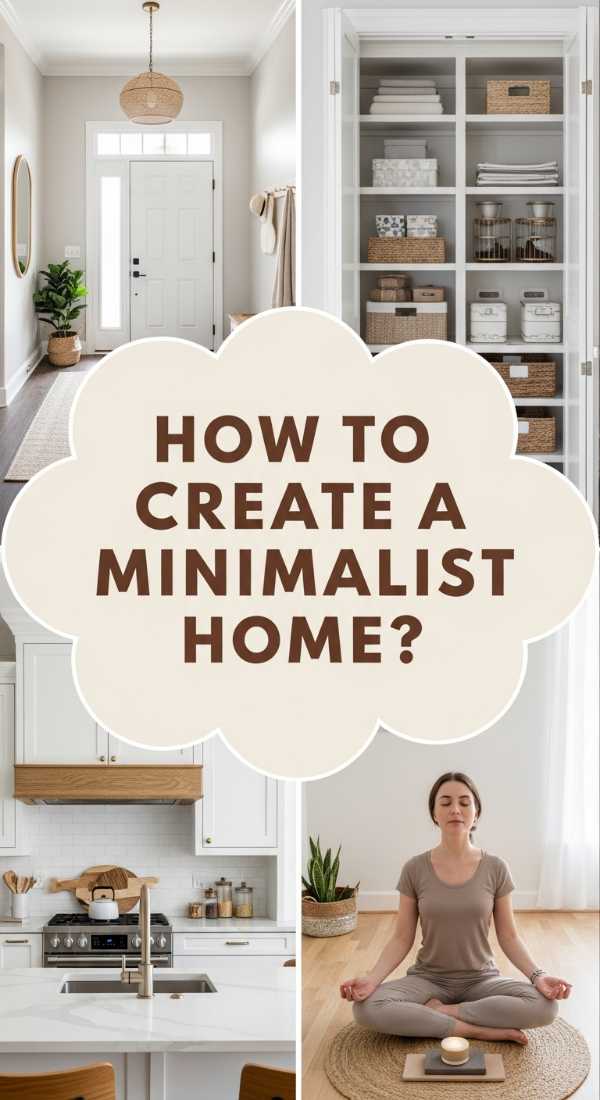
How to Create a Minimalist Home for a Mindful Lifestyle
Why we love this
This is more than just an interior design style; it is a philosophy of living that prioritizes your mental clarity and emotional well-being. We love this because a mindful home acts as a buffer against the chaos of the outside world, providing a soft place to land at the end of a long day. When your environment is stripped of excess, your mind is free to focus on what matters—whether that’s a deep conversation over a food board or a quiet moment of reflection. The scent of natural wood and the feel of organic cotton become anchors that pull you back into the present moment.
Essential Elements:
How to make it
How to Arrange a Cozy Minimalist Space for Daily Calm
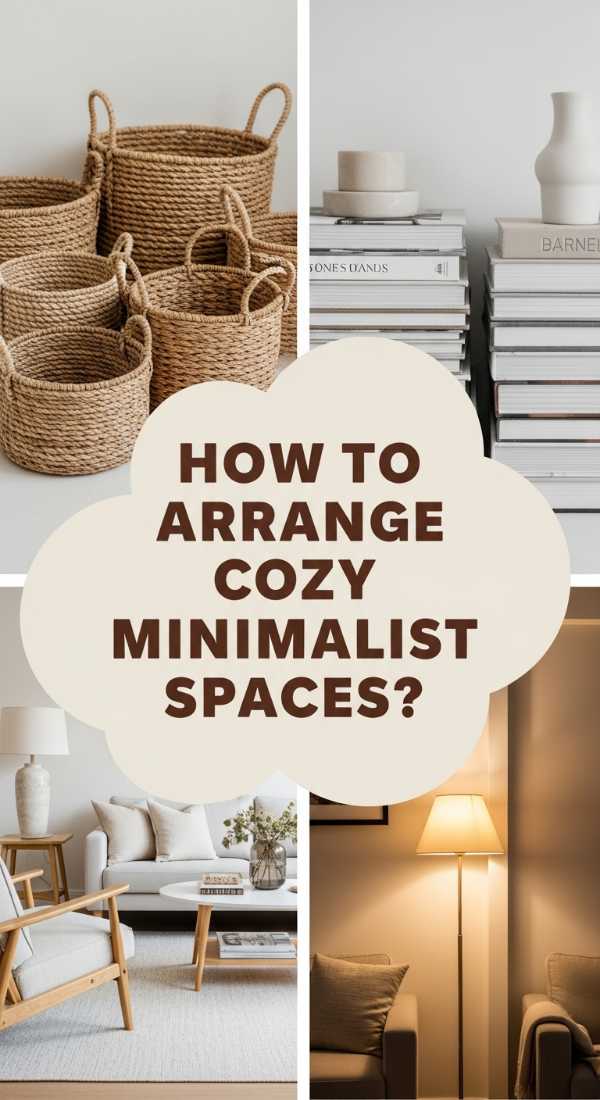
Why we love this
The arrangement of a room dictates how you feel within it, and a well-ordered space is the foundation of daily calm. We love the rhythm of a room where the pathways are clear and the seating is arranged to foster intimacy and warmth. There is a profound sense of satisfaction in sitting down in a chair that is perfectly angled toward a view or a crackling fire, with a soft light over your shoulder and a small table within reach for your tea. It turns the act of simply ‘being’ at home into a luxurious, restorative experience that recharges your batteries.
Essential Elements:
How to make it
How to Layer Minimalist Cozy Textures for a Warm Atmosphere
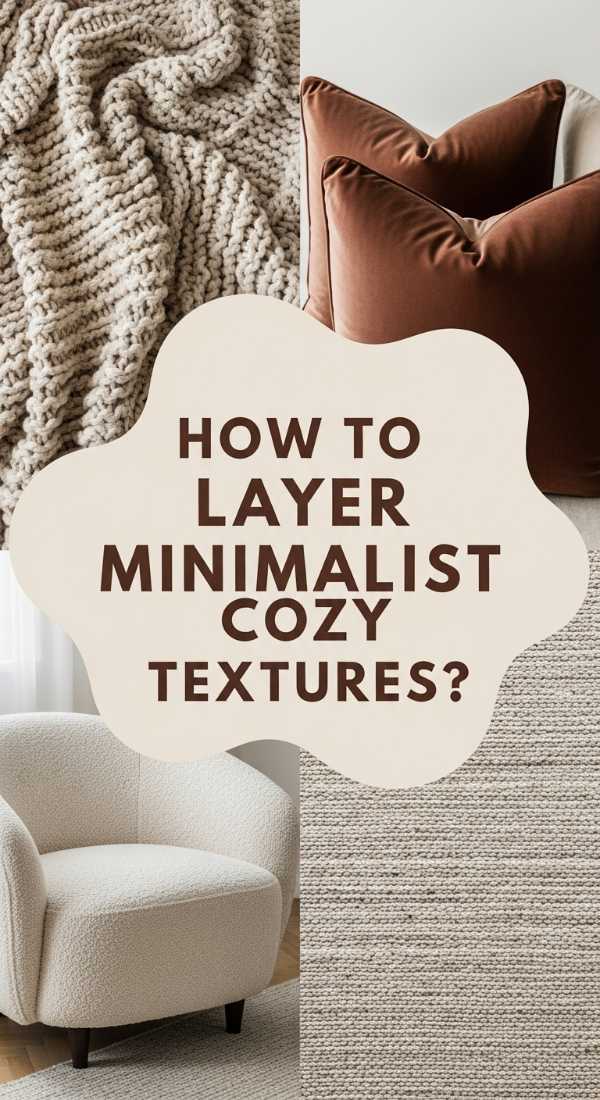
Why we love this
Texture is the secret weapon of the minimalist; it provides all the interest and warmth of a ‘busy’ room without any of the clutter. We love the sensory richness of running your hands over a chunky knit wool throw, followed by the smooth cool of a marble table and the slight grain of an oak chair. Layering these elements creates a ‘visual depth’ that feels incredibly cozy and inviting, especially when the sun sets and the room is bathed in lamp light. It’s the difference between a room that feels ‘stark’ and one that feels ‘sophisticated’ and lived-in.
Essential Elements:
How to make it
How to Master Minimalist Lighting for a Glowing Sanctuary
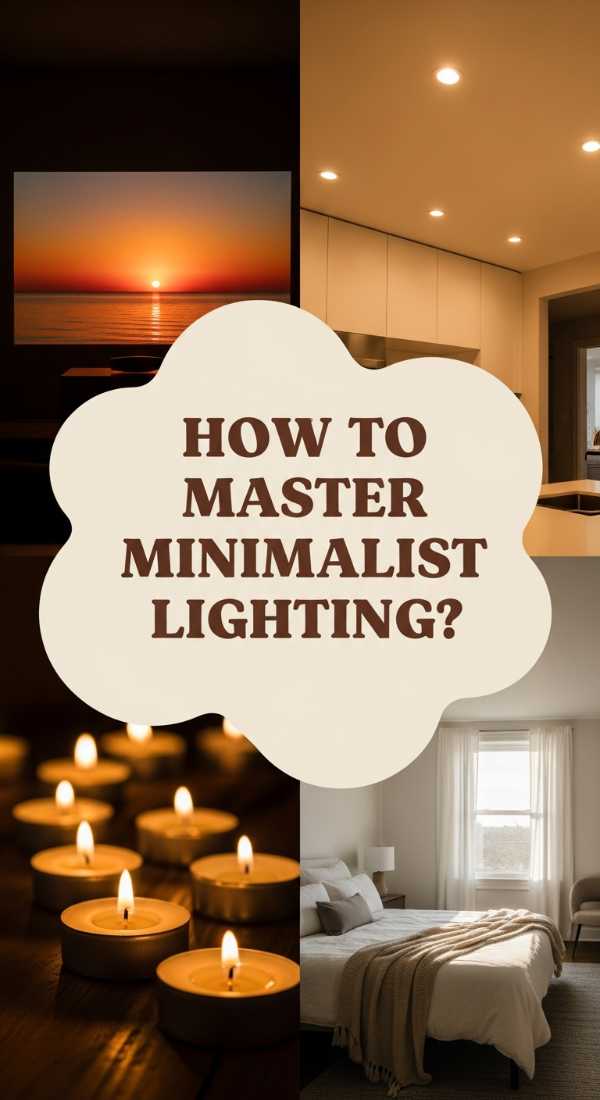
Why we love this
Lighting is the ‘makeup’ of interior design; it can hide flaws and highlight your home’s best features with a single flick of a switch. We are obsessed with minimalist lighting because it focuses on the quality of the glow rather than the complexity of the fixture. Imagine a room where the light seems to emanate from the walls themselves, creating a soft, ethereal atmosphere that makes everyone look and feel beautiful. It’s the ultimate way to set the mood for your viral food board, casting a warm, appetizing light over the ingredients while keeping the rest of the room in a gentle, relaxing shadow.
Essential Elements:
How to make it
How to Integrate Natural Decor for a Minimalist Aesthetic
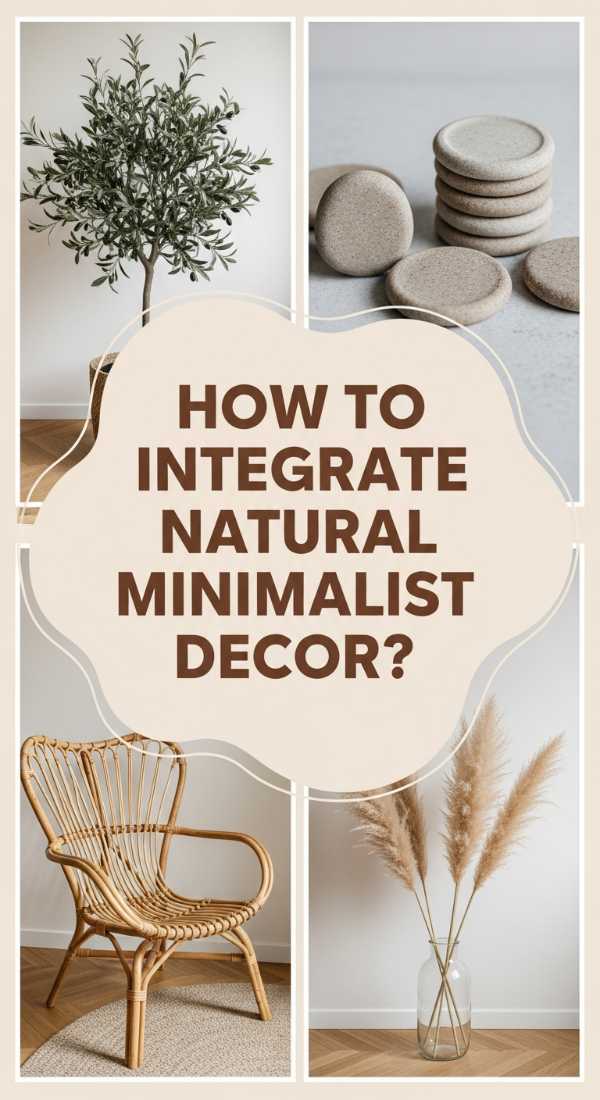
Why we love this
Integrating the outdoors is the fastest way to make a minimalist space feel alive and vibrant. We love this because natural elements—wood, stone, clay, and plants—have an inherent imperfection that softens the clean lines of modern design. There is a deep, primal comfort in the sight of a gnarled olive branch in a heavy stoneware vase or the cool touch of a slate coaster. These ‘living’ materials age beautifully, developing a patina that tells the story of your home, and they provide a stunning, organic contrast to the structured elements of your viral hosting setup.
Essential Elements:
How to make it
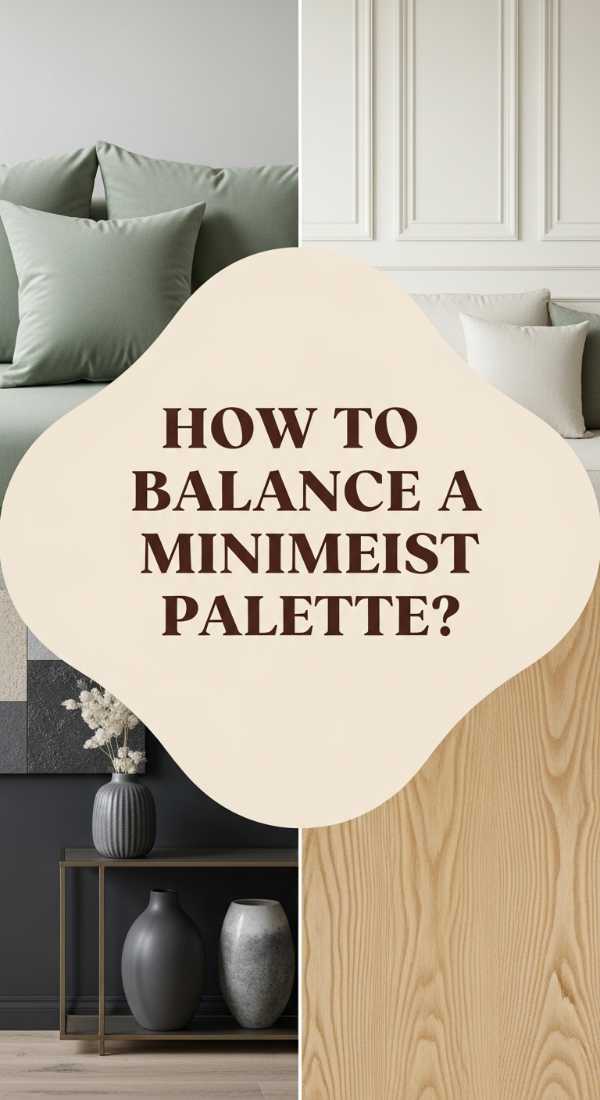
How to Balance a Minimalist Color Palette for Lasting Comfort
[IMAGE_10]
Why we love this
A balanced color palette is the heartbeat of a serene home; it’s the quiet foundation that makes everything else possible. We love the ‘quiet luxury’ of a perfectly tuned palette, where every shade of cream, taupe, and charcoal works in harmony to create a sense of effortless sophistication. It’s not just about ‘white’; it’s about the subtle interplay of warm and cool tones that prevents a minimalist room from feeling cold or clinical. This balance ensures your home remains a comforting retreat for years to come, providing a timeless backdrop for all your hosting adventures.
Essential Elements:
How to make it
The Final Touch: Bringing It All Together
Creating a home that is both ‘viral-ready’ and a true sanctuary for your soul is an ongoing journey of intentionality. By focusing on these minimalist principles—from the glow of your lighting to the textures you layer on your sofa—you build a space that supports your well-being and elevates every hosting moment. When you finally place that viral food board on your perfectly styled coffee table, it won’t just be a snack; it will be the centerpiece of a life well-lived in a home that breathes with you. Enjoy the peace, the glow, and the connection you’ve worked so hard to curate.