
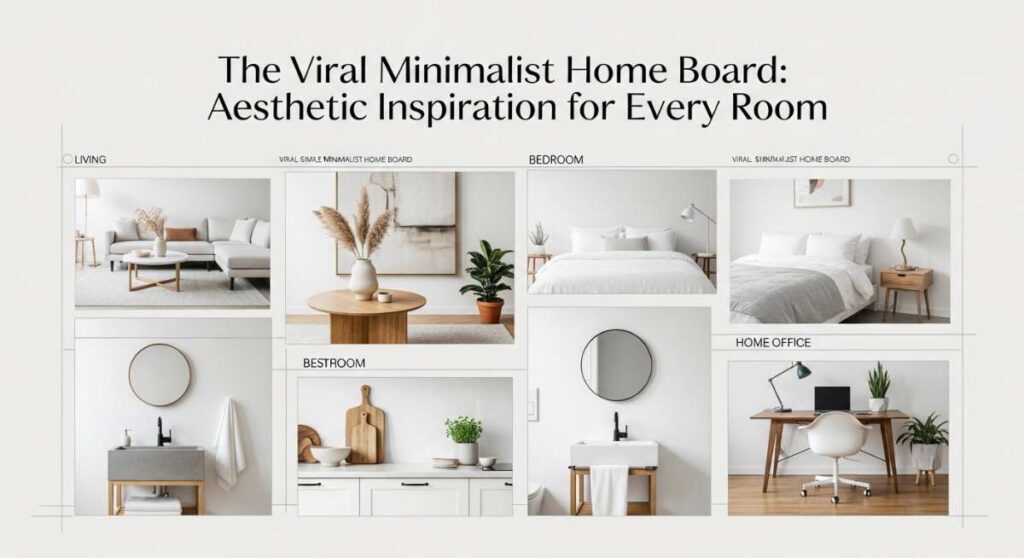
Have you ever spent hours scrolling through Pinterest, saving image after image of rooms that look like a soft, quiet dream? You know the ones—the sun-drenched corners, the perfectly draped linen throws, and the sense of calm that practically radiates through the screen. There is something deeply magnetic about the viral minimalist aesthetic; it is less about living with nothing and more about living with only what brings you peace.
We have all felt that pang of envy seeing a perfectly curated ‘Home Board’ and wondering why our own spaces feel more like a chaotic catch-all than a sanctuary. The truth is, that high-end, serene look is more achievable than you think. It is about a thoughtful curation of textures, a disciplined color palette, and a focus on how a space feels the moment you step into it. Let’s dive into how you can turn your living space into a viral-worthy minimalist haven.
How to Curate a Small Apartment Living Room for Maximum Serenity
Why we love this
There is a specific kind of magic in a small apartment that feels airy and expansive rather than cramped. We love this approach because it treats every square inch as a precious opportunity for stillness, utilizing light and shadow to create a sense of infinite room. Imagine the scent of a fresh eucalyptus candle wafting through a space where the air feels light, and the sight of a single, perfectly placed ceramic vase makes you feel instantly grounded. It is the ultimate antidote to the busy world outside, providing a soft landing at the end of every long day.
Essential Elements:
- Neutral, low-profile sofa
- Sheer linen curtains for diffused light
- A monochromatic area rug
- Reflective glass or mirror accents
- A single statement indoor plant
How to make it
- Begin by clearing the floor: Remove every item from the room except the heavy furniture to visually assess the available square footage and the natural flow of light from the windows.
- Optimize your seating: Place your largest piece of furniture against the longest wall or in a central position that doesn’t block walking paths, ensuring there are at least 18 inches of space between the sofa and coffee table for easy movement.
- Layer your lighting: Instead of using harsh overhead lights, place a tall floor lamp in a dark corner and a small table lamp on a side table to create a warm, inviting glow that mimics natural sunset.
- Introduce life: Select a tall, architectural plant like a Fiddle Leaf Fig or a Dracaena and place it in a corner where it can reach toward the light, adding height and a vibrant pop of organic green.
- Final curation: Add only three decorative items to your coffee table—a book, a candle, and a tray—to keep the surface clear and the mind focused on the quiet beauty of the room.
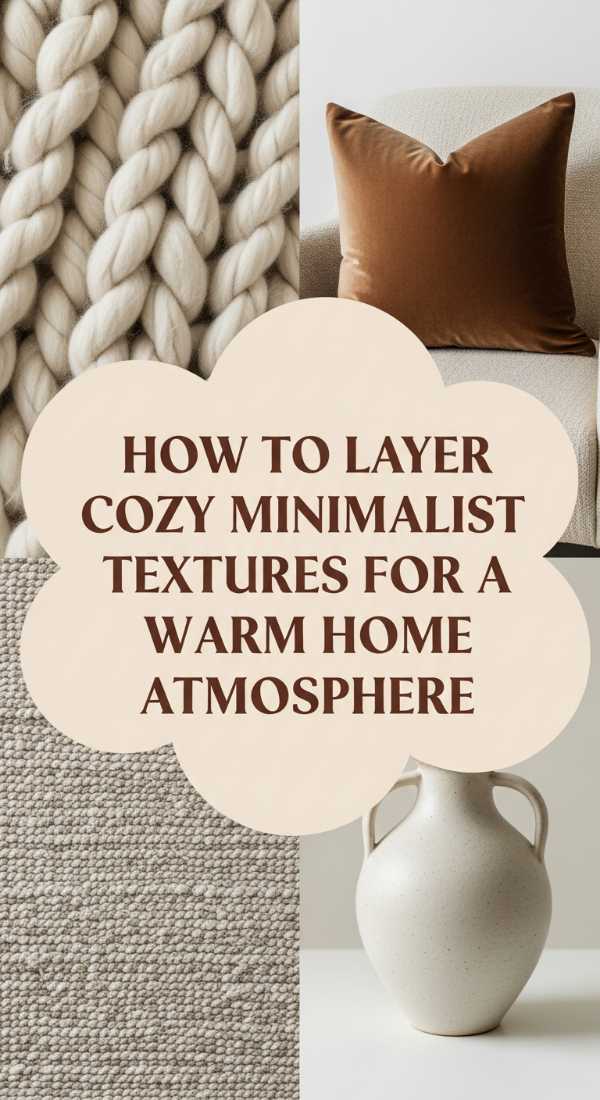
How to Layer Cozy Minimalist Textures for a Warm Home Atmosphere
Why we love this
Minimalism can sometimes feel cold, but the ‘Cozy Minimalist’ movement changes everything by inviting touch and warmth back into the home. We love the way a thick, bouclé pillow feels against the smooth grain of a wooden bench, or how a heavy wool rug provides a soft, hushed sound to every footstep. It is a feast for the senses that doesn’t overwhelm the eyes, using a palette of oatmeals, creams, and sands to create a visual hug. This style proves that you can have a clean aesthetic while still feeling like you are wrapped in a warm blanket.
Essential Elements:
- Bouclé and sherpa textiles
- Natural wood surfaces (oak or walnut)
- Chunky knit throw blankets
- Woven seagrass baskets
- Matte ceramic vases
How to make it
- Establish your base layer: Start with a neutral-toned rug that has a subtle, high-low pile to add visual interest without needing busy patterns.
- Mix your fabrics: Choose three different textures—for example, a linen sofa, a wool throw, and velvet cushions—and layer them together to create depth and a ‘touchable’ environment.
- Incorporate natural wood: Introduce a wooden stool or a coffee table with a visible grain to bring an earthy, organic warmth that balances the softness of the fabrics.
- Add woven elements: Place a seagrass or rattan basket in the corner to hold extra pillows; the weave adds a rustic, artisanal touch that feels grounded and authentic.
- Adjust the visual weight: Step back and ensure that the ‘heavier’ textures (like the chunky knits) are balanced by ‘lighter’ elements (like glass or thin metal legs) so the room feels anchored but not weighed down.
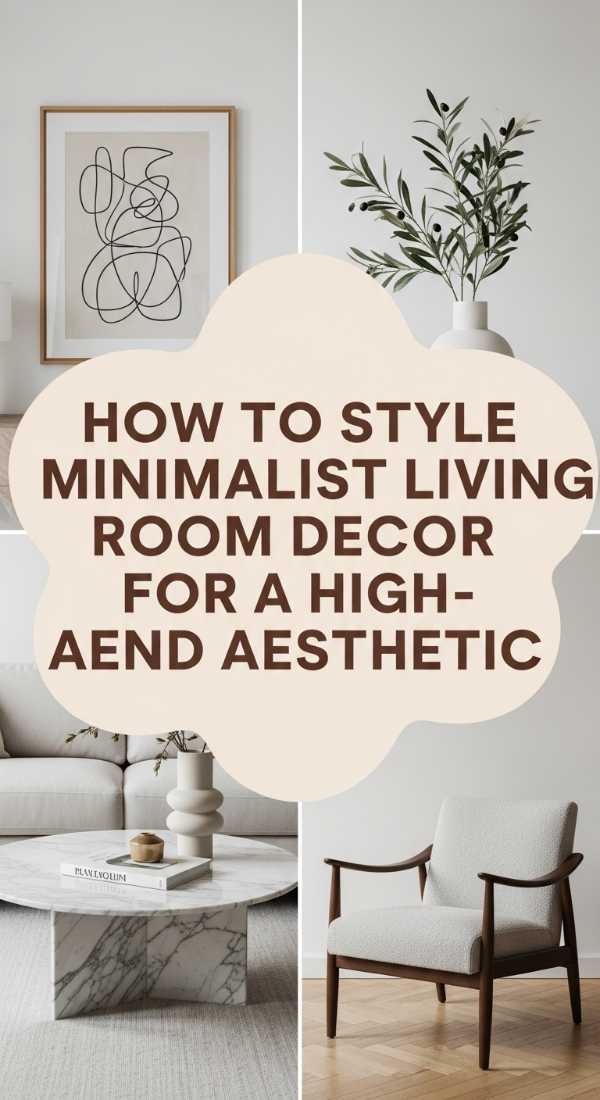
How to Style Minimalist Living Room Decor for a High-End Aesthetic
Why we love this
The high-end aesthetic is all about ‘The Edit.’ We love this style because it elevates everyday living into an art form, focusing on the quality of a few exquisite pieces rather than the quantity of many. There is a profound sense of luxury in a room that isn’t afraid of empty space; it suggests a confidence and a curated life. Imagine walking into a room where a single piece of abstract art commands the wall, and the subtle aroma of expensive sandalwood fills the air—it feels like a private gallery meant just for your relaxation.
Essential Elements:
- Large-scale abstract wall art
- Designer coffee table books
- Sculptural lighting fixtures
- Marble or stone decorative bowls
- Minimalist black metal accents
How to make it
- Select a focal point: Choose one ‘hero’ piece, such as a large painting or a unique light fixture, and design the rest of the room’s layout to lead the eye toward it.
- Use the Rule of Three: When styling surfaces, group items in sets of three varying heights—for example, a tall candle, a medium-sized bowl, and a flat book—to create a balanced, professional look.
- Incorporate ‘Negative Space’: Intentionally leave one wall or one section of a shelf completely empty to allow the eye to rest and to make the curated items stand out more prominently.
- Focus on materials: Swap out plastic or cheap metal for high-end materials like solid marble, brushed brass, or heavy smoked glass to instantly elevate the perceived value of the space.
- Curate your colors: Stick to a very tight palette of three colors (e.g., white, charcoal, and gold) and ensure every new item you bring into the room fits strictly within this scheme.
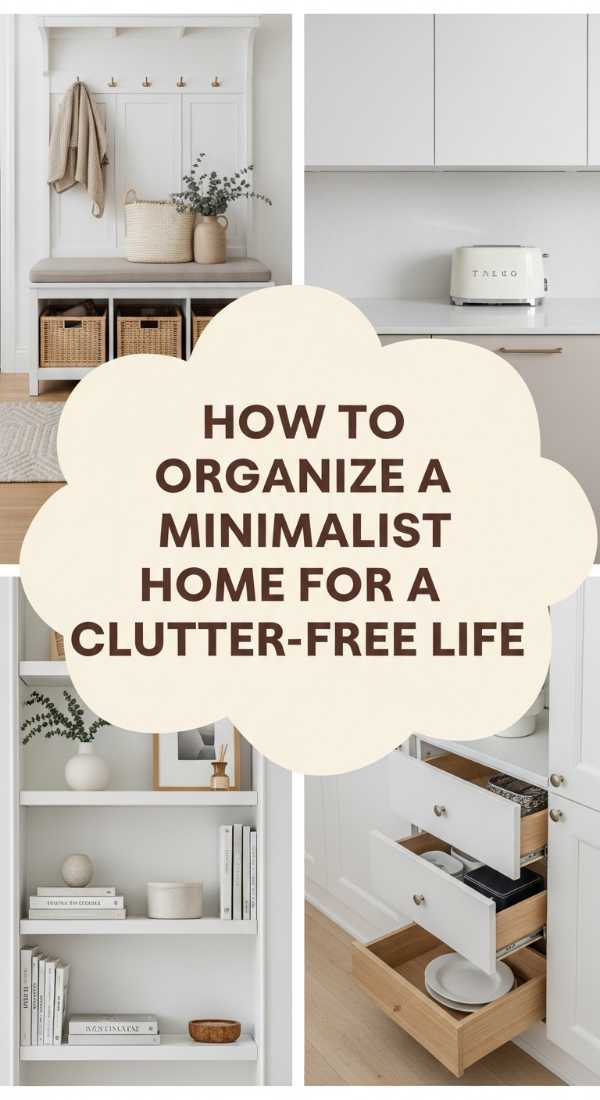
How to Organize a Minimalist Home for a Clutter-Free Life
Why we love this
There is nothing quite as satisfying as the feeling of a home where everything has a designated place, hidden away from sight but easily accessible. We love the mental clarity that comes with a clutter-free environment; it feels like the brain can finally stop scanning for ‘to-dos’ and simply exist. The sound of a smooth drawer sliding shut on an organized interior and the sight of clean, clear countertops provide a visceral sense of relief. It is the foundation upon which all other aesthetic choices are built, turning a house into a functional machine for peace.
Essential Elements:
- Hidden storage furniture
- Uniform organizational bins
- Labeling systems
- Minimalist wall hooks
- Multi-functional furniture pieces
How to make it
- The ‘Daily Purge’: Spend 10 minutes every evening walking through the house with a basket, picking up anything that isn’t in its ‘home’ and returning it to its proper place before bed.
- Optimize hidden storage: Replace an open coffee table with one that has internal storage compartments to hide remote controls, magazines, and chargers from view.
- Uniformity is key: When organizing closets or pantries, use identical bins and containers to eliminate visual noise and create a streamlined, ‘store-front’ appearance.
- Utilize vertical space: Install sleek, minimalist hooks near the entryway for bags and coats, keeping them off the floor and maintaining a clear walkway.
- Digitize the paper: Switch to paperless billing and scan important documents immediately, reducing the need for filing cabinets and paper piles that traditionally clutter minimalist surfaces.
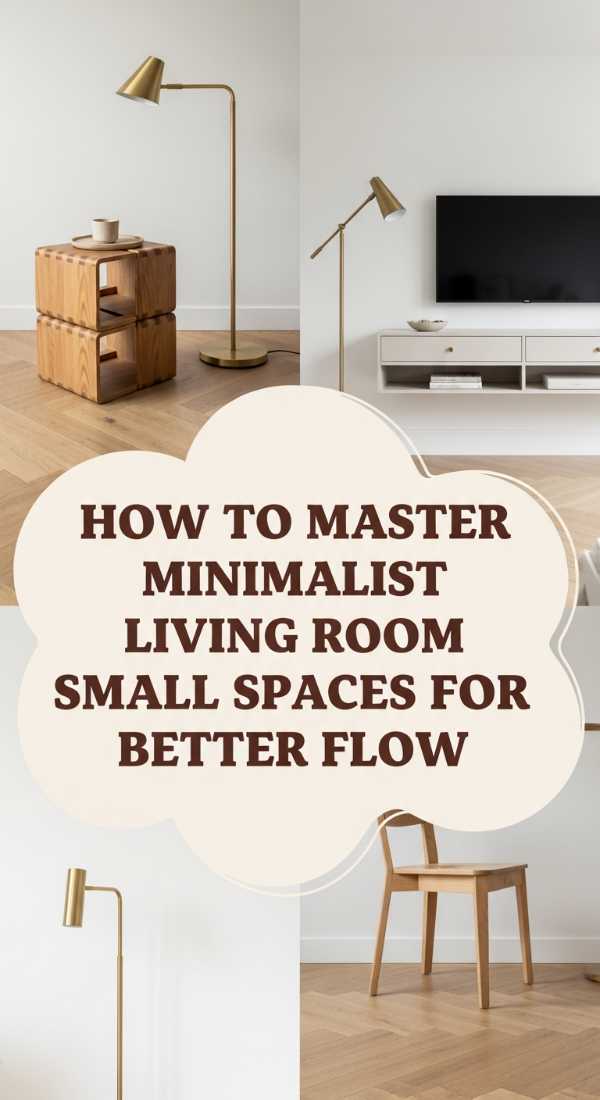
How to Master Minimalist Living Room Small Spaces for Better Flow
Why we love this
Mastering the ‘flow’ of a small space is like solving a beautiful puzzle. We love how a well-thought-out layout can make a tiny studio feel like a grand suite, guiding your movement through the home with ease and grace. It’s about the feeling of never bumping into a corner or feeling trapped in a seat. When the furniture is scaled perfectly and placed with intention, the room feels like it is breathing with you, allowing energy and light to circulate without any obstacles in their way.
Essential Elements:
- Leggy furniture (to see more floor)
- Acrylic or ‘ghost’ chairs
- Round coffee tables
- Strategic mirror placement
- Floating shelves
How to make it
- Measure the ‘Breathable’ space: Ensure there are at least 30 inches of walking space between furniture groupings to allow for comfortable movement throughout the room.
- Choose ‘Leggy’ pieces: Opt for sofas and chairs with exposed legs rather than skirted bases; seeing the floor underneath the furniture tricks the brain into thinking the room is larger than it is.
- Soften the corners: Use a round coffee table instead of a rectangular one to prevent ‘traffic jams’ and make navigating around the center of the room much smoother.
- Direct the light: Place a large floor mirror opposite your main window to bounce light deep into the room, creating an illusion of depth and a secondary ‘window’ effect.
- Declutter the sightline: Keep the tops of all furniture below waist height where possible to maintain a clear view across the room, which makes the space feel more open and less imposing.
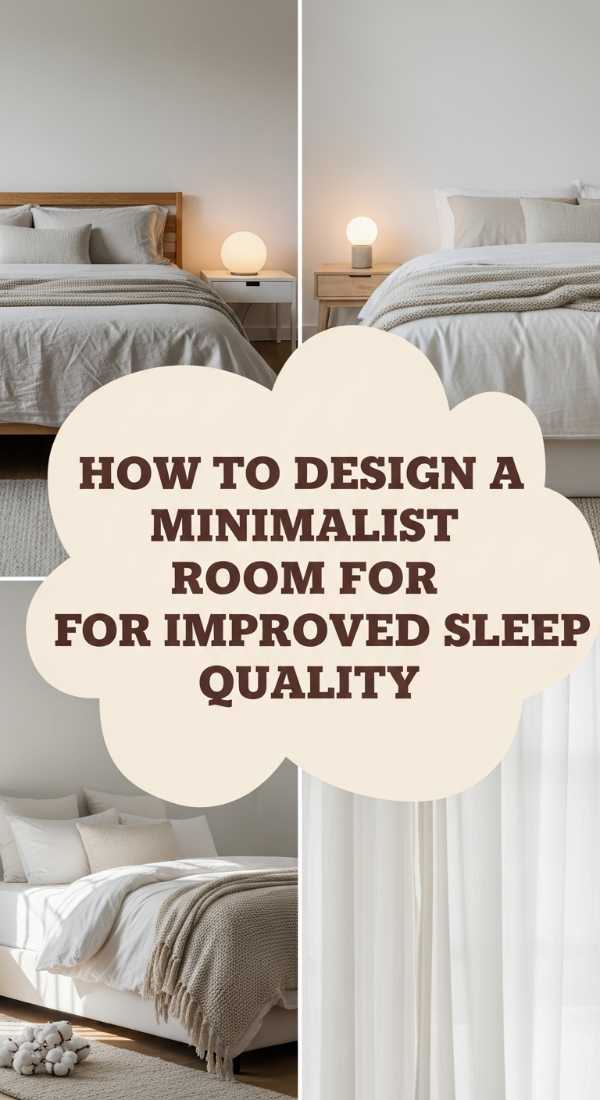
How to Design a Minimalist Room for Improved Sleep Quality
Why we love this
The bedroom should be a temple for restoration, and minimalist design is the key to unlocking deep, uninterrupted sleep. We love the way a stripped-back bedroom focuses purely on comfort—the cool touch of high-quality cotton sheets, the absence of blinking electronics, and a palette of soft, muted tones that signal to the brain it is time to rest. It creates a sensory vacuum where the only things that exist are soft textures and the quiet hum of a peaceful night, ensuring you wake up feeling as refreshed as the room looks.
Essential Elements:
- Blackout linen curtains
- High-thread-count organic bedding
- Warm-toned bedside lamps
- Essential oil diffuser
- Zero-clutter nightstands
How to make it
- Remove the ‘Wakeful’ items: Take all electronics, including TVs and charging stations, out of the bedroom to eliminate blue light and the mental association with work or scrolling.
- Invest in the ‘Tactile’: Choose bedding made from natural fibers like flax linen or bamboo that breathe and regulate temperature, ensuring physical comfort throughout the night.
- Lower the Kelvin: Use lightbulbs with a ‘warm’ rating (around 2700K) in your bedside lamps to encourage melatonin production as you prepare for bed.
- Simplify the nightstand: Keep only three things on your bedside table: a glass of water, a book, and a lamp. This prevents mental clutter from accumulating right next to your head.
- Aromatherapy integration: Use a stone diffuser with lavender or cedarwood oils 30 minutes before bed to create a sensory anchor that tells your body it is time to power down.
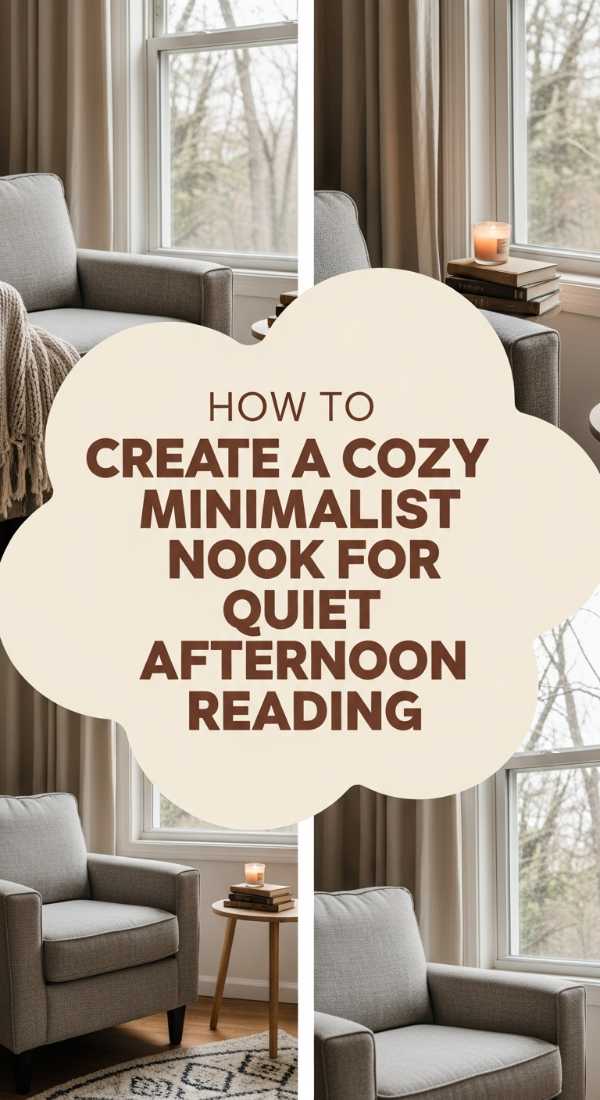
How to Create a Cozy Minimalist Nook for Quiet Afternoon Reading
Why we love this
There is something so romantic about a dedicated space for doing absolutely nothing but getting lost in a story. We love the cozy minimalist nook because it provides a ‘home within a home’—a small, protected corner that feels like a warm embrace. Picture the soft sunlight hitting the pages of your book, the gentle weight of a cashmere throw on your lap, and a steaming cup of tea resting on a small wooden pedestal. It is a tribute to slow living and the importance of taking time for yourself in a beautiful setting.
Essential Elements:
- An oversized, comfortable armchair
- Adjustable task lighting
- A small side pedestal or table
- Soft floor cushions
- A textured wall hanging
How to make it
- Find the ‘Quiet Corner’: Identify a corner of your home that is furthest from the main traffic areas or the kitchen to ensure maximum silence and minimal distraction.
- Define the zone: Use a small, plush rug to physically and visually separate the reading nook from the rest of the room, creating a ‘micro-environment.’
- Prioritize ergonomics: Choose a chair that supports your back but is deep enough to curl your legs into, ensuring you can sit comfortably for hours.
- Control the light: Position a slim, adjustable floor lamp directly behind the chair so the light falls over your shoulder onto your book without creating a glare.
- Add the ‘Cozy’ layers: Drape a textured throw over the back of the chair and place one soft pillow at the base to invite you into the space even when you aren’t using it.
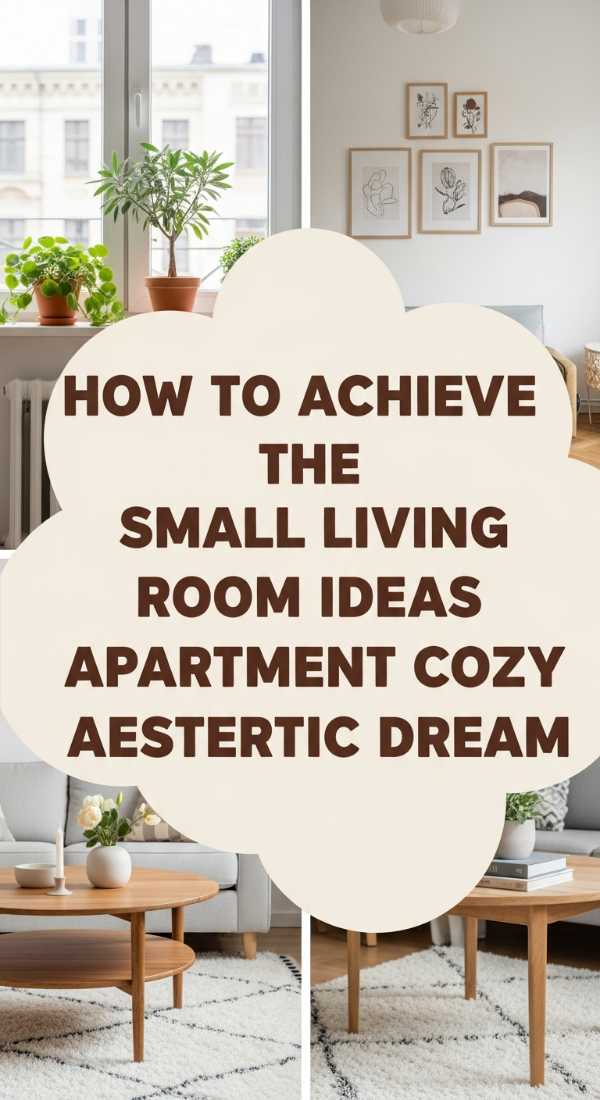
How to Achieve the Small Living Room Ideas Apartment Cozy Aesthetic Dream
Why we love this
This is the ‘Pinterest’ dream realized—the perfect balance between functional apartment living and high-end editorial style. We love this look because it proves you don’t need a mansion to live beautifully; you just need a vision. It is the combination of warm woods, soft whites, and clever storage that makes a small living room feel like a cozy, high-vibe retreat. It’s that feeling of coming home to a space that looks like it belongs in a magazine, yet feels exactly like ‘you.’
Essential Elements:
- Floating wooden media console
- Nesting coffee tables
- Gallery wall with thin black frames
- Tall, slender floor lamps
- Cream-colored area rug
How to make it
- Go ‘Floating’: Install a wall-mounted media console to keep the floor clear, which instantly makes the room feel more modern and spacious.
- Think ‘Multi-use’: Use nesting coffee tables that can be tucked away when not in use or spread out when you have guests, providing flexibility in a small footprint.
- Create a ‘Window’ of art: Arrange a small, tight gallery wall of black-and-white photos to add personality without the visual clutter of colorful, busy artwork.
- Verticality is your friend: Use tall, skinny floor lamps and high-reaching curtains to draw the eye upward toward the ceiling, making the walls feel taller.
- Keep the palette tight: Use ‘Tone-on-Tone’ decorating—where your walls, sofa, and rug are all shades of the same color—to create a seamless, high-end look that expands the space.
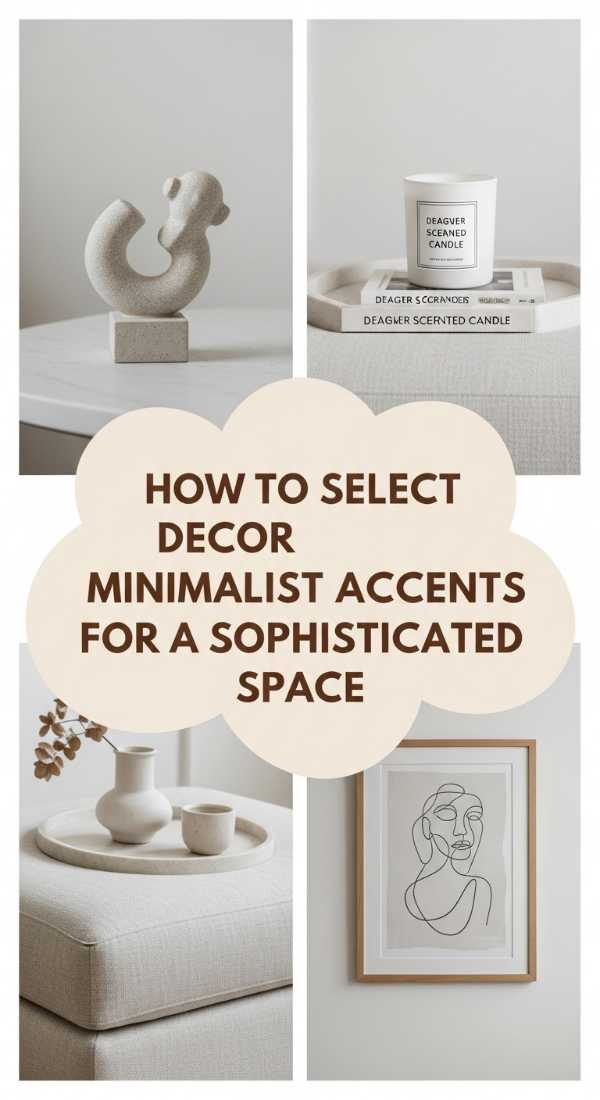
How to Select Decor Minimalist Accents for a Sophisticated Space
Why we love this
Accents are the jewelry of the home, and in a minimalist space, they are what provide the ‘soul.’ We love the sophistication of a well-chosen accent—a hand-carved stone tray, a sculptural brass candle snuffer, or a single branch of cherry blossoms in a glass vase. These items aren’t just ‘stuff’; they are curated choices that reflect a refined taste. They add a layer of texture and a touch of the extraordinary to an otherwise simple room, making the entire space feel expensive and deeply intentional.
Essential Elements:
- Sculptural ceramic vessels
- Matte metal accents (brass or steel)
- Single-stem botanicals
- Textured stone objects
- High-quality candle jars
How to make it
- Focus on ‘Form’: When choosing a vase or bowl, look for an interesting shape first and a color second; a sculptural silhouette provides more visual interest than a flat, colorful one.
- The ‘One In, One Out’ rule: For every new decorative object you bring into your home, remove one that no longer fits the aesthetic to prevent clutter buildup.
- Vary the materials: Place a cold, smooth stone bowl next to a warm, textured wooden box to create a ‘material dialogue’ that feels curated and professional.
- Use ‘Found’ objects: Don’t be afraid to use natural elements like a beautiful piece of driftwood or a large, smooth river stone as decor; they add an organic, grounded feel for free.
- Control the ‘Vibe’: Select a signature scent for your home through a high-end candle, and ensure the jar itself matches your decor, acting as both an olfactory and visual accent.
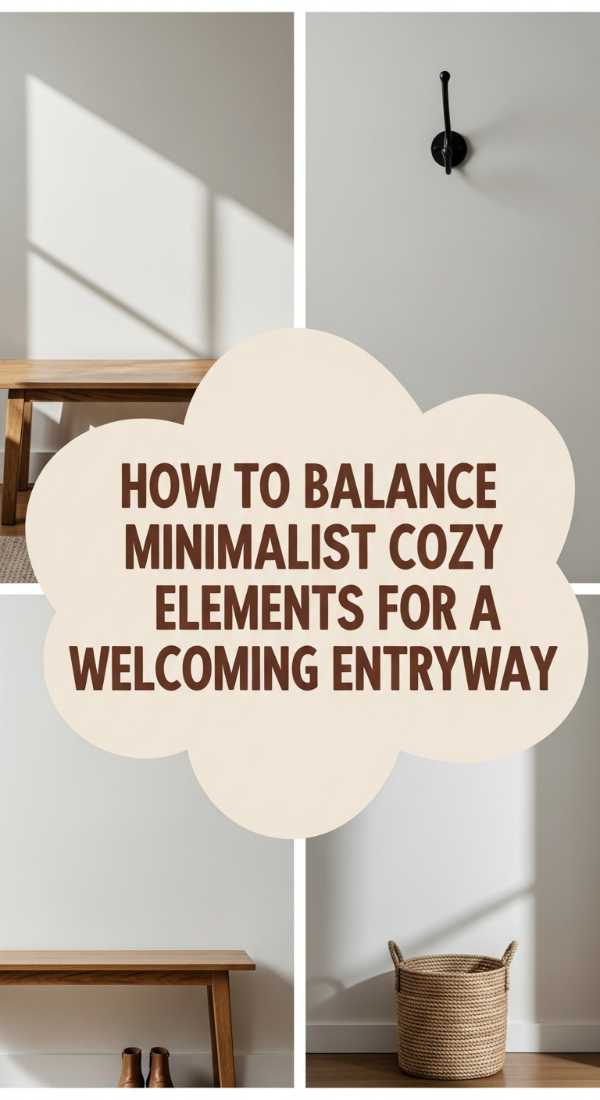
How to Balance Minimalist Cozy Elements for a Welcoming Entryway
[IMAGE_10]
Why we love this
The entryway is the first ‘breath’ your home takes, and it sets the tone for everything else. We love a minimalist entryway because it removes the stress of a cluttered ‘drop zone’ and replaces it with a calm, welcoming atmosphere. Imagine stepping through the door and being greeted by the scent of fresh linen and the sight of a clean, organized bench—no piles of mail, no tangled shoes. It’s a transitional space that helps you leave the chaos of the world at the door and transition into the peace of your home.
Essential Elements:
- Sleek entryway bench
- Large round wall mirror
- Minimalist key bowl
- Wall-mounted coat rack
- Small potted plant
How to make it
- The ‘Drop Zone’ discipline: Place a single, beautiful ceramic bowl on a console table to hold keys and wallets, ensuring they never migrate to the kitchen counter or dining table.
- Reflect the light: Hang a large circular mirror above the entryway table to brighten the space and allow for a quick ‘look check’ before leaving the house.
- Conceal the footwear: Use a slim shoe cabinet with pull-down doors to keep shoes completely out of sight, maintaining a clean visual line from the moment you enter.
- Add a ‘Soft Landing’: Place a small, durable jute or wool runner in the hallway to dampen sound and provide a soft texture underfoot as you take off your shoes.
- Scent the entrance: Use a reed diffuser with a light, clean scent like white tea or citrus to ensure the first sensory experience of your home is one of freshness and calm.
Conclusion
Creating a viral-worthy minimalist home isn’t about perfection; it’s about the feeling of intention. When you strip away the noise and focus on the textures, light, and flow of your space, you aren’t just decorating—you are designing a lifestyle of serenity. Whether you are styling a tiny apartment or a grand entryway, remember that the most beautiful element in any room is the peace it brings to the person living in it. Take it one shelf at a time, trust your eye for curation, and enjoy the quiet beauty of your new sanctuary.
Frequently Asked Questions
Q: How do I keep a minimalist home from looking boring?
A: The key is texture! Use a variety of materials like wood, linen, stone, and wool. When everything is the same color but different textures, the room looks rich and interesting rather than flat.
Q: Is minimalism expensive to achieve?
A: Not at all! In fact, minimalism often saves money because you are buying fewer, higher-quality items rather than many cheap ones. You can also ‘minimalize’ for free by decluttering and reorganizing what you already own.
Q: How do I handle clutter if I have kids or pets?
A: Strategic hidden storage is your best friend. Use baskets with lids, ottomans with storage inside, and closed cabinets. This allows you to ‘hide’ the colorful toys and pet gear when they aren’t in use, maintaining the aesthetic.