
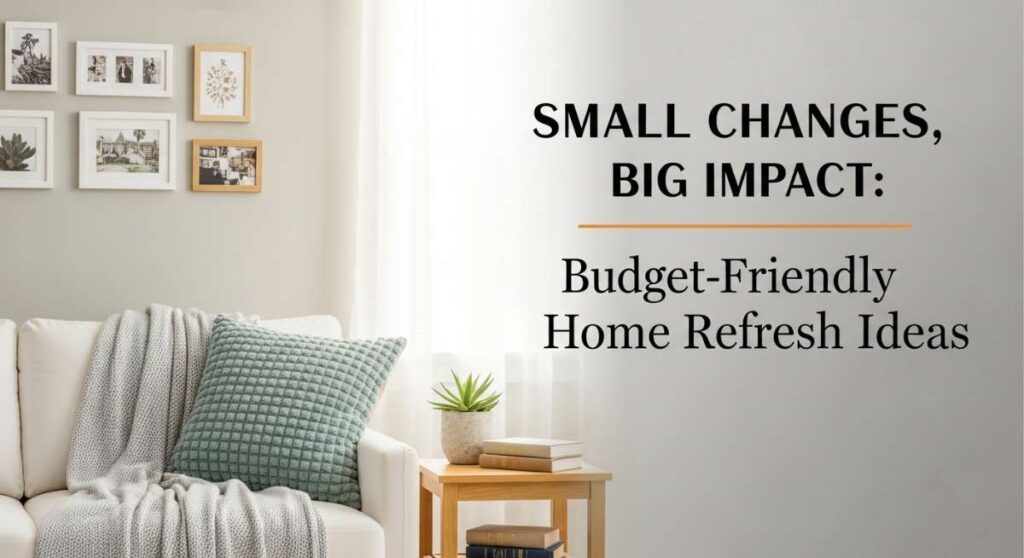
We’ve all been there: staring at the same four walls, feeling that restless itch for a change but checking a bank account that says, “maybe next year.” There is something so deeply emotional about our homes; they are the containers for our memories, the sanctuaries where we shed the weight of the world, and the mirrors of our inner selves. When our space feels stagnant, it can feel like our creativity and joy are hitting a wall, too. But here’s the secret I’ve learned over years of nesting: you don’t need a massive renovation or a designer budget to breathe new life into your sanctuary.
Refreshing your home is less about the price tag and more about the intention. It’s about the way the afternoon light hits a newly placed vase, the soft texture of a throw rug under your bare feet, or the invigorating scent of fresh eucalyptus hanging in your shower. These small, budget-friendly shifts create a ripple effect, turning a house into a soulful home. Today, I’m sharing ten transformative ways to refresh your world, from the backyard to the bathroom, ensuring every corner of your life feels intentional, luxury-inspired, and uniquely yours.
How to Design a Backyard Oasis for Refreshing Summer Days
Why we love this
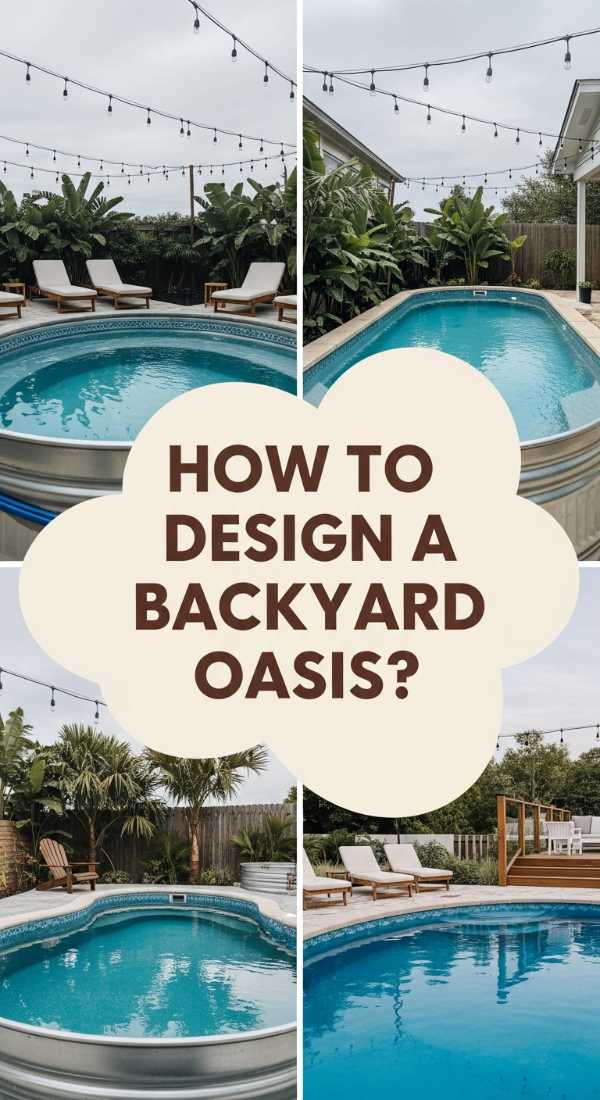
There is nothing quite like the sensory symphony of a well-curated backyard during the golden hour, where the air smells of blooming jasmine and the gentle trickle of water creates a private soundscape. We love this because it transforms an overlooked patch of grass into a living room under the stars, offering a cooling reprieve from the summer heat with textures that feel organic and grounded. Imagine the cool touch of stone underfoot paired with the soft, ethereal glow of string lights reflecting off glass lanterns as you sip a chilled drink in your own private sanctuary.
Essential Elements:
- Weather-resistant outdoor rugs in natural fibers.
- Solar-powered amber string lights.
- A DIY stock tank pool or a tiered water fountain.
- Potted oversized ferns and lavender for scent and shade.
- Comfortable floor cushions and a sturdy hammock.
How to make it
- Level the foundation: Clear your chosen area of debris and use a leveling rake to ensure the ground is flat before laying down a heavy-duty weed barrier to keep the space maintenance-free.
- Create the anchor: Position your largest piece—be it a stock tank or a seating group—at the center, ensuring there is a 3-foot clearance on all sides for natural traffic flow.
- Layer the lighting: String your lights in a ‘zigzag’ pattern across the space at a height of at least 8 feet; look for the visual cue of a ‘warm canopy’ effect where the bulbs overlap slightly in perspective.
- Hydrate the atmosphere: Install your water feature near a seating area; if using a fountain, adjust the flow valve until the sound is a soft burble rather than a splash, which indicates the perfect relaxation decibel.
- Add the finishing textures: Toss your outdoor pillows and rugs; check for ‘visual weight’ by ensuring the colors are distributed evenly around the space so no one corner feels ‘heavier’ than the others.
How to Style a Luxury Bathroom for a Spa Experience
Why we love this
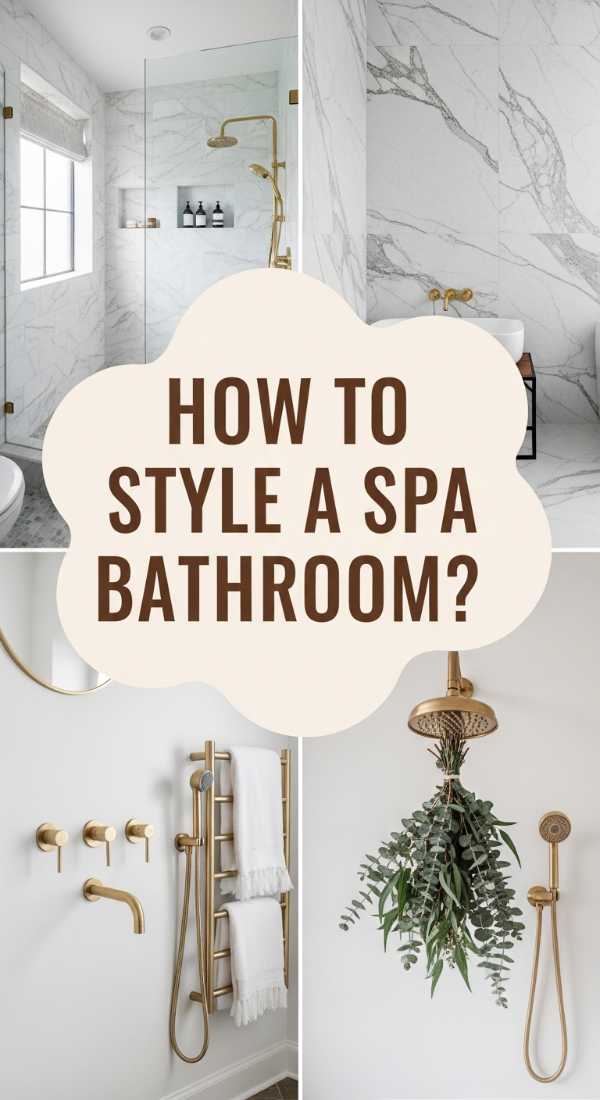
Stepping into a spa-inspired bathroom is like taking a deep, restorative breath for your soul, where the humidity carries the crisp scent of peppermint and every surface feels polished and purposeful. We love this approach because it elevates a functional routine into a sacred ritual, using high-end textures like waffle-knit cotton and smooth marble to soothe the senses. The interplay of soft candlelight against gleaming chrome creates an atmosphere of quiet indulgence that makes even a five-minute morning shower feel like a weekend getaway.
Essential Elements:
- A wooden bathtub caddy.
- Fresh eucalyptus bunches for the showerhead.
- Matching glass canisters for cotton products.
- Plush, oversized white towels and a stone bath mat.
- High-quality essential oil diffuser.
How to make it
- Decant for uniformity: Remove all plastic soap dispensers and pour your products into matching glass or ceramic bottles; look for the visual cue of ‘visual silence’ as the clutter of branding disappears.
- Prep the aromatic steam: Secure a bunch of fresh eucalyptus to your shower head using floral wire, ensuring it is behind the stream of water so the heat releases the oils without washing the leaves away.
- Organize the vanity: Use the ‘rule of three’ to arrange a candle, a small plant, and a tray on your counter, adjusting the height of items until they create a pleasing triangular silhouette.
- Warm the textiles: If a heated towel rack isn’t in the budget, use a small basket to store tightly rolled towels; the visual cue of a ‘towel pyramid’ instantly signals luxury hotel vibes.
- Calibrate the light: Swap out cool-toned bulbs for ‘soft white’ LEDs (2700K) to ensure the skin tones look warm and the room glows with an inviting, diffused radiance.
How to Renovate a Tiny Home for Maximalist Living
Why we love this
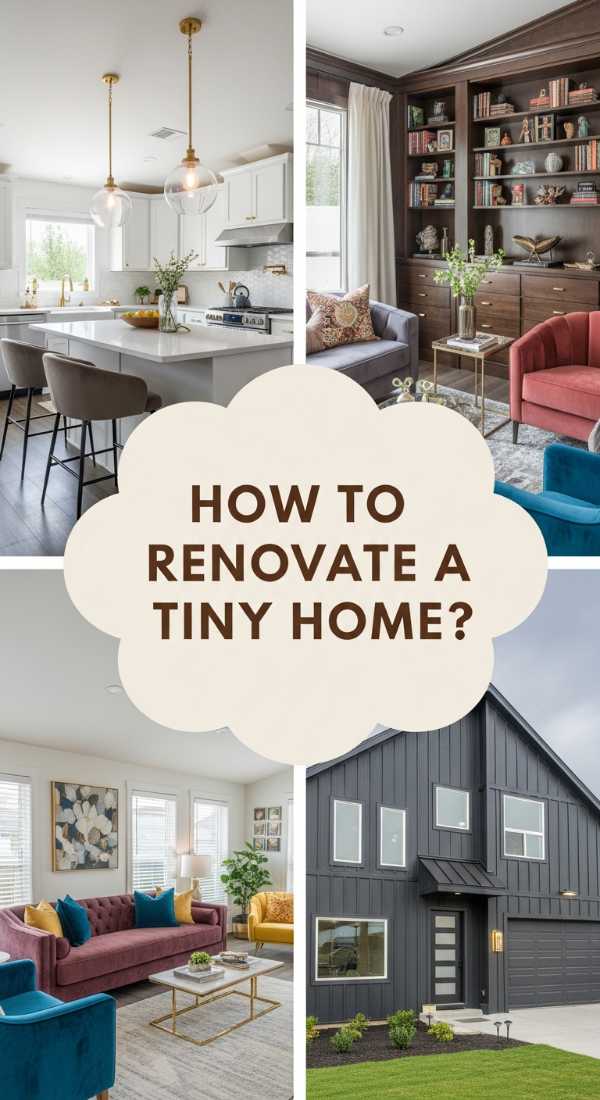
Maximalism in a tiny home is a bold celebration of personality, where every square inch is packed with stories, vibrant pigments, and tactile layers that defy the small footprint. We love this because it proves that style isn’t limited by square footage; it creates a cozy, ‘jewel box’ effect where the eye is constantly delighted by unexpected patterns and lush velvets. It feels like a warm embrace, a space that is unapologetically full of life, color, and curated treasures that make a small space feel infinitely large in character.
Essential Elements:
- Bold, large-scale floral wallpaper.
- Multifunctional furniture with hidden storage.
- Ornate gold-framed mirrors to expand the view.
- Layered textiles including velvet, silk, and wool.
- Floor-to-ceiling shelving units.
How to make it
- Map the ‘Visual Path’: Choose one ‘hero’ wall for your boldest wallpaper, ensuring the pattern scale is large enough to create an illusion of depth rather than clutter.
- Anchor with Statement Pieces: Select one oversized item, like a velvet loveseat, and place it against the longest wall to provide a grounding focal point for the room’s energy.
- Vertical Curation: Install shelving up to the ceiling line; prep the shelves by alternating stacks of books with sculptural objects to ensure the weight is balanced and the eye moves upward.
- Mirror Placement: Hang a large mirror opposite your main window; watch for the visual cue of ‘doubled light’ which indicates you’ve caught the optimal angle for expansion.
- Layer the ‘Softs’: Drape different textured throws over seating areas; the technique is to ‘pinch and drop’ the fabric so it looks effortless and inviting rather than stiffly folded.
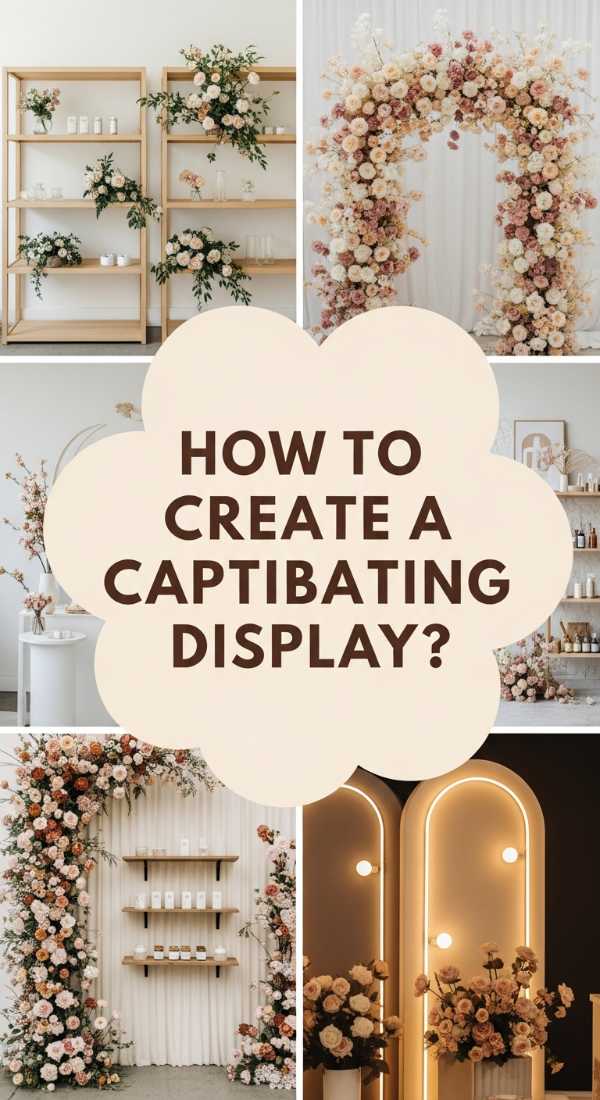
How to Create a Captivating Display for Small Business Growth
Why we love this
A truly captivating display is more than just a shelf; it’s a silent salesperson that evokes a mood, using lighting and height to tell a brand’s unique story. We love this because it empowers small business owners to compete with giants by creating an emotional connection through tactile surfaces and thoughtfully placed accents. There’s a certain magic when a customer reaches out to touch a product because the display feels so harmonious and high-end, turning a simple transaction into a memorable brand experience.
Essential Elements:
- Tiered wooden or acrylic risers.
- Focused track or spotlighting.
- Branded signage with professional typography.
- Cohesive color palette for all props.
- Tactile ‘touch points’ like fabric swatches or samples.
How to make it
- Establish the Focal Point: Place your most profitable or attractive item at eye level (approx. 5 feet) and use a spotlight to create a ‘halo’ effect around it.
- Create the ‘Pyramid’ Flow: Arrange secondary items on risers of varying heights around the focal point; the goal is to have the customer’s eyes move in a rhythmic, triangular pattern.
- Balance the Negative Space: Ensure at least 20% of your display surface is empty; this visual cue prevents ‘choice paralysis’ and makes the featured items look more premium.
- Incorporate Sensory Branding: Add a subtle scent or a textured backdrop that relates to your product; prep the surface by ensuring it is dust-free and under-lit for a crisp, professional finish.
- Test the Traffic Angle: Walk past your display from both directions; adjust the angles of your products until they ‘catch’ your eye within three seconds of approach.
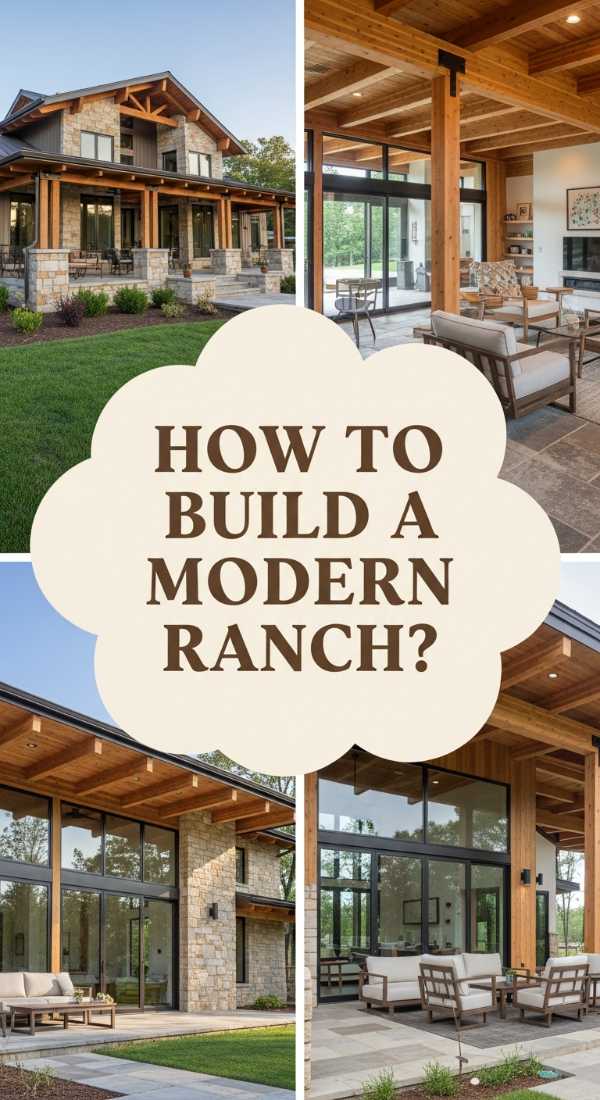
How to Build a Modern Ranch Home for Timeless Comfort
Why we love this
The modern ranch is a love letter to horizontal living, where the boundary between indoors and outdoors blurs into a seamless flow of natural light and warm wood tones. We love this because it prioritizes accessibility and ease without sacrificing an ounce of sophistication, utilizing ‘low and slow’ design lines that feel incredibly grounding. The scent of cedar beams and the sight of wide-plank oak floors under the morning sun create a feeling of permanence and peace that is rarely found in more vertical, hurried architecture.
Essential Elements:
- Open-concept floor plan with sightline views.
- Large black-framed sliding glass doors.
- Natural stone hearth for a central fireplace.
- Neutral color palette with earthy accents.
- Exposed wooden ceiling beams.
How to make it
- Define the Zones: In an open ranch plan, use area rugs to ‘cook’ up separate zones for dining and lounging without using walls; ensure rugs are large enough that all furniture legs rest on them.
- Optimize the Sightlines: Arrange furniture so that nothing blocks the view of the windows; the visual cue of a ‘clear horizon’ inside the house makes the space feel expansive.
- Material Layering: Mix ‘hard’ materials like a stone fireplace with ‘soft’ elements like linen curtains; apply the rule of ‘texture contrast’ to keep the monochromatic palette from feeling flat.
- Lighting the Rafters: Install uplighting on your ceiling beams; the technique is to angle the light so it grazes the wood grain, highlighting the natural texture and ‘warming’ the room’s height.
- Threshold Integration: Use the same flooring material for the indoor entry and the outdoor porch to create a visual cue of ‘unending floor,’ which stretches the perceived size of the home.
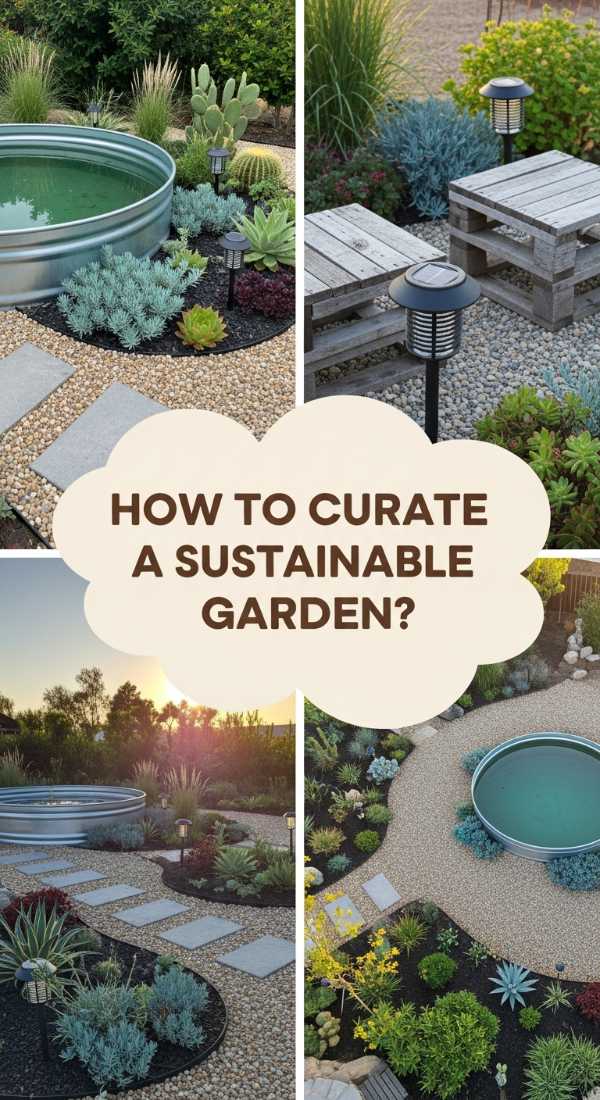
How to Curate a Sustainable Garden for Eco Friendly Cooling
Why we love this
A sustainable garden is a living, breathing cooling system that treats the earth with kindness while providing a lush, emerald sanctuary for your home. We love this because it feels like a partnership with nature, where the damp, earthy smell of compost and the vibrant green of native leaves work together to lower the ambient temperature of your yard. It’s a sensory delight that rewards you with the hum of pollinators and the crisp taste of home-grown herbs, all while significantly reducing your environmental footprint.
Essential Elements:
- Native, drought-resistant plants.
- Thick layers of organic cedar mulch.
- Rain barrels for water collection.
- Strategically placed deciduous trees for shade.
- Permeable gravel pathways.
How to make it
- Test the Soil ‘Batter’: Squeeze a handful of soil; if it crumbles slightly but holds its shape, it’s ready for planting. If not, ‘fold in’ organic compost until the texture is rich and loamy.
- Strategic Tree Siting: Plant deciduous trees on the western side of your home; the goal is to provide a ‘canopy shield’ that blocks the harsh afternoon sun during summer while allowing light through in winter.
- Layering the Beds: Place taller shrubs at the back and shorter groundcovers at the front; look for the visual cue of ‘fullness’ where no bare soil is visible, which naturally suppresses weeds.
- Mulching for Moisture: Apply a 3-inch layer of mulch around all plants, keeping it an inch away from the stems; this acts as an ‘insulation blanket’ to keep roots cool and moist.
- Irrigation Calibration: Set up a drip system to run in the early morning; monitor the visual cue of ‘damp but not drowned’ soil to ensure maximum water efficiency.
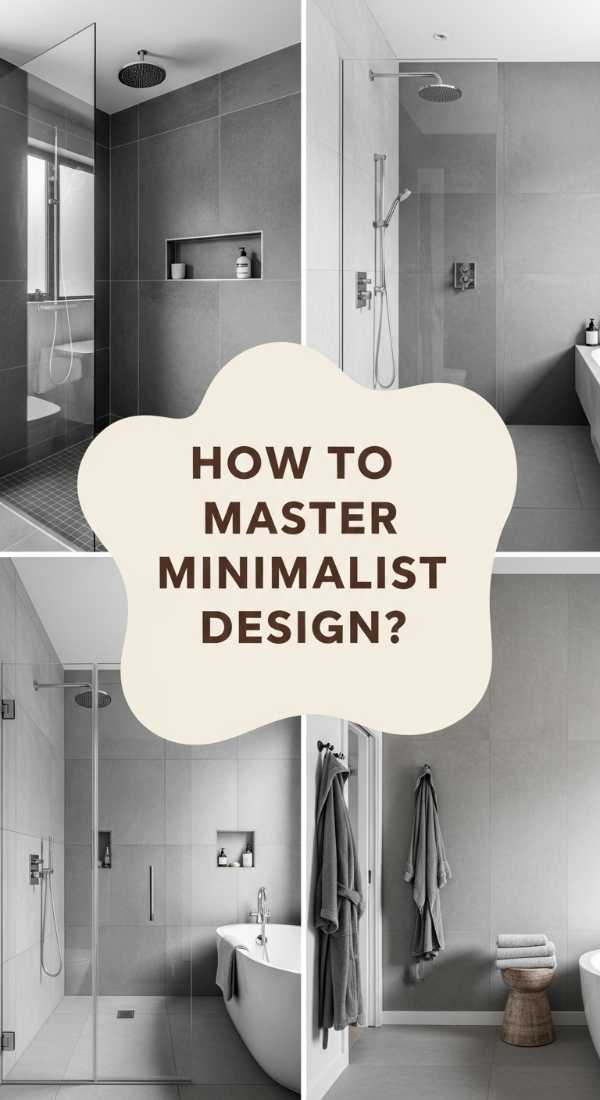
How to Master Minimalist Interior Design for Quiet Luxury
Why we love this
Minimalism, when done with a ‘quiet luxury’ lens, is about the profound beauty of ‘enough’—where every object is chosen for its exquisite quality and soul-soothing silhouette. We love this because it eliminates visual noise, allowing the mind to rest in a space filled with creamy tones, matte finishes, and the soft shadows of sculptural furniture. It feels incredibly expensive and curated, yet it’s deeply functional, celebrating the luxury of space and the deliberate choice of a few perfect things over a multitude of mediocre ones.
Essential Elements:
- Monochromatic color palette (whites, beiges, greys).
- High-quality materials like marble, wool, and brass.
- Statement sculptural furniture.
- Hidden storage to maintain clear surfaces.
- Art with plenty of negative space.
How to make it
- The ‘Edit’ Phase: Remove every item from a room; only re-introduce pieces that serve a function or bring intense joy. The visual cue is a feeling of ‘breathability’ in the room’s corners.
- Tone-on-Tone Layering: Select three shades of the same color (e.g., oatmeal, sand, and cream); layer these through paint, pillows, and rugs to create depth without introducing ‘color noise.’
- Select a ‘Hero’ Sculpture: Choose one furniture piece with a unique silhouette (like a curved sofa or a heavy stone plinth table) and give it ‘breathing room’ by placing nothing within 2 feet of it.
- Texture over Pattern: Swap busy patterns for rich textures; prep the space with a bouclé chair or a silk rug to provide visual interest through ‘light play’ on the fabric rather than print.
- Conceal the Tech: Use decorative boxes or integrated cabinetry to hide cords and electronics; the visual cue of ‘unbroken lines’ is the hallmark of a high-end minimalist home.
How to Personalize a Modular Space for Unique Character
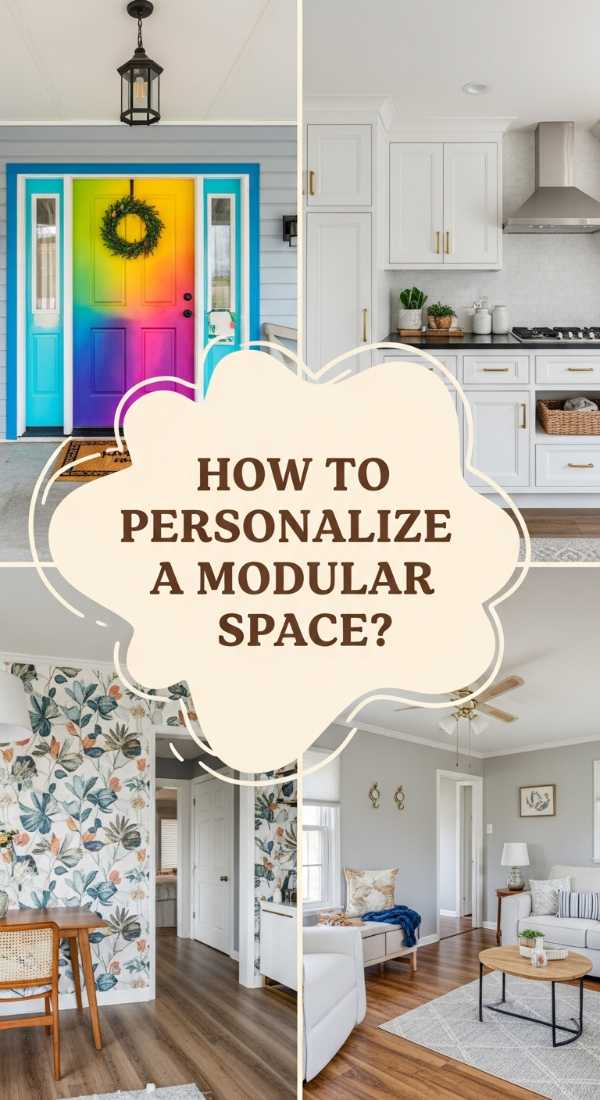
Why we love this
Modular spaces offer the ultimate canvas for the modern chameleon, allowing a home to evolve as quickly as the people living inside it. We love this because it marries the efficiency of modern manufacturing with the eccentricities of personal style, using movable walls and adaptable furniture to create a bespoke environment. It’s a dynamic way of living where the ‘character’ isn’t built into the architecture, but is layered through your own unique collection of art, textiles, and lighting that can be reconfigured on a whim.
Essential Elements:
- Modular shelving and wall systems.
- Movable room dividers or screens.
- Sectional seating that can be split or joined.
- Peel-and-stick architectural moldings.
- Smart, adaptable lighting fixtures.
How to make it
- Grid Planning: Map out your floor plan on a grid; identify ‘anchor zones’ for heavy modular pieces and ‘flex zones’ that can transition from an office to a dining area in minutes.
- Customize the Hardware: Swap out standard modular handles for vintage brass or hand-carved wood knobs; this ‘finishing salt’ technique makes mass-produced items feel like custom heirlooms.
- Zoning with Rugs: Use different rug textures to define the ‘boundaries’ of a modular space; look for the visual cue of ‘islands’ that tell the eye where one room ends and another begins.
- Apply Temporary Architecture: Use peel-and-stick trim to create ‘box molding’ on modular walls; the visual cue of ‘depth and shadow’ gives a flat wall an expensive, historical feel.
- Dynamic Lighting: Use clip-on lamps and smart bulbs to change the ‘temperature’ of the space depending on its current use; warm amber for lounging, cool daylight for focus.
How to Design a Boutique Pop Up for Memorable Branding
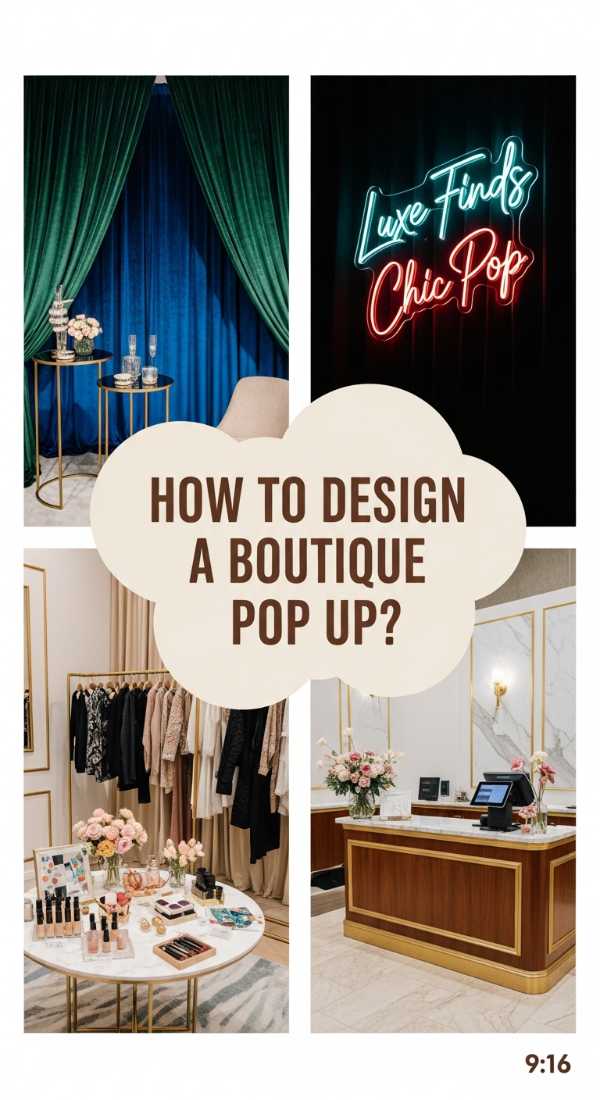
Why we love this
A boutique pop-up is a fleeting, magical world where a brand’s essence is distilled into a concentrated, high-impact sensory experience. We love this because it allows for creative risks—using bold colors, theatrical lighting, and immersive scents to transport the visitor into the brand’s heart for a moment in time. It feels exclusive and intimate, like a secret club where every detail, from the velvet-lined hangers to the curated playlist, is designed to leave a lasting mark on the visitor’s memory.
Essential Elements:
- Portable but high-end display racks.
- Immersive brand scent (candle or diffuser).
- A ‘photo-ready’ moment or backdrop.
- Branded packaging displayed as art.
- Consistent, thematic color story.
How to make it
- Curate the Entrance ‘Hook’: Place a high-impact visual or scent diffuser right at the threshold; the goal is to trigger an immediate sensory ‘shift’ as the customer enters your world.
- Lighting for Mood: Avoid overhead flourescents; use warm, directed lamps to highlight products; look for the visual cue of ‘sparkle’ on your merchandise which indicates proper light placement.
- The Instagrammable ‘Vignette’: Create one corner with a neon sign or a flower wall; ensure the lighting is soft and front-facing so customers are tempted to take photos and share your brand.
- Tactile Packaging Prep: Arrange your branded bags and boxes in a rhythmic pattern near the checkout; the visual cue of ‘readiness’ makes the brand feel established and professional.
- Music Syncing: Choose a playlist that matches the brand’s ‘tempo’; adjust the volume so it’s a ‘present’ background element but doesn’t require customers to raise their voices.
How to Decorate a Southwestern Retreat for Rustic Elegance
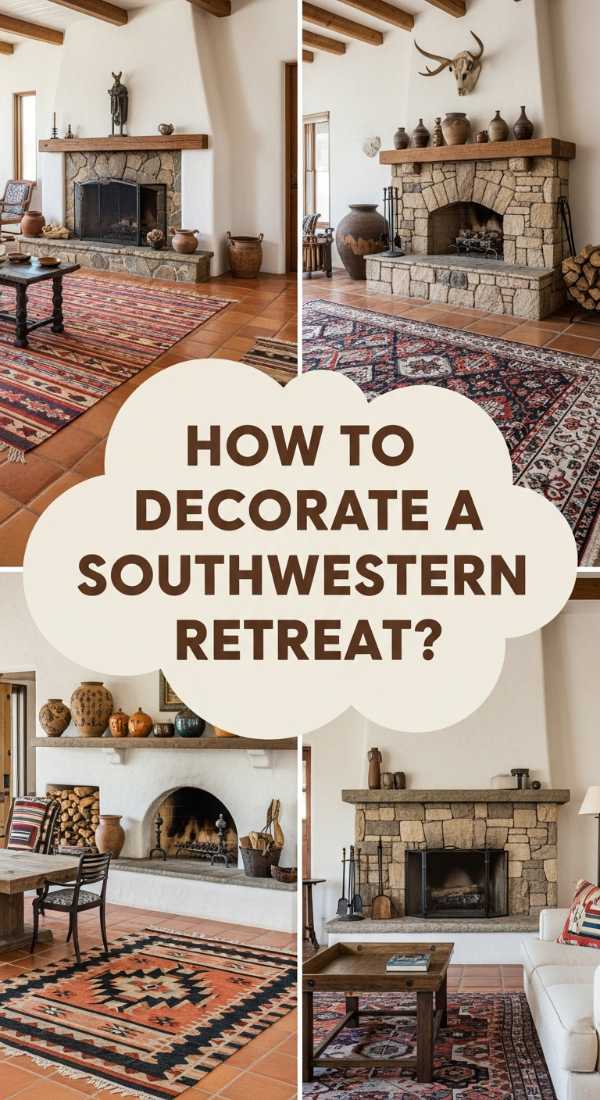
Why we love this
The Southwestern retreat style is a warm, earthy embrace that feels both rugged and refined, pulling its beauty from the sun-drenched landscapes of the high desert. We love this because it celebrates the ‘perfectly imperfect’—the texture of hand-woven wool, the matte finish of terracotta, and the raw beauty of weathered wood and leather. It creates a home that feels timeless and storied, where the air feels warmer and the pace of life feels just a little bit slower and more intentional.
Essential Elements:
- Terracotta pots and clay accents.
- Hand-woven Navajo-style rugs.
- Leather butterfly chairs or distressed sofas.
- Dried desert botanicals and cacti.
- Exposed wood and wrought iron hardware.
How to make it
- Earthy Palette Selection: Choose a base of ‘clay’ and ‘sand’ tones; apply paint with a slightly textured roller to give the walls a ‘plastered’ visual cue that mimics adobe.
- Layering the Textiles: Place a smaller, high-patterned rug over a larger sisal rug; the technique is to offset them slightly to create a ‘collected over time’ aesthetic.
- Patina the Hardware: If your hardware is too shiny, use a ‘liver of sulfur’ solution or sandpaper to gently dull the finish; the goal is a visual cue of ‘aged iron’ rather than new plastic.
- Botanical Grouping: Cluster different sizes of cacti in terracotta pots; use ‘top-dressing’ like white river rocks to finish the look and keep the soil moisture balanced.
- Warm the Leather: Treat any new leather furniture with a conditioning oil; the ‘visual cue’ of a slightly darkened, supple surface makes the piece feel like a cherished family heirloom.
Conclusion: Your Home, Your Masterpiece
As we’ve explored, refreshing your home isn’t about following the latest fleeting trends or spending a fortune—it’s about tuning into your own senses and making small, rhythmic changes that resonate with your soul. Whether you’re layering a rug in a Southwestern retreat or decanting your soap into glass bottles for a spa-like bathroom, you are taking an active role in curating your own happiness. Home is a living thing, and by giving it just a little bit of love and attention, you’ll find that it gives so much more back to you in return. So go ahead, light that candle, move that chair, and start living in the space you’ve always dreamed of—one small, beautiful change at a time.