

Whimsical Ways to Bring Your Garden Indoors: DIY Projects for Dreamy Living
There is a specific kind of magic that happens when the boundaries between our cozy indoor sanctuaries and the wild, breathing beauty of nature begin to blur. For me, it started with a single pothos trailing over a bookshelf, but it soon became a passion for turning every corner of my home and yard into a seamless, emerald-hued escape. Whether you are working with a sprawling backyard or a sun-drenched windowsill, bringing that ‘garden soul’ into your daily life is about more than just aesthetics; it is about creating a rhythm of peace that follows you from your morning coffee to your evening rest.
In this guide, we are exploring ten whimsical DIY projects designed to elevate your living space into a dreamy oasis. We will touch on everything from the structural beauty of stone paths to the intimate nostalgia of a curated bedroom, all while keeping that lush, green thread pulled tight throughout. Let’s roll up our sleeves and start cultivating a home that feels like a perpetual spring morning, filled with texture, fragrance, and the quiet joy of things well-grown.
How to Design a Lush Green Sanctuary for Ultimate Outdoor Serenity

Why we love this
There is nothing quite like the feeling of stepping into a space where the air feels ten degrees cooler and smells of damp earth and crushed mint. This sanctuary isn’t just a garden; it’s a living hug where velvet-textured mosses meet the feathery soft fronds of giant ferns. As the wind whistles through the leaves, creating a gentle percussion of rustling greenery, you can feel the day’s stress melt away into the dappled sunlight. It provides a multi-sensory retreat that grounds your spirit and refreshes your eyes with every shade of emerald imaginable.
Essential Elements:
- Layered perennials (Ferns, Hostas, and Bleeding Hearts)
- A focal point water feature or stone basin
- Comfortable, weather-resistant seating in natural tones
- Soft solar-powered fairy lights
- Organic mulch or pea gravel for soft footfalls
How to make it
- Begin by mapping out a secluded corner of your yard, preferably one that receives filtered sunlight to mimic a forest floor aesthetic. Clear all debris and weeds, ensuring you have a clean slate of nutrient-rich soil.
- Define the ‘walls’ of your sanctuary by planting taller shrubs or bamboo along the perimeter. This creates a sense of enclosure and privacy. Dig holes twice the width of the root balls and enrich the soil with high-quality compost before planting.
- Create a ‘floor’ using a mix of ground covers like Irish Moss or Creeping Thyme. For high-traffic areas, lay down a thick layer of cedar mulch which offers a delightful woody aroma and keeps the ground cool.
- Incorporate vertical interest by installing a trellis or hanging planters from overhanging branches. Use a variety of textures—combine the broad, waxy leaves of hostas with the delicate, lacy patterns of Maidenhair ferns to create visual depth.
- Position your seating at the heart of the space, ensuring it faces a calming element like a bubbling stone fountain. Finish by weaving warm-toned LED strings through the foliage to provide a soft, ethereal glow during the twilight hours.
How to Create a Stone River Path for a Modern Minimalist Garden

Why we love this
A stone river path brings a sense of fluid movement to a static landscape, mimicking the cooling, rhythmic flow of water through a mountain pass. We love the tactile contrast between the smooth, rounded river rocks and the sharp, clean lines of modern architecture. Underfoot, the stones offer a subtle, grounding crunch, while their varied grey and charcoal tones turn a simple walkway into a piece of living art. It is a low-maintenance way to introduce structural elegance that looks just as beautiful in the rain as it does under the bright afternoon sun.
Essential Elements:
- Landscape fabric (heavy duty)
- Landscape edging (steel or flexible plastic)
- A mix of smooth river stones and larger accent boulders
- Leveling sand or fine crushed gravel
- A sturdy rake and a rubber mallet
How to make it
- Trace the ‘flow’ of your path using a garden hose or spray paint, opting for gentle, organic curves rather than rigid straight lines to simulate a natural stream.
- Excavate the area to a depth of about 4 inches. Ensure the base is firmly compacted and slightly sloped away from any building foundations to prevent water pooling.
- Lay down a high-grade landscape fabric to suppress weeds while allowing for drainage. Secure the fabric with landscape staples, making sure to overlap any seams by at least 6 inches.
- Install your edging along the perimeter of the path. Use a rubber mallet to tap the edging into place, ensuring it sits about an inch above the soil level to contain the stones effectively.
- Fill the path with a 2-inch layer of crushed gravel for stability, then top with your decorative river stones. Hand-place larger ‘anchor’ stones at the curves of the path to create a realistic, weathered look that grounds the design.
How to Build Dreamy Garden Borders for a Welcoming Curb Appeal
Why we love this
Garden borders act as the jewelry of your home’s exterior, providing a polished finish that frames your architecture with bursts of color and life. We adore the way a well-planned border leads the eye toward the front door, offering a fragrant ‘hello’ to every visitor. The combination of spicy lavender, sweet alyssum, and the crisp green of boxwoods creates a sophisticated palette that feels both intentional and wild. It transforms a standard lawn into a curated estate, adding layers of height and texture that change beautifully with every passing season.
Essential Elements:
- Evergreen foundation plants (Boxwoods or Yews)
- Flowering perennials (Lavender, Coneflowers, Salvia)
- Natural stone or brick for edging
- High-quality dark brown or black mulch
- Transplant fertilizer and garden spade
How to make it
- Define the shape of your border by using a garden hose to create a soft, undulating curve along the front of your house or walkway. Slice into the turf with a sharp spade to create a clean ‘V’ trench edge.
- Plan your heights using the ‘thriller, filler, spiller’ method. Place taller evergreen shrubs at the back (closest to the house) to provide a year-round green backdrop.
- In the middle ‘filler’ layer, plant your colorful perennials. Space them according to their mature width to ensure they don’t become overcrowded within two years. Use a mixture of bloom times so something is always in flower.
- Apply a 3-inch layer of organic mulch across the entire bed, being careful not to pile it against the stems of the plants. This retains moisture and provides a clean, dark contrast that makes plant colors pop.
- Install your physical edging—whether it’s stacked slate or reclaimed brick—to prevent grass from creeping into the beds. Ensure the stones are set into the ground enough so they don’t shift when you mow the lawn nearby.
How to Craft an Imaginative Nature Playground for Endless Summer Fun

Why we love this
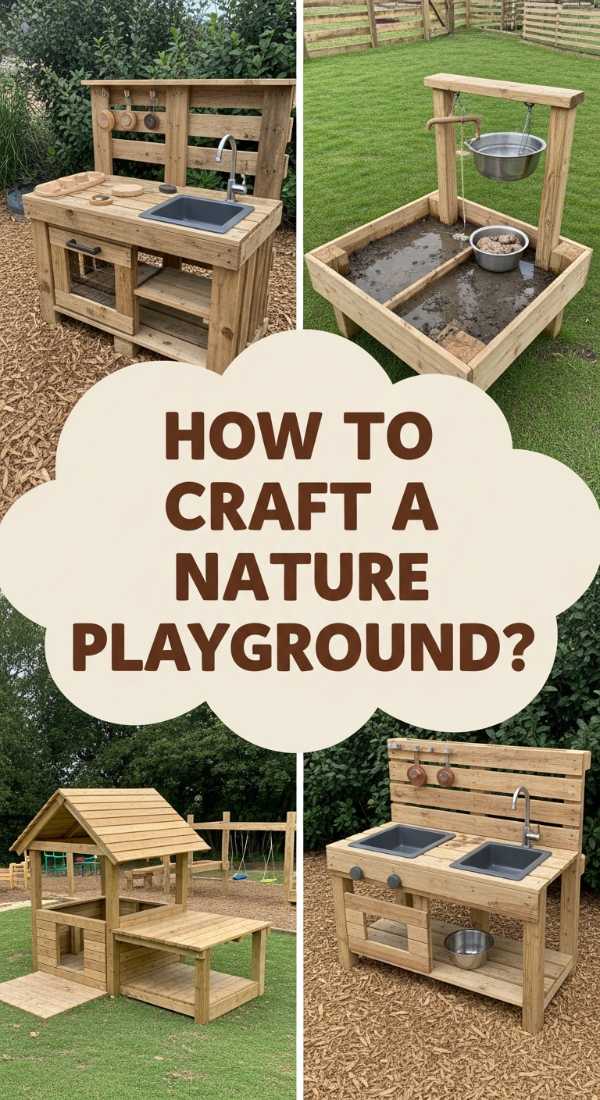
Moving away from plastic and primary colors, a nature playground invites children into a world of sensory exploration and open-ended play. We love the smell of cedar wood chips and the feeling of smooth, bark-less logs under small hands. This setup encourages a deep connection to the environment, where a hollowed-out stump becomes a fairy kitchen and a willow tunnel becomes a secret kingdom. It is a beautiful, sustainable way to keep kids engaged outdoors while maintaining the aesthetic integrity of your dreamy garden design.
Essential Elements:
- Untreated cedar logs and stumps
- Sand pit with natural stone borders
- Living willow saplings for a tunnel or teepee
- Sensory plants (Lamb’s Ear, Mint, Snapdragons)
- Stepping stones and a balance beam made of wood
How to make it
- Select a shady area of the yard and clear it of any trip hazards. Lay down a thick, 6-inch safety layer of engineered wood fiber or cedar chips to provide a soft landing zone for active play.
- Create a ‘balance zone’ by partially burying large cedar logs horizontally. Ensure they are stable and sanded down to remove any potential splinters. Arrange them in a zig-zag pattern to challenge coordination.
- Construct a living willow tunnel by planting flexible willow switches in two parallel lines and arching them over the top, tying them together with twine. These will root and grow, creating a leafy green hallway by mid-summer.
- Build a ‘mud kitchen’ area using a simple wooden bench and old stainless steel bowls. Surround this area with fragrant, kid-friendly plants like Mint or Lemon Balm that can withstand a little ‘harvesting’ for pretend recipes.
- Add a circle of upright stumps of varying heights to serve as a natural gathering spot or ‘council circle’ for storytelling. Finish the space with a small bird feeder nearby to encourage wildlife observation.
How to Transform a Concrete Slab for the Perfect Evening Lounge
Why we love this
There is a hidden potential in a cold concrete slab that most people overlook; with the right layers, it becomes the most coveted room in the house. We love the transition from a stark, grey surface to a plush, textile-rich lounge that glows under the amber light of a fire pit. The contrast of hard concrete with soft outdoor rugs and billowy curtains creates a sophisticated ‘urban patio’ vibe. It’s the ultimate spot for clinking glasses and watching the stars, proving that you don’t need a massive lawn to have a luxurious outdoor experience.
Essential Elements:
- Large outdoor area rug (polypropylene for durability)
- Modular outdoor sectional or low-slung chairs
- Propane or smokeless wood fire pit
- String lights and oversized floor lanterns
- Large potted trees (Olives or Citrus) to soften the edges
How to make it
- Thoroughly power-wash the concrete slab to remove any dirt or oil. If the concrete is stained, consider applying a coat of specialized concrete paint or a patterned stencil to create a ’tiled’ look without the high cost.
- Define the ‘living room’ area by laying down a large, weather-resistant rug. This anchors the furniture and provides a soft surface for bare feet, instantly making the space feel more like an interior room.
- Arrange your seating in a conversational U-shape around a central fire pit. Choose cushions with ‘quick-dry’ foam and high-UV-rated fabric to ensure they stay vibrant and comfortable through the seasons.
- Add height and greenery by placing large, heavy planters at the corners of the slab. Use ‘Tall Sansevieria’ or ‘Ficus Nitida’ to create a natural privacy screen that breaks the wind and adds a lush, vertical element.
- String Edison-style lights overhead in a ‘criss-cross’ pattern, securing them to poles or the side of the house. Complement this with floor lanterns of varying heights filled with LED candles to create a warm, multi-layered lighting scheme.
How to Style a Floral Porch Entrance for a Year Round Glow

Why we love this
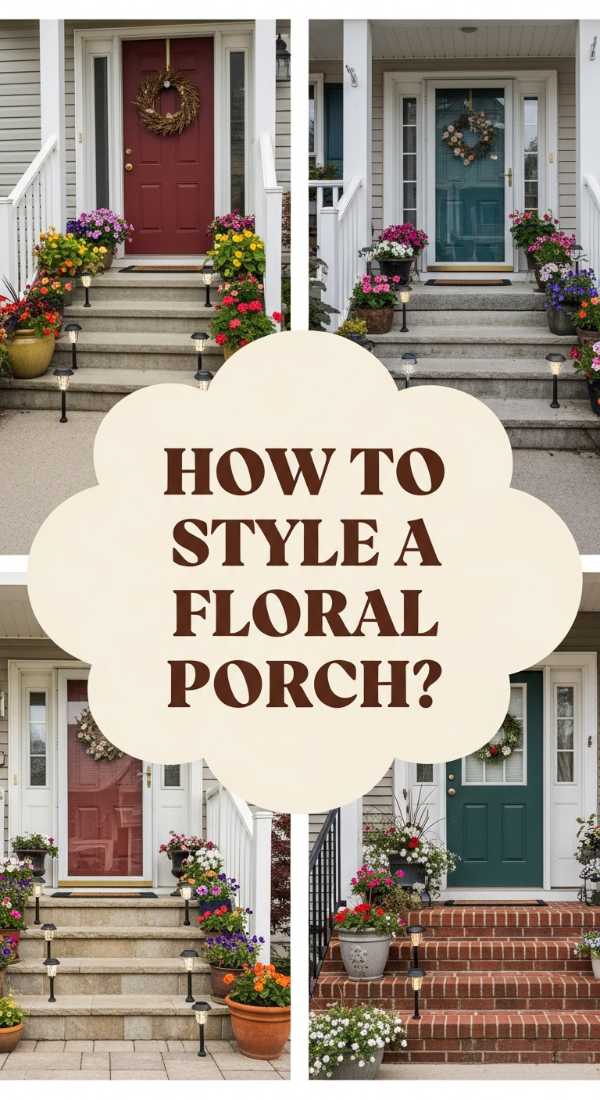
The porch is your home’s first impression, and a floral entrance acts like a warm, colorful smile. We love the seasonal evolution of this project—how it transitions from the crisp white of spring tulips to the deep, golden hues of autumn chrysanthemums. There is a magnificent texture to a porch lined with oversized terracotta pots overflowing with trailing ivy and vibrant blooms. It creates a ‘glow’ that isn’t just about light, but about the vibrant energy that living plants bring to your front door every time you return home.
Essential Elements:
- Symmetrical sets of large planters
- A mix of seasonal flowers and evergreen shrubs
- A high-quality wreath hanger and seasonal wreaths
- Fiber optic or warm-white spotlights
- A stylish, textured welcome mat
How to make it
- Start with symmetry to create a formal, high-end look. Place two large, identical planters on either side of the front door. Fill the base with empty plastic water bottles to reduce weight and save on potting soil.
- Plant a ‘centerpiece’ evergreen, like a spiral Topiary or a Dwarf Alberta Spruce, which will provide structure and green color even in the depths of winter.
- Surround the centerpiece with seasonal ‘color pops.’ In spring, use Pansies and Snapdragons; in summer, switch to Petunias and Geraniums. Ensure you use a high-phosphorus fertilizer to encourage continuous blooming.
- Incorporate ‘spillers’ like Creeping Jenny or Variegated Ivy that will cascade over the sides of the pots, softening the edges and adding a whimsical, overgrown feel.
- Update your front door wreath every three months to match the porch flowers. Finally, install low-voltage uplighting aimed at the planters so your floral display is visible and welcoming well into the night.
How to Organize a Functional Pantry for a Stress Free Morning Routine

Why we love this
A garden-inspired pantry is all about clarity, natural materials, and the visual peace of seeing your staples beautifully displayed. We love the rhythmic rows of glass jars filled with oats, seeds, and dried herbs, which turn everyday ingredients into a decorative element. The scent of dried bay leaves and cinnamon sticks wafting from the shelves makes the morning routine feel like a ritual rather than a chore. It is the ultimate fusion of organization and aesthetic, where everything has its place and the ‘noise’ of commercial packaging is replaced by a serene, uniform palette.
Essential Elements:
- Uniform glass canisters with airtight lids
- Woven seagrass or wicker baskets
- A label maker or custom wooden tags
- Tiered shelf risers for canned goods
- A small herb drying rack or hanging bunches
How to make it
- Empty the entire pantry and wipe down the shelves with a natural cedar or lavender cleaner. Categorize your items: baking, breakfast, snacks, and dinner staples.
- Decant dry goods like flour, sugar, pasta, and nuts into clear glass jars. This not only looks beautiful but allows you to see exactly when you are running low on essentials, reducing grocery store stress.
- Group ‘cluttered’ items like chip bags or boxed snacks into woven baskets. This hides the visual noise while keeping things accessible. Use baskets of the same style for a cohesive, ‘farmhouse’ look.
- Utilize vertical space by installing tiered risers. This ensures that the back row of cans or spice jars is just as visible as the front, preventing ‘forgotten’ items from expiring at the back of the shelf.
- Add a touch of the garden by hanging a bundle of dried eucalyptus or rosemary from a small hook. This acts as a natural air freshener and maintains the ‘dreamy garden’ theme within your functional kitchen space.
How to Style a Tropical Pool Retreat for a Backyard Oasis Vibe

Why we love this
A tropical pool retreat is about capturing that ‘vacation state of mind’ without ever leaving your property. We love the drama of oversized Banana leaves and the vibrant, sunset-colored petals of Hibiscus reflected in the sparkling blue water. The texture of a soft breeze blowing through palm fronds creates a natural soundtrack that mimics the ocean. It is a space that feels lush, expensive, and deeply relaxing, offering a private paradise where the air feels humid with the scent of jasmine and the water invites you to drift away.
Essential Elements:
- Large-leaf tropical plants (Bird of Paradise, Palms, Cannas)
- Outdoor daybeds or sleek loungers with white cushions
- Bamboo or reed fencing for texture
- Solar-powered tiki torches or lanterns
- Blue and turquoise outdoor pillows
How to make it
- Create ‘zones’ around the pool area. Use large, dramatic foliage plants like ‘Musa Basjoo’ (Hardy Banana) to block out the neighbors and create a dense, jungle-like perimeter.
- Incorporate pops of exotic color using potted Hibiscus or Mandevilla vines. These can be moved around to change the look and brought indoors if you live in a cooler climate during the winter.
- Swap standard plastic chairs for wooden or woven loungers. Use crisp white upholstery to create a high-contrast, ‘luxury resort’ feel against the deep greens of the tropical plants.
- Install a simple bamboo screen over any existing chain-link or wood fencing. This adds an immediate texture of the tropics and serves as a beautiful backdrop for your leafy greens.
- Place oversized lanterns filled with large pillar candles around the pool edge. For safety, use high-quality LED candles that flicker realistically, creating a romantic, torch-lit atmosphere for night swims.
How to Decorate a Nostalgic Aesthetic Bedroom for Creative Personal Expression
Why we love this
The nostalgic aesthetic is a love letter to the past, blended with the freshness of a wild garden. We love the way vintage botanical prints, pressed flowers in brass frames, and soft, faded linens create a room that feels like a lived-in storybook. There is a heavy emphasis on texture—think chunky knit throws, velvet pillows, and the papery feel of old books stacked on a nightstand. It is a sanctuary for the soul where creativity is sparked by the cozy, curated surroundings and the gentle presence of indoor vines climbing the walls.
Essential Elements:
- Vintage-style iron bed frame
- Pressed flower wall art and botanical illustrations
- Warm, layered bedding (linen and cotton)
- A collection of vintage vases and ceramic pitchers
- Trailing indoor plants (Heartleaf Philodendron or Ivy)
How to make it
- Start with a neutral base—think creamy whites or soft sages for the walls to make the wood and metal accents pop. Choose a bed frame with an open, airy design to keep the room feeling spacious.
- Layer your bed like a pro. Start with high-thread-count cotton sheets, add a linen duvet, and finish with a heavy, textured quilt at the foot. This creates that ‘cloud-like’ comfort essential for a dreamy bedroom.
- Curate a gallery wall of pressed flowers. You can do this yourself by pressing garden blooms between heavy books for two weeks, then mounting them in glass frames. This literally brings the garden to your walls.
- Incorporate ‘living’ decor by placing trailing plants on high shelves or the top of a wardrobe. Allow the vines to grow naturally along the ceiling or around mirror frames to create a ‘secret garden’ interior vibe.
- Use ‘warm’ lighting only. Replace cool-toned bulbs with warm, amber-hued ones and add a vintage-style pleated lamp on the nightstand to create a soft, nostalgic glow during your evening reading.
How to Design a Private Art Garden for the Ultimate Quiet Escape
[IMAGE_10]
Why we love this
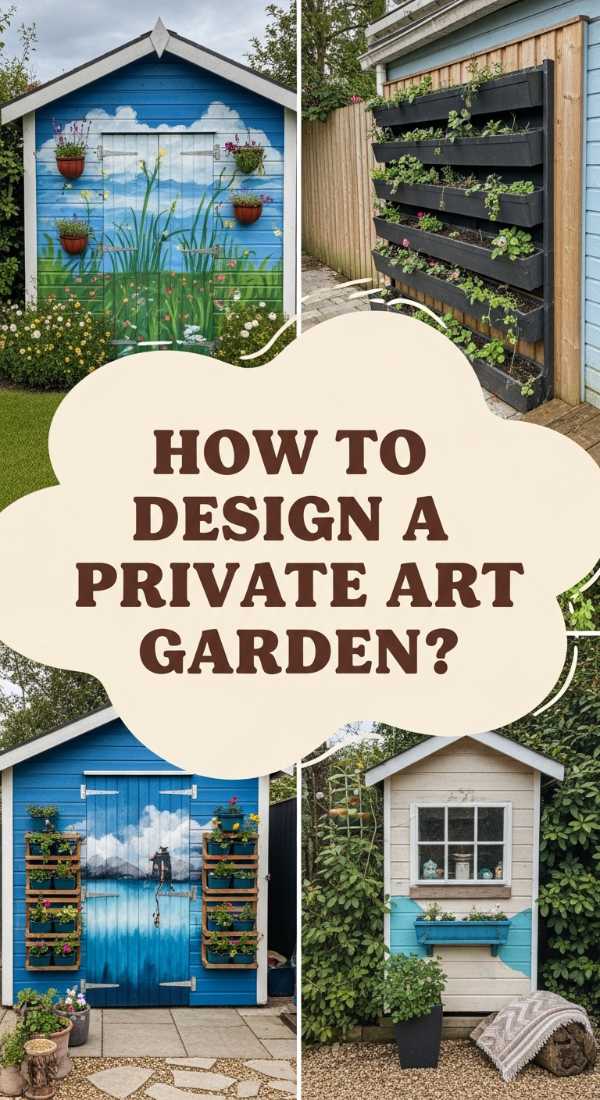
An art garden is where the intellect meets the earth; it is a space designed specifically for contemplation and the appreciation of form. We love the silent dialogue between a weathered stone sculpture and the swaying stems of ornamental grasses. The texture here is refined—smooth pebbles, rusted corten steel, and the matte finish of outdoor art pieces. It provides a sanctuary of ‘quiet’ that is rare in the modern world, where the only thing on the agenda is to sit, breathe, and let your mind wander through the interplay of shadow and light.
Essential Elements:
- Minimalist garden sculptures or abstract art pieces
- Ornamental grasses (Feather Reed Grass or Blue Fescue)
- A simple wooden bench or a single high-quality chair
- Neutral-colored gravel or stone paths
- Spotlighting for the art pieces
How to make it
- Identify a ‘dead’ or underutilized space in your yard that feels naturally secluded. Clear the area and lay down a uniform base of fine, light-colored gravel to create a clean, gallery-like floor.
- Select one or two ‘hero’ pieces of art. This could be a modern sculpture, a large decorative urn, or even a strikingly shaped piece of driftwood. Place these at the focal points of your sightline from the entrance.
- Surround the art with ‘movement’ plants. Ornamental grasses are perfect because they sway in the slightest breeze, adding a dynamic, living element that contrasts with the stillness of the art.
- Install a single, comfortable seat that faces the main installation. The goal is to create a ‘destination’ where you can sit for 20 minutes without distraction. Keep the surrounding colors muted—greens, greys, and tans.
- Use subtle, low-voltage spotlights directed at the base of your sculptures. This ensures that even after dark, the garden remains a place of visual interest and artistic beauty, casting dramatic shadows that change the space’s mood.
Cultivating Your Dream Life
Bringing the garden indoors—and the comfort of the indoors out—is a journey of small, intentional changes. Whether you are decanting your flour into glass jars or planting a willow tunnel for your children, each of these projects is a step toward a more whimsical, grounded way of living. Your home is your canvas, and nature is your most vibrant medium. Start with one project this weekend, and watch as your living space transforms into the dreamy, lush sanctuary you’ve always imagined.
Frequently Asked Questions
Q: Can I do these projects even if I have a small balcony?
A: Absolutely! Many of these, like the floral entrance or the nostalgic bedroom, are perfect for small spaces. You can even create a ‘mini’ version of the stone river path in a large planter box for a Zen-garden feel.
Q: What are the best low-maintenance plants for an indoor-outdoor look?
A: For indoors, Pothos and Snake Plants are nearly indestructible. For outdoors, evergreen shrubs like Boxwoods and ornamental grasses provide year-round structure with very little pruning required.
Q: How do I keep my outdoor lounge rug from getting moldy?
A: Choose a rug specifically labeled as ‘indoor/outdoor’ and made of polypropylene. These are designed to resist moisture and can be easily hosed off and sun-dried to keep them fresh.