

Have you ever stepped into a room and felt as though the space itself was giving you a warm, sun-drenched hug? That is the magic of the bohemian soul. It’s more than just a decor trend; it is a philosophy of living that celebrates the imperfect, the gathered, and the deeply personal. When I first started my journey into the world of boho living, I realized that my home wasn’t just a place to sleep—it was a canvas for my travels, my dreams, and my connection to the earth.
In this guide, we are diving deep into the art of curating a life that feels like eternal sunshine. Whether you are a seasoned wanderer with suitcases full of textiles or a quiet dreamer looking to soften the edges of a modern apartment, there is a place for you here. We’re going to explore how to layer textures that whisper stories of distant lands and how to create nooks that invite you to slow down, breathe, and simply be. Let’s turn your living space into a sanctuary for your wild heart.
How to Curate a Radiant Bohemian Wall for Eternal Sunshine
Why we love this
There is something inherently joyful about a gallery wall that doesn’t follow the rules. We love this approach because it captures the essence of a sun-soaked afternoon in a Mediterranean villa, mixing the organic textures of hand-woven wicker with the reflective gleam of vintage brass. As the daylight shifts, the shadows dance across the varied surfaces, creating a living piece of art that feels warm to the touch and soothing to the eyes. It turns a cold, flat surface into a radiant focal point that radiates positivity and a sense of history throughout the entire room.
Essential Elements:
- Woven seagrass baskets in varying sizes
- Vintage brass mirrors or frames
- Dried palm spears or eucalyptus branches
- Macramé wall hangings with fringe
- Small terracotta wall planters
How to make it
- Begin by clearing a large space on your floor that matches the dimensions of the wall area you intend to fill. This allows you to experiment with the layout without putting unnecessary holes in your plaster.
- Place your largest item—usually a central basket or a large mirror—slightly off-center to create a sense of organic movement rather than rigid symmetry.
- Layer smaller items around the focal point, overlapping edges slightly to create depth. Ensure you mix textures; place a smooth brass element next to a rough, woven basket to create visual contrast.
- Check the balance of colors. Distribute darker tones and natural fibers evenly across the arrangement so the eye travels smoothly across the entire display.
- Once satisfied with the floor layout, take a photo for reference. Start hanging from the center outward, using appropriate wall anchors for heavier pieces. For baskets, a simple small finishing nail through the weave is usually sufficient and nearly invisible.
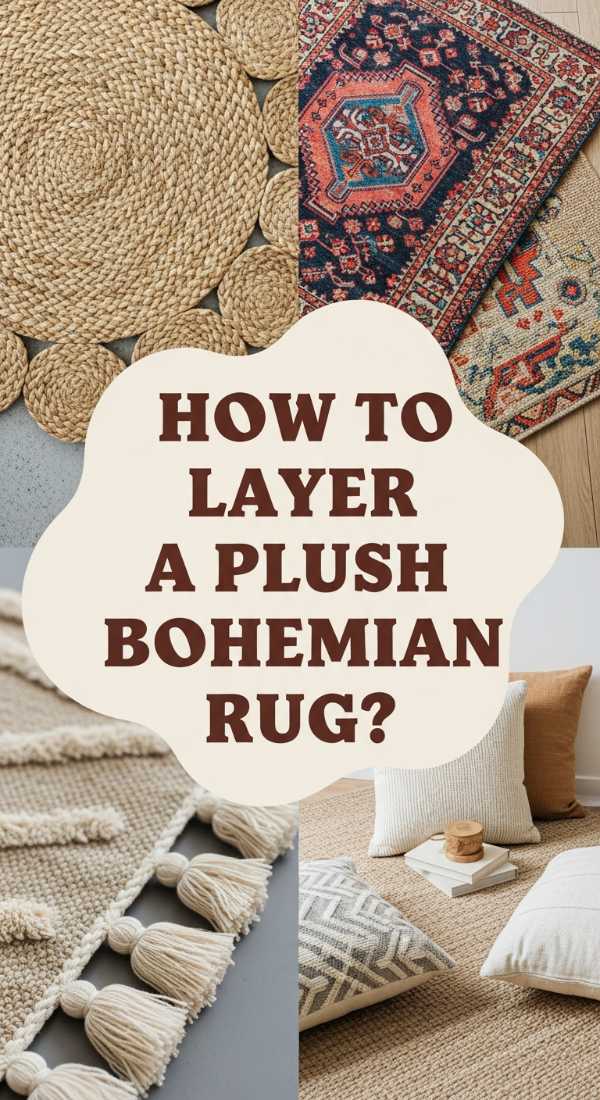
How to Layer a Plush Bohemian Rug for Maximum Comfort

Why we love this
Layering rugs is the ultimate secret weapon for creating that “cloud-like” comfort underfoot that defines a cozy boho home. We adore the sensory interplay between a coarse, grounding jute base and the high-pile, buttery softness of a Moroccan Beni Ourain or a colorful Turkish kilim. Stepping onto these layers feels like a soft embrace for your feet, muffling the sounds of the outside world and grounding the energy of the room. It’s an invitation to kick off your shoes, sit on the floor, and enjoy a slow morning coffee in total tactile bliss.
Essential Elements:
- Large natural fiber base rug (Jute or Sisal)
- Smaller patterned accent rug (Wool or Chenille)
- Rug pad for extra cushioning
- Double-sided rug tape for safety
How to make it
- Select a neutral, flat-weave jute rug as your foundation. It should be large enough that all the front legs of your furniture pieces sit comfortably on top of it, anchoring the seating area.
- Roll out your plush accent rug on top of the base. For a classic bohemian look, don’t center it perfectly; instead, angle it slightly or offset it to one side to create a more relaxed, lived-in vibe.
- Ensure the top rug has a contrasting texture. If the bottom rug is rough and tan, choose a top rug with a high shaggy pile or vibrant, intricate embroidery to provide visual and physical depth.
- Apply rug-to-rug tape between the two layers, especially at the corners. This prevents tripping hazards and keeps the top layer from shifting when you walk over it.
- Vacuum both layers thoroughly to fluff up the fibers. Use a brush attachment on the edges of the top rug to blend the transition between the two textures seamlessly.
How to Style a Dreamy Bohemian Bed for Restful Sleep
Why we love this
A bohemian bed should look like a pile of clouds you can’t wait to dive into at the end of a long day. We love the effortless elegance of rumpled linen mixed with the heavy, comforting weight of a hand-stitched kantha quilt. The aroma of dried lavender tucked under the pillows and the sight of soft, earth-toned tassels creates a sensory experience that signals your brain it’s time to rest. It’s not about perfection; it’s about creating a nest that feels curated, soft, and deeply restorative for the soul.
Essential Elements:
- Stone-washed linen duvet cover
- 100% cotton kantha quilt or throw
- Multiple sleeping pillows and decorative shams
- A long lumbar pillow with fringe or embroidery
- Aromatherapy linen spray (Lavender or Sandalwood)
How to make it
- Start with high-quality linen sheets. Linen is breathable and gets softer with every wash, providing that perfect lived-in feel. Tightly tuck the flat sheet at the bottom but leave the sides loose for a relaxed look.
- Add the duvet cover, but instead of pulling it all the way up, fold it back about one-third of the way down the bed to expose the sheets and create a voluminous “bolster” look.
- Layer your kantha quilt or a chunky knit throw horizontally across the foot of the bed. Scrunched or draped naturally looks better than a flat, precise fold.
- Propped up against the headboard, place your standard sleeping pillows, followed by two large European shams for height, and finish with a decorative lumbar pillow in the center.
- Mist the entire setup with a light lavender spray and lightly hand-toss the duvet to introduce air into the fibers, giving the bed that characteristic “plush” and airy bohemian silhouette.
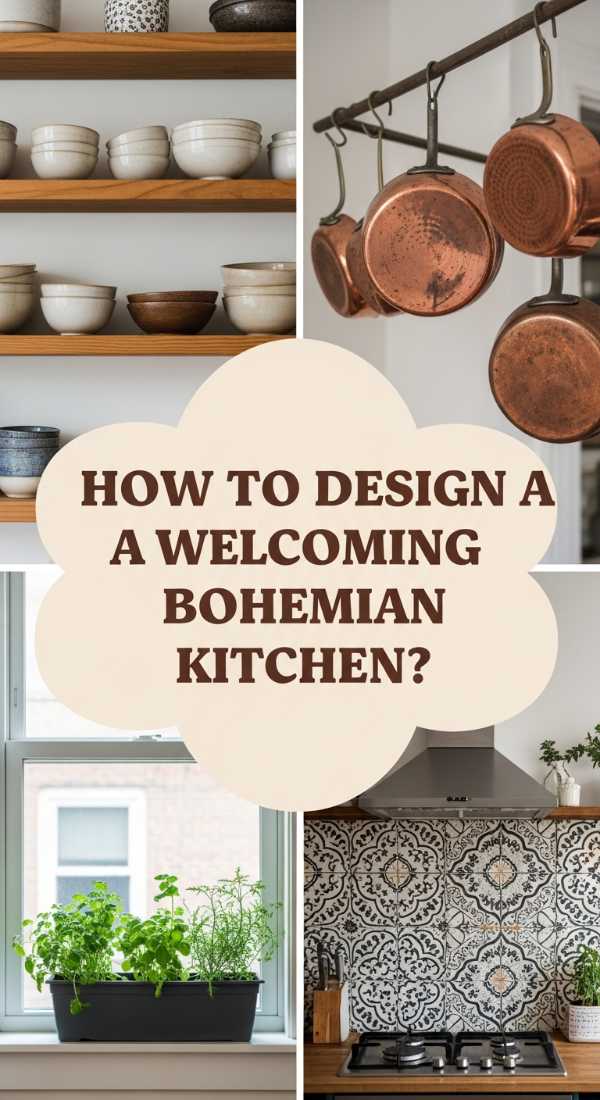
How to Design a Welcoming Bohemian Kitchen for Culinary Bliss
Why we love this
The bohemian kitchen is the heart of the home, where the scent of fresh herbs mingles with the warmth of aged wood and copper. We love this style because it rejects the sterile, hidden-away nature of modern kitchens in favor of open shelving that displays your favorite mismatched ceramics and spice jars. It feels like a bustling workshop of flavor, where every wooden spoon and clay mug has a story to tell. It encourages a slower, more intentional way of cooking that celebrates the beauty of raw ingredients and handcrafted tools.
Essential Elements:
- Open wooden shelving
- Hanging copper pots and pans
- Potted herbs (Basil, Rosemary, Mint)
- Vintage runner rug
- Glass canisters for bulk grains and spices
How to make it
- Remove a few upper cabinet doors to create instant open shelving, or install reclaimed wood floating shelves against a tiled or plastered wall.
- Organize your dry goods into clear glass jars of varying heights. This not only looks beautiful but makes the colors of your lentils, pastas, and spices part of the kitchen’s decor.
- Install a brass or iron rail under a shelf or over the stove to hang your most-used copper pans and wooden utensils. This clears counter space while adding a professional yet rustic touch.
- Place a vintage-style washable runner rug in the “work triangle” (the space between the sink, stove, and fridge) to add warmth and color to the floor.
- Incorporate living elements by placing a cluster of herb pots on the windowsill. Use terracotta pots for a cohesive look, ensuring they have drainage saucers to protect your surfaces from moisture.
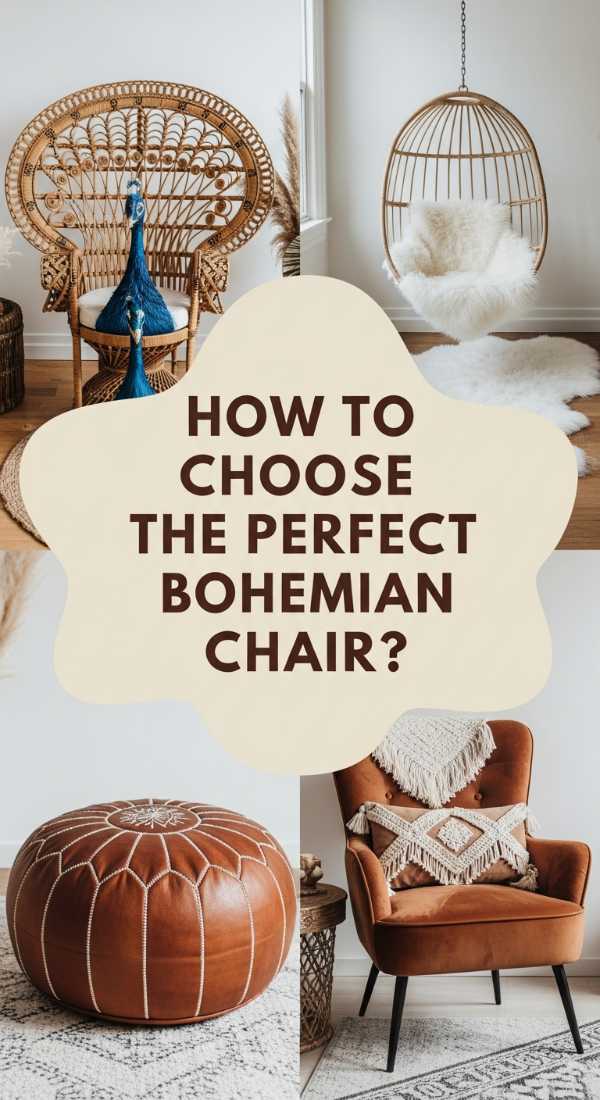
How to Choose the Perfect Bohemian Chair for Reading Nooks
Why we love this
A reading nook is only as good as the chair that anchors it, and a bohemian chair is designed for hours of getting lost in a book. We love the iconic shape of a rattan papasan or a velvet-tufted armchair because they cradle the body while adding a touch of vintage whimsy to a corner. The texture of the natural wood or the richness of the fabric provides a tactile contrast to the paper pages of a book. It’s a dedicated island of peace that invites you to curl up, pull a soft throw over your knees, and escape the digital world.
Essential Elements:
- Rattan, wicker, or velvet armchair
- Sheepskin rug or faux-fur throw
- A round floor pouf for footrest
- Side table for tea and books
- Adjustable warm-light floor lamp
How to make it
- Choose a chair with a deep seat and a reclining back. Rattan is excellent for airflow, while velvet provides a more luxurious, heavy feel. Ensure the scale of the chair fits the corner without blocking walkways.
- Drape a sheepskin or a heavy woven throw over the back and seat. This softens the hard edges of a rattan chair and provides essential cushioning for long reading sessions.
- Position a floor pouf at a distance that allows your legs to be slightly elevated but comfortably supported. This is crucial for long-term ergonomic comfort.
- Place a small, sturdy side table within arm’s reach. It should be at the same height as the chair’s armrest to make it easy to set down a cup of tea without looking.
- Finish the space with a lamp that has a warm-toned bulb (2700K). Position it behind the chair so the light falls over your shoulder, preventing glare on the page while maintaining a cozy, dim atmosphere in the rest of the room.
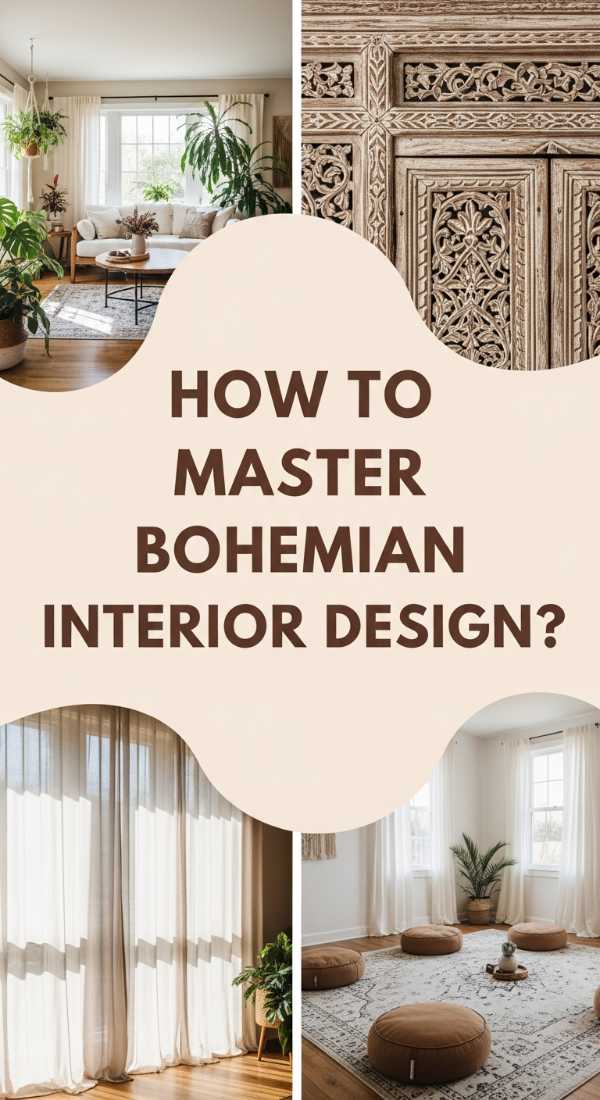
How to Master Bohemian Interior Design for Holistic Living
Why we love this
Mastering the holistic side of boho design means creating a home that breathes with you. We love this approach because it goes beyond aesthetics, focusing on air quality, natural light, and the flow of energy throughout a room. By using materials like untreated wood, cotton, and living plants, you create an environment that actively lowers stress and reconnects you with nature. It’s about creating a space that feels as good as it looks, where every element serves to nourish your mental and physical well-being through beauty and balance.
Essential Elements:
- Air-purifying plants (Snake plants, Pothos, Peace Lilies)
- Natural light-filtering sheer curtains
- Essential oil diffuser
- Crystals or stones (Amethyst, Selenite)
- Natural materials like bamboo, cork, and jute
How to make it
- Conduct a “flow audit” by walking through your home and identifying any furniture that blocks natural paths or makes a room feel cramped. Move pieces to create wide, curving walkways that encourage movement.
- Replace heavy drapes with sheer linen or cotton curtains. This allows maximum natural light to enter the space while still providing privacy and a soft, ethereal glow.
- Integrate “green zones” by placing air-purifying plants at different heights—hanging some from the ceiling, placing others on stands, and some on the floor—to create a lush, oxygen-rich canopy.
- Set up a dedicated wellness station with an oil diffuser and a selection of calming scents like cedarwood or frankincense. Place this near your main seating area to enhance relaxation.
- Choose decor items made from the earth. Incorporate raw crystals on windowsills to catch the light and use natural baskets instead of plastic bins for storage to keep the energy of the home organic and grounded.
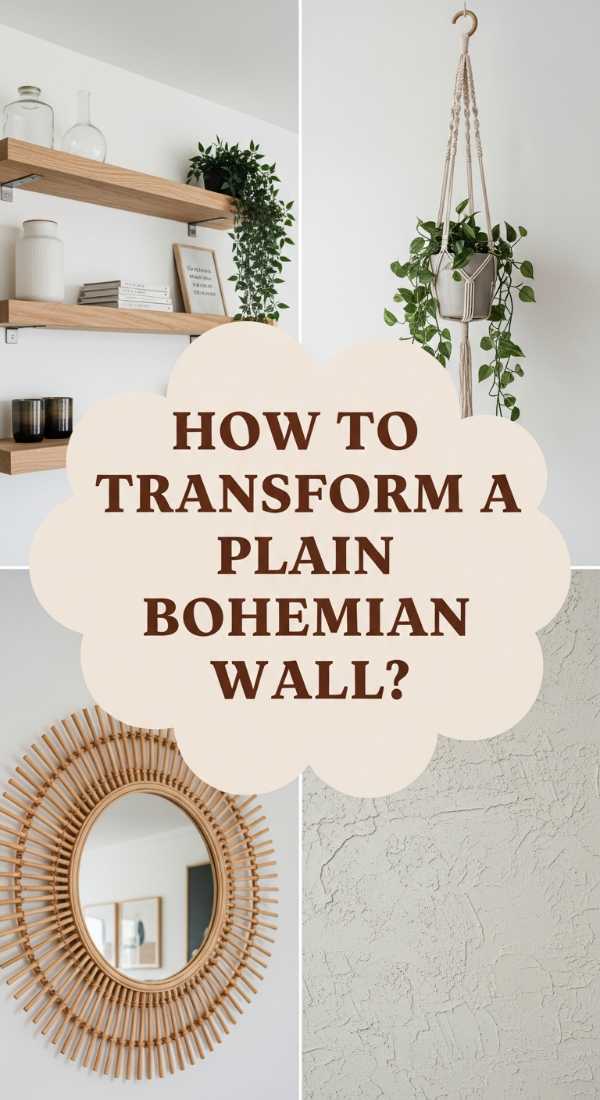
How to Transform a Plain Bohemian Wall into Art
Why we love this
Turning a blank wall into a work of art is an act of creative liberation. We love this because it allows you to personalize your home in a way that mass-produced decor never could. Whether it’s a hand-painted mural of botanical shapes or a curated collection of travel photos and pressed flowers, it turns a functional barrier into a window into your soul. The texture of the paint, the grain of the frames, and the stories behind the images create a rich tapestry that makes a house feel like a deeply personal home.
Essential Elements:
- Matte wall paint in earth tones (Terracotta, Sage, Ochre)
- Handmade paper or vintage maps
- Pressed flower frames
- Low-tack painter’s tape
- Washi tape for a casual look
How to make it
- Decide on a theme for your wall—is it a travel memory wall, a botanical sanctuary, or a geometric mural? Stick to a cohesive color palette of three to four earthy shades.
- If painting a mural, sketch your design lightly in pencil first. Use a sponge or a dry brush technique to apply the paint, which creates a soft, feathered texture that looks more organic and bohemian than sharp lines.
- For a gallery approach, mix different mediums. Don’t just use photos; include framed fabric scraps, pressed leaves from your garden, and handwritten quotes on textured paper.
- Use washi tape to attach lightweight items like postcards or sketches directly to the wall. This adds a casual, studio-like vibe that is easily changeable as your tastes evolve.
- Step back frequently during the process to ensure the composition feels balanced. The goal is for the wall to feel full and vibrant without being overwhelming or cluttered.
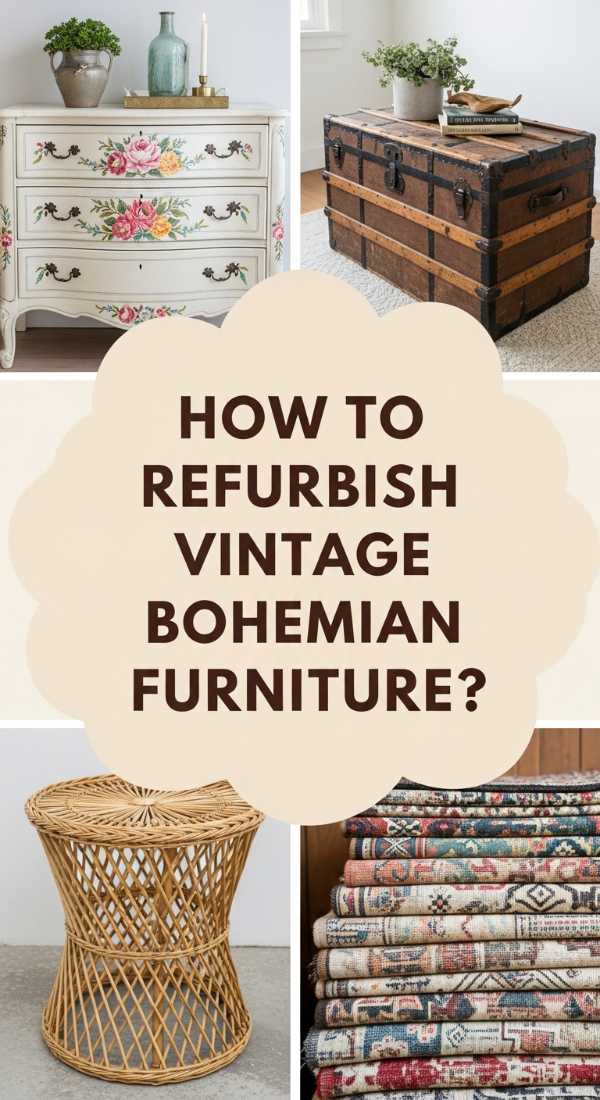
How to Refurbish Vintage Bohemian Furniture for Unique Style
Why we love this
There is a profound satisfaction in rescuing a forgotten piece of furniture and giving it a new, bohemian life. We love refurbishing vintage pieces because they possess a character and craftsmanship that modern furniture often lacks. The smell of fresh beeswax on old wood and the transformation of a scratched surface into a smooth, stained masterpiece is incredibly rewarding. It allows you to customize your home with one-of-a-kind pieces that act as the anchors for your eclectic decor, blending the history of the past with your present style.
Essential Elements:
- Vintage wooden furniture (sideboards, stools, chests)
- Sandpaper (various grits: 80, 120, 220)
- Natural wood stain or chalk paint
- New brass or ceramic hardware
- Beeswax or hemp oil finish
How to make it
- Thoroughly clean the piece with a mixture of mild soap and water to remove decades of dust and oils. Let it dry completely before proceeding.
- Sand the piece down starting with a coarse grit (80) to remove old varnish, then move to finer grits (120 then 220) until the wood is buttery smooth. Always sand in the direction of the grain.
- Apply a natural wood stain with a lint-free cloth, or use chalk paint if you prefer a colorful, matte look. If using paint, you can lightly sand the edges after it dries to create a “distressed” vintage effect.
- Once the color is dry, apply a coat of beeswax or hemp oil. Buff it in with a soft cloth to protect the wood and give it a healthy, low-sheen glow that highlights the natural beauty of the grain.
- Replace old, tired knobs with unique brass handles or hand-painted ceramic pulls. This small detail is often what truly brings the bohemian character to the piece.
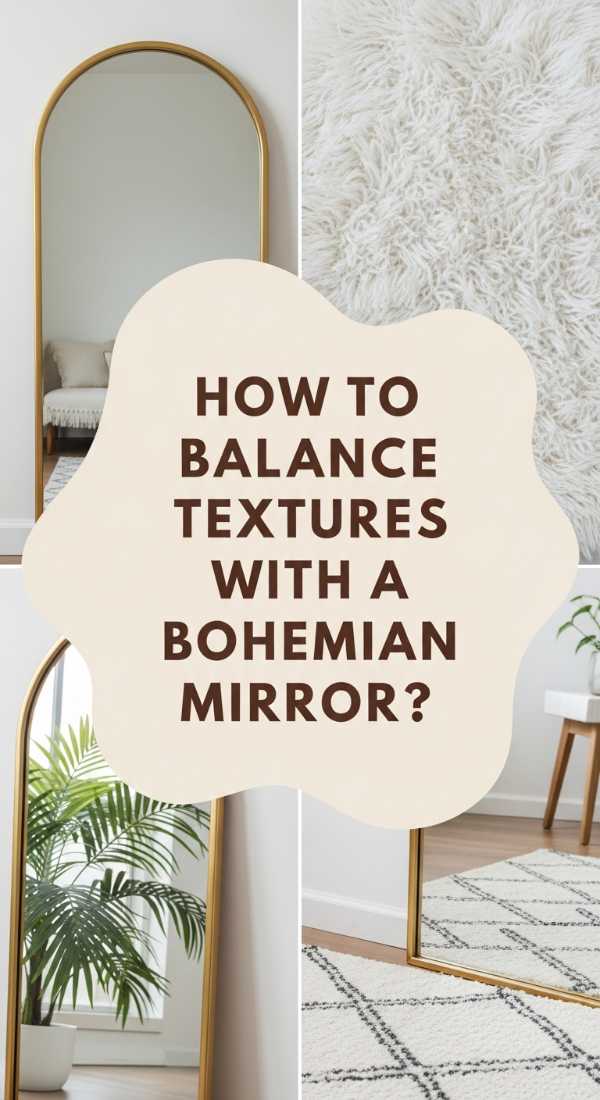
How to Balance Textures with a Bohemian Mirror and Rug
Why we love this
The relationship between a mirror and a rug is a secret design trick that creates a sense of infinite space and balanced texture. We love how a large, arched floor mirror can reflect the intricate patterns and soft textures of a beautiful rug, doubling the visual impact of your decor. It’s about the play of light and shadow—the way the sun hits the rug and is then bounced back by the mirror, brightening dark corners and making the room feel like an airy, open sanctuary. It creates a harmonious loop of color and texture that grounds the room.
Essential Elements:
- Large arched or round floor mirror
- High-contrast patterned rug
- Potted tall plant (like a Fiddle Leaf Fig)
- Soft floor lighting
How to make it
- Position your rug first, ensuring it is centered in the living area or under the bed. The rug should be the “anchor” that the mirror will complement.
- Place the mirror opposite a window if possible, but angled so that it reflects the most interesting part of your rug. This maximizes the light and brings the color of the rug up into the vertical space of the room.
- Ensure the mirror frame complements the rug’s vibe. For a tribal-patterned rug, a carved wood or dark iron mirror works best; for a soft, neutral rug, a thin brass or light rattan frame is ideal.
- Place a tall plant next to the mirror. The reflection of the green leaves against the rug’s pattern in the background creates a layered, jungle-like depth that is quintessential boho.
- Check the reflection from your main seating area. Adjust the angle of the mirror until it captures a view that feels peaceful and balanced, avoiding reflections of cluttered areas or television screens.
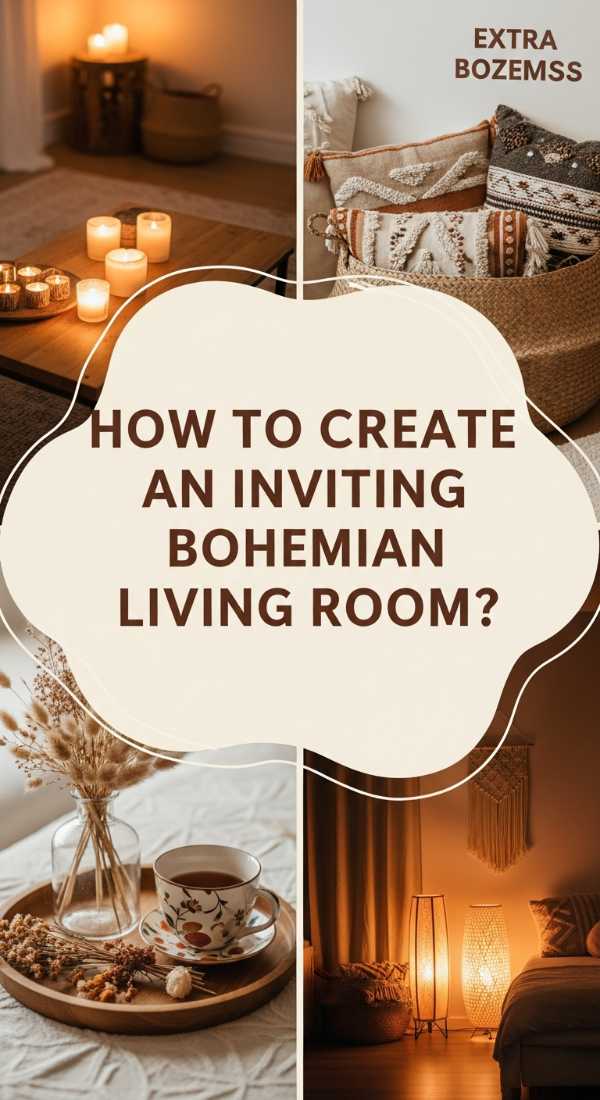
How to Create an Inviting Bohemian Living Room for Guests
[IMAGE_10]
Why we love this
An inviting bohemian living room is designed for connection and conversation rather than just staring at a screen. We love the use of low seating, floor cushions, and warm, layered lighting that makes guests feel instantly relaxed and at home. The air is filled with the soft scent of incense and the sound of soft music, while the mix of textures—from velvet sofas to macramé pillows—invites people to touch and feel comfortable. It’s a space that prioritizes the human experience, turning every gathering into a cozy, memorable event.
Essential Elements:
- Low-profile sofa or floor seating
- Assorted velvet and embroidered throw pillows
- Floor cushions and woven poufs
- Low coffee table for tea and snacks
- String lights or dimmable amber lamps
How to make it
- Arrange your main seating in a circular or U-shaped configuration to encourage eye contact and conversation. Avoid pointing all furniture toward a single focal point like a TV.
- Layer your sofa with at least three different types of pillows: a large solid velvet one, a medium-sized patterned one, and a smaller textured or fringed one. This creates a rich, inviting look.
- Incorporate floor seating options like oversized cushions or leather poufs. These provide extra spots for guests and instantly make the room feel more casual and approachable.
- Use a low-profile coffee table and keep it styled with books, a candle, and plenty of space for guests to set down drinks. A tray can help keep the “organized chaos” look tidy.
- Switch off harsh overhead lights. Instead, use a combination of floor lamps with warm bulbs, string lights draped over a bookshelf, and candles to create a soft, flickering glow that makes everyone look and feel their best.
Conclusion: Your Journey to a Bohemian Sanctuary
Creating a bohemian home is a journey, not a destination. It is about slowly collecting pieces that speak to your soul, arranging them with love, and allowing your space to evolve as you do. Remember that the most important element of any boho room isn’t the rug or the chair—it’s the spirit of the person who lives there. Embrace the imperfections, let the sunlight in, and don’t be afraid to mix the old with the new. Your home is a reflection of your wild, beautiful journey through life. Keep wandering, keep collecting, and keep creating your own personal sunshine.
Bohemian Lifestyle FAQ
Q: How do I keep my boho home from looking cluttered?
A: The key is “intentional curation.” Group small items on trays or shelves rather than scattering them. Stick to a consistent color palette to tie different textures together, and make sure every item has a “home” so the space feels collected rather than messy.
Q: Can I do bohemian design in a small apartment?
A: Absolutely! In fact, the boho style is perfect for small spaces because it emphasizes vertical decor like wall hangings and plants. Use mirrors to create the illusion of more space and stick to lighter wood tones to keep the room feeling airy.
Q: Where is the best place to find vintage boho furniture?
A: Thrift stores, estate sales, and online marketplaces like Facebook Marketplace or Etsy are gold mines. Look for solid wood pieces with interesting shapes; remember, you can always sand and refinish them to fit your specific aesthetic!