
The Art of Simplicity: Minimalist Home Inspiration for Every Room
Have you ever walked into a room and felt like you could finally, truly breathe? There is a profound magic in the minimalist home—not the cold, sterile versions we see in magazines, but a lived-in simplicity that prioritizes peace over possession. For years, I chased the ‘more’—more pillows, more trinkets, more trends—only to realize that my soul was actually craving ‘less.’ My home had become a physical manifestation of my mental clutter, and it wasn’t until I started stripping away the excess that I found the quiet joy hidden beneath the surface.
Minimalism isn’t about living in an empty white box; it is about intentionality. It is about choosing to surround yourself only with things that serve a purpose or bring a genuine spark of delight to your day. In this guide, I want to share how you can transform every corner of your home into a sanctuary of calm. Whether you are dealing with a tiny apartment or a spacious family house, these principles of minimalist design will help you curate a space that feels like a warm embrace every time you walk through the door.
We are going to dive deep into the ‘recipe’ for a serene home, treating each room like a carefully prepared dish where every ingredient matters. From the textures under your feet to the way the light hits the wall at 4:00 PM, we will explore the sensory details that make minimalism feel warm, human, and incredibly restorative. Let’s begin this journey toward a lighter, more beautiful way of living together.
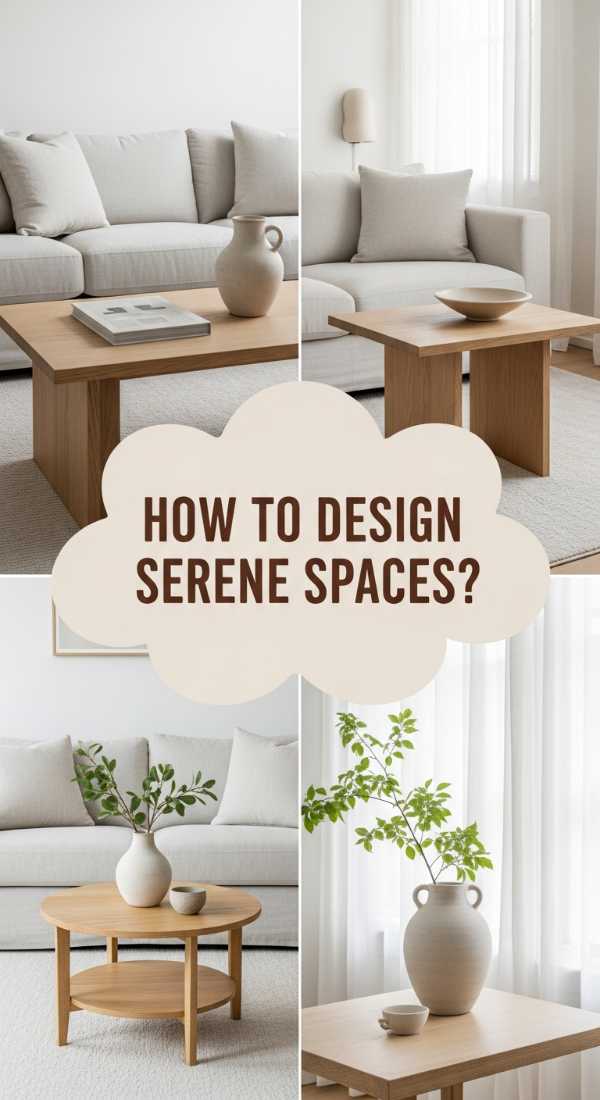
How to Design a Serene Living Room for Ultimate Peace
Why we love this
There is a profound sense of relief that washes over you when you step into a living room designed for ultimate peace. Imagine the subtle scent of eucalyptus wafting through the air, mingling with the crisp, clean aroma of freshly laundered linen pillows. As you sink into a low-profile sofa, the tactile sensation of a soft, chunky wool throw against your skin provides an immediate grounding effect. The room doesn’t just look quiet; it feels like a soft exhale, where every object has enough space to breathe, and the visual noise of the world outside is instantly silenced by the harmony of cream tones and natural wood grains.
Essential Elements:
- Low-profile modular sofa in a neutral weave
- Large-scale organic wool rug
- Single statement ceramic vase
- Hidden media storage
- Sheer linen window treatments
How to make it
- **Clear the Canvas:** Begin by removing every non-essential item from the room to ‘deglaze’ the space, leaving only the primary furniture pieces to assess the natural flow.
- **Monitor the Heat:** Observe the natural light levels throughout the day; if the room feels ‘overcooked’ with harsh sun, install sheer linen curtains to simmer the brightness into a soft, diffused glow.
- **Season with Solids:** Position your largest furniture pieces first, ensuring there is at least a 36-inch ‘flow zone’ around each item—this is your visual cue that the layout is balanced and breathable.
- **Emulsify the Textures:** Layer a high-pile rug over a flat-weave base; the tension between the two different heights creates a sophisticated finish without needing extra color.
- **The Resting Phase:** Leave the room for 24 hours before adding any decor; if the space feels complete without extra ‘garnish,’ you have achieved the perfect minimalist balance.
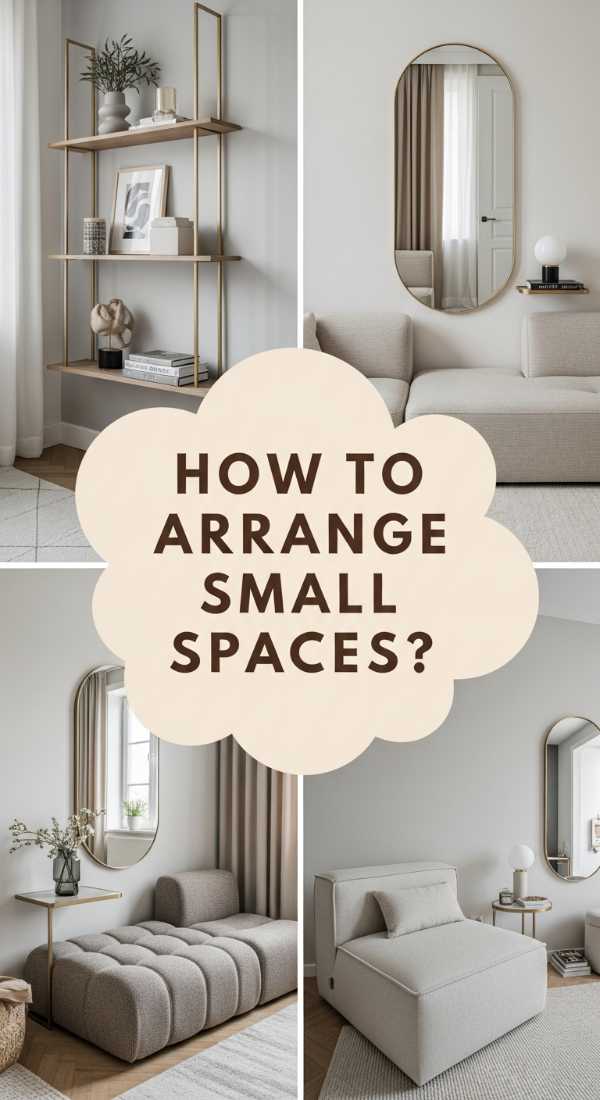
How to Arrange a Tiny Living Room for Better Flow
Why we love this
A tiny living room, when arranged with minimalist precision, feels like a cozy cocoon rather than a cramped box. We love the way light bounces off mirrors placed strategically to double the visual depth, creating an airy atmosphere that smells like fresh citrus and cedarwood. The feeling of moving through the space without bumping into corners is incredibly liberating; it’s the design equivalent of a perfectly emulsified sauce—smooth, cohesive, and satisfying. Every inch is utilized with purpose, turning a small footprint into a high-functioning masterpiece of comfort and style.
Essential Elements:
- Multi-functional storage ottoman
- Wall-mounted floating shelving
- Slender-legged furniture
- Large wall mirror
- Tonal color palette
How to make it
- **Reduce the Bulk:** Swap heavy, skirted furniture for pieces with exposed legs; this allows the eye to see the floor underneath, which ‘cooks’ the perception of more space.
- **Vertical Layering:** Install floating shelves high on the walls to draw the eye upward, acting as a vertical ‘riser’ for the room’s proportions.
- **The Mirror Technique:** Hang a large mirror opposite the primary light source to reflect brightness back into the dark corners, effectively ‘brightening the roux’ of your interior design.
- **Focal Point Concentration:** Group your main seating around a central point, keeping the walkways clear of ‘clutter-lumps’ to ensure a smooth transition from room to room.
- **Final Reduction:** Remove one item from the room every week until you find the ‘boiling point’ where the space feels perfectly functional but entirely unburdened.
How to Style a Cozy Bedroom for Restful Sleep

Why we love this
Walking into a minimalist bedroom feels like slipping into a cool, crisp bedsheet after a long day. The air feels lighter, carrying the faint, soothing aroma of dried lavender and the earthy scent of oak wood. We love how the absence of electronics and piles of laundry transforms the room into a sacred temple of rest. The texture of a high-thread-count cotton duvet against your hand and the sight of a single, meaningful piece of art on the wall create a sensory ‘reset’ that prepares the mind for deep, restorative slumber, far away from the chaotic ‘flavors’ of daily life.
Essential Elements:
- Natural fiber bedding (linen or cotton)
- Minimalist wooden bed frame
- Soft, warm-toned bedside lamps
- Blackout curtains in a neutral shade
- Single bedside carafe for water
How to make it
- **Sift the Clutter:** Clear all surfaces, including nightstands, of everything except the absolute essentials like a book or a lamp, ensuring the ‘base’ is pure.
- **Layer the Bedding:** Start with a crisp base sheet, then add a weighted duvet and a single textured throw; this creates a ‘flavor profile’ of comfort without the bulk of excess pillows.
- **Set the Temperature:** Use lightbulbs with a warm 2700K temperature to mimic the soft glow of a dying ember, signaling to your brain that the ‘prep work’ for sleep has begun.
- **Texture Folding:** Fold back the top third of your duvet to expose the sheets; this visual cue makes the bed look inviting and professionally ‘plated.’
- **Aroma Infusion:** Place a small sachet of lavender near the pillow to provide a consistent, low-level olfactory trigger for relaxation.
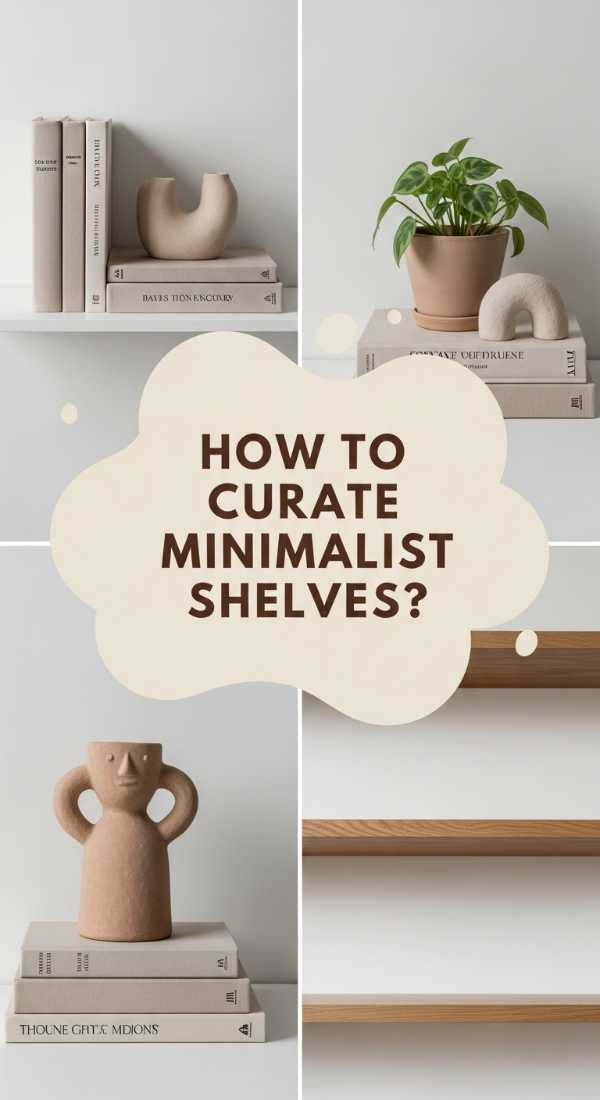
How to Curate Minimalist Shelving for Elegant Display
Why we love this
Curated shelving is the ‘garnish’ that defines the character of a room without overwhelming the senses. We love the rhythmic balance of white space and objects—the smooth, cool glaze of a handmade ceramic bowl next to the textured, deckled edges of a favorite book. It’s like a visual melody where the pauses (the empty spaces) are just as important as the notes (the objects). The scent of old paper and the sight of clean lines create a sophisticated atmosphere that feels both intellectual and incredibly grounded.
Essential Elements:
- Monochromatic book covers or turned-around spines
- Handmade ceramic vessels
- Small natural elements (dried grass or stones)
- Framed line art or photography
- Negative space (30% of the shelf should be empty)
How to make it
- **The Great Strip-Down:** Remove every single item from your shelves so you can start with a ‘clean pot.’
- **Sorting Ingredients:** Group your items by size, color, and texture to see which elements will ‘pair’ well together visually.
- **The Anchor Method:** Place your largest, heaviest items first, distributing them in a zigzag pattern across the shelves to balance the ‘visual weight.’
- **Stacking Technique:** Mix vertical book placements with horizontal stacks; use the horizontal stacks as ‘pedestals’ for smaller ceramic objects to create varying heights.
- **Simmer in Space:** Step back five feet and look for ‘hot spots’ of clutter; remove one item from any area that looks too dense until the negative space feels intentional.
How to Layer Neutral Textures for Added Warmth
Why we love this
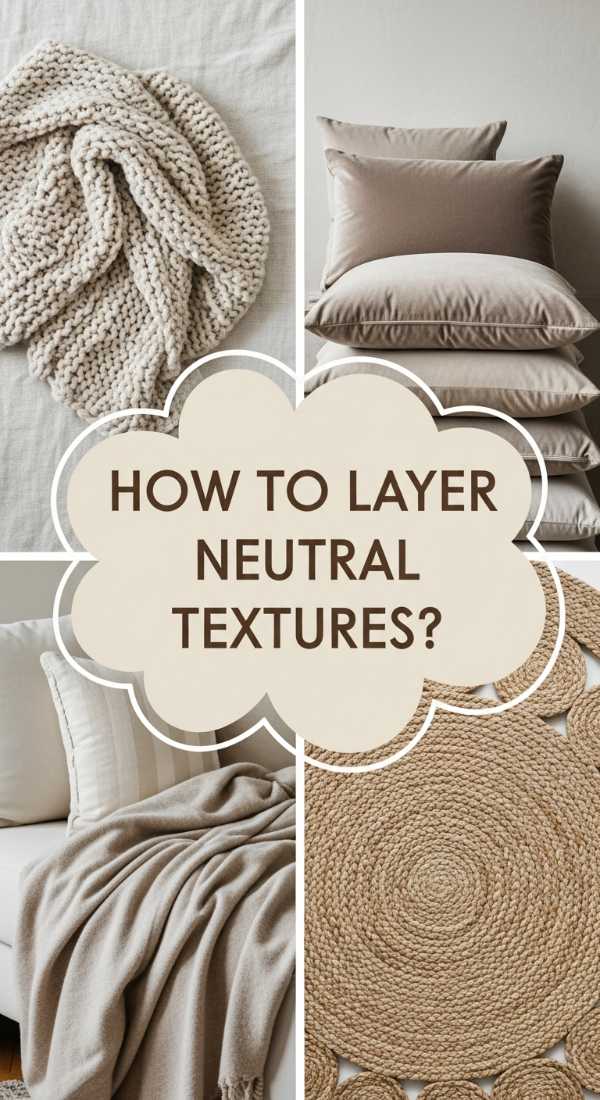
Layering neutrals is the secret to making a minimalist home feel ‘delicious’ rather than cold. We love the way a nubby bouclé chair sits against a smooth plaster wall, creating a tactile feast that invites you to reach out and touch. The palette of oats, creams, and sands smells like sun-warmed hay and fresh parchment. It is a sophisticated way to add depth and ‘flavor’ to a room without the noise of bright colors, resulting in a space that feels rich, expensive, and deeply comforting to the soul.
Essential Elements:
- Bouclé or velvet accent chairs
- Woven seagrass or jute rugs
- Smooth plaster or lime-wash wall finishes
- Raw wood coffee tables
- Knitted wool pillows
How to make it
- **Base Coat:** Start with a neutral foundation (white or cream walls) to act as the ‘stock’ for your room’s design.
- **Introduce the Grain:** Incorporate raw wood elements; the natural ‘bite’ of the grain provides a necessary contrast to soft fabrics.
- **The Rule of Three:** In every corner, combine three different textures—such as smooth metal, rough stone, and soft wool—to ensure the ‘mouthfeel’ of the design is complex.
- **Check the Consistency:** Avoid using more than two items of the exact same texture; if everything is smooth, the room will feel ‘thin’ and lacking in substance.
- **Final Glaze:** Add a single high-shine element, like a glass vase or a polished brass tray, to reflect light and ‘brighten the seasoning’ of the neutral palette.
How to Select Lighting for a Calming Home Atmosphere

Why we love this
Lighting is the ‘secret sauce’ of minimalist design; it dictates the mood and texture of everything it touches. We love the transformation of a room as evening falls, when the harsh overhead ‘glare’ is replaced by the amber warmth of low-level lamps. The atmosphere becomes thick with a sense of intimacy and calm, smelling like beeswax candles and evening air. The way shadows fall across a minimalist room adds a layer of mystery and softness that makes the sharpest lines feel gentle and inviting.
Essential Elements:
- Floor lamps with fabric shades
- Dimmable warm-toned LED bulbs
- Sculptural table lamps
- Taper candles in simple holders
- Natural light control (blinds or shutters)
How to make it
- **The Layering Process:** Avoid ‘overcooking’ with overhead lights; instead, create layers using floor lamps, table lamps, and wall sconces.
- **Adjust the Heat:** Use bulbs with a Kelvin rating between 2200K and 2700K; anything higher will feel like a ‘cold kitchen’ and ruin the cozy vibe.
- **Shadow Mapping:** Place lamps in corners to push the walls back visually, creating a ‘simmering’ glow that makes the room feel larger and more mysterious.
- **The Flame Test:** Incorporate natural firelight through candles; the flickering motion provides a ‘living’ element that static electric light cannot replicate.
- **Visual Cue Check:** Turn off all lights and turn them on one by one; if you see any harsh ‘hot spots’ on the walls, adjust the shades until the light is perfectly diffused.
How to Incorporate Natural Elements for a Balanced Home

Why we love this
Bringing the outdoors in is the most effective way to ‘balance the acidity’ of modern life. We love the grounding presence of a single olive tree in a terracotta pot, its silver-green leaves catching the afternoon light. The scent of damp soil and fresh greenery brings a ‘garden-to-table’ freshness to your interior. It provides a living, breathing texture that softens the hard edges of furniture, creating a home that feels connected to the earth and fundamentally harmonious.
Essential Elements:
- Indoor trees (Olive, Fiddle Leaf, or Rubber tree)
- Terracotta or stone planters
- Natural linen upholstery
- Driftwood or river stone accents
- Large windows with unobstructed views
How to make it
- **Acclimatize the Elements:** Choose plants that thrive in your specific light ‘climate’; a dying plant will ‘spoil’ the minimalist aesthetic immediately.
- **Earth the Room:** Use heavy, stone-based materials for small accents like coasters or bookends to provide a literal ‘grounding’ effect.
- **The Organic Curve:** Choose at least one piece of furniture with a live edge or a natural curve to break up the ‘linear’ recipe of minimalist architecture.
- **Ventilation Check:** Open windows for at least 20 minutes a day to ‘refresh the palate’ of the room’s air, keeping the natural vibe authentic.
- **Pruning for Purity:** Keep your plants trimmed and clean; a minimalist plant should look like a sculpture, not an overgrown ‘jungle’ that adds visual stress.
How to Organize a Minimalist Entryway for Stress-Free Mornings
Why we love this
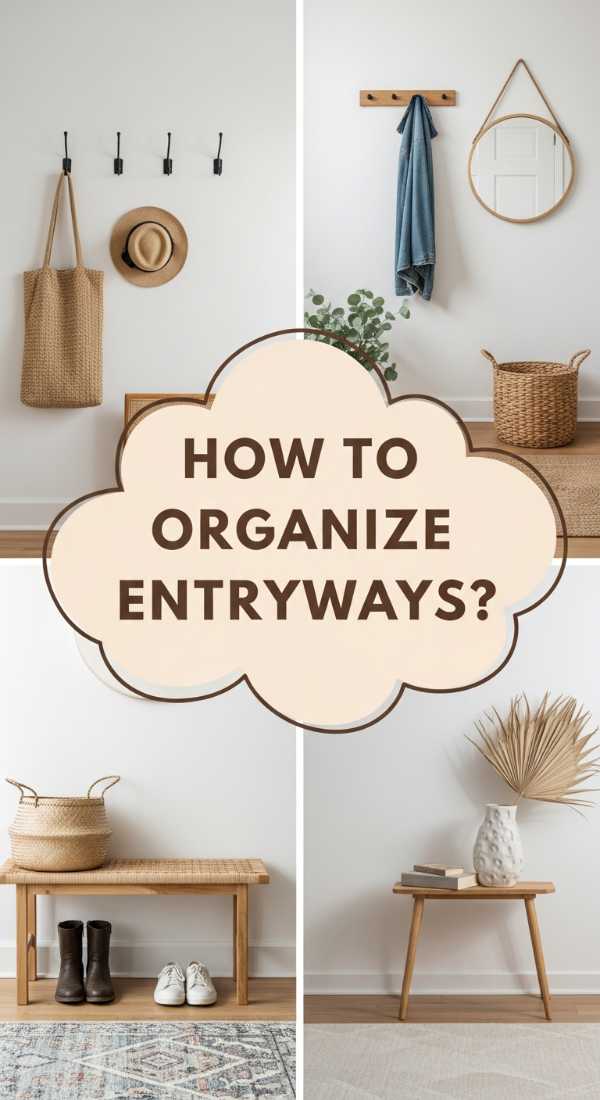
The entryway is the first ‘bite’ of your home, and we love when it tastes like organized serenity. There is nothing quite like the feeling of walking through the door and having a designated, beautiful place for your keys, coat, and shoes. It smells like the cedar in the coat closet and the fresh air from the door. A minimalist entryway eliminates the morning ‘scramble,’ allowing you to leave the house with a clear mind and return to a space that feels instantly welcoming and light.
Essential Elements:
- A sleek wooden bench
- Wall-mounted peg rail
- Small tray for keys and mail
- Large basket for shoes
- A singular piece of wall art
How to make it
- **The Purge Phase:** Remove everything from the entryway that doesn’t belong there daily—seasonal gear should be ‘stored in the pantry’ of a closet.
- **Create a Landing Zone:** Install a small tray or ‘prep station’ for daily carry items; this prevents ‘clutter-leak’ into the rest of the house.
- **The One-In-One-Out Rule:** Limit the peg rail to one coat per person; this ensures the visual ‘density’ remains light and manageable.
- **Hide the Mess:** Use a lidded basket for shoes to ‘cover the dish’ and keep the visual field clean and uniform.
- **Visual Cue:** Place a single piece of art at eye level; it acts as a ‘finishing salt’ that reminds you to pause and breathe as you enter or leave.
How to Feature Line Art for a Sophisticated Aesthetic

Why we love this
Line art is the ‘minimalist’s reduction’—it captures the essence of a form with the fewest possible strokes. We love the sophisticated, intellectual vibe it brings to a room, feeling like a quiet conversation in a crowded space. The contrast of black ink on creamy, heavy-weight paper is visually delicious, offering a focal point that doesn’t demand too much ‘energy’ from the viewer. It smells like a high-end gallery—clean, curated, and deeply intentional.
Essential Elements:
- Black and white line drawings
- Thin, minimalist frames (wood or black metal)
- Large white matting for art
- Asymmetrical hanging layouts
- Quality textured paper
How to make it
- **Scale the Art:** Choose a piece that is slightly larger than you think you need; a large, simple line drawing ‘cooks’ better than three small, busy ones.
- **The Framing Technique:** Use an oversized mat board to give the art ‘room to breathe’ within the frame; this is the design version of a large plate with a small, perfect portion.
- **Eye-Level Alignment:** Hang the art so the center is 57 inches from the floor—this is the professional ‘serving temperature’ for gallery-style display.
- **Negative Space Ratio:** Ensure the wall space around the art is at least twice the width of the frame to maintain the ‘minimalist’ flavor.
- **The Visual Flow:** Place line art in transit areas like hallways or above a desk to provide a ‘refreshing’ visual break between more complex rooms.
How to Maintain a Clutter-Free Desk for Maximum Focus
Why we love this
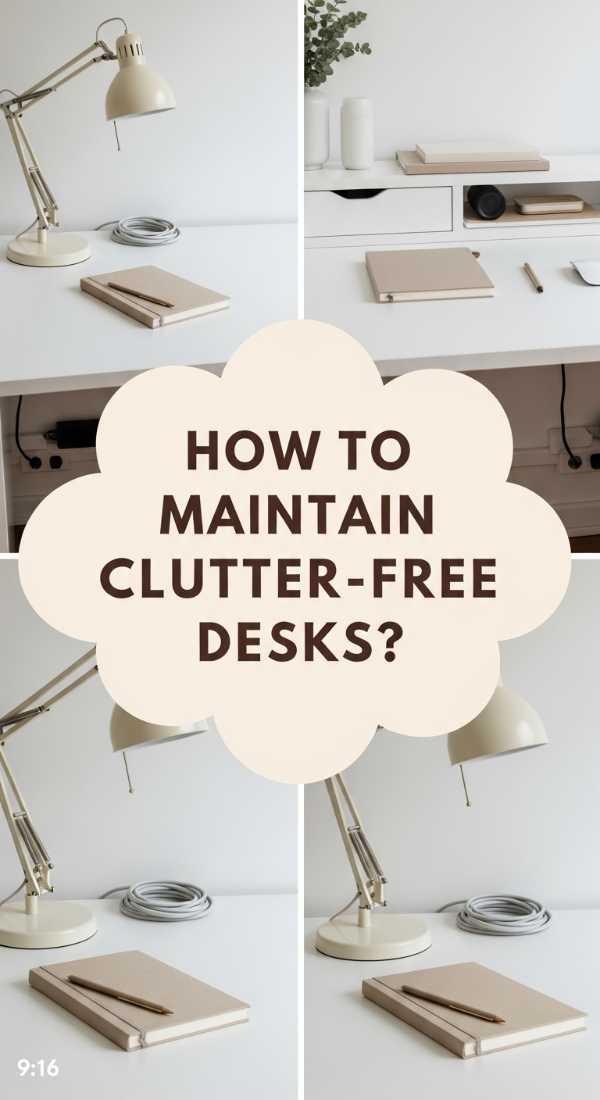
A minimalist desk is the ultimate ‘mise en place’ for the mind. We love the cool touch of a smooth wooden desktop and the focused silence that comes from having only the tools you need within reach. It smells like freshly brewed tea and the faint scent of a graphite pencil. When the physical workspace is clear, the mental workspace can expand, allowing for a level of productivity and ‘flow’ that feels effortless and deeply satisfying. It is the perfect recipe for a creative and stress-free work life.
Essential Elements:
- Minimalist desk with built-in cable management
- Comfortable, ergonomic chair in a neutral tone
- Single high-quality desk lamp
- Small ceramic cup for essential pens
- A single green plant for vitality
How to make it
- **Clear the Surface:** At the end of every day, ‘clean your station’ by removing all papers and items to start with a fresh ‘pot’ the next morning.
- **Cable Reduction:** Use clips or boxes to ‘strain’ the cords away from the visual field; visible wires are the ‘clumps’ in your professional roux.
- **The Essential Zone:** Only keep items on the desk that you use every single hour; everything else should be ‘stored in the fridge’ (drawers or cabinets).
- **Zone of Focus:** Place your monitor at eye level and keep the area directly in front of you completely clear for ‘prep work’ and thinking.
- **The 5-Minute Reset:** Set a timer for 5 minutes at the end of each work session to ‘deglaze’ the desk, ensuring no clutter accumulates over time.
Conclusion: Embracing the Quiet Beauty of Less
As we’ve explored, the journey toward a minimalist home isn’t about what you take away, but what you allow to remain. By treating each room with the same care and intentionality as a master chef treats a signature dish, you create an environment that nourishes your soul and calms your mind. Minimalism is a living, breathing practice—a constant refining of our spaces to reflect our truest selves. I hope these tips inspire you to clear the excess and discover the incredible peace that comes from the art of simplicity. Your sanctuary is waiting for you; all you have to do is start with one small corner.