
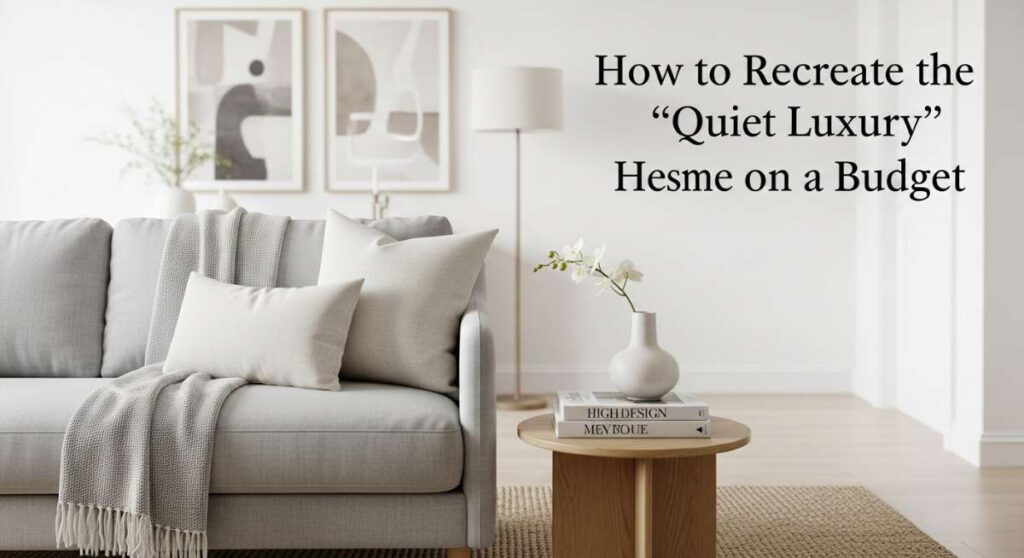
How to Recreate the ‘Quiet Luxury’ Home Aesthetic on a Budget
Have you ever walked into a room and felt an immediate sense of calm, as if the walls themselves were exhaling? That is the magic of ‘Quiet Luxury.’ It’s not about flashy logos or gold-plated everything; it’s about a home that feels curated, intentional, and deeply soulful. For a long time, I thought this look was reserved for those with a zip code in the Hamptons, but I’ve realized that true luxury is a feeling you create through texture, light, and a few well-placed stories.
In today’s fast-paced world, our homes have become our sanctuaries. We are moving away from the ‘fast furniture’ era and leaning into spaces that reflect our heritage, our travels, and our inner peace. Whether you are living in a sprawling suburban house or a cozy urban apartment, you can infuse your space with an elevated, high-end vibe without draining your savings account. It’s all about the ‘slow decor’ movement—choosing pieces that resonate and arranging them with a professional’s eye for detail.
How to Blend Rustic Mexican Home Decor for a Warm Heartfelt Vibe

Why we love this
There is an undeniable soulfulness in rustic Mexican design that feels like a warm hug at the end of a long day. Imagine the scent of beeswax candles mingling with the earthy aroma of sun-baked terracotta tiles and the tactile richness of hand-woven textiles under your fingertips. This aesthetic celebrates the beauty of imperfection—the ‘wabi-sabi’ of the desert—bringing a grounded, heartfelt energy into your living space that feels both timeless and deeply personal.
Essential Elements:
- Terracotta floor tiles or planters
- Hand-carved wooden furniture (Parota or Cedar)
- Talavera pottery accents
- Woven wool rugs (Zapotec style)
- Wrought iron light fixtures
- Warm, earthy color palette (ochre, sienna, dusty rose)
How to make it
- Foundation Layering: Begin by prepping your walls with a soft, warm white or a lime-wash finish to mimic the texture of adobe. This creates a matte, breathable base that prevents the room from feeling ‘flat.’
- Temperature Control: Introduce ‘heat’ through your wood tones. Mix darker, rustic woods with lighter wicker elements. The key visual cue here is ‘patina’—avoid anything too shiny or plastic-looking; you want surfaces that look like they have stories to tell.
- Folding in Textiles: Layer your space with heavy-weight woven blankets. When draping a throw over a sofa, don’t fold it perfectly; let it ‘simmer’ naturally over the armrest to create a lived-in, luxurious drape.
- Finishing the Garnish: Add artisanal greenery. Large, sculptural cacti or succulents in aged clay pots provide the necessary organic contrast to the warm earth tones.
How to Integrate Catholic Home Decor for a Serene Spiritual Atmosphere

Why we love this
Integrating spiritual elements into your home isn’t just about faith; it’s about creating a ‘still point’ in a turning world. The Catholic aesthetic excels at using candlelight, incense, and iconography to evoke a sense of ancient peace. Think of the flickering glow of a votive reflecting off a polished silver crucifix, or the velvet softness of a prayer kneeler—these details create a sensory bridge between the mundane and the divine, turning a simple corner into a cathedral of the heart.
Essential Elements:
- Small home altar or ‘prayer nook’
- Sacred art prints (Renaissance or Baroque style)
- Votive candles and brass holders
- Incense burners or dried lavender
- Heirloom rosaries displayed in glass bowls
- Natural linen altar cloths
How to make it
- Selecting the Vessel: Choose a quiet, low-traffic corner of your home to serve as the ‘soul’ of the room. This acts as your focal point, much like a centerpiece on a dining table.
- Arranging the Icons: Position your primary spiritual symbol at eye level. If using art, ensure it is framed in a heavy, classic frame to give it weight and significance. The visual cue for ‘done’ is a sense of balanced symmetry.
- Atmospheric Lighting: Use ‘low-heat’ lighting. Avoid harsh overheads. Rely on the golden flicker of real or high-quality LED candles. The goal is to create a ‘glow’ that softens the edges of the furniture.
- Aromatic Layering: Burn frankincense or myrrh in small increments. Timing is key; light it 10 minutes before you intend to use the space to allow the scent to settle into the fabrics without becoming overpowering.
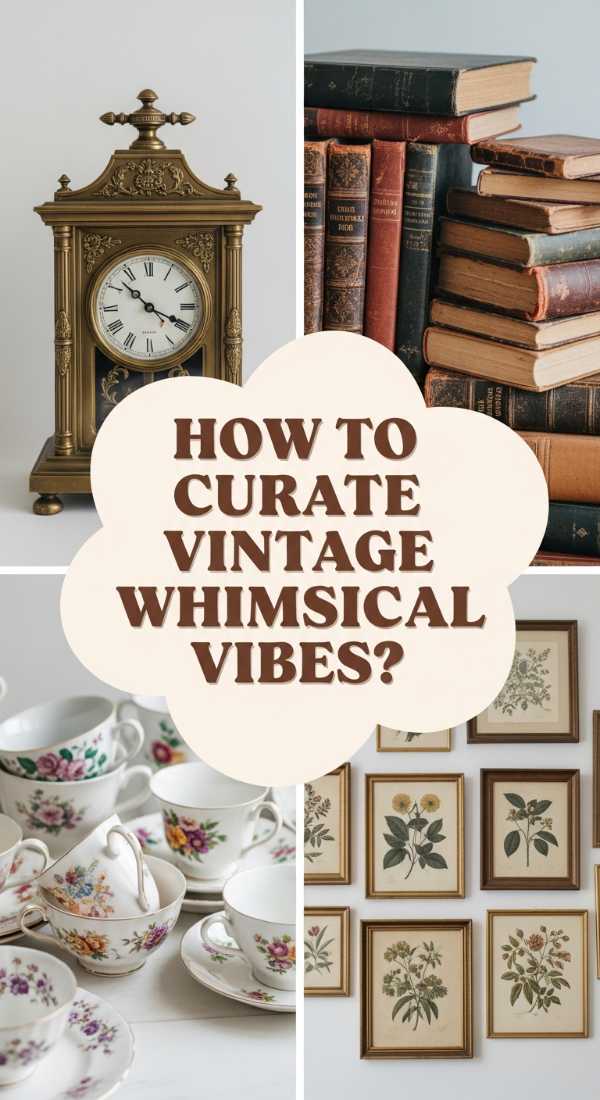
How to Style Vintage Home Decor for a Whimsical Storybook Aesthetic
Why we love this
Stepping into a whimsically styled vintage home feels like falling into the pages of a beloved childhood novel. It’s a sensory feast of scalloped edges, floral chintz that smells faintly of rosewater, and the rhythmic ticking of a grandfather clock. We love this look because it rejects the ‘cookie-cutter’ nature of modern retail, allowing you to curate a space filled with ‘found objects’ that spark curiosity and evoke a sense of magical nostalgia.
Essential Elements:
- Thrifted ornate gold mirrors
- Floral or toile wallpaper
- Mismatched vintage china
- Velvet upholstered chairs
- Stacked antique leather-bound books
- Scalloped linens and lace curtains
How to make it
- The ‘Slow Curate’ Technique: Do not buy everything at once. This style ‘cooks’ best when items are found over time. Start with one large ‘hero’ piece, like a vintage velvet sofa, and build outward.
- Color Palleting: Use a ‘dusty’ color filter. Instead of bright red, go for burgundy; instead of bright green, go for sage. This creates a cohesive look even when mixing different eras.
- The Layering Phase: ‘Fold’ your textures together. A lace doily under a heavy brass lamp creates a beautiful contrast between hard and soft. Look for visual cues like ‘depth’—if a shelf looks flat, add a small, framed sketch behind a stack of books.
- Visual Balance: To avoid ‘clutter,’ keep the ‘heat’ low by ensuring there is some ‘negative space’ (empty areas) on your walls so the eye has a place to rest between the whimsy.
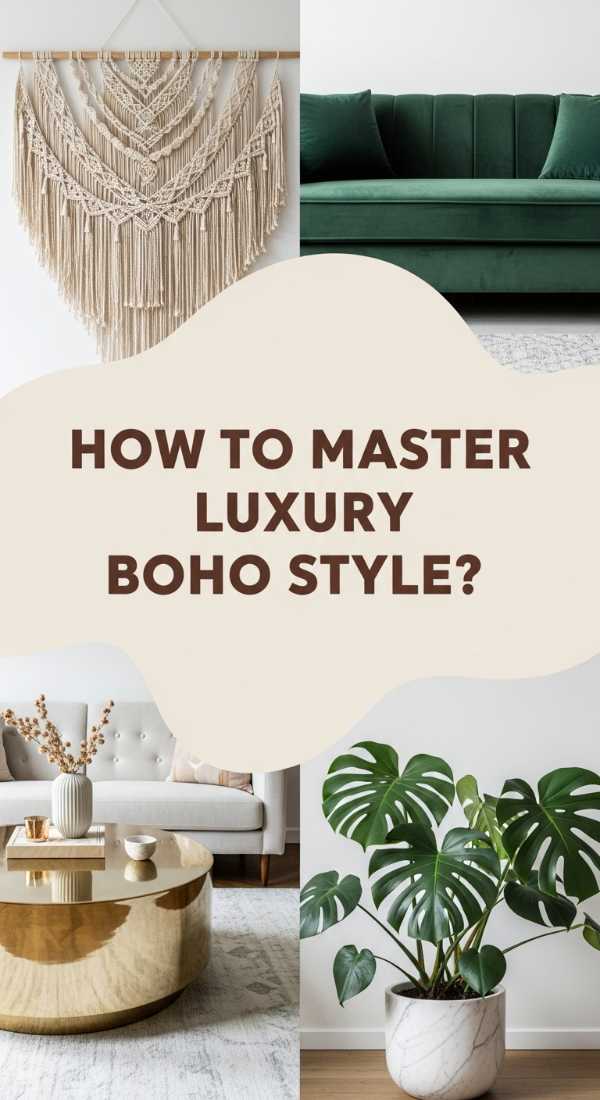
How to Mix Boho Home Decor with Luxury Elements for an Elevated Retreat
Why we love this
The ‘Boho-Luxe’ aesthetic is the ultimate expression of the relaxed globetrotter who appreciates the finer things. It’s the feeling of soft, high-thread-count Egyptian cotton sheets paired with a rugged, hand-knotted jute rug. This style is addictive because it balances the wild, organic energy of bohemian life—think overflowing indoor jungles and macramé—with the sleek, polished finish of marble and gold, creating a retreat that feels like a five-star resort in Bali.
Essential Elements:
- Natural fibers (rattan, jute, seagrass)
- Marble side tables or coasters
- Silk or cashmere throw blankets
- Statement indoor plants (Fiddle leaf figs or Birds of Paradise)
- Polished brass or gold accents
- Neutral palette with pops of jewel tones
How to make it
- Establishing the Base: Start with high-quality ‘luxury’ basics. A sleek, modern sofa or a high-end rug provides the ‘structure’ of the dish.
- Adding the ‘Spice’ (Boho elements): Layer in the organic textures. Introduce a rattan hanging chair or a series of woven baskets. The technique here is to ‘interleave’ materials: place a rough-hewn wooden bowl on a smooth marble countertop.
- Grooming the Greenery: Plants are the lifeblood of Boho. Group them in threes of varying heights. Ensure the pots are ‘luxury’—think ceramic or stone rather than plastic.
- Setting the Mood: Use ‘warm-dim’ bulbs (2700K). The luxury feel comes from the quality of light hitting the different textures; you want the brass to shimmer and the silk to glisten.
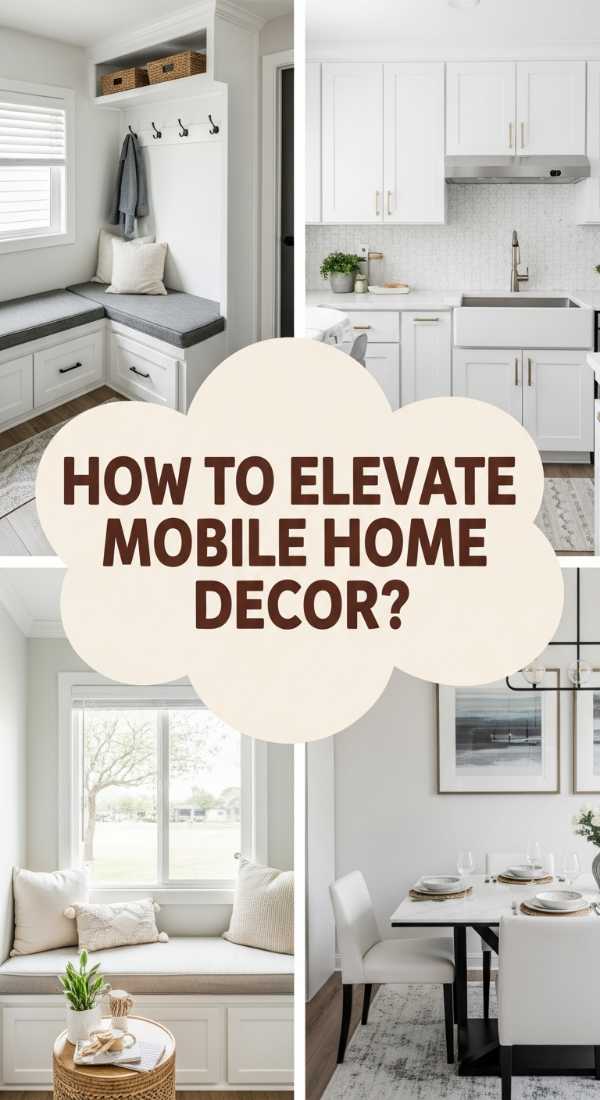
How to Master Mobile Home Decorating for a Personalized Modern Sanctuary
Why we love this
Mastering mobile home decor is a masterclass in spatial efficiency and creative ‘hacks’ that don’t sacrifice style. There is something incredibly satisfying about transforming a compact space into a high-end sanctuary where every square inch serves a purpose. It’s about the crisp sound of sliding barn doors and the bright, airy feeling of maximized natural light, proving that luxury isn’t about square footage—it’s about the quality of the design within the footprint.
Essential Elements:
- Multi-functional furniture (storage ottomans, Murphy beds)
- Vertical shelving units
- Light-reflecting mirrors
- Unified flooring throughout
- Lightweight, airy window treatments
- Built-in seating with hidden compartments
How to make it
- The ‘Clean Slate’ Prep: Paint the entire interior in a single, light-reflective shade (like a cool ‘Swiss Coffee’ white). This ‘de-clutters’ the visual field instantly, making the space feel twice as large.
- Zoning Technique: Use rugs to ‘cook’ different rooms within an open floor plan. A rug under the dining table and another in the living area creates ‘walls’ without blocking sightlines.
- Weight Management: In a mobile home, heavy furniture can feel ‘overcooked.’ Choose pieces with ‘legs’ (mid-century modern style) so you can see the floor underneath, which creates a sense of airiness.
- Vertical Expansion: Draw the eye upward. Install floor-to-ceiling curtains even if the windows are small. This visual cue tricks the brain into seeing taller ceilings and a more ‘grand’ architecture.
How to Curate Cottagecore Home Decor for a Cozy Rural Escape
Why we love this
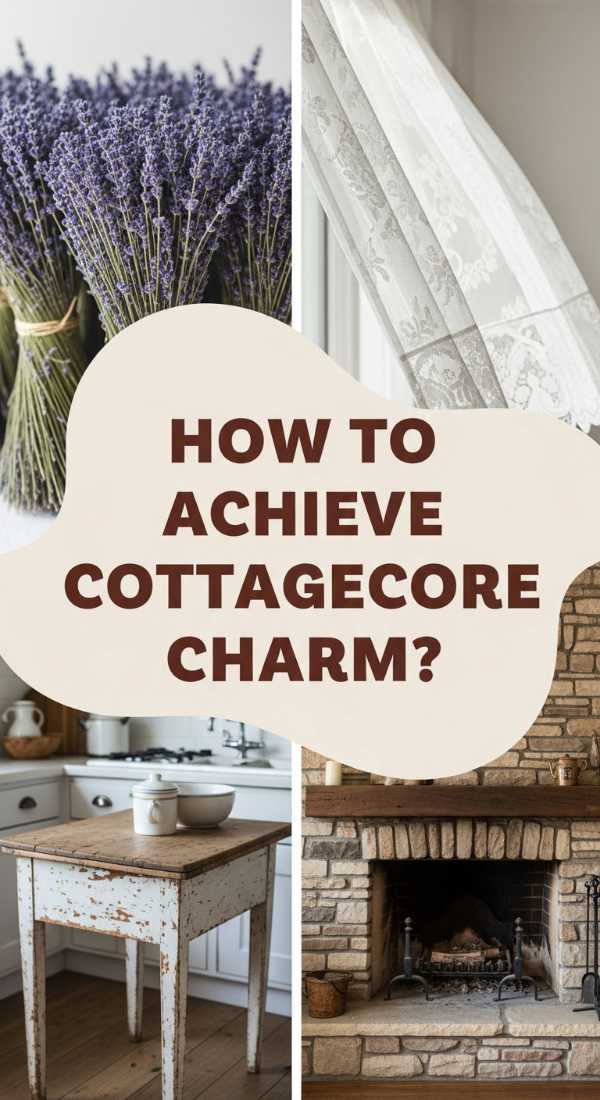
Cottagecore is an invitation to slow down and smell the sourdough. It’s a sensory celebration of the pastoral life—the feel of a heavy ceramic mug in your hands, the sight of dried wildflowers hanging from a beam, and the soft patter of rain against a window draped in gingham. It transforms a house into a sanctuary of simple pleasures, where the ‘Quiet Luxury’ comes from the richness of nature and the comfort of the domestic arts.
Essential Elements:
- Open wooden shelving
- Copper cookware displayed prominently
- Floral prints and embroidery
- Farmhouse sinks and bridge faucets
- Aged brass hardware
- Botanical illustrations in simple frames
How to make it
- The Kitchen ‘Mise en Place’: Start in the heart of the home. Replace plastic containers with glass jars and ceramic crocks. Display your ‘tools’ (wooden spoons, copper pans) as part of the decor.
- Softening the Edges: Use ‘textile layering.’ Place a quilted throw over a wooden bench. The technique is to mix ‘hard’ rural elements (wood, metal) with ‘soft’ domestic ones (linen, wool).
- Natural Infusion: Bring the outside in. Every surface should have a ‘living’ element—a bowl of fresh eggs, a vase of garden herbs, or a small potted fern.
- Lighting for Warmth: Avoid ‘cold’ blue lights. Use ‘amber’ bulbs to mimic the glow of a fireplace. The visual cue for completion is a room that looks like it’s bathed in late afternoon sun.
How to Refresh Nineties Home Decor for a Quirky Nostalgic Living Room
Why we love this
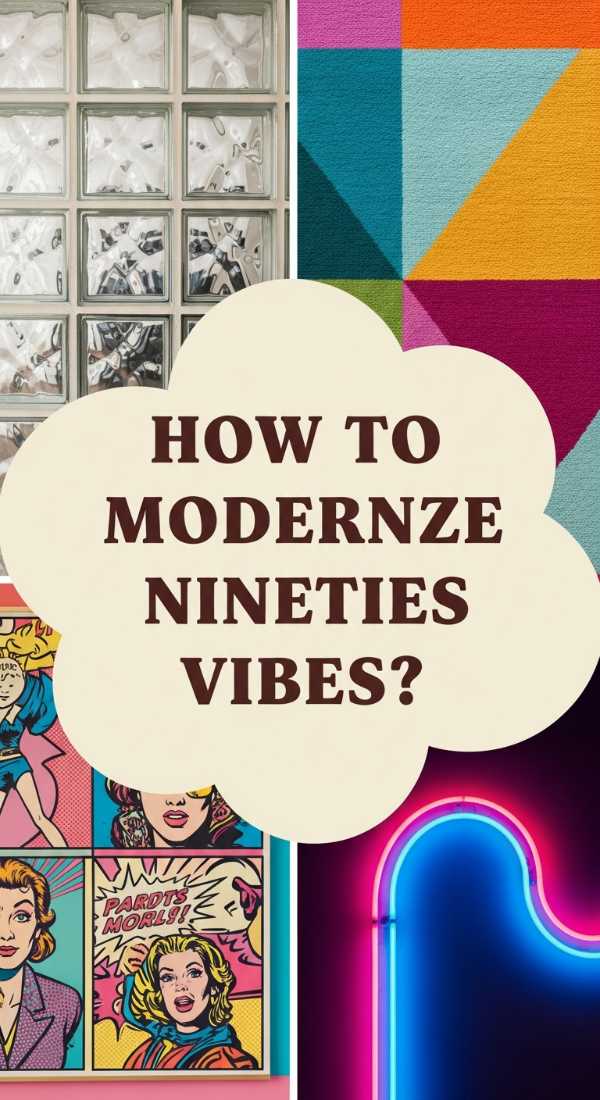
The 90s are back, but this time they’ve grown up. We love this ‘Quiet Luxury’ take on nostalgia because it mixes the playful, quirky energy of our youth—think inflatable shapes and neon—with sophisticated, modern finishes. It’s the feeling of a ‘Friends’ episode reimagined by a high-end designer. It’s fun, it’s vibrant, and it doesn’t take itself too seriously, making it the perfect remedy for a sterile modern world.
Essential Elements:
- Curved furniture (jellybean sofas)
- Primary color accents (carefully chosen)
- Glass block accents or room dividers
- Sheer fabrics and iridescent finishes
- Pop art or oversized photography
- Light-toned wood (birch or maple)
How to make it
- The ‘Editor’s Eye’ Technique: 90s decor can easily become ‘busy.’ Start with a neutral, minimal base and add 90s ‘pops’ as seasoning. One curved chair or one neon sign is enough.
- Texture Mixing: Combine 90s ‘high-shine’ (chrome, glass) with modern ‘matte’ (suede, linen). This ‘tempers’ the nostalgia so it feels current.
- Color Saturation: Instead of the messy 90s ‘confetti’ look, pick two ‘hero’ colors (like cobalt blue and soft peach) and repeat them throughout the room for a cohesive ‘luxury’ vibe.
- Final Polish: Ensure your ‘quirky’ items are high-quality. A designer ‘lava lamp’ or a high-end acrylic coffee table keeps the look from feeling like a dorm room.
How to Plan New Home Decorating Ideas for a Welcoming Social Hub
Why we love this
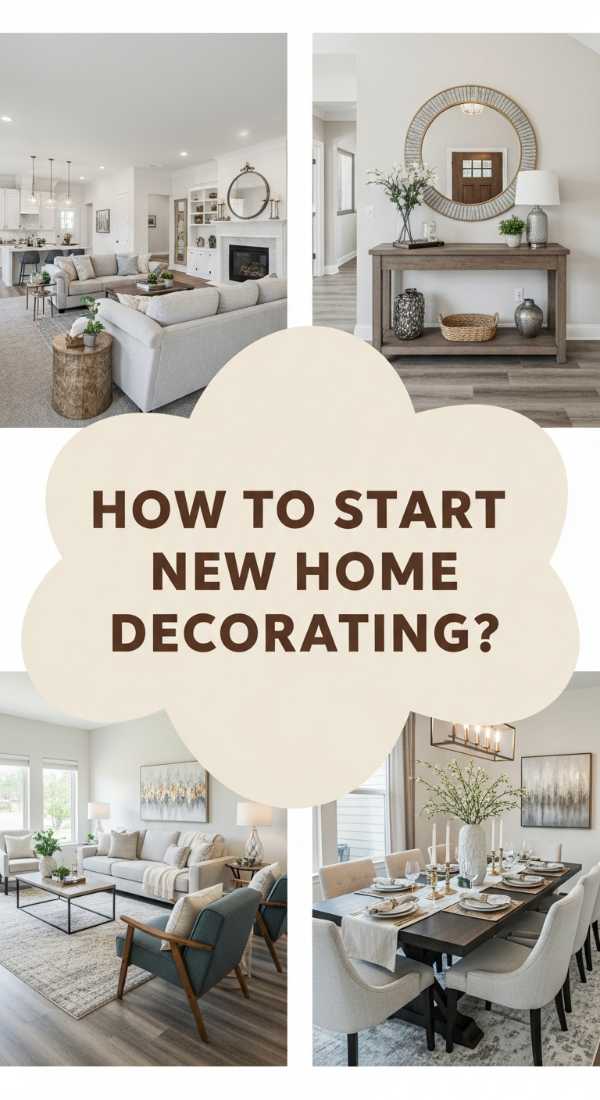
A home that is built for connection is the ultimate luxury. We love the ‘Social Hub’ aesthetic because it prioritizes people over pieces. It’s the sound of laughter echoing across an open-concept kitchen, the tactile comfort of a large ‘pit’ sofa that fits the whole family, and the visual warmth of a well-stocked bar cart. This style is about creating an environment that says ‘stay a while,’ combining high-end hospitality with the intimacy of home.
Essential Elements:
- Large modular sectional sofas
- Oversized kitchen islands with bar stools
- Ambient ‘mood’ lighting (dimmers are a must)
- Layered area rugs for acoustic softening
- Integrated sound systems
- Coffee table books and conversation starters
How to make it
- Flow Architecture: Map out your ‘traffic lanes.’ The ‘prep’ phase involves moving furniture to ensure people can move easily from the kitchen to the seating area without ‘bottlenecks.’
- Seating Circles: Arrange furniture in ‘conversation pods.’ Instead of pointing everything at the TV, angle chairs toward each other. The visual cue is a ‘closed circle’ that feels inviting.
- Acoustic Layering: A social home can get loud. Add ‘softness’ to absorb sound—think heavy curtains, upholstered stools, and even wall tapestries. This makes the ‘luxury’ of quiet conversation possible.
- Lighting the ‘Scene’: Install lighting at three levels: eye-level (lamps), floor-level (uplights), and overhead (dimmable chandeliers). This allows you to ‘set the stage’ for different social ‘modes.’
How to Arrange Home Decor Ideas Apartment Style for an Airy Urban Feel
Why we love this
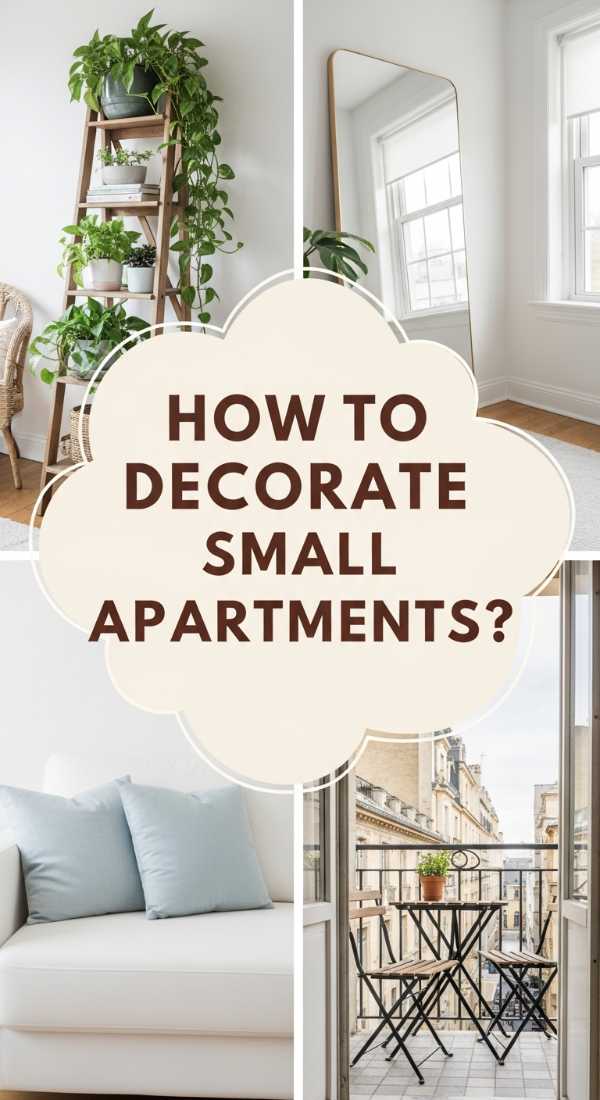
Apartment living demands a certain kind of ‘Quiet Luxury’—the art of editing. We love this look because it transforms ‘small’ into ‘intimate’ and ‘limited’ into ‘curated.’ There is a sleek, urban energy in a perfectly arranged apartment where the city lights outside are treated as the main decor. It’s about the cool touch of metal balcony railings, the reflection of a skyline in a floor-to-ceiling mirror, and the crispness of a space that is free of excess.
Essential Elements:
- Lucite or glass furniture (to ‘disappear’)
- Floating shelves and desks
- Mirror walls or oversized leaning mirrors
- Monochromatic color schemes
- Multi-use zones (the ‘cloffice’—closet office)
- Strategic vertical lighting
How to make it
- The ‘Negative Space’ Rule: In an apartment, what you leave out is as important as what you put in. Keep the center of the room open to allow for ‘breathability.’
- Reflective Prep: Position mirrors opposite windows. This ‘doubles’ your natural light and ‘cooks’ the room into feeling much larger and more expensive.
- Scale Adjustment: Use ‘large-scale’ art on one wall instead of many small pieces. A single, high-end canvas creates a ‘luxury’ focal point and reduces visual noise.
- Hardware Upgrade: A quick ‘luxury’ hack for apartments is replacing standard-issue knobs and faucets with custom brass or matte black versions. It’s a low-heat project with high-impact results.
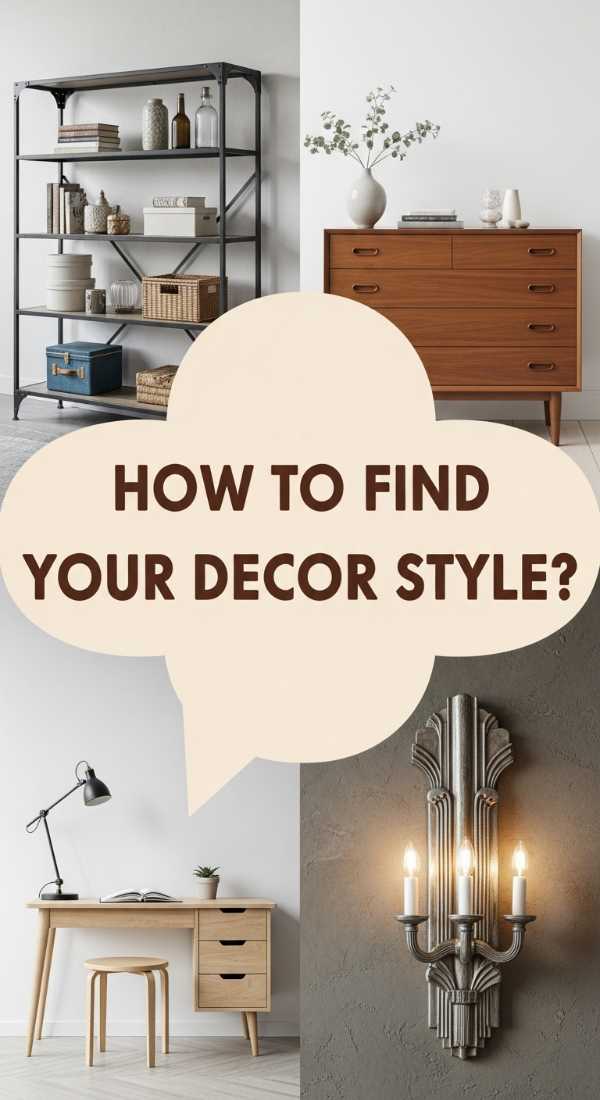
How to Explore Types of Home Decor Styles for a Unique Signature Look
Why we love this
The most luxurious home you can live in is one that looks exactly like you. We love the ‘Signature Look’ because it’s a fearless mashup of everything you love. It’s the sensory delight of seeing a Mid-Century chair sitting on a Persian rug, next to a 90s glass table. This style feels high-end because it requires confidence—it’s the interior design equivalent of a bespoke suit. It’s original, it’s daring, and it’s deeply comforting because it’s authentically yours.
Essential Elements:
- A mix of at least three different design eras
- A consistent color ‘thread’ to tie it together
- Personal ‘relics’ (travel souvenirs, family heirlooms)
- Custom-framed artwork
- Unique, non-matching lighting fixtures
- Textural variety (leather, metal, wood, wool)
How to make it
- The ’60-30-10′ Technique: To mix styles without chaos, use 60% of a primary style (e.g., Modern), 30% of a secondary (e.g., Vintage), and 10% of a ‘wildcard’ (e.g., Boho).
- Finding the ‘Thread’: Choose one element to remain consistent—perhaps all your wood tones are dark, or all your metal is black. This ‘simmers’ the different styles into a cohesive ‘sauce.’
- Personalized Layering: Don’t follow trends; follow your ‘nose.’ If you love a piece, find a way to work it in. The ‘visual cue’ for a signature look is when visitors say, ‘This room is so YOU.’
- Constant Evolution: A signature home is never ‘done.’ Rotate your accents seasonally. This keeps the energy fresh and ensures your home grows along with your personal style.
Conclusion: Your Home, Your Masterpiece
Quiet Luxury isn’t about the price tag; it’s about the presence. It’s the intentionality you bring to your space that transforms a house into a sanctuary. By mixing textures, honoring your personal history, and choosing quality over quantity, you create a home that doesn’t just look good on Instagram, but feels good to live in every single day. Start small, trust your instincts, and remember—the most beautiful thing in any room is the life being lived inside it.