
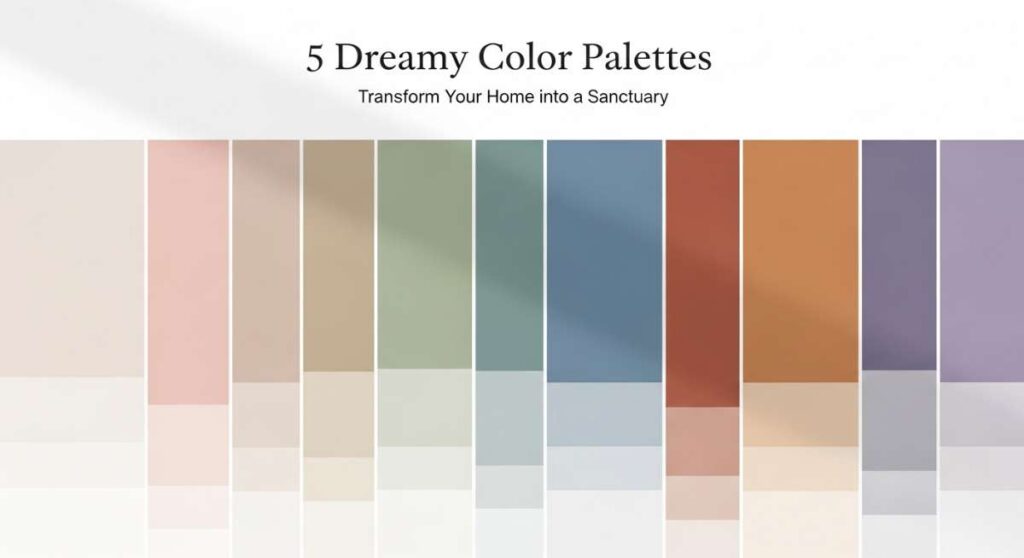
Have you ever walked into a room and felt an instant, palpable shift in your mood? That is the secret magic of a well-curated color palette. Our homes are more than just four walls; they are the backdrop of our lives, the containers for our memories, and the sanctuaries where we recharge from the chaos of the outside world. When we choose colors that resonate with our spirits, we aren’t just decorating; we are practicing a form of self-care that greets us every single morning.
I remember the first time I painted my living room. I chose a shade that looked perfect on a tiny swatch, but once it hit the walls, it felt like a jarring discord. It taught me that creating a sanctuary is about more than just picking a favorite color; it is about harmonizing light, texture, and tone to create a specific emotional resonance. Today, I’m sharing how you can transform your space using dreamy palettes that speak to every facet of your lifestyle, from the energetic to the ethereal.
How to Pick Living Room Decor Colors for a Joyful Life

Why we love this
There is a specific kind of radiance that comes from a joyful palette, reminiscent of a sun-drenched morning in a citrus grove. We love this approach because it leans into high-frequency colors like buttery yellows and crisp whites that naturally boost serotonin. Imagine the scent of fresh lemon zest and the feel of cool, breathable cotton against your skin as the afternoon light dances across the floor. This palette doesn’t just look bright; it feels like a warm embrace that encourages laughter and open conversation among friends.
Essential Elements:
- Sunflower or Buttermilk Yellow base
- Crisp Alabaster White for trim and ceilings
- Natural white oak furniture finishes
- Citrus-toned accents in pillows and throws
- Fresh greenery (Fiddle leaf figs or lemon trees)
How to make it
- Prepare your “base coat” by applying a high-quality white primer to ensure the yellow tones don’t turn muddy or green when applied over existing colors.
- Mix your primary yellow hue, ensuring it has a “warm” undertone; test it at the “low heat” of morning light and the “high heat” of midday sun to check for visual vibration.
- Apply the first layer of paint using long, vertical strokes to create a seamless finish, allowing it to “cure” for at least 4 hours before checking the depth of color.
- Layer in your “seasoning” with white linen curtains that allow light to diffuse softly, preventing the bright colors from becoming overwhelming or sharp.
- Finalize the look by adding “visual salt”—bright pops of orange or lime in small accessories—until the room feels balanced and seasoned to your personal taste.
How to Design Cozy Living Room Decor Color Schemes for Warmth

Why we love this
This palette is the interior equivalent of a cashmere blanket and a steaming mug of spiced cider. It utilizes deep siennas, burnt umbers, and soft creams to create a sense of grounded security and timeless comfort. When you enter a room designed with these tones, you can almost smell the faint aroma of cedarwood and vanilla lingering in the air. The textures should be rich and inviting, like a velvet sofa that catches the low-angled golden hour light, making you want to curl up and stay for hours.
Essential Elements:
- Terracotta or Burnt Orange focal points
- Warm Beige or Oatmeal walls
- Walnut or dark wood accents
- Brass or copper hardware for a metallic glow
- Heavy knit wool textiles
How to make it
- Start by “tempering” your walls with a warm beige that has a red base rather than a grey base to prevent a cold, sterile feeling.
- Slow-cook your color scheme by introducing the terracotta elements through large-scale furniture pieces first, checking for “saturation levels” against your floor color.
- Adjust the “visual temperature” by adding brass lamps; the reflective surface acts as a heat conductor for light, bouncing warmth into the darker corners.
- Incorporate layers of wool and velvet; these acts as “insulation” for your decor, softening the echoes and making the room feel physically warmer.
- Observe the room during the evening “simmer”; if the colors look too dark, add a brighter cream accent to “deglaize” the heaviness and bring back visual clarity.
How to Add Room Decor Colorful Accents for an Energetic Home
Why we love this
Energy in a home is all about the delightful friction between complementary colors that make the eyes dance. We love this palette because it uses bold splashes of teal, coral, and electric navy to wake up the senses and spark creativity. It feels like the first sip of a cold, sparkling berry infusion—sharp, refreshing, and full of life. The sensory experience here is tactile and vibrant, involving smooth lacquered surfaces and patterned rugs that provide a rhythmic heartbeat to the entire living space.
Essential Elements:
- Electric Navy accent wall
- Coral or Persimmon throw pillows
- Teal glass vases and decorative objects
- Graphic black and white art for contrast
- Polished chrome or silver finishes
How to make it
- Establish your “foundation stock” with a neutral grey or white floor to allow the high-intensity accent colors to shine without competition.
- “Sear” the focal point of the room by painting one wall or a large piece of furniture in the navy hue, watching for a deep, even “crust” of color saturation.
- Add your accents in “pinches”; start with three teal objects and evaluate the visual balance before adding the coral elements.
- Keep the “light intensity” high by using daylight-mimicking bulbs (5000K) to ensure the colors don’t look flat or greyed out in the evening.
- Look for the “pop”—a visual cue where the coral and teal meet—indicating that the energetic contrast is at the perfect peak of vibrancy.
How to Plan Living Room Decor Color Palettes for a Moody Look

Why we love this
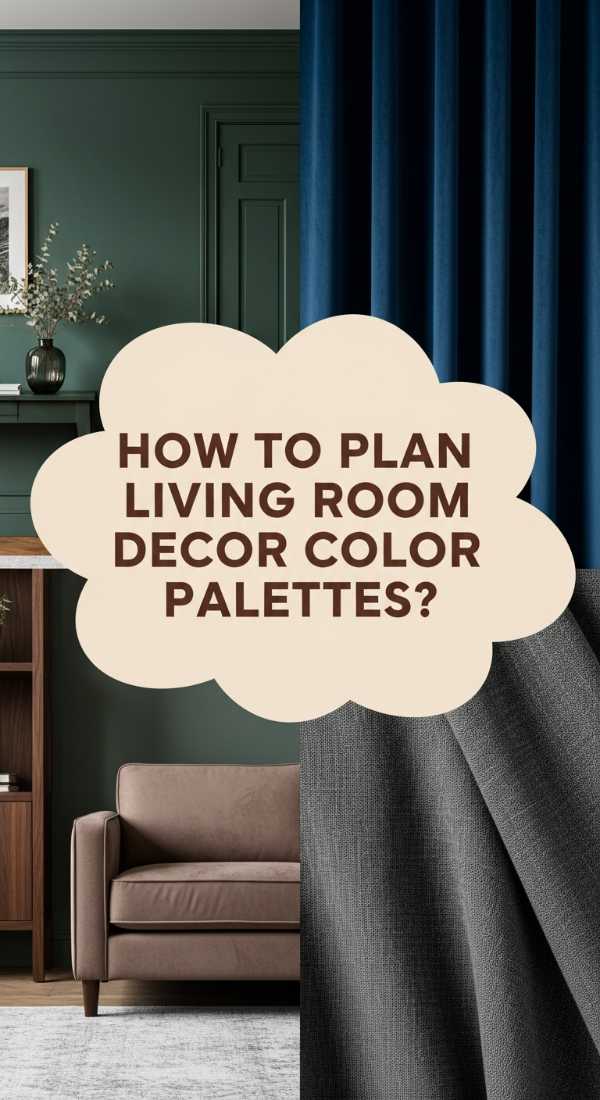
There is a profound, sophisticated luxury in a moody palette that feels like a secret library or a high-end jazz club. Deep charcoals, forest greens, and indigo blues create a cocoon-like effect that is incredibly soothing for the overstimulated mind. The air feels thicker and quieter in these rooms, often accompanied by the sensory richness of leather, dark stone, and the soft flicker of candlelight. It is a palette that celebrates the shadows and invites you to slow down, reflect, and enjoy the mystery of the night.
Essential Elements:
- Charcoal or Pewter wall finish
- Deep Forest Green velvet upholstery
- Blackened steel or iron fixtures
- Dark leather accents (cognac or espresso)
- Dimmable, warm-toned lighting
How to make it
- Prepare the walls by sanding them to a perfectly smooth finish; dark colors show imperfections like a magnifying glass, so this “prep work” is critical.
- Apply the dark base coat using a matte or eggshell finish to prevent “glare hot spots” that can ruin the moody, atmospheric effect.
- Introduce “depth layers” by mixing different shades of the same dark color; for example, layering charcoal walls with a slightly lighter grey rug.
- Install lighting with a “low simmer” setting; use dimmers to control the heat of the light, ensuring it grazes the textures of the leather and velvet.
- Check for “completion” when the room feels like a solid, unified space where the corners disappear into a soft, inviting shadow.
How to Balance Room Decor Colors for a Calm Retreat

Why we love this
A calm retreat is all about the absence of noise, both literal and visual, focusing instead on the soft whispers of nature. This palette utilizes sage greens, misty greys, and pale linens to mimic the feeling of a foggy morning by the coast or a quiet walk in the woods. It smells like eucalyptus and fresh rain, and the textures are raw and honest—think tumbled stones, unbleached cotton, and light-washed wood. We love this because it lowers the blood pressure and provides a neutral canvas for the mind to simply exist.
Essential Elements:
- Soft Sage or Eucalyptus wall color
- Mist Grey or Dove Grey textiles
- Raw, light-toned wood (Birch or Ash)
- Woven seagrass or jute rugs
- Translucent glass accessories
How to make it
- Start with a “clean palate” by removing all clutter, allowing you to see the natural light flow and identifying where the calmest shadows fall.
- Whisk together your sage and grey tones in a 60/30/10 ratio to ensure no single color becomes too aggressive or “boils over” the others.
- Infuse the room with natural textures; these act as “aromatics,” providing visual interest without the need for loud, distracting colors.
- Keep “light levels” soft and diffused by using sheer linen curtains that act as a filter, softening the “heat” of direct sunlight into a gentle glow.
- The room is “done” when you feel an physical urge to take a deep breath upon entering; if you feel restless, remove one element until the balance is restored.
How to Select Decor Color Schemes for a Bohemian Sanctuary
Why we love this
The Bohemian sanctuary is a soulful celebration of global travel and artistic expression, blending rich jewel tones with earthy foundations. We love it for its lack of rigid rules, allowing emerald greens, deep purples, and spiced golds to mingle in a way that feels organic and storied. This space should feel like an old-world bazaar, filled with the scent of sandalwood incense and the touch of intricately woven tapestries. It is a visual feast that rewards curiosity and feels deeply personal and lived-in.
Essential Elements:
- Emerald Green or Deep Teal base
- Mustard Gold or Ochre accents
- Patterned Persian or Moroccan rugs
- Rattan and wicker furniture
- A collection of mismatched, colorful pottery
How to make it
- Start by “marinating” your room in an earthy base like terracotta or deep olive to provide a rich soil for your brighter accents to grow from.
- Fold in your jewel tones through textiles; layered rugs and floor cushions provide the “filling” that makes a Boho room feel hearty and satisfying.
- Add “texture spices” like macramé wall hangings and fringe; these elements add the necessary “mouthfeel” to the room’s visual design.
- Control the “heat” of the patterns by ensuring they share at least one common color, preventing the room from looking scattered or “curdled.”
- Garnish with a multitude of plants; the organic green acts as a “neutralizer” that ties the varied colors and patterns into a cohesive whole.
How to Refresh Living Room Decor Color for a Modern Vibe
Why we love this
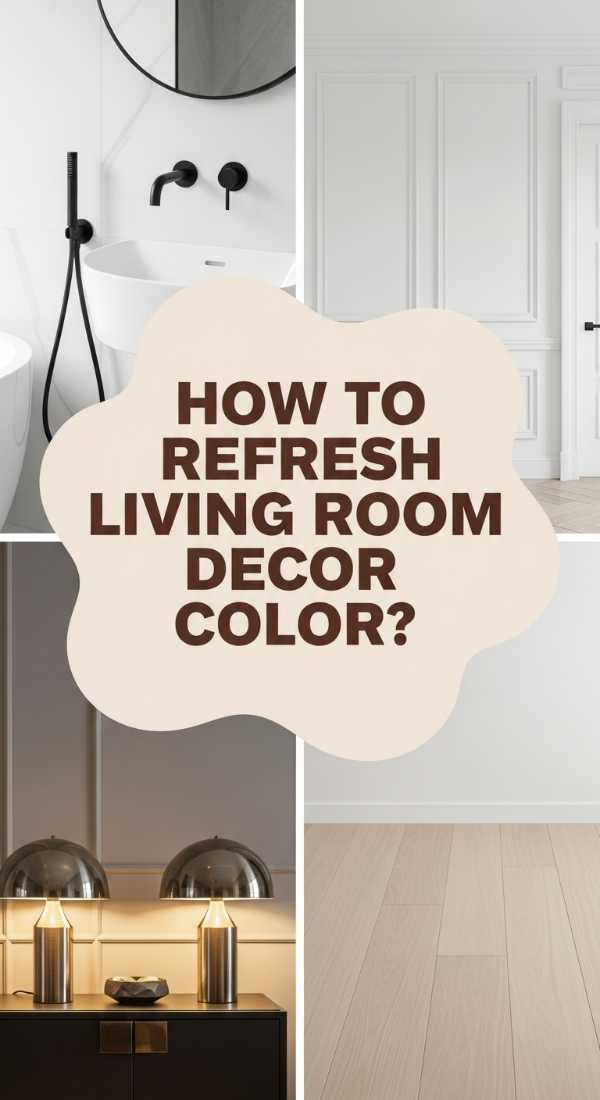
Modern palettes are the ultimate palate cleanser, focusing on the “less is more” philosophy with high-contrast neutrals. This look uses greige (a perfect blend of grey and beige), stark black, and crisp white to create a sharp, architectural feeling that is undeniably chic. It feels like a cool marble countertop or a fresh piece of high-quality parchment paper—smooth, precise, and intentional. We love this for its ability to make even small spaces feel expansive, clean, and incredibly organized.
Essential Elements:
- Greige or Warm Grey walls
- Matte Black metal accents
- Crisp White gallery framing
- Polished concrete or light wood flooring
- Minimalist, sculptural furniture
How to make it
- “Reduce” your color palette to three main shades to ensure a high-concentration of modern style without any “diluting” distractions.
- Apply your greige base coat, ensuring a perfectly even “glaze” by using a high-quality roller that doesn’t leave texture or stippling.
- Introduce the black accents as “reduction lines”; use thin-framed mirrors or lamps to draw sharp, clean boundaries within the space.
- Balance the “coolness” of the grey with the “warmth” of natural wood; this prevents the room from feeling like a cold commercial refrigerator.
- The look is “plated” when every object has a clear purpose and the negative space feels as intentional and designed as the furniture itself.
How to Integrate Room Decor Color for a Romantic Aesthetic

Why we love this
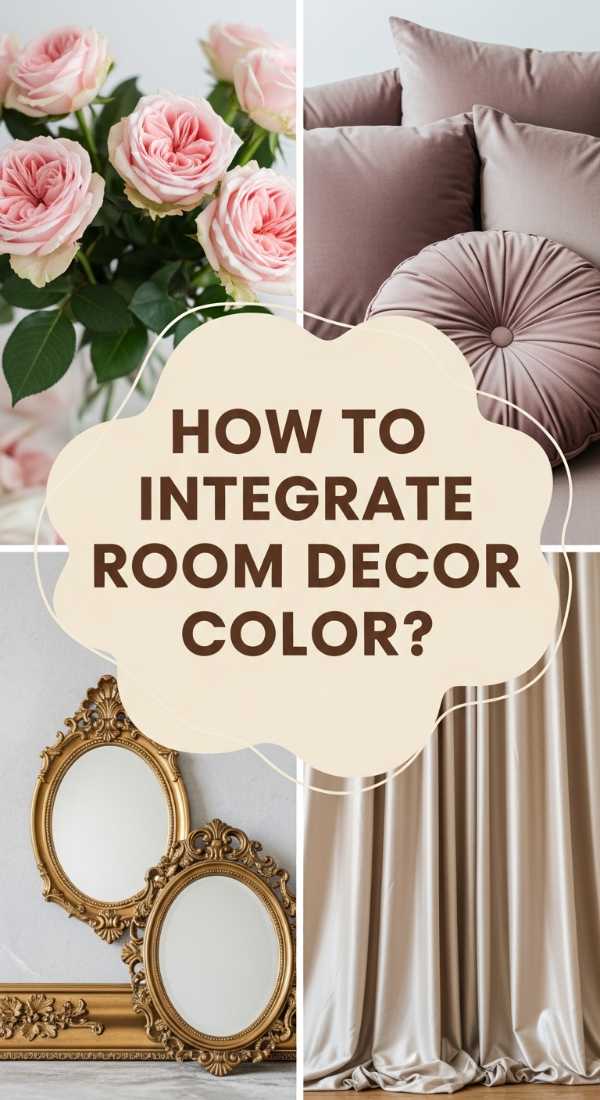
The romantic aesthetic is a love letter to softness, utilizing a palette of blush pinks, creamy whites, and antique golds. It evokes the feeling of a sun-bleached garden in full bloom or a vintage boudoir filled with delicate treasures. The sensory experience is defined by softness: the scent of dried peonies, the feel of silk satin, and the glow of warm, indirect light. We love this look because it brings a gentle, poetic grace to the home, making every moment feel a bit more special and curated.
Essential Elements:
- Dusty Rose or Blush Pink walls
- Creamy Ivory upholstery
- Antique Gold or Champagne Bronze finishes
- Floral prints or botanical art
- Chiffon or silk drapery
How to make it
- Start by “sifting” your colors to find the softest versions of pink; look for hues with a grey undertone to keep them from looking like a nursery.
- Apply the paint in thin, delicate layers to achieve a translucent “watercolor” effect that adds depth without being heavy-handed.
- Layer your “sweeteners”—cream-colored pillows and soft throws—to create a visual whipped cream effect that softens the edges of the room.
- Add “sparkle” with gold accents; these act as the “sugar crystals” that catch the light and provide a hint of luxury and romance.
- Check the “consistency” by viewing the room in the afternoon sun; the pinks should glow softly like a sunset rather than looking “burnt” or neon.
How to Master Decor Colors for a Playful Guest Space
Why we love this
Guest spaces are the perfect place to experiment with a playful, candy-colored palette that makes visitors feel instantly welcome and energized. Think mint greens, soft lavenders, and apricot oranges paired with bright white. This palette is like a bowl of fresh macarons—colorful, sweet, and delightful. It creates a whimsical atmosphere that encourages rest while still being mentally stimulating, ensuring your guests feel they are on a true vacation from their daily routines.
Essential Elements:
- Mint Green or Seafoam accent walls
- Lavender or Lilac bedding
- Apricot or Peach decorative pillows
- Light blonde wood furniture
- Playful, geometric patterned rugs
How to make it
- Whisk a base of white paint with a hint of your chosen pastel to create a “mousse”-like wall color that feels light and airy.
- Introduce “flavor pops” by using different pastel colors for the bedding and the curtains, ensuring they have the same “weight” or saturation.
- Keep the furniture “light” in both color and scale; bulky, dark pieces will weigh down the playful, effervescent nature of the palette.
- Add “sprinkles” through colorful artwork or a collection of bright books on a nightstand to add personality and visual fun.
- The room is “ready to serve” when the colors feel balanced and the space makes you smile involuntarily when you open the door.
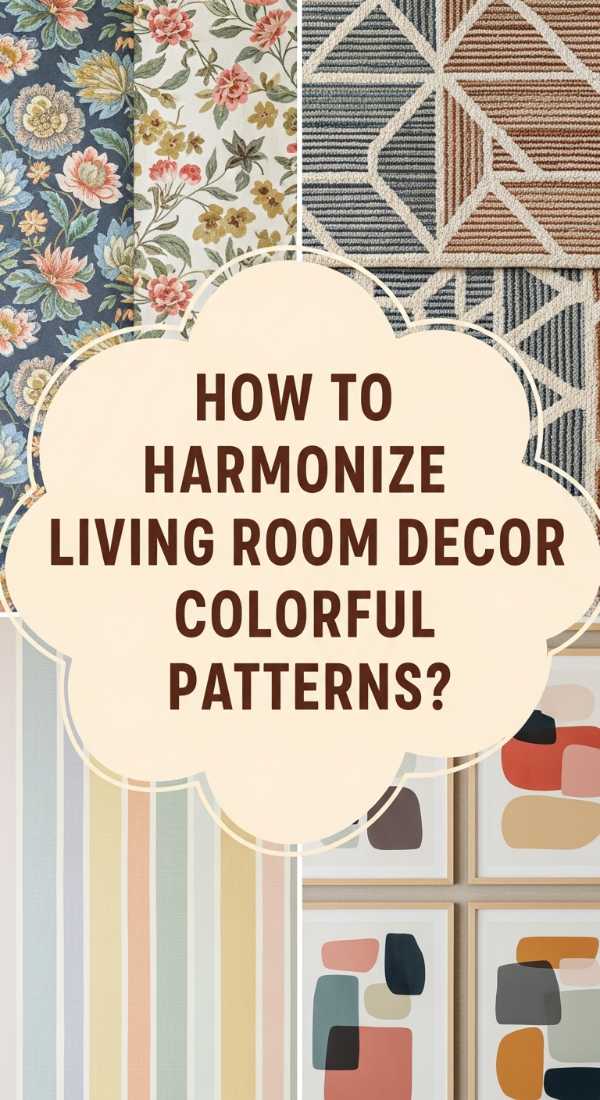
How to Harmonize Living Room Decor Colorful Patterns for Visual Interest
[IMAGE_10]
Why we love this
Mastering the art of pattern harmonization is like conducting a beautiful orchestra where every instrument plays a part in a grander melody. We love this approach because it allows for a maximalist expression of personality, combining stripes, florals, and ikats in a unified color story. The sensory experience is rich and layered, providing endless visual details to discover. It feels like a lived-in gallery where every textile tells a story of craftsmanship and careful selection, creating a home that is truly one-of-a-kind.
Essential Elements:
- A primary “hero” pattern (usually large-scale)
- Secondary “supporting” patterns (medium-scale)
- Geometric “neutralizer” patterns (stripes or dots)
- A unified color bridge (a color that appears in all patterns)
- Solid color blocks to provide eye rest
How to make it
- Identify your “base ingredient”—the hero pattern—and extract its three main colors to serve as your palette guide for the rest of the room.
- “Fold in” your secondary patterns, ensuring they vary in scale; if the hero is a large floral, the secondary should be a medium ikat or stripe.
- Maintain “consistency” by ensuring all patterns share that one “bridge color,” which acts as the emulsifier for the entire visual recipe.
- Place “stoppers” in the room—large blocks of solid color, like a plain sofa—to act as the “cleansing agent” between busy patterned areas.
- The final “tasting” involves walking through the room; if the patterns clash or feel chaotic, “dilute” the mix by adding more solid-colored accessories.
Final Thoughts on Creating Your Sanctuary
Transforming your home into a sanctuary is a journey of discovery. Whether you lean toward the moody shadows of a quiet library or the vibrant energy of a sun-filled room, the colors you choose are the heartbeat of your space. Don’t be afraid to experiment, to layer, and most importantly, to listen to how a color makes you feel. Your home is your canvas—paint it with the colors of your own joy.