
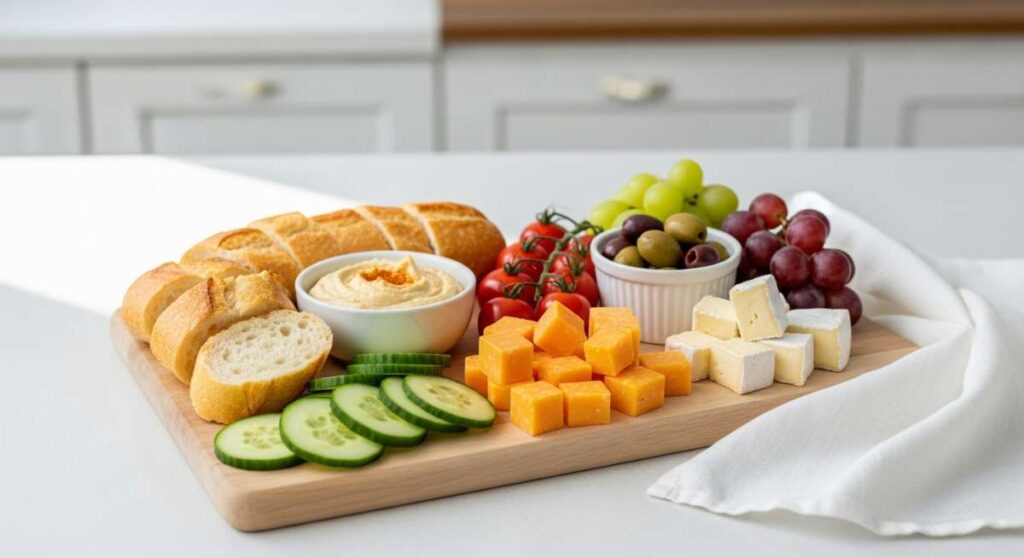
If you’ve spent more than five minutes scrolling through your feed lately, you’ve likely seen it: that perfectly messy, incredibly inviting spread of colors and textures that looks like it belongs in a high-end editorial but feels like a warm hug from a friend. We’ve all been there, mesmerized by the way a simple wooden board can transform humble ingredients into a communal masterpiece. There is something deeply primal and beautiful about gathering around a shared plate, breaking bread, and reaching for that one perfect bite while the conversation flows effortlessly.
This viral food board trend isn’t just about the aesthetics; it’s about a return to slow living and intentional hosting. In a world that feels increasingly digital and fast-paced, these boards invite us to put our phones down (after taking a quick photo, of course!) and actually connect over the sensory experience of food. Whether you’re hosting a cozy movie night or a backyard sunset gathering, the magic lies in the accessibility of the ingredients and the joy of the assembly process itself.
Today, I’m pulling back the curtain on why this specific layout has captured everyone’s hearts and, more importantly, how you can recreate this viral sensation in your own kitchen. We aren’t just throwing things on a tray; we are building layers of flavor, contrast, and visual delight that will make your guests feel truly special. Let’s dive into the components that make this board a true showstopper.
How to Create the Creamiest Whipped Feta Base?
Why we love this
This whipped feta base is the literal foundation of the board, offering a tangy, salty, and velvety canvas that balances the sweetness of fruits and the richness of meats. When you swipe a warm piece of bread through it, the texture is airy yet substantial, leaving a cooling sensation on the palate that makes every subsequent bite taste fresh. The aroma of fresh lemon zest and garlic infused into the cream is absolutely intoxicating, turning a simple cheese into a luxurious dip that feels sophisticated yet entirely approachable. It is the secret weapon that keeps people coming back for just one more dip, creating that addictive quality every viral dish needs.
Ingredients
- 8 oz high-quality Greek feta cheese (in brine)
- 1/2 cup Greek yogurt (full fat is best)
- 1 small clove of garlic, minced
- Zest of one organic lemon
- 2 tablespoons extra virgin olive oil
- A pinch of cracked black pepper
How to make it
- Begin by removing the feta from its brine and patting it dry with a paper towel; this ensures your final dip isn’t overly salty or watery. Crumble the feta into the bowl of a food processor or a high-speed blender.
- Add the full-fat Greek yogurt, which provides the necessary moisture and a subtle tang to balance the sharpness of the feta. Toss in the minced garlic and lemon zest for a bright, aromatic lift.
- Pulse the mixture on high for about 30 seconds to break down the large chunks. While the processor is running, slowly stream in the olive oil through the feed tube. This creates an emulsion that results in a light, cloud-like texture.
- Continue processing for another 1-2 minutes. You are looking for a completely smooth, glossy finish with no visible grains of cheese. If it feels too thick, add a teaspoon of cold water and pulse again.
- Transfer the mixture to a bowl and chill in the refrigerator for at least 30 minutes before serving. This allows the flavors to meld and the texture to firm up slightly so it holds those beautiful swirls on your board.
How to Style the Perfect Salami Rose?
Why we love this
There is nothing quite like the visual impact of a meat rose to elevate a board from basic to professional. Beyond the aesthetics, folding the salami this way creates more surface area, allowing the fats to slightly warm to room temperature and release their savory, peppery aromas more effectively. Each ‘petal’ offers a delicate, thin bite that melts in your mouth, providing a much more pleasant eating experience than a flat, thick slice of meat. It adds a sense of height and dimension to the board, catching the light and acting as a stunning focal point that looks far more difficult to achieve than it actually is.
Ingredients
- 12-15 thin slices of Genoa or Milano salami
- A small wine glass or champagne flute with a thin rim
How to make it
- Select a glass with a diameter that matches the size of your salami slices; a standard champagne flute or a narrow wine glass works perfectly for creating tight, realistic blooms.
- Take your first slice of salami and fold it over the rim of the glass so that half is inside the glass and half is hanging over the outside. Press it firmly against the rim to secure it.
- Take the second slice and overlap it halfway over the first slice, continuing to fold it over the rim. Repeat this process, working your way around the circle and overlapping each slice by about 50% to build thick, lush layers.
- Once you have completed three full layers of salami, the center hole should be quite small. Press down on the layers around the rim with your palm to ensure they are stuck together well.
- Carefully flip the glass over onto your board. Gently twist the glass and lift it straight up, leaving behind a perfectly formed, sturdy meat rose that won’t unravel as guests pick at it.
How to Properly Roast Grapes for a Flavor Explosion?

Why we love this
Roasting grapes is a culinary magic trick that transforms standard fruit into jammy, concentrated jewels of flavor. As they heat up in the oven, the skins blister and crack, releasing a sweet nectar that caramelizes against the heat, creating a complex syrup that is both tart and deeply sugary. The aroma of warm fruit and roasted stems adds a rustic, earthy scent to your kitchen that signals something special is being prepared. When paired with salty cheese, these warm grapes provide a burst of liquid sweetness that cuts through the richness, creating a balanced bite that feels incredibly gourmet and unexpected.
Ingredients
- 1 large bunch of red or black seedless grapes
- 1 tablespoon extra virgin olive oil
- 1/2 teaspoon flaky sea salt
- 2 sprigs of fresh thyme
How to make it
- Preheat your oven to 400°F (200°C) and line a small rimmed baking sheet with parchment paper to catch all the sticky juices that will be released during the roasting process.
- Wash the grape bunch and pat it thoroughly dry. Leave the grapes on the vine in small clusters of 5-8; this makes for a much more beautiful presentation on the final board.
- Place the grape clusters on the baking sheet and drizzle them evenly with olive oil. Sprinkle the flaky sea salt and tuck the fresh thyme sprigs in between the clusters to infuse them with an earthy fragrance.
- Roast for 15 to 20 minutes. You will know they are ready when the skins begin to shrivel slightly and a few of the grapes have burst, releasing a dark, syrupy juice onto the parchment.
- Remove from the oven and let them cool for at least 10 minutes. They should be served warm or at room temperature, but never piping hot, as the sugars can burn.
How to Infuse Honey with Chili and Rosemary?
Why we love this
This infused honey is the liquid gold that ties every element of the board together, offering a sophisticated heat that lingers pleasantly without overpowering the palate. The combination of floral honey, woody rosemary, and the sharp kick of chili creates a multi-dimensional condiment that smells like a Mediterranean summer. Drizzling this over the whipped feta or the roasted grapes adds a glossy sheen that makes the board look professionally styled while providing a spicy-sweet contrast that is the hallmark of modern viral recipes. It turns a standard snack into a culinary event, exciting the taste buds and leaving a warm, tingly finish.
Ingredients
- 1/2 cup high-quality clover or wildflower honey
- 1 teaspoon crushed red pepper flakes
- 1 sprig of fresh rosemary
- A tiny pinch of sea salt
How to make it
- Pour the honey into a small saucepan over very low heat. It is crucial not to boil the honey, as high heat will destroy its delicate floral notes and turn the sugars bitter.
- Add the crushed red pepper flakes and the whole sprig of rosemary. If you want a more intense heat, gently crush the pepper flakes between your fingers before adding them to the pot.
- Slowly warm the honey for about 5-7 minutes, stirring occasionally. Watch for tiny bubbles forming at the edges, which indicates it is warm enough to extract the oils from the rosemary and chili.
- Remove the pan from the heat and let the honey steep for at least 20 minutes. This cooling period is when the flavors truly deepen and the rosemary aroma becomes more pronounced.
- Strain the honey through a fine-mesh sieve into a small serving jar to remove the pepper flakes and rosemary needle bits. Serve it with a small wooden dipper for that classic, viral aesthetic.
How to Quick-Pickle Red Onions for a Pop of Color?
Why we love this
Quick-pickled red onions are the ultimate ‘glow-up’ ingredient, providing a vibrant neon pink hue that makes the entire board pop with life and color. Their sharp, acidic crunch is the perfect palate cleanser, cutting through the heavy fats of the cheese and meats to keep your mouth feeling fresh and ready for the next flavor. The scent is bright and vinegary with a hint of sweetness, adding a zesty top note to the board’s overall aroma profile. They offer a refreshing crispness that contrasts beautifully with the soft, creamy textures elsewhere, making every mouthful dynamic and exciting.
Ingredients
- 1 large red onion, very thinly sliced
- 1/2 cup apple cider vinegar
- 1 cup warm water
- 1 tablespoon sugar
- 1.5 teaspoons kosher salt
How to make it
- Peel the red onion and slice it into paper-thin half-moons. Using a mandoline slicer is highly recommended here to achieve the consistent, translucent ribbons that look best on a board.
- In a medium glass jar or bowl, whisk together the warm water, apple cider vinegar, sugar, and salt until the solids are completely dissolved. The water should be warm to the touch but not boiling.
- Submerge the onion slices into the brine, ensuring every piece is covered. You can use a spoon to press them down if they try to float to the top.
- Let the onions sit at room temperature for at least 30 minutes. You will notice the color transforming from a deep purple to a bright, electric pink almost instantly.
- Once they have reached your desired level of brightness and tang, drain the liquid or use a fork to pull them directly from the jar onto the board. They can be stored in the fridge for up to two weeks!
How to Make the Crunchiest Garlic Crostini?
Why we love this
A board is only as good as its vessels, and these garlic crostini provide the sturdy, golden crunch necessary to support heavy toppings. The sound of that first crisp bite is immensely satisfying, echoing the artisanal quality of the entire spread. As they toast, the kitchen fills with the heavenly scent of roasting garlic and browned butter, a classic aroma that immediately makes guests feel at home. These crostini aren’t just crackers; they are warm, toasted platforms that carry the flavors of the board directly to your senses with a perfect balance of olive oil richness and a slight, charred smokiness.
Ingredients
- 1 long French baguette or sourdough loaf
- 1/4 cup extra virgin olive oil
- 1 clove of garlic, peeled and halved
- A sprinkle of dried oregano
How to make it
- Preheat your oven to 375°F (190°C). Slice the baguette on a sharp diagonal into 1/2 inch thick ovals; the diagonal cut provides more surface area for piling on toppings.
- Lay the bread slices in a single layer on a large baking sheet. Use a pastry brush to apply a thin, even coat of olive oil to both sides of every slice.
- Bake for 8 to 10 minutes, flipping the slices halfway through. You are looking for a pale golden center and slightly darker, toasted edges that feel firm when pressed.
- Immediately after removing the tray from the oven, take the halved garlic clove and rub the cut side vigorously across the top of each hot bread slice. The heat will melt the garlic into the bread’s surface.
- Finish with a light dusting of dried oregano and a pinch of salt. Let them cool slightly on a wire rack so the bottoms don’t get soggy from steam, ensuring maximum crunch.
How to Select and Arrange Marinated Olives?
Why we love this
Marinated olives bring a necessary briney depth and an oily richness that rounds out the board’s flavor profile. Their glossy, variegated shades of green and purple add a sense of rustic abundance, making the board look like it was plucked straight from a Tuscan farmhouse. The aroma of citrus peel and bay leaves usually found in the marinade adds a layer of herbal complexity that lingers in the air. These olives provide a firm, meaty texture that contrasts with the softer elements, offering a savory ‘pop’ that cleanses the palate and prepares it for the sweeter elements of the board.
Ingredients
- 1 cup mixed olives (Castelvetrano, Kalamata, and Cerignola)
- 2 strips of orange zest
- 1 bay leaf
- 1/4 cup high-quality olive oil
How to make it
- Start with a mix of olives to provide a variety of sizes, textures, and salt levels. Castelvetranos are buttery and mild, while Kalamatas offer a sharp, vinegary punch.
- In a small bowl, toss the olives with the olive oil, orange zest, and a cracked bay leaf. If you have time, let this sit for an hour at room temperature to let the oils infuse.
- When arranging them on the board, don’t just dump them in a pile. Place them in a small, shallow ceramic bowl to keep the oil from running into other ingredients.
- Tuck a few of the orange zest strips and the bay leaf into the top of the bowl so guests can see the fresh ingredients used in the marinade.
- Provide a small, empty ‘discard bowl’ nearby for pits, which keeps the main board looking clean and appetizing throughout the party.
How to Texture the Whipped Feta with a Spoon?

Why we love this
The visual appeal of a food board often comes down to the ‘swoops and swirls’ that suggest a handmade, artisanal touch. By texturing the whipped feta, you create little valleys and ridges that act as reservoirs for honey, oil, and herbs, ensuring that every scoop is packed with flavor. It transforms a flat surface into a topographical landscape that catches the light beautifully, making the cheese look even creamier and more inviting. This small styling detail is what differentiates a standard dip from a viral masterpiece, giving it that ‘lived-in,’ effortless look that is so popular in lifestyle photography.
Ingredients
- The prepared Whipped Feta (from section 1)
- The back of a large metal spoon
- Extra virgin olive oil for drizzling
How to make it
- Scoop your chilled whipped feta into the center of your board or a large shallow plate. Use a spatula to create a rough circular mound.
- Take the back of a large spoon and press it gently into the center of the cheese. Using a circular motion, spiral outward toward the edges of the mound.
- Apply varying pressure as you move the spoon to create deep ‘craters’ and high ‘peaks.’ Don’t worry about being perfect; the more organic and irregular the swirls, the better it looks.
- Once you have a beautiful pattern, drizzle a generous tablespoon of olive oil into the deepest grooves. The oil will pool in the valleys, creating a stunning visual contrast.
- Finish by sprinkling your toppings (like the infused honey or herbs) specifically into the textured areas to highlight the depth you’ve created.
How to Balance Flavors with Candied Walnuts?
Why we love this
Candied walnuts provide the essential ‘crunch factor’ and a deep, toasted sweetness that anchors the board. Their craggy, glazed surfaces catch the light like little amber gems, adding a touch of elegance to the arrangement. The aroma of cinnamon and toasted nuts is incredibly comforting, providing a warm scent that balances the cool tang of the feta and the acidity of the pickles. Each nut offers a satisfying snap followed by a rich, buttery finish, filling the gaps between the larger items on the board and ensuring that there is a variety of textures in every single handful.
Ingredients
- 1 cup walnut halves
- 3 tablespoons maple syrup
- 1/4 teaspoon cinnamon
- A pinch of sea salt
How to make it
- Place the walnut halves in a dry non-stick skillet over medium heat. Toast them for 2-3 minutes, tossing frequently, until they start to smell fragrant and slightly woody.
- Pour the maple syrup over the toasted nuts and add the cinnamon and salt. The syrup will immediately begin to bubble and steam; this is what you want.
- Stir constantly for 3-5 minutes. The syrup will reduce and become very sticky, eventually coating each walnut in a thick, glossy glaze.
- Once the liquid has almost entirely evaporated and the nuts look shiny, immediately spread them out onto a piece of parchment paper. Use two forks to separate them so they don’t cool into one giant clump.
- Allow them to cool completely (about 10 minutes) until the coating becomes hard and crunchy. Scatter them in the small ’empty spaces’ of your board for a professional, filled-in look.
How to Garnish with Fresh Herbs for a Garden Finish?
[IMAGE_10]
Why we love this
Fresh herbs are the ‘jewelry’ of the food board, providing the final finishing touch that makes the entire display feel vibrant and alive. They add a burst of forest green that contrasts beautifully against the reds of the meat and the whites of the cheese, signaling to the brain that the food is fresh and high-quality. The scent of bruised mint or basil as guests reach past them adds a subtle, refreshing aromatic layer to the dining experience. Garnishing isn’t just about looks; it’s about adding a final hit of herbaceous flavor that lifts the heavier components and brings a sense of garden-fresh balance to the palate.
Ingredients
- Fresh basil leaves
- Fresh mint sprigs
- Microgreens or edible flowers (optional)
How to make it
- Wash your herbs in ice-cold water to crisp up the leaves and pat them extremely dry with a lint-free towel. Wet herbs will wilt and look unappealing on the board.
- For the basil, choose the smallest, prettiest leaves from the top of the bunch. Tuck them into the crevices between the salami roses and the cheese to create a ‘nested’ look.
- Take the mint and gently clap it between your hands before placing it; this ‘wakes up’ the aromatic oils so the scent is more prominent when the board is served.
- Distribute the herbs in odd numbers (groups of 3 or 5) around the board. This follows the design ‘rule of threes’ which is more pleasing to the human eye.
- If using edible flowers, place them last on top of the whipped feta or near the fruit. They should be the final flourish, placed gently so they don’t get crushed by the heavier items.
Conclusion: The Joy of the Shared Board
Building a viral-worthy food board is less about following strict rules and more about embracing the textures and flavors that bring people together. By combining the creamy whipped feta, the savory salami roses, and the sweet roasted grapes, you’ve created a symphony of tastes that hit every note on the palate. Remember, the best part of these boards isn’t just the photo you take at the end, but the memories made while sitting around it with the people you love. So, grab a board, start swirling that cheese, and enjoy the delicious process!