
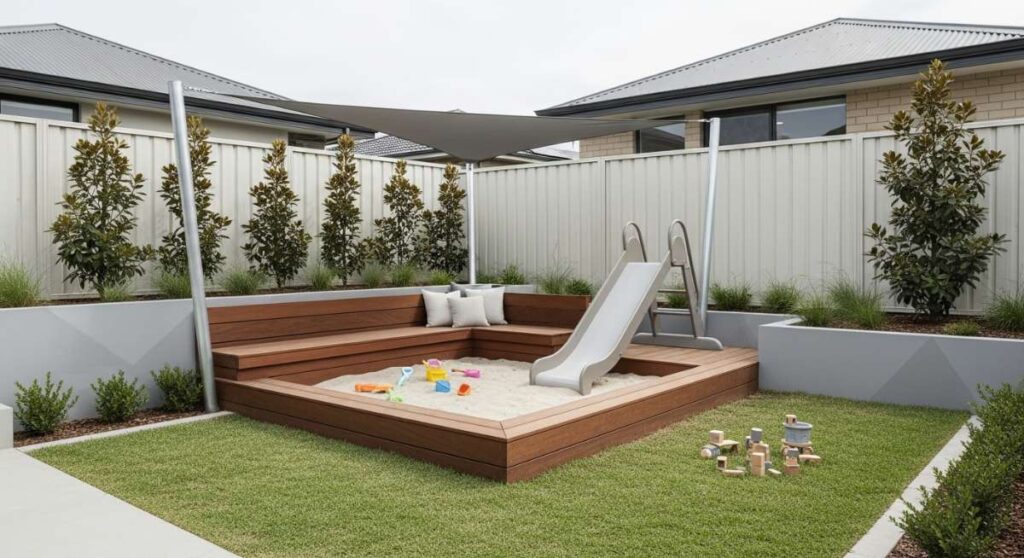
The Minimalist Sandbox: Designing a Chic Backyard Play Zone
There is a specific kind of magic that happens when the screen time ends and the back door swings open to reveal a world of golden light and fresh air. As a parent, I’ve often found myself torn between wanting my children to have a space for wild, uninhibited play and wanting my backyard to remain a peaceful sanctuary for my morning coffee. We’ve all seen those neon plastic play structures that seem to take over the entire lawn, but I promise you, there is a better way to cultivate joy without sacrificing your aesthetic.
Designing a chic backyard play zone is about more than just aesthetics; it’s about creating a landscape for memories that feel as good as they look. Imagine a space where natural textures, muted tones, and thoughtful layouts encourage your little ones to explore their independence while you watch from a stylish patio chair nearby. Let’s dive into how we can transform your outdoor space into a minimalist haven that sparks creativity and keeps the kids entertained until the fireflies come out.
How to Design a DIY Playground for Endless Summer Memories
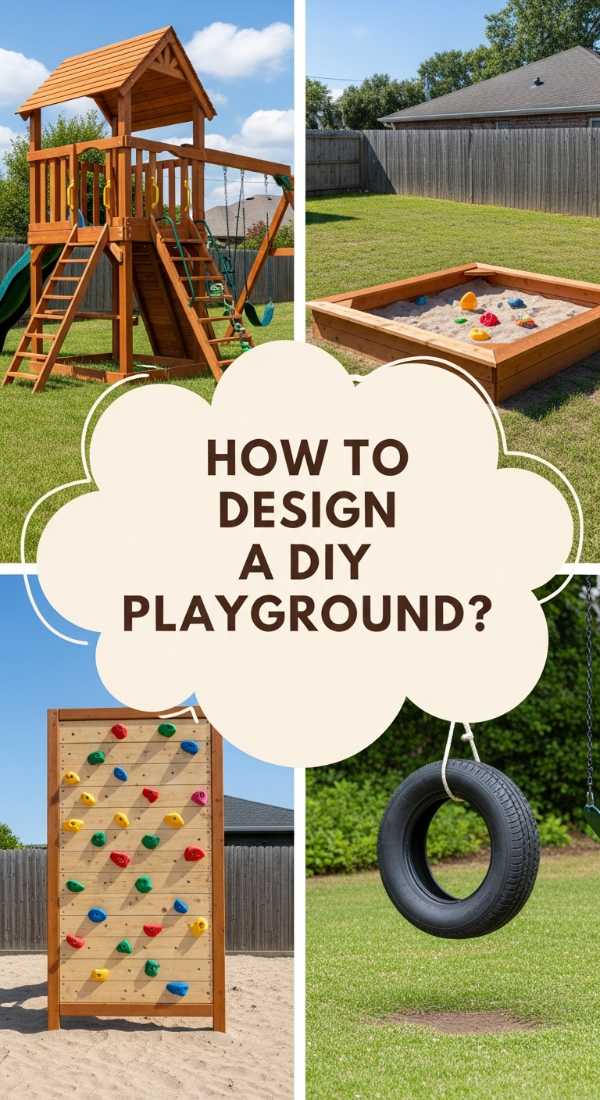
Why we love this
There is nothing quite like the scent of sun-warmed cedar and the cool touch of smooth, sanded timber on a July afternoon. This playground design focuses on the tactile experience of childhood, blending the earthy aroma of wood mulch with the soft rustle of canvas shade sails. It creates a dedicated space where the transition from indoor routine to outdoor adventure feels seamless, leaving your children with a sense of boundless freedom and you with a backyard that looks curated and intentional.
Essential Elements:
- Pressure-treated cedar or redwood beams
- High-quality playground grade mulch or pea gravel
- Commercial-grade swing hardware
- Neutral-toned canvas canopy
- Stainless steel slides and rust-resistant bolts
How to make it
- Begin by clearing a 12×12 area of all grass and debris, ensuring the ground is perfectly level using a long spirit level and a 2×4 board. Any slight incline will compromise the structural integrity of your frame.
- Dig post holes at least 24 inches deep for your main vertical supports, filling the base with 3 inches of gravel for drainage before setting the posts in quick-dry concrete. Check for vertical plumb frequently as the concrete sets.
- Construct the main deck frame using 2×6 joists, securing them with heavy-duty lag bolts. Ensure every corner is perfectly square to prevent swaying when the kids start climbing.
- Sand all wooden surfaces starting with 80-grit sandpaper and finishing with 120-grit until the wood feels like velvet to the touch; this is the visual cue that it is safe for little hands.
- Apply a clear, UV-resistant water sealer to the wood to preserve its honey-toned hue and protect it from graying over the summer months.
How to Build a Natural Outdoor Playground for Wild Heart Adventures
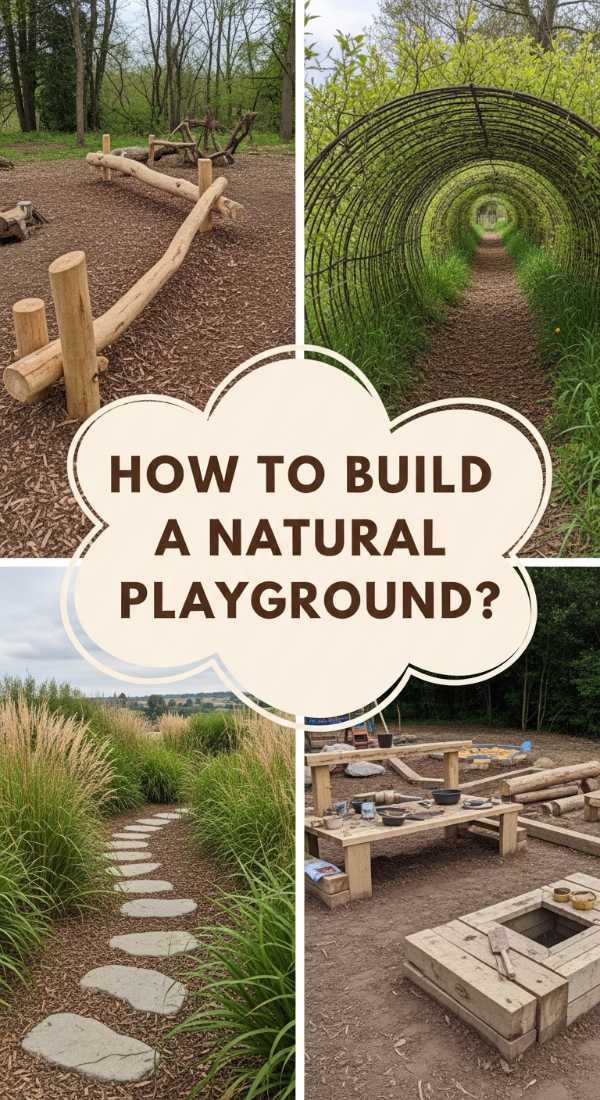
Why we love this
This design celebrates the raw beauty of nature, incorporating the rugged textures of tree stumps and the cooling sensation of smooth river stones. We love how it encourages ‘risky play’ in a controlled environment, where the scent of pine needles and damp earth provides a rich sensory backdrop for imaginative games. It feels less like a structure and more like a secret forest clearing, allowing your backyard to maintain its organic, wild beauty while providing a haven for adventurous spirits.
Essential Elements:
- Large, debarked oak or cedar logs
- Smooth river rocks of varying sizes
- Heavy-duty hemp rope
- Native plants for perimeter borders
- Fallen branches for ‘loose parts’ play
How to make it
- Source locally fallen logs that are at least 15 inches in diameter and ensure they are debarked to prevent rot and hidden pests.
- Arrange the logs in a zig-zag or circular pattern, partially burying them 6 inches into the ground to ensure they are rock-solid and do not roll when stepped upon.
- Tamp down the soil around the logs using a heavy hand-tamper until the ground is hard and unyielding; this provides the stable foundation needed for jumping.
- Intersperse the logs with smooth river stones, embedding them halfway into the earth to create a sensory walking path that challenges balance.
- Knot thick hemp ropes between two sturdy trees or anchored posts, using professional-grade carabiners to ensure they can support the weight of multiple children.
How to Create a Dreamy Indoor Playground for Rainy Day Fun
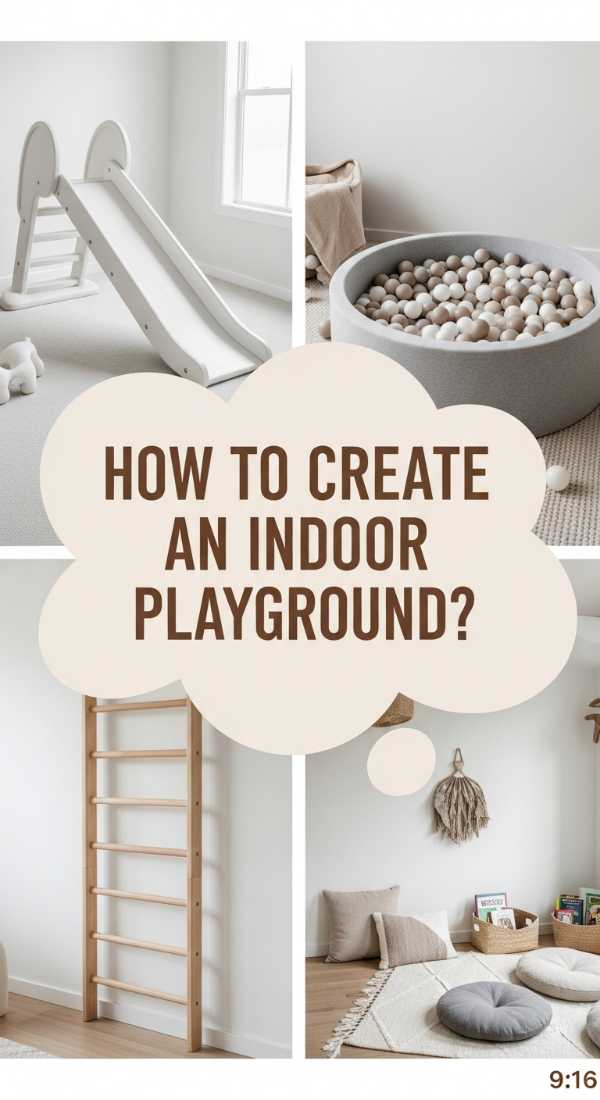
Why we love this
When the clouds roll in, the magic doesn’t have to stop; this indoor solution brings the ‘chic’ factor inside with soft textures and a serene color palette. We love the way the gentle sound of a wooden ladder being climbed replaces the noise of electronics, and the aroma of fresh cotton from the play tent creates a cozy sanctuary. It’s a design that respects your interior decor while offering a dedicated outlet for all that pent-up energy, keeping the vibe of your home calm and collected.
Essential Elements:
- Wall-mounted Swedish ladder or monkey bars
- Soft foam play mats in marble or stone prints
- Heavy-duty ceiling anchors
- Cotton canvas teepee or play tent
- Plywood climbing wall with resin holds
How to make it
- Identify a load-bearing wall for your climbing elements, using a stud finder to mark the exact center of each timber stud to ensure maximum weight capacity.
- Mount the Swedish ladder using 3-inch deck screws, ensuring the unit is perfectly level so the weight distribution remains even during use.
- Install resin climbing holds onto a 3/4 inch sheet of maple plywood, spacing them according to your child’s reach, and secure the entire panel to the wall studs.
- Lay down high-density EVA foam mats; look for ‘stone’ or ‘wood’ prints that provide a high-end look while offering professional-grade impact protection.
- Anchor a ceiling swing into a joist using a heavy-duty swivel hook, testing it with your own weight first to ensure there is zero movement in the mount.
How to Curate Magical Backyard Ideas for Kids to Spark Pure Joy

Why we love this
There is a whimsical, ethereal quality to this setup that makes every afternoon feel like a scene from a storybook. We love the combination of twinkling fairy lights reflecting off bubble-machines and the soft, velvet feel of mossy patches underfoot. It’s about creating a sensory-rich environment where the air feels lighter and the possibilities feel endless, turning a standard lawn into a curated landscape of wonder that appeals to the inner child in everyone.
Essential Elements:
- Solar-powered warm LED string lights
- Weatherproof outdoor floor cushions
- Low-profile wooden picnic table
- Bubble machine with non-toxic solution
- Potted fragrant herbs like lavender and mint
How to make it
- String lights across the play area at a height of 8 feet, using guide wires to prevent sagging and ensuring all bulbs are shatterproof for safety.
- Set up a low-profile table by repurposing a wooden pallet; sand it thoroughly and apply a white-wash stain for a breezy, coastal aesthetic.
- Place oversized outdoor cushions around the table, choosing performance fabrics that are UV-resistant and can be easily hosed off after a day of play.
- Incorporate ‘sensory stations’ by planting lavender and mint in large terracotta pots; these provide a calming aroma when the leaves are brushed against.
- Install a dedicated bubble station at waist height, allowing children to practice fine motor skills while filling the air with iridescent spheres.
How to Plan a Playground Backyard for Little Explorer Missions
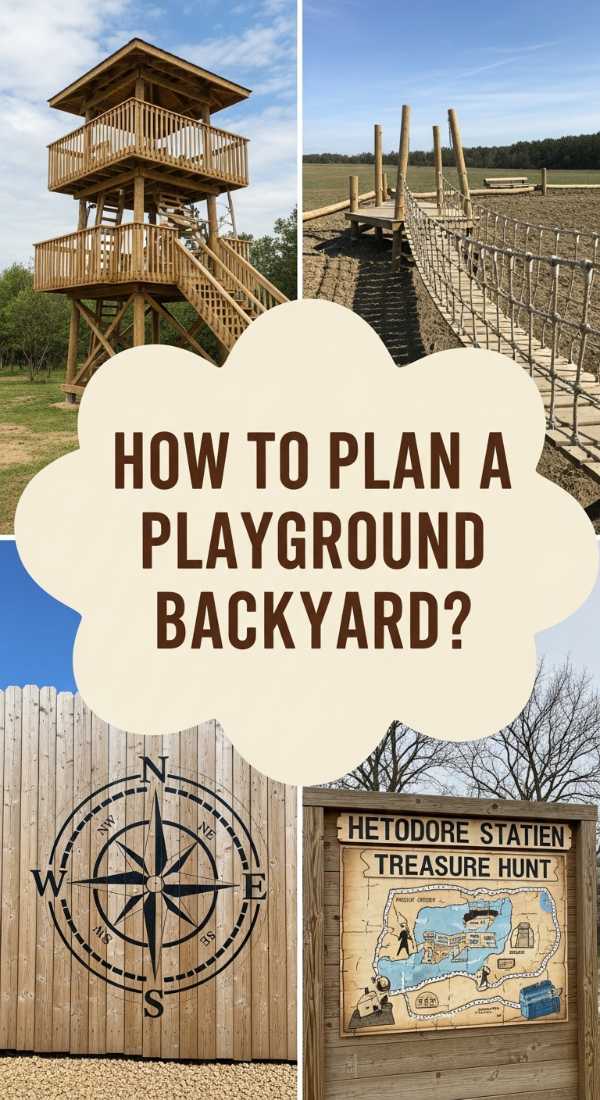
Why we love this
This layout is designed for the curious mind, turning the backyard into a topographical map of adventure where every corner holds a secret. We love the structure of defined ‘zones’—from a digging pit that smells like fresh earth to a lookout tower with views over the fence—that keep little explorers engaged for hours. The use of natural materials like slate and timber ensures that the ‘missions’ feel grounded in the real world, fostering a deep connection to the environment.
Essential Elements:
- Interactive chalkboard walls
- Built-in sandbox with a wooden lid
- Binocular stations on raised platforms
- Marked pathways made of slate chips
- Wooden magnifying glass holders
How to make it
- Designate specific zones using slate chip pathways, edging them with steel landscape borders to keep the stones from migrating into the grass.
- Build a sandbox using 4×4 cedar posts for the frame, lining the bottom with landscape fabric to allow drainage while preventing weeds from sprouting.
- Construct a simple raised platform (about 3 feet high) using deck boards, ensuring the railings are spaced no more than 4 inches apart for safety.
- Install a vertical chalkboard by painting a piece of exterior-grade plywood with three coats of chalkboard paint, allowing it to cure for 48 hours before use.
- Mount a pair of weather-resistant binoculars to the platform railing using a swivel mount, providing a professional ‘lookout’ feel for small explorers.
How to Style Aesthetic Kids Outdoor Play Area Ideas for a Chic Home

Why we love this
This is the ultimate solution for the design-conscious parent who refuses to choose between style and play. We love the sophisticated palette of charcoal, cream, and natural wood that makes the play area feel like an extension of a luxury home’s interior. The textures are refined—think smooth powder-coated metal and woven rattan—creating a space that feels curated, mature, and incredibly inviting for both children and adults who value a beautiful living environment.
Essential Elements:
- Powder-coated black metal swing set
- Rattan or wicker storage baskets
- Striped outdoor rugs in neutral tones
- Modern geometric climbing domes
- Minimalist wooden mud kitchen
How to make it
- Select a swing set with a slim profile and a matte black finish; if purchasing pre-made, consider spray-painting the hardware to match for a custom look.
- Define the play space with a large, low-pile outdoor rug that features a subtle geometric pattern, anchoring the corners with heavy planters.
- Assemble a mud kitchen using a basic potting bench as a base, adding a stainless steel mixing bowl as a ‘sink’ for a modern, industrial touch.
- Use woven resin rattan baskets to store outdoor toys; these offer a high-end texture while being completely waterproof and easy to clean.
- Install a geometric climbing dome in a metallic finish, placing it on a bed of black dyed wood chips for a striking, high-contrast visual effect.
How to Construct a DIY Kids Playground for Creative Mind Growth
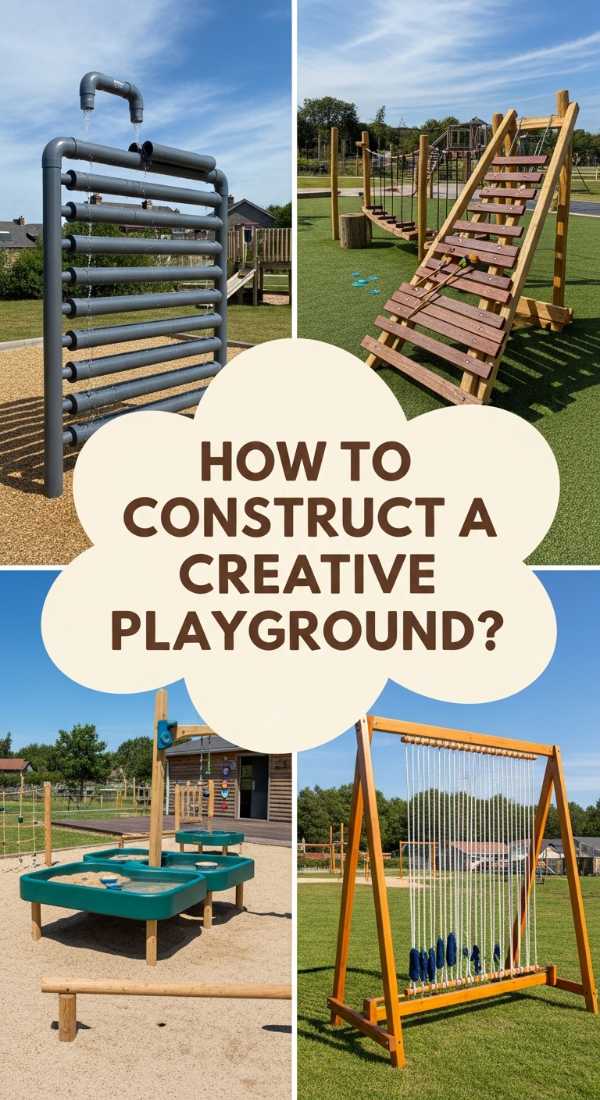
Why we love this
This playground is a laboratory for the imagination, where the smell of damp pine and the sound of clinking wooden blocks spark deep concentration. We love how this design prioritizes open-ended play, providing the ‘bones’ of a structure that children can transform into a castle, a shop, or a spaceship. The natural wood grain and the sturdy, tactile weight of the components provide a grounding experience that encourages kids to slow down and truly focus on their creations.
Essential Elements:
- Modular wooden building blocks (oversized)
- Weatherproof weaving frames
- A frame playhouse with an open floor plan
- Outdoor-rated musical elements (chimes)
- Clear acrylic painting panels
How to make it
- Build a simple A-frame playhouse using 2×4 framing and a cedar shingle roof, leaving the sides open to ensure maximum airflow and visibility.
- Create a ‘weaving station’ by framing a piece of plastic-coated chicken wire with sanded 1×2 boards, mounting it securely to a fence or wall.
- Install a set of large aluminum chimes or ‘music pipes’ using nylon cord, ensuring they are hung at varying lengths to produce a professional-sounding pentatonic scale.
- Mount a sheet of clear acrylic between two posts to create an outdoor easel; ensure the edges are polished smooth to prevent any sharp corners.
- Cut oversized blocks from scrap 4×4 and 2×4 lumber, sanding every edge thoroughly and finishing with a food-safe mineral oil for a beautiful, organic sheen.
How to Organize Vibrant Outdoor Play Areas for Best Friend Bonding

Why we love this
This setup is all about the joy of companionship and the hum of shared secrets whispered in the shade. We love the inclusion of ‘double’ elements—two swings, two seats, two stations—that facilitate side-by-side play and social development. The atmosphere is vibrant and energetic, filled with the sound of laughter and the soft ‘thud’ of shared toys on grass, creating a welcoming hub where friendships are forged through collaborative building and imaginative roleplay.
Essential Elements:
- Double-seated porch swings
- Side-by-side sand and water tables
- A ‘lemonade stand’ style service counter
- Tandem rocking horses or spring riders
- Group-sized outdoor art station
How to make it
- Construct a dual-sided play counter using a sturdy wooden frame and a butcher-block top, height-adjusted to 24 inches for comfortable standing play.
- Install two identical swings at least 24 inches apart, using heavy-duty chains encased in soft rubber sleeves to prevent pinched fingers.
- Build a combined sand and water table by fitting two plastic bins into a wooden frame; ensure one side has a drainage plug for easy cleaning.
- Set up a ‘social circle’ using tree stump seats arranged around a central focal point, like a low fire pit (for supervised play) or a shared activity table.
- Create a ‘message center’ using two weather-resistant mailboxes mounted on posts, allowing kids to ‘send’ drawings and notes to one another.
How to Assemble Cozy Kids Backyard Ideas for Quiet Afternoon Dreams
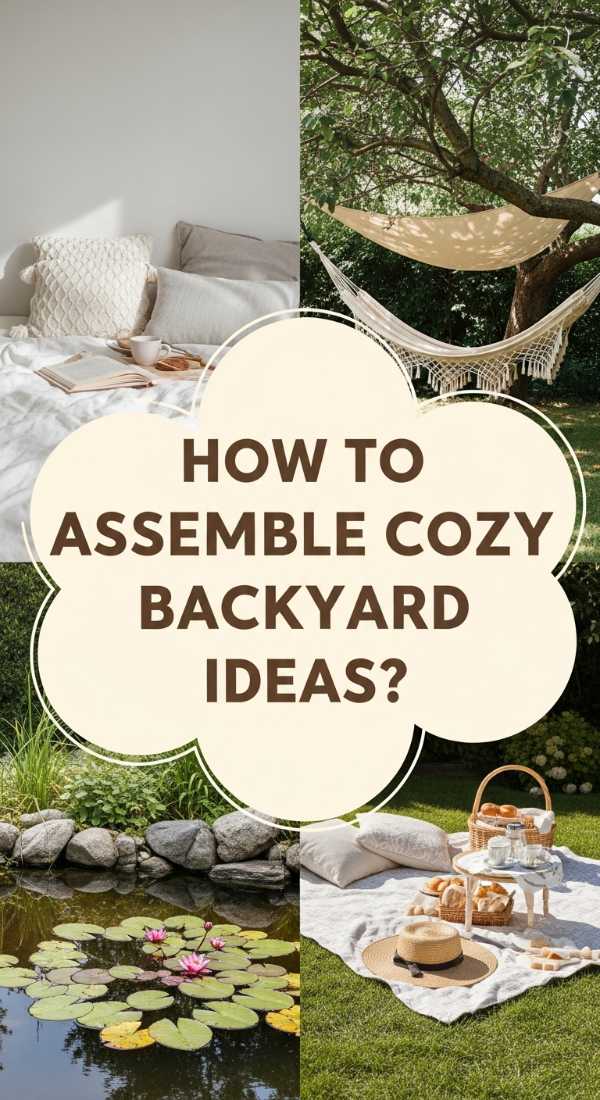
Why we love this
For the child who loves to get lost in a book or watch the clouds, this cozy nook is a dream come true. We love the soft, pillowy textures and the gentle swaying of hammocks that create a peaceful, meditative environment. The scent of nearby jasmine or honeysuckle adds to the sense of tranquility, making it the perfect spot for decompressing after a long day. It’s a gentle reminder that outdoor play doesn’t always have to be high-energy; sometimes, the best adventures happen in the mind.
Essential Elements:
- Cotton rope hammocks or macramé chairs
- Weatherproof reading nook with cushions
- Floating wooden decks or ‘meditation’ platforms
- Soft outdoor lighting (lanterns)
- Wind chimes with a deep, melodic tone
How to make it
- Hang a macramé chair from a sturdy tree limb or a dedicated timber frame, using a heavy-duty spring to provide a gentle, ‘floating’ bounce.
- Build a low floating deck (just 6 inches off the ground) using pressure-treated sleepers and composite decking for a splinter-free, maintenance-free surface.
- Construct a small ‘book box’ out of cedar, mounting it nearby to keep favorite stories dry and accessible for quiet moments.
- Place oversized floor pillows made of Sunbrella fabric on the deck; ensure they are filled with high-density outdoor foam for maximum comfort.
- Install battery-operated flickering lanterns along the perimeter, providing a warm, candle-like glow that makes the space feel magical at dusk.
How to Craft a Natural Outdoor Playground for Ultimate Sensory Discovery
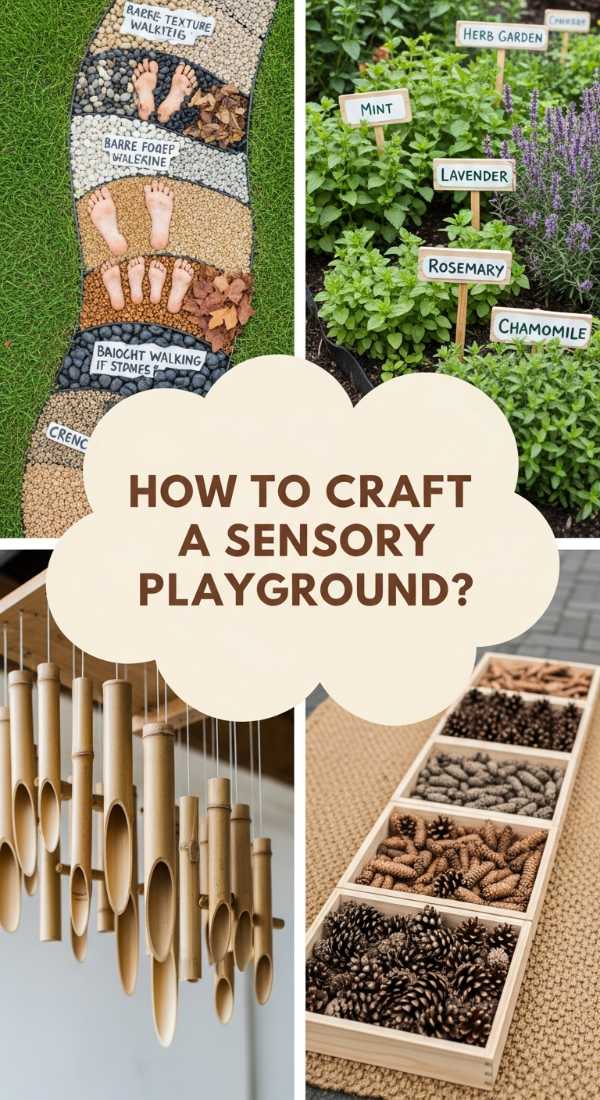
Why we love this
This is a feast for the senses, where the gritty texture of sand, the slick feel of water, and the crunchy sound of gravel come together in a symphony of discovery. We love how this design encourages kids to get their hands dirty, exploring the cooling properties of mud and the varied temperatures of different stones. It’s a grounding experience that connects children to the physical world, all while looking like a beautifully textured landscape feature in your backyard.
Essential Elements:
- Textured ‘touch’ wall with different materials
- In-ground water rills or simple pumps
- Edible garden patches (strawberries, peas)
- A ‘sound fence’ made of different resonant woods
- Drought-tolerant ornamental grasses for texture
How to make it
- Create a ‘texture path’ by digging a shallow trench and filling sections with different materials: pea gravel, wood discs, smooth river stones, and moss.
- Build a simple gravity-fed water feature using a series of wooden troughs; seal the wood with a non-toxic pond liner to prevent leaks and wood rot.
- Install a ‘touch wall’ by mounting panels of different textures—corrugated metal, artificial turf, and smooth slate—at eye level for tactile exploration.
- Plant a border of ‘feather reed grass’ or ‘fescue’; the movement of these grasses in the wind provides both visual interest and a soft, shushing sound.
- Assemble a ‘smell garden’ in raised cedar beds, focusing on plants like lemon balm and rosemary that release their scent when touched or stepped on.
Creating Your Own Backyard Sanctuary
Building a backyard play area doesn’t mean you have to compromise on your home’s aesthetic. By choosing natural materials, a cohesive color palette, and thoughtful layouts, you can create a space that is as beautiful as it is functional. Whether you’re building a rugged climbing wall or a quiet reading nook, the goal is to foster a sense of wonder and independence in your children while maintaining the peace and style of your outdoor living space. Happy building!
Frequently Asked Questions
Q: What is the best wood for DIY outdoor play structures?
A: Cedar and redwood are the gold standards because they are naturally rot-resistant and hold up well to the elements without needing heavy chemical treatments.
Q: How do I keep the play area safe without using ugly rubber mats?
A: Engineered wood fiber (EWF) or high-quality playground-grade mulch offers excellent impact protection while maintaining a natural, organic look.
Q: Can I build a playground on an uneven lawn?
A: It is critical to level the ground where the main structure will sit. For sloped yards, you may need to build a retaining wall or use adjustable piers to ensure the deck is perfectly horizontal.