

The Home Refresh: Expert Hacks for Modern Lifestyle Design
There is something truly magical about the moment you realize your home is no longer just a place where you sleep, but a living, breathing reflection of your soul. We often get caught up in the hustle of daily life, letting our surroundings become background noise, but intentional lifestyle design invites us to pause. It’s about more than just aesthetics; it’s about crafting a sanctuary that fuels your productivity, soothes your spirit, and connects you back to the rhythms of nature.
In this guide, I’m sharing my most-loved secrets for transforming every corner of your world—from the rustic charm of a backyard chicken sanctuary to the sophisticated serenity of a blue-toned home office. We’re diving deep into the sensory details that make a space feel truly ‘home,’ focusing on textures that invite a touch, scents that evoke memories, and layouts that flow with your unique lifestyle. Let’s embark on this journey of refreshing your personal space together.
How to Maintain a Clean Coop for Happy Healthy Hens
Why we love this
There is a profound sense of pastoral peace that comes with a well-maintained chicken coop, where the air smells faintly of fresh pine shavings and sun-warmed straw rather than damp earth. When your hens are happy, their feathers look glossier, and the eggs you collect feel like little treasures of gold nestled in clean bedding. We love this process because it turns a chore into a meditative morning ritual, connecting us to the source of our food while ensuring our feathered friends thrive in a hygienic, airy environment that feels more like a boutique barn than a simple shed.
Essential Elements:
- High-quality kiln-dried pine shavings or hemp bedding
- Organic coop deodorizer (herbal or enzyme-based)
- Stiff-bristled scrubbing brush and a metal scraper
- Natural cleaning solution (diluted white vinegar with citrus peels)
- Sand for a designated dust bath area
- Removable nesting box liners
How to make it
- Begin by removing all hens and clearing out old bedding using a pitchfork or rake; use a metal scraper to lift any stuck debris from the floor and roosting bars to ensure a completely smooth surface.
- Mix a solution of one part white vinegar to two parts water, adding essential oils like lemon or oregano for their antimicrobial properties; spray down the walls and floors until they are damp but not soaking.
- Use your stiff brush to scrub the roosting bars vigorously, focusing on the undersides where bacteria can hide, then allow the entire coop to air dry completely for at least 30 minutes to prevent mold growth.
- Spread a thick, three-to-four-inch layer of fresh pine shavings across the floor, ensuring even coverage that feels soft underfoot for the hens and provides adequate insulation against the ground.
- Finish by sprinkling a handful of dried nesting herbs like lavender or mint into the nesting boxes to discourage pests and provide a calming aromatic experience for your hens as they lay.
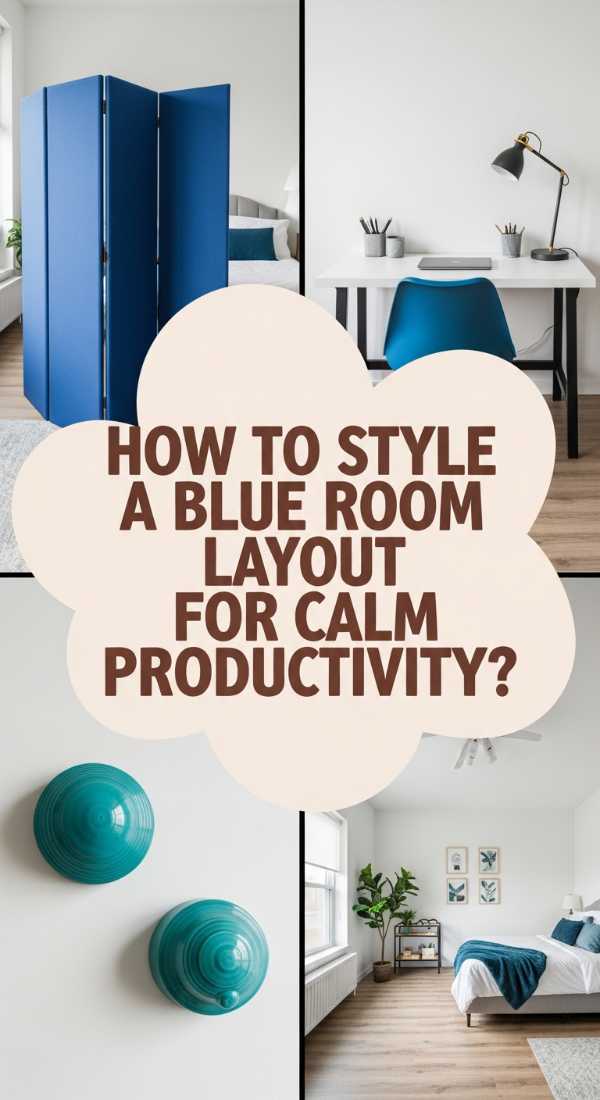
How to Style a Blue Room Layout for Calm Productivity

Why we love this
Stepping into a room bathed in shades of deep navy, soft slate, and crisp azure feels like taking a long, cooling breath of mountain air. We adore this layout because it utilizes color psychology to lower the heart rate, creating a cognitive ‘flow state’ where work feels less like a burden and more like a creative exploration. The visual depth of blue against warm wood or metallic accents creates a sophisticated backdrop that is both professional and deeply comforting, making your afternoon coffee breaks feel like a momentary escape to the seaside.
Essential Elements:
- Variable shades of blue paint or wallpaper (from cerulean to indigo)
- Warm wood furniture (walnut or oak) for balance
- Task lighting with adjustable warmth
- Natural fiber rugs (jute or wool)
- Greenery (potted ferns or snake plants)
- Minimalist desk organizers in brass or matte black
How to make it
- Select your primary blue shade—use a darker navy for the wall behind your desk to minimize glare on your screen, and choose a lighter, airy sky blue for the adjacent walls to keep the room feeling expansive.
- Position your desk facing a natural light source if possible, but angle it so the blue walls are within your peripheral vision to maintain that sense of calm while you work.
- Layer your textures by placing a soft, neutral-toned wool rug under your chair; this grounds the blue palette and prevents the room from feeling too cold or sterile.
- Incorporate ‘warm’ elements through furniture; a walnut desk or oak shelving units provide a necessary earthy contrast that makes the blue tones pop without overwhelming the senses.
- Finalize the layout by adding a single, high-quality lamp with a warm bulb (around 2700K) to create a soft glow against the blue walls during late-evening sessions, enhancing the cozy, productive atmosphere.
How to Choose Earthy Concrete Shades for a High End Backyard

Why we love this
Modern luxury is no longer about stark whites and cold metals; it’s about the raw, tactile elegance of earthy concrete that looks like it was carved directly from the landscape. We love these shades because they bridge the gap between industrial design and organic nature, offering a velvety, stone-like finish that feels cool under your bare feet on a midsummer afternoon. The subtle variations in terracotta, sage, and warm ochre concrete create a sophisticated foundation for your outdoor living space, making your backyard feel like a high-end Mediterranean retreat.
Essential Elements:
- Integral concrete pigments (iron oxide based)
- Matte or satin-finish penetrating sealer
- Sample boards for testing shades in different light
- Aggregates (fine sand or small river stones) for texture
- Contrasting outdoor furniture in linen or teak
How to make it
- Start by observing your backyard’s natural lighting at three different times of day—morning, noon, and golden hour—to see if the existing soil and foliage lean toward warm or cool tones.
- Select a pigment that is one shade darker than your ideal color, as concrete typically lightens significantly as it cures; earthy umbers and soft greige are the most versatile for high-end designs.
- When mixing the concrete, ensure the pigment is added to the water first and mixed thoroughly to avoid ‘streaking’ or uneven patches once the slab is poured and leveled.
- After the concrete has set but before it is fully cured, apply a light broom finish or a sand-wash to expose just a hint of texture, giving it that premium, non-slip stone appearance.
- Seal the surface with a high-quality, non-yellowing matte sealer; this protects the earthy hue from UV fading while maintaining the raw, natural look of the material without a plastic-like shine.
How to Create a Soft Lace Haven for Romantic Evenings

Why we love this
There is a timeless, ethereal beauty in the way candlelight dances through the intricate patterns of vintage-style lace, casting delicate shadows across a room. We love this design approach because it softens the hard edges of modern life, creating a cocoon of romance and nostalgia that smells like vanilla and old books. The tactile contrast of rough-hewn wood against the fine, web-like texture of lace creates a sensory experience that encourages you to slow down, whisper, and enjoy the simple luxury of a quiet, beautiful evening.
Essential Elements:
- Sheer lace curtains or wall hangings
- Lace runners for tables or mantels
- Warm white fairy lights or LED candles
- Plush velvet throw pillows in muted rose or cream
- Fragrance diffusers (sandalwood or jasmine)
- Vintage brass candle holders
How to make it
- Drape long, floor-to-ceiling lace panels over your windows or even behind your bed frame; the goal is to create layers of translucency that filter light into soft, patterned glows.
- Layer a lace runner over a darker linen tablecloth to make the intricate needlework ‘pop’ and provide a tactile centerpiece for your dining or coffee table.
- Intertwine thin, copper-wire fairy lights behind the lace hangings; when lit, the lace diffuses the bulbs, creating a magical, starry effect that feels intimate and warm.
- Incorporate soft furniture like a velvet chaise or pile of cushions to provide a physical ‘landing spot’ that matches the visual softness of the lace decor.
- Complete the haven by lighting several unscented candles of varying heights in brass holders; the moving flames will keep the lace patterns in constant, gentle motion across your walls.
How to Support Climbing Vines for a Lush Vertical Garden

Why we love this
Vertical gardening is like watching a living tapestry weave itself over your home, turning cold walls into vibrant, rustling curtains of green. We love the way climbing vines like jasmine or clematis fill the air with an intoxicating fragrance while providing a cooling, natural insulation for your outdoor spaces. There is something deeply satisfying about guiding a young tendril around a support and knowing that, in a few seasons, it will create a lush, private canopy that hums with the life of bees and songbirds, making even the smallest patio feel like a grand estate.
Essential Elements:
- Sturdy cedar trellises or powder-coated steel grids
- Heavy-duty eye hooks and galvanized wire
- Soft plant ties or twine
- Fast-growing climbers (Star Jasmine, Wisteria, or Ivy)
- Organic liquid seaweed fertilizer
- Pruning shears for shaping
How to make it
- Install your support structure at least two inches away from the actual wall surface; this allows for essential air circulation behind the vines, preventing rot and protecting your home’s siding.
- Anchor heavy-duty eye hooks into your wall or fence in a diamond pattern and thread galvanized wire through them, tightening with a turnbuckle to ensure the structure can hold the weight of a mature plant.
- Plant your vines at the base of the support in well-draining soil enriched with compost, angling the root ball slightly toward the trellis to encourage upward growth.
- Gently wrap the lead shoots around the wire or trellis using soft garden twine, being careful not to tie them too tightly, which could strangle the stem as it thickens.
- Prune the vine regularly during the growing season to encourage lateral branching; this fills in the ‘holes’ in your vertical garden, resulting in a much thicker, more lush wall of greenery.
How to Organize Your Chicken Sanctuary for Simple Farm Life

Why we love this
An organized chicken sanctuary is the hallmark of a sophisticated hobby farm, where everything from the nesting herbs to the grain bins has a dedicated, beautiful home. We love this because it removes the ‘grit’ from the daily routine, leaving only the joy of interacting with your animals in a space that feels clean and curated. The sound of a galvanized bin lid snapping shut and the sight of neatly labeled jars of oyster shells create a sense of order that makes farm life feel effortless, stylish, and deeply rewarding.
Essential Elements:
- Airtight galvanized metal bins for feed
- Wall-mounted tool racks for rakes and shovels
- Clear glass jars for supplements (grit, oyster shells, mealworms)
- A dedicated ‘egg station’ with baskets and brushes
- Weatherproof chalkboard for tracking lay dates
- Uniform hooks for aprons and gloves
How to make it
- Designate a ‘dry zone’ inside your sanctuary shed or near the coop that is completely protected from rain; this is where your feed and supplements will live to prevent spoilage and pests.
- Transfer bulk feed into large galvanized bins with tight-fitting lids; not only does this look classic and rustic, but it is the most effective way to keep rodents out of your supply.
- Mount a simple wooden peg rail or metal rack at eye level to hold your cleaning tools; having the rake and shovel off the floor keeps the space looking tidy and prevents tripping hazards.
- Create a ‘daily kit’ in a wire basket containing a pair of garden gloves, a soft brush for cleaning eggs, and a small notebook to record your daily harvest and bird health.
- Label all jars and bins with waterproof labels; this ensures that even if someone else is bird-sitting, the sanctuary remains organized and the hens receive exactly what they need.
How to Define Open Spaces for a Chic Organized Home

Why we love this
The beauty of an open-concept home is the light and air, but without definition, it can feel like living in a warehouse. We love the ‘zoning’ technique because it uses furniture and decor to create ‘rooms within rooms’—cozy pockets of intentionality that guide your movement through the house. It’s about the satisfying visual alignment of a sofa backing onto a dining area, or the way a large rug acts as a soft ‘island’ for a conversation nook. This approach brings a sense of sophisticated architecture to any layout, making your home feel curated rather than cluttered.
Essential Elements:
- Large-scale area rugs to ground specific zones
- Double-sided bookshelves or ‘room divider’ furniture
- Variable lighting (chandeliers vs. floor lamps)
- Statement indoor trees (Fiddle Leaf Fig or Olive)
- Coordinated but distinct color palettes for each zone
How to make it
- Identify the ‘natural traffic lanes’ in your home—the paths people walk most often—and keep these clear, using them as the invisible ‘corridors’ that separate your different zones.
- Use a large area rug to define the living area; ensure all furniture legs (or at least the front ones) sit on the rug to create a cohesive ‘anchor’ that distinguishes it from the dining space.
- Place a low-profile console table or a double-sided open bookshelf behind your sofa; this creates a physical and visual boundary that shields the ‘relaxing’ zone from the ‘active’ kitchen or dining zone.
- Vary the height of your lighting; use a dramatic pendant light over the dining table to pull the eye ‘up’ and define that area, while using warmer, lower floor lamps in the lounge zone.
- Introduce a large potted tree at the ‘corner’ of a zone; the vertical greenery acts as a soft architectural pillar that marks the transition from one functional space to the next without blocking light.
How to Palette Your Outdoor Flooring for a Sophisticated Deck
Why we love this
A truly sophisticated deck feels like an extension of your indoor living room, where the flooring serves as a canvas for high-end furniture and lush plants. We love the art of paletting outdoor flooring because it allows you to play with tones that mimic the natural world—think sun-bleached driftwood greys, warm cedar ambers, or the cool slate of a riverbed. When the floor color is perfectly synchronized with your home’s exterior and the surrounding landscape, the deck stops being a platform and starts being a destination that feels grounded, intentional, and incredibly chic.
Essential Elements:
- High-quality composite decking or stained exotic hardwood
- Outdoor-rated area rugs in tonal patterns
- Contrasting border boards (picture framing technique)
- UV-resistant stains or sealers
- Hidden fasteners for a seamless look
How to make it
- Choose a base color that complements the ‘undertones’ of your house; if your home has cool grey siding, choose a deck palette with hints of silver or charcoal to create a seamless transition.
- Use the ‘picture frame’ method by installing a darker board around the perimeter of a lighter-colored deck; this adds an architectural ‘finish’ that makes the deck look like a custom piece of furniture.
- Opt for hidden fastening systems instead of surface screws; this creates a smooth, high-end surface that looks like an interior hardwood floor and is much more comfortable for bare feet.
- Lay your boards at a 45-degree angle or in a herringbone pattern if the space allows; this adds visual interest and a sense of luxury that traditional straight-laid decks often lack.
- Seal the wood with a semi-transparent stain that enhances the natural grain rather than hiding it; this provides a ‘glow’ that makes the outdoor space feel expensive and well-cared-for.
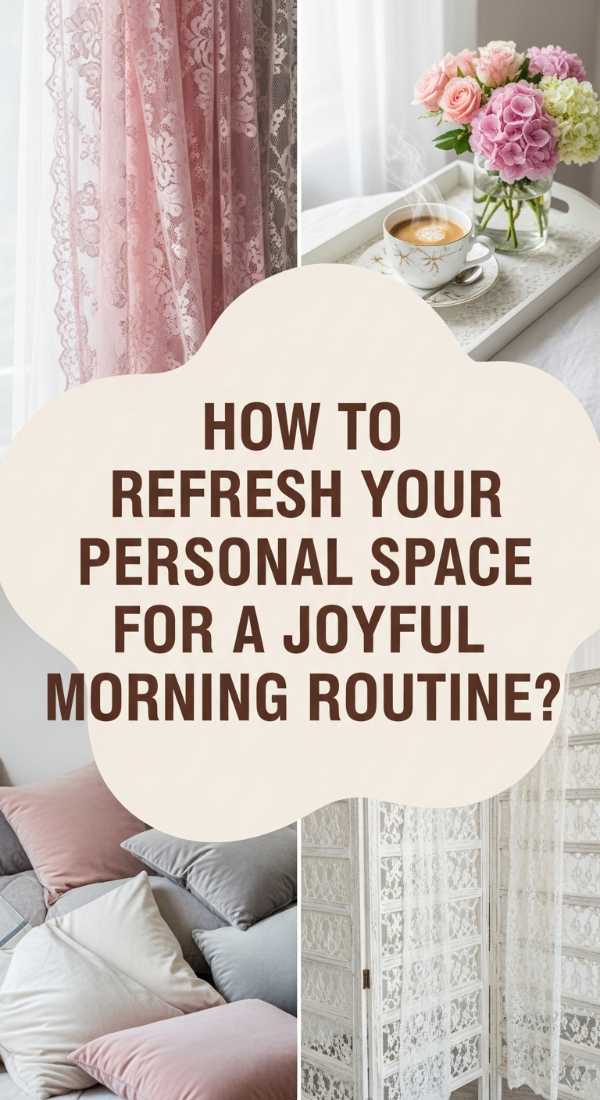
How to Refresh Your Personal Space for a Joyful Morning Routine

Why we love this
Your morning routine sets the vibration for your entire day, and there is no better way to start than in a space that feels like a warm embrace. We love this refresh because it focuses on the ‘micro-moments’—the feeling of a soft linen robe, the sight of a single flower in a bud vase, and the organized simplicity of a bedside table. When your personal space is cleared of yesterday’s clutter and infused with light and fresh scent, waking up becomes a ritual of joy rather than a race against the clock, allowing you to meet the world with a sense of calm and clarity.
Essential Elements:
- 100% linen or organic cotton bedding
- A minimalist bedside carafe for morning hydration
- Natural light-mimicking alarm clock
- Essential oil diffuser (sweet orange or peppermint)
- Soft-textured slippers and a high-quality robe
- A dedicated ‘no-tech’ corner with a comfortable chair
How to make it
- Clear your bedside table of everything except the absolute essentials—a lamp, a book, and a glass of water—to reduce visual noise the moment you open your eyes in the morning.
- Swap out heavy synthetic blankets for breathable linen layers; linen has a unique, crinkled texture that feels luxurious against the skin and regulates temperature for a better night’s sleep.
- Set your coffee or tea station the night before, choosing your favorite ceramic mug and placing it where the morning sun hits; this small preparation makes the morning feel like a gift you gave yourself.
- Introduce a ‘scent cue’ by setting your diffuser to start 15 minutes before your alarm; use energizing scents like grapefruit or bergamot to gently signal to your brain that it’s time to wake up.
- Create a ‘morning nook’ by placing a comfortable armchair near a window; use this space for five minutes of quiet reflection or reading before you check your phone or start your chores.
How to Structure Backyard Greenery for a Secret Garden Feel
[IMAGE_10]
Why we love this
There is a deep, primal magic in a ‘secret garden’—a place where the rest of the world fades away behind layers of rustling leaves and hidden paths. We love this structured approach to greenery because it plays with mystery and discovery, using ‘garden rooms’ to hide and reveal different views as you move through the space. The smell of damp moss, the sight of sunlight filtering through an archway, and the feeling of being completely enclosed in nature’s bounty create a sanctuary of profound privacy and peace, making your backyard the ultimate escape from the digital world.
Essential Elements:
- Layered planting (ground covers, mid-sized shrubs, tall trees)
- Winding gravel or stone pathways
- Arbors or pergolas draped in climbing plants
- Hidden seating areas (stone benches or wrought iron chairs)
- A focal point ‘reveal’ (a birdbath or small fountain)
- Evergreen hedging for year-round structure
How to make it
- Design your garden paths with curves rather than straight lines; this prevents you from seeing the whole garden at once, creating a sense of ‘mystery’ about what lies around the next bend.
- Use ‘layering’ to build walls of green—plant tall privacy hedges like Arborvitae in the back, mid-height hydrangeas or roses in front of them, and low-growing hostas or ferns at the very edge.
- Install a wooden or metal arbor at the entrance of a pathway; as you walk through it, the transition feels like entering a different world, especially if it’s covered in fragrant honeysuckle.
- Tuck a small, weathered stone bench into a corner that is partially obscured by foliage; this creates a ‘secret’ destination for reading or meditation that isn’t immediately visible from the house.
- Incorporate a subtle sound element, like a small solar-powered fountain, hidden among the plants; the sound of trickling water draws you deeper into the garden and masks neighborhood noise.
Conclusion
Refreshing your home and lifestyle isn’t about a total overhaul; it’s about the intentional choices that bring joy to your daily movements. Whether you’re guiding a vine up a trellis or organizing your morning tea station, these small shifts create a home that truly supports the life you want to lead. Remember, the most beautiful spaces are those that reflect the care and personality of the people living in them. Happy designing!