
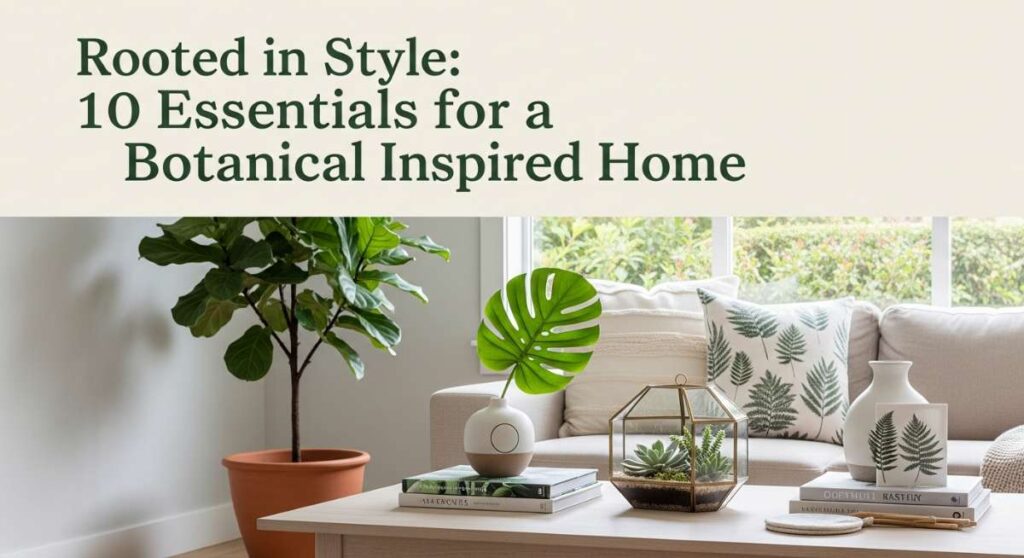
Rooted in Style: 10 Essentials for a Botanical-Inspired Home
Have you ever walked into a room and felt your shoulders instantly drop an inch or two? There is a primal, soothing magic that happens when we invite the outdoors in. For me, creating a botanical-inspired home wasn’t just about adding a few potted ferns to the corner; it was about reclaiming my sanity in a world of concrete and screens. It’s about that first breath of oxygen-rich air in the morning and the way a sun-dappled leaf casts a dancing shadow across your favorite reading nook.
We all deserve a sanctuary that feels alive, breathing, and deeply connected to the earth. Whether you live in a high-rise apartment or a cozy cottage, the ‘Rooted in Style’ philosophy is about more than decor—it’s a lifestyle. It’s the scent of damp soil, the velvety texture of a sage leaf, and the quiet joy of watching a new sprout unfurl. Let’s dive into how you can cultivate your own indoor garden of Eden, one room at a time.
How to Design a Dreamy Goddess Bedroom for the Ultimate Night of Relaxation
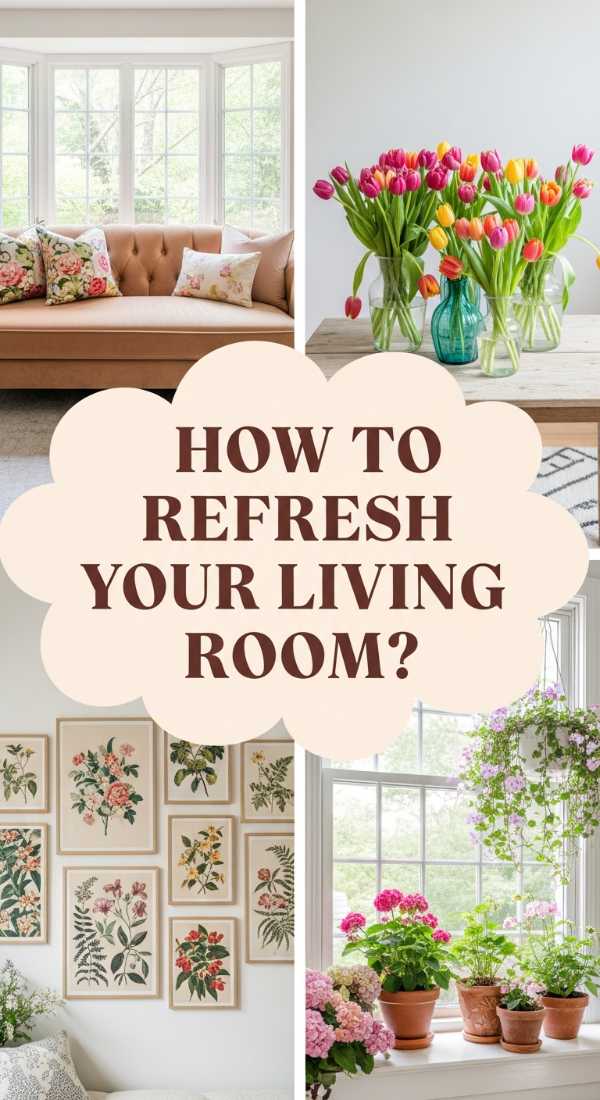
Why we love this
There is nothing quite like sinking into a bed that feels like it’s tucked away in a secret woodland glade. The Goddess Bedroom focuses on ethereal textures like raw silk and linen, paired with the gentle rustle of hanging ivy. The air feels cooler, scented with hints of lavender and jasmine, creating a sensory cocoon that lulls you into the deepest, most restorative sleep you’ve had in years. It’s a space that honors your need for rest and celebrates feminine energy through soft, organic curves and lush greenery.
Essential Elements:
- Hanging Pothos or String of Pearls plants
- Organic linen bedding in earthy tones (sage, terracotta, or cream)
- Amethyst or Clear Quartz clusters for grounding energy
- Essential oil diffuser with lavender and sandalwood
- Sheer floor-to-ceiling curtains to catch the breeze
How to make it
- Begin by clearing the ‘mental clutter’ of the room. Strip the bed entirely and vacuum every corner to ensure a pristine base. This ‘cool-down’ phase ensures no lingering dust interferes with the botanical freshness.
- Install ceiling hooks near windows. When hanging your ‘String of Pearls,’ ensure they are at a height where they receive bright, indirect light but aren’t ‘scorched’ by direct afternoon sun. The visual cue for a perfect hang is when the vines graze the eye level while you are seated.
- Layer your textiles starting with the heaviest linen and topping with a lightweight silk throw. The ‘heat level’ of your colors should stay low—think muted, dusty tones rather than neon.
- Set your diffuser 30 minutes before bed. This ‘steeping’ time allows the floral molecules to saturate the fabric of the room.
- Final ‘doneness’ check: Dim the lights to a warm 2700K glow. If the shadows of the leaves create a lace-like pattern on your duvet, the atmosphere is perfectly set.
How to Create a Vibrant Living Space for a Refreshing Home Atmosphere

Why we love this
The vibrant living space is the heart of a botanical home, pulsing with life and bright, saturated greens. We love this because it replaces the sterile ‘modern’ look with a jungle-inspired energy that makes every guest feel instantly refreshed. Imagine the tactile contrast of a smooth Monstera leaf against a rough jute rug, and the way the midday sun makes the emerald hues pop against a crisp white wall. It’s a high-energy environment that sparks conversation and lifts the collective mood of the household.
Essential Elements:
- Large-scale floor plants like Bird of Paradise or Fiddle Leaf Fig
- Natural fiber rugs (Jute, Sisal, or Seagrass)
- Botanical print oversized throw pillows
- Glass spray bottles for misting (functional decor)
- A statement wooden coffee table with raw edges
How to make it
- Position your largest ‘anchor’ plants first. These are your ‘base ingredients.’ Place them in corners where they have room to breathe; if the leaves touch the ceiling, the ‘pot’ is too high.
- Pre-treat your plant leaves by wiping them with a damp microfiber cloth. This ensures maximum ‘glossiness’ and allows the plant to photosynthesize effectively, much like searing a steak to lock in flavor.
- Arrange furniture in a ‘U’ shape to facilitate flow. The ‘timing’ here is key: ensure there is at least 3 feet of walking space between greenery and seating so guests don’t feel ‘smothered’ by the foliage.
- Layer your textures from the floor up. Place the jute rug first (the crust), followed by the sofa and then the soft pillows (the toppings).
- For the final ‘glaze,’ mist the air around the plants. The visual cue of success is a light, dewy shimmer on the leaves that catches the sunlight.
How to Style a Minimalist Workspace for Maximum Creative Focus

Why we love this
A cluttered desk leads to a cluttered mind, but a botanical minimalist workspace offers a ‘breath of fresh air’ for your productivity. We love the crisp, clean lines of a wooden desk paired with a single, sculptural Snake Plant or a tray of moss. It provides a visual ‘rest point’ for your eyes during long hours of screen time. The aroma of cedarwood and the grounding presence of living things help to lower cortisol levels, allowing your creative ‘flavors’ to simmer and develop without the distraction of traditional office clutter.
Essential Elements:
- A single, architectural plant (Snake Plant or ZZ Plant)
- Cork or bamboo desk organizers
- A small terrarium with preserved moss
- Natural light desk lamp with a warm bulb
- A stone or ceramic coaster for your tea
How to make it
- Start with a ‘reduction’ phase: remove everything from your desk surface. Clean the surface with a lemon-based cleaner to provide a sharp, energizing ‘top note’ to the air.
- Place your architectural plant to the left or right of your monitor. The ‘visual weight’ should feel balanced; if the plant is too heavy, counter it with a stack of books on the opposite side.
- Organize your tools using the ‘mise en place’ philosophy—everything in its place. Use bamboo trays to group like-items (pens, clips, notes) so they don’t ‘bleed’ into your workspace.
- Adjust your lighting so it hits the plant at a 45-degree angle. This creates a soft, ‘cooked’ shadow rather than a harsh, distracting one.
- The workspace is ‘done’ when you can sit down and see at least 50% of the desk surface. This ‘open space’ is essential for creative ‘expansion.’
How to Arrange a Romantic Table Setting for a Memorable Dinner Party

Why we love this
There is something undeniably poetic about dining amidst a miniature meadow. A romantic botanical table setting uses living centerpieces instead of stiff bouquets, creating an intimate, ‘farm-to-table’ vibe that feels both sophisticated and grounded. The scent of fresh rosemary sprigs tucked into napkins mixes with the aroma of the meal, while the flickering candlelight casts a golden glow on trailing ivy runners. It turns a simple meal into a multi-sensory feast that lingers in the memory long after the last glass of wine is poured.
Essential Elements:
- A table runner made of live Eucalyptus or Ivy vines
- Taper candles in varying heights (beeswax or unscented)
- Linen napkins with a sprig of fresh herbs (Thyme or Rosemary)
- Vintage-inspired floral dinnerware
- Small bud vases with single stems of wildflowers
How to make it
- Lay your ‘base’ layer: a neutral linen tablecloth. Smooth it out by hand, embracing the natural wrinkles which provide a ‘rustic’ texture.
- Construct the ‘centerpiece’ by weaving eucalyptus branches down the center of the table. This is your ‘infusion’ layer. Ensure it isn’t too tall; guests should be able to see each other over the ‘greenery wall.’
- Distribute taper candles at irregular intervals. The ‘heat’ of the lighting should be concentrated in the center of the table to create a focal point.
- Tuck a fresh herb sprig into each napkin ring. This provides an immediate ‘aromatic hit’ the moment a guest sits down.
- The visual cue for readiness is the ‘glow factor.’ Light the candles 10 minutes before guests arrive so the wax begins to ‘bloom’ and the flame stabilizes.
How to Master the Cottagecore Aesthetic for a Whimsical Home Vibe

Why we love this
Cottagecore is all about the ‘slow living’ movement, and we love it for its unapologetic nostalgia and charm. It’s a celebration of the wild and the unrefined—think bowls of freshly picked berries, pressed flower frames, and a kitchen filled with drying herbs. It creates a ‘warm’ and ‘nutritious’ atmosphere for the soul, making your home feel like a storybook retreat. The textures are soft, the colors are sundrenched, and the overall feeling is one of abundant, whimsical comfort that encourages you to bake bread and read poetry.
Essential Elements:
- Pressed flower wall art in gold or wood frames
- Dried flower bundles (Lavender, Strawflower, or Baby’s Breath)
- Vintage lace doilies and floral patterned textiles
- A collection of mismatched ceramic mugs and bowls
- A dedicated ‘herb drying’ rack in the kitchen
How to make it
- Curate your ‘vintage base’ by layering mismatched textiles over chairs and tables. The goal is a ‘simmered’ look—nothing should look brand new or sharp.
- Create a gallery wall of pressed flowers. To ‘prep’ these, press fresh blooms between heavy books for 2 weeks until they are paper-thin and translucent.
- Hang bundles of lavender upside down from a wooden rack. The ‘timing’ for drying is usually 10-14 days; they are ‘done’ when the stems snap cleanly rather than bending.
- Introduce ‘warm’ metals like brass or copper through small accents like spoons or picture frames to catch the evening light.
- The final visual cue is a sense of ‘ordered chaos.’ If the room feels like a cozy, overgrown garden path, you have mastered the aesthetic.
How to Transform Your Bathroom into a Sanctuary for a Zen Spa Experience
Why we love this
We love the transformation of a functional bathroom into a steamy, tropical sanctuary. By introducing humidity-loving plants like ferns and eucalyptus, you create a spa-like microclimate that rejuvenates both the skin and the spirit. The sight of lush green fronds against white tiles, combined with the ‘aromatic steam’ of a hot shower, turns a daily routine into a ritual of self-care. It feels like stepping into a hidden waterfall in the middle of a rainforest, leaving you feeling balanced, hydrated, and deeply relaxed.
Essential Elements:
- Fresh Eucalyptus bundles to hang over the showerhead
- Moisture-loving plants like Boston Ferns or Calatheas
- Teak wood bath mat and tray
- Natural sea sponges and loofahs
- Scented candles with notes of sea salt and cedar
How to make it
- Select your plants based on ‘humidity tolerance.’ Ferns are like the ‘soups’ of the plant world—they need constant moisture. Place them in the corners of the tub or on floating shelves.
- Prepare the Eucalyptus bundle by gently rolling over the leaves with a rolling pin to ‘bruise’ them, releasing the essential oils. Tie the bundle to your showerhead using twine, ensuring it doesn’t block the water flow.
- Replace your plastic bath mat with a teak or bamboo version. This adds an ‘earthy’ texture that withstands ‘high heat’ and moisture without degrading.
- The ‘cooking’ phase happens when you turn on the hot water. The steam will ‘activate’ the eucalyptus and the ferns will thrive in the rising vapor.
- The sanctuary is ‘done’ when the air feels heavy, sweet, and incredibly fresh—the perfect ‘infusion’ for your morning or evening routine.
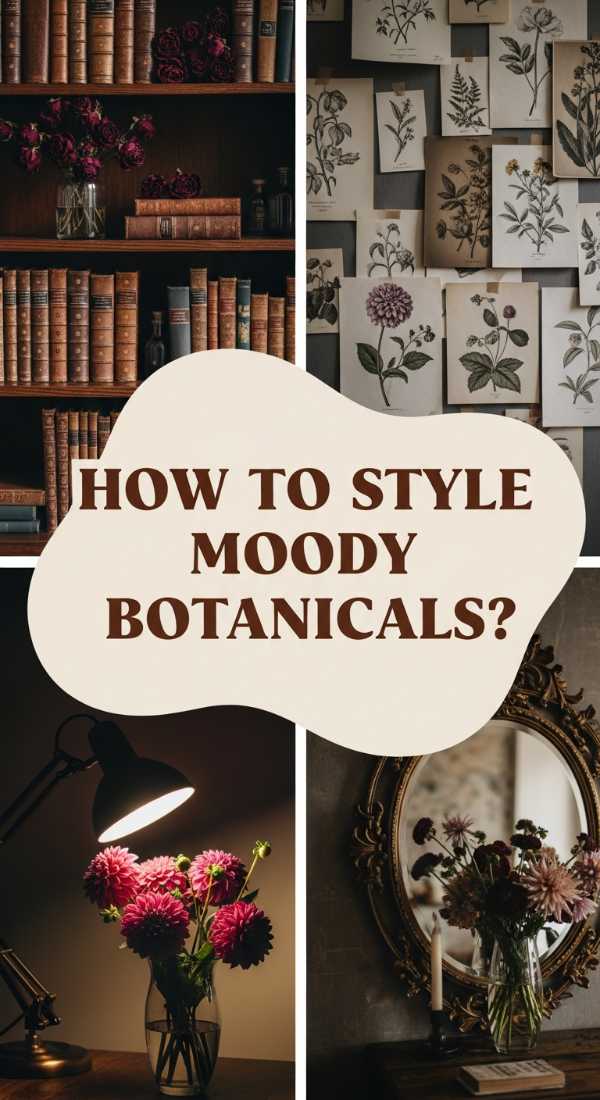
How to Curate a Moody Botanical Gallery for an Intellectual Interior Style

Why we love this
For those who prefer their greenery with a side of mystery, the moody botanical gallery is the ultimate ‘flavor profile.’ We love the sophisticated blend of deep charcoal or forest green walls paired with vintage botanical illustrations and dark, leafy plants like the ‘Raven’ ZZ or Burgundy Rubber Tree. It feels intellectual, grounded, and slightly Victorian—a perfect space for deep thought, study, and sipping espresso. It’s an aesthetic that proves botanical style can be edgy, dramatic, and incredibly chic.
Essential Elements:
- Dark accent wall (Deep Navy, Forest Green, or Charcoal)
- Gold-framed vintage botanical prints
- ‘Black’ or dark foliage plants (Black Velvet Alocasia)
- Velvet upholstery in jewel tones
- Dimmer switches for ‘low-heat’ lighting
How to make it
- Apply your ‘base coat’ of dark paint. Use a matte finish to ensure the colors don’t ‘glare.’ Let it cure for at least 48 hours for a deep, rich saturation.
- Arrange your gallery wall on the floor first to find the perfect ‘composition.’ Mix large and small frames like you would balance spices in a dish.
- Incorporate plants with ‘dark pigments.’ These plants need ‘low heat’ (low light) to maintain their deep hues; too much sun will ‘bleach’ the leaves.
- Install a dimmer switch. The visual cue for this style is ‘twilight’—the lighting should be just bright enough to see the texture of the leaves but dark enough to feel cozy.
- The room is ‘done’ when it feels like a private library in a centuries-old manor house.
How to Build a Lush Balcony Garden for a Peaceful Urban Escape

Why we love this
An urban escape is essential for maintaining a sense of peace in the city, and the lush balcony garden is our favorite ‘secret ingredient’ for urban living. We love the way climbing vines like Jasmine or Clematis can turn a cold metal railing into a living tapestry of scent and color. Sitting outside surrounded by the hum of bees and the soft rustle of leaves provides a vital connection to the cycles of nature, offering a ‘palate cleanser’ for the stress of city life. It’s your own private oxygen bar under the open sky.
Essential Elements:
- Vertical planters or wall-mounted herb gardens
- Climbing vines and a trellis
- Weather-resistant outdoor rug with a leaf motif
- Bistro set (small table and two chairs)
- Solar-powered fairy lights for ‘night blooming’
How to make it
- Assess your ‘sun levels’ (the heat of your balcony). Choose plants that thrive in your specific ‘cooking environment’ (Full Sun vs. Shade).
- Install a trellis against the wall or railing. Secure it tightly—this is the ‘structure’ that will support your climbing vines as they ‘rise’ like dough.
- Plant your vertical garden with herbs like mint, basil, and parsley. This provides ‘fresh garnishes’ for your kitchen while maximizing small square footage.
- Layer an outdoor rug to ‘ground’ the space and provide a soft texture underfoot.
- The balcony is ‘ready to serve’ when the jasmine begins to climb the trellis and the fairy lights are set to ‘auto-on’ at dusk. The visual cue is a lush ‘wall of green’ that obscures the city view.
How to Welcome Guests with an Enchanting Entryway for a Lasting First Impression

Why we love this
You never get a second chance to make a first impression, and an enchanting botanical entryway sets a ‘flavor profile’ of warmth and hospitality for your entire home. We love the way a tall, elegant plant by the door says ‘welcome’ more effectively than any rug. The subtle aroma of a woodsy candle combined with the visual freshness of a well-tended console table garden creates an immediate sense of ‘home.’ It’s a sensory greeting that tells your guests they are entering a space of peace, care, and natural beauty.
Essential Elements:
- A statement console table (wood or marble top)
- One large ‘entry plant’ (Pachira Money Tree or Olive Tree)
- A tray for keys and mail with a botanical motif
- A large mirror to double the ‘greenery’ through reflection
- A signature ‘forest’ scented candle or reed diffuser
How to make it
- Position your ‘statement plant’ first. It should be tall enough to be at shoulder-height—this is your ‘main course.’
- Place a large mirror behind the plant. This ‘reflects’ the light and foliage, making the ‘portion size’ of your garden look twice as large.
- Keep the console table ‘light.’ Do not overcrowd it; use the ‘rule of three’ (a plant, a candle, and a tray) to ensure the ‘presentation’ is clean.
- Select a scent that features ‘base notes’ of pine or cedar and ‘top notes’ of citrus. This provides an energizing ‘appetizer’ for the senses upon entry.
- The entryway is ‘done’ when you walk through the front door and feel an immediate sense of ‘cooling’ and relief.
How to Layer Textures and Petals for a Spirited Bohemian Living Room
[IMAGE_10]
Why we love this
The Bohemian living room is a ‘fusion dish’ of color, texture, and life. We love the ‘more is more’ philosophy here—where velvet meets macrame, and cacti meet rose petals. It’s a spirited, eclectic environment that feels deeply personal and creatively uninhibited. The tactile experience of layered rugs, soft floor cushions, and the ‘prickly-yet-soft’ contrast of various desert plants creates a space that is as much about ‘feeling’ as it is about ‘looking.’ It’s a celebration of the wild, bohemian spirit that lives in all of us.
Essential Elements:
- Macrame plant hangers at varying heights
- A collection of cacti and succulents in terracotta pots
- Layered Persian and shag rugs
- Floor cushions and poufs for ‘low-level’ living
- Fresh or dried flower petals scattered in decorative bowls
How to make it
- Start with your ‘base’—the floor. Layer two or three rugs of different textures to create a ‘thick, rich crust’ for the room.
- Hang macrame planters from the ceiling. The ‘timing’ here is about variation; stagger the heights so the eye ‘dances’ around the room.
- Group your cacti on a sunny windowsill. Ensure they have ‘high heat’ and well-draining soil—if the soil stays wet, the ‘roots will overcook’ and rot.
- Scatter decorative bowls filled with dried rose petals or potpourri. This adds a ‘floral garnish’ to the room’s scent profile.
- The visual cue for a perfect Boho room is ‘movement.’ If the air moves the macrame fringe and the sunlight hits the various textures, the ‘dish’ is perfectly balanced.
Cultivating Your Own Botanical Bliss
Creating a botanical-inspired home is a journey, not a destination. It’s about learning to listen to your space and your plants, adjusting the ‘ingredients’ until you find the perfect balance of light, life, and comfort. Whether you start with a single succulent on your desk or transform your entire bedroom into a goddess sanctuary, remember that the goal is to create a space that nourishes you. So, go ahead—get your hands a little dirty, breathe in the scent of fresh soil, and let your home take root in style.