
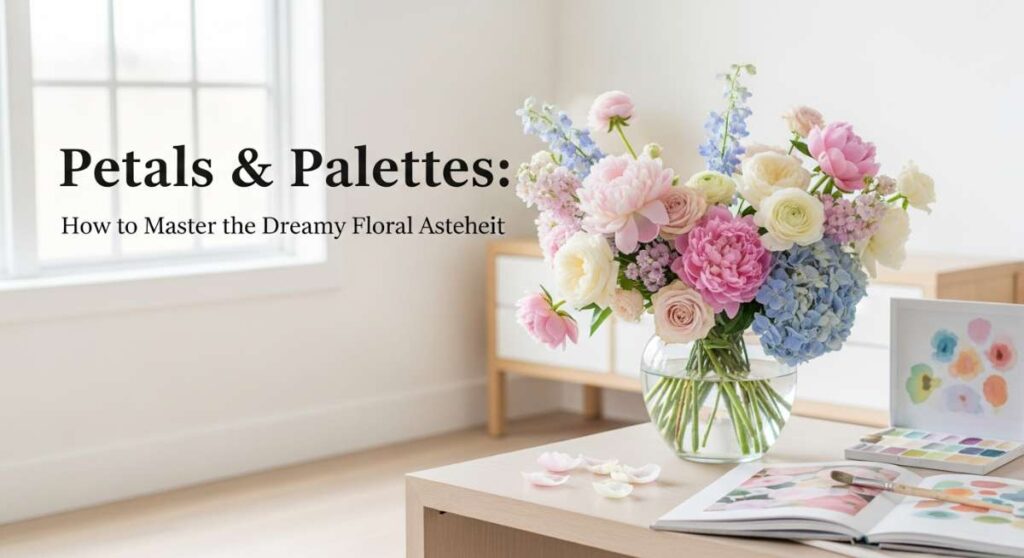
Have you ever walked into a room and felt like you were stepping into a soft, hazy daydream? There is something truly magical about the way flowers can transform a cold, sterile space into a sanctuary of warmth and soul. For me, florals aren’t just an accessory; they are the heartbeat of a home, a gentle reminder that beauty is ever-blooming and that we deserve to surround ourselves with the delicate wonders of nature every single day.
We often spend so much time focusing on the ‘practical’ side of home design—the right couch, the perfect rug, the most efficient lighting—that we forget to feed our spirits. Mastering the dreamy floral aesthetic is about more than just buying a bouquet from the grocery store. It is about texture, scent, and the intentional placement of petals to create a narrative of peace. It’s about that sigh of relief you feel when you cross your threshold and the faint scent of jasmine or the sight of a drooping peony greets you with open arms.
How to Style Flower Room Decor for a Peaceful Haven
Why we love this
Creating a peaceful haven is all about soft edges and muted tones that invite the eyes to rest. We love this approach because it uses the organic, flowing shapes of dried eucalyptus and pale lavender to break up the harsh lines of modern furniture. The scent alone is enough to lower your heart rate, providing a sensory anchor that grounds you in the present moment while the visual softness of the foliage feels like a warm hug for your room.
Essential Elements:
- Dried Eucalyptus branches (Silver Dollar or Seeded)
- Dried Lavender bundles
- Textured ceramic pitchers in cream or sand
- Fine twine or jute
- Soft linen runners
How to make it
- Begin by selecting a ceramic pitcher with a matte finish; the lack of shine helps maintain a grounded, earthy vibe. Ensure the vessel is completely dry before adding your elements.
- Take your eucalyptus branches and gently strip the bottom two inches of leaves. This allows the stems to sit flush against the bottom of the pitcher. Use a staggered height technique, cutting some stems shorter so the foliage creates a tiered, full look.
- Integrate the lavender bundles by nestling them into the center of the eucalyptus. The purple hues should peek through the dusty green like hidden gems. Visual cue: Aim for a 60/40 ratio of green to purple for the most balanced, calming effect.
- Finish by wrapping a small piece of twine around the neck of the pitcher. This adds a rustic, tactile element that bridges the gap between the plant life and the container. Place this on a linen runner to soften the surface of your table or dresser.
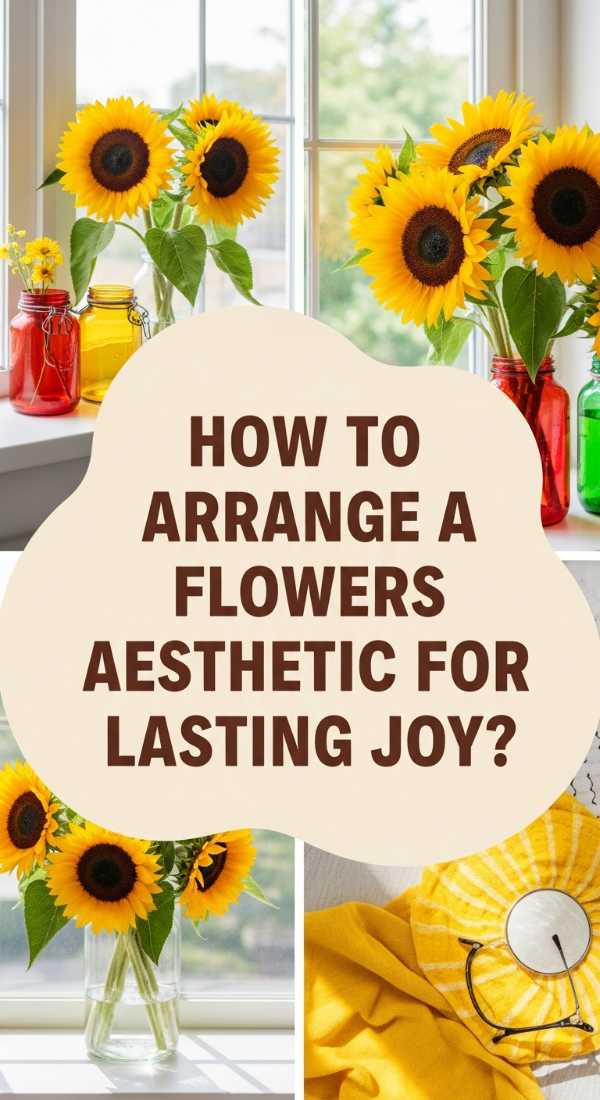
How to Arrange a Flowers Aesthetic for Lasting Joy
Why we love this
There is a specific kind of joy that comes from seeing life preserved in its peak state. This aesthetic focuses on ‘eternal’ blooms—preserved roses and hydrangeas—that maintain their vivid colors and supple textures for months. It eliminates the sadness of watching a bouquet wilt, instead offering a constant, radiant reminder of beauty. The tactile softness of a preserved petal, combined with the deep, saturated colors, creates a focal point that literally brightens the mood of any room it occupies.
Essential Elements:
- Preserved Roses in vibrant hues
- Bell-shaped glass cloche
- Wooden or marble base
- Small tweezers
- Floral foam (optional)
How to make it
- Clean your glass cloche thoroughly with a lint-free cloth. Even a small smudge can distract from the beauty of the preserved blooms inside.
- If using a marble base, you may want to use a tiny bit of floral foam or adhesive putty to secure the stems. Cut the stem of your primary preserved rose so it stands about two-thirds of the height of the dome.
- Position the main rose slightly off-center for a more dynamic, artistic look. Use tweezers to carefully place smaller petals or ‘fallen’ buds around the base to create a ‘secret garden’ narrative.
- Gently lower the glass cloche over the arrangement. Technique tip: Move slowly to avoid creating a gust of air that might shift the delicate petals. Once sealed, keep this away from direct sunlight to prevent the preserved dyes from fading over time.
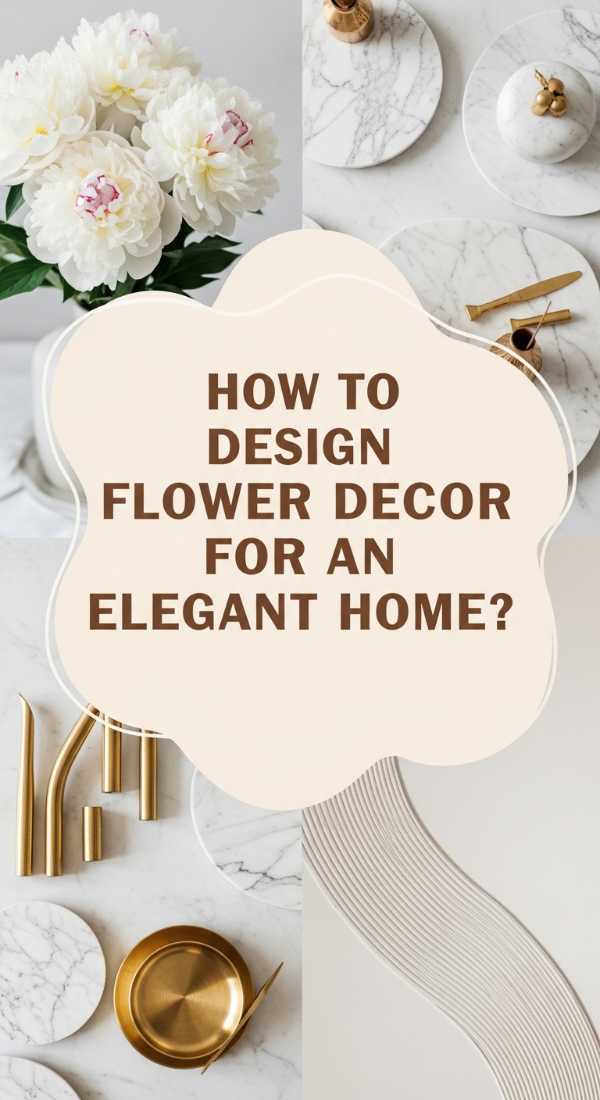
How to Design Flower Decor for an Elegant Home
Why we love this
Elegance is found in restraint and the celebration of form. This design style focuses on the ‘solitary star’—a single, magnificent bloom that commands attention through its architectural beauty. We love this because it brings a sense of high-end gallery sophistication to your living space. The interplay between the sleek glass of a bud vase and the intricate, ruffly layers of a Ranunculus or a single Lily creates a sophisticated contrast that feels both modern and timelessly romantic.
Essential Elements:
- Slender glass bud vases of varying heights
- Premium single-stem flowers (Ranunculus, Peonies, or Calla Lilies)
- Distilled water
- Floral shears
How to make it
- Fill your glass bud vases with distilled water; this keeps the water crystal clear and prevents mineral buildup, which is essential for the ‘clean’ look of an elegant home.
- Trim each stem at a 45-degree angle under running water. This creates a larger surface area for water absorption and prevents air bubbles from clogging the ‘veins’ of the flower.
- Select stems with unique curves. An elegant design embraces the natural ‘wiggle’ of a flower stem rather than trying to force it straight. Place one bloom per vase.
- Group the vases in odd numbers (three or five) on a mantle or console table. Visual cue: Space them about two inches apart so that each flower has enough ‘negative space’ to be appreciated as an individual piece of art.
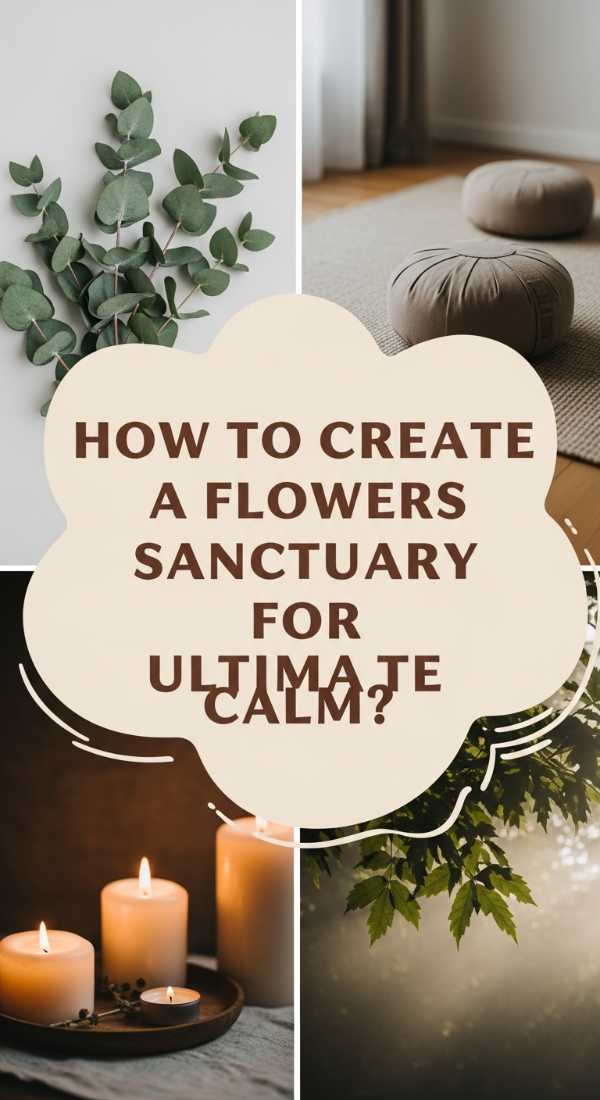
How to Create a Flowers Sanctuary for Ultimate Calm
Why we love this
A sanctuary should be a place where the outside world fades away, and nothing achieves this better than the floating floral technique. This method focuses on the water element as much as the flowers, creating a serene, pond-like atmosphere right on your bedside table. The sight of delicate petals drifting weightlessly on a clear surface is incredibly hypnotic. It encourages slow breathing and mindfulness, making it the perfect accompaniment for meditation or a peaceful night’s sleep.
Essential Elements:
- Shallow ceramic or glass bowl
- Flat-headed flowers (Camellias, Gardenias, or Daisies)
- Floating tea lights
- Essential oil (Rose or Ylang-Ylang)
How to make it
- Fill your shallow bowl with room-temperature water, leaving about half an inch of space at the top to prevent spills.
- Add two drops of your chosen essential oil to the water. This adds a subtle, therapeutic aroma that wafts upward as the water evaporates.
- Gently snip the heads off your flowers, leaving no stem at all. The flower should be able to sit flat on the water’s surface. Place them into the bowl one by one, starting from the edges and working toward the center.
- Carefully place a floating tea light in the gaps between the flowers. Tip: Light the candle after it is already in the water to avoid burning your fingers or splashing the petals. The warmth from the candle will gently amplify the scent of the oils and the fresh blooms.
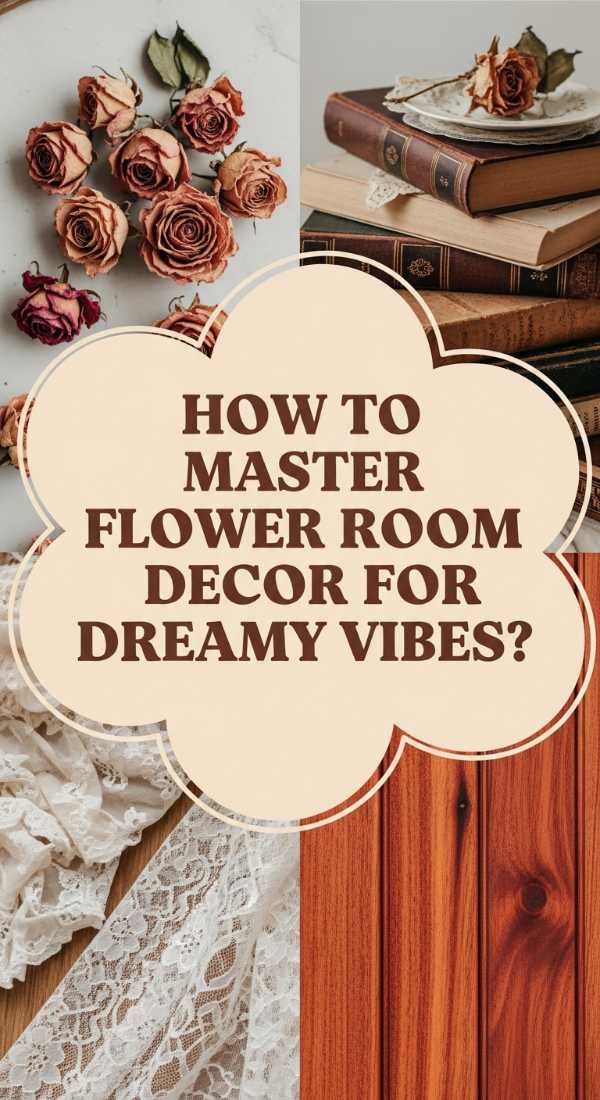
How to Master Flower Room Decor for Dreamy Vibes
Why we love this
Dreamy vibes are all about ethereal lighting and whimsical textures. By combining the soft glow of fairy lights with the organic beauty of climbing vines and blossoms, you create a space that feels like it belongs in a fairytale. We love this because it transforms the vertical space of a room—turning a plain wall into a glowing, living tapestry. The way the light catches the translucent edges of a petal at night creates a warm, amber glow that is incredibly comforting and romantic.
Essential Elements:
- Warm-white LED fairy lights (copper wire is best)
- Artificial or dried lightweight flower heads
- Clear adhesive clips or tiny nails
- Silk ivy or eucalyptus vines
How to make it
- Map out your ‘pathway’ on the wall using light pencil marks. A zigzag or a gentle ‘waterfall’ drape usually looks most organic.
- Secure your copper wire fairy lights along the path using clear adhesive clips. The copper wire is flexible, allowing you to wrap it around corners or bedposts easily.
- Weave your vines through the lights. Ensure the leaves are positioned both in front of and behind the wire to give the arrangement depth and a three-dimensional feel.
- Use a tiny dot of hot glue or clear wire to attach individual flower heads to the sections where the lights are brightest. Visual cue: When the lights are on, the flowers should appear to be ‘glowing’ from within. Check for balance by stepping back 5 feet to ensure there are no ‘dark spots’ in your floral constellation.
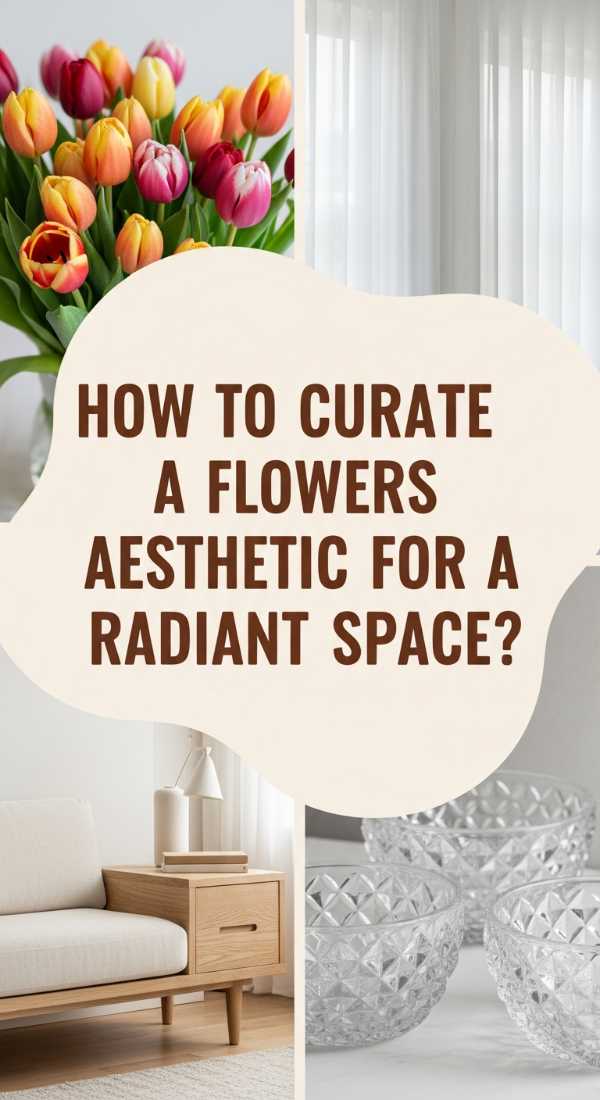
How to Curate a Flowers Aesthetic for a Radiant Space
Why we love this
A radiant space is one that feels alive with sunshine and energy. This aesthetic uses the power of ‘Sun-Catcher’ floral frames to harness natural light. By pressing flowers between glass, you capture their intricate skeletal structures and vibrant colors, allowing the sun to shine through them like stained glass. We love the way this changes throughout the day; as the sun moves, the shadows of the petals dance across your floors, bringing a dynamic, ever-changing energy to your home.
Essential Elements:
- Double-glass floating frames
- Pressed, dried flowers (Poppies and Cosmos work beautifully)
- Small tweezers
- UV-resistant glass spray (optional)
How to make it
- Ensure your flowers are completely flat and moisture-free. You can achieve this by pressing them in a heavy book between sheets of parchment paper for 7-10 days. Visual cue: The petals should feel like fine tissue paper and have no ‘give’ when gently squeezed.
- Open your floating frame and lay it flat on a soft cloth to avoid scratching the glass. Use tweezers to arrange your pressed flowers on the bottom pane. Creating a ‘growing upward’ composition from the bottom corner looks most natural.
- Once satisfied with the arrangement, very slowly lower the top pane of glass. If the flowers shift, use the tweezers to nudge them back into place before locking the frame.
- Place the frame in a window that receives indirect but bright light. Avoid harsh, direct noon-day sun to prevent the colors from bleaching too quickly. The light passing through the petals will create a radiant, glowing effect in the room.
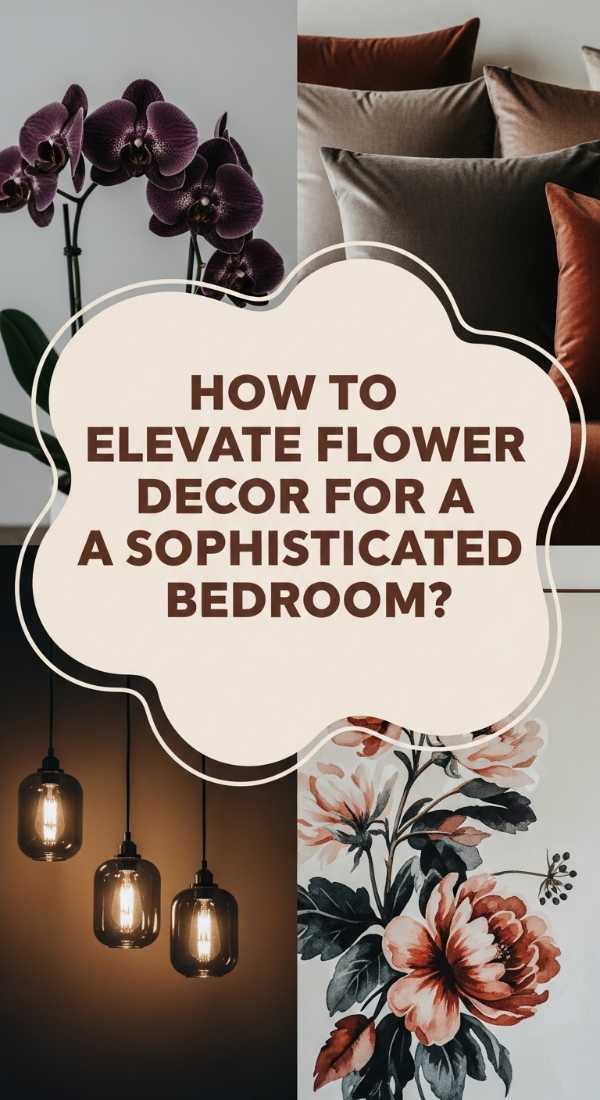
How to Elevate Flower Decor for a Sophisticated Bedroom
Why we love this
Sophistication in the bedroom comes from the fusion of luxury and nature. This approach uses high-quality silk florals in deep, moody palettes like burgundy, navy, and dusty rose, paired with velvet accents. We love this because it feels indulgent and permanent; it’s a ‘forever’ bouquet that adds a sense of weighted luxury to a bedside table or vanity. The rich textures of the silk mimic the softness of real petals but offer a structured, architectural look that feels curated and high-end.
Essential Elements:
- High-end silk peonies or dahlias
- Heavy glass or metallic gold vase
- Floral wire cutters
- Scented drawer liners (to mimic the floral smell)
How to make it
- Select silk flowers with ‘real-touch’ technology—these have a latex coating that mimics the moisture and texture of a real petal.
- Bend the wire stems rather than cutting them initially. This allows you to adjust the height as you experiment with different vases. For a sophisticated look, the flower heads should sit just 1-2 inches above the rim of the vase, creating a dense, lush ‘cloud’ of color.
- Mix in one or two ‘moody’ elements, like a sprig of dark berries or a single deep chocolate-colored leaf. This breaks up the monotone and adds a professional, designer touch.
- To truly elevate the experience, place a scented drawer liner or a hidden sachet of rose petals near the arrangement. Since the flowers are silk, the unexpected scent creates a delightful sensory ‘illusion’ of freshness.
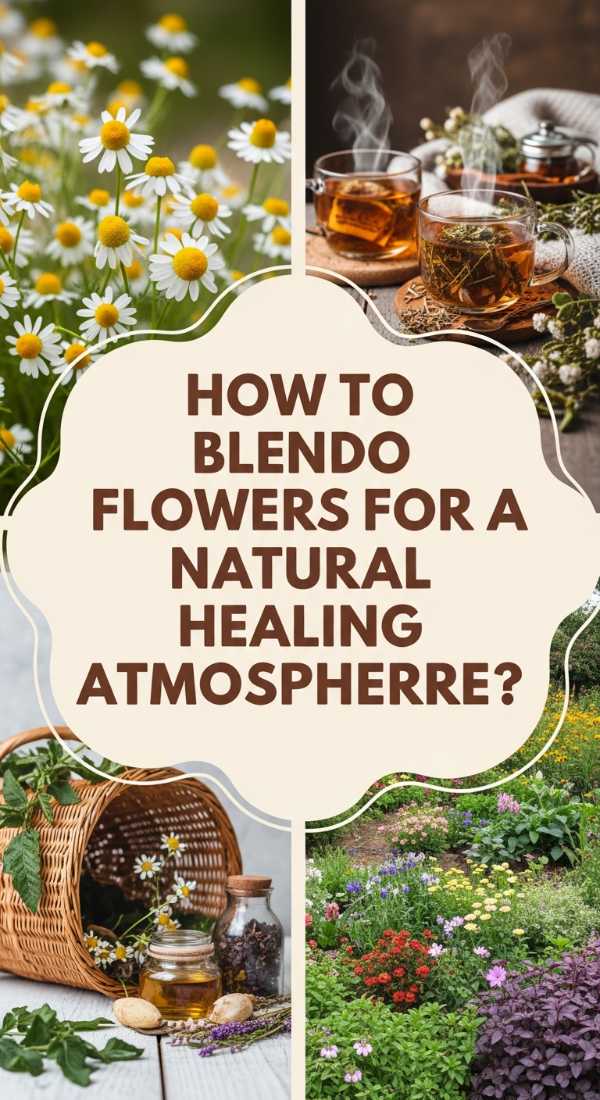
How to Blend Flowers for a Natural Healing Atmosphere
Why we love this
Healing spaces are rooted in the connection between flora and wellness. This aesthetic blends traditional flowers with medicinal herbs like rosemary, thyme, and mint. We love this because it treats the floral arrangement as a functional piece of art. The sharp, clean scent of the herbs clears the mind, while the soft beauty of the flowers soothes the eyes. It feels like a ‘kitchen garden’ brought indoors—a celebration of growth, health, and the nurturing power of the earth.
Essential Elements:
- Fresh-cut wildflowers
- Sprigs of Rosemary and Mint
- Amber glass jars (to protect the ‘apothecary’ vibe)
- Natural raffia ribbon
How to make it
- Strip the lower leaves of your herbs to prevent them from rotting in the water. Bruise the remaining leaves slightly with your fingernail before placing them in the jar; this releases the essential oils and maximizes the healing aroma.
- Fill an amber glass jar with cool water. The amber glass gives an old-world apothecary feel that fits the healing theme perfectly.
- Insert the herbs first to create a ‘nest.’ Then, tuck your wildflowers into the gaps. The structured stems of the rosemary provide excellent natural support for the more delicate wildflower stems.
- Tie a piece of natural raffia around the jar in a simple bow. Place this in a kitchen window or a bathroom—places where the steam or heat will help carry the herbal scents through the air.
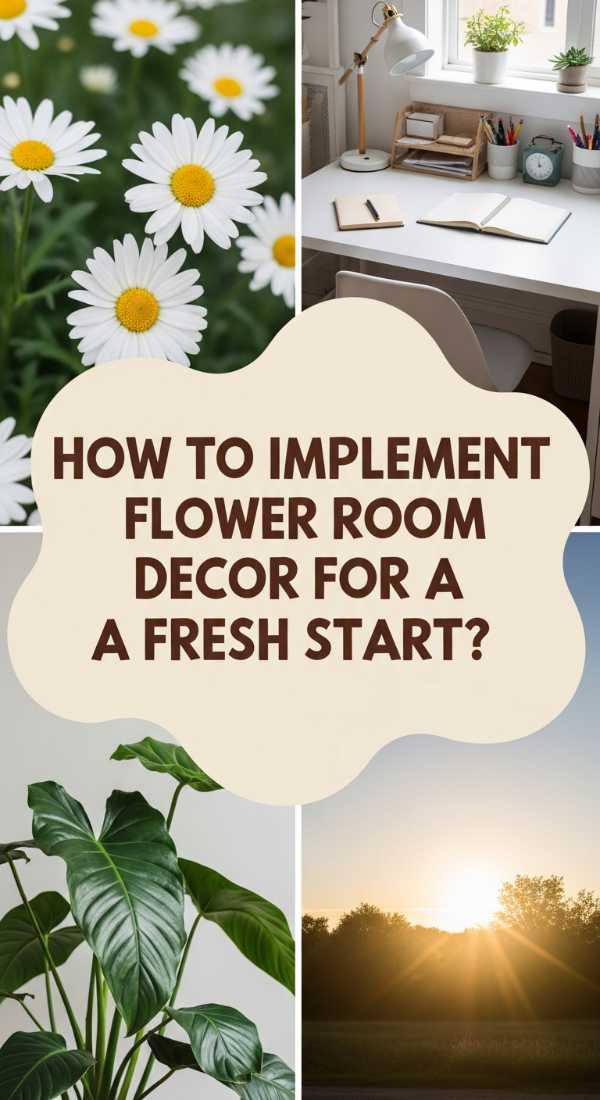
How to Implement Flower Room Decor for a Fresh Start
Why we love this
A fresh start calls for a miniature ecosystem—a world in a bottle. The floral terrarium represents rebirth and the cycle of life. We love this because it’s a self-contained universe that requires your care and attention, symbolizing the nurturing of new goals or phases of life. Watching a tiny bud open inside a glass orb is a powerful metaphor for personal growth. The humid, earthy scent when you open the lid is a reminder of the fertile ground from which all new beginnings grow.
Essential Elements:
- Large glass jar or terrarium vessel
- Pebbles and activated charcoal (for drainage)
- Potting soil
- Live moss and miniature flowering plants (like African Violets)
How to make it
- Layer the bottom of your glass vessel with one inch of pebbles, followed by a thin layer of activated charcoal. This is crucial for a ‘fresh’ environment as it prevents mold and filters the water.
- Add two inches of high-quality potting soil. Use a long spoon to create small divots where your plants will go.
- Nestle the moss around the edges first. Then, carefully transplant your miniature flowering plant into the center. Ensure the roots are fully covered and the soil is pressed down firmly.
- Mist the interior lightly with a spray bottle—don’t overwater! Visual cue: The glass should have a very light fog on one side, indicating a healthy ‘rain cycle’ within the jar. Place the lid on and watch your miniature sanctuary thrive.
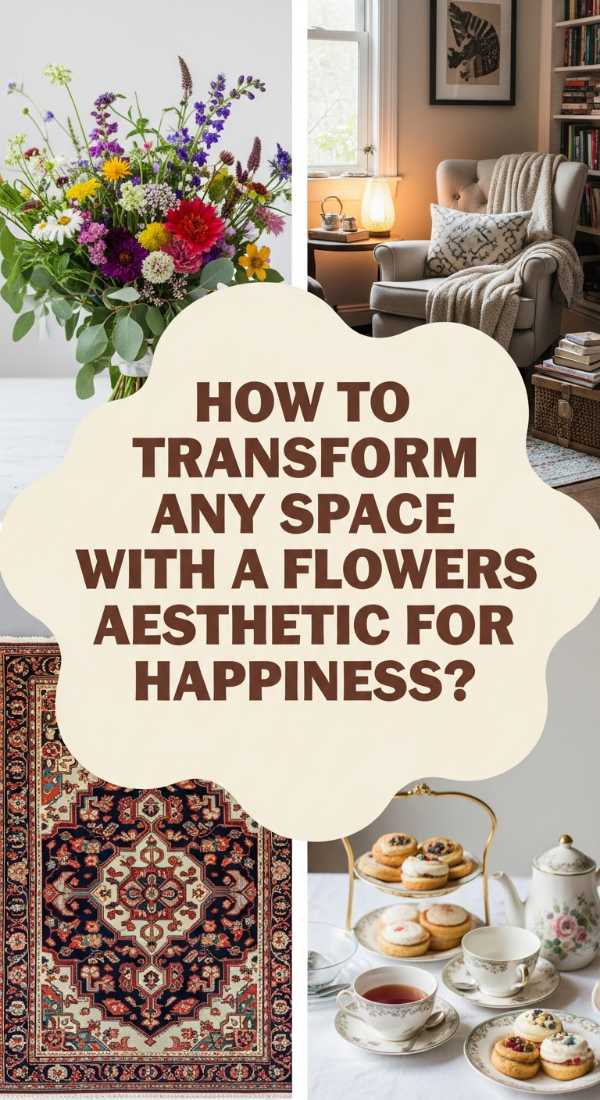
How to Transform Any Space with a Flowers Aesthetic for Happiness
[IMAGE_10]
Why we love this
Happiness is often found in the spectrum of color. This ‘Rainbow Gradient’ technique is designed to trigger an immediate dopamine release. We love this because it uses color therapy to transform a dull corner into a celebration of life. By arranging flowers in a transition from warm reds to cool purples, you create a visual rhythm that is incredibly satisfying to the brain. It’s bold, it’s bright, and it’s an unapologetic statement that your home is a place of joy and creative energy.
Essential Elements:
- A long, rectangular planter or a series of identical small vases
- Flowers in every color of the rainbow (Carnations and Mums are great for color variety)
- Floral foam (soaked)
How to make it
- If using a long planter, fit the soaked floral foam snugly inside. The foam should be level with the rim.
- Start at the far left with your deepest reds. Trim the stems short so the flower heads sit close to the foam, creating a dense ‘carpet’ of color.
- Move to oranges, then yellows, then greens (using foliage), blues, and finally purples. Technique tip: ‘Overlap’ the colors slightly. For example, place a few yellow-orange blooms between the pure orange and pure yellow sections to create a seamless, professional gradient.
- Ensure there are no gaps where the foam is visible. Visual cue: The arrangement should look like a solid, vibrant bar of color. Place this on a dining table or a wide windowsill where it can be the undisputed star of the room.
Conclusion
Mastering the dreamy floral aesthetic isn’t about perfection; it’s about the feeling a space gives you when you walk into it. Whether you choose the sophisticated luxury of silk or the healing power of fresh herbs, flowers have a unique ability to soften the edges of our lives. I hope these ideas inspire you to bring a little more bloom into your world. Remember, your home is your canvas—don’t be afraid to paint it with petals!