
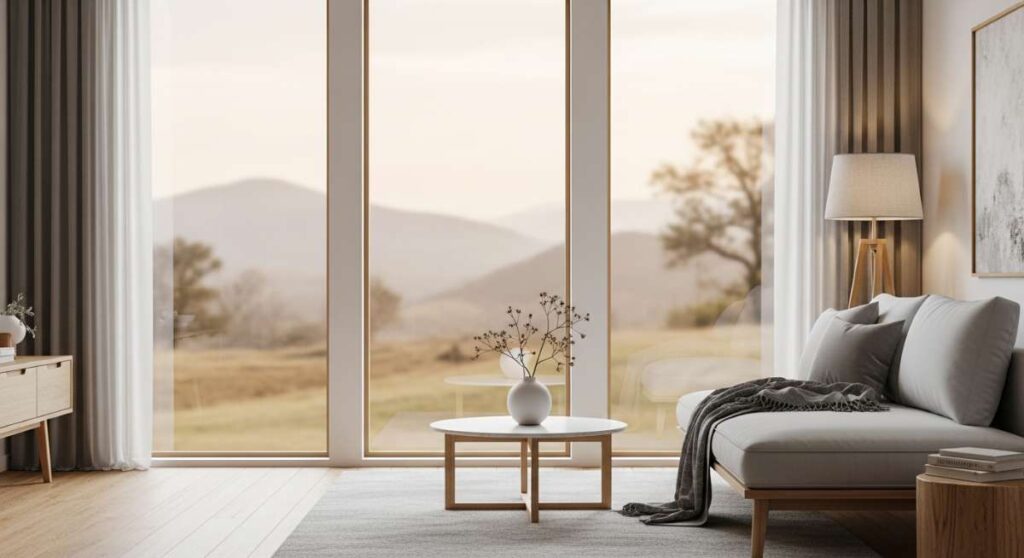
Minimalist Magic: How to Build a Warm and Inviting Home Haven
There is a specific kind of magic that happens when you walk into a room that breathes. You know the feeling—the immediate drop in your shoulders, the deep exhale, and the sense that the world’s noise has finally been dialed down to a whisper. For years, I thought minimalism meant cold white walls and uncomfortable chairs, but I’ve discovered that true minimalism isn’t about subtraction for the sake of emptiness; it’s about clearing the physical clutter to make room for emotional warmth. It is the art of choosing only what serves your soul and arranging it with intention.
Creating a cozy minimalist haven is about finding that perfect equilibrium between ‘clean’ and ‘lived-in.’ It’s the scent of a beeswax candle flickering on a reclaimed wood table, the soft touch of a chunky knit throw against a linen sofa, and the way the afternoon sun hits a single, well-placed ceramic vase. In this guide, I’m sharing my secrets for transforming your space into a sanctuary that feels both curated and incredibly inviting. Let’s dive into how we can turn your home into the ultimate retreat.
How to Style a Small Apartment Living Room for Maximum Cozy Vibes
Why we love this
Styling a small space requires a delicate touch that prioritizes comfort without overwhelming the senses. We love this approach because it transforms a cramped footprint into a snug embrace, using the aroma of cedarwood and the soft glow of floor lamps to create a multi-sensory experience. Imagine sinking into a plush velvet seat while the texture of a jute rug tickles your feet, creating a grounded, earthy atmosphere that makes the four walls feel like a protective cocoon rather than a constraint. It is the ultimate way to reclaim your peace in an urban environment.
Essential Elements:
- Low-profile modular sofa
- Multi-functional nesting tables
- Sheer linen floor-to-ceiling curtains
- Warm-toned LED ambient lighting
- Textured throw pillows in oatmeal and sage
How to make it
- Assess the natural light flow by observing the room at noon; ensure no heavy furniture blocks the primary light source to maintain a sense of openness.
- Position your largest piece of furniture, usually the sofa, against the longest wall to anchor the room, leaving a three-inch gap to allow for air circulation and ‘visual breathing room.’
- Layer your lighting by placing a tall floor lamp in a corner and a small task light on a side table, ensuring all bulbs are in the 2700K color temperature range for a golden, ‘golden hour’ glow.
- Integrate soft textures by draping a heavy-knit blanket over the arm of the chair, ensuring the fabric spills naturally to create an effortless, inviting look.
- Finish the space by adding a single large-scale botanical, like a Monstera or Olive tree, to provide a living element that draws the eye upward and adds freshness.
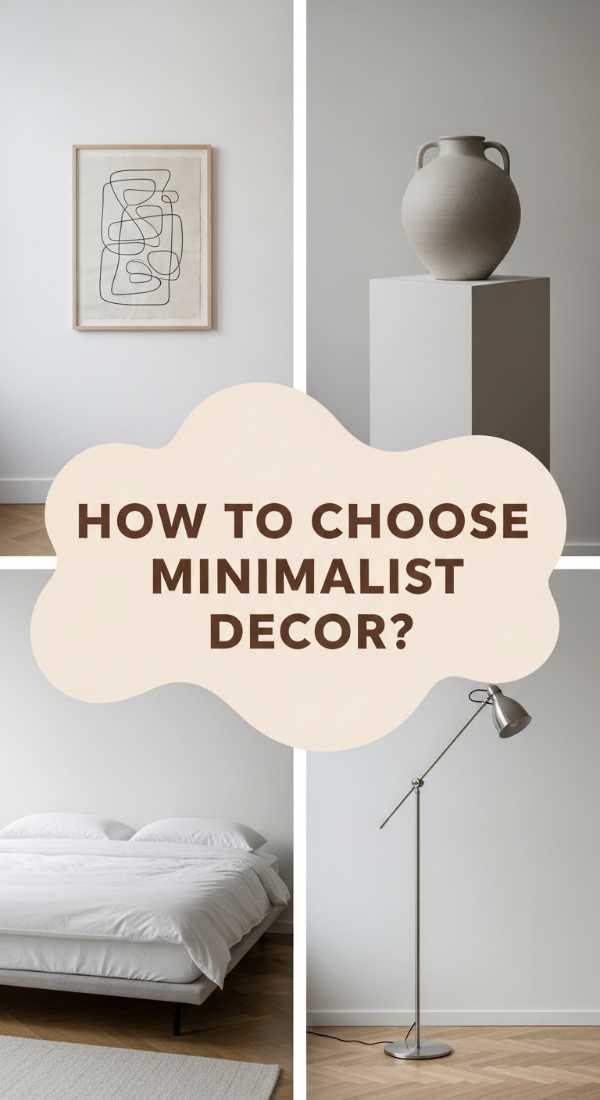
How to Choose Minimalist Room Decor for an Effortless Aesthetic
Why we love this
Selecting minimalist decor is an exercise in mindfulness, focusing on the tactile quality of every object you bring into your home. We love this method because it highlights the raw beauty of materials—the grain of the wood, the coolness of stone, and the weave of the fabric. When you walk into a room styled this way, there is a profound sense of harmony and ‘quiet luxury’ that doesn’t scream for attention but rather invites you to linger and appreciate the subtle details. It creates a visual palette that is incredibly soothing to the eyes after a long day of digital stimulation.
Essential Elements:
- Hand-crafted ceramic vases
- Abstract line art in thin wooden frames
- Sculptural stone coasters
- Sustainable wooden decorative bowls
- Organic cotton window treatments
How to make it
- Select a restricted color palette of 3-4 neutral shades (like cream, taupe, charcoal, and sand) to act as your ‘base ingredients’ for the entire room.
- Curate your surfaces by applying the ‘Rule of Three,’ grouping objects of varying heights and textures together to create a balanced visual vignette without cluttering the space.
- Evaluate each decorative item based on its utility and beauty; if an object does not serve a purpose or spark a specific memory, remove it from the ‘cooking’ process of your room.
- Install minimalist wall art at eye level (approximately 57 inches from the floor) to ensure the visual weight is grounded and the room feels anchored.
- Review the ‘doneness’ of the room by standing in the doorway; if your eye catches on a specific spot that feels busy, remove one item until the visual flow feels continuous and smooth.
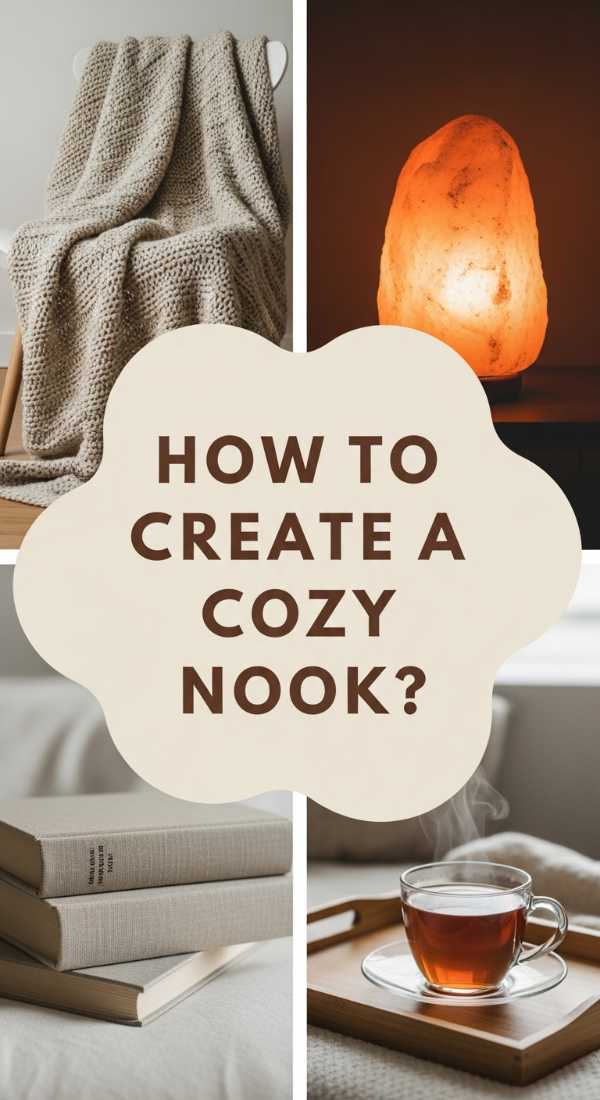
How to Create a Cozy Minimalist Nook for Pure Relaxation

Why we love this
There is something deeply restorative about having a dedicated corner for doing absolutely nothing. This nook style is a favorite because it creates a micro-environment of tranquility, where the smell of herbal tea and the soft feel of a high-pile rug signal to your brain that it’s time to unplug. It’s a sensory retreat that uses physical boundaries—like a strategically placed bookshelf or a tall plant—to carve out a zone of pure, unadulterated relaxation within a larger living area. It’s where your favorite stories come to life and your morning coffee tastes just a little bit better.
Essential Elements:
- Overstuffed reading chair or floor cushion
- Small, stable wooden stool for drinks
- Dimmable wall sconce
- Hand-woven wool rug
- A stack of 2-3 linen-bound books
How to make it
- Identify a quiet corner near a window or a low-traffic area of the house to serve as your foundation for this ‘relaxation recipe.’
- Place a plush rug down first to define the zone; ensure it is soft enough to encourage sitting on the floor or resting your bare feet comfortably.
- Install your lighting source at a height that allows you to read without strain, opting for a swing-arm sconce that provides direct but warm illumination.
- Layer your seating with a lumbar pillow for physical support and a cashmere or wool throw for thermal comfort, ensuring the textures contrast for visual depth.
- Set the ‘timer’ for your relaxation by keeping a dedicated spot for your phone to stay out of reach, allowing the physical elements of the nook to keep you grounded in the present.
How to Design a Minimalist Home for a Clutter-Free Life
Why we love this
Designing for a clutter-free life isn’t about hiding your belongings; it’s about creating a system that honors them. We love this philosophy because it reduces the mental load of home maintenance, allowing the architecture and the natural light to be the stars of the show. Imagine a kitchen where the counters are bare and the air feels light, or a bedroom where the only thing on the nightstand is a single glass of water. This approach fosters a sense of clarity and freedom, making your home a place of replenishment rather than a list of chores waiting to be done.
Essential Elements:
- Hidden storage solutions (built-ins or ottomans)
- Uniform organizational bins
- Wall-mounted shelving
- Cable management systems
- A ‘one-in, one-out’ lifestyle rule
How to make it
- Audit every room by category, removing anything that is broken, unused, or redundant to ensure only ‘high-quality ingredients’ remain in your home.
- Implement ‘closed storage’ for items that are necessary but not aesthetically pleasing, such as electronics, documents, or cleaning supplies, using sleek, handle-less cabinetry.
- Organize the interior of your cabinets with uniform containers, labeling them clearly to ensure that every object has a ‘home’ and returns to it after use.
- Clear all horizontal surfaces—tables, counters, and desks—of non-essential items to create a visual sense of ‘readiness’ and calm.
- Establish a daily 10-minute ‘reset’ routine where you clear any surface-level clutter, ensuring the minimalist integrity of the design is maintained over time.
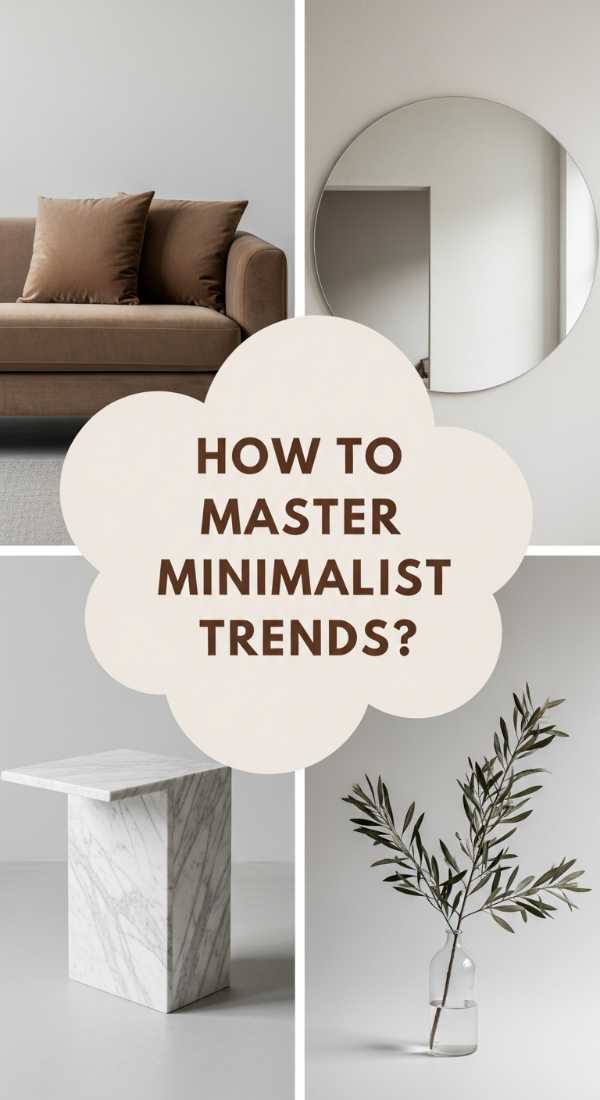
How to Master Living Room Decor Minimalist Trends for Modern Elegance
Why we love this
Modern minimalist trends bring a sophisticated, architectural edge to the home that feels incredibly polished yet welcoming. We love the way this style plays with proportions—the contrast between a low, heavy stone coffee table and the airy height of a vaulted ceiling. It creates a sense of ‘curated elegance’ where every piece feels like a work of art. The scent of high-end soy candles and the sight of perfectly balanced negative space give the room a gallery-like feel that still encourages you to put your feet up and stay a while. It’s the perfect blend of high-fashion and home-comfort.
Essential Elements:
- Bouclé or high-texture upholstery
- Matte black hardware accents
- Travertine or marble coffee table
- Curved furniture silhouettes
- Oversized, minimalist wall clocks or mirrors
How to make it
- Incorporate ‘organic curves’ by choosing a sofa or armchair with rounded edges to soften the stark lines typically associated with modern minimalism.
- Apply a ‘high-contrast’ technique by pairing light fabrics with dark, matte accents (like a black metal lamp against a white wall) to create visual interest without using color.
- Select one ‘statement piece’—a sculptural chair or a unique coffee table—to act as the focal point of the room, keeping all other elements understated to support it.
- Use mirrors strategically across from windows to double the perceived depth of the room and increase the intensity of natural light during the day.
- Style your coffee table with a single, large-format art book and a small stone tray to maintain an elegant, uncluttered appearance that feels intentional.
How to Arrange a Minimalist Living Room in Small Spaces for Better Flow
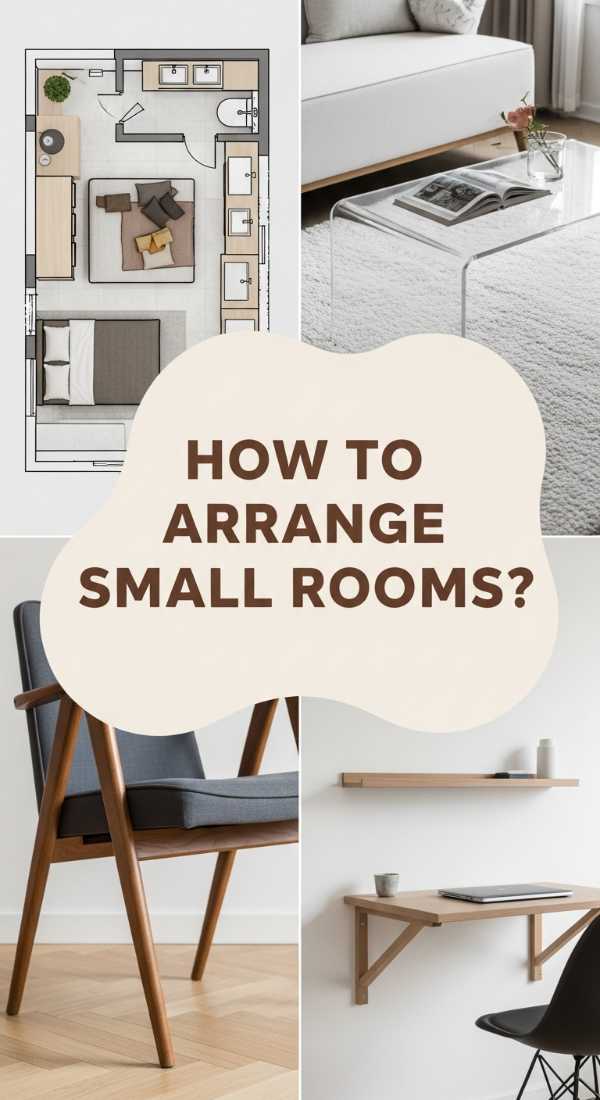
Why we love this
Optimizing flow in a small space is like perfecting a recipe—it’s all about the right ratios. We love this arrangement because it prioritizes movement and energy, ensuring that even the smallest room feels spacious and breathable. By focusing on sightlines and clear pathways, you create a home that feels intuitive to navigate. The feeling of moving through a well-arranged room is one of ease; there are no corners to bump into or cluttered paths to navigate, just a smooth, logical progression from one cozy area to the next.
Essential Elements:
- Leggy furniture that shows the floor
- Clear acrylic or glass tables
- Wall-mounted television and media console
- Circular area rugs
- Strategic placement of indoor plants
How to make it
- Measure your walking paths; ensure there is at least 30 inches of ‘clearance’ between furniture pieces to allow for comfortable movement without feeling squeezed.
- Choose furniture with ‘legs’ rather than ‘skirts’ or solid bases; seeing the floor continue under the sofa tricks the eye into believing the room is larger than it is.
- Orient your seating to face a focal point—like a window or a fireplace—to create a natural sense of direction and purpose for the room’s layout.
- Utilize vertical space by mounting shelves or lighting, which keeps the floor clear and draws the eye upward, enhancing the feeling of height and airiness.
- Check the ‘balance’ of the room by ensuring furniture weight is distributed evenly; don’t push everything against one wall, as this creates a ‘heavy’ side that disrupts the flow.
How to Blend Minimalist Cozy Elements for a Warm Atmosphere

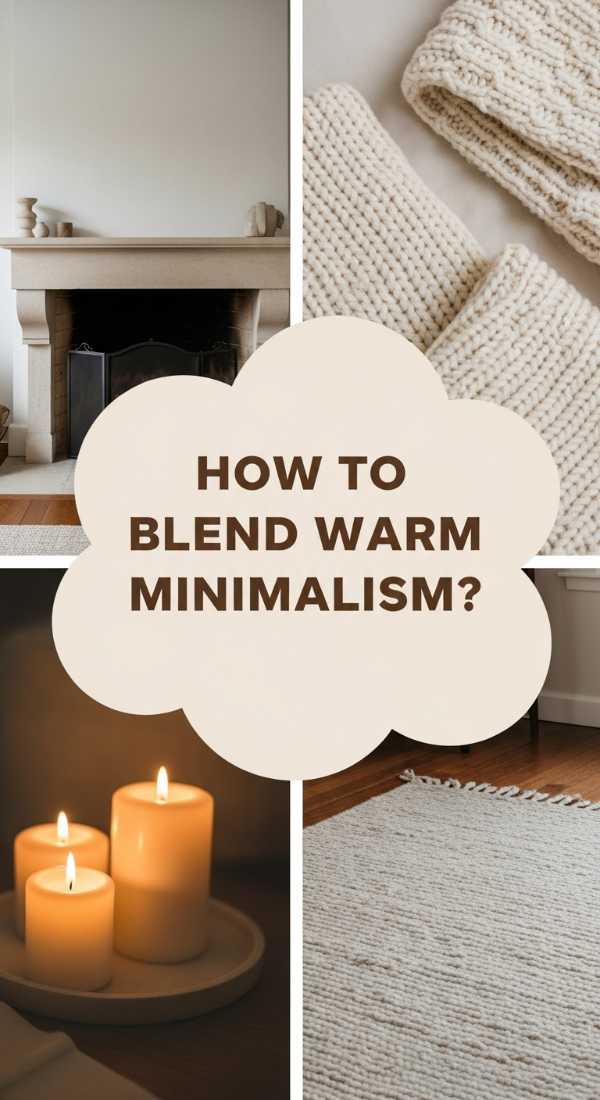
Why we love this
Blending minimalism with coziness—often called ‘Warm Minimalism’—is the secret to a home that feels both clean and soulful. We love this because it softens the edges of modern design with the richness of natural materials. Think of the warmth of honeyed oak against a backdrop of crisp white, or the inviting crunch of a sisal rug. It creates an atmosphere where you feel ‘held’ by your surroundings. The sensory combination of soft music, the subtle aroma of eucalyptus, and the physical warmth of layered textiles makes this style universally beloved and timelessly chic.
Essential Elements:
- Warm-toned woods (oak, walnut, maple)
- Layered textiles in varying weights
- Hand-poured soy candles in amber jars
- Dried floral arrangements (pampas grass or eucalyptus)
- Soft, indirect backlighting
How to make it
- Begin with a ‘cool’ minimalist base (clean lines and neutral colors) and gradually ‘heat it up’ by adding warm wood tones through side tables or picture frames.
- Layer your textiles by placing a smaller, plush sheepskin rug over a larger, flat-weave jute rug to add immediate tactile warmth and visual complexity.
- Introduce ‘life’ through dried botanicals which offer the beauty of nature without the high maintenance, adding an organic, slightly rustic touch to the clean space.
- Switch your light bulbs to ‘dim-to-warm’ versions, allowing you to lower the light levels in the evening to mimic the cozy flicker of a fireplace.
- Scent the air with natural essential oils like sandalwood or vanilla, which provide a ‘warm’ olfactory layer that completes the cozy minimalist experience.
How to Transform a Minimalist Room for Serene Living

Why we love this
Transforming a room for serenity is about creating a visual ‘pause button’ for your life. We love this transformation because it focuses on the psychological impact of design—how a lack of visual noise can lead to a lack of mental noise. The serenity comes from the symmetry, the muted tones, and the emphasis on natural elements that connect us to the world outside. It’s a space where you can meditate, reflect, or simply breathe, surrounded by a gentle environment that supports your well-being. It’s not just a room; it’s a state of mind.
Essential Elements:
- Low-to-the-ground furniture
- Neutral, monochromatic color palette
- Natural fiber window shades
- Minimalist indoor water feature or sound machine
- Zero-clutter surfaces
How to make it
- Remove all ‘visual clutter’—including small trinkets, excess pillows, and complex patterns—to create a clean slate that allows the mind to rest.
- Implement a monochromatic color scheme using different shades of the same color (e.g., five shades of beige) to create a seamless, non-distracting environment.
- Lower the height of your furniture; seating that is closer to the ground creates a more stable, ‘grounded’ feeling that is conducive to relaxation and serenity.
- Incorporate ‘biophilic’ design by placing a single, healthy green plant in a ceramic pot, providing a living connection to nature that purifies the air and calms the spirit.
- Use light-filtering window treatments that block out the chaos of the outside world while still allowing a soft, ethereal glow to permeate the room.
How to Refresh Small Living Room Ideas for an Airy Feel
Why we love this
Refreshing a small room to make it feel ‘airy’ is like opening a window on a spring morning—it’s invigorating and restorative. We love this approach because it uses light and transparency to defy physics, making small footprints feel expansive. The airy feel is achieved through the bounce of light off pale surfaces and the use of ‘breathable’ materials like rattan and linen. It creates a space that feels optimistic and bright, where even on a cloudy day, the room feels like it’s filled with soft, diffused sunshine. It’s the perfect antidote to ‘cabin fever.’
Essential Elements:
- White or very light grey wall paint
- Rattan or cane furniture details
- Clear glass or polished metal accents
- Lightweight, semi-sheer fabrics
- Wall-mounted mirrors
How to make it
- Paint the walls and ceiling the same shade of off-white to eliminate the ‘horizon line,’ which makes the ceiling feel higher and the walls feel further apart.
- Swap out heavy wooden furniture for pieces with ‘transparency,’ such as a glass-topped coffee table or a rattan chair that allows light to pass through it.
- Keep the windows as clear as possible; if privacy is needed, use ‘top-down, bottom-up’ shades that allow light to enter from the top while maintaining coverage.
- Declutter the floor entirely—avoid storage baskets or stacks of books on the ground—to maximize the visible square footage of the flooring.
- Add a ‘pop’ of life with a tall, slender plant like a Fiddle Leaf Fig or a Snake Plant, which adds color without taking up significant horizontal space.
How to Curate a Cozy Minimalist Living Room on a Budget
[IMAGE_10]
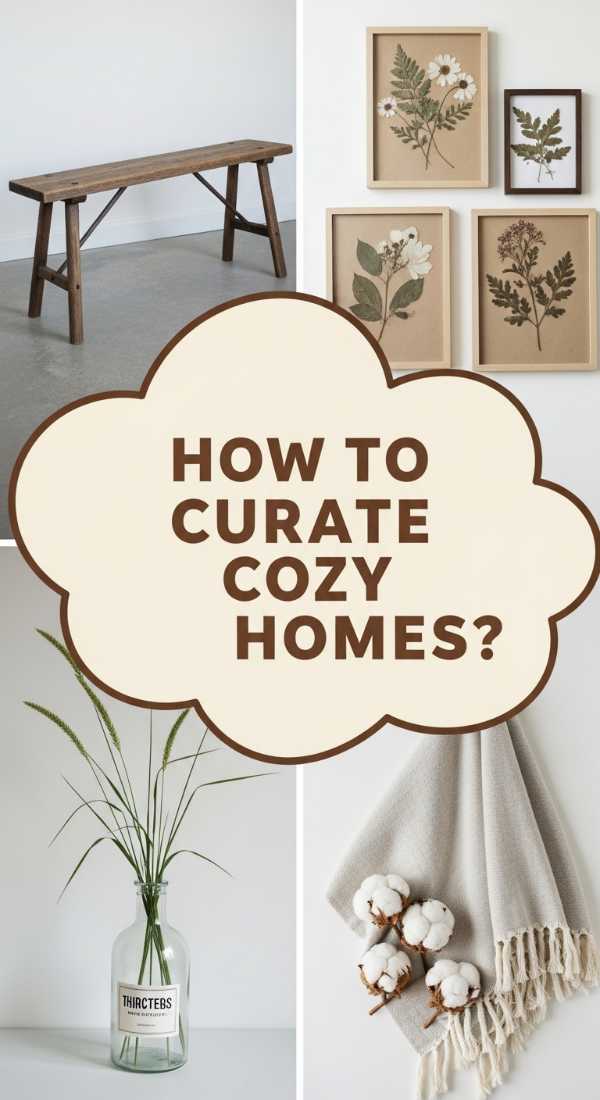
Why we love this
Curating on a budget proves that style isn’t about how much you spend, but how much you care. We love this because it encourages creativity and intentionality, forcing you to hunt for the perfect pieces rather than buying a whole set from a showroom. The result is a home that feels ‘collected’ rather than ‘bought.’ There is a unique satisfaction in finding a vintage wooden stool or DIY-ing a piece of abstract art that perfectly fits your minimalist vision. It makes the ‘cozy’ factor feel more authentic because every item has a story and a reason for being there.
Essential Elements:
- Thrifted wooden furniture
- DIY framed textile art
- Multi-purpose furniture items
- Upcycled ceramic vases (spray-painted matte)
- Affordable cotton or linen-blend throws
How to make it
- Shop your own home first; move items between rooms to see them in a new light and ‘prep’ your space by removing what no longer fits your vision.
- Visit thrift stores specifically looking for ‘good bones’—solid wood furniture with clean lines that can be sanded down or painted a neutral matte color.
- Create your own ‘minimalist art’ by framing a piece of textured fabric or a simple line drawing, providing a high-end look for the cost of a basic frame.
- Focus your budget on ‘touchpoints’—the items you interact with most, like a soft blanket or a high-quality pillow—while saving on purely decorative items.
- Use plants to ‘fill’ empty corners; they are an affordable way to add life, color, and texture to a room without needing expensive decor or furniture.
The Heart of the Haven
Building a warm and inviting home haven isn’t a project with a finish line; it’s a living, breathing reflection of your journey toward simplicity and peace. By choosing quality over quantity and comfort over trend, you create a space that doesn’t just look good on a screen, but feels good in your soul. Remember, the ‘magic’ in minimalist magic comes from the intention you pour into every corner. Your home should be the place where you can finally be your truest, most relaxed self. Happy nesting!