
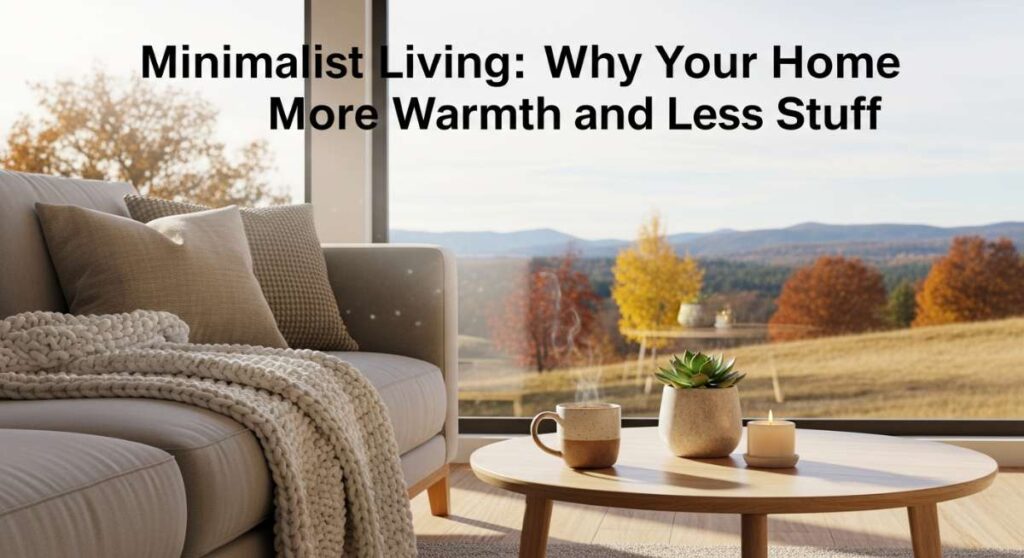
Minimalist Living: Why Your Home Needs More Warmth and Less Stuff
Have you ever walked into your home after a long day and felt your shoulders hike up to your ears instead of dropping in relief? I’ve been there—tripping over shoes I haven’t worn in a year and looking at shelves crowded with ‘knick-knacks’ that only serve as dust collectors. We’ve been told for years that ‘more is more,’ but my soul was craving space, light, and a sense of calm that I just couldn’t find amidst the clutter.
Transitioning to a cozy minimalist lifestyle isn’t about living in a cold, white box; it’s about curating a space that breathes. It’s about keeping only what serves your joy and your function, then wrapping those essentials in layers of warmth. When we clear the physical noise, we finally make room for the emotional quiet we all deserve. Let’s explore how to transform your home into a sanctuary that feels both curated and incredibly inviting.
How to Create a Cozy Minimalist Living Room for Ultimate Serenity

Why we love this
There is something deeply restorative about a room that doesn’t demand your attention with clutter. We love this approach because it focuses on the sensory experience—the way a plush, cream-colored rug feels under your bare feet or the gentle scent of a beeswax candle flickering on a clean oak coffee table. It’s a design philosophy that prioritizes your peace of mind, using soft textures and a muted palette to create a visual lullaby that helps you decompress the moment you sit down.
Essential Elements:
- Neutral-toned linen sofa with deep seating
- Natural wood coffee table with a matte finish
- High-pile wool or jute rug for grounding
- Organic cotton throw blankets in earth tones
- Dimmable warm-toned floor lamps
How to make it
- Begin by stripping the room of all small decorative objects. Emptying the space allows you to see the architectural bones of the room without distraction.
- Place your largest piece of furniture, the sofa, facing the primary focal point—usually a window or a fireplace—ensuring there is at least 30 inches of walking space around it to maintain a ‘breathable’ flow.
- Layer in a large area rug that tucks under the front legs of all seating furniture; this ‘anchors’ the room and prevents it from feeling disjointed or cold.
- Introduce texture through textiles rather than color. Choose two blankets of different weaves (like a chunky knit and a smooth linen) and drape them intentionally over the arm of the chair to create an inviting, lived-in look.
- Switch all light bulbs to ‘warm white’ (2700K) and place lamps at eye level rather than using overhead lighting to create soft shadows and a cozy evening ambiance.
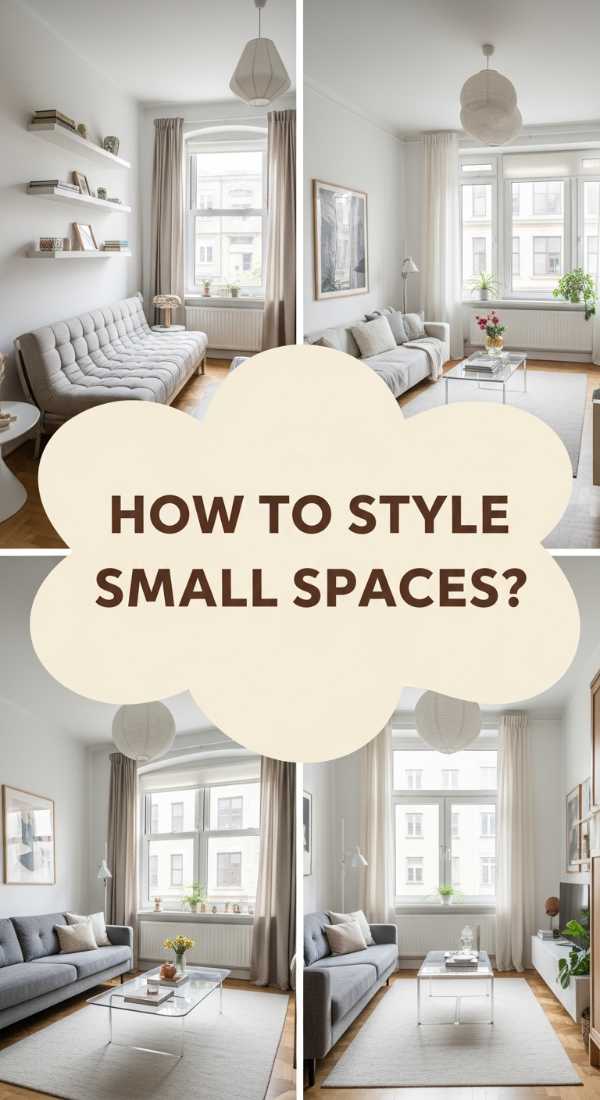
How to Style a Small Living Room for a Breathable Aesthetic
Why we love this
Small spaces often feel like they’re closing in, but with a minimalist touch, they become cozy jewel boxes. This styling method emphasizes verticality and transparency, making a tiny footprint feel expansive and airy. We love the feeling of ‘visual lightness’—where your eyes can move across the room without getting snagged on heavy furniture or dark corners. It transforms a cramped apartment into a sophisticated retreat that feels intentional rather than crowded.
Essential Elements:
- Leggy furniture (sofas and chairs with visible legs)
- Acrylic or glass coffee tables
- Large wall-mounted mirrors
- Floating shelves for vertical storage
- Light-filtering sheer curtains
How to make it
- Identify the natural light source and ensure it is completely unobstructed. Replace heavy drapes with sheer panels that allow sunlight to diffuse deep into the room.
- Select a sofa with ‘legs’ rather than a skirted base. Seeing the floor continue underneath the furniture tricks the brain into perceiving more square footage.
- Mount a large, thin-framed mirror on the wall opposite your window. This reflects the view and doubles the light, immediately making the walls feel like they’ve pushed outward.
- Use a clear glass or acrylic coffee table. This provides a functional surface for your coffee and books without adding any ‘visual weight’ to the center of the room.
- Install floating shelves near the ceiling. By placing a few curated items up high, you draw the eye upward, emphasizing the height of the room rather than the narrowness of the floor.
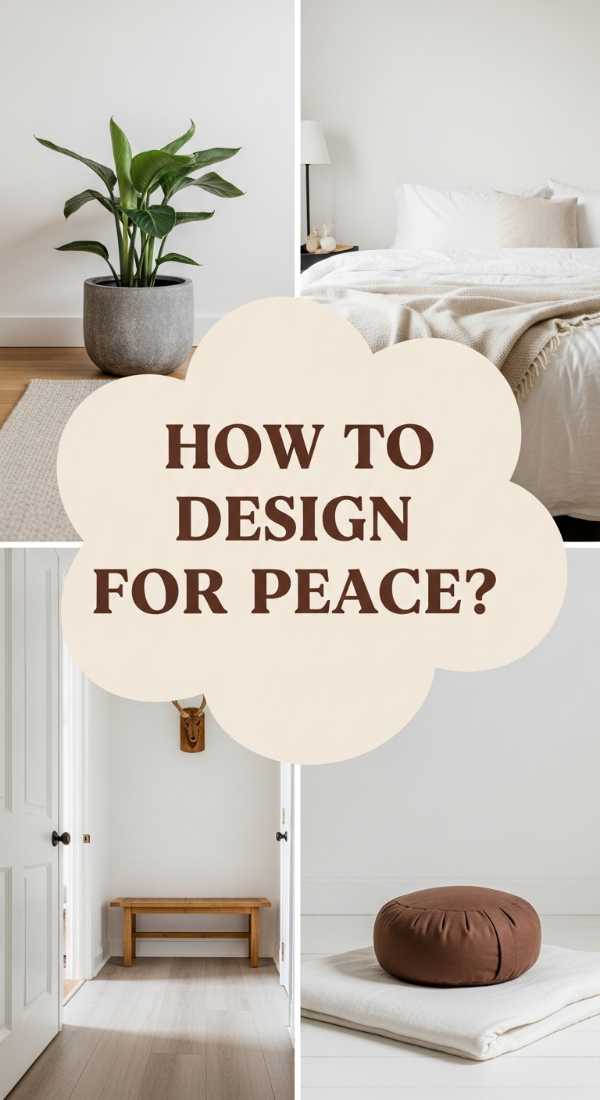
How to Design a Minimalist Room for Better Mental Clarity
Why we love this
Our external environment is often a mirror of our internal state. This design style is less about ‘decorating’ and more about ‘editing’ to reduce cognitive load. We love the crisp, clean lines and the abundance of ‘negative space’ that allows your mind to wander and rest. Imagine waking up in a room where every surface is clear and the only things you see are items that bring you genuine utility or beauty; it creates an immediate sense of control and calm that carries through your entire day.
Essential Elements:
- Solid-colored bedding in natural fibers
- Closed storage solutions (cabinets with doors)
- A single, impactful piece of art
- Low-profile bed frame
- Hidden cable management systems
How to make it
- Perform a ‘functional audit’ of the room. Remove any item that hasn’t been used in thirty days, moving it to closed storage or donating it.
- Swap out multi-patterned bedding for a monochrome set in a soothing shade like sage, sand, or slate. The lack of visual pattern reduces ‘noise’ and promotes better sleep hygiene.
- Hide all electronics and cables. Use cord boxes or run wires behind furniture so that no black plastic lines disrupt the clean silhouettes of your decor.
- Choose one large-scale piece of artwork for the main wall rather than a gallery wall. A single focus point is much more grounding for the psyche than many small, competing images.
- Utilize under-bed storage containers for seasonal clothing, keeping your closet and dresser surfaces completely clear of overflow.
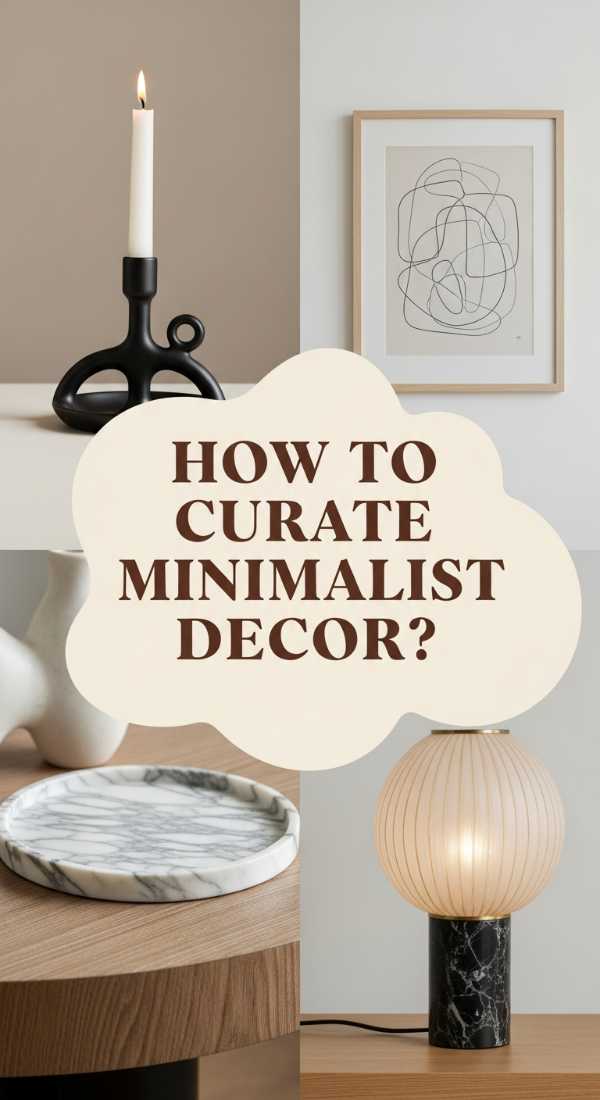
How to Curate Minimalist Room Decor for a Sophisticated Look
Why we love this
Sophistication in minimalism comes from the quality of the materials and the confidence of the placement. This isn’t about being ‘stark’; it’s about being ‘sculptural.’ We love the way a single, perfectly shaped ceramic vase can hold more power than a shelf full of trinkets. It’s about the tactile joy of cold stone, warm wood, and smooth glass all coexisting in a way that feels curated and high-end, like a private gallery designed just for your comfort.
Essential Elements:
- Hand-crafted ceramic vessels
- Sculptural greenery (like a single Monstera leaf or dried eucalyptus)
- Stone accents (marble or travertine trays)
- Coffee table books with neutral spines
- Brass or matte black hardware accents
How to make it
- Group items in ‘threes’ but keep the groups sparse. On a sideboard, place one tall vase, one medium bowl, and one small tray to create a balanced, asymmetrical silhouette.
- Incorporate ‘living’ decor. A single branch in a tall glass vase adds an organic, changing element that feels much more sophisticated than artificial arrangements.
- Use trays to ‘corral’ smaller items. Placing your remote, a candle, and a matchbox on a marble tray turns clutter into a curated ‘moment.’
- Focus on contrast. Place a rough-textured ceramic bowl on a smooth, polished marble table to highlight the unique beauty of both materials.
- Avoid ‘filler’ items. If a shelf doesn’t have something meaningful or beautiful to hold, leave it empty. The empty space is a design choice in itself.
How to Achieve a Cozy Minimalist Vibe for a Warmer Atmosphere

Why we love this
This is the ‘Hyggelig’ side of minimalism. We love this because it solves the common complaint that minimalist homes feel ‘cold.’ By introducing ‘warm’ minimalism, you create a space that smells of vanilla and cedar, where the lighting is always golden, and the textures are so inviting you can’t help but touch them. It’s the perfect balance of a tidy home and a warm hug, making every evening feel like a special occasion.
Essential Elements:
- Warm wood tones (walnut, oak, cherry)
- Sheepskin or faux-fur rugs
- Amber glass jars for candles or soap
- Taper candles in varying heights
- Soft, oversized floor pillows
How to make it
- Swap any ‘cool’ metals like chrome or silver for ‘warm’ metals like brushed brass or copper to immediately heat up the room’s visual temperature.
- Incorporate wood in its most natural state. A live-edge side table or wooden dough bowl brings a sense of the outdoors and raw warmth to a clean space.
- Use ‘scent’ as a layer of decor. Choose high-quality soy candles with woodsy or spicy notes to fill the air, as aroma is a powerful tool for creating ‘coziness’ without adding physical stuff.
- Layer your lighting. Combine a warm overhead dim light with several ‘pools’ of light from table candles and floor lamps to eliminate harsh shadows.
- Drape a sheepskin rug over a modern, hard-backed chair. This softens the lines and makes the furniture look much more approachable and comfortable.
How to Arrange Living Room Decor for a Minimalist Flow
Why we love this
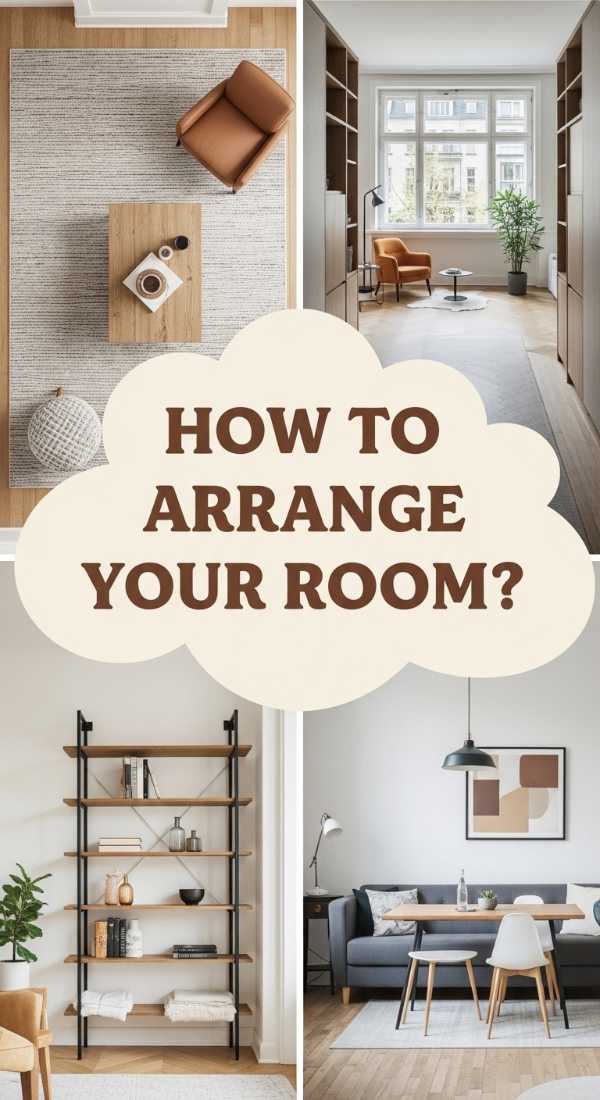
A well-arranged room feels like it has ‘good energy.’ We love this technique because it prioritizes movement and conversation. There is a specific psychological comfort in knowing exactly where to walk and having a clear view of the entire room. It creates a ‘flow’ that makes hosting effortless—you never feel like you’re navigating an obstacle course, and the room always feels open and ready for guests.
Essential Elements:
- Low-profile furniture to keep sightlines open
- Symmetrical seating arrangements
- Round coffee tables for better traffic flow
- Floating furniture (pushed away from walls)
- Defined ‘zones’ using rugs
How to make it
- Pull your furniture away from the walls. Even 3-4 inches of space behind a sofa creates a sense of luxury and ‘breathability.’
- Arrange seating in a ‘U’ or ‘L’ shape to encourage eye contact and conversation, ensuring that no chair is isolated from the group.
- Use a round coffee table in the center. The lack of sharp corners allows for much smoother movement around the seating area, especially in tighter spaces.
- Keep the ‘path of least resistance’ clear. Ensure there is a straight, wide path from the entrance of the room to the primary seating and the exit.
- Align the edges of your furniture with the architectural lines of the room (like floorboards or window frames) to create a sense of subconscious order.
How to Organize a Minimalist Home for a Stress Free Life
Why we love this
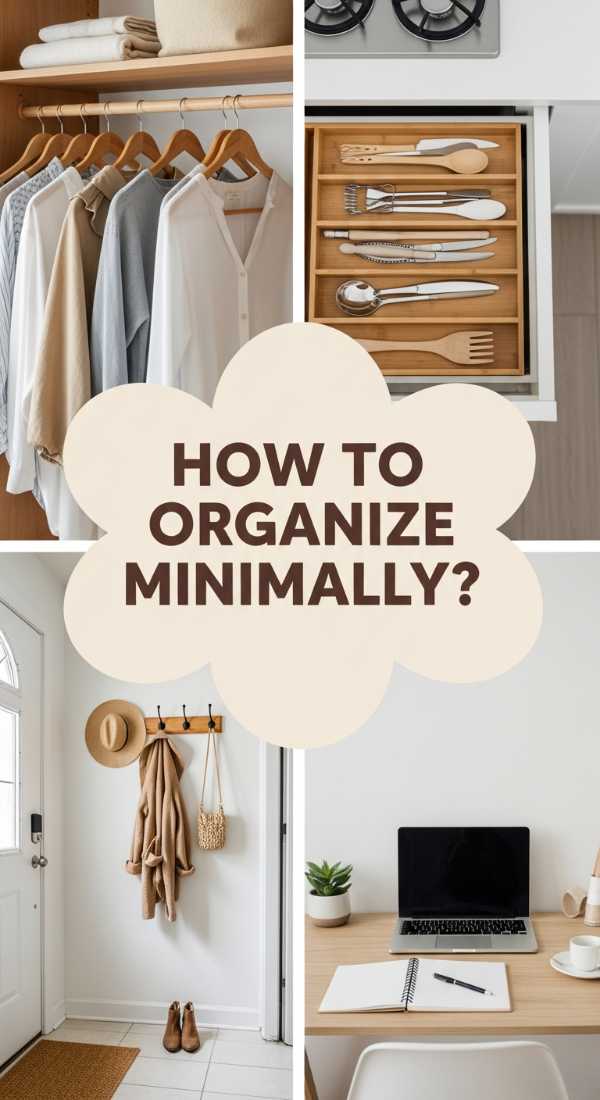
This is about the ‘unseen’ minimalism. We love this because it removes the ‘visual static’ of everyday items like remotes, mail, and chargers. When everything has a designated, hidden home, the surface of your life remains calm. It’s the feeling of opening a drawer and seeing neatly organized essentials rather than a junk pile. This level of organization is the secret ingredient to maintaining a minimalist aesthetic without sacrificing functionality.
Essential Elements:
- Matching opaque storage baskets
- Drawer dividers for every room
- A dedicated ‘entryway command center’
- Label-free canisters for the pantry
- Minimalist wall hooks
How to make it
- Implement the ‘one-in, one-out’ rule. For every new item that enters your home, one must leave. This prevents clutter creep from destroying your minimalist aesthetic.
- Decant your most-used items. Move soaps, grains, and detergents into matching glass or ceramic containers to remove loud, branded packaging from your sightline.
- Assign a ‘home’ to every single object. If an item doesn’t have a place it ‘belongs,’ it will inevitably end up as clutter on a countertop.
- Use uniform hangers in your closet. Switching to all-black or all-wood hangers creates a retail-like serenity that makes getting dressed a peaceful experience.
- Create a ‘daily reset’ routine. Spend 10 minutes every night returning every item to its designated spot so you always wake up to a clean, minimalist slate.
How to Select Minimalist Cozy Furniture for Maximum Comfort
Why we love this
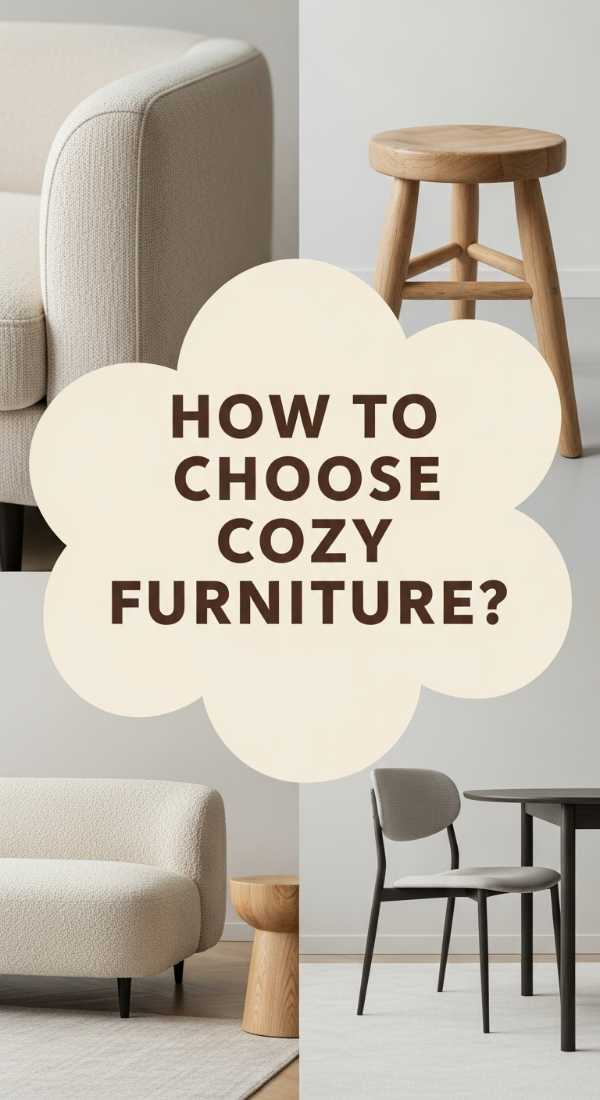
Minimalist furniture has a reputation for being ‘uncomfortable,’ but we love debunking that myth. By choosing pieces that focus on ergonomics and high-quality textiles, you can have a home that looks like a magazine but feels like a cloud. It’s about the ‘sink-in’ factor—finding that perfect balance where a sleek, modern silhouette meets deep, down-filled cushions and soft-to-the-touch fabrics.
Essential Elements:
- Deep-seated sofas with feather-wrapped cushions
- Bouclé or velvet upholstery for tactile interest
- Ergonomic lounge chairs
- Ottomans that double as coffee tables
- Soft-edged, rounded wooden frames
How to make it
- Prioritize ‘depth’ over ‘width’ when choosing a sofa. A deeper seat allows you to lounge comfortably while maintaining a compact, minimalist footprint in the room.
- Choose fabrics with ‘depth’ like bouclé. The nubby texture adds visual warmth and a cozy feel without needing extra pillows or blankets.
- Test for ‘firmness’ and ‘bounce.’ A good minimalist piece should hold its shape (to look tidy) but have enough ‘give’ to be comfortable for hours of sitting.
- Select multi-functional pieces. An upholstered ottoman can hold a tray for drinks or serve as extra seating, reducing the number of individual furniture pieces needed.
- Focus on the ‘touch points.’ Ensure that any part of the furniture your skin touches (arms, seats) is made of natural, breathable materials like cotton, wool, or leather.
How to Balance Room Decor for a Minimalist Aesthetic
Why we love this
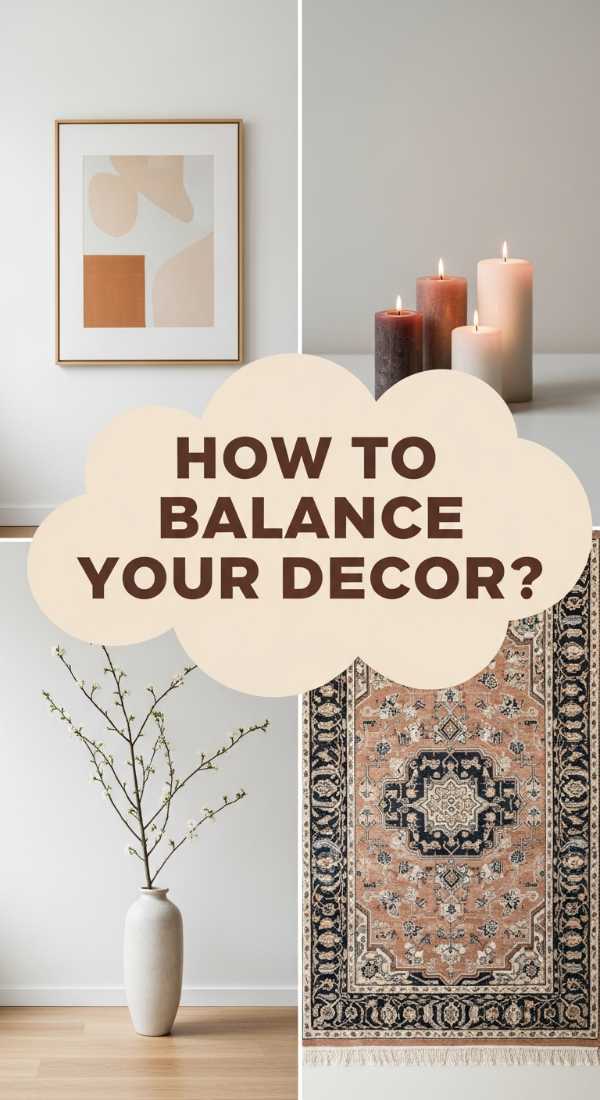
Balance is the ‘magic’ that makes a room feel ‘right.’ We love this because it’s about harmony rather than symmetry. It’s the art of placing a heavy wooden cabinet on one side and balancing it with a ‘light’ floor lamp and a tall plant on the other. This creates a dynamic space that feels curated and professional, giving your home that ‘designer’ feel without needing to buy a single extra thing.
Essential Elements:
- A mix of heights (low furniture, tall plants)
- Varied weights (chunky wood vs. thin metal)
- Negative space (empty wall segments)
- Focal points (a fireplace or large window)
- Color repetition (using the same wood tone in 3 places)
How to make it
- Identify your ‘focal point’ and arrange everything to support it. If it’s a window, make sure no furniture heights compete with the view.
- Use the ’60-30-10′ rule for colors, but keep it monochromatic. 60% of the room in your main light shade, 30% in a mid-tone, and 10% in a dark ‘anchor’ color.
- Balance ‘visual weight.’ If you have a large, heavy sofa on the left, place two smaller, lighter chairs on the right to create equilibrium without perfect symmetry.
- Incorporate ‘white space.’ Leave at least one-third of your walls completely bare. This allows the eye to rest and makes the decor you *do* have stand out more.
- Repeat textures. If you have a wicker basket in one corner, add a small wicker detail on the other side of the room to ‘sew’ the design together.
How to Transform an Apartment for a Cozy Minimalist Lifestyle
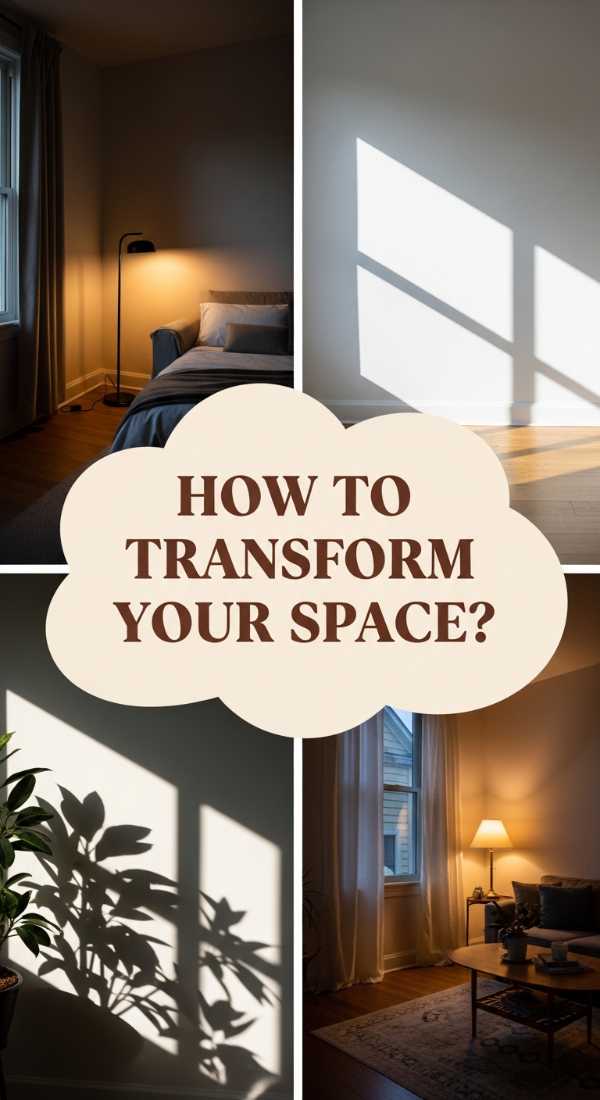
Why we love this
Apartment living often comes with restrictions, but we love how minimalism can make a temporary space feel like a permanent sanctuary. This transformation is about using ‘non-permanent’ layers—like rugs, lighting, and textiles—to hide ‘rental’ flaws and inject warmth. It’s the ultimate way to claim your space and make it feel expensive and personalized without losing your security deposit.
Essential Elements:
- Large area rugs to cover ‘rental’ flooring
- Plug-in sconces for better lighting
- Removable ‘command’ hooks for art
- High-quality bed linens
- Potted floor plants for life and color
How to make it
- Start with the floor. A massive, neutral-toned area rug can hide ugly apartment carpet or cold linoleum, instantly warming up the entire unit’s vibe.
- Upgrade the lighting without wiring. Use plug-in wall sconces with cord covers to add ‘architectural’ lighting that creates a high-end, cozy feel at night.
- Use ‘vertical’ greenery. A tall Fiddle Leaf Fig or Olive Tree fills an empty corner and adds organic ‘warmth’ that plastic decor simply cannot replicate.
- Invest in ‘luxury’ textiles. Since you can’t change the walls, make your bed and sofa the stars by using high-thread-count linens and heavy, weighted throws.
- Clear the counters. In small apartment kitchens and bathrooms, keeping every surface 100% clear makes the entire apartment feel twice as large and significantly more peaceful.
Creating Your Sanctuary: The Final Word
Minimalism isn’t a destination; it’s a practice of choosing ‘better’ over ‘more.’ By focusing on warmth, texture, and intentionality, you turn your home from a place where you store your life into a place where you actually *live* it. Remember, the goal is to create a space that supports your soul, so take it one room at a time, breathe deep, and enjoy the beautiful clarity that follows the edit.
Frequently Asked Questions
Common questions about merging minimalism with cozy living.