
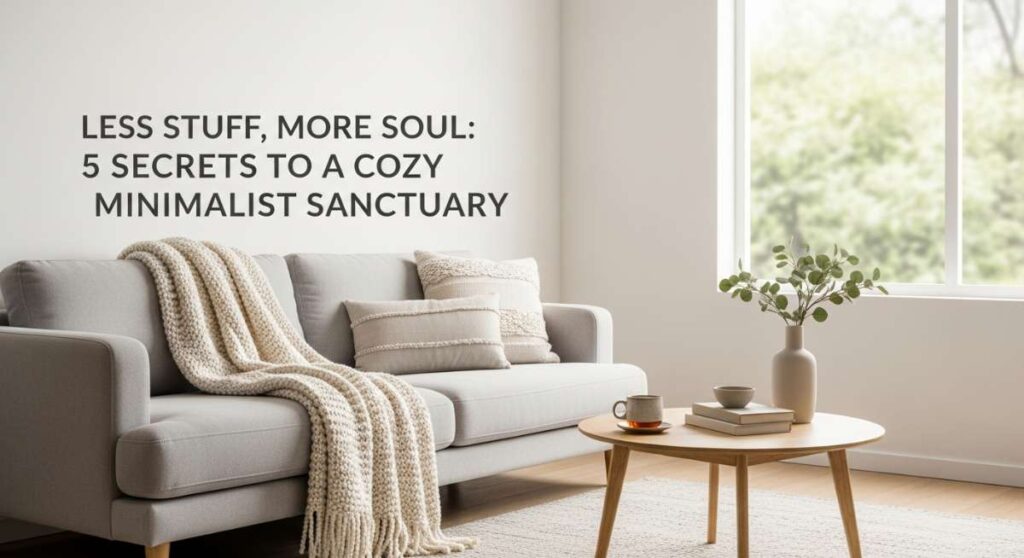
Less Stuff, More Soul: 5 Secrets to a Cozy Minimalist Sanctuary
Have you ever walked into a room and felt your shoulders immediately drop three inches? That is the magic of a cozy minimalist sanctuary. For the longest time, I thought minimalism meant cold, white galleries where you were afraid to sit down, let alone live. But then I discovered the ‘soul’ side of the equation—where every item serves a purpose and every texture tells a story of comfort. It’s not about having nothing; it’s about having exactly what you need to feel whole.
In a world that constantly demands our attention, our homes should be the place where the noise stops. By stripping away the visual clutter and focusing on tactile warmth, we create a space that breathes. This isn’t just a design trend; it’s a love letter to your mental health. Let’s dive into how you can transform your living space into a radiant, mindful retreat that feels like a warm hug at the end of a long day.
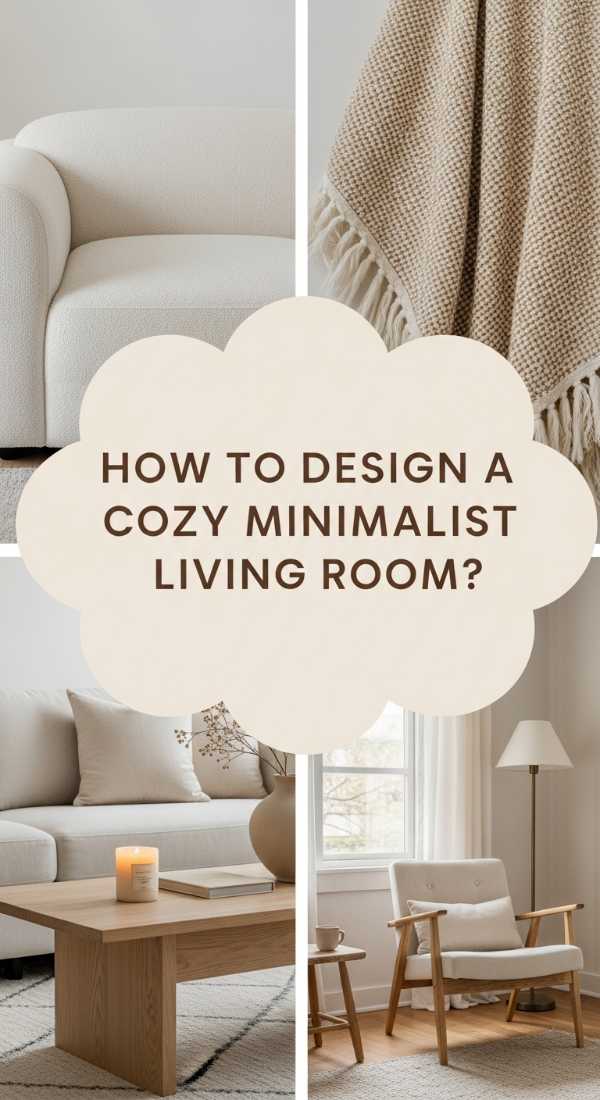
How to Design a Cozy Minimalist Living Room for Ultimate Serenity
Why we love this
There is something deeply restorative about a room that doesn’t scream for your attention. Imagine the scent of sandalwood floating through the air while you sink into a cloud-like linen sofa, the fabric cool against your skin but the atmosphere radiating a gentle warmth. This approach prioritizes the ‘breath’ of the room—using negative space as a design element itself so that your mind has a place to rest. The visual harmony of muted tones and natural wood creates a sensory experience that feels like a quiet morning by the lake.
Essential Elements:
- Low-profile modular seating in oatmeal or soft grey
- Solid wood coffee table with visible grain
- Sheer linen curtains to diffuse natural light
- A single, high-quality wool throw
- Hidden cable management for a zero-distraction zone
How to make it
- Preheat the Canvas: Start by stripping the room to its bare ‘ingredients.’ Remove all small decor and furniture. Clean the walls with a soft microfiber cloth to ensure the natural light reflects perfectly off the ‘crust’ of the room.
- Layer the Base: Position your largest piece—the sofa—away from the wall to let the air circulate. Think of this as the ‘dough’ of your room; it needs space to rise. Ensure it faces a natural focal point, like a window or fireplace, rather than a black television screen.
- Simmer with Texture: Introduce a large-area jute or high-pile wool rug. The ‘heat’ here comes from the contrast between the hard floor and the soft fibers. Adjust the ‘seasoning’ by adding two oversized pillows in a slightly different shade of the same neutral palette.
- Garnish with Light: Swap out harsh overhead bulbs for warm-toned LEDs (2700K). Place lamps at different heights to create a ‘golden hour’ glow that simmers throughout the evening.
- The Doneness Test: Sit in every corner of the room. If your eye gets ‘stuck’ on a cluttered spot, remove one item. The room is ‘done’ when your gaze can sweep across the space without a single interruption.
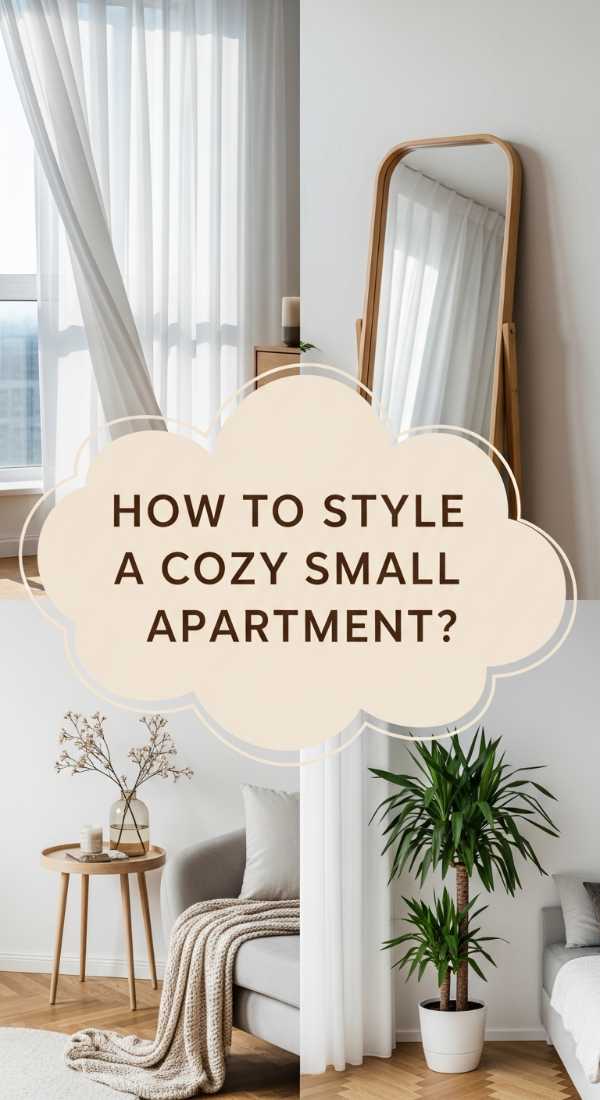
How to Style Small Living Room Ideas Apartment Cozy Aesthetic for Spacious Vibes
Why we love this
Small apartments are the perfect laboratory for cozy minimalism because they force you to be intentional. We love this look because it turns ‘cramped’ into ‘intimate.’ When you walk in, you aren’t greeted by a wall of stuff, but by a curated collection of light and air. The aroma of fresh citrus and the sight of elevated furniture legs create an illusion of weightlessness. It’s about the feeling of freedom that comes from knowing every square inch of your home is working for your happiness.
Essential Elements:
- Furniture with ‘legs’ to show more floor space
- Large-scale mirrors to double the visual depth
- Multi-functional nesting tables
- Vertical shelving that draws the eye upward
- A monochromatic color palette to prevent visual ‘choppiness’
How to make it
- Sift the Clutter: Go through your belongings and discard anything that doesn’t serve a daily purpose. Think of this as ‘skimming the fat’ off a sauce—you only want the concentrated essence of your lifestyle left.
- Emulsify the Layout: Use ‘leggy’ furniture. When you can see the floor underneath a chair, the brain registers the space as larger. This is like thinning a heavy batter so it spreads evenly across the pan.
- Glaze with Mirrors: Place a floor-to-ceiling mirror opposite your largest window. This ‘glazes’ the room with reflected light, doubling the perceived square footage instantly.
- Infuse Verticality: Install a single floating shelf high up on the wall. This ‘lifts’ the energy of the room, much like a soufflé rising, preventing the space from feeling bottom-heavy.
- Visual Cue for Doneness: Stand in the doorway. If the floor looks continuous and the ‘air’ feels light, you have achieved the perfect spacious aesthetic.
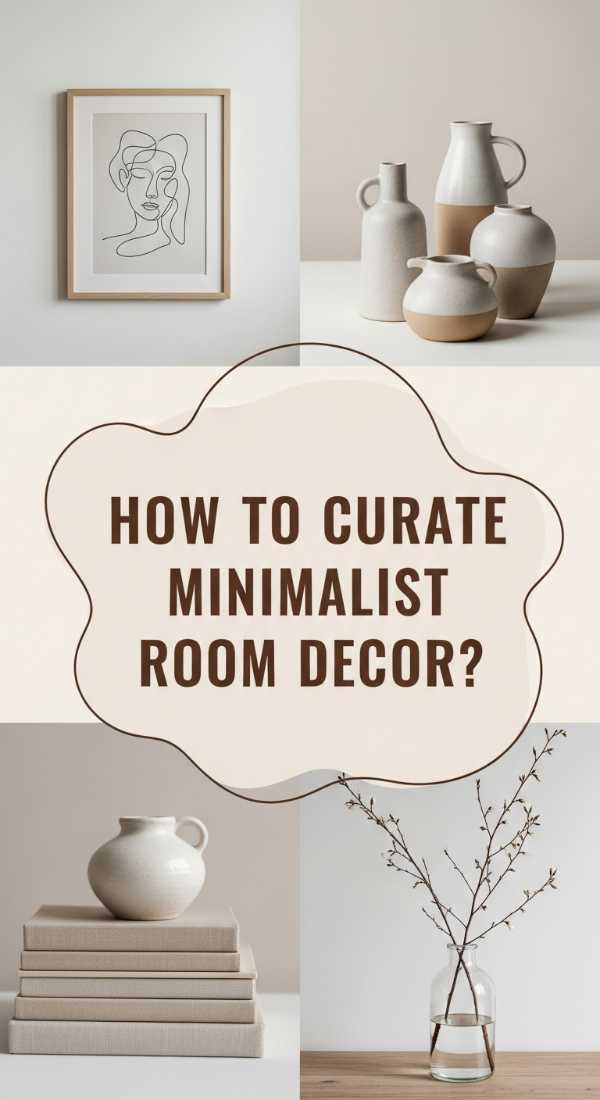
How to Curate Minimalist Room Decor for an Artful Home
Why we love this
Artful minimalism isn’t about being empty; it’s about being ‘exhibition-ready’ yet lived-in. We adore the way a single, oversized ceramic vase can anchor a room, smelling faintly of the fresh eucalyptus it holds. It’s the tactile joy of running your hand over a matte-finished sculpture or the visual rhythm of a single line-art piece on a vast, white wall. This style celebrates the ‘hero’ objects, allowing their craftsmanship to shine without the ‘noise’ of cheap knick-knacks.
Essential Elements:
- One ‘statement’ art piece (large scale)
- Handcrafted ceramics with organic shapes
- A mix of matte and gloss finishes
- Textural wall hangings (macramé or woven)
- Intentional ‘blank’ spots on surfaces
How to make it
- Prep the Gallery: Clear all surfaces—mantels, coffee tables, and shelves. Consider this your ‘clean workstation’ before you start plating a fine dish.
- Identify the Hero: Choose one ‘star’ ingredient. This could be a large abstract painting or a vintage wooden bench. Place this in the ‘center of the plate’ (the focal point of your room).
- Balance the Weight: Add secondary elements in odd numbers (3 or 5). If you have a heavy art piece on the left, balance it with a light, airy plant on the right. This creates a ‘symmetrical flavor profile’ that feels balanced to the eye.
- Reduce to Essence: If you have five small photos, replace them with one large one. This ‘reduction’ technique intensifies the impact of the remaining decor.
- The Finishing Touch: Add a single high-quality candle. The flicker of the flame adds a dynamic ‘live’ element to the ‘still’ art, completing the atmosphere.
How to Create a Minimalist Home for a Mindful Lifestyle
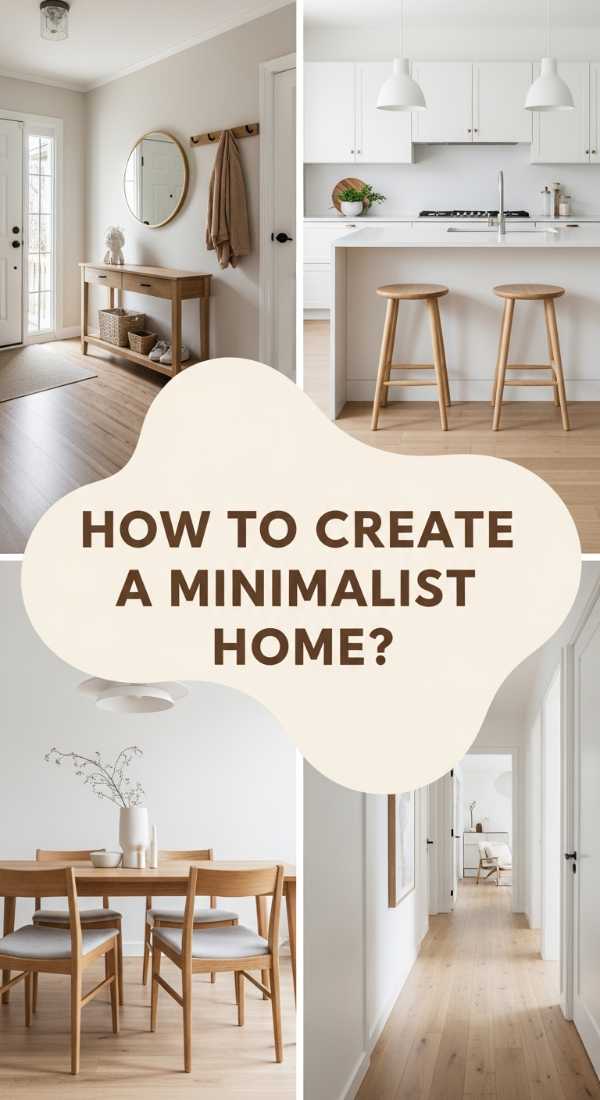
Why we love this
This is where design meets philosophy. A mindful minimalist home feels like a deep exhale. We love the way the morning light hits a clean countertop, inviting you to enjoy your coffee without a ‘to-do’ list of cleaning staring back at you. It’s the smell of essential oils—maybe lavender or peppermint—and the feeling of soft bamboo flooring underfoot. This environment doesn’t just look good; it actively lowers your cortisol levels by removing the ‘micro-stresses’ of disorganization.
Essential Elements:
- Dedicated zones for meditation or reading
- Concealed storage for ‘visual quiet’
- Natural materials (bamboo, cork, stone)
- A ‘one-in, one-out’ rule for belongings
- Minimalist tech (hidden wires, sleek devices)
How to make it
- Blanch the Excess: Identify ‘clutter hotspots’ like the entryway or kitchen island. Flash-clean these areas and implement a ‘zero-surface’ policy where only essentials remain.
- Temper the Energy: Create a ‘Zen Zone.’ This is a corner with a single floor cushion and a small table. Think of this as the ‘slow-cook’ area of your home where you go to simmer down and reflect.
- Season with Scent: Use a ceramic diffuser rather than bright, plastic air fresheners. The scent should be a subtle ‘infusion’ rather than an overpowering ‘sauce.’
- Fold in Function: Every piece of furniture must have a dual purpose. A bed with drawers underneath is like a pot that can both boil and steam—efficient and space-saving.
- Timing for Doneness: You’ll know the home is mindful when you can walk through it in the dark without tripping or feeling the ‘weight’ of unorganized tasks.
How to Arrange Living Room Decor Minimalist for Social Harmony
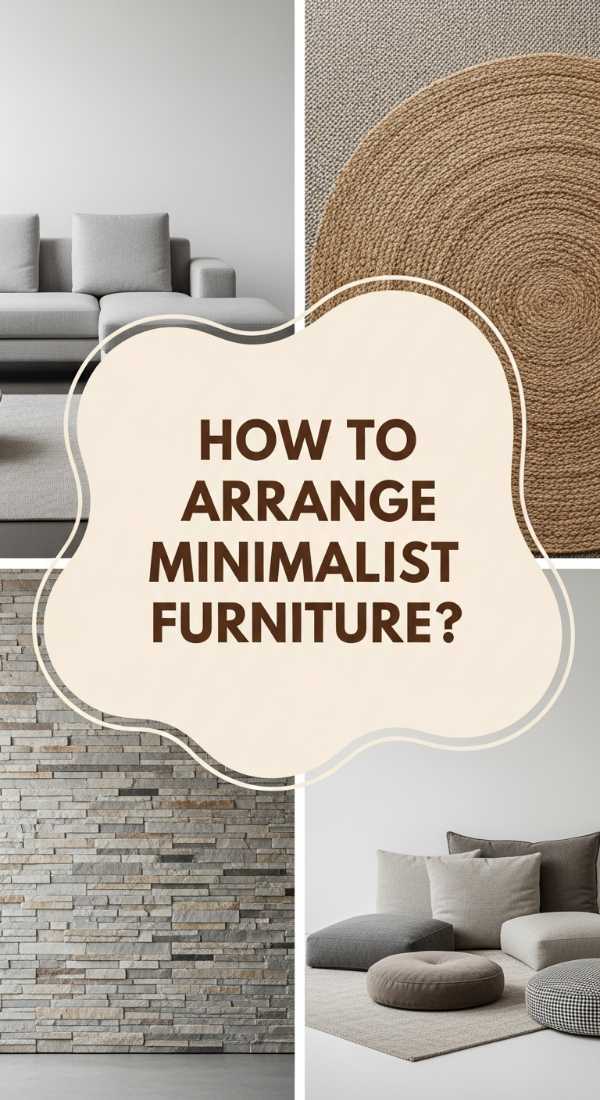
Why we love this
Minimalism can sometimes feel solitary, but it can actually be the ultimate tool for connection. We love a layout that removes the ‘barriers’ between people. Imagine a circular seating arrangement where the lack of clutter allows eye contact to flow easily. The aroma of freshly brewed tea on a central table and the soft hum of conversation in a room with perfect acoustics (thanks to soft textiles) creates a ‘social warmth’ that no amount of fancy decor can replicate.
Essential Elements:
- Circular or U-shaped seating layouts
- An ottoman that doubles as a table or extra seat
- Low-height furniture to keep sightlines open
- A central ‘anchor’ like a soft rug
- Dimmable lighting for ‘mood-setting’
How to make it
- Marinate the Layout: Before guests arrive, pull your chairs inward. This ‘marinating’ process focuses the energy toward the center of the room, encouraging intimate talk.
- Deglaze the Sightlines: Remove any tall vases or lamps that sit between chairs. You want a clear ‘path’ for conversation to travel, just like a clear broth.
- Whip up Comfort: Ensure every ‘station’ has a place to set a drink. Use small, minimalist coasters that blend into the table. This is the ‘prep work’ that makes guests feel served without effort.
- Adjust the Heat: Use candles and low-level lamps to create ‘pockets’ of warmth. High heat (bright lights) can make people feel overcooked and anxious.
- Visual Cue for Doneness: When you sit down with a friend and neither of you feels the need to check your phone because the room feels so ‘connected,’ the arrangement is perfect.
How to Optimize Minimalist Living Room Small Spaces for Practical Comfort
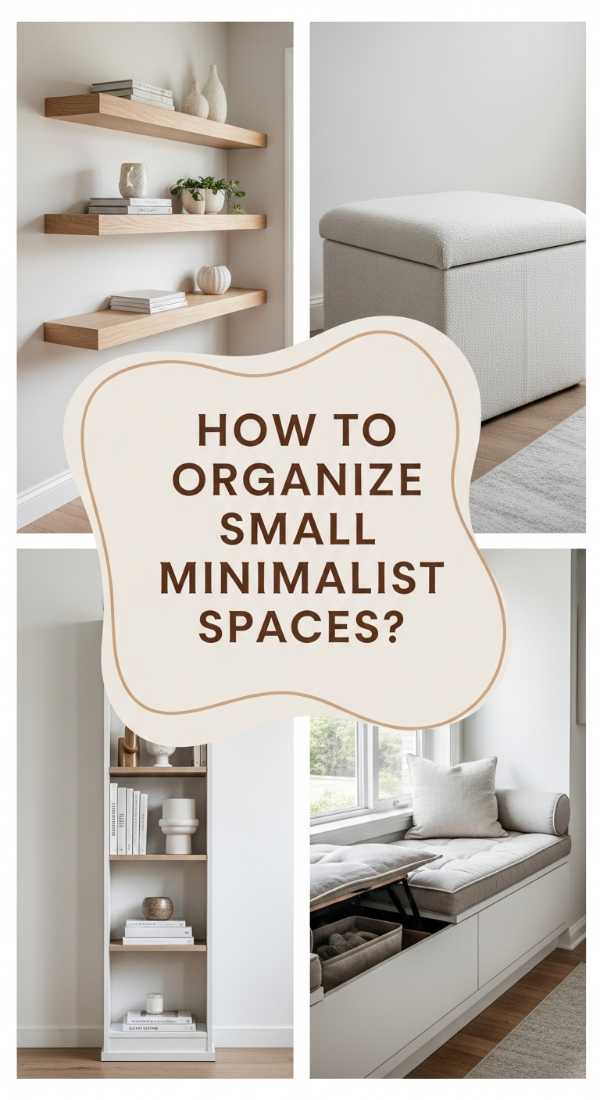
Why we love this
Practical comfort is the ‘comfort food’ of interior design. It’s the satisfaction of a small space that works like a well-oiled machine. We love the cleverness of a coffee table that rises to become a desk or a wall-mounted lamp that frees up side-table space. The tactile sensation of a high-quality velvet chair in a tight corner makes that corner feel like a luxury suite. It’s about making ‘small’ feel ‘intentional’ rather than ‘accidental.’
Essential Elements:
- Wall-mounted sconces instead of floor lamps
- Tables with drawers for ‘hidden’ utility
- Nesting furniture for flexible hosting
- Light-colored upholstery to ‘expand’ the room
- Mirror-backed bookshelves
How to make it
- Strain the Essentials: Look at your small space and ask: ‘What do I actually do here?’ If you don’t host dinner, lose the big table. Strain out the ‘shoulds’ to find the ‘needs.’
- Layer the Flavour: In a small room, use different textures of the same color. A white boucle chair next to a white silk curtain creates a ‘richness’ without adding visual ‘calories’ (clutter).
- Baste with Light: Use mirrors behind lamps to ‘multiply’ the light. This ‘basting’ technique ensures every corner of the small space is bright and appetizing.
- Reduce Furniture Footprint: Choose pieces with ‘waists’ (tapered legs). This creates more ‘negative space’ on the floor, allowing the room to breathe.
- The Doneness Test: If you can move through the room freely and every item you need is within arm’s reach, the optimization is complete.
How to Layer a Cozy Minimalist Environment for Winter Warmth

Why we love this
Winter is when cozy minimalism truly shines. It’s the contrast between the sharp, cold world outside and the ‘slow-cooked’ warmth of your home. We love the sensory overload of a chunky knit throw paired with the scent of cedarwood and the crackle of a wood-burning stove (or a high-def digital version!). This isn’t about adding ‘more’—it’s about adding ‘thicker.’ It’s the feeling of being protected in a soft, quiet cocoon while the snow falls silently outside.
Essential Elements:
- Chunky wool or cashmere throws
- Faux-fur textures for tactile richness
- Cedar or amber-scented candles
- Darker wood accents for a ‘grounded’ feel
- Floor pillows for low-to-the-ground lounging
How to make it
- Infuse the Base: Start with your ‘base’ textiles. Swap out thin summer linens for heavier cottons or velvets. This is like switching from a vinaigrette to a creamy winter soup base.
- Fold in the Knits: Drape a chunky knit throw over the arm of your sofa. Don’t fold it perfectly; let it look ‘melted’ over the edge for a relaxed vibe.
- Slow-Roast the Lighting: Switch to even warmer bulbs or use ‘amber’ glass lamps. The light should feel ‘viscous’ and golden, like honey.
- Garnish with Wood: Introduce a wooden bowl or tray. The organic warmth of wood acts as a ‘binder’ for the cozy elements.
- Visual Cue for Doneness: If you feel an immediate urge to take off your shoes and wrap yourself in a blanket the moment you walk in, the winter layer is set.
How to Enhance Room Decor Minimalist for a Radiant Atmosphere
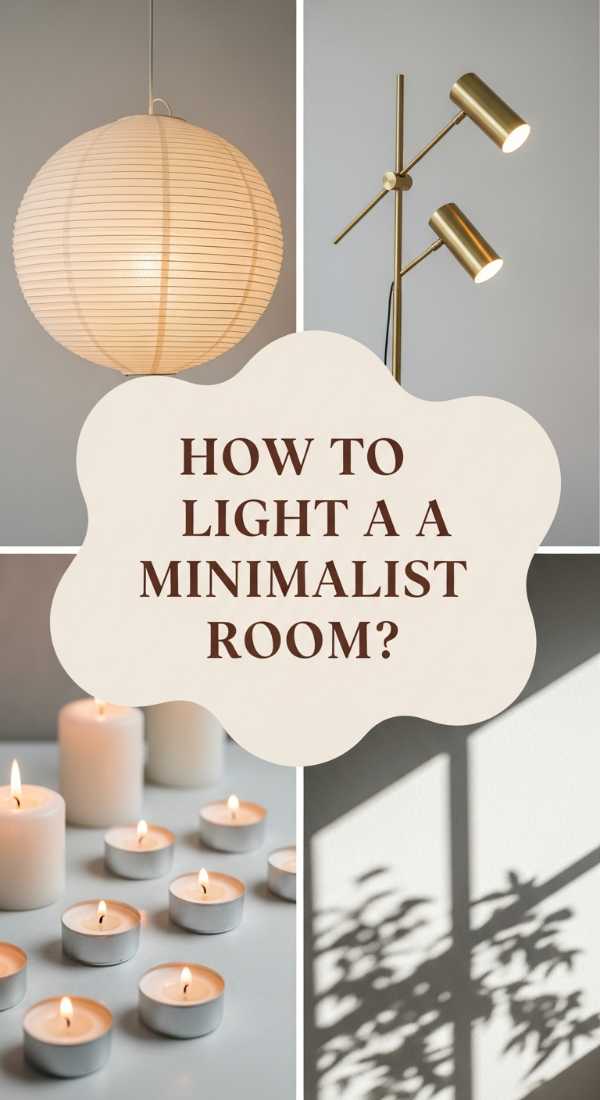
Why we love this
A radiant atmosphere is all about ‘glow.’ We love this approach because it uses light as a physical material. Imagine a room where the walls seem to emit their own soft light, and the air feels charged with a gentle, positive energy. The scent of fresh linen and the sight of sun-drenched surfaces create a ‘clean’ radiance that makes every day feel like a fresh start. It’s the interior design equivalent of a perfect, dewy complexion.
Essential Elements:
- Satin or eggshell paint finishes (to reflect light)
- Polished brass or chrome accents
- Translucent furniture (ghost chairs or glass tables)
- Strategic placement of white-flowering plants
- Prisms or crystals in windows to catch the sun
How to make it
- Clarify the Walls: Use a paint with a slight sheen. This ‘clarifying’ step allows light to bounce around the room like a well-strained consommé.
- Add ‘Spark’ Highlights: Place small metallic objects—a brass bowl or a silver frame—where the sun hits. This provides the ‘acid’ to the room’s visual flavor, making it pop.
- Glaze with Sheers: Use sheer white curtains. They ‘glaze’ the incoming sunlight, softening it into a radiant glow that fills the room without the ‘burn’ of harsh shadows.
- Emulsify with Glass: Use glass or acrylic coffee tables. They provide the ‘structure’ of a table without the ‘weight,’ letting the radiance pass right through.
- The Doneness Test: The atmosphere is radiant when, at noon, the room feels like it’s filled with liquid light.
How to Incorporate Minimalist Cozy Greenery for a Natural Breath of Fresh Air
Why we love this
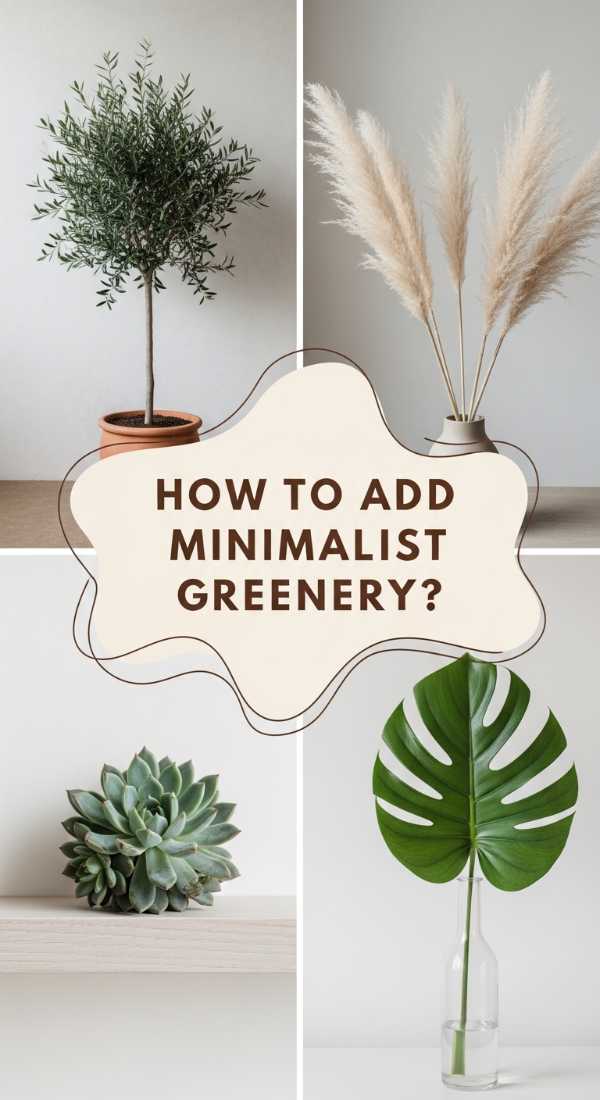
Plants are the ‘living soul’ of a minimalist home. We love the way a single, architectural Monstera leaf can bring a static room to life. The smell of damp earth after watering and the vibrant, oxygenated air create a ‘natural high.’ In a minimalist setting, greenery isn’t just decor; it’s a companion. It provides a soft, organic contrast to the straight lines of modern furniture, reminding us to stay grounded and grow at our own pace.
Essential Elements:
- One ‘statement’ floor plant (Fiddle Leaf Fig or Olive Tree)
- Terracotta or matte ceramic pots in earthy tones
- Clustering small succulents in one specific ‘zone’
- Hanging plants for ‘cascading’ movement
- A dedicated ‘plant care’ tray that looks aesthetic
How to make it
- Select Your Harvest: Choose plants that fit your ‘care capacity.’ A low-maintenance snake plant is like a reliable pantry staple—it always works.
- Pot with Purpose: Use pots that match your wall color to keep the look minimalist. This ‘marries’ the plant to the room’s architecture.
- Prune for Shape: Minimalist greenery should be ‘clean.’ Prune away dead leaves or wild stems to keep the ‘silhouette’ of the plant sharp.
- Arrange the Canopy: Place taller plants in corners to ‘soften’ the 90-degree angles. This is like adding a soft herb garnish to a sharp-edged dish.
- Visual Cue for Doneness: If the room feels ‘alive’ but not like a jungle, you’ve hit the sweet spot of minimalist greenery.
How to Select Decor Minimalist Wall Pieces for Subtle Impact
Why we love this
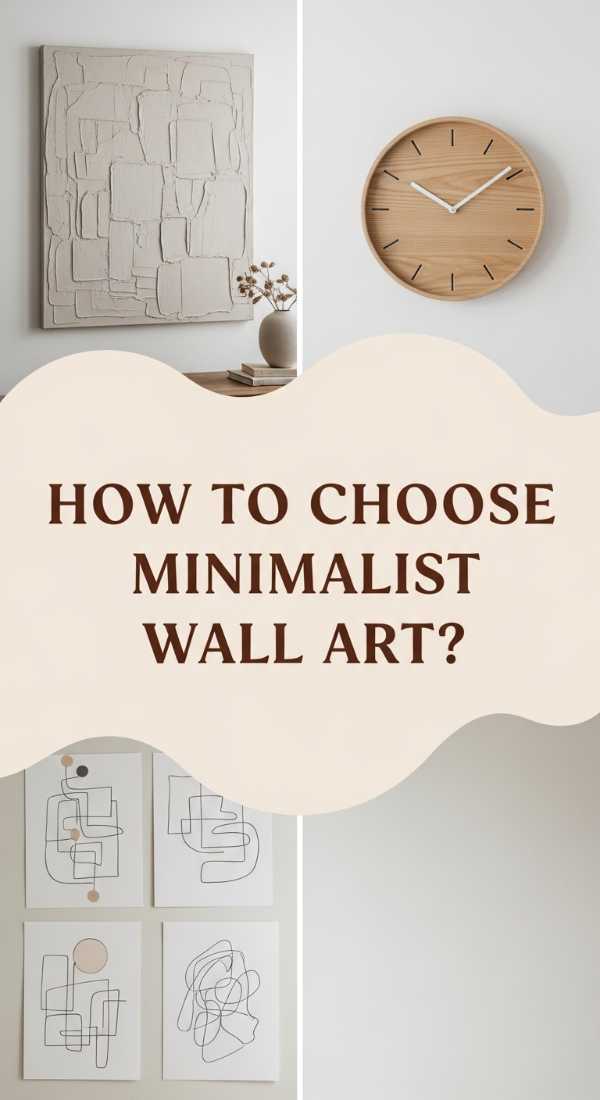
Walls are the ‘crust’ of your home’s sanctuary. We love selecting pieces that whisper rather than shout. Think of a single, large-scale textured canvas that changes throughout the day as the shadows move across it. The tactile nature of a plaster wall hanging or the simplicity of a single floating wooden ledge creates a ‘subtle impact’ that feels sophisticated and calm. It’s the art of saying more with less, providing a focal point that doesn’t clutter the mind.
Essential Elements:
- Oversized, monochromatic art
- Textured plaster or textile hangings
- Single-line drawings with lots of negative space
- Floating wooden shelves with one ‘hero’ object
- Uniformly framed photography in a simple grid
How to make it
- Measure the ‘Portion’ Size: Use a piece of art that covers about 60-70% of the wall space above a sofa. Anything smaller looks like an ‘appetizer’ on a giant dinner plate.
- Deglaze the Frame: Use simple, thin frames in natural wood or matte black. You want the ‘ingredients’ (the art) to shine, not the ‘packaging.’
- Infuse Texture: If the room feels ‘flat,’ choose a 3D wall piece like a carved wood panel. This adds ‘chew’ and depth to the visual experience.
- Plate with Precision: Use a level! A crooked minimalist piece is like a spilled sauce—it ruins the entire presentation.
- The Finishing Garnish: Leave the surrounding wall space empty. This ‘negative space’ is the ‘plate rim’ that makes the art look intentional and professional.
Creating Your Soulful Sanctuary
Designing a cozy minimalist home is a journey of subtraction to find the ‘addition’ of peace. By focusing on sensory details—the scent of wood, the touch of linen, and the warmth of light—you transform a house into a sanctuary. Remember, your home should be a reflection of who you are when nobody is watching. It’s about creating a space that nourishes your soul every single time you walk through the door. Happy nesting!