
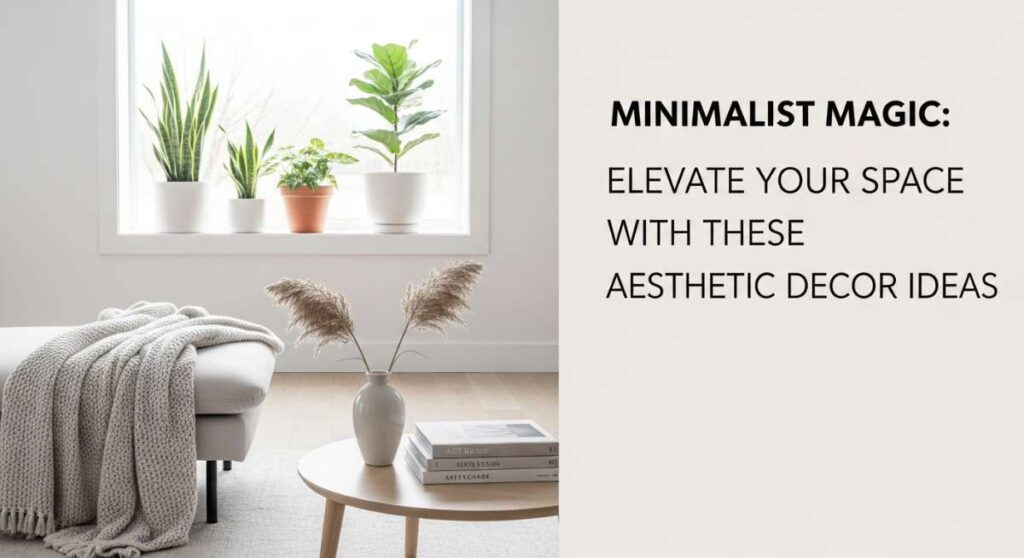
We’ve all been there—standing in the middle of a room that feels chaotic, despite our best efforts to tidy up. There is a specific kind of mental weight that comes with physical clutter, a quiet hum of stress that we often don’t notice until it’s gone. Minimalist magic isn’t just about owning fewer things; it’s about the intentionality behind every item that earns a place in your sanctuary.
When you transition to an aesthetic minimalist lifestyle, you aren’t just cleaning; you are curated a life that prioritizes peace over possession. Imagine waking up in a room where the light hits the walls just right, and every texture—from the soft linen of your duvet to the cool grain of a wooden nightstand—feels like a deliberate choice. Let’s dive into how you can transform your home into a haven of serene, minimalist beauty.
How to Design a Minimalist Home for Instant Peace
Why we love this
There is a profound sense of relief that comes from a room that breathes. By focusing on open space and a restricted color palette, you allow your mind to rest without the constant visual noise of unnecessary objects. We love how this approach emphasizes the quality of materials—the way a single sprig of eucalyptus looks against a white wall or how the natural afternoon light dances across an empty floor. It’s about creating a vacuum for calm to enter your daily routine.
Essential Elements:
- Neutral color palette (whites, creams, soft grays).
- Hidden storage solutions.
- Natural materials like light wood and stone.
- One or two high-quality statement pieces.
How to make it
- The Void Audit: Walk through each room and identify the ‘visual noise’ peaks. Professional tip: Squint your eyes; the items that still stand out as cluttered are the ones that need to go or be hidden.
- Palette Standardization: Choose three core neutral shades. Use a 70/20/10 ratio: 70% for walls and large furniture, 20% for secondary tones in rugs or curtains, and 10% for accent textures.
- Surface Clearing: Remove everything from horizontal surfaces (tables, counters). Only return one ‘soul-sparking’ item to each surface. Visual cue: The surface should look like a gallery display, not a storage area.
- Hidden Organization: Invest in furniture with closed cabinetry. The technique here is to keep the ‘necessary but ugly’ items (remotes, chargers) completely out of sight to maintain the minimalist illusion.
How to Master Cozy Minimalist Bedroom Vibes for Better Sleep
Why we love this
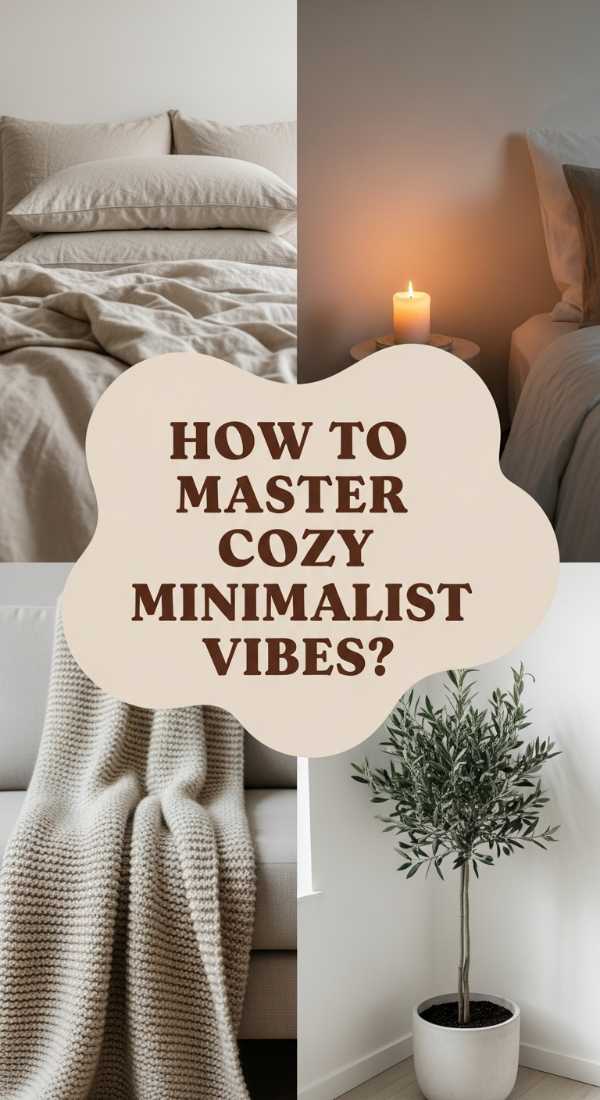
The bedroom should be a sacred space for restoration, and the cozy minimalist aesthetic achieves this by blending soft textures with clean lines. We love the tactile experience of sinking into layers of organic cotton and linen, where the only ‘decor’ is the natural drape of the fabric and the warmth of a dimmable lamp. It transforms the act of sleeping into a ritual of self-care, removing the distractions of electronics and piles of laundry that usually haunt our rest.
Essential Elements:
- Linen bedding in earthy tones.
- Low-profile bed frame.
- Minimalist bedside carafe for hydration.
- Soft, warm-toned floor rug.
How to make it
- The Bedding Layering Technique: Start with a high-thread-count cotton sheet. Layer with a medium-weight linen duvet. Professional tip: Do not tuck the duvet; let it hang naturally to create that ‘lived-in yet clean’ aesthetic.
- Light Temperature Calibration: Swap out blue-toned bulbs for warm ‘sunset’ bulbs (2700K). This mimics the natural circadian rhythm and softens the appearance of minimalist furniture.
- Symmetry Simplification: Place identical lamps on both sides of the bed. This creates visual balance, which the brain interprets as ‘ordered’ and ‘safe.’
- The ‘No-Tech’ Zone: Remove all screens. Replace the alarm clock with a sleek, wooden analog version. The visual cue here is ‘analog peace.’
How to Arrange a Minimalist Living Room for Small Spaces
Why we love this
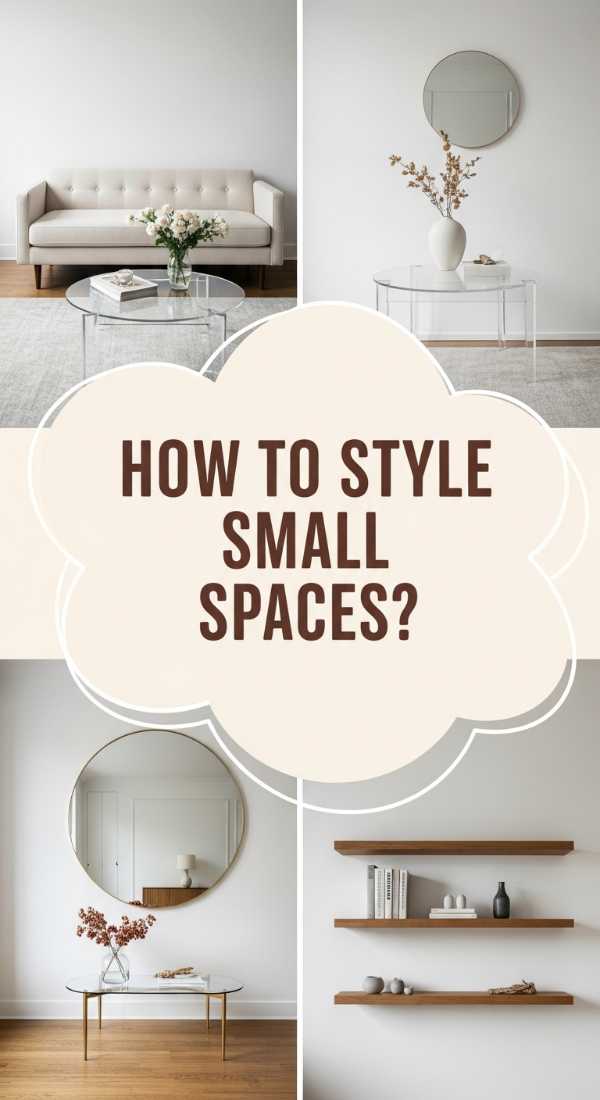
Small spaces often feel cramped, but minimalist principles can make them feel expansive and airy. We love using ‘leggy’ furniture that allows you to see the floor underneath, which tricks the eye into thinking there is more square footage than there actually is. By keeping the center of the room open and focusing on vertical storage, you create a flow that feels effortless and inviting, even in the tightest city apartment.
Essential Elements:
- Furniture with exposed legs.
- Large mirrors to reflect light.
- Multi-functional nesting tables.
- Wall-mounted shelving.
How to make it
- The Float Strategy: Instead of pushing all furniture against the walls, move your sofa even just two inches away. This creates a sense of ‘air’ around the pieces.
- Vertical Ascension: Install thin, floating shelves high up on the wall. This draws the eye upward, highlighting the height of the room rather than the narrowness of the floor.
- The Mirror Illusion: Place a large, thin-framed floor mirror opposite a window. Timing tip: Check the reflection during peak sunlight hours to ensure it’s bouncing light into the darkest corners of the room.
- Negative Space Focus: Ensure at least 30% of your floor space remains completely uncovered. Visual cue: You should be able to walk a clear path from one side to the other without turning your body.
How to Curate Room Decor Minimalist Style for Modern Living
Why we love this
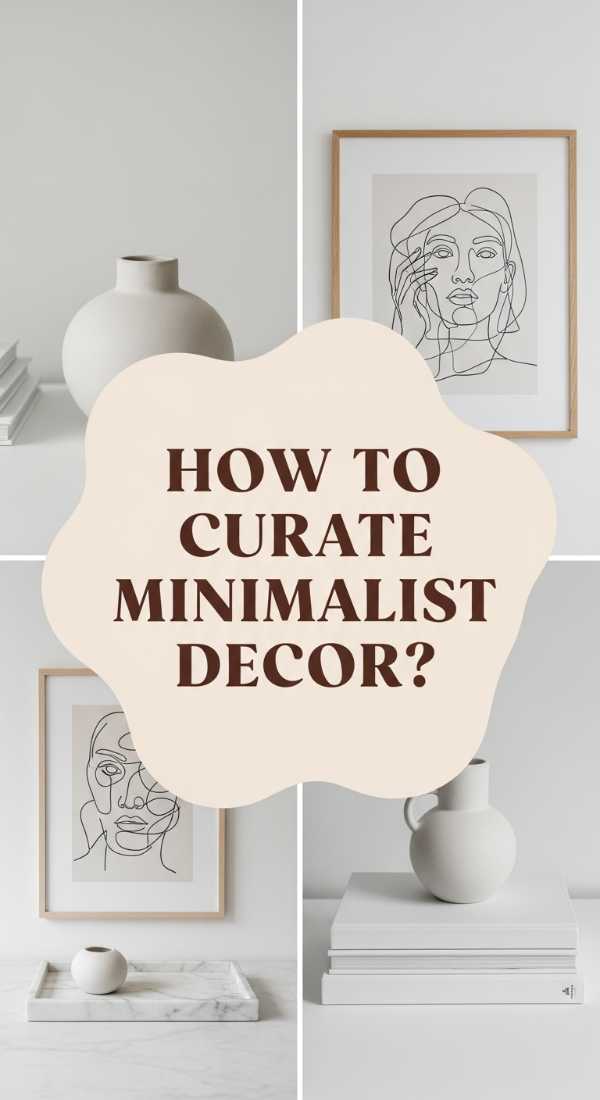
Curating decor is where the ‘magic’ truly happens—it’s the transition from a house to a home. We love the challenge of choosing only one or two pieces that tell a story, rather than filling shelves with ‘filler’ items. A single, large-scale piece of abstract art or a hand-thrown ceramic vase becomes a focal point that captures the imagination. This style celebrates the beauty of craftsmanship and the luxury of having ‘enough.’
Essential Elements:
- Large-scale minimalist art.
- Architectural plants (like a Monstera or Fiddle Leaf Fig).
- Hand-crafted ceramics.
- Textured throw pillows in tonal shades.
How to make it
- The ‘One In, One Out’ Rule: For every new decorative item you bring in, one must leave. This maintains the equilibrium of the room’s energy.
- The Rule of Three (Minimalist Version): Arrange items in groups of three but vary their heights significantly. Professional tip: Use a tall vase, a medium-sized candle, and a flat tray to ground them.
- Botanical Sculpting: Treat plants as living sculptures. Prune them to maintain clean lines and choose pots with matte, stone-like finishes to keep the look cohesive.
- Art Placement: Hang art at eye level (usually 57-60 inches from the floor). Ensure the frame is thin and matches the primary wood tone of the room.
How to Create a Cozy Minimalist Nook for Pure Relaxation
Why we love this
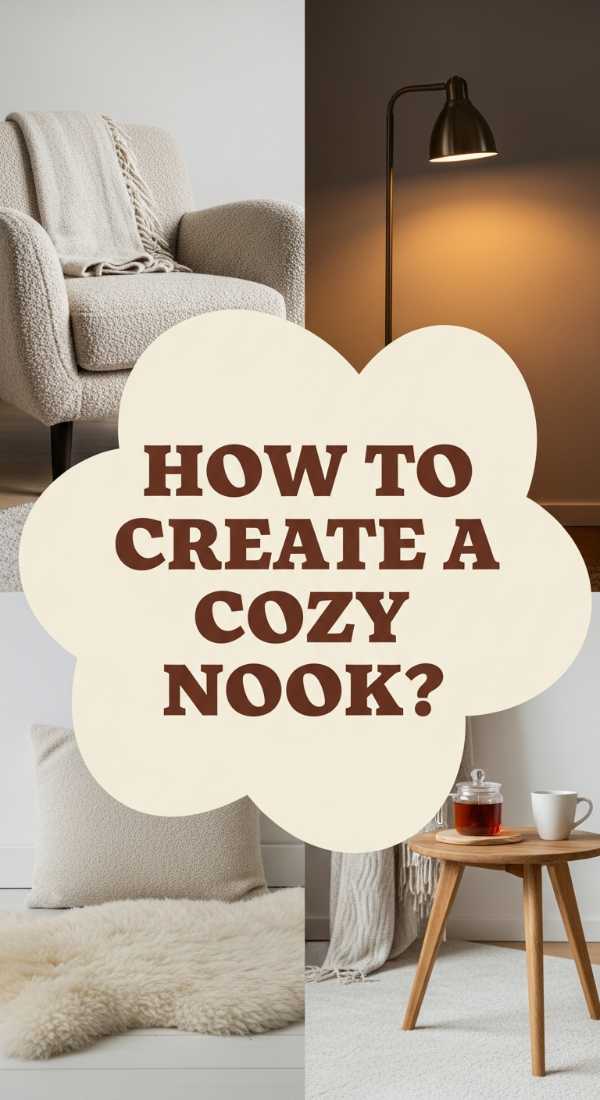
A nook is a tiny kingdom of comfort. In a minimalist home, it serves as a designated ‘do-nothing’ zone. We love how a simple floor cushion or a single plush armchair can define an entire corner as a place for reading or meditation. It’s about the tactile warmth of a wool throw and the scent of a beeswax candle—sensory details that ground you in the present moment while the rest of the world fades away.
Essential Elements:
- Oversized floor cushion or soft armchair.
- Natural fiber throw (wool or cashmere).
- Small wooden stool (as a side table).
- Dimmable floor lamp.
How to make it
- Zone Delineation: Use a small, circular jute rug to physically mark the boundaries of your nook. This ‘islands’ the space within a larger room.
- The Softness Ratio: For every hard surface (like a wooden stool), add two soft surfaces (pillow and blanket). This creates the ‘cozy’ balance within the minimalist framework.
- Scent Curation: Choose one signature scent for this area. Visual/Sensory tip: A candle in a clear glass or white ceramic jar keeps the look clean while the aroma works on your nervous system.
- Lighting Focus: Position a floor lamp with a warm bulb so the light pools downward. Technique: The light should be bright enough to read by but should not bleed into the rest of the room.
How to Perfect Living Room Decor Minimalist Textures for Depth
Why we love this
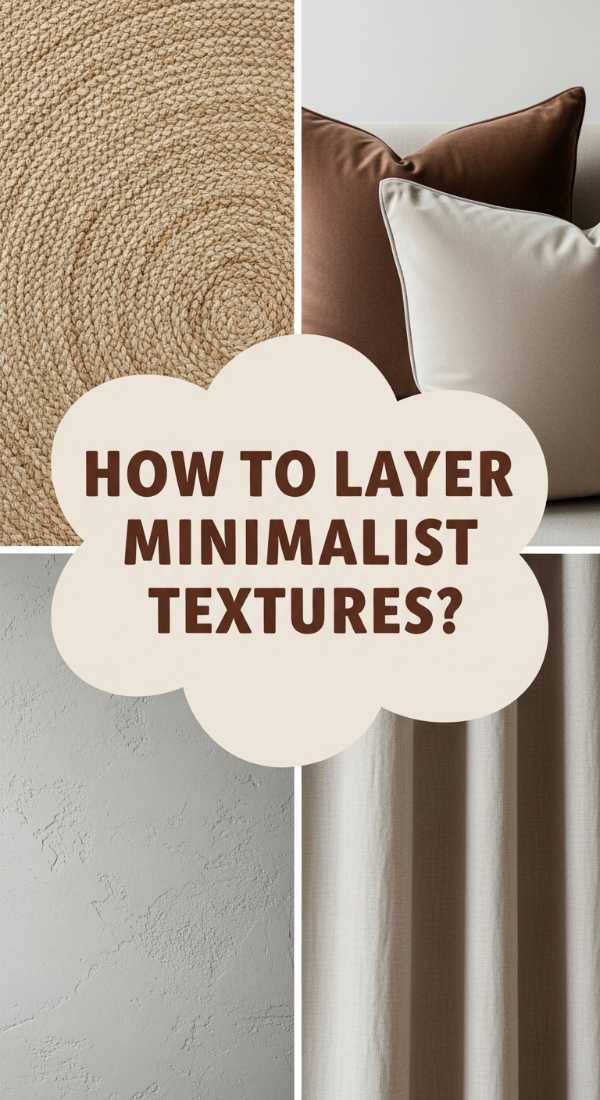
Without color, texture is the secret ingredient that prevents a minimalist room from feeling ‘cold’ or sterile. We love the sophisticated interplay of a bouclé sofa against a smooth oak floor, or the way a chunky knit blanket softens the sharp lines of a glass coffee table. These layers create visual interest and ‘depth’ that you can feel with your eyes, making the space feel rich and expensive without needing a single drop of bold paint.
Essential Elements:
- Bouclé or velvet upholstery.
- Woven wall hangings.
- Marble and wood accents.
- High-pile rugs.
How to make it
- The Material Mix: Identify the three textures present in your room. Professional tip: If you have wood and glass, add something ‘soft’ like wool. The goal is to represent ‘Hard, Smooth, and Soft’ in every vignette.
- Shadow Play: Use directional lighting to highlight textures. Technique: A lamp placed to the side of a textured wall or rug will create small shadows that emphasize the ‘depth’ of the material.
- Tonal Layering: Keep the colors the same but change the fabric. For example, a white linen pillow next to a white fur pillow. The lack of color contrast forces the eye to appreciate the texture contrast.
- The ‘Touch Test’: Walk through the room and touch every surface. If it all feels the same (all smooth), introduce a natural, rougher element like a seagrass basket or a raw wood bowl.
How to Organize a Minimalist Home Entryway for Daily Calm
Why we love this
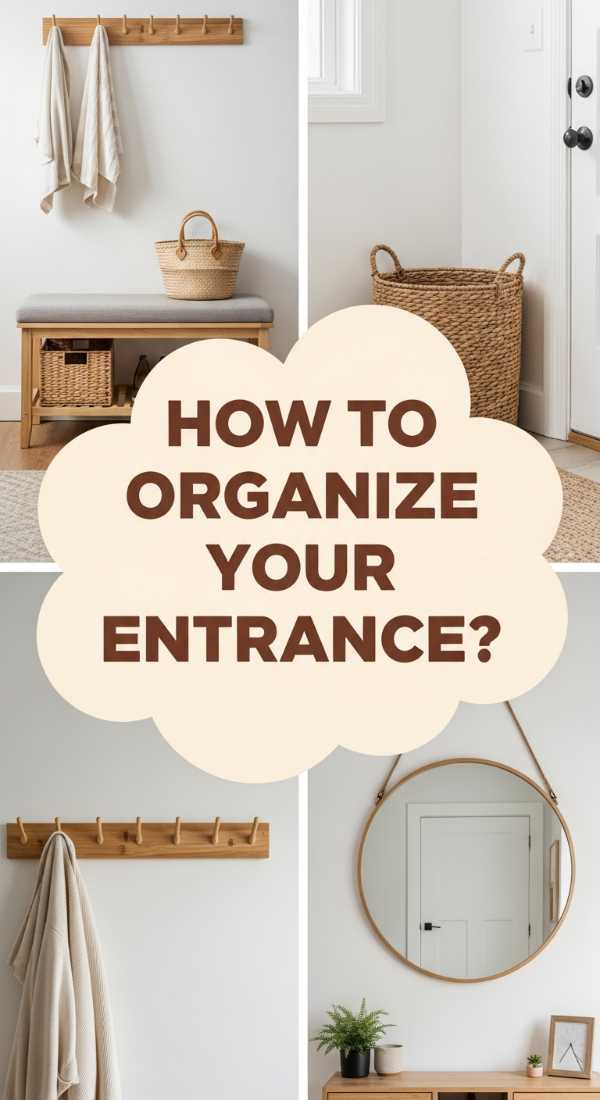
The entryway is the transition between the chaos of the outside world and the peace of your home. We love how a minimalist entryway acts as a ‘palette cleanser.’ By having a dedicated spot for keys, shoes, and coats that is hidden or highly organized, you prevent the ‘clutter creep’ that usually starts at the front door. It ensures that the first thing you see when you get home is a clean, welcoming sight rather than a to-do list of cleaning.
Essential Elements:
- Wall-mounted peg rail.
- Small bench with hidden shoe storage.
- Ceramic tray for keys and small items.
- Large round mirror.
How to make it
- The ‘Landing Strip’ Setup: Place a small console or shelf exactly where you naturally drop your keys. Professional tip: Use a tray to ‘corral’ these items; it makes a mess look like an intentional collection.
- Hidden Shoe Command: Use a closed cabinet rather than an open rack. Visual cue: If you can see the soles of the shoes, the entryway will always look busy.
- The One-Coat Policy: Only allow one coat per person to hang on the wall hooks. All other seasonal gear should be moved to a closet.
- Mirror Alignment: Hang a mirror at head height to check your reflection before leaving. This also bounces light from the door, making the entrance feel larger.
How to Style a Minimalist Kitchen for a Joyful Atmosphere

Why we love this
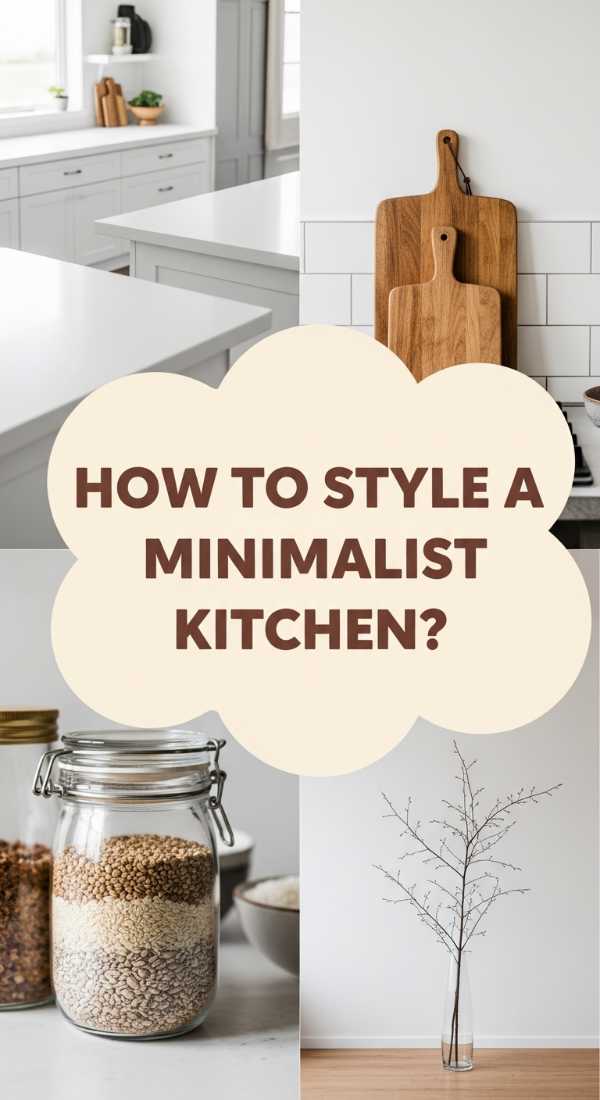
A minimalist kitchen is a dream for anyone who loves to cook. We love the clarity of clear countertops where the only things visible are a beautiful wooden cutting board and a bowl of fresh fruit. It removes the friction of cooking—no digging through drawers or moving appliances just to find a workspace. The atmosphere becomes one of efficiency and culinary joy, where the focus is on the colors and aromas of the food itself.
Essential Elements:
- Matching glass canisters for dry goods.
- Hidden appliance garage.
- Uniform dishware in neutral tones.
- Clean, clutter-free backsplashes.
How to make it
- The Countertop Clear-Out: Move every appliance into a cabinet unless you use it more than three times a week. Visual cue: Aim for 80% of your counter space to be completely empty.
- Decanting Technique: Transfer pastas, grains, and spices into uniform glass jars. Professional tip: Use a label maker for the bottom of the jars so the aesthetic remains ‘clean’ from the front.
- The Uniformity Principle: Stick to one color for all towels and sponges. Neutral tones like sage green or cream blend into the background.
- The Single Focal Point: Choose one high-quality item—like a copper kettle or a designer fruit bowl—to be the ‘star’ of the island.
How to Achieve Minimalist Cozy Lighting for Evening Serenity
Why we love this
Lighting is the invisible furniture of a home. We love how minimalist lighting relies on ‘pools’ of warmth rather than harsh overhead glare. It’s the difference between a doctor’s office and a high-end spa. By using multiple low-level light sources, you can create a sense of intimacy and calm that signals to your brain that the day is done. It’s all about the glow—the way it catches the edges of your decor and softens every shadow.
Essential Elements:
- Dimmable floor and table lamps.
- Candles (unscented or natural wax).
- Smart bulbs with adjustable color temperature.
- Paper or fabric lamp shades.
How to make it
- The ‘No Big Light’ Rule: After 6 PM, turn off all ceiling lights. Use only lamps that sit below eye level. This creates a cozy, cave-like feeling.
- Three-Point Lighting: Place three light sources in a triangle around the room. Technique: One floor lamp, one table lamp, and one candle. This ensures even, soft coverage without shadows.
- Bulb Matching: Ensure every bulb in the room has the same Kelvin rating (ideally 2700K). Mismatched light colors (one blue, one yellow) create subconscious visual stress.
- The Candle Ritual: Use candles to highlight specific ‘quiet’ areas, like a coffee table or windowsill. Visual cue: The flicker adds movement to a static minimalist room.
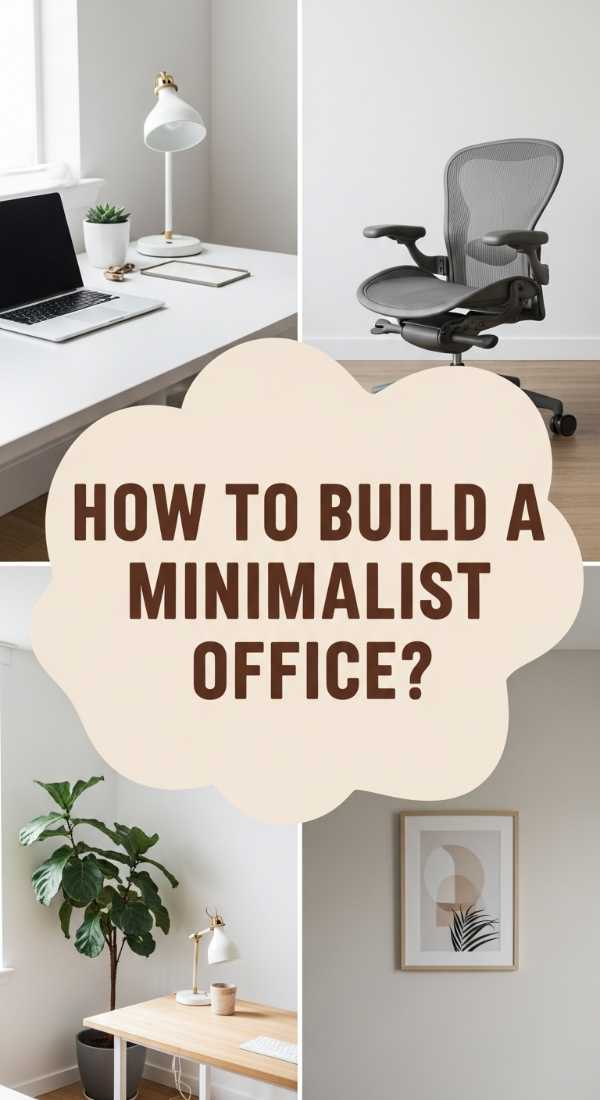
How to Build a Minimalist Home Workspace for Deep Focus
[IMAGE_10]
Why we love this
In an age of constant digital distraction, a minimalist workspace is a superpower. We love the focused energy of a clean desk where your only view is your work and perhaps a single, beautiful plant. By removing the visual clutter of loose papers, tangled cords, and random pens, you create a mental runway for deep work and creativity. It’s about creating a space where your ideas have room to grow without being stifled by physical mess.
Essential Elements:
- Sleek, cable-management desk.
- Ergonomic but aesthetic chair.
- Single desk plant (like a Pothos).
- Hidden desk organizers.
How to make it
- Cable Ghosting: Use cable sleeves or under-desk trays to hide every single wire. Professional tip: If you can see a cord, you haven’t finished the minimalist setup.
- The Daily Reset: At the end of every workday, clear the desk of everything except the monitor and keyboard. This ‘cleans the slate’ for the next morning.
- Analog Focus: Keep only one notebook and one pen on the desk. All other stationery should be in a drawer. Visual cue: The desk should look ‘ready for action’ at all times.
- Natural Connection: Place the desk near a window if possible. If not, use a single plant to provide a ‘living’ element that breaks up the tech-heavy environment.
Embracing the Less is More Lifestyle
Creating an aesthetic minimalist home isn’t a weekend project—it’s an ongoing practice of choosing peace over clutter. By implementing these tips, you aren’t just decorating; you’re designing a life that feels as good as it looks. Start small, be intentional, and enjoy the magic of your new, elevated space.