
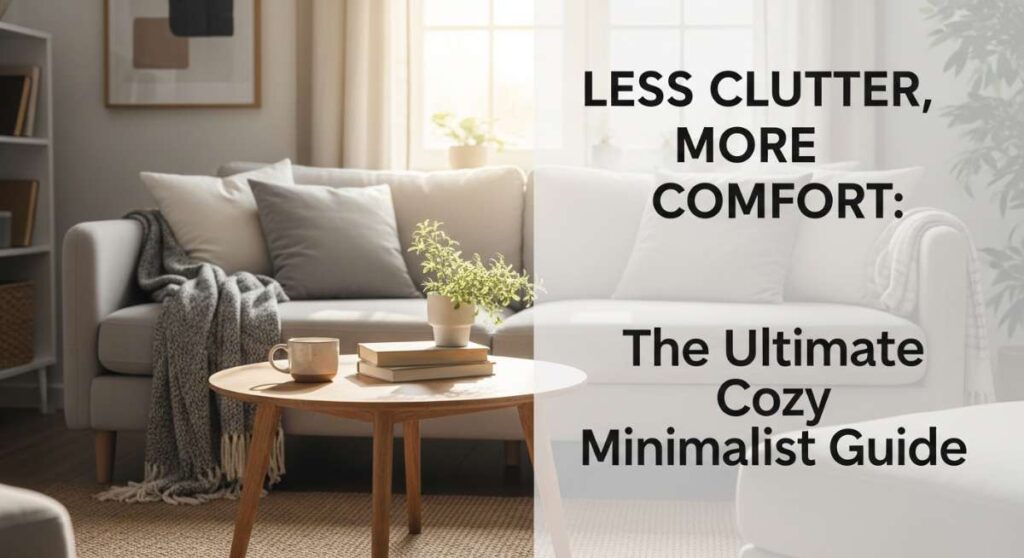
Less Clutter, More Comfort: The Ultimate Cozy Minimalist Guide
Have you ever walked into your living room and felt your shoulders immediately drop three inches? That is the power of a home that breathes. For years, I lived under the impression that ‘cozy’ meant ‘more’—more pillows, more knick-knacks, more stuff shoved into every corner. But I eventually realized I was just suffocating under the weight of things I didn’t actually love, spending my weekends cleaning rather than relaxing.
Welcome to the world of cozy minimalism. It is the art of finding that perfect ‘Goldilocks’ zone where simplicity meets soul. In this guide, we are going to dive deep into how you can strip away the excess without losing the warmth, turning your living space into a sanctuary that prioritizes your peace of mind and your physical comfort above all else. Let’s create a home that feels like a warm hug without the clutter.
How to Design a Cozy Minimalist Living Room for Inner Peace
Why we love this
There is a profound psychological shift that happens when you curate a space specifically for tranquility. Imagine a room bathed in soft, diffused sunlight where every surface serves a purpose and every fabric invites a touch. The gentle scent of sandalwood wafts through the air, while the visual silence of a muted color palette allows your brain to transition from the chaos of work to a state of deep, restorative calm. It is about creating a physical manifestation of a sigh, where the absence of clutter makes room for the presence of your own thoughts and the soothing rhythm of a quiet afternoon.
Essential Elements:
- Neutral, earth-toned base palette (think oatmeal, sage, and sand).
- Natural wood furniture with clean lines.
- One high-quality, oversized textured rug.
- Soft, dimmable ambient lighting.
- A single, meaningful piece of large-scale art.
How to make it
- Begin by removing every single item from the room to view the architecture and light clearly; this ‘blank slate’ technique prevents you from keeping things out of habit.
- Select a primary neutral shade for the walls—preferably a warm white with a hint of yellow or pink to avoid a sterile, clinical hospital feel.
- Position your largest furniture piece, the sofa, toward the natural light source to maximize your exposure to Vitamin D during the day.
- Layer in ‘soft’ elements by choosing a rug that extends at least six inches under all furniture legs to ground the space and provide a plush landing for your feet.
- Finalize the layout by adding ‘breathing room’—ensure there are at least 30 inches of walking space between furniture pieces to maintain an airy, unencumbered flow.
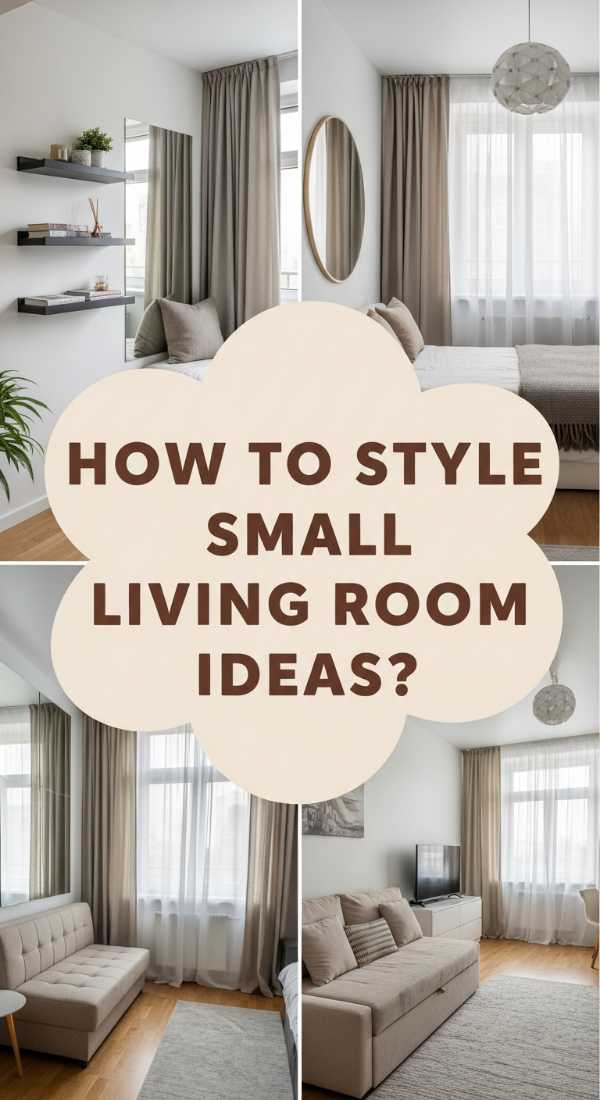
How to Style Small Living Room Ideas for Apartment Living and Cozy Vibes
Why we love this
Small spaces have a natural intimacy that larger rooms often struggle to achieve, making them the perfect canvas for a cozy minimalist transformation. When every square inch is curated with intention, the apartment feels like a protective cocoon rather than a cramped box. You can almost feel the softness of a chunky knit blanket draped over a sleek armchair, perfectly positioned next to a window where city lights twinkle like distant stars. This style proves that you don’t need a mansion to experience luxury; you just need the right balance of scale, light, and texture to turn a tiny footprint into a grand retreat.
Essential Elements:
- Multi-functional furniture (like an ottoman with hidden storage).
- Sheer floor-to-ceiling curtains to draw the eye upward.
- Mirrors to reflect light and create the illusion of depth.
- Low-profile seating to keep sightlines open.
- Wall-mounted shelving to save precious floor real estate.
How to make it
- Identify the ‘hero’ wall of your small space and install floor-to-ceiling sheer drapes; hang the rod four inches above the window frame to trick the eye into seeing taller ceilings.
- Select a sofa with exposed legs rather than a skirted base; seeing the floor underneath the furniture creates an optical illusion of more open space.
- Incorporate a ‘floating’ desk or console table that attaches directly to the wall, eliminating bulky legs that clutter the visual field.
- Use a large wall mirror opposite your main window to bounce natural light into the darkest corners, instantly doubling the perceived brightness of the room.
- Limit your decorative accents to groups of three, varying the heights but keeping the colors monochromatic to prevent the small surface areas from looking cluttered.
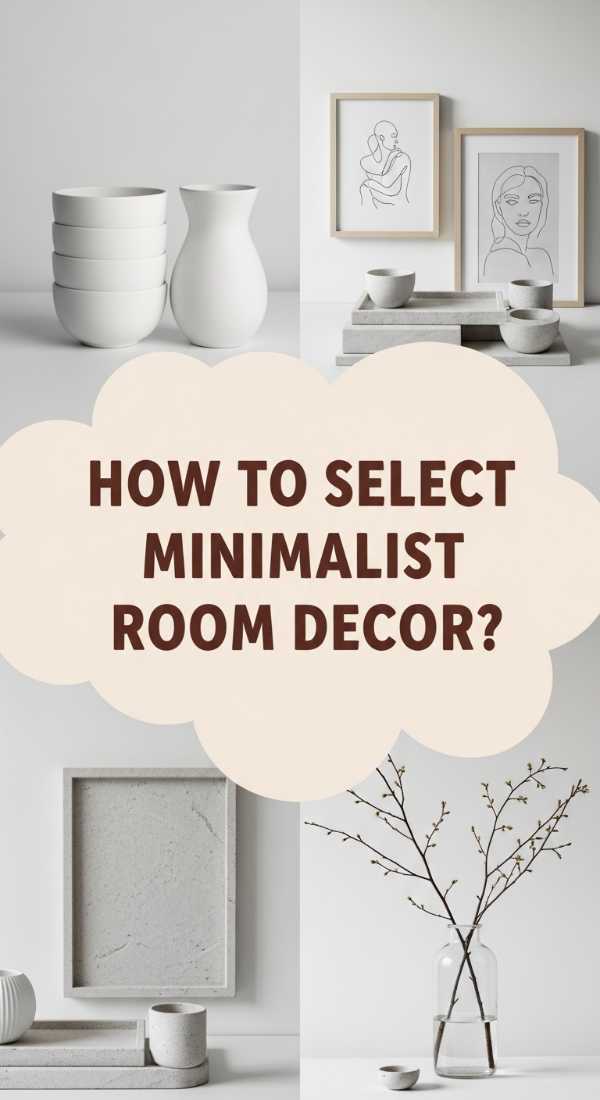
How to Select Minimalist Room Decor for a Simplified Lifestyle
Why we love this
Selecting decor with a minimalist mindset is an exercise in mindfulness, where each object is chosen for its ability to spark joy or provide utility. It’s the tactile sensation of a handmade ceramic vase, its slightly rough surface telling the story of the artisan’s hands, or the way a single branch of dried eucalyptus adds a pop of muted green and a refreshing aroma to a room. This approach eliminates the ‘noise’ of cheap, trendy trinkets, replacing them with heirloom-quality pieces that age gracefully and ground the room in a sense of timeless elegance and intentionality.
Essential Elements:
- Hand-crafted ceramics and pottery.
- Organic textiles like linen, wool, and organic cotton.
- Dried botanicals or long-lasting greenery.
- Quality metal accents (brass or matte black).
- Books with beautiful spines or neutral covers.
How to make it
- Audit your current decor and apply the ‘one-month rule’: if you haven’t looked at it or used it in thirty days, it’s likely just visual noise.
- Choose a ‘signature material’ like light oak or brushed brass and ensure it appears in at least three different places around the room for a cohesive look.
- When shopping for new pieces, prioritize ‘heavier’ materials like stone or solid wood; the weight of these items adds a sense of permanence and quality to the minimalist aesthetic.
- Style your surfaces using the ’70/30′ rule: leave 70% of the surface area completely empty to allow the 30% of decor to truly stand out as a focal point.
- Incorporate natural elements like a bowl of smooth river stones or a piece of driftwood to bring the grounding energy of the outdoors inside.
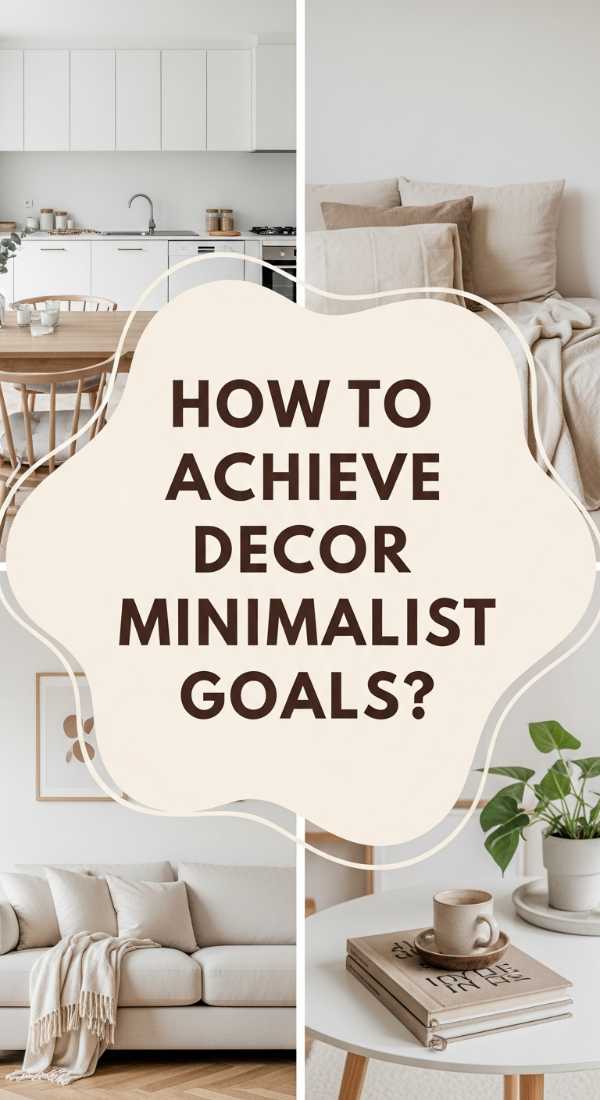
How to Achieve Decor Minimalist Goals for a Tidy Home
Why we love this
A tidy home is the ultimate form of self-care, providing a clear environment where the mind can finally rest and recover. There is something incredibly satisfying about a coffee table that holds nothing but a single candle and a book, or a bookshelf that isn’t crammed to the brim but instead showcases the beauty of the negative space between volumes. The physical order of the room translates into mental clarity, making your morning coffee taste better and your evening wind-down feel more intentional as you bask in the organized beauty of your surroundings.
Essential Elements:
- Uniform storage bins in natural materials (wicker or felt).
- A ‘one-in, one-out’ policy for all new purchases.
- Hidden cable management systems.
- A designated ‘landing strip’ for keys and mail.
- Minimalist wall clocks with silent movements.
How to make it
- Implement a ‘closed storage’ strategy by utilizing sideboards or cabinets with solid doors to hide necessary but unsightly items like electronics and paperwork.
- Establish a daily ‘five-minute reset’ every evening where you return every pillow to its place and clear the coffee table, ensuring you wake up to a fresh start.
- Organize your media center by using cord runways or cable boxes to eliminate the ‘spaghetti’ of wires that often disrupts minimalist visual lines.
- Group similar items into trays; a tray creates a ‘boundary’ for decor, making several small items look like one intentional, tidy unit.
- Switch all your mismatched hangers and storage boxes to a single, uniform style and color to reduce visual friction within closets and open shelving.
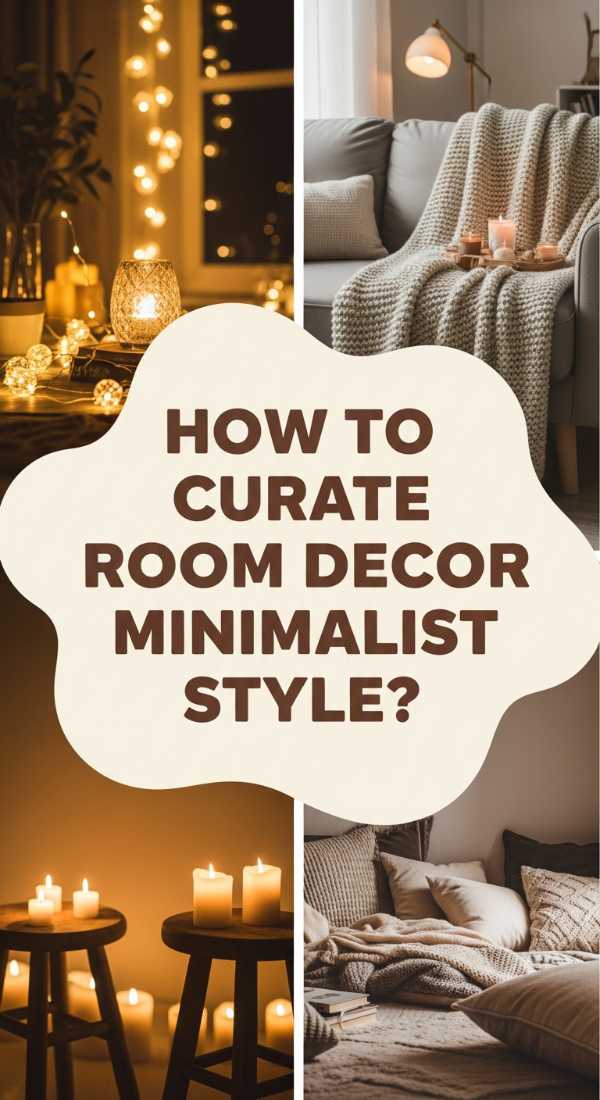
How to Curate Room Decor Minimalist Style for Serene Evenings
Why we love this
As the sun sets, a cozy minimalist room transforms into a glow-filled sanctuary that perfectly sets the stage for deep relaxation. The way the light from a low-wattage amber bulb catches the weave of a linen pillow or the way a soft cashmere throw feels against your skin creates a sensory experience that signals to your nervous system it’s time to unplug. These serene evenings are not about entertainment, but about presence—watching the shadows dance on the ceiling and enjoying the quietude that only a clutter-free, thoughtfully lit space can provide.
Essential Elements:
- Smart bulbs with adjustable color temperatures (warm amber).
- Taper candles in simple glass or clay holders.
- A high-quality sound system for low-fi beats.
- Linen or silk eye masks for total darkness.
- A dedicated tea station with minimalist mugs.
How to make it
- Layer your lighting by avoiding the ‘big light’ (overhead fixtures) and instead using three lamps at varying heights: floor, table, and eye level.
- Swap standard white light bulbs for ‘Edison’ style amber bulbs which emit a warmer, candle-like frequency that supports melatonin production.
- Create a ‘texture station’ near your favorite seating area, featuring a basket of blankets with different weights—from light cotton to heavy faux fur.
- Introduce a signature evening scent through a stone diffuser; use essential oils like lavender and cedarwood to create a consistent olfactory cue for sleep.
- Arrange your furniture to face away from the television or workspace, focusing the seating toward a fireplace or a cozy corner to encourage conversation and reading.
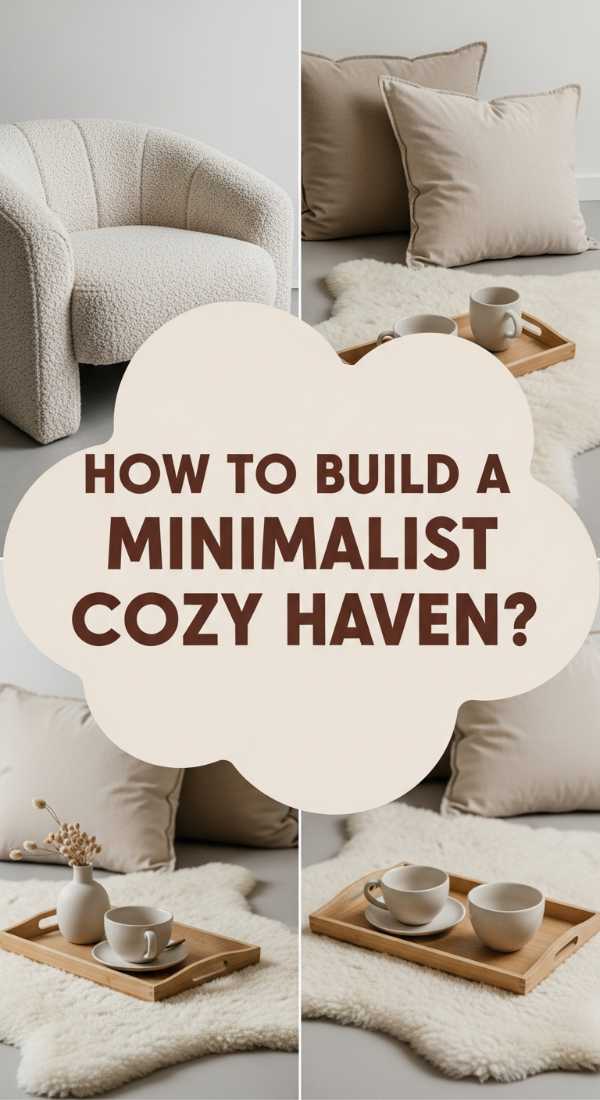
How to Build a Minimalist Cozy Haven for Relaxing Weekends
Why we love this
Weekend relaxation hits differently when your home doesn’t demand your attention with piles of laundry or dusty trinkets. Imagine waking up on a Saturday morning, the sunlight hitting a singular, vibrant green plant in the corner, and having nothing to do but enjoy a slow breakfast in a kitchen that feels spacious and clean. The minimalist haven becomes a playground for your hobbies, whether that’s painting, reading, or simply lounging with a loved one, providing a quiet backdrop that enhances every moment of your hard-earned downtime.
Essential Elements:
- Comfortable, deep-seated lounge chairs.
- A curated ‘reading nook’ with a focused task light.
- Soft, oversized floor cushions for extra seating.
- A minimalist bar cart or coffee station.
- Natural fiber rugs that are soft for bare feet.
How to make it
- Designate a ‘tech-free zone’ in your living room where no chargers or screens are allowed, reinforcing the room’s purpose as a place of rest.
- Invest in a high-quality ‘statement’ lounge chair that offers ergonomic support but maintains a slim, minimalist silhouette.
- Rotate your ‘sensory items’ seasonally—heavy wool rugs in the winter and light jute or sisal options in the summer to keep the haven feeling fresh.
- Install dimmers on all wall switches to allow you to transition the room’s mood from ‘bright morning’ to ‘cozy afternoon’ with a simple slide.
- Set up a small, minimalist side table next to your primary seat that is just large enough for a cup of tea and a book, preventing it from becoming a clutter magnet.
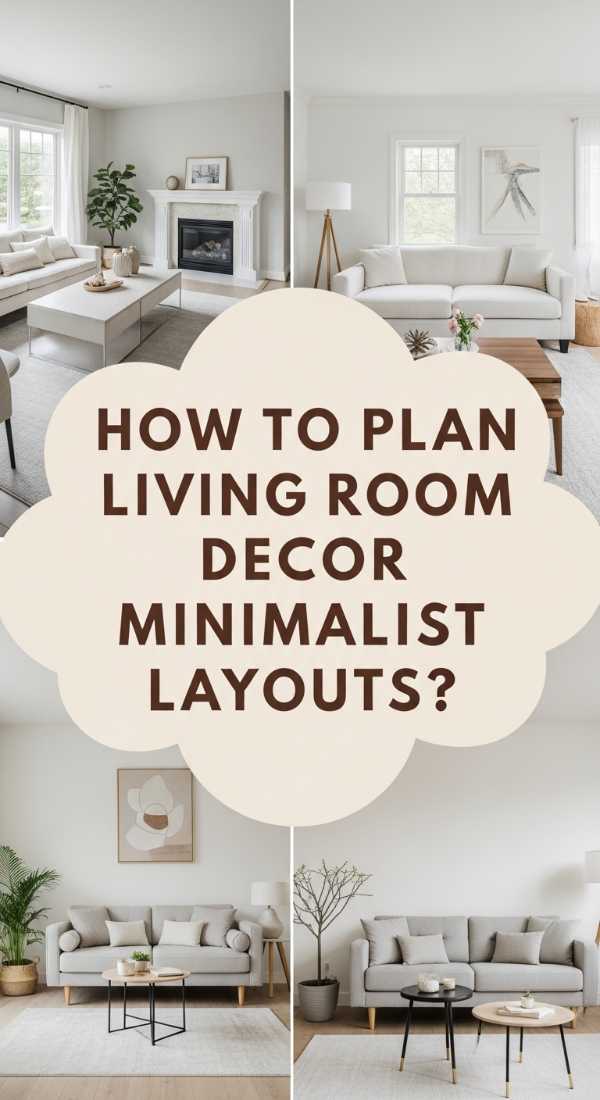
How to Plan Living Room Decor Minimalist Layouts for Open Space
Why we love this
Open-concept living can often feel cold or chaotic, but a minimalist layout brings a sense of structure and flow that feels both grand and intimate. By using furniture to define ‘zones’ rather than walls, you create a home that feels expansive yet purposeful. The beauty lies in the sightlines—standing in the kitchen and looking across a perfectly balanced living area where every piece of furniture feels like it’s in conversation with the next, creating a harmonious environment that supports the rhythm of modern, multi-tasking life.
Essential Elements:
- Low-profile sofas to maintain open sightlines.
- Area rugs to define different functional ‘zones’.
- Symmetrical furniture arrangements for balance.
- Consoles that act as subtle room dividers.
- A consistent color story across all connected areas.
How to make it
- Map out your ‘zones’ (dining, lounging, working) by placing distinct area rugs; ensure there is at least a 12-inch ‘border’ of floor showing between rugs.
- Use a ‘floating sofa’ technique by placing your couch in the center of the room rather than against a wall, which instantly creates a more professional, airy layout.
- Select a color palette of three main colors (e.g., white, grey, and oak) and repeat them in every zone to create a visual bridge that connects the entire open space.
- Keep the ‘vertical space’ clear by avoiding tall cabinets in the center of the room; stick to furniture that stays below waist height to maintain the open feel.
- Arrange seating in a ‘U’ or ‘L’ shape around a central point to foster intimacy within the larger open area, making it feel cozy despite the square footage.
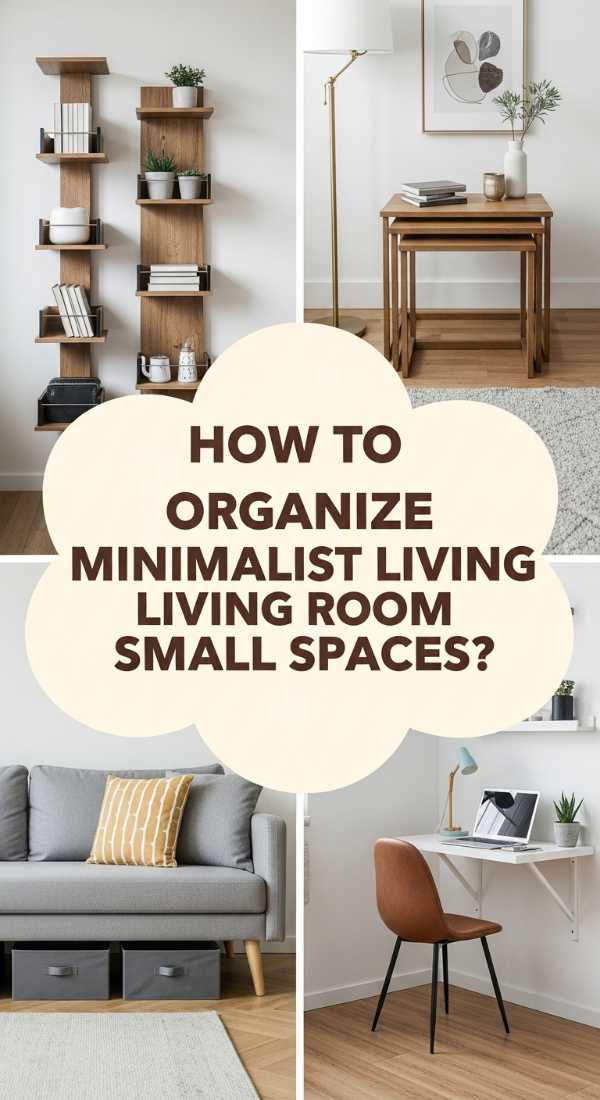
How to Organize Minimalist Living Room Small Spaces for Maximum Comfort
Why we love this
Maximizing comfort in a small space requires a clever blend of organization and aesthetics, where ‘hidden’ storage is your best friend. There is a secret thrill in knowing that your clutter is tucked away in beautiful, integrated cabinets, leaving only the soft textures and calming colors on display. This organized approach removes the visual stress of a small room, allowing the plushness of a velvet sofa or the warmth of a wooden floor to take center stage, proving that you don’t need a lot of space to live in total luxury and comfort.
Essential Elements:
- Built-in cabinetry that blends into the wall color.
- Furniture with built-in drawers.
- Wall-mounted lighting to save surface space.
- Stackable or nestable side tables.
- Vertical storage for books and media.
How to make it
- Paint your storage units the exact same color as your walls; this ‘camouflage’ technique makes large cabinets virtually disappear, reducing visual weight.
- Choose ‘nesting’ coffee tables that can be tucked away when not in use, providing extra surface area for guests without permanently taking up floor space.
- Utilize the ‘back of the door’ or ‘inside the cabinet’ storage for items like remotes and chargers, keeping the visible surfaces completely clear.
- Opt for a wall-mounted TV or projector to eliminate the need for a bulky media console, freeing up several square feet of floor space.
- Select furniture with ‘slim profiles’—thin metal legs and narrow armrests—which provide the same comfort as bulkier pieces but occupy much less visual volume.
How to Decorate a Minimalist Home for a Sophisticated Feel
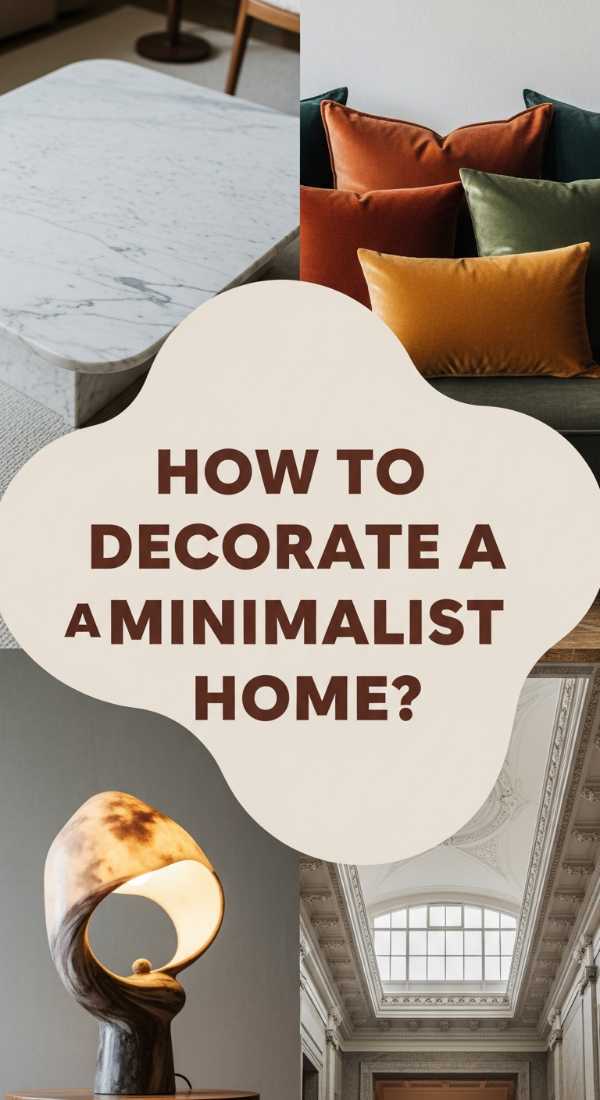
Why we love this
Minimalism doesn’t have to mean ‘basic’; in fact, it is the most sophisticated way to showcase high-end materials and thoughtful design. When you have fewer things, the things you *do* have shine brighter—the grain of a solid walnut table, the cool touch of a marble coaster, or the rich texture of a hand-knotted silk rug. This level of curation feels like a boutique hotel, where every detail has been considered and every element exudes a sense of quiet luxury that doesn’t need to shout to be noticed.
Essential Elements:
- High-end natural materials (marble, walnut, leather).
- A mix of matte and polished finishes for contrast.
- Subtle architectural details (like crown molding).
- Curated ‘vignettes’ rather than scattered decor.
- Monochromatic art with rich textures.
How to make it
- Invest in ‘touchpoints’—the items you interact with most, like doorknobs, light switches, and pillows—and upgrade them to premium materials like brass or silk.
- Incorporate ‘negative space’ as a design element; treat an empty corner as an intentional choice rather than a gap that needs to be filled.
- Use ‘tonal layering’ by choosing one color (like beige) and using it in five different textures—suede, linen, wood, stone, and wool—to create depth without color.
- Select a ‘statement light fixture’ that acts as a piece of sculpture in the room, drawing the eye upward and providing a sophisticated focal point.
- Keep your window treatments simple and high-quality; avoid ruffles or patterns and stick to clean-lined ‘S-fold’ drapes or Roman shades in heavy linen.
How to Master the Minimalist Room Aesthetic for Daily Calm
[IMAGE_10]
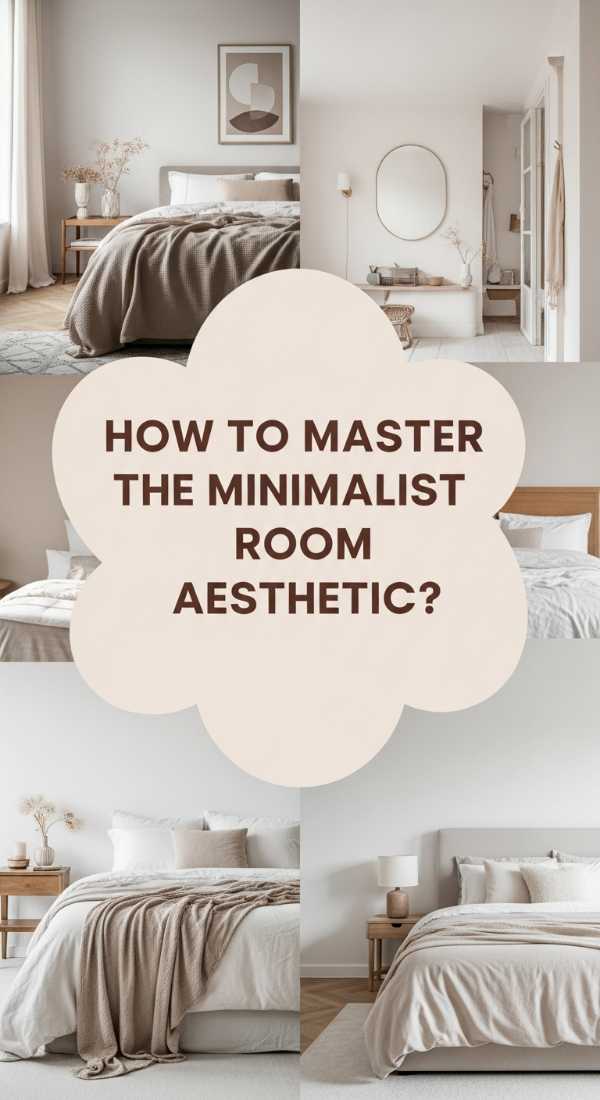
Why we love this
Mastering the minimalist aesthetic is ultimately about creating a lifestyle of ease where your home supports your daily rituals. It’s the peace of mind that comes from knowing exactly where your keys are, the joy of a kitchen counter that is always ready for a new recipe, and the comfort of a bedroom that feels like a cloud. By mastering this aesthetic, you aren’t just decorating; you are designing a life that is less about managing ‘stuff’ and more about enjoying the moments that happen within your four walls, wrapped in a blanket of calm and clarity.
Essential Elements:
- A consistent ‘cleaning ritual’ that feels like a habit.
- Digital minimalism (hiding screens when not in use).
- Indoor plants that improve air quality.
- A soft, neutral color palette that flows room to room.
- High-quality essentials (the perfect mug, the softest towel).
How to make it
- Conduct a ‘visual sweep’ every morning; walk through the house and remove any items that have migrated from their ‘home’ to maintain the aesthetic.
- Introduce ‘life’ into the minimalism with low-maintenance plants like Snake Plants or ZZ Plants; their greenery adds vitality without adding clutter.
- Use scent as a design tool—choose one high-quality candle or incense and use it only in the living area to create a sensory boundary for relaxation.
- Apply the ’empty shelf’ rule: on any given bookshelf or unit, leave at least 25% of the space completely empty to maintain an airy, calm feel.
- Review your home seasonally; as the light changes, move your furniture or swap your textiles to ensure the room always feels perfectly tuned to the time of year.
Conclusion
Cozy minimalism isn’t about living with nothing; it’s about living with *only* what matters. By focusing on quality over quantity and comfort over clutter, you can transform your home into a sanctuary that truly serves your well-being. Start small, be intentional, and remember that every item you remove makes room for a bit more peace. Happy styling!