
From Clutter to Calm: The Ultimate Guide to Cozy Minimalist Living
Have you ever walked through your front door after a long, chaotic day, only to feel your shoulders tighten even more at the sight of the piles on the mail table and the visual noise of ‘too much stuff’? We’ve all been there, feeling like our homes are just another item on the to-do list rather than the sanctuary we deserve. Cozy minimalism isn’t about living in a cold, empty white box; it’s about making room for the things that actually make your heart beat a little slower and your breath come a little deeper.
In this guide, I’m sharing the secrets to transforming your space into a viral-worthy retreat that feels as good as it looks. We’re going beyond the surface level to explore how intentional design can actually soothe your nervous system. From the scent of sandalwood floating through a sun-drenched corner to the tactile bliss of a chunky knit throw, let’s dive into how you can curate a life of less—but better.
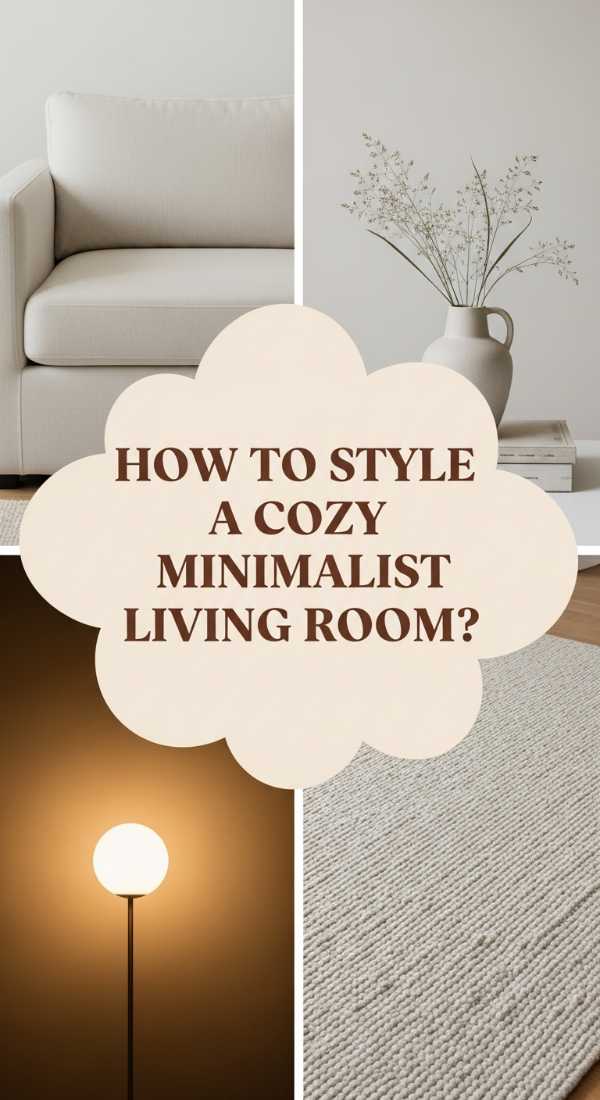
How to Create a Cozy Minimalist Living Room for Absolute Tranquility
Why we love this
There is something deeply restorative about a room that doesn’t demand your attention. Imagine sinking into a soft, oatmeal-colored linen sofa while the afternoon light filters through sheer curtains, highlighting the subtle grain of a natural wood coffee table. The air carries a faint, grounding aroma of cedarwood and dried lavender, creating an atmosphere that feels like a warm hug for your soul. It’s not just a room; it’s a sensory experience where the absence of clutter allows the beauty of high-quality textures to truly shine, inviting you to stay just a little bit longer in the quiet.
Essential Elements:
- Neutral-toned linen or velvet sofa
- Natural wood accents (oak or walnut)
- Textured wool area rug
- Sheer linen window treatments
- Scented soy candles (woody or botanical)
- Minimalist ceramic vases
How to make it
- Begin by stripping the room to its bare essentials, removing any furniture that doesn’t serve a functional or aesthetic purpose. This ‘clears the palate’ of the room.
- Select a primary anchor piece, usually the sofa, in a muted, earthy tone. Position it to face a natural focal point, like a window or fireplace, to enhance the sense of groundedness.
- Layer in textures using a ‘three-material rule’: combine wood, stone, and fabric. For example, pair a smooth marble side table with a chunky knit blanket to create visual depth without adding ‘stuff’.
- Adjust the lighting temperature. Replace cool-toned bulbs with warm, 2700K LEDs to create a soft, golden glow that mimics the golden hour.
- Incorporate greenery. Place one large, sculptural plant like a Fiddle Leaf Fig or Olive Tree in a corner to breathe life and organic movement into the straight lines of the room.
How to Design a Small Living Room for Apartment Cozy Aesthetic Vibes

Why we love this
Small spaces have a unique magic; they force us to be curators of our own joy. When you nail the apartment-cozy aesthetic, your tiny living area feels like a high-end boutique hotel suite rather than a cramped box. We love the way a well-placed mirror can catch the morning light, bouncing it off a cream-colored bouclé chair and making the whole room feel airy and expansive. It’s about the intimacy of a space where every single object has been hand-selected for its beauty and utility, creating a curated nest that feels both protective and incredibly chic.
Essential Elements:
- Multi-functional furniture (storage ottomans)
- Large-scale mirrors to reflect light
- Low-profile seating
- Vertical shelving units
- Cream or soft grey color palette
- Task lighting with slim profiles
How to make it
- Optimize your floor plan by pulling furniture slightly away from the walls. This creates ‘breathing room’ and makes the space feel larger than it is.
- Install a floor-to-ceiling mirror on the wall opposite your main window. This doubles the visual depth and prep-work for natural light distribution.
- Choose ‘leggy’ furniture. Desks and chairs with slim, exposed legs allow you to see the floor underneath, which tricks the eye into perceiving more square footage.
- Utilize vertical space with floating shelves. Keep the styling minimal—place only three items of varying heights on each shelf to avoid visual overcrowding.
- Select a light, reflective rug. A soft cream or ivory rug will act as a canvas, brightening the entire base of the room and ‘lifting’ the ceiling height.
How to Style a Minimalist Room for Daily Mindful Living

Why we love this
Mindful living starts with a space that supports your rituals, not one that adds to your stress. We love this approach because it turns mundane moments—like pouring a cup of tea or sitting down to read—into sacred ceremonies. Imagine a room where the surfaces are clear, save for a single stack of your favorite books and a handmade ceramic mug. The lack of visual static allows your mind to settle, making it easier to focus on the present moment. It feels like a deep exhale, where the only thing on the menu is peace and quiet clarity.
Essential Elements:
- A dedicated ‘tech-free’ zone
- Natural stone coasters
- Minimalist book stacks
- Handmade ceramics
- Floor cushions for meditation
- Soft, indirect accent lighting
How to make it
- Identify the ‘hot spots’ where clutter usually accumulates (like entry tables) and clear them completely. Replace the clutter with one intentional item, like a stone tray.
- Create a ‘meditation nook’ or a reading corner. Use a soft floor cushion and a small side table just big enough for a cup of tea.
- Group like items in odd numbers. When styling a surface, use the ‘rule of three’—a tall vase, a medium book, and a small candle—to create a balanced, mindful vignette.
- Hide all cords and technology. Use cable management boxes or hide chargers in decorative baskets so the room remains focused on human connection rather than digital noise.
- Introduce a ‘scent ritual’. Use an essential oil diffuser with grounding scents like frankincense or vetiver to signal to your brain that the space is for relaxation.
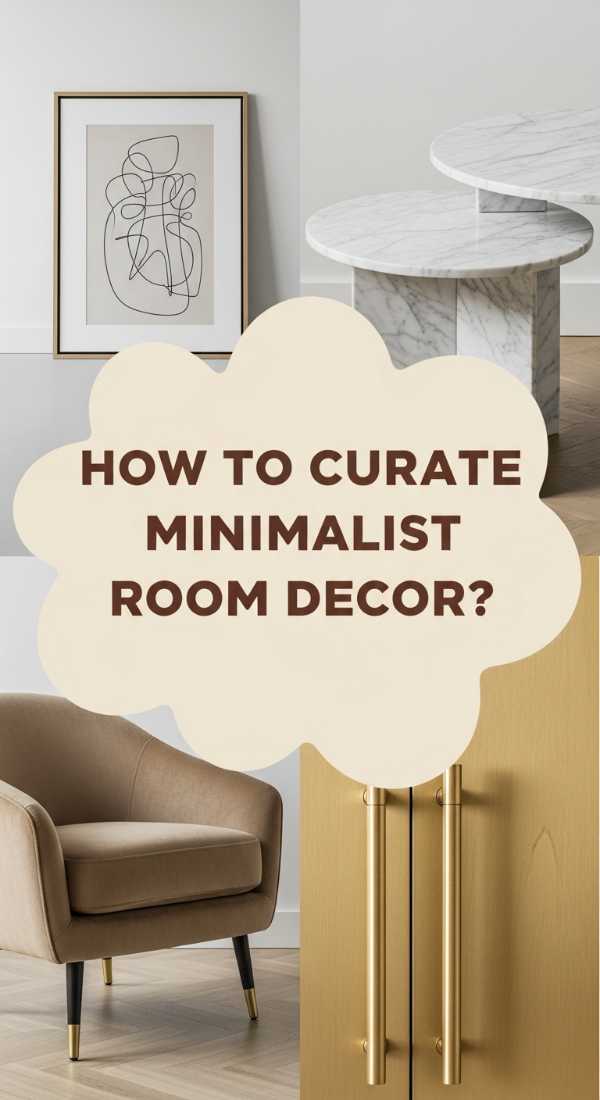
How to Curate Minimalist Room Decor for Timeless Elegance
Why we love this
Timeless elegance in a minimalist home is about quality over quantity. We love the sophisticated hum of a room that features a single, stunning piece of art and a few perfectly balanced accessories. It’s the feeling of walking into a gallery that is also a home—where the velvet on a chair feels like butter and the weight of a brass candle holder feels substantial and permanent. This style doesn’t chase trends; it embraces the enduring beauty of form and function, creating a space that looks just as stunning today as it will in twenty years.
Essential Elements:
- One statement piece of oversized art
- Brass or blackened steel accents
- High-quality natural textiles (silk or wool)
- Sculptural lighting fixtures
- Taper candles in elegant holders
- Hardcover coffee table books
How to make it
- Invest in one ‘hero’ piece for the room. This could be a high-end designer chair or a large-scale original painting that anchors the space’s aesthetic.
- Focus on the finish. Choose hardware (like doorknobs or lamp bases) in a consistent metal, such as brushed brass, to create a sense of cohesive luxury throughout.
- Curate your surfaces. Follow the ‘one in, one out’ rule: for every new decor piece you bring in, one must be donated or stored to maintain the elegant, uncrowded feel.
- Use light as architecture. Choose a chandelier or floor lamp with a striking geometric shape that acts as a sculpture even when the light is turned off.
- Incorporate ‘living’ decor. A single branch of eucalyptus in a tall glass vase adds organic elegance and a fresh, clean scent that complements the high-end feel.
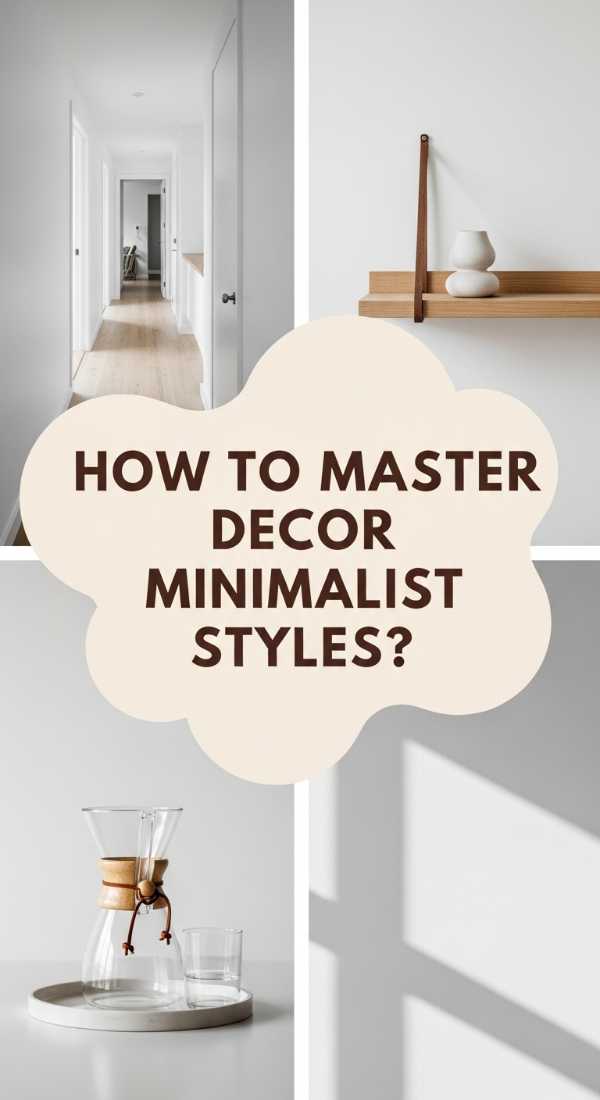
How to Master Decor Minimalist Styles for a Breathable Home
Why we love this
A breathable home is one where the air feels light and the energy moves freely. We love the airy, ethereal quality of a space designed with negative space in mind. It’s that crisp, clean feeling of white walls, blonde wood, and plenty of room to walk around without bumping into furniture. The sensory experience is one of openness—like standing on a mountaintop or at the edge of the ocean. It’s a design philosophy that values the space between things as much as the things themselves, allowing your creativity and calm to expand.
Essential Elements:
- Blonde woods (pine, ash, light oak)
- White or ‘greige’ wall colors
- Negative space (empty corners)
- Sheer, lightweight fabrics
- Natural fiber baskets (seagrass or jute)
- Air-purifying plants (Snake plants or Peace Lilies)
How to make it
- Map out your traffic flow. Ensure there is at least 3 feet of clear walking space between furniture pieces to ensure the room feels ‘breathable’ and easy to navigate.
- Paint your walls a high-reflectance white. This ‘preps’ the room by catching every bit of natural light and bouncing it into the shadows, opening up the atmosphere.
- Limit your color palette to two main neutrals and one wood tone. This reduces visual processing for the brain, making the room feel instantly more relaxing.
- Keep window sills clear. This allows unobstructed views to the outside, blurring the lines between indoors and nature and increasing the sense of space.
- Select furniture with ‘breathable’ textures, like a cane-back chair or a woven jute rug, which adds visual interest without ‘blocking’ the visual field.
How to Organize a Room Decor Minimalist Space for Lasting Calm
Why we love this
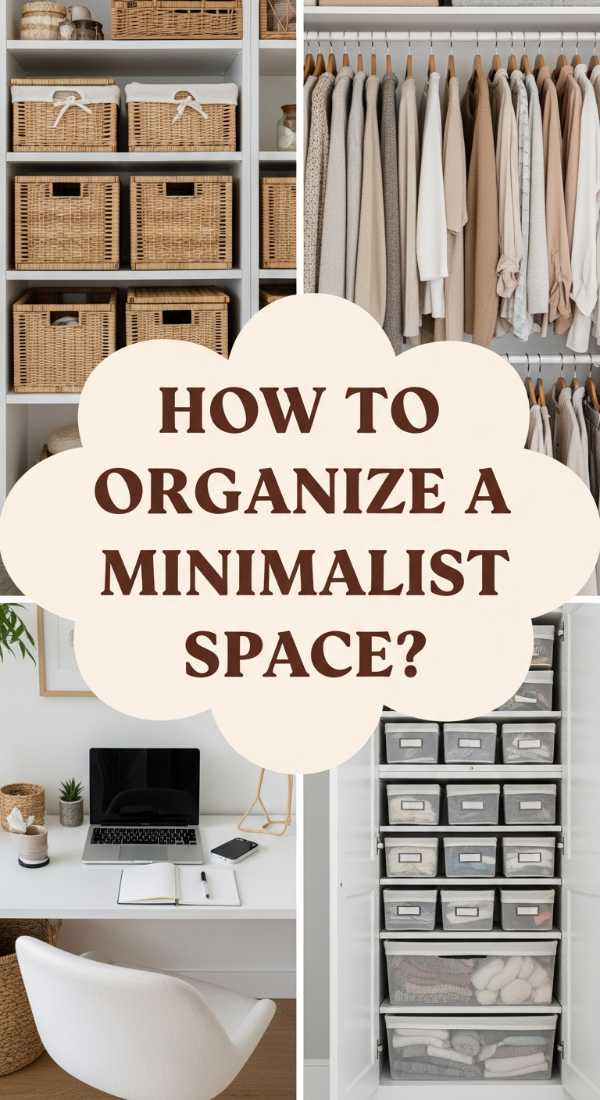
There is a profound sense of relief that comes from knowing exactly where everything is. We love the organized minimalist home because it eliminates the ‘background hum’ of hidden clutter. Imagine opening a drawer to find perfectly aligned items, or a closet where every hanger has space to breathe. It’s the visual equivalent of a freshly washed linen sheet—crisp, clean, and incredibly satisfying. This level of organization allows you to move through your day with a sense of ease and mastery, turning your home into a high-functioning machine of tranquility.
Essential Elements:
- Uniform storage containers (glass jars or linen boxes)
- Labeling systems
- Drawer dividers
- Hidden storage solutions
- Minimalist wall hooks
- Trays for ‘corralling’ daily items
How to make it
- Perform a ‘deep dive’ declutter. Categorize every item in the room and remove anything that hasn’t been used in the last six months.
- Implement the ‘container method’. Every category of item (remotes, chargers, magazines) must have a dedicated container that fits perfectly into your shelving or drawers.
- Use ‘micro-organization’ tools. In drawers, use adjustable dividers to ensure every spatula or pen has a precise ‘home’ where it cannot slide around.
- Create a ‘landing strip’ by the door. Use a small tray for keys and a single hook for your bag to prevent daily clutter from migrating into the main living areas.
- Schedule a ‘5-minute reset’ every evening. Spend five minutes putting every item back in its designated ‘home’ to maintain the calm for the next morning.
How to Achieve Cozy Minimalist Living for Pure Home Joy
Why we love this
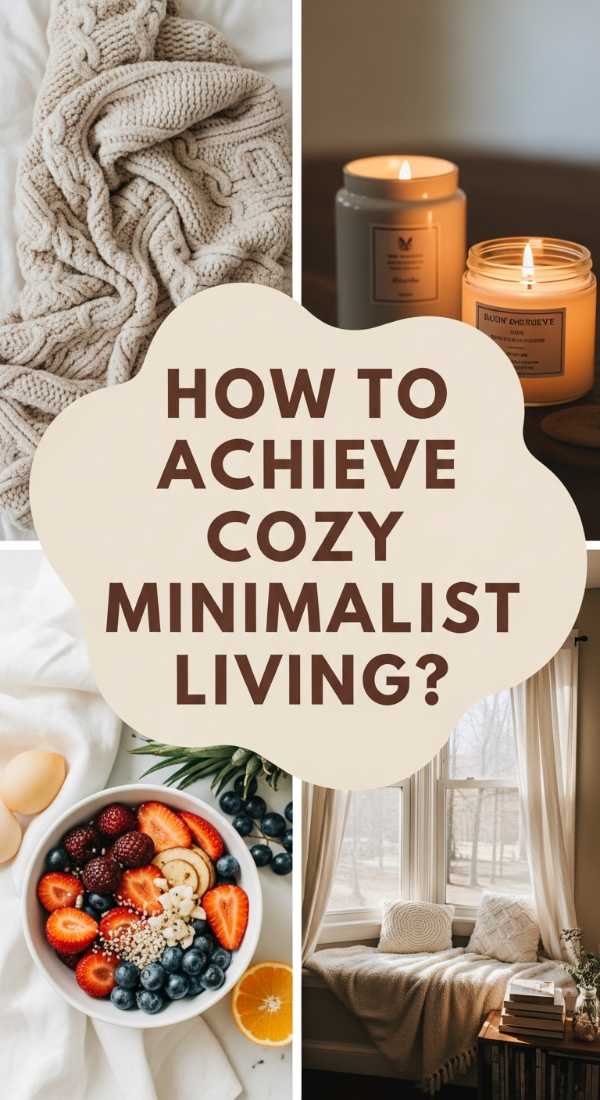
Pure home joy comes when your space reflects your true self without the noise of excess. We love this approach because it’s deeply personal; it’s about surrounding yourself only with things that spark a genuine smile. Imagine sitting in your favorite chair, wrapped in a throw that was a gift from a dear friend, looking at a single photo that captures a perfect memory. The aroma of fresh coffee and the soft texture of a well-worn rug create a symphony of comfort. It’s not about perfection; it’s about a joyful, curated life where every object tells a story you actually want to hear.
Essential Elements:
- Meaningful personal mementos (sparingly used)
- Soft, oversized textiles
- Favorite books on display
- Comfortable, ergonomic seating
- Warm, personal lighting
- Fresh flowers or branches
How to make it
- Curate your ‘joy list’. Identify three items in your home that make you feel truly happy. Make these the focal points of your room’s design.
- Layer for comfort. Start with a firm base (like a quality rug) and add layers of ‘softness’—pillows, throws, and upholstered pieces that invite you to lounge.
- Incorporate ‘nostalgic’ scents. Use a candle or incense that reminds you of a happy time, like a beach vacation or a cozy cabin, to infuse the room with emotional warmth.
- Display art that moves you. Rather than a gallery wall, choose one piece of art that makes you feel a specific, positive emotion every time you look at it.
- Focus on the ‘touch points’. Ensure the items you touch most often—door handles, light switches, faucet handles—are high-quality and feel good to the hand.
How to Enhance a Minimalist Cozy Vibe for Winter Warmth

Why we love this
When the temperature drops, the cozy minimalist home becomes a sanctuary of warmth and light. We love the contrast between the sharp, cold wind outside and the glowing, amber-lit warmth inside. Imagine the flicker of a fire (or a cluster of candles) reflecting off smooth surfaces, while the scent of cinnamon and orange peel wafts from the kitchen. It’s the ultimate ‘hygge’ experience—where the minimalism keeps the space from feeling heavy, but the added layers of wool and flickering light make it feel like a snug retreat from the elements.
Essential Elements:
- Chunky knit wool throws
- Faux fur textures
- Candle clusters of varying heights
- Warm-toned woods
- Ambient floor lamps
- Fireside accessories (even if the fire is digital!)
How to make it
- Swap out lightweight summer fabrics for ‘heavy’ textiles. Replace linen pillow covers with wool or velvet ones to add physical and visual weight and warmth.
- Master the ‘glow’. Instead of using overhead lights, use 3-4 different sources of ambient light (table lamps, candles, fairy lights) to create a multi-dimensional, warm environment.
- Create a ‘beverage station’. Arrange a tray with your favorite winter teas, a beautiful kettle, and handmade mugs to make the preparation of warm drinks a visual delight.
- Layer your rugs. Place a smaller, high-pile rug (like sheepskin) over your large area rug to add extra insulation for your feet and a luxurious texture.
- Use ‘warm’ scents. Simmer a pot of water on the stove with cinnamon sticks and cloves to naturally scent the air with a spicy, comforting aroma.
How to Arrange Living Room Decor Minimalist Elements for Flow
Why we love this
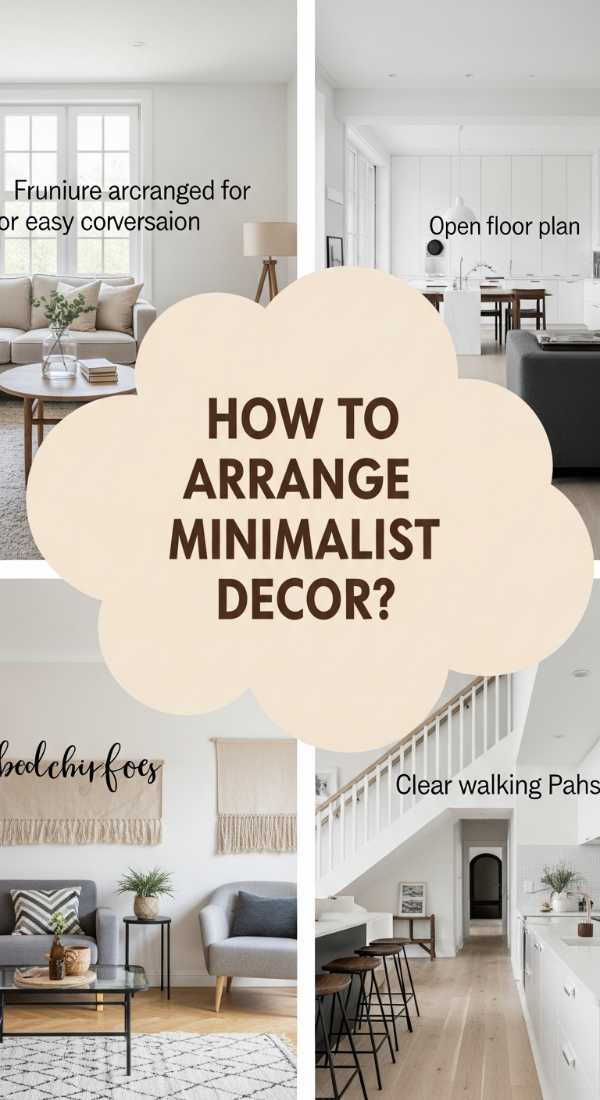
Flow is the invisible ingredient that makes a home feel effortless. We love a room where movement feels intuitive—where you don’t have to squeeze past a table or dodge a stray chair. It’s the feeling of a gentle breeze moving through an open window; everything is in harmony and nothing is in the way. When a room flows well, your energy flows well too. It’s a sensory relief to navigate a space that feels balanced, symmetrical, and purposefully laid out, allowing you to move through your home with a sense of grace and ease.
Essential Elements:
- Symmetrical furniture placement
- Clear pathways (36-inch minimum)
- Balanced visual weight
- Zoned activity areas
- Round coffee tables (for better circulation)
- Consistent flooring throughout
How to make it
- Find the ‘center’ of the room. Place your largest piece of furniture (the sofa) centered on a wall or rug to create an immediate sense of balance and order.
- Use the ‘circular path’ technique. Ensure you can walk around the central coffee table in a full circle without hitting any other furniture or walls.
- Balance ‘heavy’ items with ‘light’ ones. If you have a large sofa on one side, balance it with two smaller, lighter-looking chairs on the other to maintain visual equilibrium.
- Create ‘zones’ using rugs. A rug acts as a visual boundary; place all furniture ‘feet’ on the rug to define the living area and keep the ‘flow’ outside of that boundary.
- Align your sightlines. Stand at the entrance of the room and ensure your eye can travel to the window or back wall without being ‘blocked’ by tall, dark furniture.
How to Craft a Minimalist Home for Stress Free Evenings

Why we love this
The evening is your time to reclaim your peace, and a minimalist home is the perfect partner for that transition. We love the ritual of ‘dimming the day’ in a space that is already set up for relaxation. Imagine the feeling of sliding into a clean, clutter-free bed or sitting in a living room where the lighting is soft and the surfaces are clear. It’s the ultimate stress-reducer—your home isn’t asking anything of you; it’s simply holding space for your rest. The air is cool, the lighting is amber, and the world outside feels miles away.
Essential Elements:
- Dimmable light switches
- Scented sleep sprays (lavender/chamomile)
- Blackout window treatments
- Quality bedding in natural fibers
- A ‘no-phone’ charging station in another room
- Soft ambient music speakers
How to make it
- Set up an ‘evening lighting’ scene. Install smart bulbs that automatically shift to a warm, dim setting at 8 PM to trigger your body’s natural melatonin production.
- Establish a ‘closing shift’ for your home. Spend 10 minutes clearing the kitchen counters and fluffing the living room pillows so you wake up to a clean ‘calm’ space.
- Curate a ‘sensory sleep’ environment. Use high-thread-count cotton or linen sheets and a weighted blanket to provide a tactile sense of security and groundedness.
- Remove all digital distractions. Ensure no TVs or computers are in the bedroom to keep the focus entirely on rest and recovery.
- Incorporate ‘calm’ sounds. Use a white noise machine or a small water fountain to mask outside noise and create a consistent, soothing auditory backdrop for your evening.
Conclusion
Creating a cozy minimalist home isn’t about the final destination—it’s about the daily practice of choosing peace over ‘stuff’. By focusing on high-quality textures, intentional lighting, and meaningful organization, you transform your house into a living, breathing sanctuary. Remember, your home should be the antidote to the world, not a reflection of its chaos. Start small, breathe deep, and enjoy the calm you’ve created.