
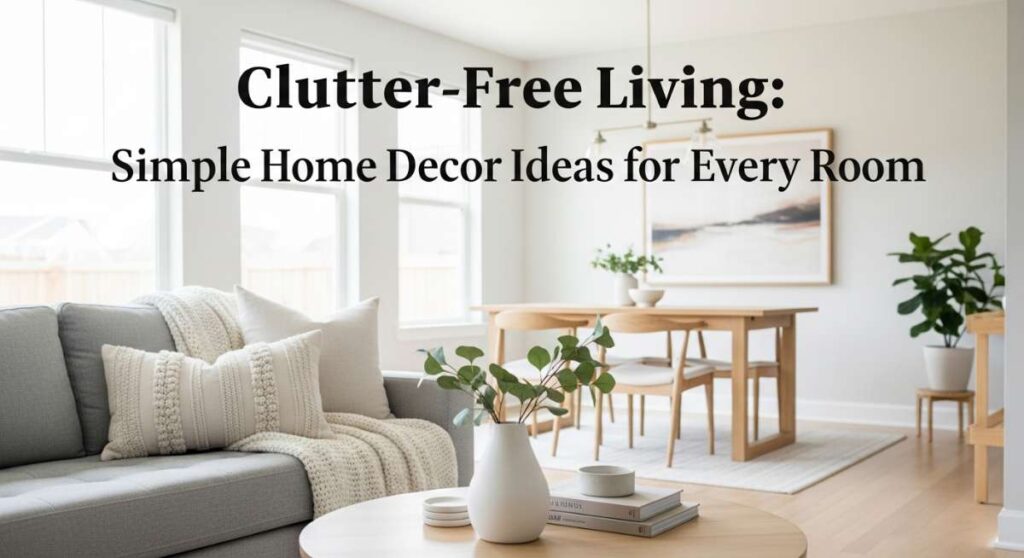
We have all been there—standing in the middle of a room, feeling the weight of ‘stuff’ pressing in from every corner. It’s that subtle, nagging hum of visual noise that makes it impossible to truly relax, even when the lights are dimmed and the candles are lit. For the longest time, I thought a ‘cozy’ home meant a filled home, but I’ve recently discovered that the most profound sense of peace comes from the space between the objects, not the objects themselves.
Creating a minimalist sanctuary isn’t about living in a sterile white box or stripping away your personality; it’s about curate-ing a life where every item has a purpose and every corner offers a breath of fresh air. It’s about the tactile joy of a smooth wooden surface, the way light dances across an empty hallway, and the sheer relief of knowing exactly where everything is. Today, I’m sharing my favorite ways to transform your living space into a clutter-free haven that feels as good as it looks.
How to Maximize Small Spaces for Ultimate Flow
Why we love this
There is something incredibly liberating about a small space that functions with the precision of a Swiss watch. We love this approach because it forces us to be intentional, turning a cramped footprint into a rhythmic dance of light and movement. Imagine walking into a room where the air feels thin and crisp, where your eyes glide over smooth surfaces and your feet find a clear, unobstructed path across a polished floor. It smells like fresh eucalyptus and feels like a deep, cleansing exhale, proving that luxury isn’t about square footage, but about the quality of the space you inhabit.
Essential Elements:
- Leggy furniture to show more floor space
- Over-sized mirrors to bounce natural light
- Multifunctional storage ottomans
- Vertical shelving units
- Sheer linen window treatments
How to make it
- Begin by auditing your floor plan; remove any bulky furniture that sits flush to the ground, as this visually ‘eats’ the floor. Replace these with pieces that have slim, tapered legs to allow light to pass underneath.
- Install a floor-to-ceiling mirror on the wall opposite your primary light source. Position it at a slight 2-degree tilt to reflect the ceiling, which creates an optical illusion of height and expanded depth.
- Utilize the ‘High-Low’ storage technique: place frequently used items at waist level and seasonal items in baskets on the highest shelves, keeping the eye level clear of clutter.
- Select a monochromatic color palette for your largest pieces (sofas, rugs) to minimize visual breaks, ensuring the room feels like one continuous, flowing environment.
- Optimize traffic patterns by leaving at least 18 inches of clearance between furniture pieces, ensuring you never have to turn sideways to move through your own home.
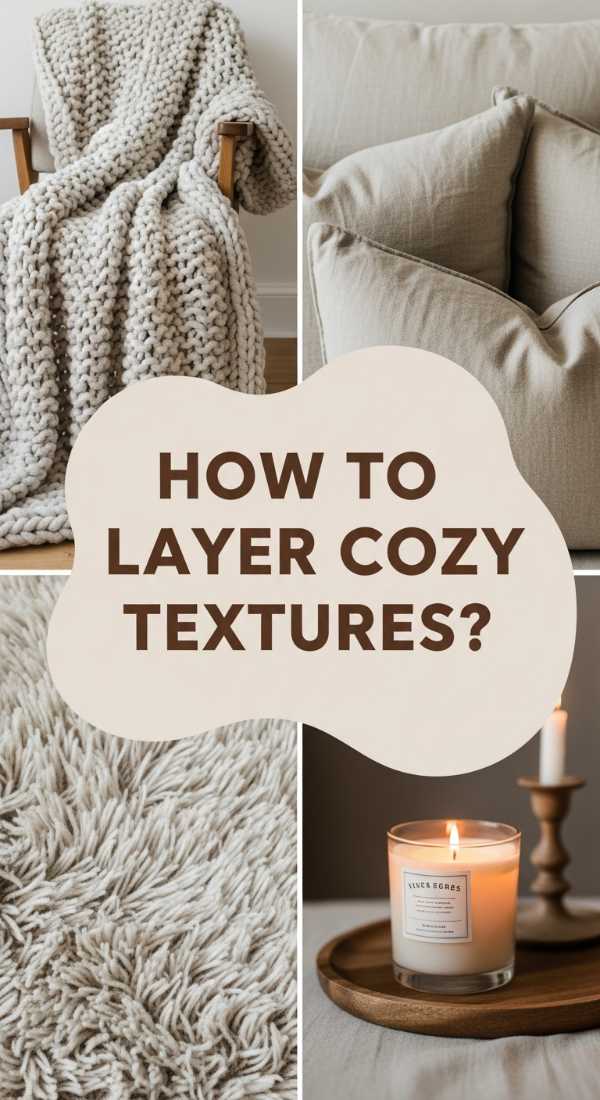
How to Layer Cozy Textures for a Warm Atmosphere
Why we love this
Minimalism can sometimes feel cold, but layering textures is the secret ingredient that injects soul back into a simplified room. We love this because it appeals to our most primal need for comfort—the feeling of a heavy, chunky knit throw against our skin or the soft friction of a jute rug under bare feet. It creates a sensory landscape that smells of cedarwood and warm vanilla, where the visual ‘quiet’ is balanced by a physical ‘warmth’ that invites you to curl up and stay a while. It transforms a house into a sanctuary that hugs you back.
Essential Elements:
- Chunky wool knit blankets
- Stone-washed linen pillow covers
- Natural jute or sisal rugs
- Smooth ceramic vases
- Velvet accent cushions
How to make it
- Start with your base layer: a large, neutral-toned natural fiber rug (like jute) that extends at least 12 inches beyond your furniture to ground the seating area.
- Layer your seating by placing a high-quality linen slipcover over your sofa; the organic wrinkles add a lived-in, effortless sophistication that hides daily wear.
- Apply the ‘Rule of Three’ for pillows: mix one smooth texture (silk or leather), one rough texture (linen or wool), and one patterned or tufted piece to create depth without color overload.
- Drape a heavy-weight knit throw over the arm of a chair at a 45-degree angle. Let it puddle slightly on the floor to create a visual cue of relaxation and ‘soft’ edges.
- Introduce organic elements like a smooth wooden bowl or a matte ceramic tray to break up the fabrics, providing a hard surface that reflects low-level ambient light.
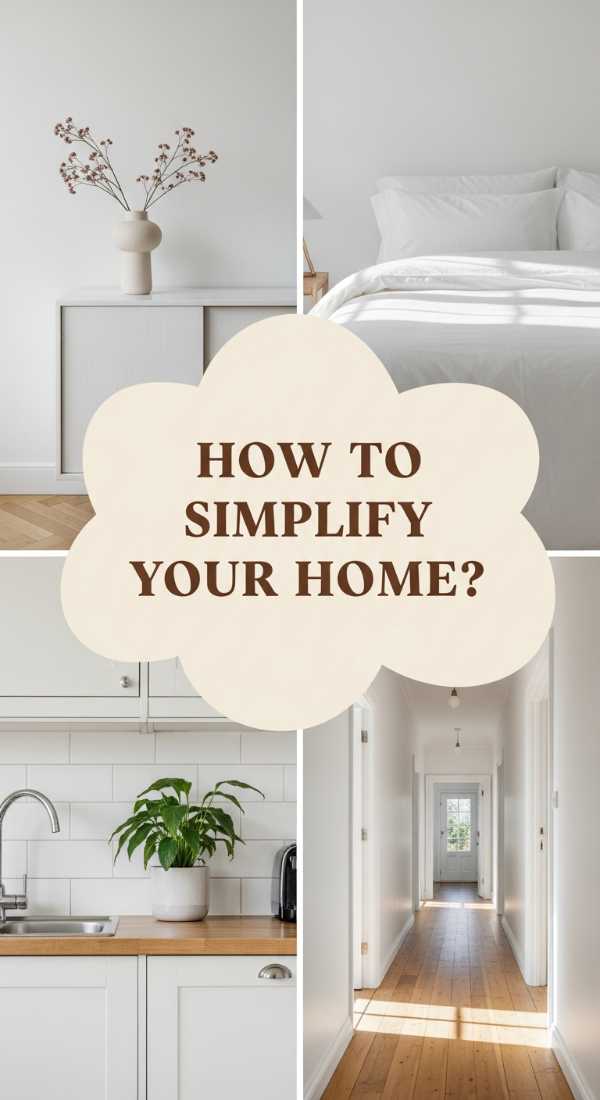
How to Simplify Your Home for Pure Serenity
Why we love this
This is the ultimate reset button for a chaotic mind. Simplifying your environment is less about cleaning and more about ‘editing’ your life to highlight what truly matters. We love the feeling of a cleared countertop—the way the stone feels cool under your palms and the way the morning sun hits a surface without hitting a pile of mail first. It evokes a sense of pristine clarity, similar to the smell of rain on pavement or the stillness of an early morning forest. It is the physical manifestation of a quiet mind.
Essential Elements:
- Hidden cable management boxes
- Uniform storage containers
- Empty ‘breathing’ spaces on walls
- A ‘one-in, one-out’ basket
- Neutral, calming wall paint (soft whites or greys)
How to make it
- Execute a ‘Surface Sweep’: clear every single item off your coffee tables and kitchen counters. Only return three items to each surface, ensuring they vary in height and scale.
- Manage your ‘digital clutter’ by hiding all visible cords. Use adhesive clips to run wires down the back of furniture legs and house power strips inside ventilated decorative boxes.
- Designate a ‘Drop Zone’ near the entrance for keys and mail, but use a lidded box so the clutter is contained and hidden from view immediately upon entering.
- Paint your walls in a flat or eggshell finish white. This reduces reflections and shadows, creating a ‘blank canvas’ effect that makes the room feel larger and more serene.
- Commit to the ‘Negative Space’ rule: leave at least 20% of your shelving and wall space completely empty to allow the eyes a place to rest as they scan the room.
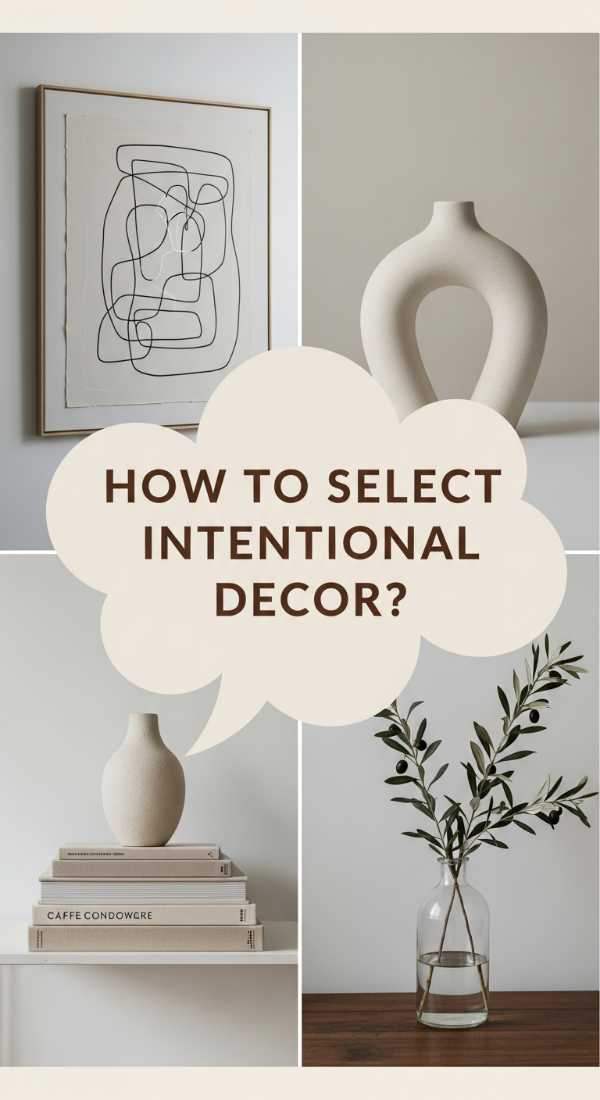
How to Select Minimalist Decor for a Curated Feeling
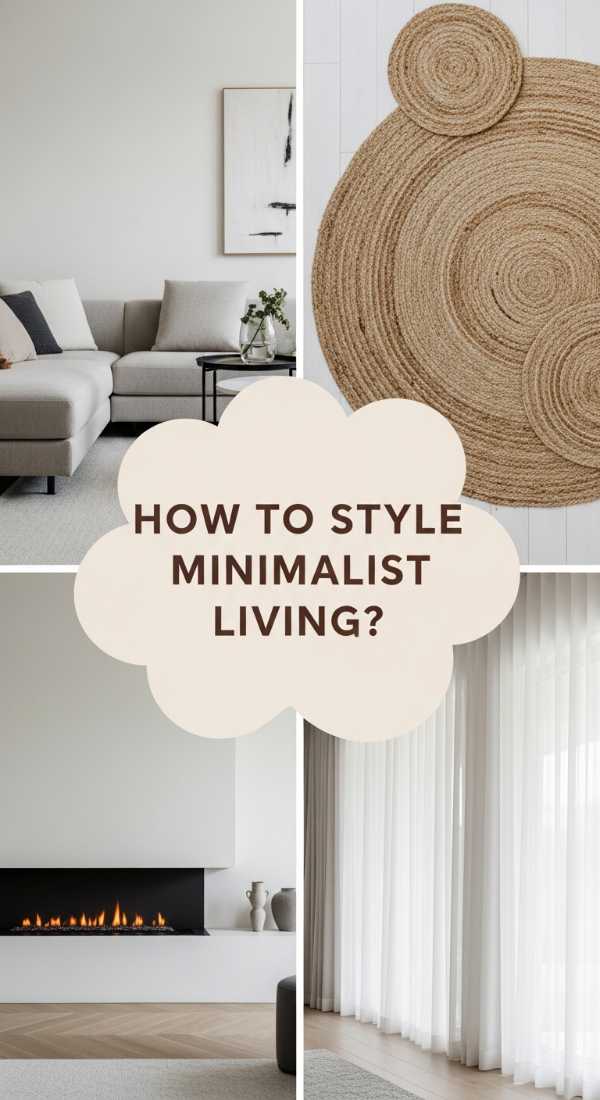
Why we love this
Curating decor is like writing a poem; every word—or in this case, every object—must be chosen with care. We love this process because it elevates the everyday into art. A single, perfectly shaped hand-blown glass vase or a lone piece of driftwood can carry more emotional weight than a room full of trinkets. It’s about the appreciation of craftsmanship and the way a singular object can tell a story. This style feels expensive, thoughtful, and deeply personal, smelling of expensive beeswax and old books.
Essential Elements:
- Statement sculptural objects
- Black and white photography
- Hand-thrown pottery
- High-quality glass vessels
- Abstract metal accents
How to make it
- Select a ‘Hero Piece’ for each room—one item that is slightly larger or more visually interesting than the rest—to act as a focal point.
- Focus on the ‘Materials First’ approach: choose items made from honest materials like solid oak, brass, or marble rather than synthetic imitations.
- Group smaller items in ‘vignettes’ of three or five. Use a tray to ‘corral’ these items together, which tells the brain that these objects are a single unit rather than scattered clutter.
- Use height to your advantage. If you have a low-slung table, add a tall, thin branch in a glass jar to draw the eye upward and create vertical interest.
- Review your decor every season. If an object no longer brings you a sense of calm or joy, move it to a different room or donate it to maintain the ‘curated’ density.
How to Style Large Living Rooms for Focused Comfort
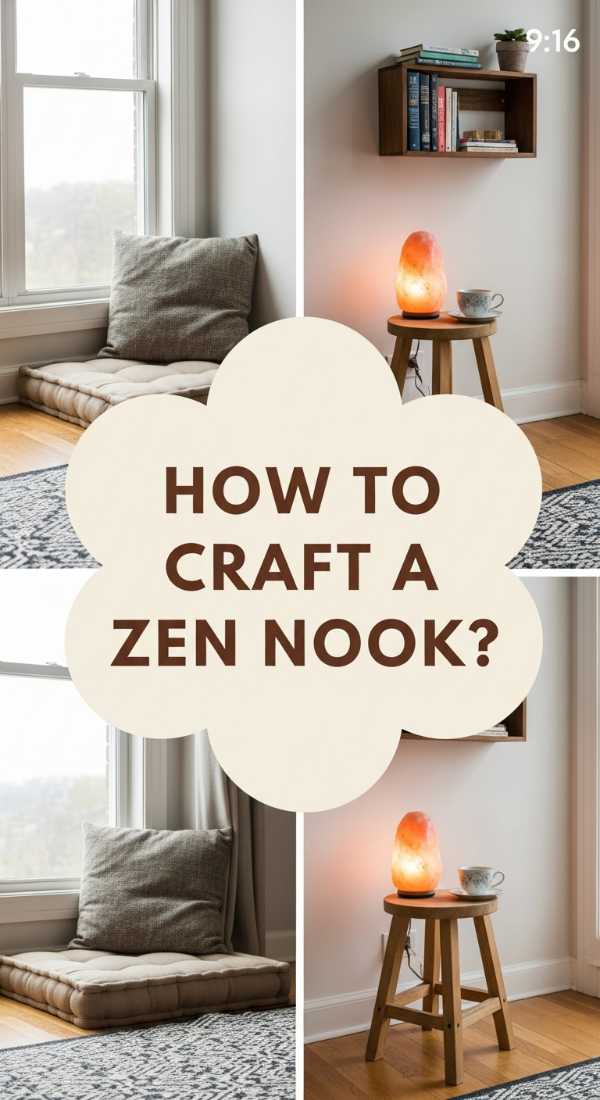
Why we love this
Large rooms can often feel cavernous and aimless, but styling them for focused comfort turns a ‘space’ into a ‘place.’ We love the way strategic placement can create intimate islands of warmth within a vast sea of hardwood. It’s the feeling of being tucked away in a cozy nook while still enjoying the grandeur of a large room. It smells of roasting coffee and feels like a soft cashmere wrap, offering a sense of security and focus that is often lost in modern open-plan living.
Essential Elements:
- Large-scale area rugs (10×14 or larger)
- L-shaped sectional sofas
- Floor lamps with warm-toned bulbs
- Low-profile coffee tables
- Room-dividing open shelving
How to make it
- Define the ‘Zone’: use a massive rug to anchor the primary seating area. Ensure all furniture legs are resting on the rug to create a unified ‘island.’
- Orient your seating toward a central focal point—like a fireplace or a large window—rather than a television to encourage conversation and reflection.
- Use ‘Visual Anchors’ like a tall floor lamp behind a chair to create a localized pool of light, which visually shrinks the room at night for a cozier feel.
- Introduce a ‘mid-room’ element, such as a thin console table behind a floating sofa, to provide a place for lamps and books, breaking up the expanse of the floor.
- Maintain a consistent color story throughout the large space to prevent it from feeling fragmented; use varying shades of the same hue to provide depth.
How to Craft a Peaceful Corner for Quiet Reflection
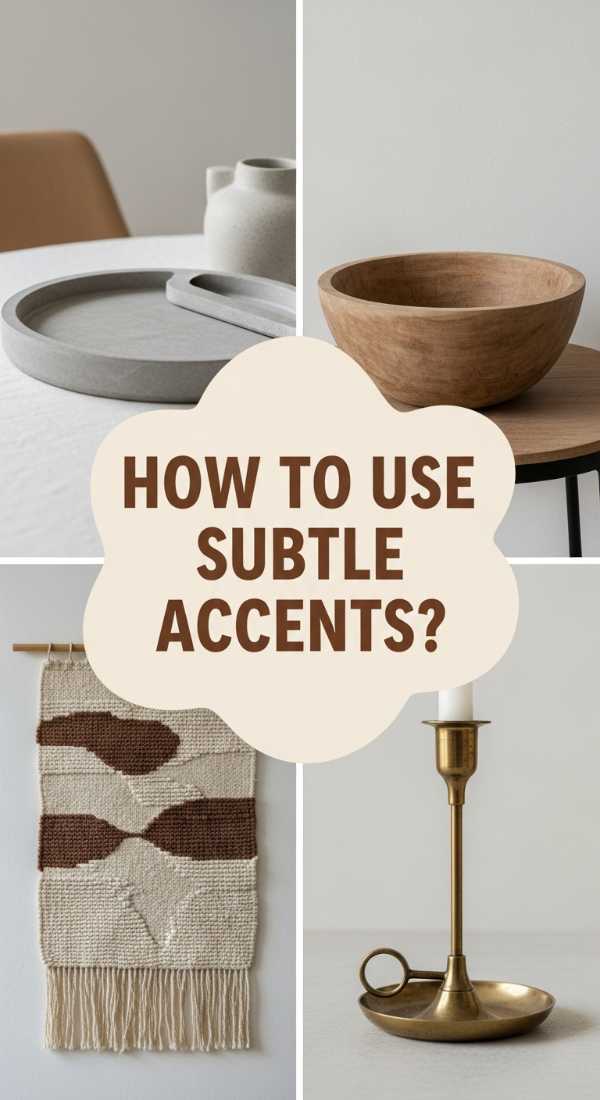
Why we love this
Everyone needs a sanctuary within a sanctuary. We love the idea of a ‘Reflection Corner’ because it’s a dedicated physical space for your mental well-being. It’s a place that smells of herbal tea and fresh parchment, where the light is always soft and the chair is always perfectly molded to your back. It’s the ultimate luxury—giving yourself permission to do absolutely nothing in a space designed specifically for that purpose. It’s where the best ideas are born and where the soul gets its rest.
Essential Elements:
- An exceptionally comfortable armchair
- A small, sturdy side table
- A dimmable reading light
- A soft sheepskin or faux-fur rug
- A single piece of inspiring art
How to make it
- Identify a corner with a ‘View’: either near a window or facing away from the ‘work’ areas of your home like the kitchen or office.
- Choose a chair with high back support and soft upholstery. Position it at a 30-degree angle to the corner to create a sense of being ‘enveloped’ by the walls.
- Set up ‘Task Lighting’ that is separate from the room’s overhead lights. A swan-neck lamp allows you to direct light exactly where you need it without disturbing the mood.
- Keep the side table clear of everything except your current book and a coaster. This lack of clutter signals to the brain that the ‘to-do’ list is far away.
- Add a sensory ‘trigger’: a specific candle or essential oil diffuser that you only use in this corner to psychologically prime your body for relaxation.
How to Arrange Subtle Accents for a Grounded Lifestyle
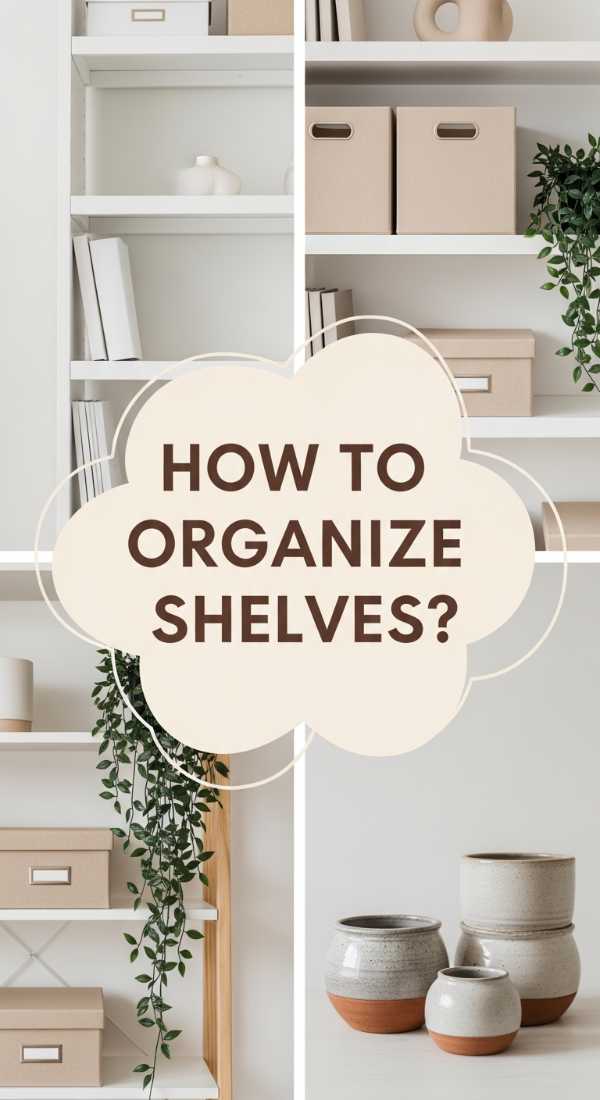
Why we love this
Subtle accents are the quiet whispers of home decor. We love how a simple bowl of smooth river stones or a stack of neutral-toned books can ground a room, making it feel solid and permanent. These accents don’t shout for attention; instead, they provide a steadying presence that balances out the hectic pace of modern life. It feels like the touch of cool slate and the smell of a rain-drenched garden—earthy, honest, and profoundly calming. It reminds us to slow down and appreciate the small, tactile details.
Essential Elements:
- River stones or tumbled sea glass
- Linen-bound coffee table books
- Wrought iron candle holders
- Wooden bead garlands
- Small potted succulents
How to make it
- Practice the ‘Grouping of Odds’: arrange your accents in sets of three or five. Vary the heights but keep the colors within two shades of each other for a cohesive look.
- Use ‘Natural Weights’: place heavier items like a stone bowl on lower shelves and lighter items like glass beads on higher surfaces to create a balanced visual gravity.
- Incorporate ‘Negative Textures’: if you have a shiny table, use a matte accent. If you have a soft sofa, use a hard-edged tray. The contrast makes the subtle accents pop.
- Place accents where they can be touched—on a coffee table or a bedside stand—to encourage a physical connection with your environment.
- Keep the color palette ‘Grounded’: use terracottas, sage greens, and slate blues to mimic the colors of the earth, reinforcing the feeling of stability.
How to Organize Minimalist Shelves for a Calm Aesthetic
Why we love this
Shelves are often the primary source of visual clutter, but when organized with a minimalist eye, they become a gallery of calm. We love the rhythm of a well-spaced shelf—the alternating blocks of books and empty space that allow each object to ‘breathe.’ It’s the visual equivalent of a perfectly timed pause in a piece of music. It smells like old paper and cedarwood, offering a structured, orderly beauty that calms the central nervous system the moment you look at it.
Essential Elements:
- Floating shelves or open bookcases
- Uniform book covers (or books turned inward)
- Small sculptural bookends
- Uniform baskets for hidden storage
- Single-stem vases
How to make it
- Start with a ‘Blank Slate’: remove everything from your shelves. Only return items that you find either beautiful or essential.
- Apply the ’60-30-10′ rule: 60% of the shelf should be books/objects, 30% should be decorative accents, and 10% should be completely empty space.
- Organize your books by color or size, or for the ultimate minimalist look, turn the spines inward so only the cream-colored pages are visible.
- Place your heaviest items (large art books or storage baskets) on the bottom shelves to provide a visual ‘foundation’ for the unit.
- Intersperse ‘Organic Breaks’: place a small plant or a piece of coral between stacks of books to break up the rigid horizontal and vertical lines.
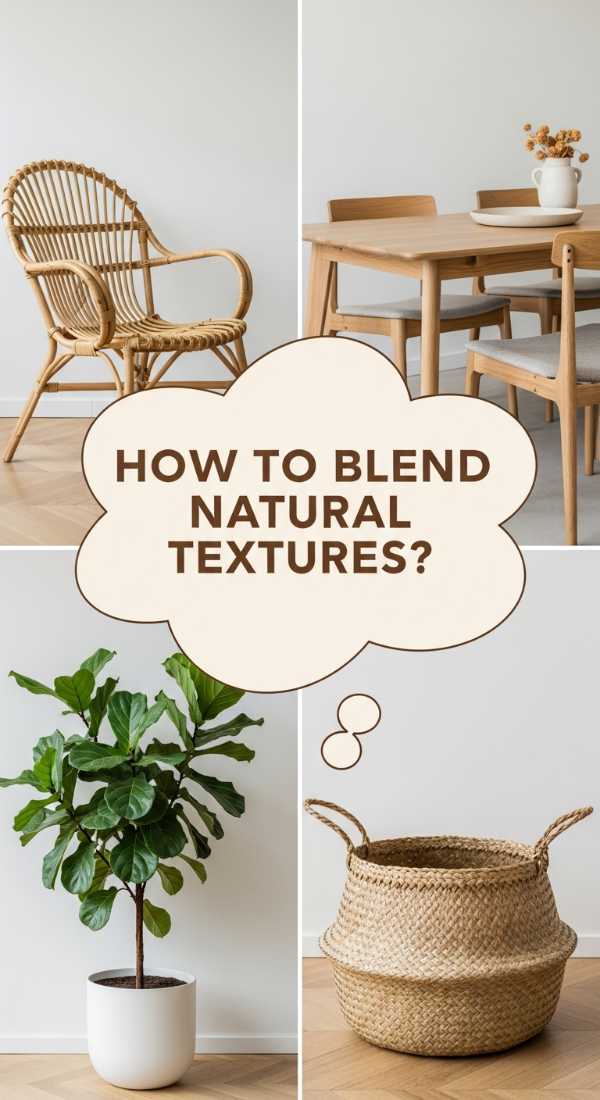
How to Blend Natural Materials for an Organic Vibe
Why we love this
Blending natural materials is like bringing the best parts of the outdoors inside. We love how the warmth of raw wood interacts with the coldness of stone and the softness of wool. It creates a space that feels ‘alive’ and evolving, rather than static and manufactured. It smells like a pine forest after a storm and feels like the grain of a fallen log—rough, real, and restorative. It’s a design style that doesn’t just look good; it feels like a homecoming to the natural world.
Essential Elements:
- Raw wood coffee tables
- Marble or granite coasters
- Woven rattan chairs or baskets
- Clay or terracotta planters
- Woolen rugs or wall hangings
How to make it
- Mix ‘Temperatures’: pair ‘warm’ materials like wood and rattan with ‘cool’ materials like marble or polished concrete to create a balanced, organic tension.
- Focus on ‘Live Edges’: choose furniture that retains the natural curve of the tree or the raw texture of the stone rather than perfectly squared-off edges.
- Layer your greens: use plants with different leaf textures (waxy fiddle leaf figs vs. soft ferns) to add depth to your natural material palette.
- Use light to highlight texture: position a lamp so the light grazes the side of a stone wall or wooden cabinet, revealing the natural imperfections and depth.
- Ensure a ‘Matte Finish’: avoid high-gloss lacquers; instead, use oils or waxes on wood to preserve the tactile connection to the material.
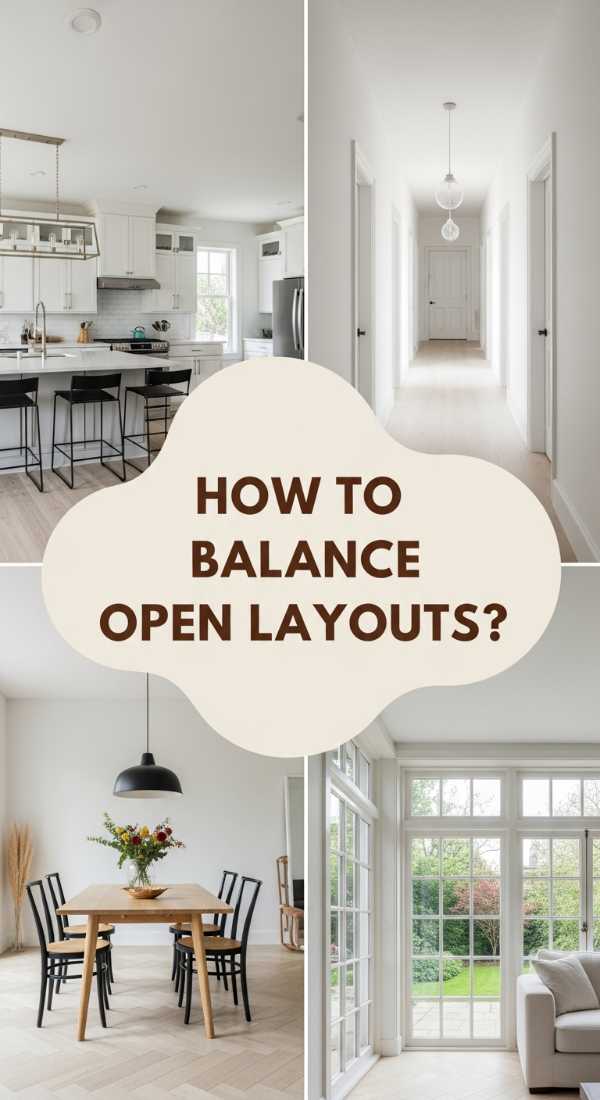
How to Balance Open Layouts for a Breathable Room
[IMAGE_10]
Why we love this
An open layout is the holy grail of modern living, but without balance, it can feel like living in a warehouse. We love the challenge of creating ‘invisible walls’ that define different areas while keeping the sightlines clear. It creates a home that feels incredibly airy and breathable, like a morning breeze moving through an open window. It’s the feeling of freedom and possibility, where you can cook, eat, and relax in one continuous, harmonious flow of light and energy.
Essential Elements:
- Coordinated area rugs for zoning
- Low-profile furniture that doesn’t block views
- Consistent flooring throughout the space
- Strategically placed large plants
- Pendant lighting to define zones
How to make it
- Use ‘Rug Mapping’: place distinct rugs in the ‘dining’ and ‘living’ areas. Even if the floor is the same, the rugs act as physical boundaries for each zone.
- Maintain ‘Sightline Integrity’: ensure that no piece of furniture is taller than 36 inches in the center of the room to keep the eye moving from one end to the other.
- Use ‘Lighting Anchors’: hang a large pendant light over the dining table and use floor lamps in the living area. At night, these ‘pools of light’ create separate rooms.
- Repeat a ‘Signature Color’: use the same accent color (like a specific shade of navy or sage) in every zone to visually tie the entire open space together.
- Position large plants (like a Monstera or Olive Tree) at the ‘corners’ where zones meet to act as soft, natural room dividers that don’t block the light.
Creating Your Minimalist Sanctuary
As we have explored, a clutter-free home is not about what you lose, but about what you gain: clarity, peace, and a renewed appreciation for the objects that remain. By focusing on texture, light, and intentionality, you can transform even the most chaotic space into a breathable sanctuary. Remember, your home should be a reflection of the person you want to be—calm, focused, and free. Start small, edit often, and enjoy the quiet beauty of a life simplified.