
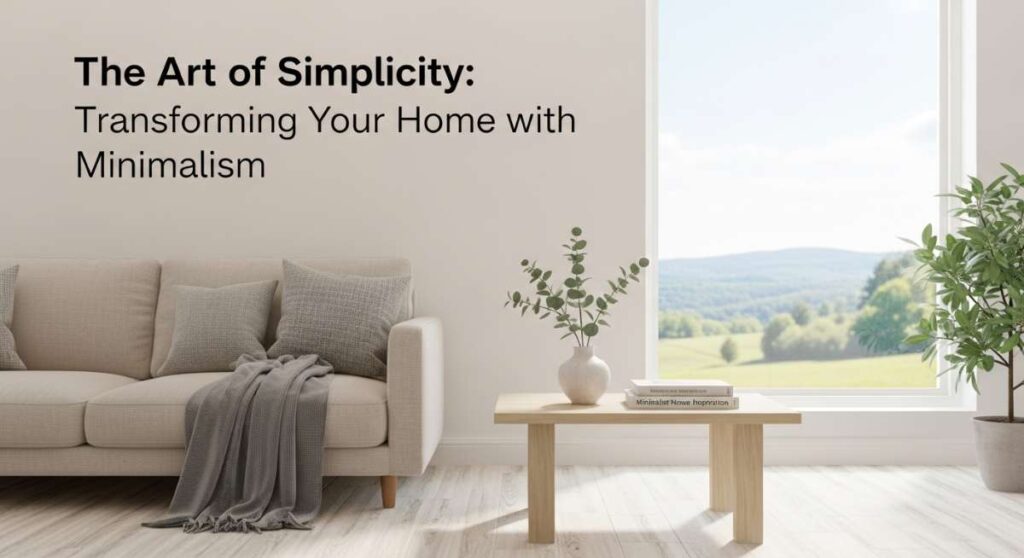
I remember the moment I finally broke. I was standing in the middle of my living room, surrounded by ‘stuff’ that was supposed to make me happy—overflowing bookshelves, mismatched throw pillows, and decorative trinkets that I hadn’t looked at in years. Instead of feeling comforted, I felt suffocated. My home, which was meant to be my sanctuary, had become a loud, chaotic reflection of a busy mind. That afternoon, I sat on the floor, took a deep breath, and decided it was time to reclaim my space.
The journey toward minimalism isn’t about living in a cold, empty box; it’s about the radical act of choosing only what serves your joy and your peace. It’s about creating a home that feels like a long, slow exhale at the end of a frantic day. When we clear the physical clutter, we miraculously clear the mental clutter, too. Today, I’m sharing how you can transform your home into a minimalist masterpiece that still feels warm, lived-in, and deeply personal.
How to Curate Small Spaces for Maximum Serenity

Why we love this
There is something incredibly soul-soothing about a small space that has been edited down to its absolute essence. When every square inch is curated with intention, the room begins to feel expansive rather than cramped, offering a sense of airy freedom that allows your thoughts to wander without hitting a visual wall. Imagine the soft touch of linen against your skin and the gentle scent of white tea wafting through a room where light dances off polished surfaces, creating a rhythmic harmony that grounds your spirit instantly.
Essential Elements:
- Multi-functional furniture with clean lines
- A monochromatic color palette (creams, sands, and soft greys)
- Sheer window treatments to invite natural light
- Hidden storage solutions to tuck away daily ‘noise’
- A single, large-scale piece of art to provide a focal point
How to make it
- Begin by ‘clearing the palate’ of the room. Remove every single item from the space until you are left with only the architecture. This is the prep phase where you assess the ‘visual heat’ of the room’s natural light.
- Select your anchor piece—usually a sofa or bed. Position it to allow for maximum ‘breathability’ around the edges; if you can’t walk around it easily, the room’s flow is ‘overcooked.’
- Layer in your secondary elements using the ‘Rule of Three.’ Group items in odd numbers to create a visual simmer that feels natural to the eye.
- Check for ‘visual doneness’ by standing at the entrance. If your eye stops more than twice before reaching the window, remove one item. The goal is a smooth, uninterrupted visual glide.
- Finish with a light-reflecting glaze—place a mirror opposite your primary light source to bounce brightness into the corners, ensuring the space feels vibrant and alive.
How to Style Cozy Minimalist Nooks for Soulful Warmth
Why we love this
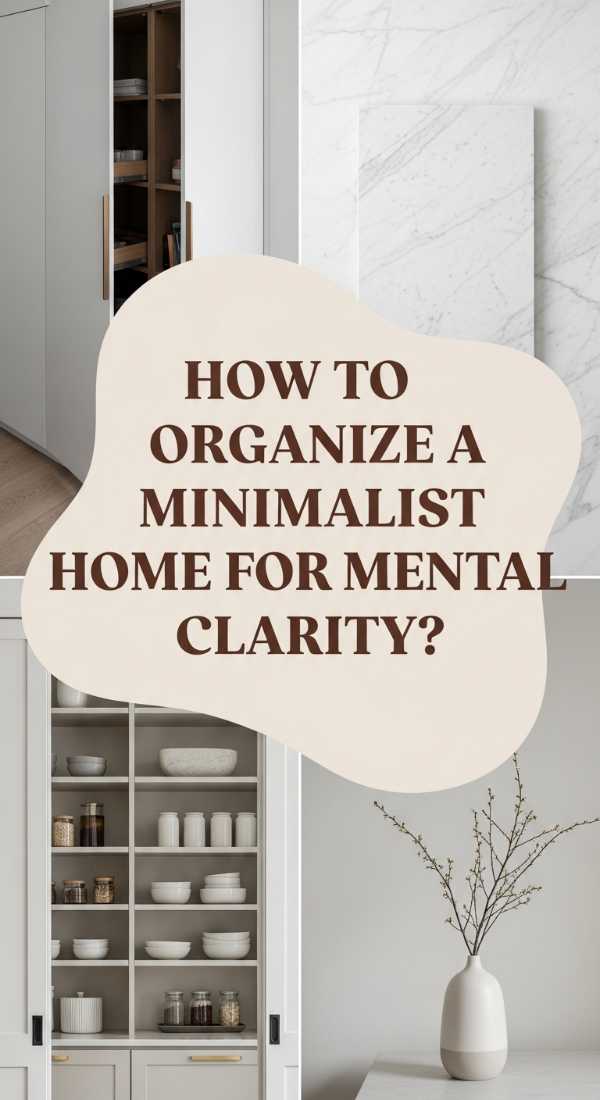
A cozy nook is the heartbeat of a minimalist home, proving that simplicity doesn’t have to be sterile. It’s a dedicated corner for quiet reflection, where the tactile richness of a chunky wool knit meets the smooth, cool surface of a ceramic mug. The atmosphere here is thick with a sense of safety and stillness, inviting you to curl up with a book while the golden hour sun spills across the floor, highlighting the organic textures and the soft, earthy tones that make your soul feel completely at home.
Essential Elements:
- A low-profile lounge chair or oversized floor cushion
- A textured wool or cashmere throw blanket
- A minimalist side table made of raw wood or stone
- A dimmable, warm-toned floor lamp
- One leafy green plant for a touch of organic life
How to make it
- Identify the ‘coolest’ corner of your room—the area with the least foot traffic—to ensure your nook remains a high-quality sanctuary for resting.
- Set the base layer by placing your seating at a slight angle. This ‘diagonal prep’ creates an inviting entry point for the body, making the space look more accessible.
- Apply the ‘texture sear’ by layering your fabrics. Mix a rougher weave (like jute or heavy linen) with a softer one (like faux fur or wool). The contrast should be felt immediately upon contact.
- Adjust the ‘lighting temperature.’ Use a bulb with a Kelvin rating between 2700K and 3000K. This warm glow acts as the seasoning for your nook, making the colors look richer and more inviting.
- Garnish with intention. Add a single book or a small tray for a candle. If the space starts to feel crowded, ‘reduce’ your accents until only the most functional items remain.
How to Organize a Minimalist Home for Mental Clarity
Why we love this
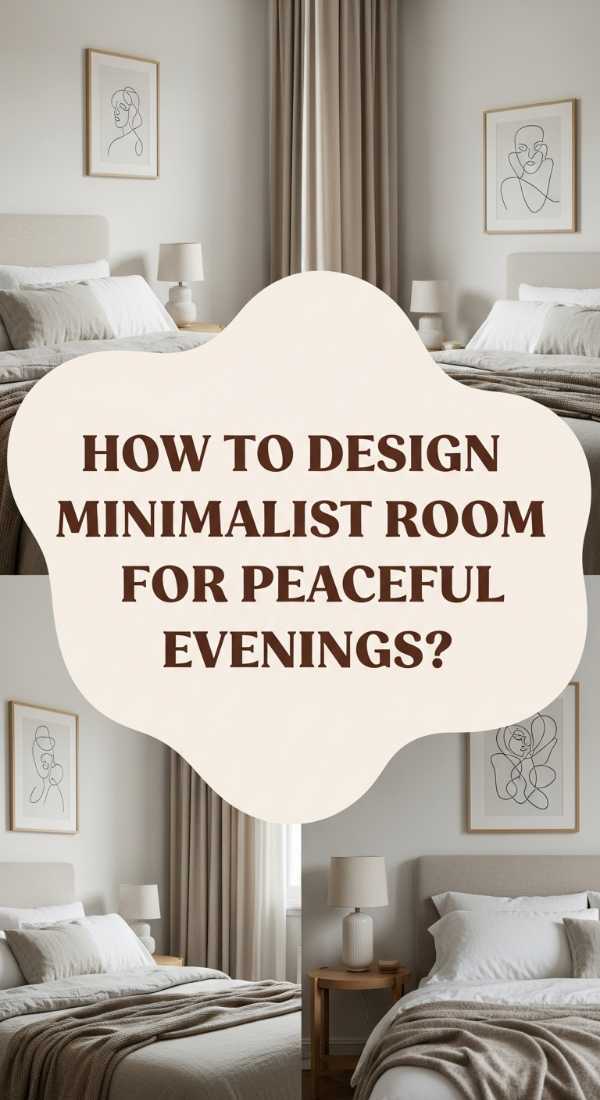
The transition from chaos to order is a sensory experience that rivals the most luxurious spa. When your belongings are organized with minimalist precision, the ‘clutter-noise’ in your brain finally goes silent, replaced by a refreshing clarity and a feeling of total control. There is a specific, crisp satisfaction in opening a drawer to find perfectly aligned items, or looking at a countertop that is completely bare save for a single vase of fresh eucalyptus, filling the air with a clean, medicinal fragrance that signals your brain to relax.
Essential Elements:
- Uniform storage bins (glass, wood, or woven grass)
- A dedicated ‘one-in, one-out’ basket
- Label-free surfaces for a ‘silent’ aesthetic
- A daily reset routine checklist
- Negative space on shelves (at least 30% empty)
How to make it
- Perform a ‘deep clean’ by sorting all items into three ‘bins’: Vital, Emotional, and Excess. This is the most labor-intensive prep phase, requiring a sharp eye for what truly adds value to your ‘lifestyle recipe.’
- Process the ‘Excess’ immediately—do not let it sit in the room. This prevents the ‘clutter-bacteria’ from re-infecting your newly cleaned space.
- Measure your storage zones with professional precision. Ensure that bins fit with less than an inch of ‘wiggle room’ to maximize the structural integrity of your organization system.
- Implement the ‘Visibility Technique.’ Store items so that everything can be seen at a single glance. If you have to dig to find it, the system is ‘undercooked’ and needs more refinement.
- Test the ‘simmer’ of your new system for one week. If any area becomes messy again, it means the ‘recipe’ for that drawer was too complex; simplify the storage method further until it becomes effortless to maintain.
How to Design Minimalist Room Decor for Peaceful Evenings
Why we love this
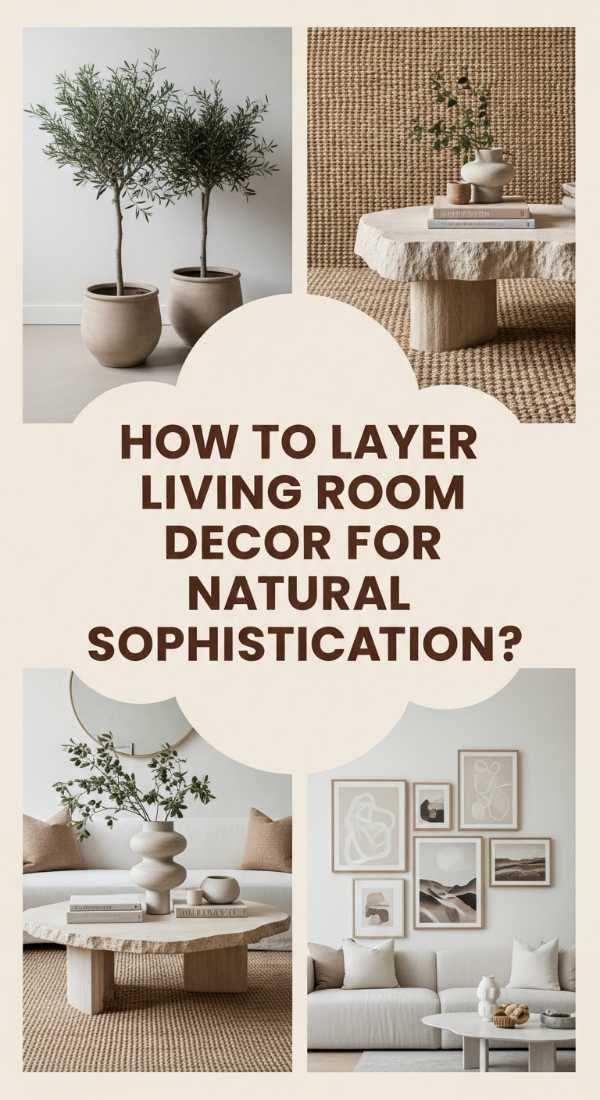
Minimalist decor for the evening is all about the transition from the frantic energy of the day to the deep, restorative quiet of the night. It focuses on ‘low-sensory’ design—soft curves that soothe the eye, dim lighting that mimics the setting sun, and a lack of visual ‘spikes’ that might trigger alertness. When you walk into a room designed for peace, you can almost feel your heart rate slowing down, your shoulders dropping, and a wave of cool, calm serenity washing over you as you prepare for rest.
Essential Elements:
- Blackout curtains in a heavy, neutral fabric
- A minimalist salt lamp or soft-glow orb
- Natural wood accents for grounding
- Scent diffuser with lavender or sandalwood
- Zero technology (no screens or blinking lights)
How to make it
- Start with ‘light-proofing.’ Use heavy-weight fabrics to seal the room from external ‘light-noise,’ ensuring the environment is a pure canvas for your evening ritual.
- Configure your furniture to promote ‘circadian flow.’ The bed or main seating should face away from the door to create a psychological sense of deep security and ‘simmering’ calm.
- Prepare the ‘aromatic base.’ Turn on a diffuser 30 minutes before you enter the room. This ‘pre-heating’ of the air ensures the scent is perfectly infused into the fabric of the space.
- Curate the bedside ‘doneness.’ Limit the surface to three items: water, a book, and a light source. Anything more creates a ‘visual spike’ that can interrupt the transition to sleep.
- Monitor the ‘thermal comfort.’ Minimalist rooms can feel cold, so ensure the ‘heat’ is balanced with high-quality natural fibers like cotton and linen that regulate body temperature perfectly throughout the night.
How to Layer Living Room Decor for Natural Sophistication

Why we love this
Sophisticated minimalism is a masterclass in subtlety and balance. It’s the art of layering high-quality materials—stone, wood, linen, and clay—to create a space that feels rich and expensive without being cluttered. There is a tactile joy in running your hand over a raw oak table or seeing the way a hand-poured ceramic bowl catches the light. This style celebrates the ‘perfectly imperfect’ nature of organic materials, bringing a sense of grounded, natural luxury into your home that feels both timeless and deeply refreshing.
Essential Elements:
- A large, neutral-toned jute or wool rug
- Statement ceramics with organic silhouettes
- Sustainable wood coffee table with visible grain
- Linen toss pillows in varying shades of oatmeal and stone
- A single, architectural branch in a tall vase
How to make it
- Lay the ‘foundation’ with your rug. It should be large enough that all furniture legs rest upon it, creating a unified ‘base’ for your decor layers.
- Introduce ‘structural elements’ first. Place your largest furniture pieces, ensuring they are balanced around a central ‘heat source’ like a fireplace or a large window.
- Layer in your ‘mid-tones.’ Use pillows and throws that are within two shades of your main sofa color. This ‘tonal reduction’ creates a sophisticated, high-end look without adding visual noise.
- Apply the ‘Organic Garnish.’ Add your ceramics and wood accents. These should be placed where they can be touched and appreciated, as their ‘flavor’ comes from their texture.
- Final ‘plating’ check: Walk through the room. The flow should feel effortless. If any area feels ‘heavy’ or ‘clumpy,’ redistribute the smaller accents to ensure the visual weight is perfectly balanced across the floor plan.
How to Master Minimalist Cozy Textures for Elevated Comfort
Why we love this
Mastering texture is the secret ingredient to a minimalist home that feels like a warm hug. It’s about moving away from ‘more things’ and toward ‘better feelings.’ Think of the satisfying weight of a chunky knit, the soft fuzz of a mohair cushion, and the smooth, cool touch of a marble tray. When you focus on texture, you create a sensory landscape that is deeply comforting and luxurious, allowing the eyes to rest while the sense of touch is fully engaged and pampered.
Essential Elements:
- Bouclé upholstery or pillows
- Faux-fur or high-pile wool throws
- Smooth stone or marble accents
- Woven seagrass or wicker baskets
- Velvet details (sparingly for depth)
How to make it
- Identify your ‘primary texture.’ Choose one dominant fabric for the room—like a linen sofa—to act as the ‘broth’ of your design.
- Add ‘textural contrast’ in stages. If your sofa is smooth, add a ‘coarse’ element like a chunky knit throw. This tension between smooth and rough is what creates the ‘elevated’ feeling.
- Incorporate ‘living textures.’ Use plants with different leaf shapes—the waxy surface of a rubber plant vs. the soft fronds of a fern. This adds a ‘fresh’ layer to the room’s composition.
- Apply the ‘Softness Test.’ Every seating area should have at least two different tactile experiences available. This ensures the ‘comfort-flavor’ is multi-dimensional.
- Audit the ‘visual temperature’ of your textures. If the room feels too ‘stiff’ (too many hard surfaces), fold and drape a soft blanket over the sharpest edge to instantly ‘tenderize’ the look of the space.
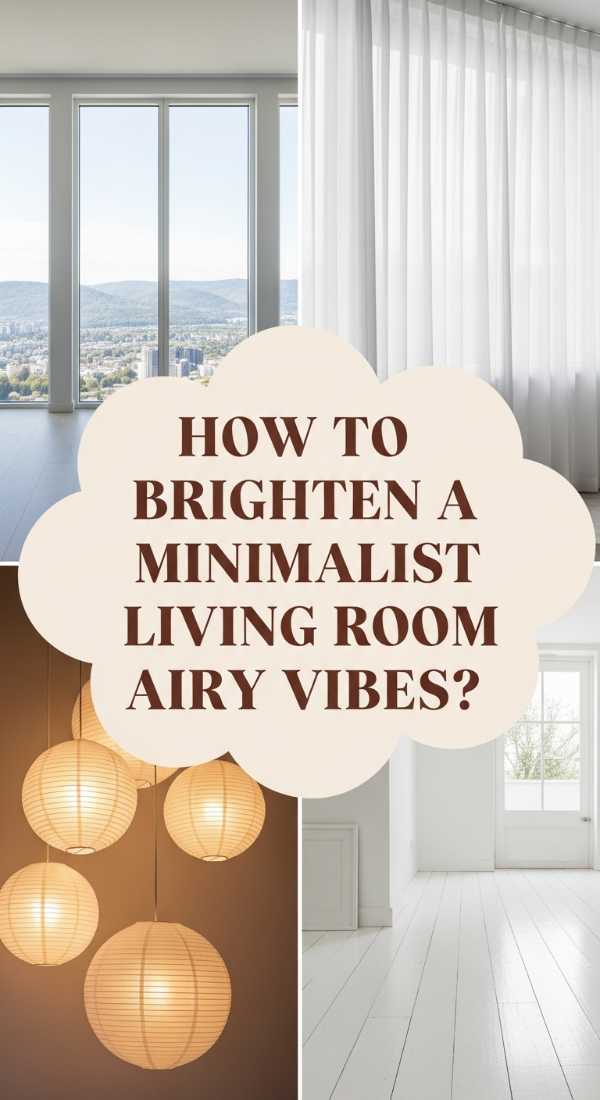
How to Brighten a Minimalist Living Room for Airy Vibes
Why we love this
An airy, bright living room feels like a fresh start every single morning. By maximizing light and minimizing visual weight, you create a space that feels boundless and full of potential. The sensation of sunlight flooding a white-walled room, reflecting off pale wood and glass, creates a high-vibrational energy that is both uplifting and calming. It’s the architectural equivalent of a deep, cleansing breath, washing away the shadows of stress and replacing them with a bright, optimistic clarity.
Essential Elements:
- Off-white or very light grey wall paint
- Leggy furniture that allows light to pass underneath
- Strategically placed wall mirrors
- Transparent glass or acrylic coffee tables
- Minimalist, sheer window treatments
How to make it
- Perform a ‘light audit’ at three different times of day (morning, noon, and dusk). Note where the ‘cold spots’ (shadows) are located in your room.
- Apply a ‘reflective coat’ to your walls. Use a paint with a slight sheen (eggshell or satin) to help bounce light into those identified shadow zones.
- De-clutter the ‘light paths.’ Ensure no large furniture pieces are blocking the windows. This is like clearing the ‘ventilation’ in a recipe to ensure even ‘cooking’ of the light across the space.
- Install ‘mirror-conductors.’ Place mirrors on walls perpendicular to your windows. This technique effectively doubles the light-source without adding any ‘visual mass’ to the room.
- Check the ‘transparency level.’ If the room still feels ‘dense,’ swap out a solid wood piece for something with glass or thin metal legs. This ‘thins’ the visual soup, allowing the eye to see more floor space and increasing the ‘airy’ doneness.
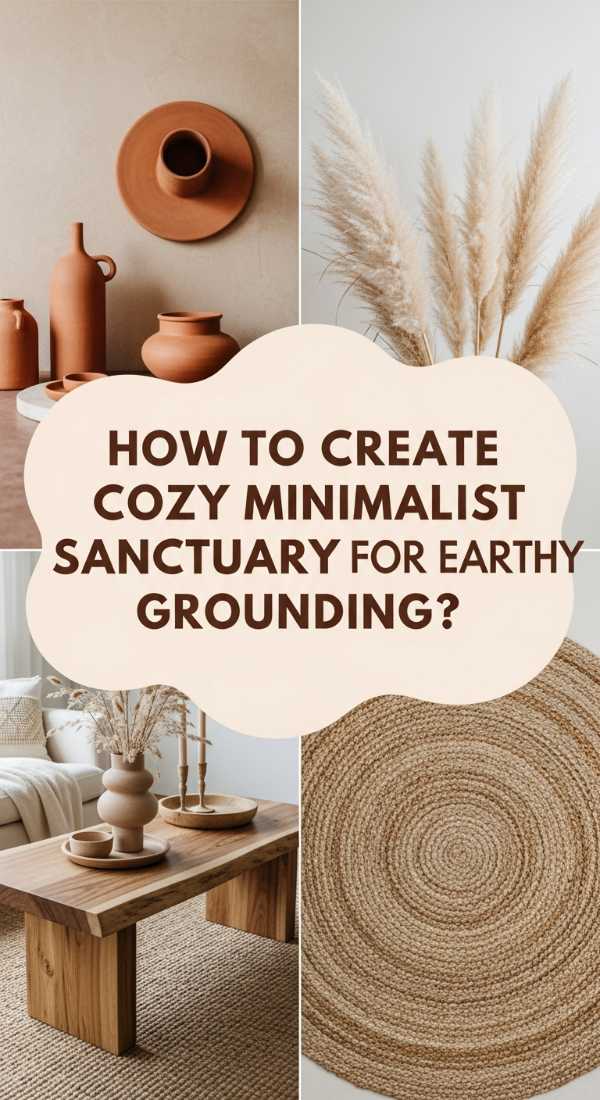
How to Create Cozy Minimalist Sanctuary for Earthy Grounding
Why we love this
An earthy minimalist sanctuary brings the healing power of the outdoors inside, creating a space that feels ancient, sturdy, and deeply grounding. By using a palette of terracottas, sages, and ochres, and incorporating raw, natural materials like stone and clay, you create an environment that vibrates with a quiet, steady strength. It’s a place where you can feel the ‘heft’ of the world in a beautiful way, grounding your energy and providing a solid foundation for your mental well-being amidst a fast-paced world.
Essential Elements:
- Terracotta pots and ceramic vessels
- Linen bedding or upholstery in sage or clay tones
- Raw stone coasters or side tables
- Dried botanical arrangements (eucalyptus, pampas)
- A jute or hemp area rug for tactile grounding
How to make it
- Start with an ‘earthy base layer.’ Choose a rug made of natural fibers like jute. This ‘sears’ the room with a sense of durability and connection to the ground.
- Mix your ‘mineral elements.’ Combine different types of stone or clay. Ensure they have a ‘matte finish’ rather than a glossy one to maintain the ‘raw’ and ‘natural’ flavor of the design.
- Introduce ‘botanical accents.’ Use dried elements for a low-maintenance, earthy vibe that doesn’t require constant ‘prep’ (watering). Their muted colors act as the perfect ‘herbal seasoning’ for the room.
- Layer your ‘terrestrial tones.’ Use the 60-30-10 rule: 60% neutral sand, 30% earthy terracotta, and 10% deep moss green. This creates a balanced ‘color-stew’ that feels harmonious.
- Final ‘curing.’ Allow the room to sit for 24 hours. If it feels too ‘heavy,’ add a single white element (like a candle) to ‘brighten the acidity’ and lift the overall mood of the earthy palette.
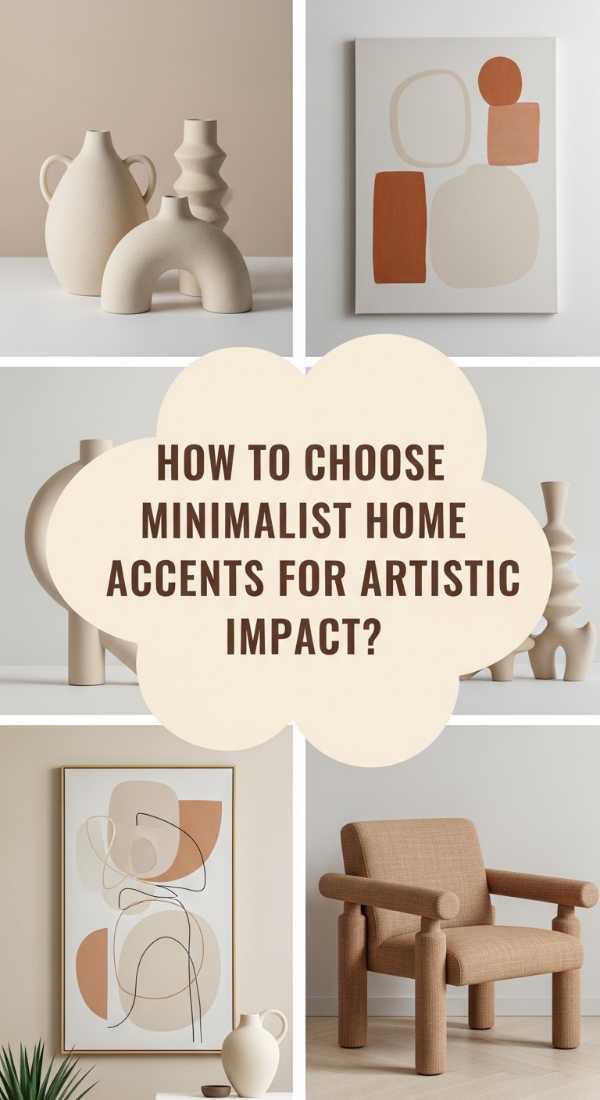
How to Choose Minimalist Home Accents for Artistic Impact
Why we love this
In a minimalist home, every single object becomes a piece of art. Choosing accents with ‘artistic impact’ means looking for items with unique silhouettes, interesting textures, or a story to tell. It’s the ‘fewer, but better’ philosophy in action—where one breathtaking, hand-carved wooden bowl on a bare dining table carries more emotional weight than a hundred mass-produced knitt-knatts. This approach transforms your daily environment into a curated gallery that reflects your personal taste and celebrates the beauty of craftsmanship.
Essential Elements:
- One large-scale statement piece (sculpture or art)
- Handmade ceramics with unique glaze patterns
- High-quality coffee table books with clean spines
- Minimalist iron or brass candle holders
- An ‘object of curiosity’ from your travels
How to make it
- Establish a ‘gallery mindset’ during the prep phase. Treat every surface as a pedestal. If an object doesn’t deserve a pedestal, it doesn’t belong in the room.
- Select your ‘Hero Ingredient.’ This is the one item that will draw all the attention. Place it in the ‘highest-heat’ area of the room—usually the center of a table or the largest wall.
- Apply ‘Negative Space Glaze.’ Leave plenty of empty space around your artistic accents. This ‘breathing room’ is what allows the object to ‘shine’ and creates the high-end, minimalist aesthetic.
- Coordinate your ‘metallic finishes.’ Choose one metal (like brass or black iron) and use it sparingly across three points in the room. This ‘binds’ the different artistic elements together into a cohesive ‘dish.’
- Review the ‘impact-level.’ Stand back and squint. If the accent disappears into the background, it’s too small. If it overwhelms the room, it’s too large. Adjust the ‘scaling’ until the impact is clear and confident.
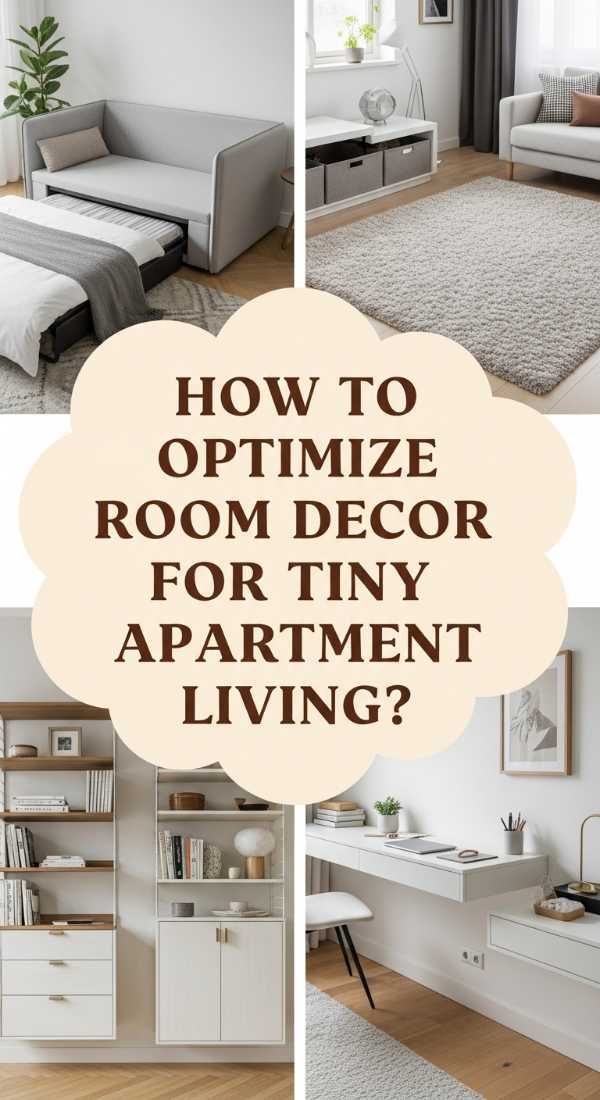
How to Optimize Room Decor for Tiny Apartment Living
[IMAGE_10]
Why we love this
Optimizing a tiny apartment for minimalism is a puzzle that, when solved, offers an unparalleled sense of accomplishment. It’s about being incredibly smart with your ‘visual real estate’ and ensuring that every item earns its keep. There is a sleek, modern beauty in a tiny home where everything has a place, and the design flows seamlessly from one zone to the next. It’s the ultimate expression of ‘living large with less,’ proving that you don’t need a mansion to experience the luxury of a serene, sophisticated, and perfectly organized home.
Essential Elements:
- Wall-mounted shelving to utilize vertical space
- Mirrored surfaces to ‘expand’ the walls
- Foldable or ‘nesting’ furniture pieces
- Neutral colors with high-contrast accents for depth
- Under-bed or ‘hidden’ storage containers
How to make it
- Conduct a ‘spatial inventory.’ Measure every corner and height. In a tiny apartment, vertical space is your ‘secret ingredient’ for adding storage without ‘crowding the pan’ of the floor.
- Implement ‘Zone Cooking.’ Clearly define areas for sleeping, eating, and working using rugs or lighting. This prevents the functions of the room from ‘bleeding’ into each other and creating a ‘messy flavor.’
- Use ‘Leggy’ furniture. Choose pieces that are raised off the ground. This allows the eye to see the floor underneath, which ‘tricks’ the brain into thinking the space is ‘lighter’ and larger than it is.
- Maximize ‘Visual Continuity.’ Use the same flooring and wall color throughout the entire apartment. This ‘unified base’ prevents the eye from ‘stuttering,’ making the flow feel long and uninterrupted.
- Final ‘de-glazing.’ Remove any item that sits on the floor and isn’t a piece of furniture. Keeping the ‘floor-canvas’ clear is the most important step in achieving a minimalist ‘doneness’ in a small apartment.
The Final Exhale: Embracing Your New Space
Minimalism isn’t a destination; it’s a practice. It’s a daily choice to value your peace over your possessions. As you move through these steps, remember that your home should be a reflection of your best self—calm, intentional, and beautiful. Start with one corner, feel the shift in energy, and let that serenity guide you through the rest of your home. You deserve a space that feels as light and free as you wish to be.