
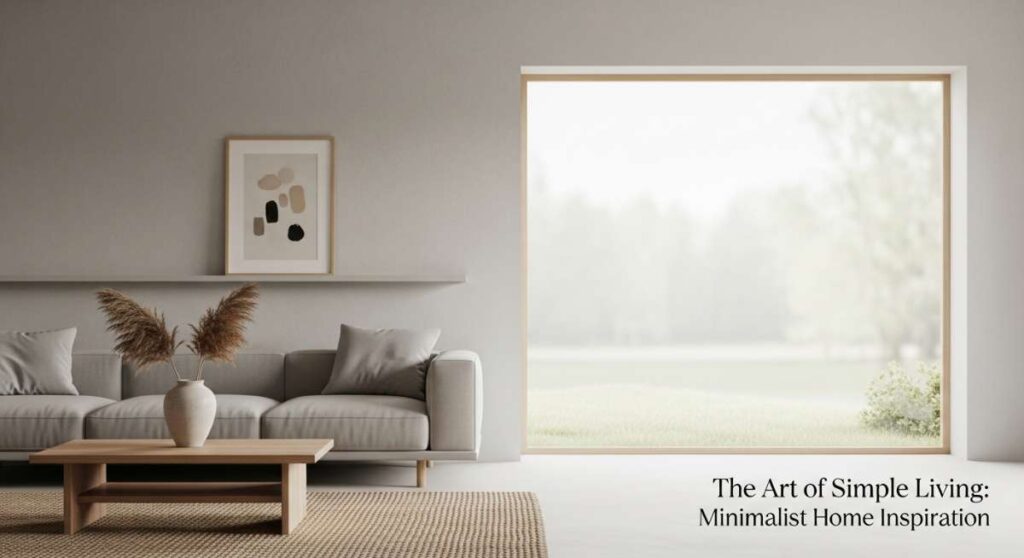
The Art of Simple Living: Minimalist Home Inspiration for Every Room
Have you ever walked into a room and felt an immediate sense of relief, as if the walls themselves were taking a deep breath alongside you? In our fast-paced, hyper-connected world, our homes often become accidental storehouses for the chaos of our external lives. We pile up mail, collect ‘just in case’ gadgets, and let the visual noise of clutter slowly drain our creative energy. But there is a different way to live—a way that prioritizes the space between things as much as the things themselves.
Embracing a minimalist lifestyle isn’t about living in a cold, empty white box; it is about curated intentionality. It is the art of choosing quality over quantity and finding beauty in the functional. When we clear the physical clutter, we make room for the emotional and mental clarity we’ve been craving. Let’s dive into how you can transform every corner of your home into a serene sanctuary that feels like a warm hug every time you walk through the door.
How to Transform Small Living Rooms for Maximum Comfort
Why we love this
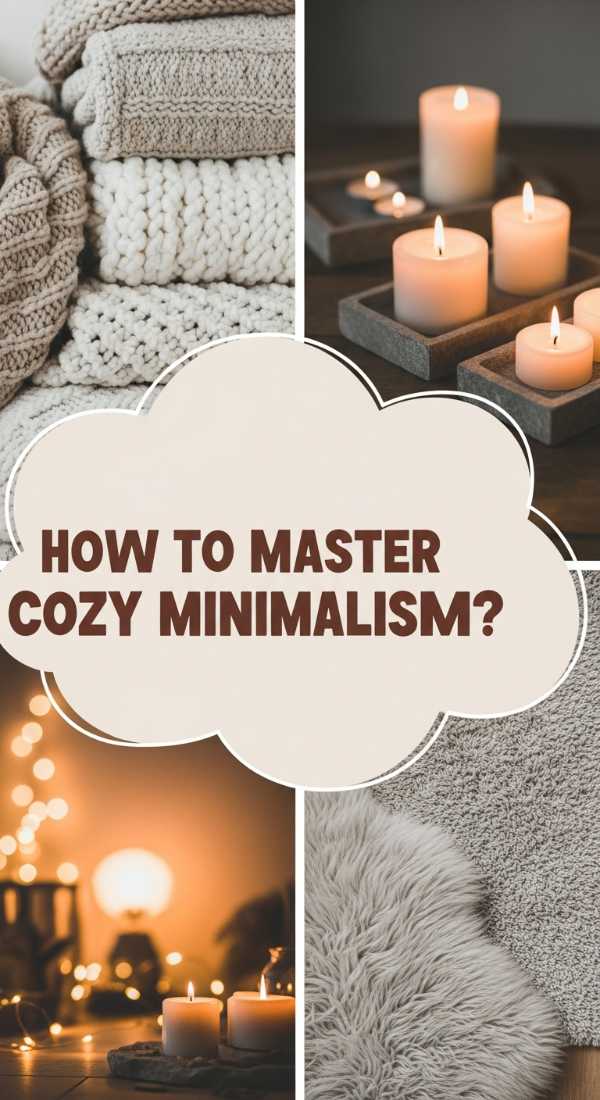
There is something incredibly intimate about a small living room that has been thoughtfully edited to maximize comfort without sacrificing breathability. We love how the soft scent of a vanilla bean candle dances through the open air, unhindered by unnecessary furniture, while the tactile touch of a chunky knit throw beckons you to sink into a plush sofa. The visual harmony of a limited color palette creates a sense of infinite space, making even the tiniest apartment feel like a grand, airy loft where you can truly exhale.
Essential Elements:
- Multi-functional nesting tables in light oak
- A low-profile, neutral-toned sofa with slim legs
- Sheer linen floor-to-ceiling curtains
- A large, frameless mirror to reflect natural light
- A single, oversized statement plant like a Bird of Paradise
How to make it
- Begin by clearing the entire floor space to visualize the ‘bones’ of the room. This blank slate approach allows you to see the true dimensions without being biased by existing clutter.
- Position your largest piece—the sofa—against the longest wall, but pull it out about 2 inches. This ‘breathing gap’ creates a professional shadow line that makes the room feel wider than it is.
- Install your curtain rod 6 inches above the window frame and let the sheer fabric ‘puddle’ slightly on the floor. This draws the eye upward, creating a vertical illusion of height that mimics a high-ceilinged gallery.
- Select a rug that is large enough for all furniture legs to sit on; a rug that is too small will visually ‘chop up’ the floor and make the room feel cramped. Aim for a flat-weave wool for durability and a clean profile.
- Layer in your lighting at three different heights: an overhead dimmable fixture, a floor lamp for reading, and a small ceramic table lamp to eliminate dark shadows in corners.
How to Master Cozy Minimalism for a Warmer Atmosphere
Why we love this
Cozy minimalism is the perfect marriage between ‘scandi-chic’ and ‘hygge’ warmth, focusing on textures that delight the skin and colors that soothe the eyes. Imagine the gentle crackle of a wood-wick candle paired with the smooth, cool surface of a marble coffee table—it’s a sensory experience that feels both luxury and grounded. This approach replaces ‘stuff’ with ‘feeling,’ ensuring that every item in the room serves a purpose while contributing to an atmosphere of deep, soul-level relaxation and warmth.
Essential Elements:
- Tonal throw pillows in varying fabrics (silk, velvet, linen)
- A warm-toned wood coffee table with organic edges
- Dimmable amber-hued LED bulbs
- Woven seagrass baskets for hidden storage
- A curated stack of 3 high-quality art books
How to make it
- Define your color palette using the 60-30-10 rule: 60% neutral (cream/beige), 30% secondary warm tone (terracotta/camel), and 10% accent (matte black or brass).
- Swap out any cold, blue-toned artificial lighting for ‘warm white’ bulbs (2700K). The visual cue for a cozy space is a soft, golden glow that mimics the golden hour of sunset.
- Introduce organic shapes by choosing a round or oval coffee table. The lack of sharp corners softens the ‘energy’ of the room and allows for better flow and movement.
- De-clutter your surfaces until only three items remain on any given table. Arrange these in a triangle formation to create a balanced, professional ‘vignette’ look.
- Finish by draping a high-quality cashmere or wool blend throw over the arm of a chair. Don’t fold it perfectly; a casual drape suggests a lived-in, welcoming vibe.
How to Achieve Minimalist Home Bliss for Daily Clarity
Why we love this
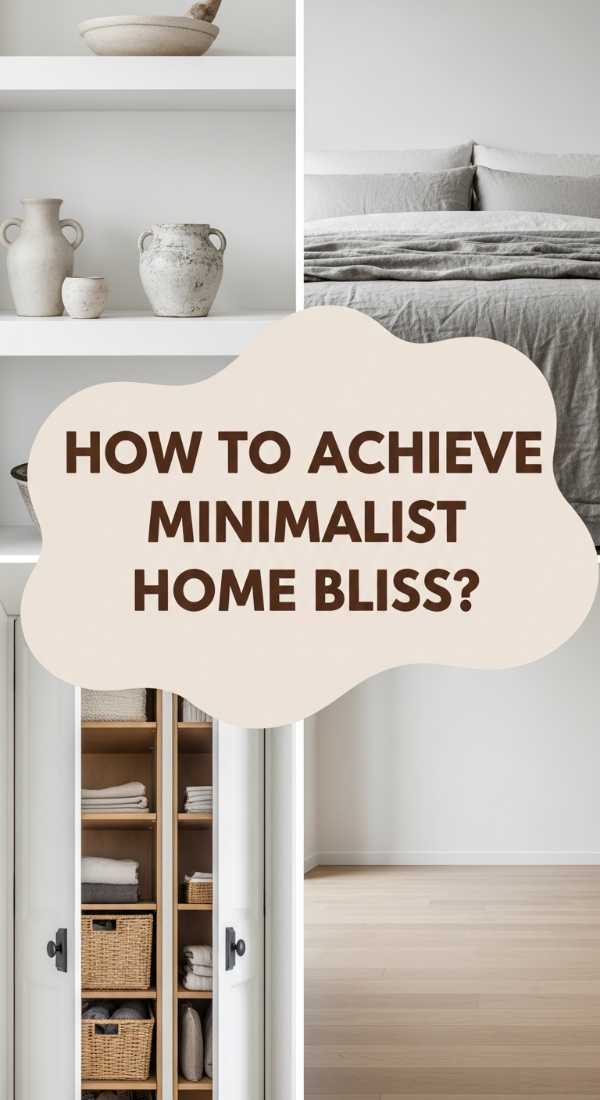
Achieving daily clarity through minimalism is like refreshing your mental browser every single morning. We love the crisp, clean feeling of a kitchen island that is completely bare, reflecting the morning sun, and the way a lack of visual noise allows you to focus on the aroma of freshly ground coffee beans. It’s about the silence of a room that isn’t screaming for you to ‘clean me’ or ‘sort me,’ allowing your mind to drift toward creative thoughts and peaceful intentions instead of a never-ending to-do list.
Essential Elements:
- Uniform glass jars for pantry organization
- A hidden ‘charging station’ for electronics
- Empty wall space (the ‘white space’ of interior design)
- Under-cabinet task lighting
- A wall-mounted magnetic strip for knives and tools
How to make it
- Perform a ‘surface sweep’ every evening. Remove every single item from your countertops and only put back what you use daily (e.g., the coffee maker). Store the rest in deep drawers.
- Implement a ‘one-in, one-out’ rule for all new purchases. If you buy a new vase, an old one must be donated. This maintains a ‘stasis’ in your inventory levels.
- Organize your pantry using clear, airtight containers. The visual cue of seeing exactly how much flour or pasta you have reduces ‘inventory anxiety’ and creates a sense of abundance through order.
- Designate a ‘junk drawer’ that is strictly limited in size. Once it’s full, you must sort it. This contains the chaos to a single, invisible 2-square-foot area.
- Spend 5 minutes each morning ‘resetting’ the main living area. Fluff the pillows and straighten the rug; these small visual cues signal to your brain that the day is organized and under control.
How to Style Minimalist Decor for a Restful Bedroom
Why we love this
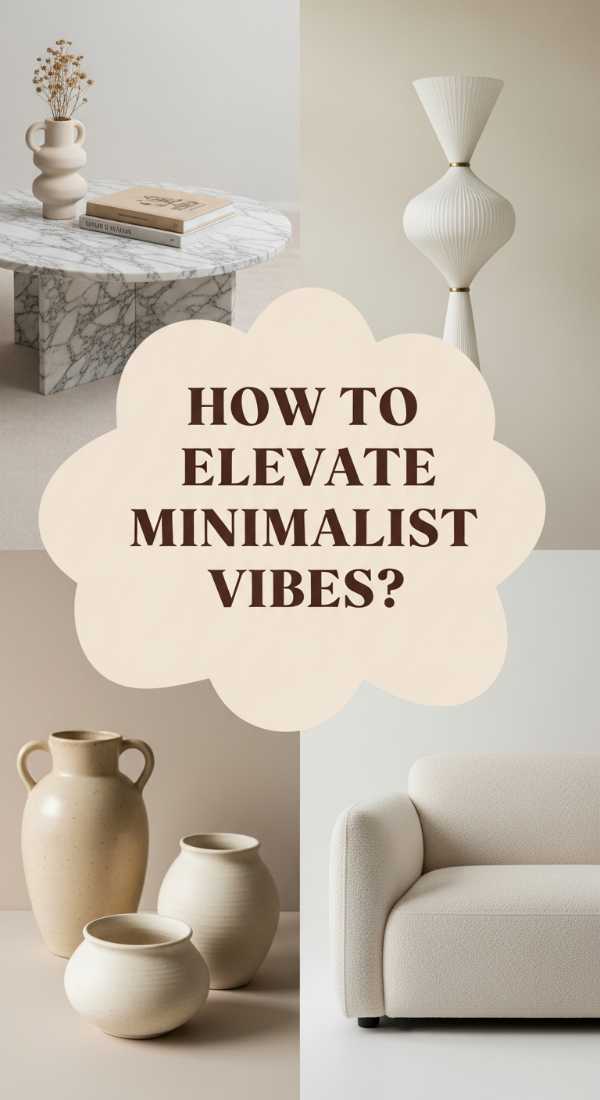
The minimalist bedroom is the ultimate sanctuary, a place where the air feels cooler and the sheets feel crisper because there are no distractions. We love the way the morning light hits a single sprig of eucalyptus in a glass vase, casting soft, dancing shadows on the wall. The absence of a television or piles of clothes transforms the room into a dedicated temple for sleep, where the only thing that matters is the weight of a linen duvet and the quiet rhythm of your own breathing.
Essential Elements:
- 100% French flax linen bedding in muted tones
- Floating bedside tables to keep the floor clear
- Blackout curtains in a heavy, textured fabric
- A soft, low-pile wool rug for under-foot comfort
- A ceramic diffuser with lavender essential oil
How to make it
- Remove all electronics from the bedside. Replace your phone charger with a dedicated analog alarm clock to prevent ‘scroll-induced’ sleep delay.
- Choose a bed frame with a simple, upholstered headboard. The fabric adds a layer of sound dampening, which is a professional secret for creating a ‘quiet’ atmosphere.
- Limit your pillow count. Two sleeping pillows and two large shams are plenty. Overcrowding the bed with ‘decorative’ pillows creates a chore every morning and evening.
- Install ‘floating’ shelves for bedside storage. By keeping the floor beneath the nightstand visible, you trick the eye into seeing more square footage, which reduces the ‘boxed-in’ feeling.
- Incorporate ‘soft’ sensory elements like a mist of linen spray. The scent of lavender or cedarwood acts as a Pavlovian trigger for your brain to begin the shutdown process for sleep.
How to Elevate Living Room Aesthetics for Chic Simplicity

Why we love this
Chic simplicity is all about the power of the ‘statement.’ We love how a single, oversized piece of abstract art can command a room more effectively than a wall full of small trinkets. The room feels expensive because it is curated, not crowded. There is a tactile elegance in the smooth finish of a designer chair and the subtle sheen of a polished concrete or hardwood floor. It’s the interior design equivalent of a perfectly tailored white shirt—timeless, effortless, and undeniably sophisticated.
Essential Elements:
- One large-scale piece of monochromatic wall art
- A sculptural floor lamp in a matte finish
- High-quality, solid wood flooring or a large jute rug
- Minimalist coffee table tray in leather or marble
- Architectural indoor trees like a Fiddle Leaf Fig
How to make it
- Focus on ‘negative space.’ Leave at least one wall almost entirely bare. This gives the eye a place to rest and makes your selected decor pieces ‘pop’ with gallery-like importance.
- Invest in ‘investment pieces’ rather than ‘fast furniture.’ One high-quality oak sideboard is worth more aesthetically than three cheap laminate bookshelves.
- Use ‘hidden’ cable management. Visible wires are the enemy of chic simplicity. Use cord runways or drill holes in furniture to keep all technology completely invisible.
- Curate your bookshelf by color or by turning the spines inward for a monochromatic look. This removes the ‘visual chatter’ of varying book jacket designs.
- Maintain a ‘visual path’ through the room. Ensure there is a clear, unobstructed walkway at least 3 feet wide between furniture pieces to ensure the room feels ‘flowy’ and easy to navigate.
How to Blend Textures for a Layered Minimalist Look
Why we love this
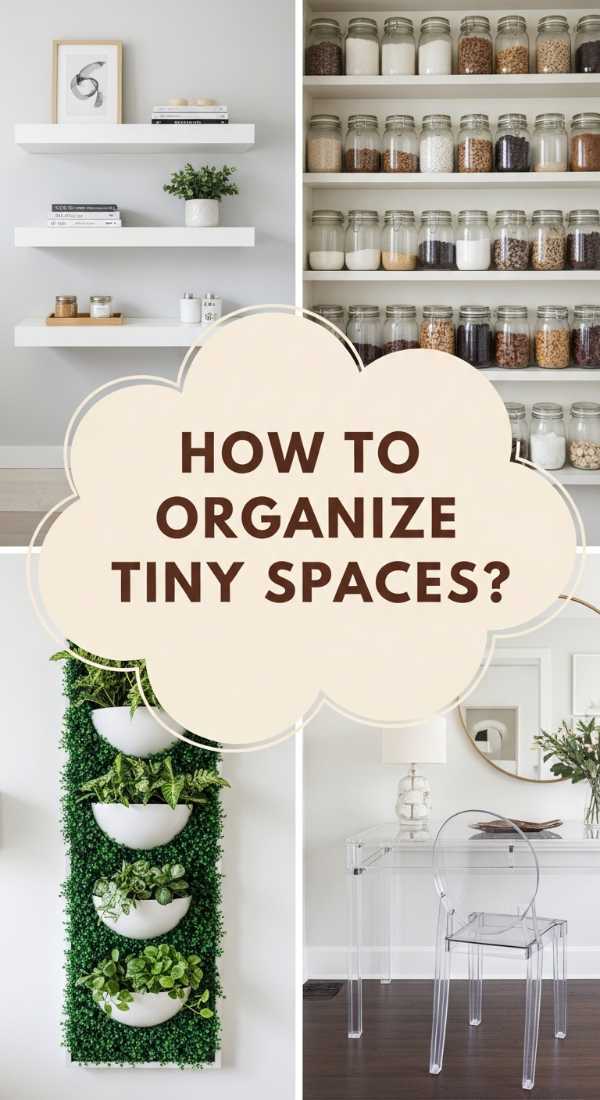
Blending textures is the secret sauce that prevents minimalism from feeling ‘flat’ or sterile. We love the interplay between a rough, hand-woven rattan basket and the sleek, cold surface of a glass side table. It’s a feast for the fingertips—the nubby grain of a bouclé chair contrasted against a smooth silk pillow. This layering adds a ‘depth’ to the room that you can almost taste, creating a rich, sensory environment that feels incredibly high-end while remaining rooted in simple, natural materials.
Essential Elements:
- Bouclé or sherpa accent chairs
- Woven rattan or wicker storage elements
- Smooth marble or stone coasters and trays
- Velvet and linen textile pairings
- Exposed brick or lime-washed wall finishes
How to make it
- Start with a base of ‘smooth’ surfaces: polished wood floors, painted walls, and sleek furniture. This is your foundation ‘layer.’
- Add ‘rough’ textures in the mid-ground. Think of a jute rug or a chunky knit throw. The visual cue of the ‘knit’ adds immediate warmth and visual interest to a flat floor.
- Incorporate ‘reflective’ textures in small doses. A brass lamp or a glass vase catches the light and adds a ‘sparkle’ that prevents the room from looking ‘muddy’ or dull.
- Use a ‘tonal’ approach to layering. Keep everything within the same color family (like varying shades of taupe) but change the *feel* of the material. This creates depth without visual chaos.
- Introduce a ‘living’ texture. The waxy leaves of a plant or the rough bark of a decorative branch in a vase adds an organic, unpredictable element that breaks up geometric lines.
How to Organize Tiny Spaces for a Stressless Lifestyle
Why we love this
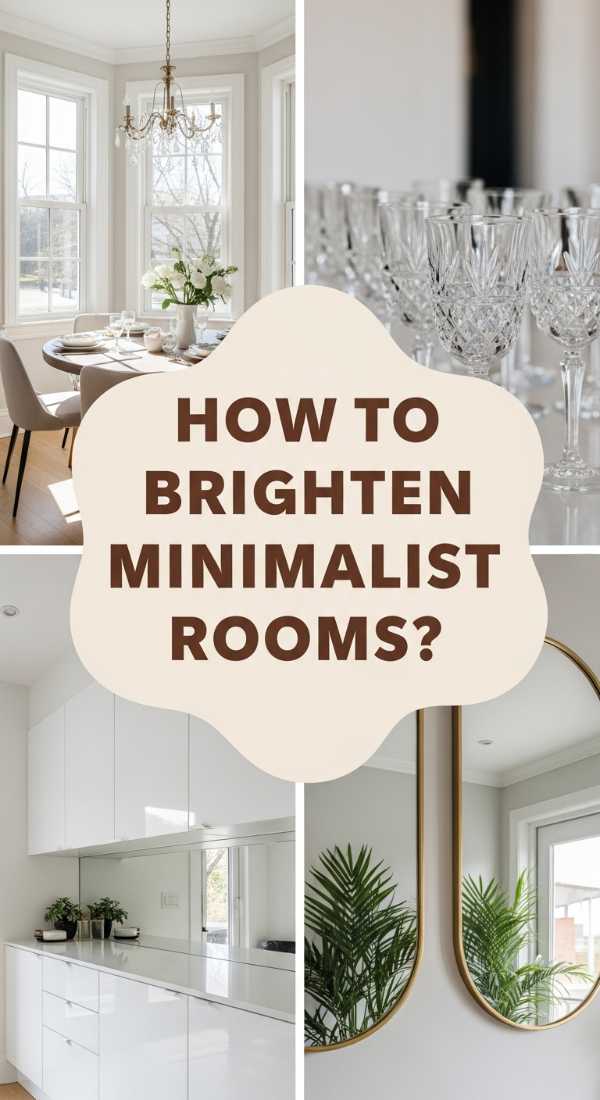
There is a profound sense of empowerment that comes from knowing exactly where every item you own is located. We love the ‘Tetris-like’ satisfaction of a perfectly organized drawer where every tool has a home. In tiny spaces, organization isn’t just a chore—it’s a liberation. The scent of cedar blocks in a closet and the sight of neatly folded linens creates a ’boutique hotel’ feel in your own home, turning a potentially cramped living situation into a masterclass in efficient, stress-free luxury.
Essential Elements:
- Acrylic drawer dividers for invisible organization
- Over-the-door organizers for shoes or accessories
- Uniform velvet hangers (they save 50% more space)
- Vacuum-sealed bags for out-of-season clothing
- Stackable, labeled bins for high-shelf storage
How to make it
- Utilize ‘vertical real estate.’ If you lack floor space, look up. Install shelving all the way to the ceiling to store items you only use once or twice a year.
- Edit your ‘duplicates.’ You do not need three sets of measuring spoons or five white t-shirts. Keep the highest quality version of each and discard the rest.
- Categorize by ‘frequency of use.’ Items used daily should be at eye level (the ‘hot zone’), while items used weekly should be lower, and monthly items should be high up.
- Use ‘slimline’ hangers. Replacing bulky plastic hangers with thin velvet ones immediately creates 3-4 inches of extra space in even the smallest closet.
- Label everything. Even if you live alone, labels act as a psychological ‘contract’ with yourself to return items to their specific home, preventing the slow creep of clutter.
How to Brighten Dark Corners for an Open Feel
Why we love this
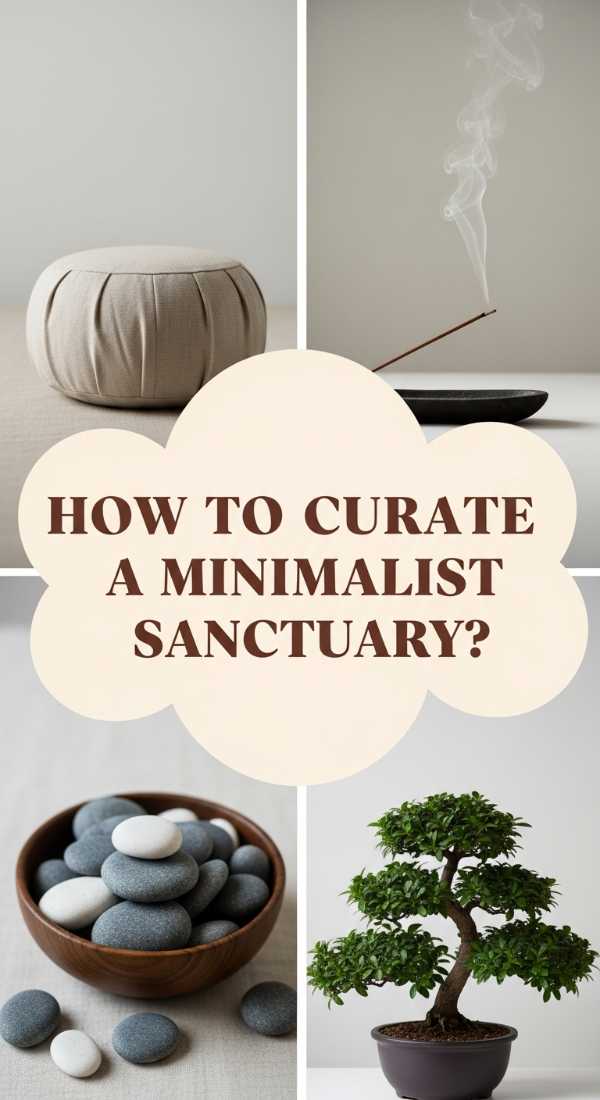
Bringing light into a dark corner is like breathing life back into a forgotten space. We love how a strategically placed mirror can catch a stray beam of afternoon sun and bounce it across the room, illuminating dusty shadows and making the walls feel like they’ve expanded outward. It changes the entire mood of the house from ‘enclosed’ to ‘expansive,’ turning a gloomy nook into an inviting spot for a morning tea or a quiet moment of reflection with a book.
Essential Elements:
- Large-scale floor mirrors (at least 5 feet tall)
- Satin-finish paint (it reflects light better than matte)
- Slim-profile floor lamps with adjustable heads
- White or light-colored furniture for dark corners
- Prism window stickers to create rainbows of light
How to make it
- Identify the ‘dead zones’ where natural light doesn’t reach. These are usually corners opposite windows or hallway ends.
- Place a large mirror directly opposite the largest window in the room. The angle should be slightly tilted upward to capture the sky, which maximizes the ‘brightness’ reflected.
- Swap dark, heavy wood furniture in these areas for light-toned woods or white-lacquered pieces. Dark furniture ‘absorbs’ light, while light furniture ’emits’ it.
- Use ‘wash’ lighting. Aim a floor lamp toward the wall rather than into the room. The light ‘washes’ down the surface of the wall, making the corner appear to recede and feel larger.
- Add a high-gloss element, like a ceramic pot or a metallic tray. These small ‘hits’ of reflection act as visual focal points that break up the density of a dark corner.
How to Curate a Minimalist Sanctuary for Inner Peace
Why we love this
A minimalist sanctuary is more than just a room; it’s a commitment to your mental well-being. We love the ‘hushed’ atmosphere of a dedicated meditation or reading nook, where the only sound is the soft rustle of a page or the rhythmic chime of a singing bowl. The absence of technology and clutter acts as a digital detox for the soul. It’s a place that smells of sandalwood and feels like a soft linen cushion, providing a necessary escape from the ‘noise’ of the modern world.
Essential Elements:
- A high-quality floor cushion or meditation ‘zafu’
- A small wooden altar or side table
- Fresh flowers in a simple ceramic bud vase
- A weighted blanket for grounding
- A journal and a high-quality fountain pen
How to make it
- Choose a ‘low-traffic’ area of your home—even a corner of your bedroom will work. This must be a ‘no-phone zone’ to preserve the sanctity of the space.
- Focus on ‘grounded’ seating. Sitting lower to the ground (on a cushion or low chair) has a psychological effect of making you feel more connected and stable.
- Incorporate an ‘elemental’ feature: a small water fountain, a stone, or a candle. These natural elements help ‘ground’ your energy and provide a focal point for relaxation.
- Keep the decor extremely minimal—one piece of art that inspires peace and one living plant. Any more will become a distraction during your quiet time.
- Engage the ‘scent memory’ by using the same essential oil every time you enter the space. Eventually, the smell alone will trigger a ‘relaxation response’ in your nervous system.
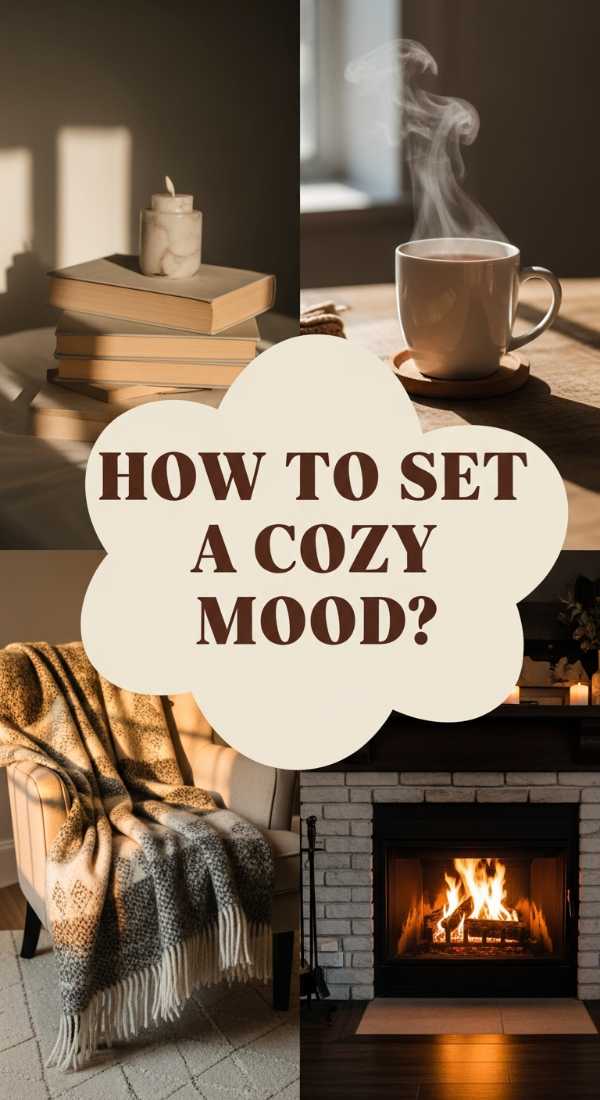
How to Set a Cozy Mood for Relaxing Evenings
[IMAGE_10]
Why we love this
As the sun dips below the horizon, the minimalist home transforms into a glow-filled cocoon of comfort. We love the transition from the ‘productivity light’ of the day to the ‘amber glow’ of the evening. It’s the ritual of lighting a single candle, the warmth of a ceramic mug between your palms, and the way the shadows play on a clean, uncluttered wall. This evening ‘mood-set’ is the ultimate reward for a day lived intentionally, turning the simple act of ‘being home’ into a celebrated event.
Essential Elements:
- Taper candles in brass or ceramic holders
- Smart bulbs that can be programmed to ‘sunset’ mode
- A high-quality Bluetooth speaker for lo-fi beats
- A woven tray for serving herbal tea
- Soft, oversized loungewear in natural fibers
How to make it
- Begin the ‘wind-down’ at least one hour before bed. Turn off all overhead lights and switch to ‘accent lighting’ (lamps and candles).
- Light candles in odd numbers—three on a coffee table or five on a mantel. The ‘flicker’ mimics a natural campfire and triggers ancient relaxation responses in the brain.
- Prepare a ‘sensory’ evening beverage, like chamomile tea or warm almond milk with turmeric. The ritual of preparation is just as important as the drink itself.
- Clear the ‘visual clutter’ of the day. Put away the laptop, hide the remotes in a box, and fold the throw blankets. A clean space equals a clean mind before sleep.
- Play soft, instrumental music at a low volume. The goal is to create a ‘sound blanket’ that masks any harsh external noises, like traffic or neighbors.
Conclusion: Embracing the Less-is-More Lifestyle
Minimalism is not a destination you reach and then stop; it is a daily practice of choosing what adds value to your life and letting go of what doesn’t. By transforming your home into a minimalist sanctuary, you aren’t just cleaning a room—you are creating a life that is lighter, brighter, and more focused on the things that truly matter. Start small, be intentional, and enjoy the beautiful clarity that follows.