
The Art of Soft Minimalism: Creating a Warm and Simple Home
Have you ever walked into a room and felt your shoulders instantly drop three inches? That is the magic of soft minimalism. It’s not about living in a cold, sterile white box or getting rid of everything you love; it’s about creating a space that breathes, where every object has a purpose and every corner offers a hug. For years, I thought minimalism meant deprivation, but I’ve discovered it’s actually the ultimate form of self-care—clearing the physical noise so you can finally hear your own thoughts.
Creating a cozy minimalist home is like crafting a slow-cooked meal for the soul. It takes patience to curate and a keen eye for what truly brings you peace. In this guide, we are going to dive deep into how you can transform your living space into a sanctuary of sophisticated serenity without losing that ‘lived-in’ warmth we all crave. Let’s peel back the layers of clutter and find the beauty in the simple things together.
How to Curate a Cozy Minimalist Living Room for Total Sanctuary

Why we love this
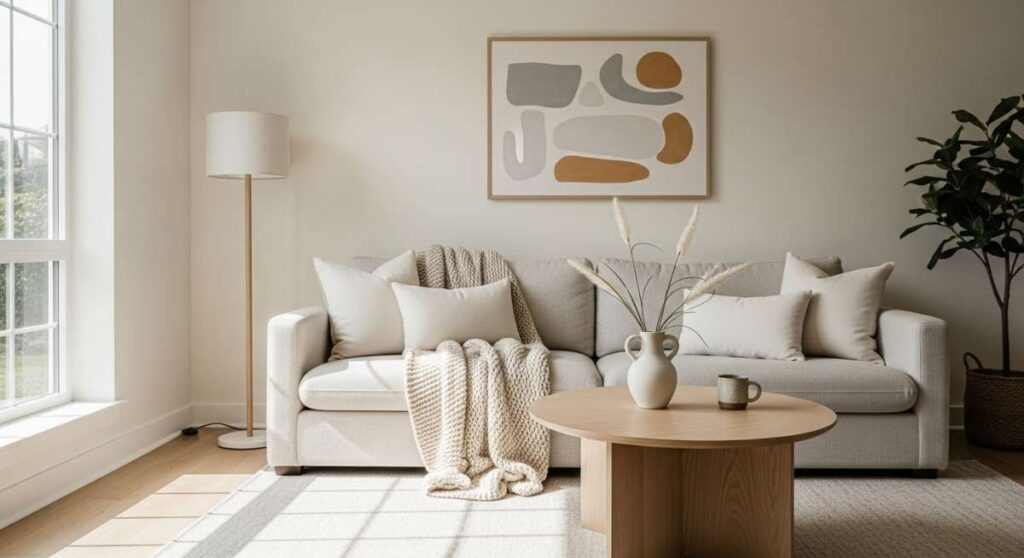
There is something profoundly healing about a room that doesn’t demand your attention with loud colors or cluttered surfaces. We love this approach because it focuses on the tactile experience—the way a chunky knit throw feels against your skin or the scent of a beeswax candle flickering on a reclaimed wood table. It creates a sensory ‘doneness’ that feels complete without being overcrowded, allowing the aroma of your favorite tea and the natural light of the afternoon to become the main characters in your afternoon ritual.
Essential Elements:
- Neutral, high-quality linen sofa
- Organic wool area rug in cream or oatmeal
- Natural wood coffee table with soft edges
- Single ceramic vase with dried eucalyptus
- Soft, warm-toned floor lamp (2700K bulb)
How to make it
- Sieve the Clutter: Begin by removing every single item from the room that does not serve a functional purpose or spark immediate joy. Think of this as straining your space to reach a clear, refined base.
- Set the Foundation: Place your largest piece—the sofa—against the most expansive wall. Ensure there is ‘breathing room’ of at least 6 inches from the wall to allow for air circulation and a lighter visual weight.
- Layer the Textures: Introduce your textiles one by one. Fold a heavy-knit blanket over the arm of the chair. The ‘visual cue for doneness’ here is when the room feels soft but you can still see the floor and the lines of the furniture clearly.
- Slow-Simmer the Lighting: Replace any cool-toned overhead bulbs with warm, dimmable options. Aim for ‘simmer’ levels of light—enough to see by, but soft enough to cast gentle shadows, creating a glow that mimics the golden hour.
How to Arrange a Small Living Room Apartment for Airy Openness
Why we love this
Small apartments can often feel like they are closing in on you, but with an airy minimalist arrangement, the walls seem to push back. We love this style because it utilizes negative space as a design element itself, making even a tiny studio feel like a grand gallery. The feeling of walking through a clear path without bumping into furniture provides an immediate sense of relief and mental clarity, much like the first bite of a perfectly balanced, light lemon sorbet on a hot day.
Essential Elements:
- Leggy furniture (to show more floor space)
- Large wall-mounted mirror
- Transparent acrylic or glass coffee table
- Floating wall shelves
- Light-filtering sheer curtains
How to make it
- Optimize the Floor Plan: Arrange furniture away from the center of the room to create a clear ‘vein’ or pathway. Use furniture with exposed legs to ‘lift’ the visual weight, letting the eye travel underneath and creating the illusion of more square footage.
- Reflect the Light: Position a large mirror directly opposite your primary light source. This ‘cooks’ the light, bouncing it deep into the corners and doubling the perceived depth of the room.
- Vertical Prep: Install floating shelves high on the walls. This draws the eye upward, similar to how a tall garnish adds height to a plate, making the ceiling feel further away.
- The Final Garnish: Hang sheer curtains high above the window frame. The goal is to reach a ‘visual peak’ where the windows look twice their size, allowing maximum natural light to flood the ‘dish’ of your room.
How to Style Minimalist Room Decor for Sophisticated Serenity
Why we love this
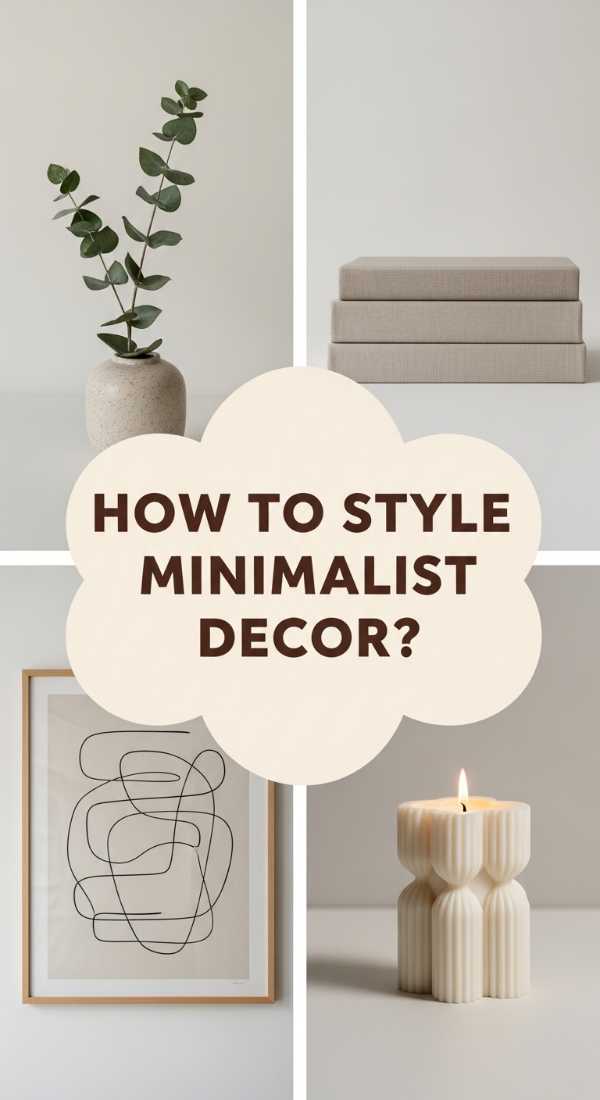
Sophisticated serenity is all about the ‘un-decorated’ look—the intentional placement of items that look like they’ve always belonged there. We love this because it removes the ‘visual noise’ of trends and focuses on timeless shapes and tonal harmony. It feels like a quiet morning in a high-end spa, where the subtle texture of a stone bowl or the curve of a handmade chair provides all the visual interest you need without ever feeling overwhelming or busy.
Essential Elements:
- Monochromatic color palette (shades of stone, sand, and clay)
- Sculptural ceramic pieces
- Low-profile lounge seating
- Abstract art with plenty of white space
- Natural stone accents (travertine or marble)
How to make it
- Tonal Blending: Select three shades within the same color family (e.g., beige, tan, and cream). Use these as your primary ‘ingredients’ to ensure there is no harsh contrast that breaks the visual flow.
- Incorporate Sculpture: Place one or two large sculptural items instead of ten small trinkets. The ‘technique’ here is to give each piece at least 12 inches of empty space around it so its form can be fully appreciated.
- Balance the Weights: If you have a heavy stone table, balance it with a light, airy chair. You are looking for a ‘visual equilibrium’ where the room feels grounded but not anchored down.
- Curing the Space: Leave the walls mostly bare. One large, quiet piece of art is the perfect finishing touch—it acts as the ‘acid’ in a recipe, brightening the whole composition without overpowering the subtle flavors of the decor.
How to Design a Minimalist Home for Effortless Everyday Living

Why we love this
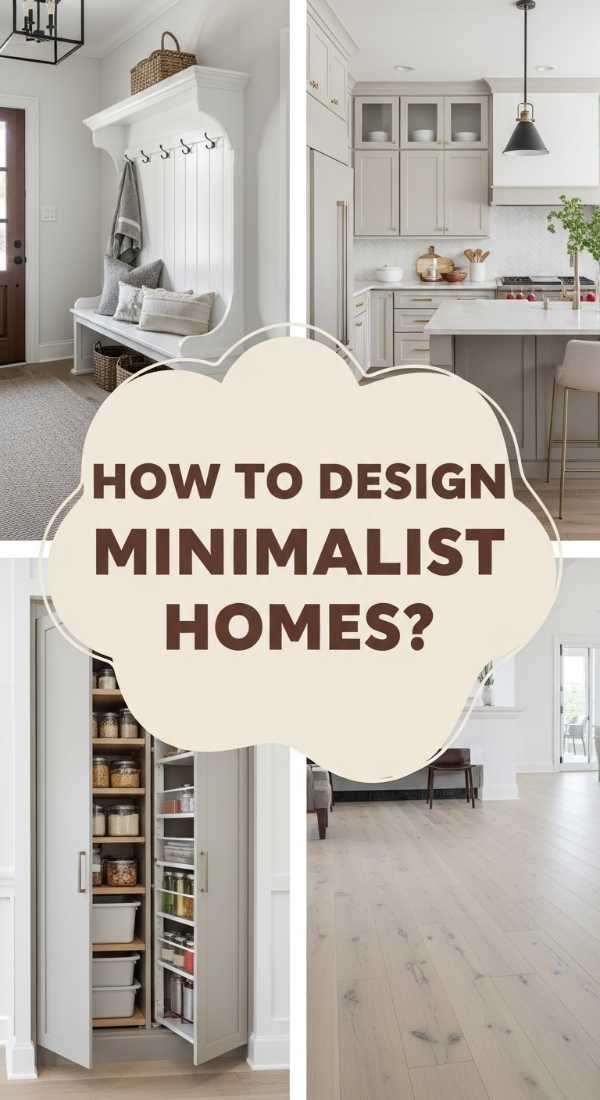
Designing for everyday living means your home works for you, not the other way around. We love this approach because it turns mundane tasks—like putting away keys or making coffee—into moments of grace. It’s about the tactile joy of a smooth wooden handle and the lack of friction in your daily routine. It feels like a perfectly organized kitchen where everything you need is exactly where your hand reaches, making the ‘recipe’ of your daily life flow without a hitch.
Essential Elements:
- Hidden storage solutions (built-ins)
- Multi-functional furniture
- High-quality, durable natural materials
- A dedicated ‘drop zone’ for daily essentials
- Uncluttered surfaces and clear counters
How to make it
- Audit Your Workflow: Observe your daily movements. Identify where ‘clutter hotspots’ occur and install a minimalist solution (like a single beautiful bowl for keys) at that exact point.
- Integrate Storage: Use furniture that doubles as storage, like a storage ottoman. This ‘folds’ your belongings into the design, keeping them out of sight but within reach.
- Choose High-Heat Materials: Select materials like quartz, solid wood, and leather that can withstand the ‘heat’ of daily use and actually look better with age, developing a beautiful patina.
- Clean as You Go: Design the layout so that cleaning takes minutes, not hours. The ‘visual cue’ for success is when you can reset the entire room to ‘zero’ in under five minutes.
How to Embrace Cozy Minimalist Vibes for Maximum Relaxation
Why we love this
This is the ‘comfort food’ of interior design. We love cozy minimalist vibes because they prioritize the ‘soft’ in soft minimalism, focusing on how a room makes you feel when you are at your most vulnerable and tired. It’s the aroma of lavender, the warmth of a fireplace, and the sink-in depth of a oversized cushion. It creates an environment where your nervous system can finally downshift, offering a deep, restorative relaxation that feels as nourishing as a warm bowl of soup.
Essential Elements:
- Velvet or chenille textiles
- Dimmable ambient lighting
- Floor cushions and soft ottomans
- A neutral-colored fireplace or candle cluster
- Books with beautiful, simple covers
How to make it
- Soften the Edges: Replace sharp-angled furniture with rounded shapes. This ‘tenderizes’ the room’s energy, making it feel safer and more inviting for relaxation.
- Layer for Heat: Layer different weights of fabric—a linen sheet, a wool blanket, and a faux fur throw. This creates a ‘thermal comfort’ that allows you to adjust your cozy level as needed.
- Scent the Atmosphere: Use natural essential oils like cedarwood or vanilla. Scent is the ‘secret spice’ that completes the minimalist vibe, filling the empty space with an invisible layer of comfort.
- Low-Level Lighting: Keep all light sources below eye level. Use table lamps and floor lamps rather than overheads to create ‘pockets’ of warmth, which is the ultimate ‘visual cue’ for relaxation time.
How to Maximize Minimalist Living Room Small Spaces for Intentional Comfort
Why we love this
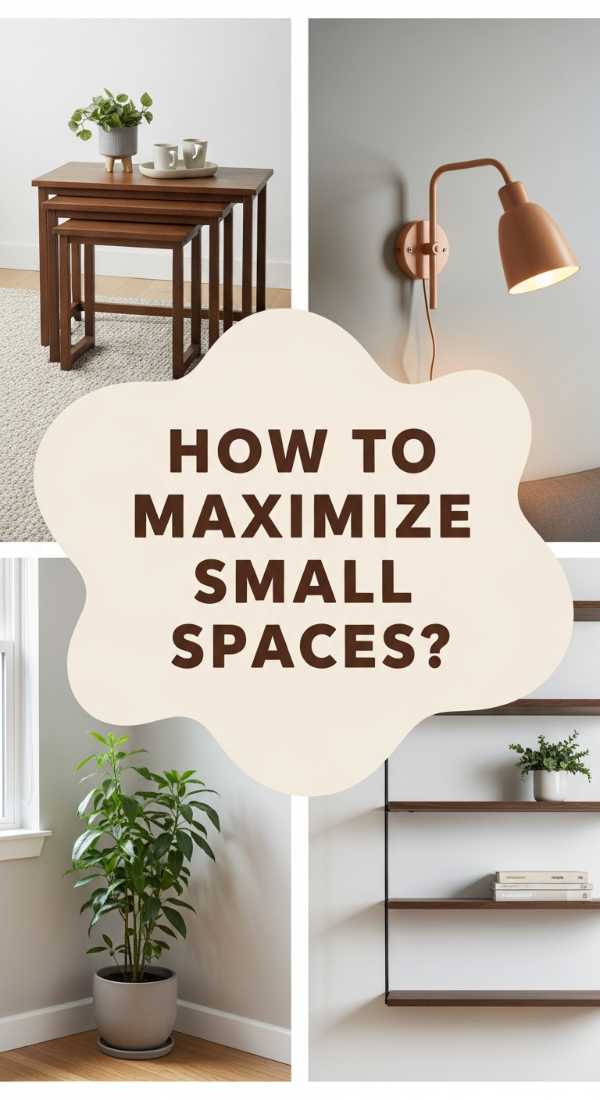
When space is a premium, every choice becomes an intentional act of love. We love this because it forces you to choose only the best, most comfortable pieces that serve multiple roles. It feels curated and snug rather than cramped. There is a specific satisfaction in a small space that is perfectly calibrated—it feels like a cozy ‘nest’ where everything is within reach and every square inch has been seasoned with purpose and style.
Essential Elements:
- Sofa with built-in storage or a sleeper option
- Wall-mounted lighting (to save table space)
- Folding or nesting coffee tables
- Vertical greenery (hanging plants)
- Mirror-backed shelving
How to make it
- Scale Your Ingredients: Choose furniture that is ‘apartment scale.’ A sofa that is too large will ‘overcook’ the room, making it feel cramped and heavy. Aim for pieces that leave at least 2 feet of floor visible around them.
- Utilize the ‘Cracks’: Use nesting tables that can be tucked away when not in use. This provides ‘flexible prep space’ for when you have guests but keeps the room airy for daily life.
- Go Vertical with Greenery: Instead of floor pots, use wall planters. This adds the ‘freshness’ of nature without taking up valuable ‘cooking surface’ on your floor.
- Light the Voids: Place small LED puck lights inside shelving. This ensures no ‘dead spots’ exist in the room, keeping the entire space feeling active and spacious.
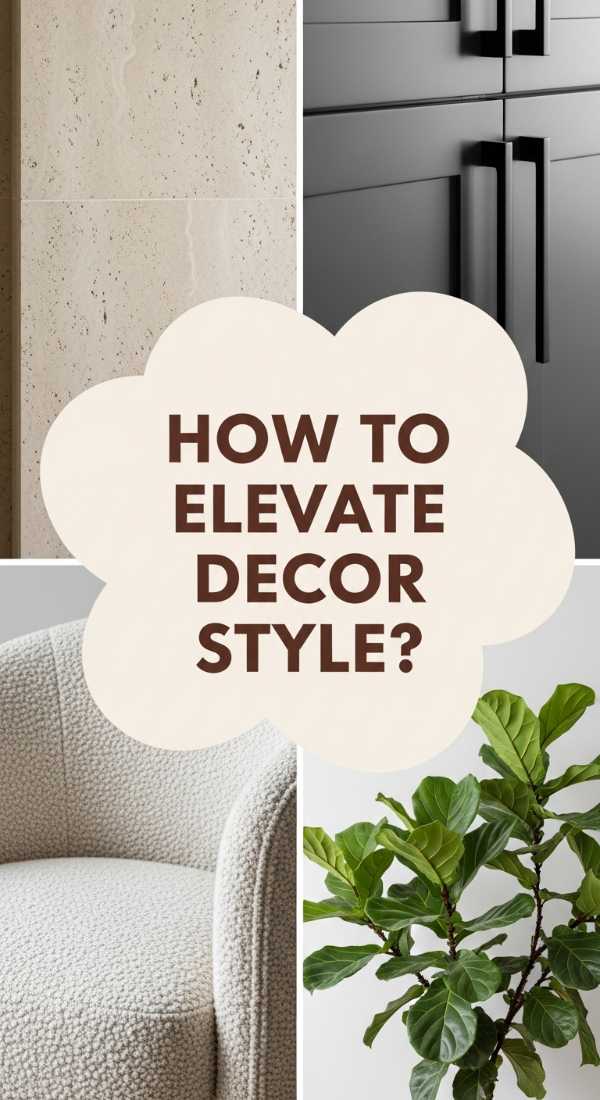
How to Elevate Room Decor Minimalist Style for Timeless Appeal
Why we love this
Timeless minimalism is the ‘sourdough starter’ of home decor—it only gets better with time and never goes out of style. We love it because it transcends the fast-fashion furniture cycle, focusing on high-quality bones and classic silhouettes. It feels sophisticated, expensive, and grounded. There is a visual ‘quietness’ to timeless decor that allows the architecture of your home and the quality of your materials to shine through, providing a lasting sense of pride and permanence.
Essential Elements:
- Mid-century modern or classic silhouettes
- Authentic materials (real leather, solid oak, brass)
- A restrained color palette of charcoal, navy, and cream
- Quality statement lighting (an iconic pendant or lamp)
- Large-scale, minimalist coffee table books
How to make it
- Invest in the ‘Protein’: Spend the bulk of your budget on one or two high-quality anchor pieces—like a solid wood dining table or a leather lounge chair. These are your ‘main ingredients’ that will last for decades.
- Avoid ‘Fast-Food’ Trends: Skip the trendy patterns or cheap plastics. If an item won’t look good in ten years, it shouldn’t be in your ‘pan’ today.
- Polish with Brass: Add small touches of unlacquered brass or matte black metal. These ‘seasonings’ add a professional finish and a sense of luxury that elevates the entire ‘dish’ of the room.
- Curate a ‘Hero’ Object: Select one piece of high-design lighting. This acts as the ‘plating’ for your room, giving it a finished, professional look that screams timeless sophistication.
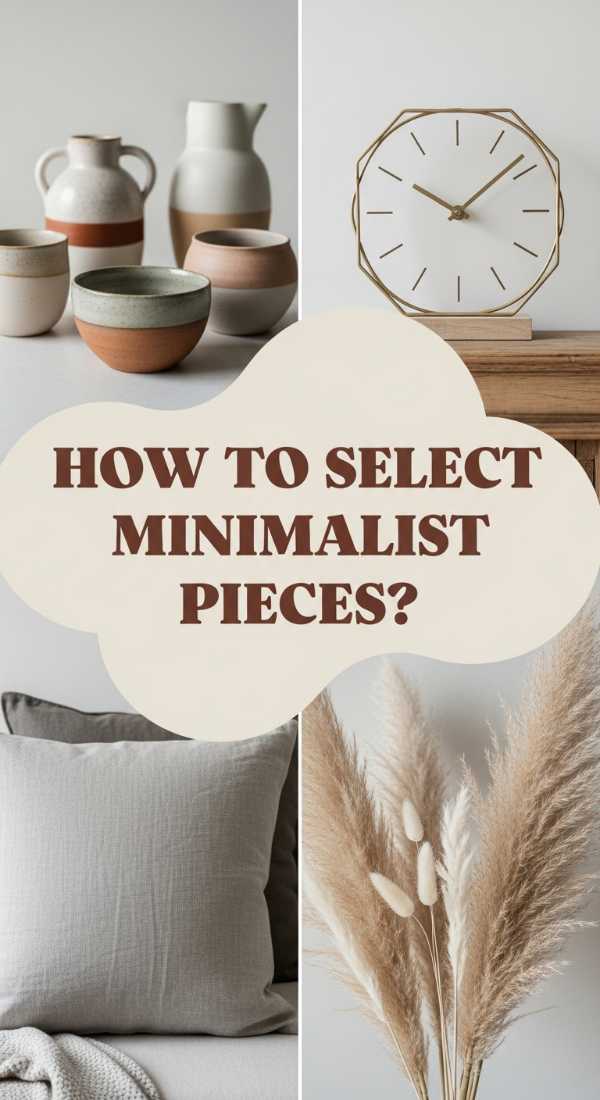
How to Select Decor Minimalist Pieces for Balanced Visual Harmony

Why we love this
Visual harmony is the ‘perfect bite’ of interior design—where nothing is too salty, too sweet, or too heavy. We love this because it creates a sense of order that is deeply satisfying to the human brain. It uses symmetry and the rule of thirds to guide the eye gently through the room. The feeling of a harmonized room is one of total balance; you don’t feel ‘pulled’ in any one direction, but rather ‘cradled’ by the entire environment at once.
Essential Elements:
- Pairs of identical items (candlesticks, pillows)
- Varying heights of decor (the triangle rule)
- Consistent wood tones throughout the room
- A focal point (like a fireplace or a large window)
- Negative space (empty areas of the wall or floor)
How to make it
- Apply the Rule of Thirds: Arrange your decor in groups of three, varying the heights. This ‘plating technique’ creates visual interest without clutter, making the eye dance across the surface.
- Standardize the Palette: Ensure all wood tones in the room have the same ‘undertone’ (all warm or all cool). Mixing ‘flavors’ here can lead to a disjointed, messy feeling.
- Center the Focal Point: Arrange your furniture to ‘point’ toward your main feature. This creates a ‘reduction’ of focus, drawing everyone’s attention to the most beautiful part of the room.
- Check the ‘Visual Weight’: If one side of the room has a heavy bookshelf, balance the other side with two chairs or a large plant. The ‘visual cue for doneness’ is when the room feels like it wouldn’t tip over if it were on a scale.
How to Achieve a Minimalist Cozy Aesthetic for Quiet Evenings
Why we love this
Quiet evenings are the time when our homes become our cocoons. We love the minimalist cozy aesthetic for these moments because it removes the distractions of the day. The soft glow of a lamp, the texture of a heavy linen curtain, and the silence of a tidy room create a ‘flavor profile’ of pure peace. It’s the feeling of a ‘palate cleanser’ for the mind, allowing you to drift into sleep or deep conversation without the ‘aftertaste’ of a messy, cluttered environment.
Essential Elements:
- Floor-to-ceiling blackout linen curtains
- Dimmable wall sconces
- A low, plush area rug
- Soft, oversized floor pillows
- A tray for tea service
How to make it
- Blackout the Noise: Use heavy, high-quality curtains to seal the room off from the outside world. This ‘lids the pot,’ keeping the warmth and quiet concentrated inside your space.
- Simmer the Sound: Introduce soft surfaces like rugs and wall hangings to absorb echoes. A ‘done’ room should sound soft and ‘thick,’ with no sharp acoustic ‘bites.’
- Lower the Visual Heat: Switch off all screens and bright lights an hour before you want to relax. Use only the ‘lowest flame’ of light—candles or low-wattage lamps—to signal to your brain that the day is done.
- Prepare the ‘Nightcap’: Set out a beautiful tray with a ceramic teapot and a single candle. This small ‘prep’ makes the act of winding down feel like a celebrated ritual rather than an afterthought.
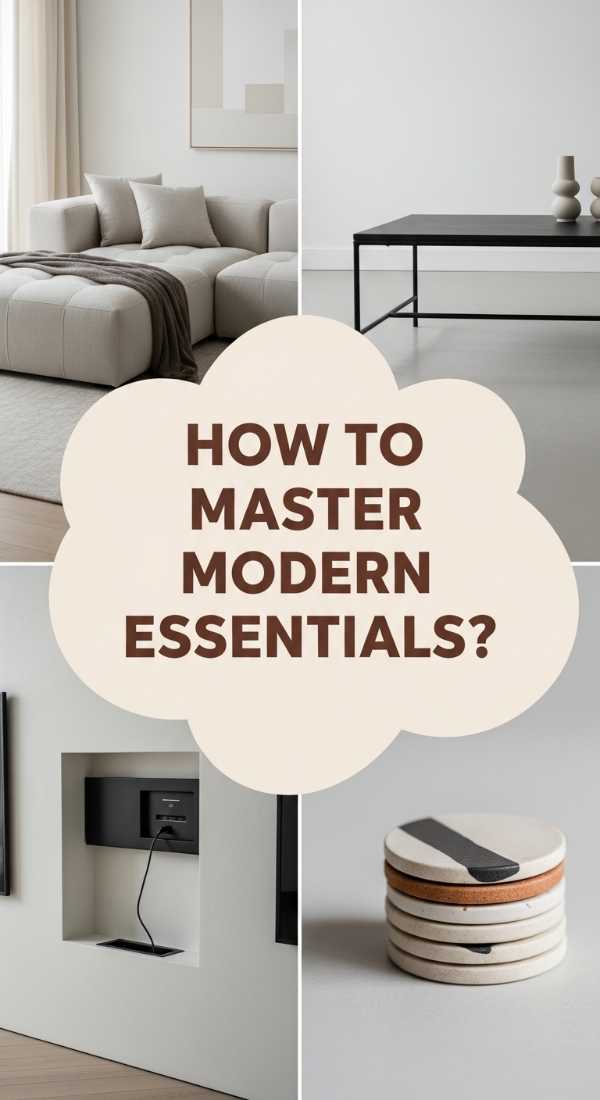
How to Master Living Room Decor Minimalist Essentials for Modern Hosting
[IMAGE_10]
Why we love this
Modern hosting should be about the guests, not the ‘stuff.’ We love minimalist hosting because it creates a clear, open stage for conversation and laughter. Without a sea of knick-knacks and cluttered surfaces, there is more room for plates of food, glasses of wine, and most importantly, people. It feels like a high-end restaurant where the ‘service’ is invisible and the ‘atmosphere’ is effortless, leaving your guests feeling pampered but never overwhelmed by the decor.
Essential Elements:
- An open-concept seating arrangement
- A large, clear coffee table (for serving)
- Subtle background music (low-fi or jazz)
- Minimalist coasters and serving-ware
- A clear ‘drink station’ or bar cart
How to make it
- Clear the Decks: Before guests arrive, remove 50% of the usual decor from your surfaces. This creates ‘counter space’ for drinks and appetizers, ensuring the ‘dish’ of your party has room to be served.
- Circular Seating: Arrange chairs and sofas in a ‘simmering circle’ rather than pointing at a TV. This ‘technique’ naturally encourages the ‘flow’ of conversation to bubble up and stay active.
- Prep the Ambiance: Set the music to a level where it’s a ‘background notes’—present but never ‘spicy’ enough to drown out voices. Visual cues for doneness: you can hear a whisper from across the coffee table.
- The ‘Service’ Station: Create one dedicated area for drinks. Keep it minimalist with just the essentials. This keeps the ‘kitchen’ of your living room from becoming chaotic, allowing you to host with total ‘cool.’
Conclusion: Your Minimalist Journey Starts Now
Soft minimalism isn’t a destination you reach and then stop; it’s a way of living that honors your need for peace and beauty. By focusing on quality, texture, and light, you can create a home that doesn’t just look like a magazine—it feels like a sanctuary. Start small, peel back one layer of clutter today, and watch how much more room you have to breathe, think, and simply be. Your home is the ‘dish’ of your life; make sure it’s seasoned with love and simplicity.