
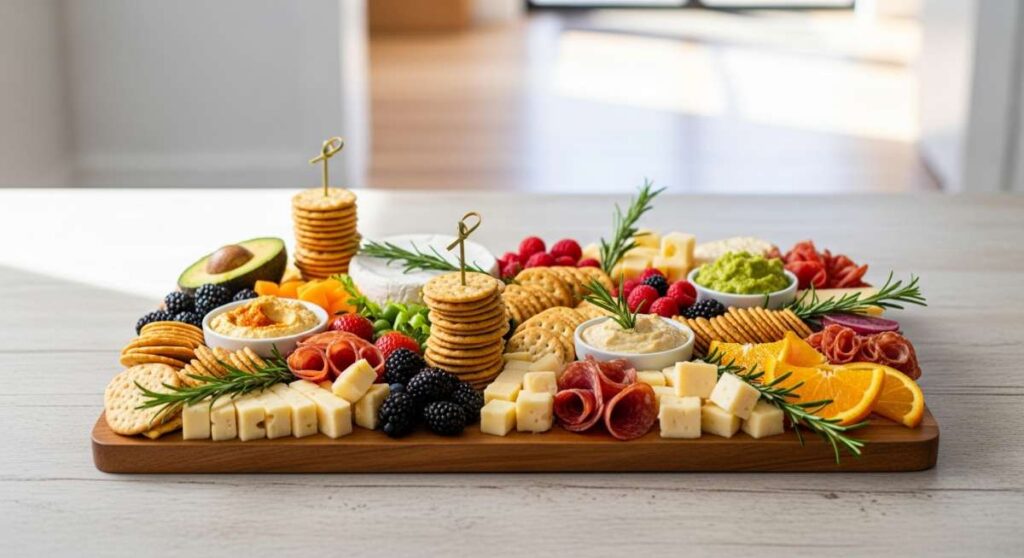
Have you ever noticed how the best memories are often built around a crowded table, sharing something simple yet soul-warming? There’s a new trend taking over our feeds lately, and it isn’t a complex five-course meal or an expensive reservation. It’s the Simple Food Board—a vibrant, rustic spread of perfectly roasted vegetables that looks like a Dutch still-life painting but tastes like home. It’s about slowing down, celebrating the harvest, and realizing that the humblest carrot or crown of broccoli can be the star of the show if treated with a little love and a hot oven.
I remember the first time I set one of these boards down in front of my friends; the room went quiet, and then everyone started reaching for those crispy, caramelized edges. There is something deeply primal and satisfying about eating with your eyes first and then diving into a platter filled with textures and colors. This isn’t just a recipe; it’s an invitation to rediscover the magic of plant-based cooking. Whether you’re hosting a cozy Sunday dinner or looking for a way to make weeknight sides feel special, these techniques will turn your kitchen into the heart of your home.
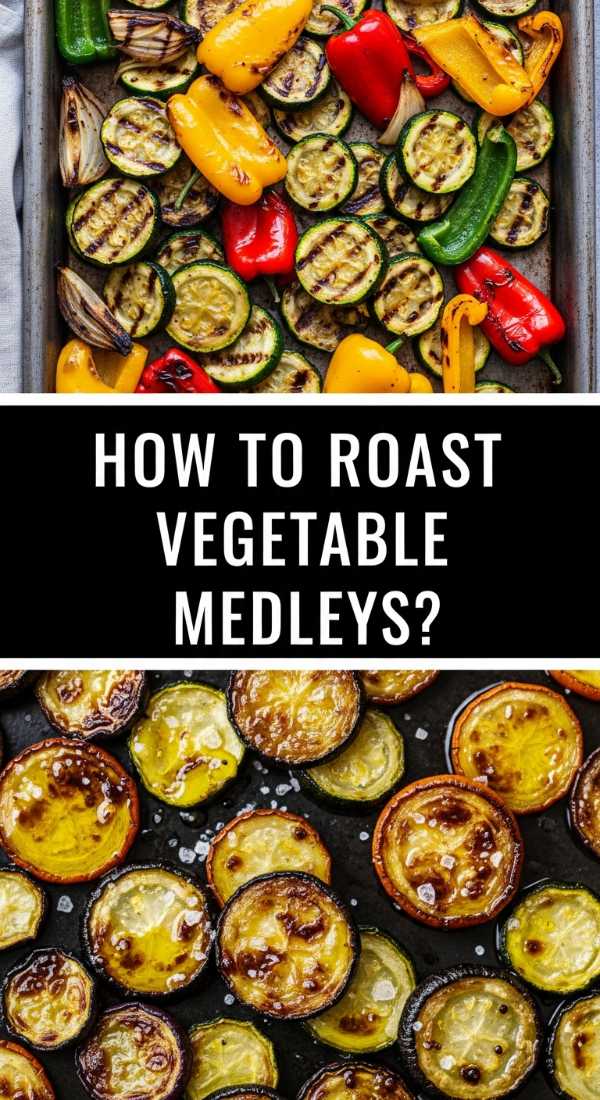
How to Master the Ultimate Roasted Vegetable Medley?
Why we love this
There is nothing quite like the symphony of textures found in a well-executed vegetable medley. Imagine the earthy sweetness of beets mingling with the floral notes of roasted parsnips, all while the exterior of each piece develops a gorgeous, chewy crust. The aroma that fills your kitchen is a mix of toasted herbs and the natural sugars of the earth, creating a sensory experience that feels like a warm hug. It’s a dish that proves variety is the spice of life, offering a different flavor profile in every single bite from the buttery centers to the crispy, salt-flecked skins.
Ingredients
- 2 large carrots, peeled and sliced into rounds
- 1 red bell pepper, cut into large chunks
- 1 zucchini, sliced into thick half-moons
- 1 red onion, cut into wedges
- 3 tablespoons extra virgin olive oil
- 1 tablespoon fresh rosemary, chopped
- 1 teaspoon sea salt
- 1/2 teaspoon cracked black pepper
How to make it
- Preheat your oven to 425°F (220°C). This high heat is crucial for ensuring the vegetables roast rather than steam, giving you those coveted golden edges.
- Prepare your vegetables by cutting them into uniform sizes. This is the secret to even cooking; you don’t want the peppers to turn to mush before the carrots are tender.
- In a large mixing bowl, toss the vegetables with the olive oil, rosemary, salt, and pepper. Use your hands to ensure every single surface is lightly coated in oil, which acts as the heat conductor for browning.
- Spread the vegetables onto a large, rimmed baking sheet in a single layer. Do not overcrowd the pan; if the vegetables are touching too much, they will release steam and become soggy. Use two pans if necessary.
- Roast for 25 to 30 minutes, tossing the vegetables halfway through with a wide spatula. Look for the onions to become translucent and charred at the tips and the carrots to be easily pierced with a fork.
How to Get the Perfect Crunch on Roasted Broccoli?
Why we love this
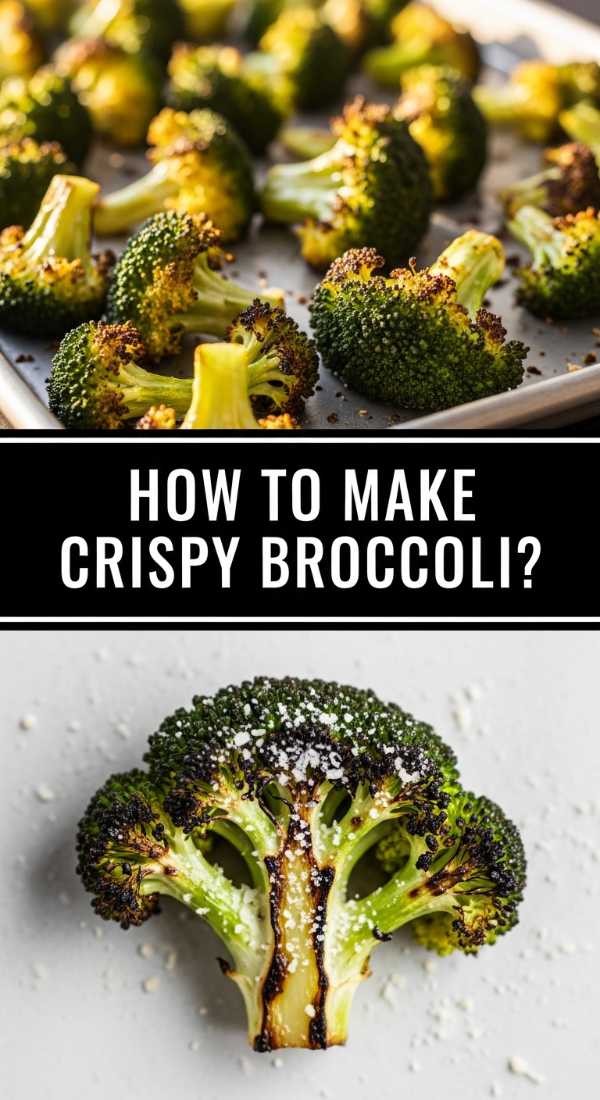
Roasted broccoli is a revelation that completely erases any bad memories of mushy, boiled greens from childhood. When roasted at a high temperature, the florets transform into tiny, crunchy trees with carbonized tips that taste almost nutty and popcorn-like. The stalks remain tender-crisp, providing a satisfying snap that contrasts beautifully with the delicate, lacy texture of the charred tops. It is salty, savory, and addictive, often disappearing from the board before anything else because that crunch is simply irresistible to anyone who loves a good snack.
Ingredients
- 2 large heads of broccoli, cut into bite-sized florets
- 4 tablespoons avocado oil (high smoke point)
- 3 cloves garlic, thinly sliced
- 1 teaspoon red pepper flakes
- Zest of one lemon
- Coarse kosher salt to taste
How to make it
- Set your oven to 450°F (230°C). Broccoli needs intense heat to crisp up the florets before the stems get too soft.
- Ensure the broccoli is completely dry after washing. Any moisture left on the florets will create steam, preventing the crisping process.
- In a bowl, combine the broccoli florets with avocado oil, sliced garlic, and red pepper flakes. The thin garlic slices will toast in the oil and provide bursts of flavor.
- Transfer to a preheated baking sheet. Placing the veggies on a hot pan gives them an immediate sear.
- Roast for 15-20 minutes. You are looking for the “frilly” ends of the florets to turn dark brown, almost black. This is where the flavor lives! Finish with fresh lemon zest immediately after removing from the oven for a bright, acidic pop.
How to Make Honey-Glazed Carrots That Shine?
Why we love this
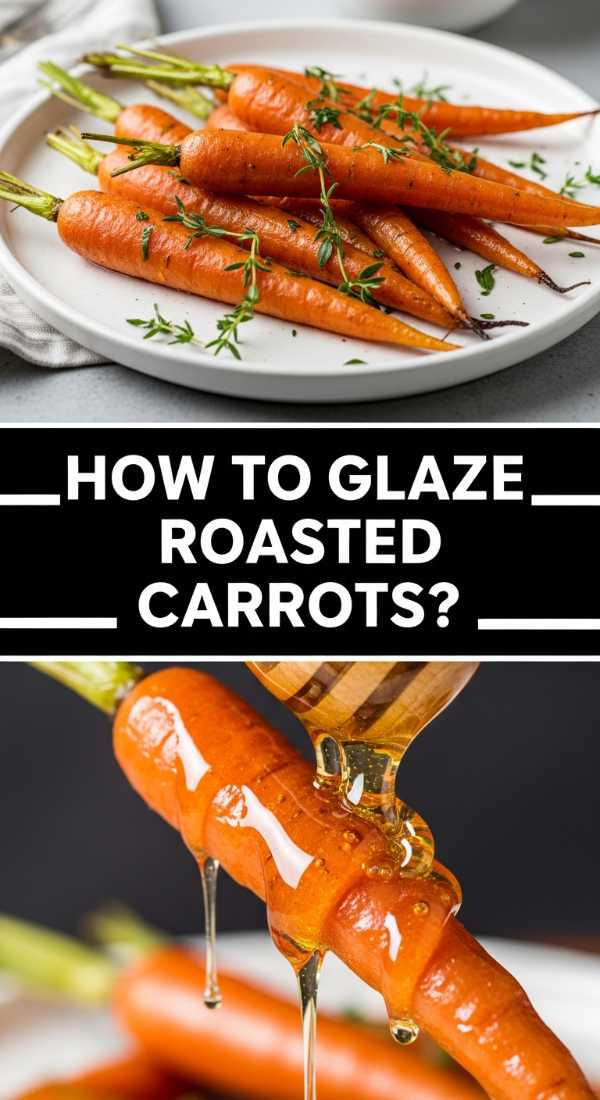
These carrots are the crown jewels of any food board, boasting a glossy, amber-colored sheen that looks like liquid gold under the dining room lights. The honey caramelizes in the oven, creating a sticky, sweet exterior that balances perfectly with the natural, woody earthiness of the root vegetable. As you bite through the tender flesh, the sweetness hits your tongue first, followed by a subtle hint of salt and perhaps a whisper of thyme. It’s a luxurious, silky mouthfeel that makes a simple vegetable feel like an indulgent dessert while remaining a healthy, vibrant side.
Ingredients
- 1 pound rainbow carrots (tops trimmed to 1 inch)
- 2 tablespoons melted butter
- 2 tablespoons wildflower honey
- 1 teaspoon fresh thyme leaves
- 1/2 teaspoon flaky sea salt
- A pinch of cayenne pepper (optional)
How to make it
- Preheat your oven to 400°F (200°C). Scrub the carrots well but leave the skin on for a rustic look and extra nutrients.
- Whisk together the melted butter, honey, thyme, and cayenne in a small ramekin until well combined.
- Place the carrots on a parchment-lined baking sheet. Drizzle the honey-butter mixture over them and use tongs to roll them around until they are fully lacquered.
- Arrange the carrots so they are not overlapping. Roast for 20 minutes.
- At the 20-minute mark, remove the tray and use a pastry brush to baste the carrots with the glaze that has pooled on the parchment. Roast for another 10-15 minutes until the glaze is bubbling and the carrots are tender and deeply browned.
How to Turn Leftover Roasted Veggies into Liquid Gold?
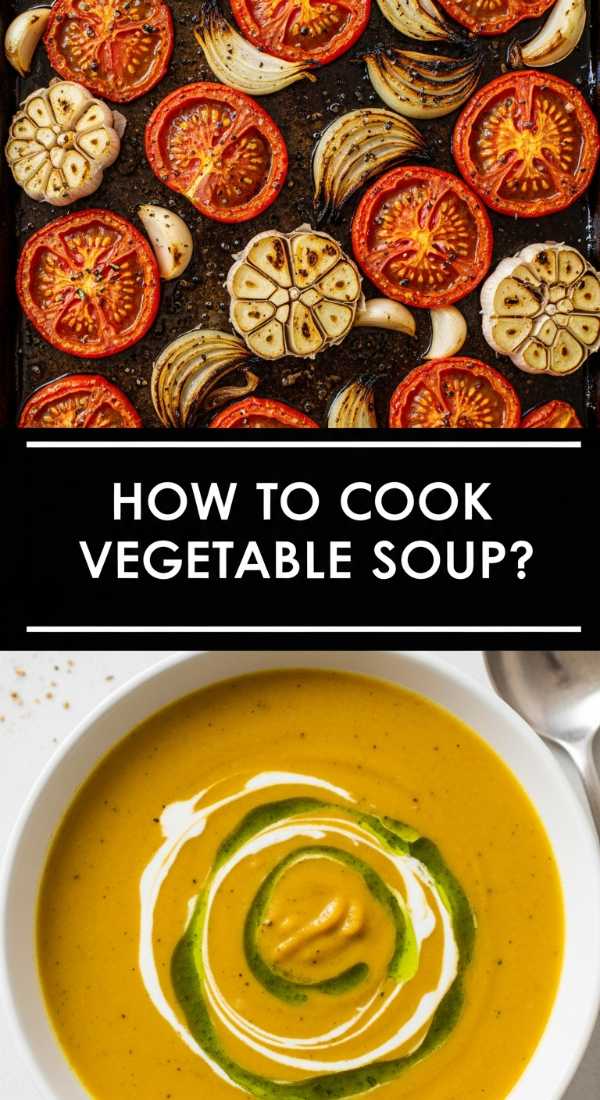
Why we love this
There is a profound sense of comfort in a bowl of roasted vegetable soup, where the deep, concentrated flavors of the oven meet the velvet smoothness of a rich puree. Because the vegetables were roasted first, the soup has a smoky complexity that you just can’t get from boiling raw produce. The aroma is heavy with roasted garlic and caramelized onions, and the texture is incredibly creamy without even needing to add heavy dairy. It feels like a warm blanket on a cold day, nourishing your body with every spoonful while celebrating the charred, rustic notes of the previous day’s feast.
Ingredients
- 4 cups leftover roasted vegetables (carrots, squash, onions, peppers)
- 3 cups vegetable or chicken broth
- 1/2 cup heavy cream or coconut milk
- 1 head of roasted garlic (squeezed out of the skin)
- Salt and pepper to taste
- Fresh chives for garnish
How to make it
- Add your roasted vegetables and the roasted garlic cloves into a high-powered blender or a large soup pot.
- Pour in the broth. If using a pot, bring the mixture to a gentle simmer over medium heat for about 10 minutes to allow the flavors to marry.
- Use an immersion blender (or transfer in batches to a standard blender) and process until the mixture is completely smooth. You want a silk-like consistency with no lumps.
- Stir in the heavy cream or coconut milk and return to a low heat. Do not let it boil once the cream is added to prevent curdling.
- Taste and adjust seasoning. Often, roasted vegetables are already salty, so be careful. Serve hot with a sprinkle of fresh chives and a drizzle of olive oil.
How to Achieve That Smoky Restaurant-Style Char?
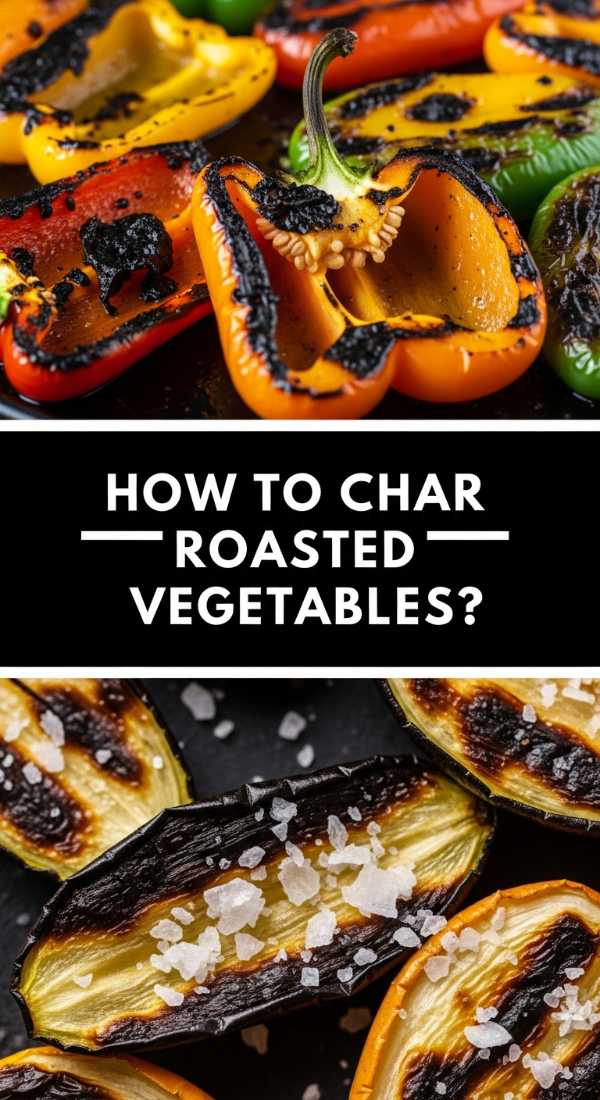
Why we love this
Charring is an art form that brings a sophisticated, bitter-sweet edge to vegetables, reminiscent of a high-end steakhouse or a wood-fired grill. When you hit a vegetable with high, direct heat, the edges blacken and curl, creating a complex flavor profile that dances between smoky and sweet. The texture is a beautiful contradiction: a slightly crispy, burnt exterior that gives way to a succulent, tender interior. It’s a bold way to eat your greens, turning something as simple as a cabbage wedge or a pepper into a gourmet experience that smells like a summer bonfire.
Ingredients
- 1 head of radicchio or green cabbage, cut into wedges
- 3 tablespoons extra virgin olive oil
- 1 tablespoon balsamic glaze
- 1 teaspoon smoked paprika
- Salt and pepper
How to make it
- Set your oven to its highest setting (usually 500°F/260°C) or use the broiler function if you are experienced with it.
- Lightly coat the wedges with olive oil and a dusting of smoked paprika. The oil is essential to prevent the vegetable from drying out before it chars.
- Place the wedges on a heavy-duty cast iron skillet or a dark baking sheet. Dark pans absorb more heat and help with the browning process.
- Place in the oven on the top rack. Monitor closely. You are looking for the edges of the leaves to turn black and crispy—this usually takes 8-12 minutes depending on the oven.
- Immediately after removing, drizzle with balsamic glaze. The acidity of the balsamic cuts through the smokiness of the char perfectly.
How to Roast Sweet Potatoes So They’re Pillowy Inside?
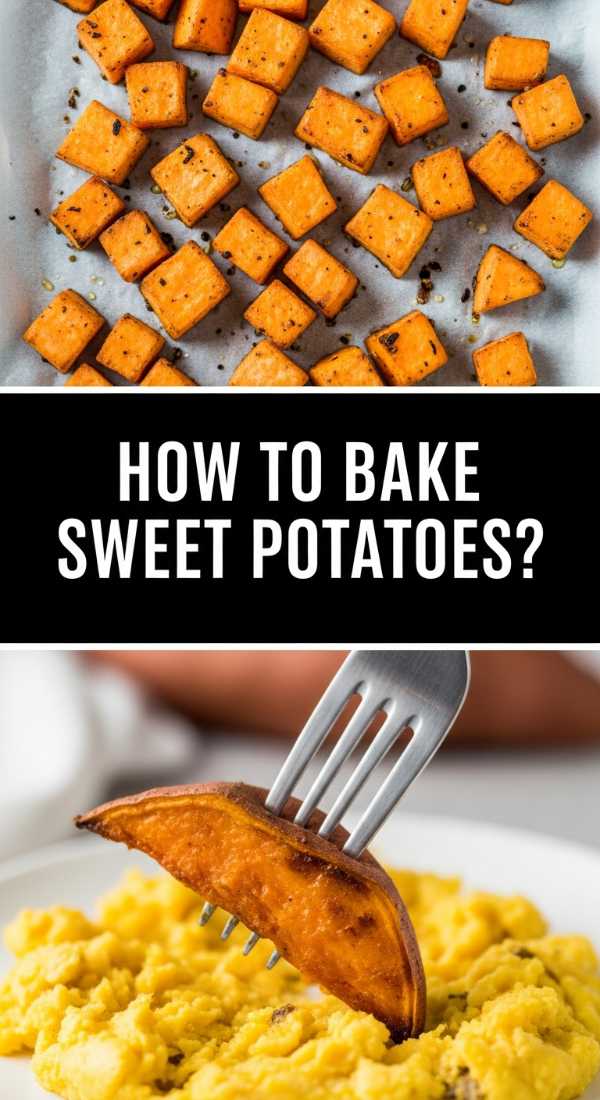
Why we love this
Sweet potatoes are the ultimate comfort food when roasted to perfection, offering a center that is as soft and fluffy as a marshmallow. The exterior skin becomes paper-thin and slightly chewy, holding in all the natural juices that turn into a thick, sugary syrup as they cook. It’s a texture that melts on your tongue, releasing a rich, candy-like flavor that is heightened by a touch of salt and cinnamon. Eating them feels indulgent, like a treat, yet they provide a grounded, earthy satisfaction that keeps you coming back for just one more golden cube.
Ingredients
- 3 large sweet potatoes, peeled and cubed into 1-inch pieces
- 2 tablespoons coconut oil, melted
- 1 teaspoon ground cinnamon
- 1/2 teaspoon chili powder (for a sweet-heat balance)
- 1/2 teaspoon sea salt
How to make it
- Preheat the oven to 400°F (200°C). Sweet potatoes have a high sugar content, so they can burn if the heat is too high, but 400°F is the sweet spot.
- Toss the cubes in a bowl with melted coconut oil, cinnamon, chili powder, and salt. Ensure the coconut oil is liquid so it coats the starch evenly.
- Spread the cubes out on a baking sheet. Give them space! If they are crowded, the steam will make them mushy rather than pillowy.
- Roast for 25-30 minutes. The key visual cue is “puffing.” The cubes will look slightly inflated and the edges will be browned.
- Test for doneness by pressing a cube with the back of a fork; it should give way instantly with no resistance in the center.
How to Layer Flavors for the Most Vibrant Veggies?
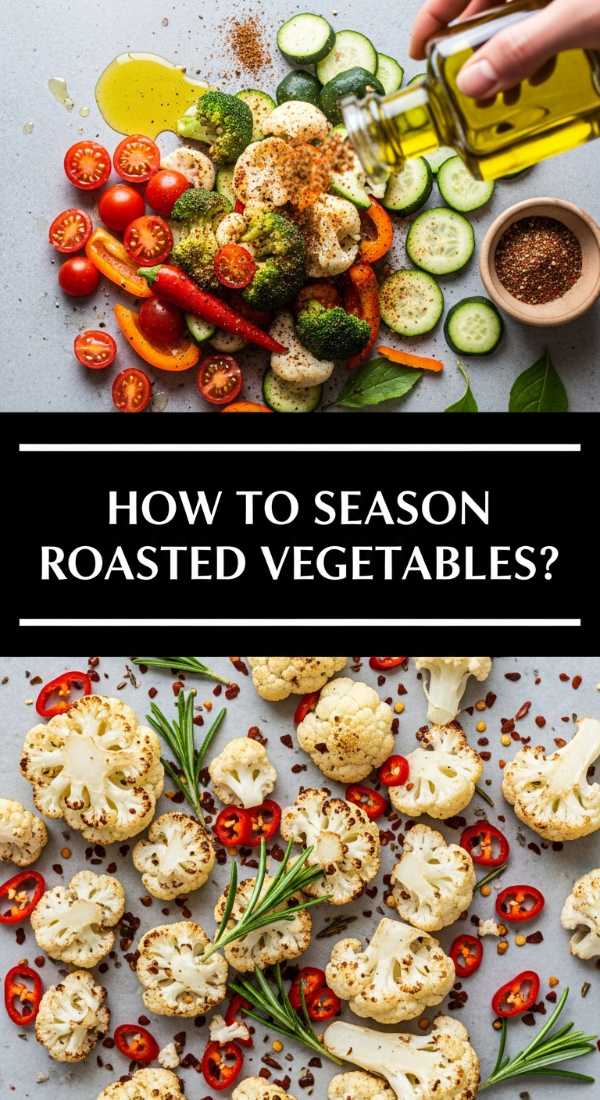
Why we love this
Layering flavors is what separates a home cook from a chef, and on a food board, it creates a multidimensional tasting journey. Imagine a base of earthy roasted cauliflower, brightened with a squeeze of fresh lemon, deepened with toasted cumin, and finished with the cooling crunch of fresh mint. The aroma is a complex tapestry of warm spices and fresh herbs that makes the vegetables feel vibrant and alive. Every bite offers a new discovery, a balance of fat, acid, salt, and heat that keeps your palate engaged and excited for the next forkful.
Ingredients
- 1 head cauliflower, broken into small florets
- 2 tablespoons olive oil
- 1 teaspoon ground cumin
- 1/2 teaspoon turmeric (for color and earthiness)
- Fresh parsley and mint for finishing
- Lemon wedges
How to make it
- Preheat oven to 425°F (220°C). Start by seasoning the raw cauliflower with oil, cumin, and turmeric. This is your base layer of flavor that will bake into the vegetable.
- Roast for 20-25 minutes until the cauliflower is tender and the spices have bloomed in the heat.
- Once out of the oven, add the second layer: acidity. Squeeze fresh lemon juice over the hot vegetables. The heat will help the juice penetrate the florets.
- The third layer is freshness. Coarsely chop the parsley and mint and toss them in just before serving. If you add them too early, they will wilt.
- Final layer: Crunch. Sprinkle with toasted pine nuts or sunflower seeds for a textural contrast that rounds out the dish.
How to Coordinate a One-Pan Vegetable Feast?
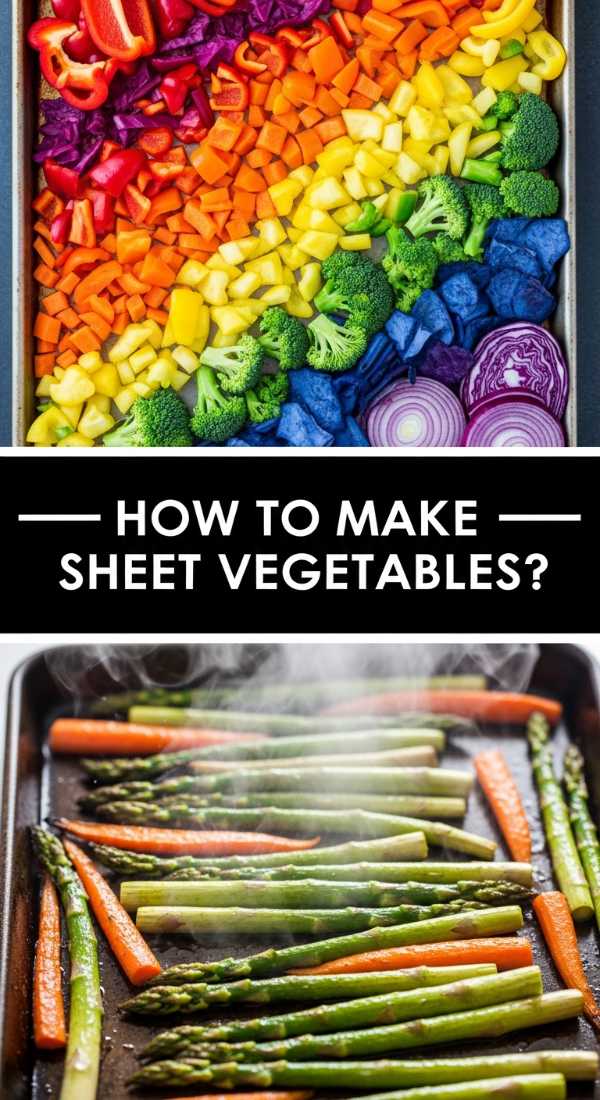
Why we love this
The beauty of the one-pan feast lies in its rustic, unpretentious elegance and the way the different vegetable juices mingle on the pan to create a natural sauce. As the onions melt into the peppers and the potatoes soak up the essence of the roasted garlic, you get a cohesive dish that feels greater than the sum of its parts. It’s the ultimate low-stress, high-reward meal that looks stunning when brought directly to the table. The sight of a sizzling sheet pan filled with a spectrum of colors is a true feast for the senses, promising a meal that is as nutritious as it is delicious.
Ingredients
- 1 cup halved Brussels sprouts
- 1 cup butternut squash cubes
- 1 cup halved cherry tomatoes
- 4 cloves garlic, smashed
- 3 tablespoons olive oil
- Fresh thyme and oregano
- Salt and pepper
How to make it
- Preheat your oven to 400°F (200°C). Success here is all about timing and placement.
- Start by placing the denser vegetables (squash and Brussels sprouts) on the pan first. Toss with oil and herbs. Roast these for 15 minutes.
- Pull the pan out and add the cherry tomatoes and smashed garlic. The tomatoes will roast quickly and burst, releasing their juices to create a light glaze for the other veggies.
- Return to the oven for another 15 minutes. This two-stage roasting ensures everything finishes at the exact same moment.
- Look for the squash to be tender and the tomato skins to be wrinkled and slightly charred. Let the pan rest for 5 minutes before serving to allow the juices to settle.
How to Create a Savory Parmesan Broccoli Crust?
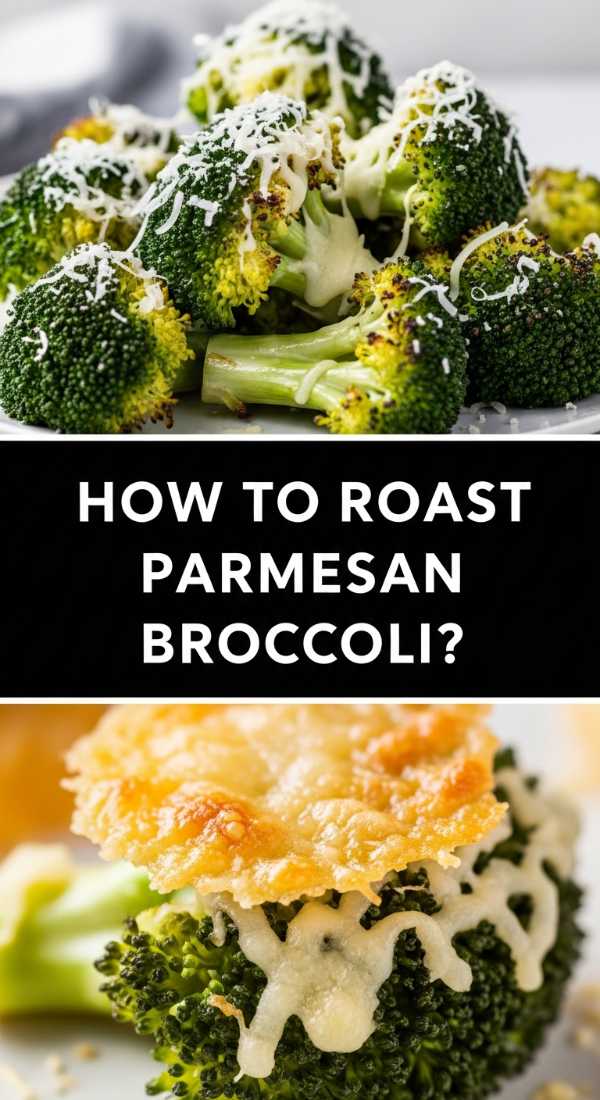
Why we love this
This is broccoli’s most decadent form, where the sharp, salty punch of parmesan cheese melts into a lacy, golden crust that clings to every floret. The aroma is intensely savory—think toasted cheese and roasted garlic—making it a favorite even for those who usually shy away from greens. The texture is a delightful mix of the tender broccoli stems and the brittle, umami-rich cheese crackers that form on the baking sheet. It’s a sophisticated take on a classic vegetable that feels like a gourmet snack, providing a rich, satisfying depth that anchors the entire food board.
Ingredients
- 1 pound broccoli florets
- 3 tablespoons olive oil
- 1/2 cup finely grated Parmesan cheese (fresh is best)
- 1 teaspoon garlic powder
- 1/2 teaspoon black pepper
- 1/4 cup panko breadcrumbs (optional for extra crunch)
How to make it
- Preheat your oven to 425°F (220°C). Line your baking sheet with parchment paper to prevent the cheese from sticking.
- In a large bowl, toss the broccoli with olive oil, garlic powder, and pepper until well coated.
- Sprinkle the parmesan (and panko, if using) over the broccoli and toss gently. You want the cheese to settle into the nooks and crannies of the florets.
- Spread the mixture onto the baking sheet. If there is extra cheese in the bowl, sprinkle it over the top of the broccoli on the pan.
- Roast for 15-20 minutes. Keep a close eye on it during the last 5 minutes; the cheese can go from golden to burnt very quickly. You are looking for a deep golden-brown crust.
How to Maximize the Natural Sugars in Your Carrots?
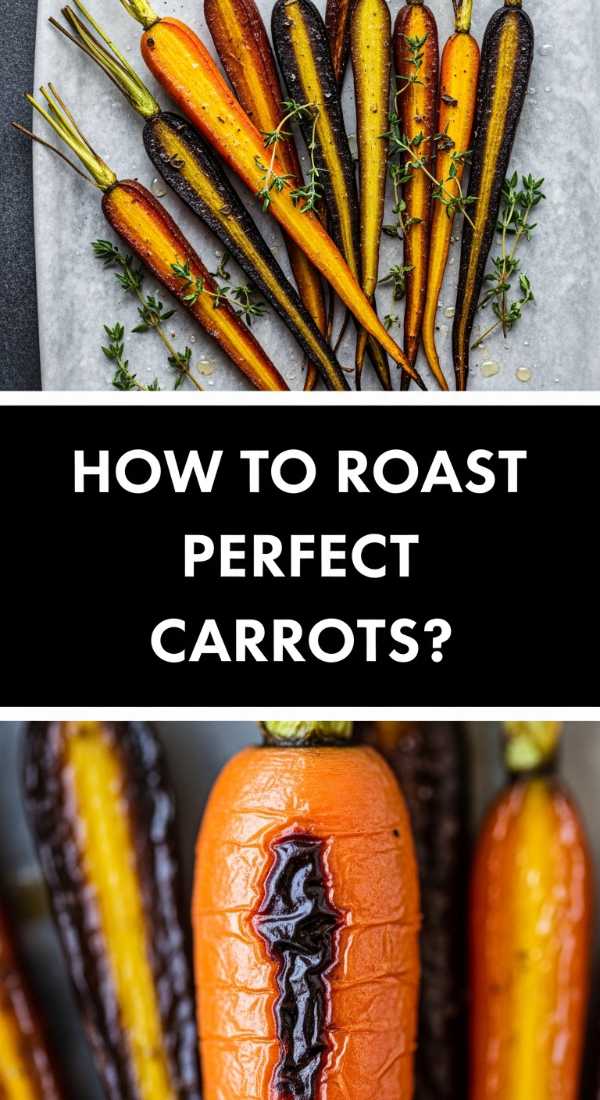
Why we love this
Carrot caramelization is a masterclass in patience and heat, resulting in a vegetable that tastes like a concentrated burst of sunshine. When the natural sugars are coaxed to the surface, they form a dark, sticky exterior that is incredibly deep in flavor, almost like a savory molasses. The texture becomes remarkably supple and tender, with the carrots shrinking slightly as the water evaporates and the flavors intensify. It’s a pure, unadulterated sweetness that doesn’t need much help—just a little salt to balance the richness and a high heat to let the magic happen.
Ingredients
- 1 bunch of slim, young carrots (whole)
- 2 tablespoons avocado oil
- A generous pinch of Maldon flaky salt
- 1 tablespoon fresh flat-leaf parsley, chopped
How to make it
- Preheat your oven to 425°F (220°C). High heat is essential to trigger the Maillard reaction (caramelization) before the carrot becomes too soft.
- Leave the carrots whole if they are slim; this allows for a better exterior-to-interior ratio. Rub them thoroughly with avocado oil.
- Place them on the baking sheet with plenty of space between each carrot. If they are too close, they will steam in their own moisture.
- Roast for 25-30 minutes, turning them every 10 minutes to ensure they are browning evenly on all sides.
- You are looking for “blistering”—small dark spots on the skin and a slight shriveling. Once out, sprinkle with flaky salt and parsley. The salt is key to making that concentrated sugar pop.
The Art of the Finished Board
As you arrange these components on your board, remember that there are no rules—only flavors. Mix the colors, pile the textures high, and don’t be afraid of a little char. The Viral Simple Food Board isn’t about perfection; it’s about the joy of simple ingredients handled with care. It’s a way to bring people together, to spark conversation, and to nourish both the body and the soul with the incredible bounty of the earth. So grab your favorite platter, turn on your oven, and let the roasting begin!