
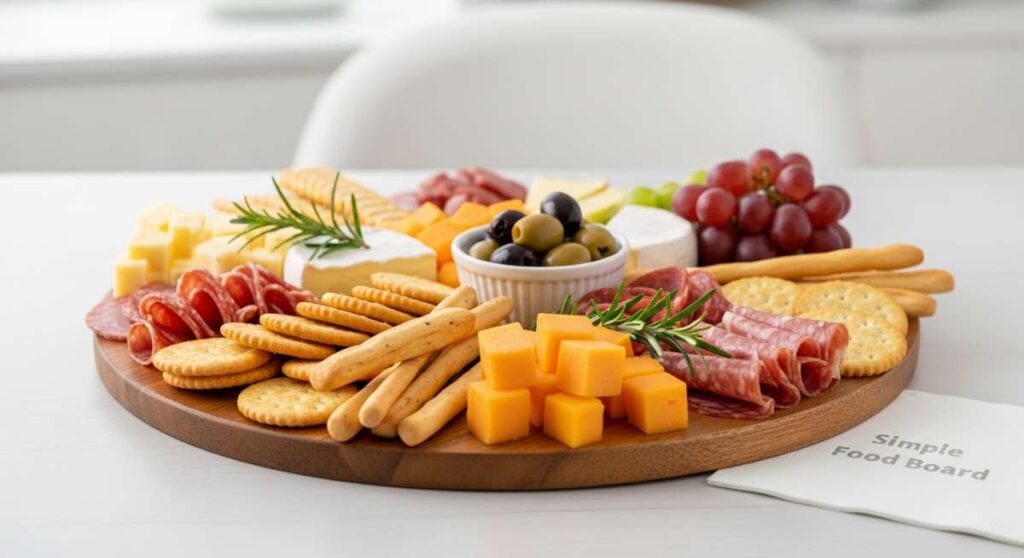
There is something truly magical about a table filled with friends, laughter, and a centerpiece that looks as good as it tastes. I remember the first time I hosted a summer gathering; I was so stressed about the menu until I realized that the best meals aren’t the most complicated, but the ones that invite everyone to dig in. That is how the viral simple food board was born in my kitchen—a beautiful, overflowing spread that focuses on color, texture, and bold flavors.
The secret to a viral-worthy board isn’t just the arrangement; it’s the star of the show. For me, that’s always a Thai-inspired pasta. It brings a vibrant energy to the table that standard cheese and crackers just can’t match. It’s about that perfect balance of heat, crunch, and zest that keeps guests coming back for ‘just one more bite’ while they snap photos of the gorgeous layout.
How to make Thai pasta salad?
Why we love this
This dish is a symphony of textures that dances on your palate, combining the silkiness of perfectly cooked noodles with the satisfying snap of fresh, raw vegetables. The aroma of toasted sesame oil and fresh cilantro wafts through the air, immediately signaling that something special is about to be served. Every forkful offers a refreshing burst of lime that cuts through the richness of the peanut base, making it feel light yet incredibly indulgent. It is the ultimate crowd-pleaser because it feels modern, healthy, and deeply comforting all at once.
Ingredients
- 1 lb linguine or rice noodles
- 2 cups shredded red cabbage
- 1 cup grated carrots
- 1 red bell pepper, thinly sliced
- 1/2 cup chopped cilantro
- 1/2 cup crushed roasted peanuts
- Dressing: Peanut butter, soy sauce, lime juice, honey, and ginger
How to make it
- Bring a large pot of salted water to a rolling boil; use about 1 tablespoon of salt per gallon to properly season the pasta from the inside out.
- Add the noodles and cook until just al dente—usually 1-2 minutes less than the package directions—as they will continue to soften slightly when tossed with the dressing.
- While the pasta cooks, whisk your dressing ingredients in a glass bowl until the peanut butter is fully emulsified and the sauce is glossy and smooth.
- Drain the pasta and immediately rinse it under cold running water to stop the cooking process and remove excess starch, which prevents clumping.
- In a massive mixing bowl, combine the chilled noodles with the cabbage, carrots, and bell peppers, then pour the dressing over the top.
- Use tongs to toss the mixture thoroughly for at least 60 seconds, ensuring every strand of pasta is coated in that creamy, savory goodness.
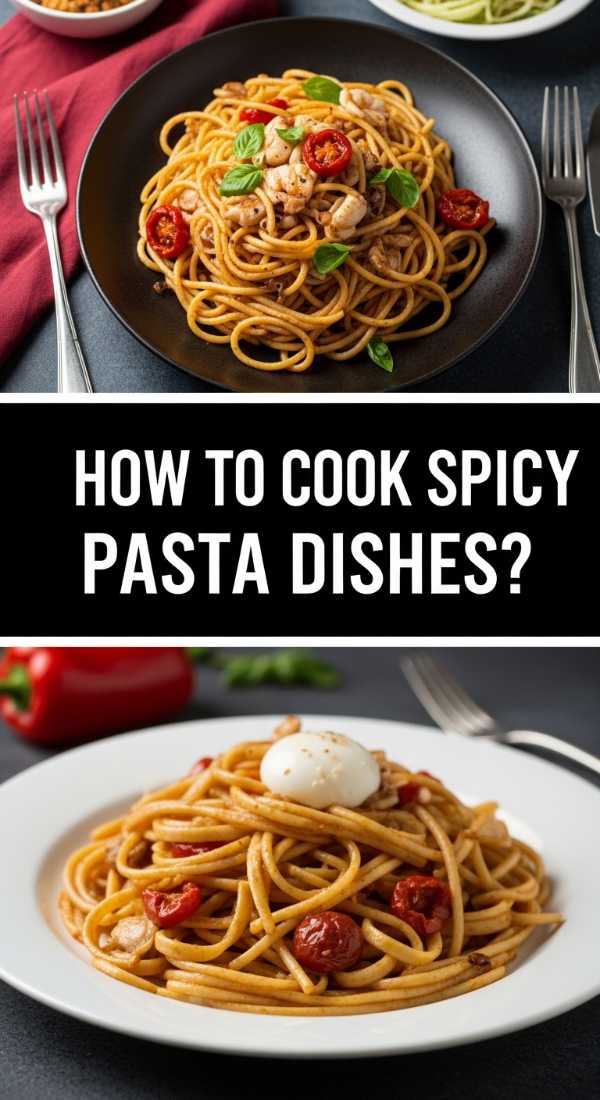
How to cook spicy pasta dishes?
Why we love this
There is a specific kind of warmth that comes from a spicy pasta dish—not a harsh burn, but a slow, glowing heat that builds with every bite. The scent of sautéed garlic and red chili flakes creates an irresistible kitchen atmosphere that draws everyone into the heart of the home. We love how the spice enhances the natural sweetness of the noodles, creating a complex profile that feels sophisticated yet bold. It’s the kind of meal that wakes up your senses and turns a regular Tuesday night into a culinary event.
Ingredients
- 12 oz spaghetti
- 4 cloves garlic, minced
- 2 teaspoons red pepper flakes
- 1/4 cup extra virgin olive oil
- 1 tablespoon Sriracha or Thai chili paste
- Fresh parsley for garnish
How to make it
- Start by boiling your pasta in a large pot; aim for a firm texture so the noodles can stand up to the vigorous tossing in the pan later.
- In a cold skillet, combine the olive oil, minced garlic, and red pepper flakes, then turn the heat to medium-low to slowly infuse the oil without burning the garlic.
- Watch the garlic closely; once it turns a pale golden brown and smells nutty (about 3-4 minutes), stir in the chili paste or Sriracha to deepen the color.
- Reserve 1/2 cup of starchy pasta water before draining the noodles; this is the secret ‘liquid gold’ that creates a cohesive sauce.
- Add the pasta and the reserved water to the skillet, cranking the heat to medium-high and tossing constantly until the sauce thickens and clings to the noodles.
- Serve immediately with a sprinkle of fresh parsley to provide a bright, herbal contrast to the fiery base.
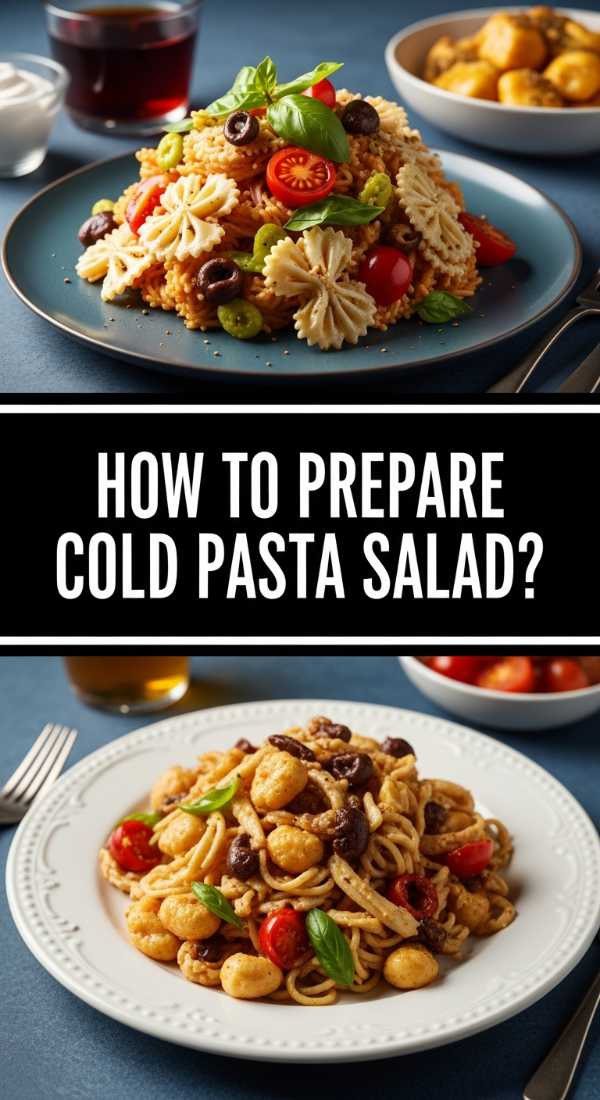
How to prepare cold pasta salad?
Why we love this
Cold pasta salad is the unsung hero of outdoor dining, offering a crisp and rejuvenating experience that stands up to the afternoon sun. We love the way the flavors actually deepen over time as the noodles marinate in the dressing, becoming more vibrant and intense with every passing hour. The contrast between the cold, chewy pasta and the crunch of fresh garden vegetables provides a sensory delight that is both light and filling. It’s the perfect canvas for seasonal produce, allowing the natural brightness of the ingredients to take center stage.
Ingredients
- 1 lb rotini or farfalle pasta
- 1 cup cherry tomatoes, halved
- 1 cup cucumber, diced
- 1/2 cup red onion, finely minced
- 1/2 cup feta cheese or tofu cubes
- Zesty Italian or ginger-soy vinaigrette
How to make it
- Cook the pasta in heavily salted water until it is slightly past al dente, as cold pasta tends to firm up significantly when refrigerated.
- Drain the pasta and spread it out on a large baking sheet; drizzle with a teaspoon of oil and let it air-cool for 10 minutes before placing it in the fridge.
- While the pasta chills, chop your vegetables into uniform bite-sized pieces so that every forkful contains a perfect mix of ingredients.
- Combine the chilled pasta and vegetables in a large bowl, adding half of the dressing and tossing gently to coat.
- Cover and refrigerate for at least 2 hours; this ‘resting’ phase allows the pasta to absorb the acid and salt from the dressing.
- Just before serving, add the remaining dressing and the feta cheese to ensure the salad looks fresh and tastes perfectly seasoned.
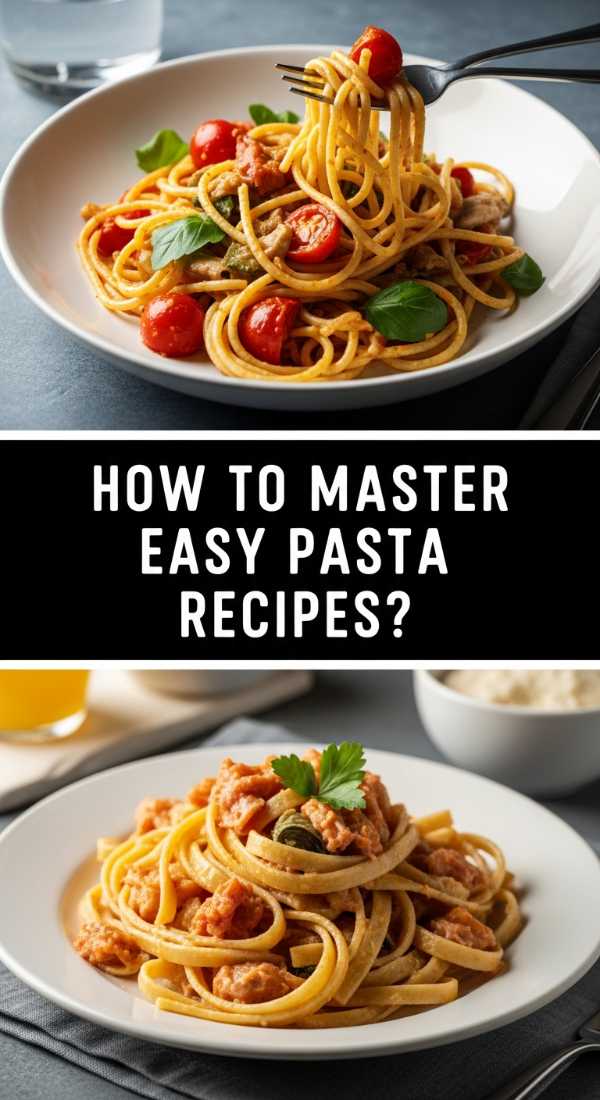
How to master easy pasta recipes?
Why we love this
Mastering the art of the easy pasta recipe is like having a superpower in the kitchen; it removes the friction from cooking and replaces it with pure joy. We love the simplicity of using high-quality pantry staples to create a meal that tastes like it came from a high-end bistro in under twenty minutes. The lack of stress allows you to focus on the textures and the way the ingredients interact, making the process meditative rather than frantic. It’s about realizing that great food doesn’t require a long list of ingredients, just the right techniques and a little bit of love.
Ingredients
- 8 oz high-quality dried pasta
- Butter or high-grade olive oil
- Parmesan cheese or nutritional yeast
- Fresh cracked black pepper
- A splash of lemon juice
How to make it
- Select a large pot to give the pasta plenty of room to move, preventing the strands from sticking together during the boil.
- Time your cooking precisely using a digital timer; for easy recipes, the texture of the noodle is the most important element.
- Before draining, scoop out a cup of the boiling liquid; the starch in this water acts as a natural thickener for any simple sauce.
- Melt your butter or warm your oil in the pot you used for boiling (after draining) over low heat, then return the pasta to the pot.
- Add the cheese and pepper, then slowly drizzle in small amounts of the pasta water while stirring vigorously to create a creamy ’emulsion.’
- Finish with a squeeze of fresh lemon to brighten the fats and serve immediately on warm plates.
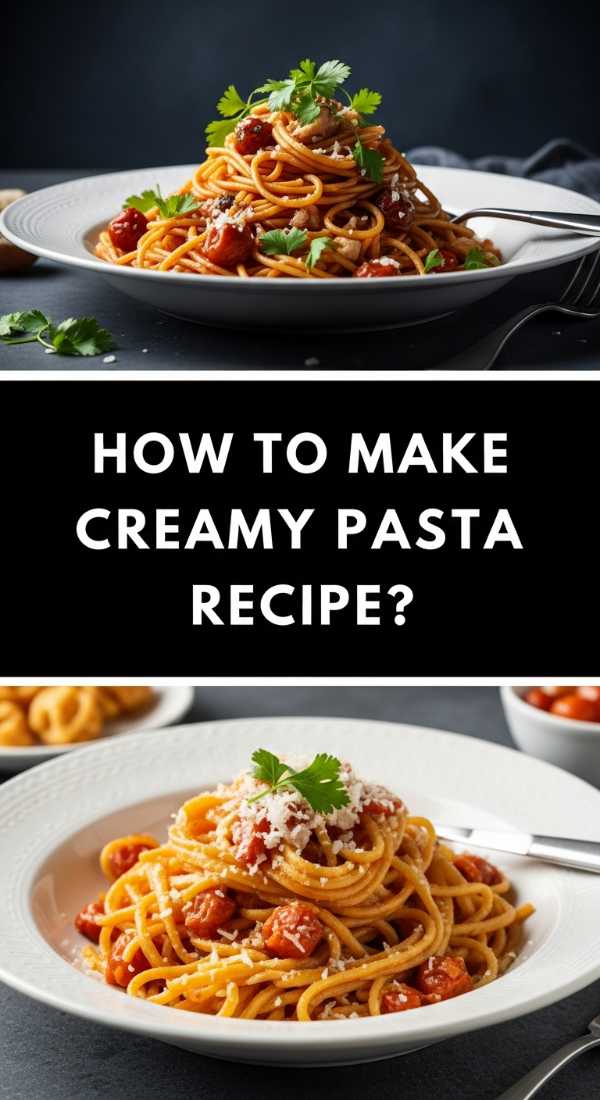
How to make creamy pasta recipe?
Why we love this
There is nothing more indulgent than a creamy pasta that coats the tongue in a velvet-like embrace, offering a sense of total luxury. We love the way a rich sauce can transform simple ingredients into a decadent feast that feels like a warm hug on a plate. The aroma of simmering cream, garlic, and cheese creates a nostalgic, cozy feeling that instantly puts everyone at ease. It’s the ultimate comfort food, providing a satisfying weight and a depth of flavor that lingers beautifully long after the meal is finished.
Ingredients
- 1 lb fettuccine or wide noodles
- 1 cup heavy cream or full-fat coconut milk
- 1/2 cup grated parmesan or cashew cream
- 2 cloves garlic, crushed
- A pinch of nutmeg
How to make it
- Boil the pasta in salted water; since the sauce is heavy, ensure the noodles are slightly underdone so they can finish cooking in the cream.
- In a wide saucepan, simmer the cream and crushed garlic over medium-low heat; never let it reach a hard boil or the fat may separate.
- Once the cream has reduced by about one-third and thickened slightly, whisk in the cheese and nutmeg until the sauce is perfectly homogenous.
- Transfer the pasta directly from the water into the sauce using tongs, allowing a little extra water to hitch a ride and help the sauce bind.
- Toss the pasta over low heat for 2 minutes, allowing the noodles to absorb some of the cream until the sauce achieves a thick, coat-the-back-of-the-spoon consistency.
- If the sauce gets too thick, add a tablespoon of pasta water at a time until the desired silkiness is restored.
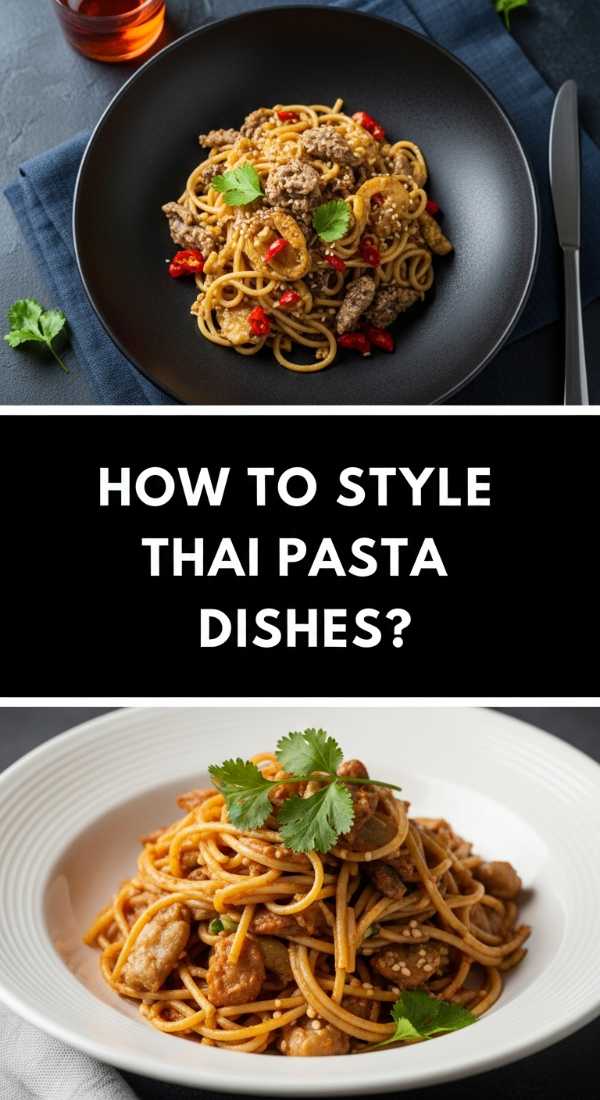
How to style Thai pasta dishes?
Why we love this
Styling a dish is where the food truly becomes ‘viral,’ turning a simple meal into a visual masterpiece that demands attention. We love how the bright oranges of carrots, deep purples of cabbage, and vibrant greens of cilantro pop against the neutral backdrop of the noodles. The process of arranging the components feels like painting with food, where every sprinkle of crushed peanuts adds a layer of rustic charm. A beautifully styled plate doesn’t just look good; it actually enhances the eating experience by building anticipation and highlighting the freshness of the ingredients.
Ingredients
- Prepared Thai pasta salad
- Extra lime wedges
- Fresh mint leaves
- Black sesame seeds
- Edible flowers (optional)
How to make it
- Choose a low, wide bowl or a wooden board to maximize the surface area for your toppings and create a ‘bountiful’ look.
- Mound the pasta in the center of the dish, using tongs to pull a few long strands upward to create height and visual interest.
- Place small clusters of bright vegetables (like julienned carrots) in specific quadrants rather than mixing them all in, which creates ‘color pops.’
- Scatter crushed peanuts and sesame seeds from a height of about 10 inches to ensure an even, natural-looking distribution across the top.
- Tuck fresh mint leaves and lime wedges into the sides; the green and yellow provide a frame that makes the center colors stand out.
- Final touch: Wipe the rim of the plate or the edges of the board with a clean damp cloth to ensure the presentation is professional and clean.
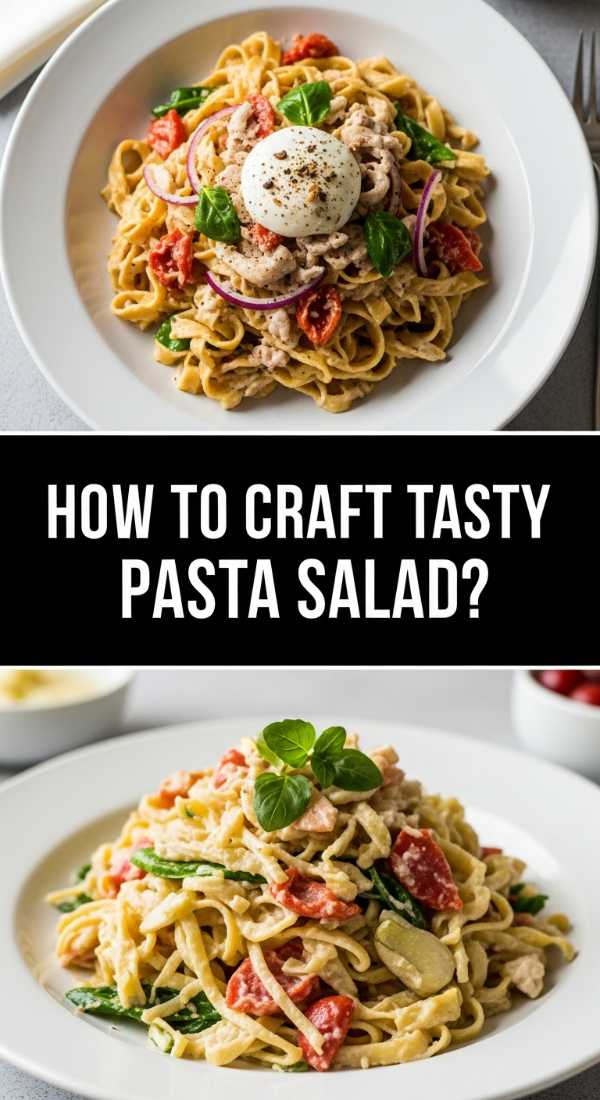
How to craft tasty pasta salad?
Why we love this
A truly ‘tasty’ pasta salad is all about the balance of the five basic tastes: sweet, sour, salty, bitter, and umami. We love the way a well-crafted salad keeps the palate guessing, with a hit of honey followed by the sharp tang of vinegar and the savory depth of soy sauce. The texture plays a huge role here too—the contrast of tender pasta with the crunch of fresh veggies and the snap of seeds makes every bite an adventure. It’s a dish that feels complete, satisfying every craving in one bowl while remaining light enough to eat on a hot summer afternoon.
Ingredients
- Cooked short pasta (fusilli or penne)
- Roasted red peppers
- Kalamata olives or salty capers
- Honey-mustard or ginger-soy dressing
- Toasted sunflower seeds
How to make it
- Ensure your pasta is cooled completely; mixing hot pasta with fresh vegetables will wilt them and ruin the ‘tasty’ crunch.
- Pat your wet ingredients (like olives or roasted peppers) dry with a paper towel before adding them to prevent the salad from becoming watery.
- Taste your dressing separately; it should be slightly over-seasoned because the pasta and vegetables will dilute the flavor once mixed.
- Mix the pasta and half the dressing first, then let it sit for 15 minutes to ‘prime’ the noodles before adding the sensitive vegetables.
- Add your salty and acidic components (olives and vinegar) last to ensure they provide sharp ‘hits’ of flavor rather than blending in.
- Always do a final taste test for salt; cold dishes often require a bit more seasoning than hot dishes to achieve the same flavor impact.
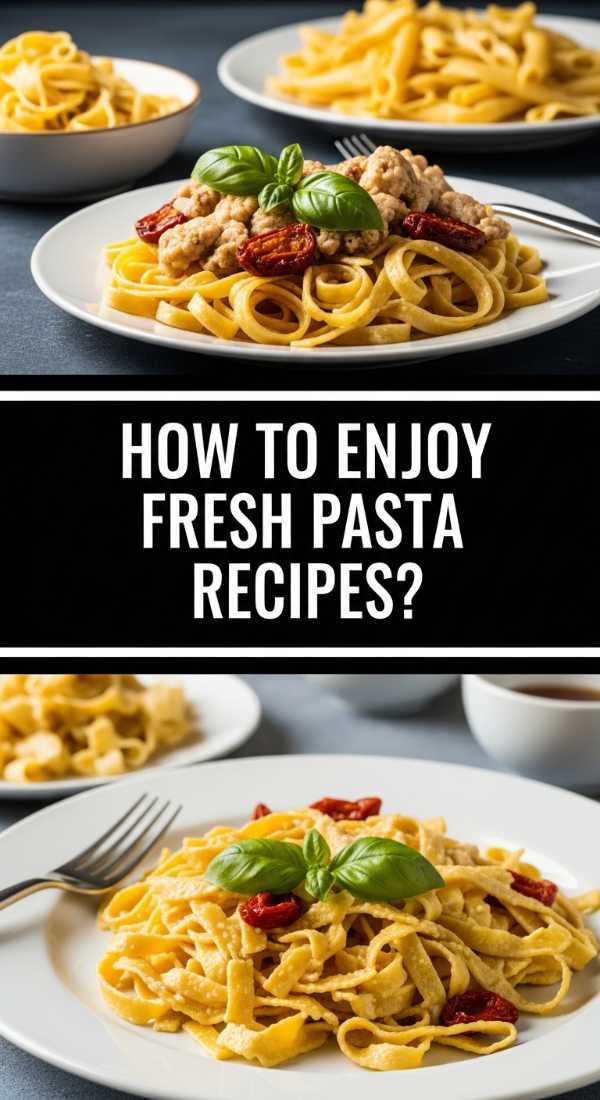
How to enjoy fresh pasta recipes?
Why we love this
There is an undeniable soulfulness in fresh pasta recipes that evokes images of sun-drenched Italian hills and traditional kitchens filled with flour. We love the delicate, almost egg-forward richness of fresh noodles that melts in your mouth far differently than dried varieties. The way fresh pasta interacts with simple herbs and olive oil is pure culinary poetry—it doesn’t need heavy sauces because the dough itself is the star. Eating fresh pasta is an invitation to slow down, savor the craftsmanship, and appreciate the beauty of simple, high-quality ingredients handled with care.
Ingredients
- Fresh egg pasta (tagliatelle or pappardelle)
- High-quality butter
- Fresh sage or basil
- Flaky sea salt
- Lemon zest
How to make it
- Fresh pasta cooks incredibly fast—usually between 90 seconds and 3 minutes—so stay by the stove with a strainer ready.
- Use a very large volume of water; fresh pasta is more delicate and prone to sticking, so it needs plenty of room to circulate.
- While the water boils, melt butter in a skillet over medium heat until it begins to foam and turn a nutty brown color.
- Toss in fresh sage leaves for 30 seconds until they become crisp; remove them and set aside to preserve their delicate texture.
- Transfer the cooked fresh pasta directly into the brown butter, adding a splash of the pasta water and tossing gently so you don’t break the tender noodles.
- Serve immediately with the crispy sage, lemon zest, and a generous pinch of flaky sea salt for a crunch that mirrors the tender pasta.
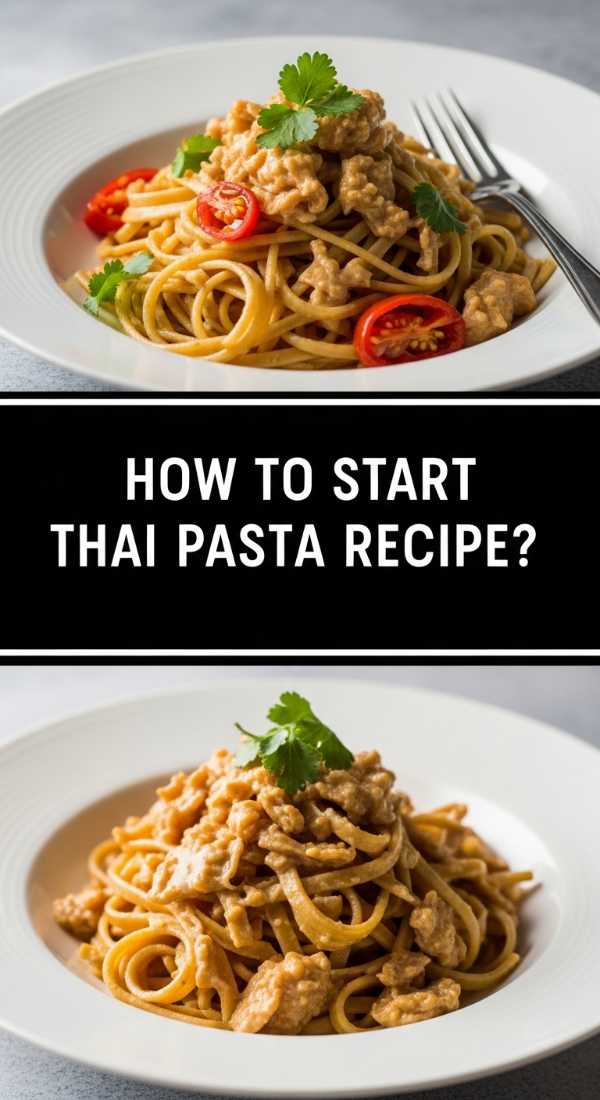
How to start Thai pasta recipe?
Why we love this
Starting a Thai pasta recipe is like embarking on a fragrant journey that begins the moment you bruise the ginger and garlic in your pan. We love the initial ‘sizzle’ that fills the kitchen with an aroma so enticing it brings people from other rooms just to see what’s cooking. The foundation of this recipe is where the soul lives; building those base layers of flavor ensures the end result has a professional depth. It’s a process that honors traditional Thai flavor profiles—salty, sweet, sour, and spicy—while adapting them into a modern, easy-to-love format.
Ingredients
- Fresh ginger, grated
- 2 cloves garlic, minced
- Sesame oil
- Brown sugar or palm sugar
- Soy sauce and fish sauce (or vegan alternative)
How to make it
- Begin by preparing your ‘aromatic base’—grate the ginger and mince the garlic finely so they release their oils quickly.
- Heat a small amount of sesame oil in a saucepan over medium-low heat; add the garlic and ginger, stirring constantly for 60 seconds to soften.
- Stir in the sugar and let it melt into the oil; this caramelization process provides the sweet undertone essential for Thai cuisine.
- Deglaze the pan with soy sauce and fish sauce, scraping up any bits from the bottom to incorporate all that concentrated flavor.
- Let the sauce simmer for 2-3 minutes on low until it thickens into a syrup-like consistency that will easily cling to your pasta.
- Allow this base to cool before mixing it with other dressing components like lime juice to preserve the bright acidity of the citrus.
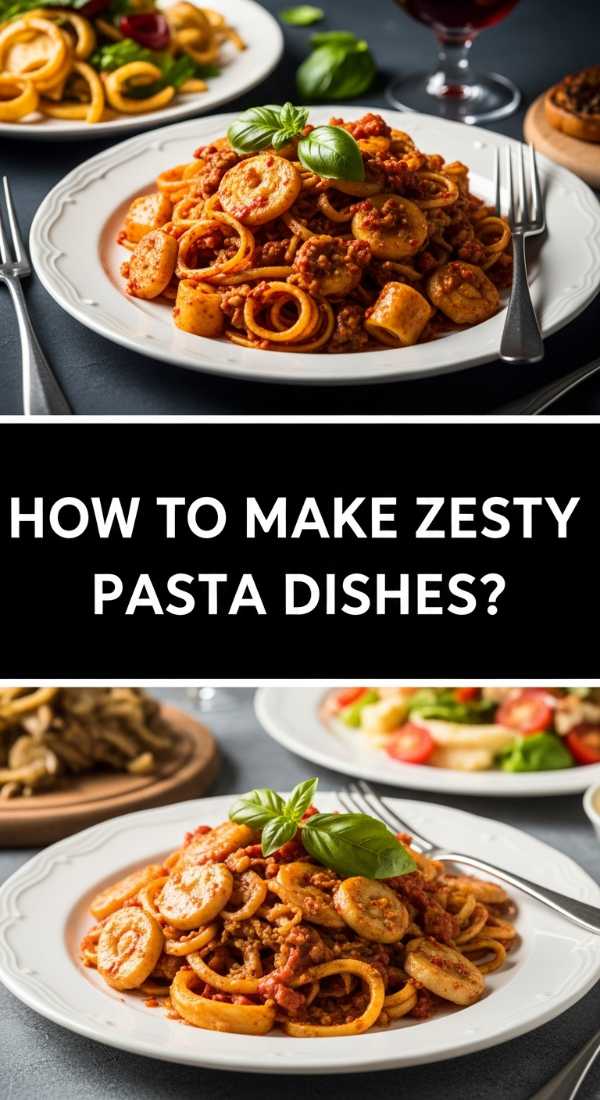
How to make zesty pasta dishes?
[IMAGE_10]
Why we love this
A zesty pasta dish is the ultimate ‘pick-me-up,’ offering a bright and electric flavor profile that instantly energizes the palate. We love how the addition of citrus and vinegar can transform heavy carbohydrates into something that feels light, airy, and incredibly fresh. The ‘zing’ of a zesty sauce acts as a bridge between the various ingredients, tying together earthy noodles and sweet vegetables into one cohesive, exciting bite. It’s a celebration of acidity, proving that a little bit of sour can bring out the absolute best in every other flavor on the plate.
Ingredients
- 12 oz pasta of choice
- Zest and juice of 2 lemons
- 1/4 cup rice vinegar or apple cider vinegar
- Fresh cracked black pepper
- Green onions, thinly sliced
How to make it
- Cook your pasta in salted water, but pull it out exactly at the al dente mark; zesty sauces are thin, so the pasta needs to be firm to hold its shape.
- While the pasta is draining, zest your lemons into a large bowl—ensure you only get the yellow part, as the white pith is bitter.
- Whisk the lemon juice and vinegar with a touch of oil until the mixture is slightly cloudy and well-blended.
- Pour the hot pasta directly into the bowl with the citrus mixture; the heat of the noodles will help them absorb the liquid like a sponge.
- Add a generous amount of black pepper; the spice of the pepper perfectly complements the sharp acidity of the lemon.
- Top with a mountain of sliced green onions for a fresh, sharp finish that punctuates the zesty flavor profile.
Conclusion
Creating a viral food board is less about following a rigid set of rules and more about embracing the joy of fresh ingredients and beautiful presentation. Whether you are whipping up a spicy pasta for a cozy night in or styling a massive Thai pasta board for a summer party, the goal is always the same: to create a moment of connection through delicious food. So grab your tongs, find your favorite platter, and start building your own masterpiece. Your guests—and your Instagram feed—will thank you!