
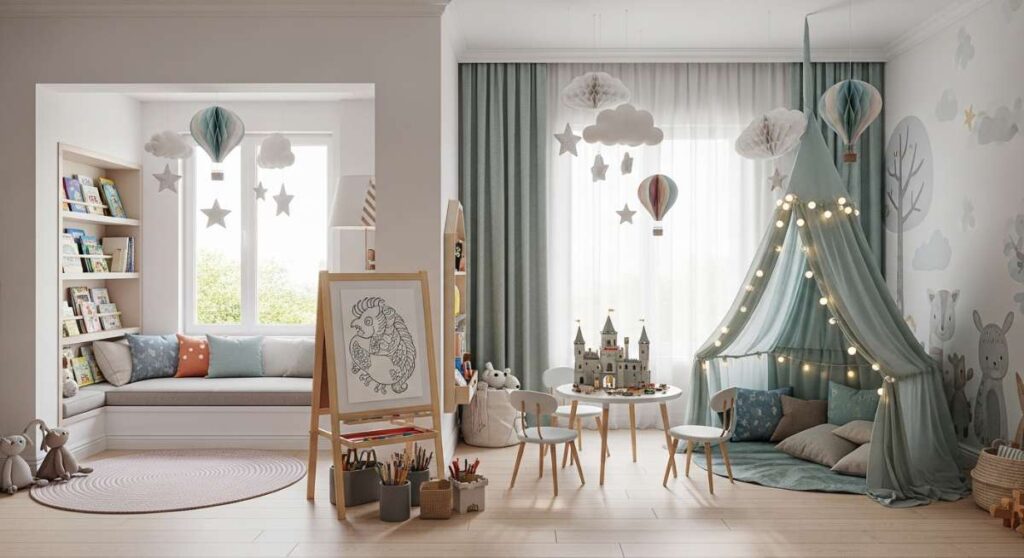
Remember the magic of a cardboard box on a Tuesday afternoon? As parents, we strive to recapture that spark of pure, unadulterated wonder, turning our homes and yards into sanctuaries where imagination knows no bounds. There is something deeply soulful about watching a child disappear into a world of their own making, where a simple corner becomes a dragon’s lair or a lush garden transforms into a pirate ship on the high seas.
Creating these dreamy kids’ play spaces isn’t just about the ‘stuff’—it’s about the atmosphere. It’s the soft glow of fairy lights against a muslin canopy, the earthy scent of cedar wood in the afternoon sun, and the tactile joy of smooth river stones under tiny feet. We’re moving beyond plastic bins and into the realm of whimsical design that delights both the child and the design-conscious adult.
How to Create Outdoor Play Areas for Endless Summer Fun
Why we love this
This space feels like a perpetual vacation, capturing the essence of golden hour laughter and the sweet, nostalgic scent of sun-warmed grass and sunscreen. We adore how the textures of cool water from a misting station mingle with the rough, organic feel of a cedar-planked mud kitchen, creating a sensory symphony that keeps little hands busy for hours. It is the ultimate antidote to screen time, offering a refreshing breeze and the tactile satisfaction of molding damp sand or ‘baking’ floral cupcakes under the vast blue sky.
Essential Elements:
- All-weather cedar mud kitchen station
- Retractable UV-rated sun shade
- Low-profile water sensory table with brass fittings
- Natural pea gravel or certified play mulch base
- Weatherproof outdoor cushions in linen-look fabrics
How to make it
1. Begin by selecting a level site that receives partial shade; if none exists, install a heavy-duty sail shade at a height of 8 feet to ensure airflow while blocking 95% of UV rays.
2. Construct or assemble your cedar mud kitchen, ensuring all surfaces are sanded to a buttery smoothness and treated with a non-toxic, food-safe sealant to withstand summer rain.
3. Define the zone by excavating 4 inches of soil and laying down a permeable landscape fabric to prevent weeds, then fill with 3 inches of smooth pea gravel for a drainage-friendly foundation.
4. Plumb a simple misting system along the perimeter of the play area, connecting it to a standard garden hose with a pressure regulator to create a fine, cooling ‘cloud’ effect for high-heat afternoons.
5. Arrange the sensory elements—sand, water, and loose parts—in ergonomic zones, ensuring they are at waist height for the children to prevent strain and maximize engagement.
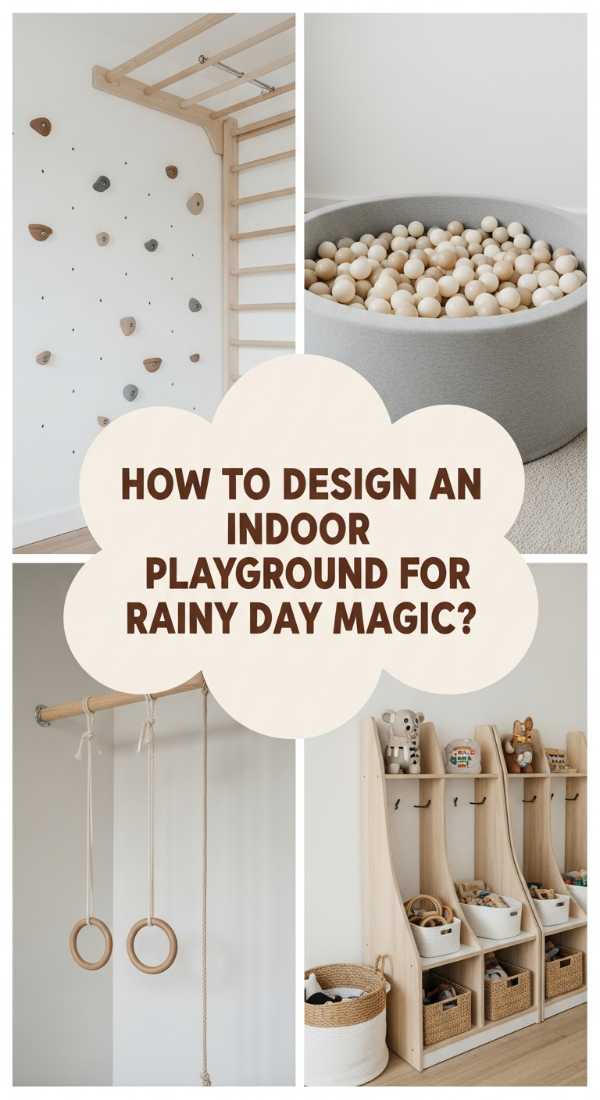
How to Design an Indoor Playground for Rainy Day Magic

Why we love this
When the clouds roll in, this indoor sanctuary becomes a beacon of cozy energy, smelling faintly of clean cotton and the grounding aroma of natural birch wood. We love the way the soft, velvet-touch crash pads invite fearless jumping, while the rhythmic ‘clack’ of wooden rungs provides a soothing auditory backdrop to active play. It transforms a gloomy afternoon into an adventure, where the warmth of the home protects the wildness of play, allowing children to burn off energy in a space that feels like a high-end boutique gym for the soul.
Essential Elements:
- Wall-mounted Scandinavian birch Swedish ladder
- High-density foam crash pads with removable linen covers
- Cotton rope swing or silk aerial hammock
- Adjustable wooden rings and trapeze bar
- Neutral-toned climbing holds with hidden hardware
How to make it
1. Identify a load-bearing wall and locate the studs using a high-precision sensor; this is critical for the safety and structural integrity of the climbing wall or Swedish ladder.
2. Secure the birch ladder system into the studs using heavy-duty lag bolts, ensuring the unit is perfectly level and flush against the wall to prevent any vibration during vigorous use.
3. Install a ceiling mount for the swing or hammock by drilling into a structural joist and using a swivel-eye bolt rated for at least 500 lbs to allow for 360-degree rotation without friction.
4. Layer the floor with 4-inch thick crash pads, ensuring they are tightly abutted to the wall and each other, creating a seamless ‘landing zone’ that absorbs impact and provides a plush floor-play surface.
5. Finish the area with dimmable warm-toned LED strips behind the ladder to provide a soft, ambient glow that makes the space feel magical even during the darkest rainstorms.
How to Style Kids Outdoor Play Area Ideas for Aesthetic Backyards
Why we love this
This approach proves that a play space can be a breathtaking architectural feature rather than an eyesore, blending seamlessly with the sophisticated lines of a modern landscape. We love the palette of muted earth tones—creams, sages, and charcoals—that mimic the natural surroundings and create a visual tranquility that settles the mind. The aroma here is one of fresh lavender and rosemary planted nearby, making the play area feel like a high-end garden retreat where form and function live in perfect, photogenic harmony.
Essential Elements:
- Custom-built A-frame playhouse with a black metal roof
- Integrated planter boxes with kid-safe succulents
- Minimalist swing set in powder-coated matte black steel
- Sunken sandpit with a seamless timber deck lid
- Outdoor-rated macramé accents and jute rugs
How to make it
1. Design the playhouse using architectural principles that mirror your main home, such as matching the roof pitch or siding style, to create a sense of intentional cohesion.
2. Use a palette of ‘grown-up’ colors—think charcoal grey for the structure and warm oak for the deck—applying a high-quality exterior stain that protects the wood while showing the grain.
3. Integrate the play area into the landscaping by surrounding it with a ‘sensory border’ of non-toxic plants like lambs-ear (for texture) and lavender (for scent), using professional-grade edging for a clean look.
4. Install a sunken sandpit by excavating a pit and lining it with concrete pavers for stability, topping it with a custom-fit wooden cover that sits flush with the lawn when not in use.
5. Add ‘lifestyle’ touches like a small outdoor bistro set for ‘tea parties’ and high-quality textiles that can be easily brought inside, ensuring the space feels like an extension of your indoor living room.
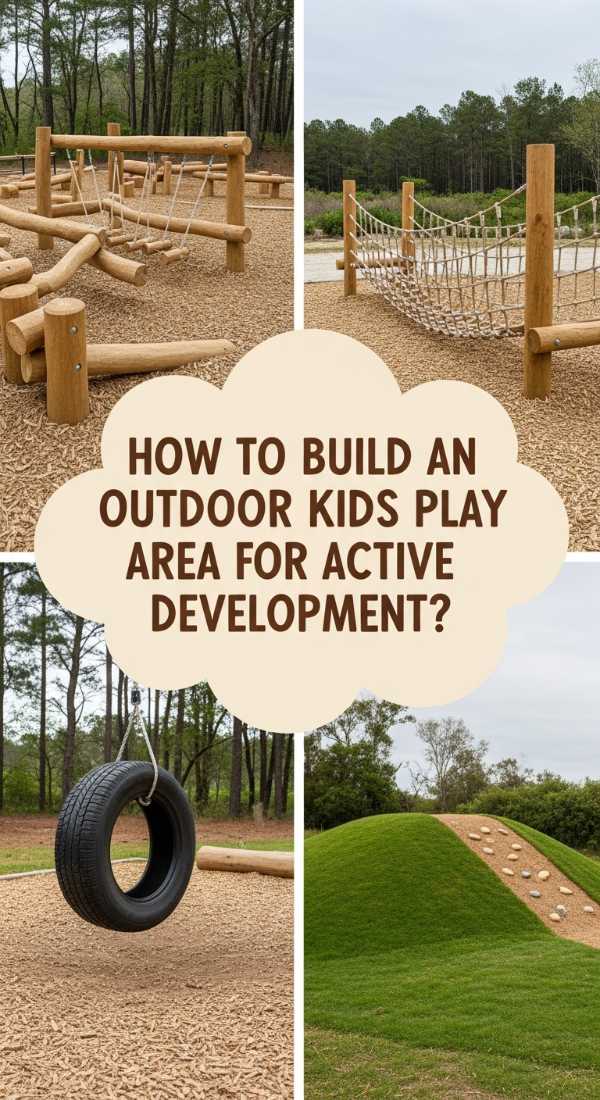
How to Build an Outdoor Kids Play Area for Active Development

Why we love this
There is a raw, empowering energy in a space designed for physical mastery, where the air smells of pine mulch and the focused sweat of a new achievement. We love the ‘clink’ of carabiners and the sturdy feel of thick manila rope, which provide the tactile feedback children need to develop their vestibular and proprioceptive systems. It’s a space that grows with them, challenging their limits while providing a safe, cushioned environment that feels like a backyard obstacle course hidden within a forest.
Essential Elements:
- Horizontal ‘monkey’ bars at varying heights
- Balance beams made of reclaimed timber
- Woven cargo net for vertical climbing
- In-ground trampoline with safety enclosure
- Rubberized ‘soft-fall’ tiles in a forest green hue
How to make it
1. Map out a ‘circuit’ flow that encourages continuous movement, placing the balance beam at the start and the cargo net as the ‘peak’ challenge to manage energy levels.
2. Install the monkey bars by setting 4×4 pressure-treated posts in 2 feet of concrete, ensuring they are perfectly vertical using a spirit level before the concrete cures.
3. Tension the cargo net using heavy-duty galvanized D-shackles, checking that the net is taut enough to support weight without sagging more than 6 inches in the center.
4. Build the balance beam using a 4×4 cedar beam, sanding the edges to a round profile and mounting it on low blocks no more than 6 inches off the ground to minimize fall risk for younger children.
5. Excavate the area for the in-ground trampoline, ensuring a 3-foot deep bowl for air displacement and installing a drainage pipe to prevent water accumulation during heavy rains.
How to Encourage Kids Outdoor Play for Healthy Growing Bodies
Why we love this
This space is a celebration of vitality, designed to get blood pumping and lungs filled with the crisp, clean scent of the great outdoors. We love the incorporation of ‘stealth’ exercise, like a secret garden path that requires high-stepping over logs or a hill slide that demands a climb back up, building core strength through sheer joy. It feels like a natural gymnasium where the ‘equipment’ is woven into the earth, encouraging a lifelong love of movement and a deep connection to the physical self.
Essential Elements:
- Custom-built turf-covered mound with integrated slide
- Stepping stones made of varying diameter log rounds
- Miniature ‘ninja’ line suspended between sturdy trees
- Pull-up bars and low-hanging gymnastics rings
- Marked ‘track’ around the perimeter for trikes or running
How to make it
1. Create a ‘play mound’ by piling clean fill dirt into a 3-foot high hill, compacting it in layers to prevent settling, and then capping it with premium artificial turf for year-round traction.
2. Secure a stainless steel slide into the side of the mound, anchoring the base in a small concrete footer to ensure it never shifts or detaches from the hill.
3. Set up the ninja line between two trees at least 12 inches in diameter, using tree protectors and tensioning the line with a heavy-duty ratchet until there is minimal ‘bounce’ when weight is applied.
4. Place log stepping stones in a zig-zag pattern, burying them halfway into the soil to ensure they are stable and don’t wobble when a child jumps from one to the next.
5. Paint a ‘fast lane’ track on your driveway or around the play area using non-slip outdoor paint, creating a designated space for high-speed aerobic activity.
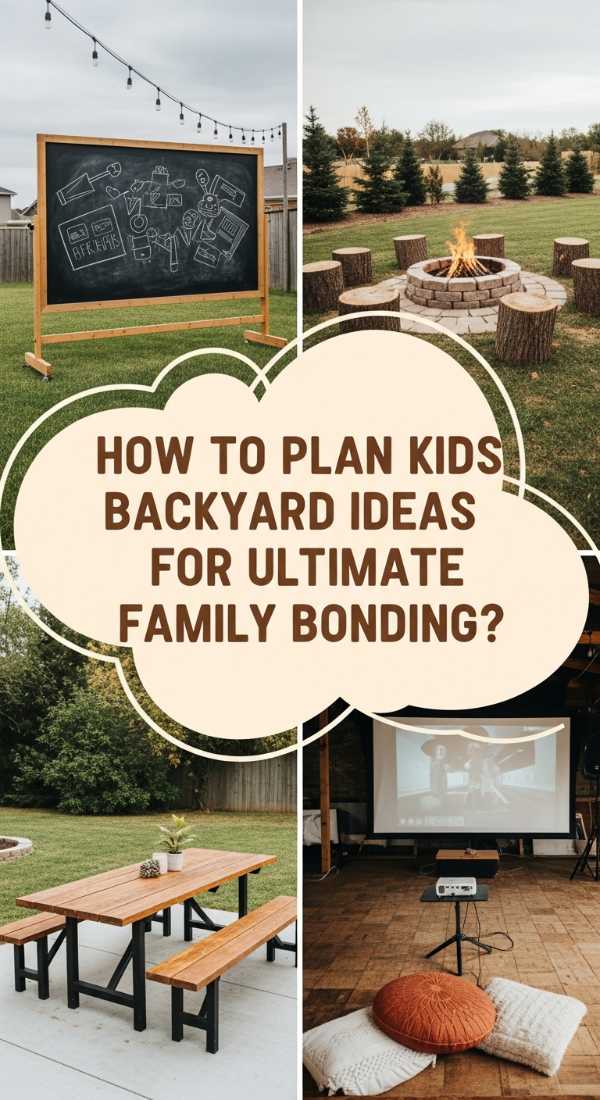
How to Plan Kids Backyard Ideas for Ultimate Family Bonding

Why we love this
This concept blurs the lines between ‘kid space’ and ‘family space,’ smelling of woodsmoke from a supervised fire pit and the sweet aroma of toasted marshmallows. We love how it fosters a sense of togetherness, with oversized features that invite adults to join in the play rather than just spectating from the sidelines. It is a space for twilight storytelling, for giant board games under the stars, and for the kind of slow, intentional connection that builds the core memories of a happy childhood.
Essential Elements:
- Giant weather-resistant wooden Connect Four or Jenga
- Low-profile stone fire pit with ‘kid-safe’ perimeter
- Oversized hammock chair big enough for snuggling
- Outdoor cinema setup with a portable projector
- Large-scale chalkboard for family ‘mural’ sessions
How to make it
1. Establish a central ‘hub’ by creating a circular patio using flagstones or decomposed granite, placing the fire pit in the center with a 10-foot ‘clear zone’ around it.
2. Build a giant outdoor chalkboard by painting a large sheet of marine-grade plywood with three coats of exterior chalkboard paint, then framing it with cedar trim for a polished look.
3. Install a heavy-duty beam or use a strong tree limb to hang a ‘double’ hammock, ensuring the hardware is rated for at least 600 lbs to accommodate an adult and child together.
4. Set up the cinema zone by mounting a white blackout-cloth screen to a fence or wall and positioning a portable, battery-powered projector on a stable, level surface.
5. Create a storage bench that serves as both seating and a home for giant games, using weather-resistant materials like teak or composite wood to keep the games dry and accessible.
How to Refresh Backyard Ideas for Kids for a Whimsical Transformation
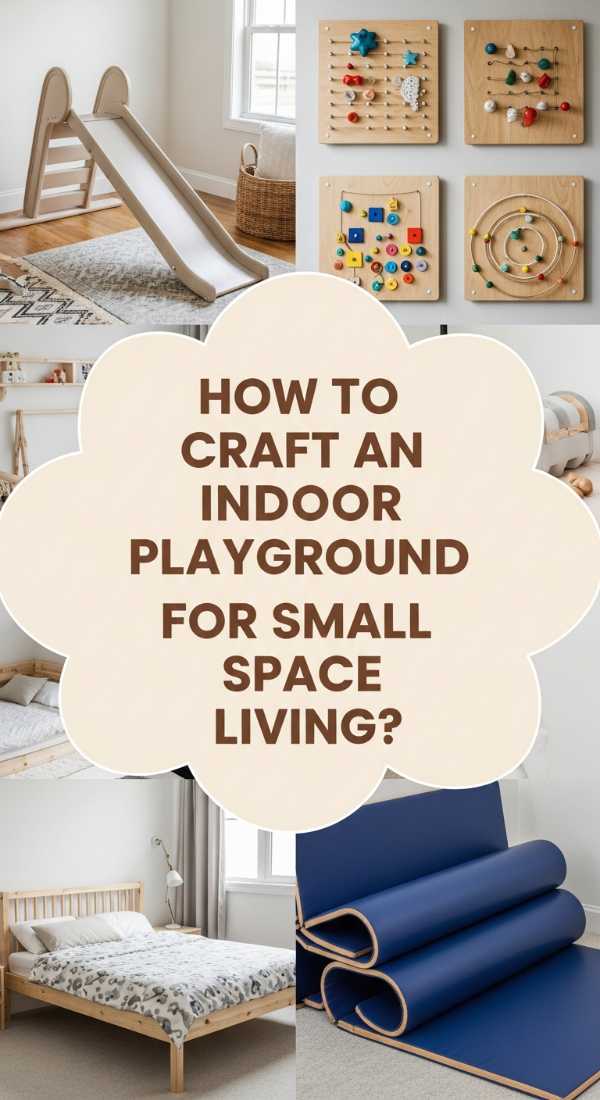
Why we love this
There is a sheer, fairytale-like quality to this transformation that feels as though a garden sprite moved in overnight, bringing with them the shimmer of iridescent bubbles and the glow of hidden lanterns. We love the use of ethereal materials like sheer draping and sparkling lights that catch the breeze and the eye, turning a standard lawn into a midsummer night’s dream. It smells of blooming jasmine and clean linen, creating a soft, magical atmosphere that invites quiet wonder and imaginative role-play.
Essential Elements:
- Solar-powered ‘firefly’ lights tucked into bushes
- Fabric teepee with weather-resistant outdoor canvas
- Hanging ‘ribbon’ wands from low-hanging branches
- Iridescent bubble machine and wind chimes
- Quilted floor cushions in whimsical floral prints
How to make it
1. Start by ‘layering’ the lighting, hanging solar-powered Edison bulbs at a 7-foot height and tucking copper-wire fairy lights into the shrubs to create depth and a magical ‘forest’ glow.
2. Assemble a large canvas teepee, securing the poles deep into the ground or weighting them with sandbags to prevent tipping in the wind, and line the interior with a waterproof tarp.
3. Create a ‘wind gallery’ by hanging multi-colored satin ribbons and bamboo wind chimes from tree branches, using varying lengths to catch the breeze at different heights.
4. Revitalize old plastic play equipment with a coat of ‘plastic-bonding’ spray paint in a soft, matte pastel palette, instantly elevating the look from ‘cluttered’ to ‘curated.’
5. Place a bubble machine in a discreet location to provide a constant stream of iridescent spheres, which adds a movement and light-refraction element that feels truly whimsical.
How to Craft an Indoor Playground for Small Space Living
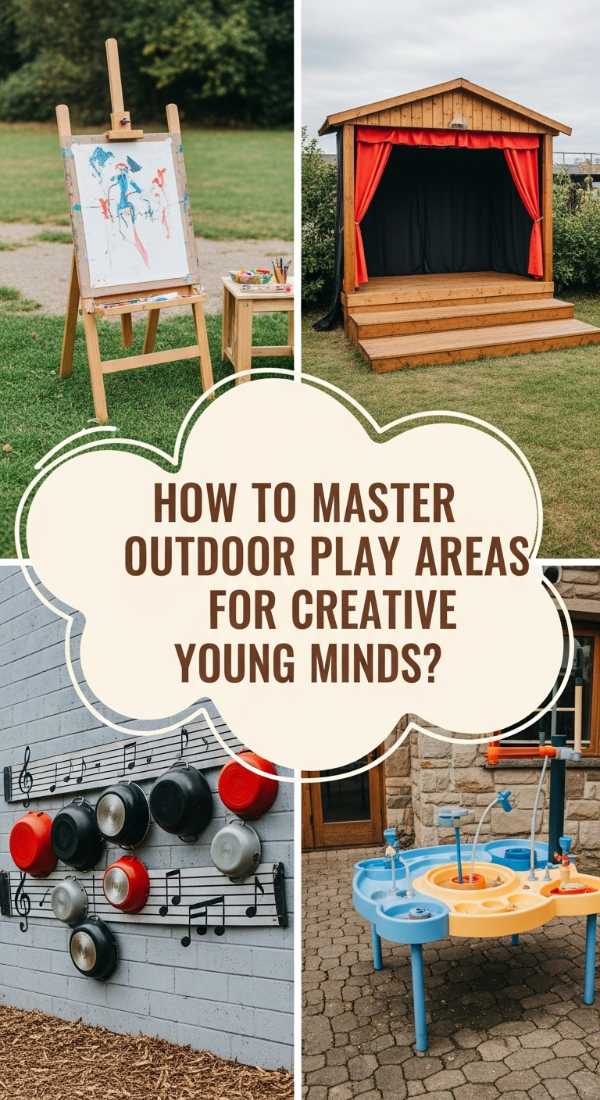
Why we love this
This design is a masterclass in efficiency, proving that you don’t need a sprawling estate to create a world of wonder; it smells of fresh coffee and the warm ‘home’ scent of a well-lived-in flat. We love the clever use of vertical space and ‘hidden’ play zones that fold away at night, leaving the room feeling serene and adult-friendly. It’s the tactile satisfaction of a perfectly smooth ‘busy board’ and the cozy retreat of a nook under a loft bed that makes this space feel like a secret treasure chest of fun.
Essential Elements:
- Wall-mounted folding ‘murphy’ craft table
- Custom ‘busy board’ with brass latches and gears
- Loft bed with a dedicated ‘reading den’ underneath
- Over-the-door hanging fabric organizer for toys
- Magnetic wall panels for vertical building blocks
- Modular soft-foam seating that stacks into a cube
How to make it
1. Maximize verticality by installing a floor-to-ceiling magnetic sheet on one wall, ensuring the edges are safely trimmed with wood molding to prevent sharp corners.
2. Build a ‘floating’ busy board using a sanded piece of poplar wood, attaching various hardware like gate latches, spinning wheels, and zippers using short screws that don’t penetrate the back.
3. Utilize the ‘dead space’ under a standard loft bed by adding a tension rod and heavy velvet curtains, creating an instant ‘dark den’ for projection play or quiet reading.
4. Install a wall-mounted folding table at a child-appropriate height (usually 20-22 inches), ensuring the hinges are ‘soft-close’ to protect tiny fingers from getting pinched.
5. Use a color-coordinated system of clear bins inside an over-the-door organizer, allowing the child to see their toys while keeping the floor completely clear for movement.
How to Master Outdoor Play Areas for Creative Young Minds
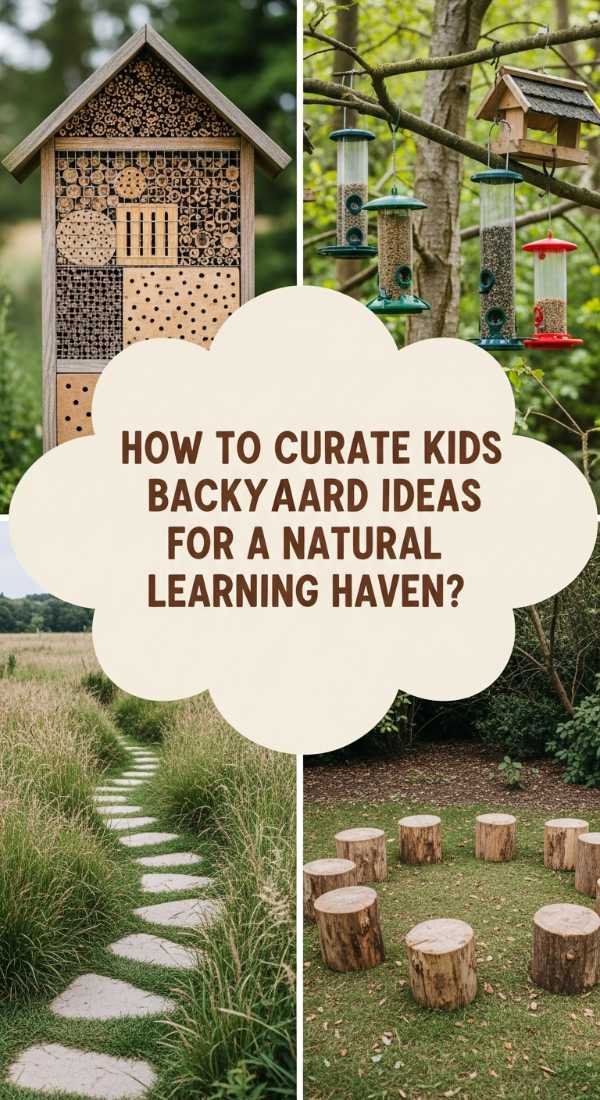
Why we love this
This is where the messy, glorious heart of childhood resides, smelling of wet clay, tempera paint, and the fresh, sharp scent of newly cut pine. We love how this space prioritizes the ‘process’ over the ‘product,’ offering wide-open surfaces that invite big, bold strokes and uninhibited creation. It feels like a miniature artist’s colony nestled in the garden, where the texture of dried paint on a wooden easel and the ‘thwack’ of a hammer on a tinker-bench signal a mind at work on its next masterpiece.
Essential Elements:
- Double-sided outdoor art easel with washable surfaces
- ‘Tinker bench’ with real (child-sized) metal tools
- Weatherproof storage for loose ‘found’ objects
- Washable floor mat for messy ‘splatter’ painting
- Display wire for hanging outdoor-created masterpieces
How to make it
1. Construct a sturdy H-frame easel using rot-resistant timber like cedar, attaching a sheet of clear plexiglass on one side and a chalkboard on the other for multiple mediums.
2. Build a low-profile workbench with a heavy-duty top, installing a small metal vise and providing a magnetic strip to keep small tools organized and within reach.
3. Set up a ‘loose parts’ station using a weather-resistant shelving unit, filling bins with pinecones, smooth stones, PVC pipe connectors, and wood scraps to encourage open-ended building.
4. Install a ‘wash station’ nearby—a simple bucket with a spigot—to encourage kids to clean their own brushes and hands, teaching responsibility alongside creativity.
5. String a stainless steel wire between two posts with ‘alligator’ clips to create an outdoor gallery where wet paintings can dry in the sun without cluttering the indoor space.
How to Curate Kids Backyard Ideas for a Natural Learning Haven
[IMAGE_10]
Why we love this
This space is a living classroom that smells of damp earth, crushed mint, and the sweet, wild aroma of nectar-filled flowers. We love how it turns every stone into a lesson and every bug into a friend, fostering a deep, empathetic connection with the natural world. It feels peaceful and grounded, with the soft rustle of leaves providing a soundtrack for discovery, making the backyard a place where curiosity is nurtured by the very soil beneath the children’s fingernails.
Essential Elements:
- Multi-story ‘Bug Hotel’ built from natural materials
- Butterfly-friendly garden bed with labels
- Weather-proof magnifying glass and specimen jars
- Raised bird feeder with a ‘field guide’ station
- Sensory ‘texture path’ of moss, stones, and sand
How to make it
1. Build a ‘Bug Hotel’ by stacking old wooden pallets or building a small frame, then filling the gaps with hollow bamboo, pinecones, bark, and straw to attract different beneficial insects.
2. Create a ‘pollinator patch’ by planting a dense cluster of milkweed, zinnias, and sunflowers, providing a natural habitat that children can observe throughout the seasons.
3. Design a sensory path by digging a shallow trench 12 inches wide and dividing it into sections with wood dividers, filling each with a different texture: soft moss, smooth river rocks, crunchy dried leaves, and fine sand.
4. Install a bird feeding station at eye level for the children, including a small weatherproof box containing a pair of binoculars and a laminated ‘local birds’ identification sheet.
5. Set up a ‘weather station’ with a simple rain gauge and a wind vane, encouraging children to record daily observations in a ‘nature journal’ kept in a waterproof outdoor bench.
Conclusion
Creating a whimsical play space is about more than just aesthetics; it is about building a stage where your child’s development and imagination can take center stage. Whether you have a sprawling backyard or a cozy apartment corner, the key is to focus on sensory details, durable materials, and the freedom for kids to be, well, kids. These spaces become the backdrop of their earliest memories—make them magical.
Frequently Asked Questions
What is the best ground cover for an outdoor play area?
Engineered wood fiber (play mulch) or rubber mulch are excellent for impact absorption. For a more natural look, pea gravel or high-quality artificial turf provide great drainage and durability.
How do I keep an indoor playground from looking cluttered?
Stick to a cohesive color palette (like natural wood and neutral tones) and utilize vertical storage. Modular furniture that can be stacked or folded away is also a lifesaver in smaller homes.
Is cedar the best wood for outdoor play structures?
Yes, cedar is naturally rot-resistant and insect-resistant without the need for harsh chemicals, making it the safest and most durable choice for children’s outdoor environments.