

10 Easy Ways to Create a Cozy Minimalist Sanctuary
Have you ever walked into a room and felt your shoulders instantly drop? There’s a specific magic that happens when we stop filling our homes with ‘stuff’ and start filling them with intention. In a world that constantly asks for our attention, coming home to a cozy minimalist sanctuary isn’t just a design choice—it’s an act of radical self-care. It is about creating a space that breathes, where every object has a purpose and every corner invites you to exhale.
For years, I thought minimalism meant cold white walls and hard surfaces, but I’ve learned that the secret lies in the ‘cozy’ part of the equation. It’s the soft touch of a linen throw against your skin, the amber glow of a single well-placed lamp, and the way the morning light hits a clean wooden surface. Today, I’m sharing my favorite ways to transform your living space into a haven of tranquility that feels both curated and incredibly lived-in.
Whether you’re in a sprawling house or a tiny studio, these tips will help you find that perfect balance between ‘less is more’ and ‘just enough warmth.’ Let’s dive into the art of creating your own personal retreat.
How to Create a Cozy Minimalist Living Room for Total Calm

Why we love this
This approach to the living room is like a deep, cleansing breath for your soul. Imagine walking into a space where the air feels light, scented faintly with cedarwood and dried eucalyptus, while your feet sink into a high-pile cream rug that feels like walking on a cloud. The visual quiet of the muted palette allows your mind to stop scanning for clutter, letting you focus on the tactile luxury of a soft cashmere blanket draped over a low-profile oak sofa. It is a sensory experience of pure stillness, where the absence of noise creates room for genuine reflection and peace.
Essential Elements:
- Low-profile modular sofa in oatmeal or dove grey
- Natural wood coffee table with a matte finish
- High-pile wool or jute rug for grounding
- Single statement ceramic vase with dried branches
- Hidden storage solutions to tuck away technology
How to make it
- Begin by ‘clearing the canvas’—remove every item from your living room surfaces and floor to assess the architectural bones of the space.
- Select a primary seating piece with clean lines; ensure it is positioned to face a window or a focal point of relaxation rather than just the television.
- Layer your ‘visual temperature’ by adding a neutral-toned rug that extends at least six inches beyond the edges of your furniture to anchor the room.
- Incorporate ‘living’ textures by placing a single, large-leaf plant like a Fiddle Leaf Fig in a corner to provide a pop of organic color without clutter.
- Adjust the ‘simmer’ of the room by replacing harsh overhead bulbs with warm-toned (2700K) LED lamps placed at eye level to create soft shadows and a sense of intimacy.
How to Style Small Living Room Ideas Apartment Cozy Aesthetic for Maximum Comfort
Why we love this
There is something incredibly nurturing about a small space done right; it feels like a warm hug that wraps around you the moment you step through the door. In an apartment, every inch is an opportunity for comfort, from the velvet touch of a lumbar pillow to the way a sheer curtain filters the city light into a soft, ethereal haze. We love this because it proves you don’t need a mansion to experience luxury; you just need a few high-quality pieces that speak to your soul and a layout that prioritizes your daily rituals of rest.
Essential Elements:
- Multi-functional nesting tables in light birch
- Sheer linen floor-to-ceiling drapery
- Over-sized knit floor cushions for flexible seating
- Wall-mounted shelving to keep the floor clear
- Mirror with a thin brass frame to bounce light
How to make it
- Identify your ‘primary flow’—the path you walk most often—and ensure it is completely unobstructed to create a sense of spaciousness.
- Mount your window treatments higher and wider than the actual frame to ‘stretch’ the visual height of the walls and maximize natural light ‘doneness.’
- Select a ‘hero’ comfort item, like an extra-deep armchair, and scale down all surrounding furniture to ensure the room doesn’t feel cramped.
- Apply the ‘three-item rule’ to your coffee table: one organic element (a small plant), one book, and one candle to maintain a curated, minimalist ‘flavor.’
- Check the ‘visual weight’ by ensuring that leggy furniture is used in tight corners to let light pass underneath, creating an airy, light-as-air aesthetic.
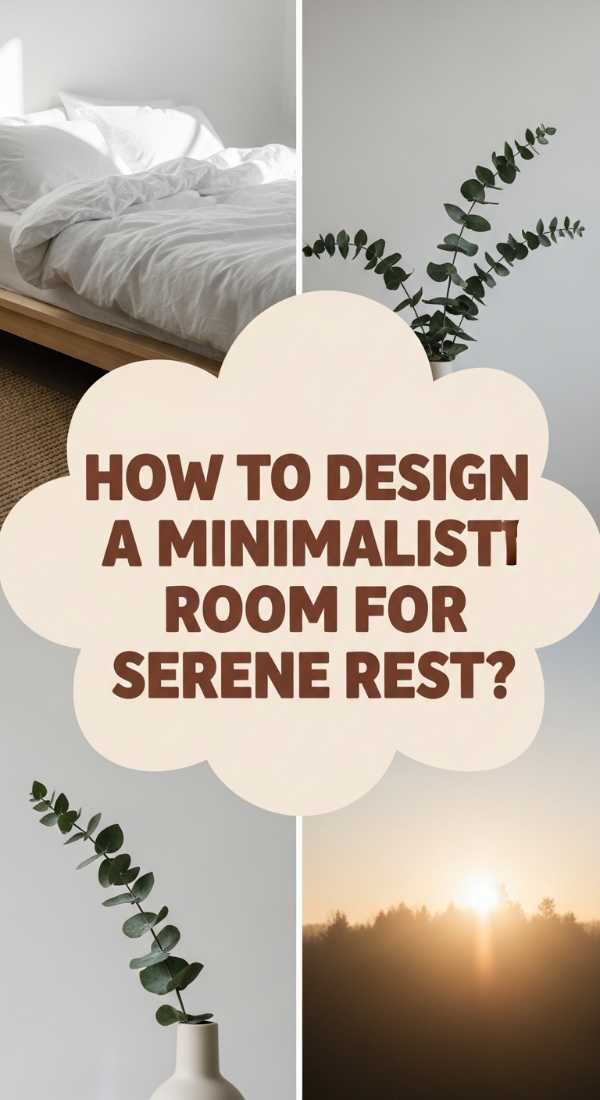
How to Design a Minimalist Room for a Serene Night of Rest
Why we love this
Your bedroom should be a sanctuary where the world falls away, leaving only the scent of fresh lavender and the crisp, cool touch of 400-thread-count organic cotton. We love the minimalist bedroom because it removes the ‘visual to-do list’—no piles of laundry, no tech gadgets, just a serene landscape of soft whites and earthy tones. The feeling of sinking into a bed with layered linen duvets while a single candle flickers on a wooden nightstand is the ultimate recipe for a restorative sleep that leaves you feeling brand new.
Essential Elements:
- Organic linen bedding in a monochrome palette
- Platform bed frame with an upholstered headboard
- Solid wood nightstands with deep drawers
- Dimmable wall s牆 sconces for bedtime reading
- A heavy-weight clay diffuser for essential oils
How to make it
- Strip the bed and ‘prep’ your sleep surface with a high-quality mattress protector and a breathable linen base layer.
- Layer your duvet and coverlet using the ‘fold-back’ technique—peel back the top third of the bedding to expose different textures and create a hotel-level ‘finished’ look.
- Remove all electronics, including chargers and screens, to a ‘cool-down zone’ outside the bedroom to ensure the atmosphere remains digitally detoxed.
- Set the ‘lighting level’ to a low, warm amber glow thirty minutes before sleep to trigger your body’s natural melatonin production.
- Finalize the ‘aroma profile’ by adding three drops of high-grade sandalwood or lavender oil to a waterless diffuser for a consistent, subtle scent throughout the night.
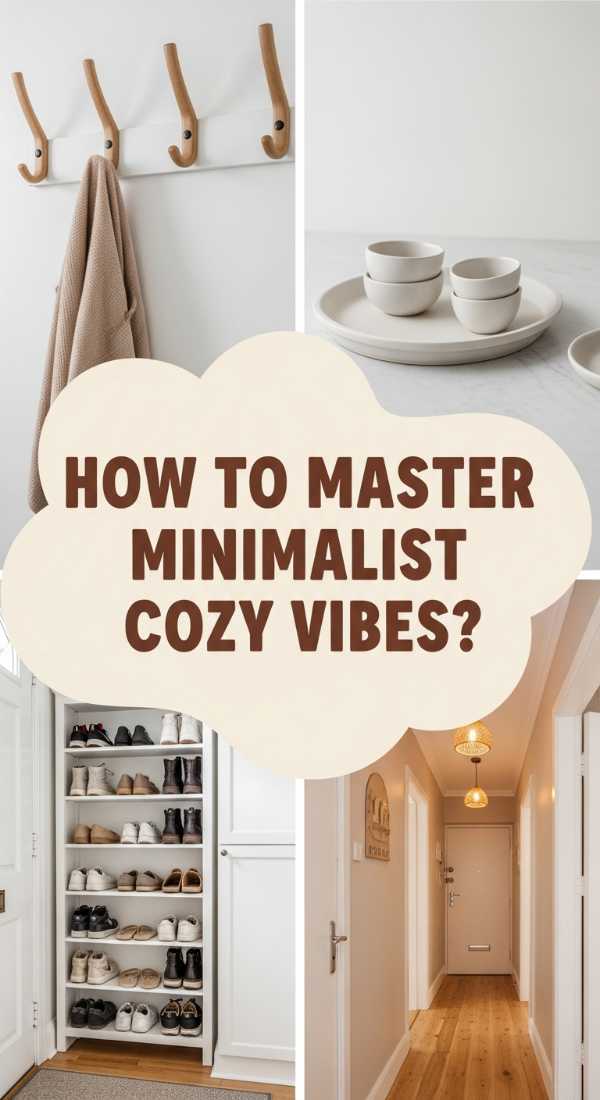
How to Master Minimalist Cozy Vibes for an Inviting Entryway
Why we love this
The entryway is the ‘first taste’ of your home’s energy, and keeping it minimalist ensures a transition from the chaos of the outside world to the calm of your inner sanctum. We love this look because it uses sensory cues—the smooth texture of a stone bowl for your keys, the earthy scent of a beeswax candle—to signal to your brain that it’s time to relax. It’s about a warm welcome that isn’t cluttered with shoes and mail, but rather defined by a single, beautiful bench and a sense of intentionality that greets you like an old friend.
Essential Elements:
- Slimline wooden console or a simple wall-mounted ledge
- A woven seagrass basket for shoe containment
- A large, round mirror to expand the visual space
- Hand-poured ceramic candle in a signature scent
- A single coat hook for your most-used jacket
How to make it
- Clear the ‘entry heat’ by auditing your current entryway and removing anything that doesn’t serve an immediate purpose for coming or going.
- Install a focal point—typically a mirror—at eye level to ‘open up’ the narrowest part of the hallway and reflect light into darker corners.
- Place a ‘drop-zone’ container, like a heavy marble bowl, on your console to catch keys and small items, preventing ‘clutter-creep.’
- Add a tactile element, such as a small wool runner, to dampen the sound of footsteps and provide a soft ‘landing’ for your feet.
- Monitor the ‘aroma cue’ by lighting a candle or placing a reed diffuser near the door, ensuring the first thing you experience is a calming, familiar scent.
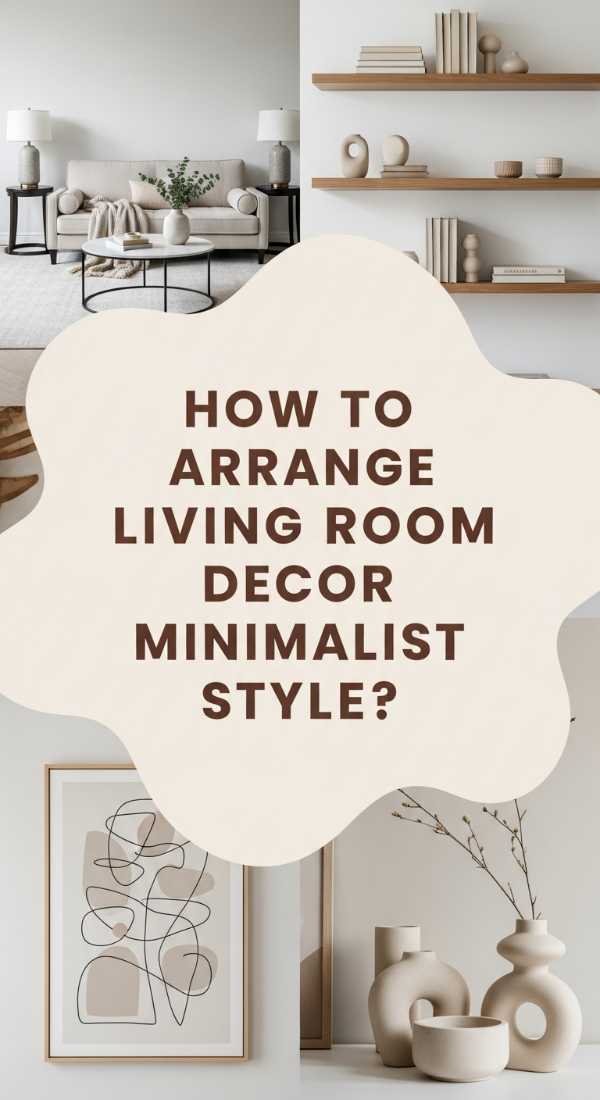
How to Arrange Living Room Decor Minimalist Style for Visual Balance
Why we love this
Visual balance is the secret ingredient that makes a room feel ‘right’ without you knowing why; it’s the satisfying harmony of shapes and heights. We love this minimalist arrangement because it values ‘negative space’ as much as the furniture itself, allowing each piece to stand as a work of art. Imagine the smooth curve of a ceramic lamp juxtaposed against the sharp line of a book stack, all bathed in the warm, golden hour light—it creates a sense of equilibrium that physically relaxes your eyes and mind.
Essential Elements:
- A mix of geometric and organic shapes (round vs. square)
- Varying heights of decor (tall branches, medium candles, low books)
- A consistent color palette of 3-4 neutral shades
- Textured wall art with minimal color contrast
- Transparent elements like glass or acrylic to maintain ‘airiness’
How to make it
- Use the ‘Rule of Three’ to group items: place a tall branch, a medium-sized candle, and a low stack of books together for a balanced ‘visual triangle.’
- Manage the ‘compositional heat’ by ensuring that heavy furniture is balanced by lighter, airier pieces on the opposite side of the room.
- Incorporate ‘white space’—leave at least 20% of your shelving and wall space completely empty to allow the eye a place to rest.
- Align your decor along horizontal or vertical axes to create a ‘grid’ that feels structured and intentional rather than haphazard.
- Test the ‘visual doneness’ by squinting your eyes at the room; if one area looks significantly darker or busier than the rest, redistribute items until the tone is even.
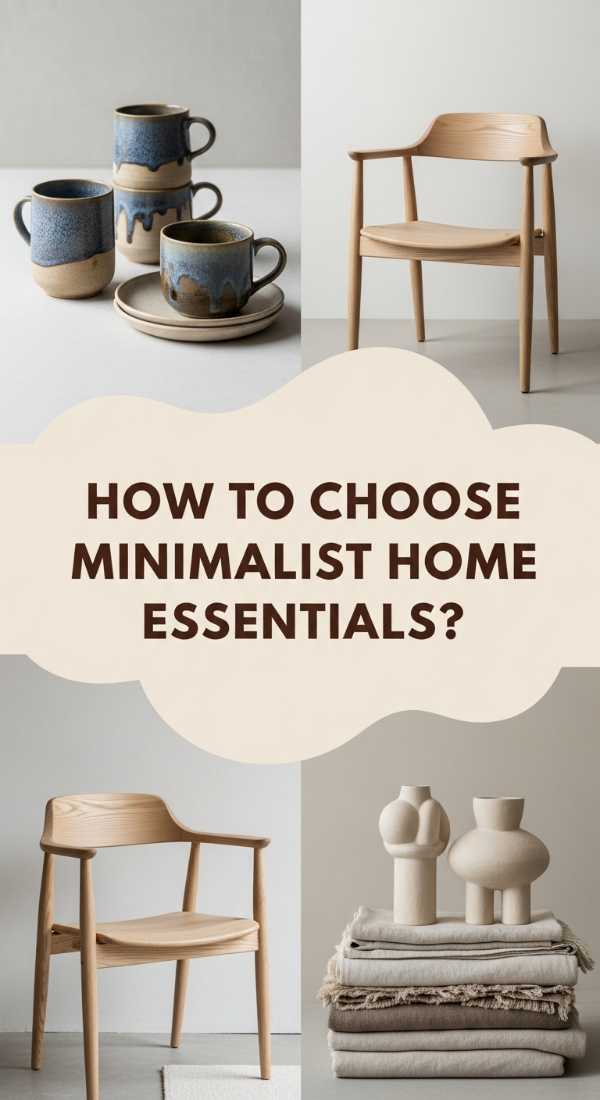
How to Choose Minimalist Home Essentials for a Mindful Environment
Why we love this
Choosing essentials is about quality over quantity; it’s the tactile joy of holding a heavy, handmade ceramic mug or the weight of a linen napkin. We love this approach because it turns everyday chores into mindful rituals. When your essentials are beautiful and functional, you find pleasure in the simplest tasks, like pouring water from a glass carafe or sweeping a wooden floor. It’s a way of infusing luxury into the mundane, creating an environment that feels curated, grounded, and deeply personal.
Essential Elements:
- Hand-thrown ceramic tableware in earthy glazes
- Solid brass or matte black hardware
- Natural fiber textiles (linen, hemp, organic cotton)
- Glass storage jars for a uniform pantry look
- Sustainable wooden cleaning tools with natural bristles
How to make it
- Perform an ‘essentials audit’—look at every item you use daily and ask if it brings you joy or serves a vital function.
- Replace plastic or mismatched items with ‘high-quality’ versions made from glass, wood, or stone to elevate the ‘sensory texture’ of your home.
- Coordinate your ‘visual palette’ by selecting essentials in a unified color family, reducing the mental friction of a cluttered look.
- Store your essentials in ‘open-prep’ style; display your most beautiful tools on a wooden peg rail to combine decor with functionality.
- Practice ‘one-in, one-out’—before bringing a new essential into the home, ensure you have a designated spot for it and remove a piece that no longer serves you.
How to Curate Room Decor Minimalist Accents for a Soft Glow
Why we love this
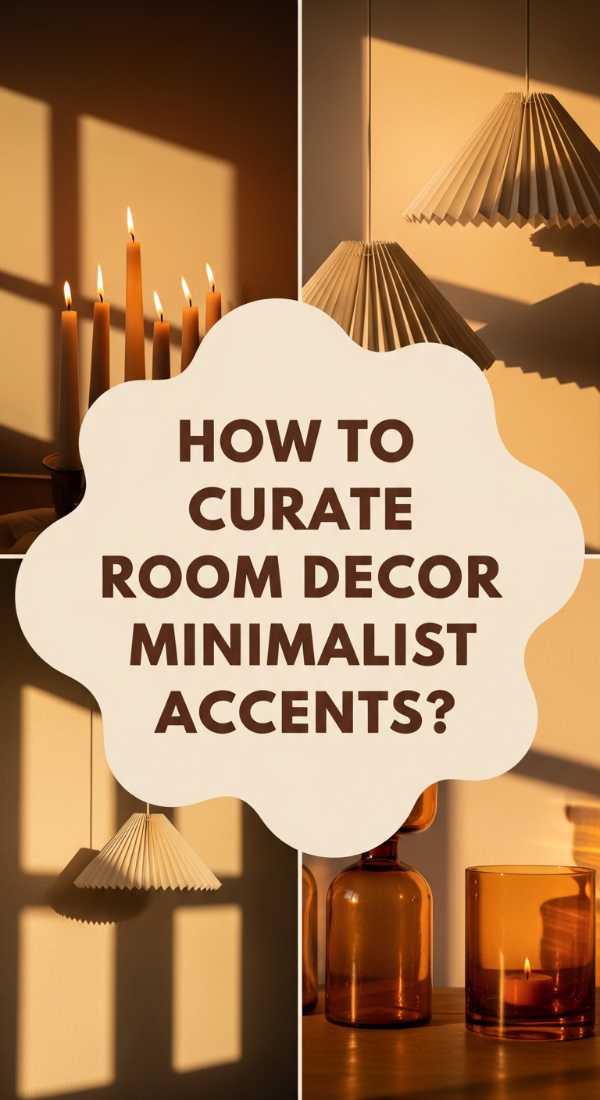
Lighting is the most powerful tool in your design kit; it can turn a stark room into a glowing, amber-hued cocoon in seconds. We love curated accents like frosted glass lamps and beeswax tapers because they provide a ‘soft glow’ that blurs the edges of the room and makes everything look more beautiful. It’s the feeling of a rainy afternoon spent indoors, with the gentle flicker of a flame and the soft hum of a warm lamp creating a sanctuary of light that protects you from the gloom outside.
Essential Elements:
- Frosted glass or pleated fabric lampshades
- Beeswax or soy wax taper candles in neutral tones
- Fairy lights tucked into a glass cloche
- Polished stone candle holders for weight and texture
- Low-wattage, warm-toned bulbs (2200K – 2700K)
How to make it
- Layer your ‘lighting heat’ by using three sources per room: an overhead dimmable light, a floor lamp for tasks, and a small accent lamp for ‘vibe.’
- Place accent lights in ‘neglected corners’ to eliminate harsh shadows and create a sense of wrap-around warmth.
- Use ‘diffusers’—choose lampshades that soften the light rather than letting the bare bulb show, ensuring a ‘creamy’ light quality throughout.
- Incorporate ‘living light’ by lighting candles at sunset to mark the transition from the workday to your personal evening sanctuary.
- Check the ‘glow doneness’ by turning off all overhead lights and ensuring there are no ‘cold spots’ or overly bright glares in your sitting areas.
How to Perfect Minimalist Living Room Small Spaces for Daily Zen

Why we love this
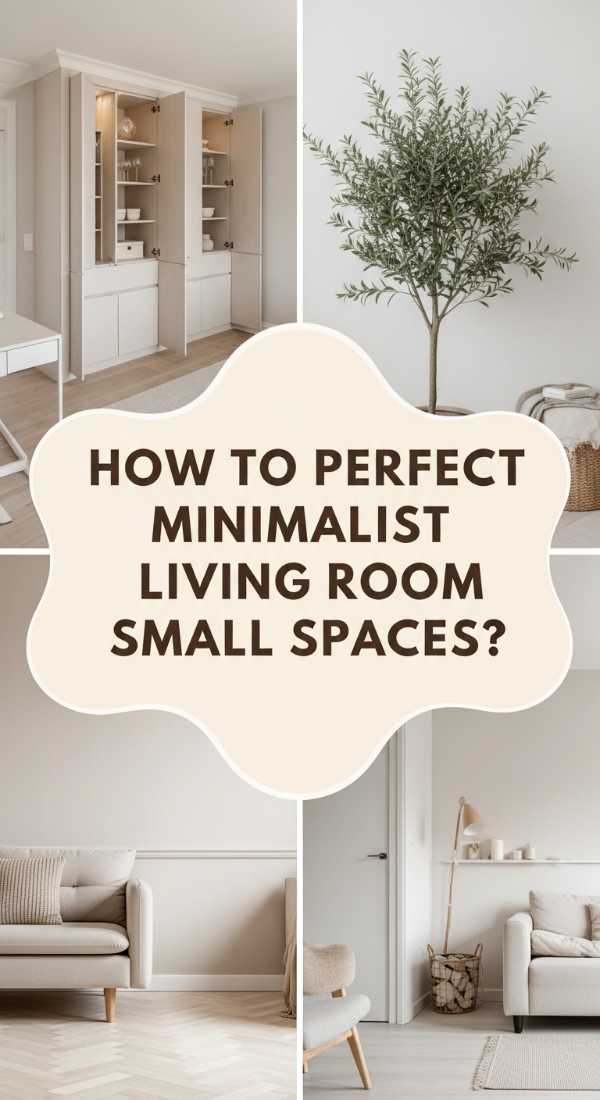
In a small space, minimalism isn’t just an aesthetic; it’s a path to sanity and daily Zen. We love this because it forces a focus on what truly matters—the comfort of your favorite chair, the clarity of a clean desk, and the peace of a room that isn’t overwhelming. The sensory experience here is one of ‘lightness’—the way the sun dances on a white wall, the smell of a single fresh bloom in a bud vase, and the feeling of having everything you need within reach but nothing that you don’t.
Essential Elements:
- Floating furniture (wall-mounted) to maximize floor visibility
- A monochromatic color scheme (tones of white, cream, and beige)
- Hidden cable management to remove ‘visual noise’
- A single, large-scale piece of art instead of a gallery wall
- Reflective surfaces like glass or light-toned woods
How to make it
- Maximize ‘visual floor space’ by choosing furniture with legs rather than solid bases, allowing the eye to see all the way to the corners.
- Apply a ‘tonal wash’—paint your walls, trim, and even shelves the same color to ‘erase’ the boundaries of the room and make it feel endless.
- Organize your ‘daily zones’—assign one specific area for work and one for rest, even if they are only inches apart, to maintain mental ‘clarity.’
- Use ‘vertical scaling’—draw the eye upward with a tall floor lamp or a hanging plant to distract from the limited floor footprint.
- Perform a ‘daily reset’—spend five minutes every evening clearing every surface to ensure you wake up to a ‘blank canvas’ of Zen each morning.
How to Enhance Decor Minimalist Textures for a Touch of Luxury
Why we love this
Minimalism without texture is just ’empty,’ but minimalism *with* texture is ‘luxurious.’ We love the interplay of a rough-hewn stone bowl against a silk-smooth table, or the way a chunky wool knit contrasts with a sleek leather chair. It’s a feast for the fingertips—a sensory layering that makes a neutral room feel rich and expensive without needing a single drop of bold color. It’s about the ‘quiet luxury’ of materials that feel as good as they look, creating a home that is as much for the body as it is for the eyes.
Essential Elements:
- Chunky knit wool throws and boucle pillows
- Unfinished natural stone or travertine accents
- Velvet or heavy linen upholstery
- Hand-woven baskets with varied fiber thicknesses
- Brushed metal finishes for a subtle, sophisticated sheen
How to make it
- Select a ‘base texture’ (like a linen sofa) and layer on at least two ‘contrast textures’ (like a wool throw and a velvet pillow) to create depth.
- Incorporate ‘raw elements’—add a piece of driftwood or a stone bowl to provide an organic, ‘unrefined’ touch that balances polished surfaces.
- Adjust the ‘textural temperature’ by mixing ‘hard’ materials (marble, metal) with ‘soft’ materials (sheepskin, cotton) in every vignette.
- Use ‘shadow-play’—choose textured wall hangings or 3D art that creates subtle shadows when hit by side-lighting, adding ‘visual flavor’ without color.
- Check the ‘touch-point quality’—ensure that every item you touch frequently (handles, pillows, blankets) feels incredibly high-quality and satisfying.
How to Build a Cozy Minimalist Reading Nook for Personal Growth
[IMAGE_10]
Why we love this
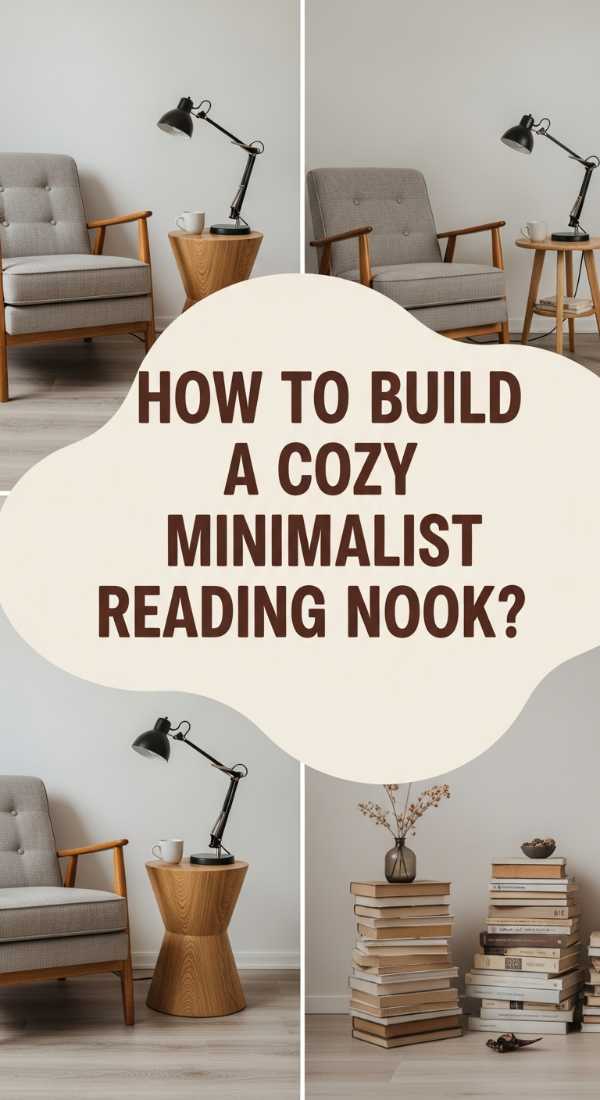
A reading nook is more than just a chair; it’s a dedicated ‘thinking space’ designed for expansion and quiet. We love this minimalist version because it removes all distractions, leaving only you, your thoughts, and your book. Imagine the scent of paper and old bindings, the warmth of a steaming cup of tea resting on a tiny wooden stool, and the support of an ergonomic but plush armchair. It’s a sensory retreat that encourages you to slow down, breathe, and invest in yourself away from the digital world.
Essential Elements:
- One incredibly comfortable armchair (think sherpa or soft leather)
- A targeted task light with a warm, adjustable arm
- A small, stable side table for a drink and a book
- A soft, high-quality rug to define the ‘nook’ zone
- A basket for one or two ‘current’ books and a journal
How to make it
- Carve out a ‘quiet zone’—ideally near a window or in a corner far from the main traffic flow of the home.
- Position your ‘anchor chair’ at an angle to the wall to create a ‘cocoon’ feeling that makes you feel physically protected and relaxed.
- Set the ‘lighting focus’—ensure your reading lamp is positioned to shine directly on your pages without creating glare on your eyes.
- Curate your ‘intellectual heat’—only keep the one or two books you are currently reading in the space to avoid the ‘clutter’ of an unfinished library.
- Finish with ‘sensory comfort’—add a footstool and a heavy-knit blanket to ensure you can stay in the space for an hour without needing to adjust.
Conclusion
Creating a cozy minimalist sanctuary isn’t a project you finish in a weekend; it’s a lifestyle you cultivate one intentional choice at a time. By focusing on sensory details—the light, the textures, and the space between things—you transform your home from a place where you just ‘exist’ into a place where you truly flourish. Start small, perhaps with a single corner or a new lighting ritual, and watch as the calm begins to spread through your entire life. Your sanctuary is waiting.