
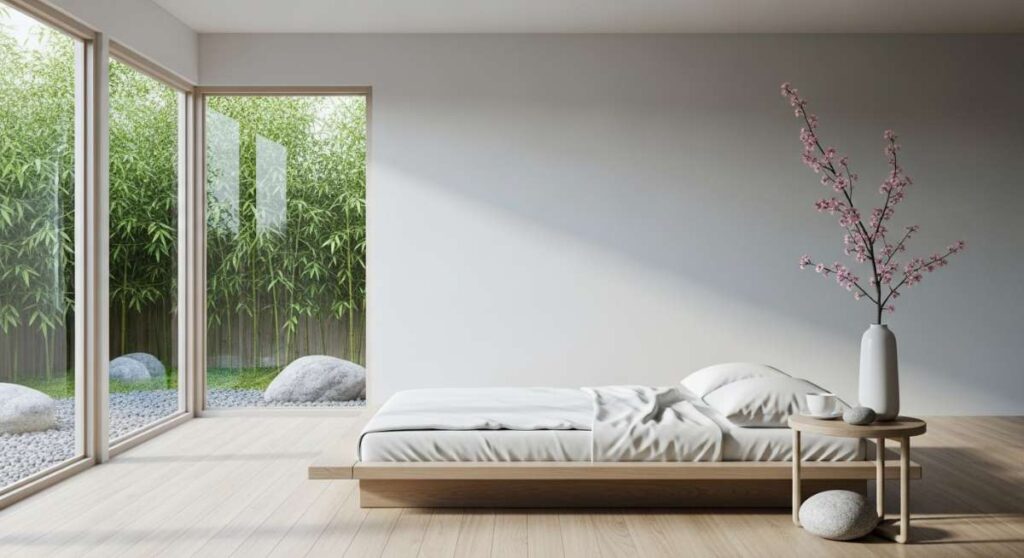
We have all had those days where the world feels a little too loud, a little too fast, and a little too cluttered. You walk through your front door and, instead of feeling a sense of relief, you’re greeted by a mountain of mail, a sea of mismatched pillows, and the visual noise of ‘too much stuff.’ I remember the exact moment I decided to change. I was sitting on my sofa, surrounded by decor I didn’t even like, feeling my heart race for no reason. That’s when I realized: our homes should be the place where our souls exhale.
Creating a minimalist sanctuary isn’t about living in a cold, empty white box. It’s about intentionality. It’s about choosing pieces that whisper rather than scream, and creating a flow that invites peace into your daily rhythm. Today, I’m sharing how we can transform our lived-in spaces into high-end, cozy retreats that prioritize mental clarity and tactile comfort.
How to Master Small Living Room Ideas for an Apartment Cozy Aesthetic

Why we love this
There is a specific kind of magic in a perfectly curated small apartment living room. We love this approach because it challenges us to find the beauty in the compact, turning a limited footprint into a snug embrace. Imagine the scent of a soft soy candle wafting through a room where every inch is purposeful. The texture of a light oak coffee table against a cream-colored rug creates a visual softness that makes the walls feel like they’re expanding, offering a breath of fresh air every time you step inside.
Essential Elements:
- Multi-functional nesting tables in light wood tones.
- Sheer linen curtains to maximize natural light.
- Low-profile modular sofa in a neutral weave.
- A large, frameless mirror to create the illusion of depth.
- Single, oversized leafy plant like a Bird of Paradise.
How to make it
- Start by clearing the floor plan entirely to visualize the ‘base’ heat of the room; small spaces require a ‘low and slow’ approach to furniture placement.
- Select a focal point—usually the window—and ‘garnish’ the area with sheer treatments that allow light to simmer into the corners.
- Introduce your largest piece, the sofa, ensuring it has ‘legs’ to show more floor space, which acts as a visual palette cleanser.
- Layer in textures using the ‘rule of three’: one soft knit, one smooth wood, and one matte ceramic to balance the sensory input.
- Adjust the ‘lighting temperature’ by replacing harsh overheads with warm-toned bulbs (2700K) placed at eye level to eliminate shadows.
How to Curate a Cozy Minimalist Living Room for Ultimate Warmth

Why we love this
This style is the ultimate antidote to the ‘sterile’ minimalist myth. It’s about the warmth of a sun-drenched nook and the tactile joy of running your hands over a chunky wool throw. We love it because it feels human and lived-in, yet incredibly tidy. The aroma of fresh cedarwood and the sight of soft, organic shapes create an environment where you can finally let your guard down, feeling wrapped in a cocoon of intentional softness and amber-hued light.
Essential Elements:
- Heavyweight boucle or wool throw blankets.
- Warm-toned ambient lighting (floor lamps with fabric shades).
- Natural wood accents (walnut or oak).
- Potted dried botanicals like eucalyptus or pampas grass.
- Soft-edged furniture without sharp corners.
How to make it
- Prepare the ‘base’ by choosing a rug with a high pile or soft weave to insulate the room both thermally and acoustically.
- ‘Sauté’ your seating arrangement by pulling furniture away from the walls toward the center of the room to create an intimate conversation ‘reduction.’
- Introduce ‘warmth’ through color theory; choose ‘spices’ like terracotta, sand, or oatmeal for your textiles.
- Cure the atmosphere by layering light sources; use a dimmable floor lamp as your primary ‘heat’ and candles as the ‘finishing salt.’
- Finalize the prep by decluttering surfaces until only objects that provide a ‘glow’ of happiness remain.
How to Select Minimalist Room Decor for a Serene Sanctuary
Why we love this
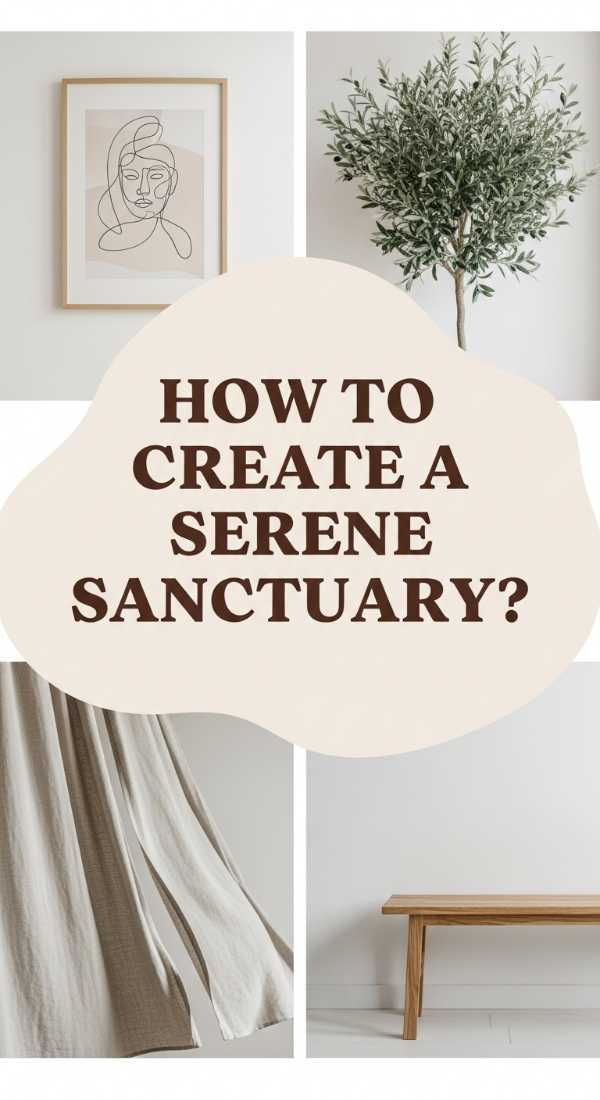
Selecting decor for a sanctuary is like choosing ingredients for a Michelin-star dish; every single component must be of the highest quality. We love this because it turns ‘stuff’ into ‘art.’ There is a profound sense of peace found in a room where a single, hand-thrown ceramic vase sits on a mantle, holding a solitary branch. It creates a visual ‘silence’ that allows your mind to rest, focusing on the curve of the clay and the texture of the stone rather than a chaotic jumble of knick-knacks.
Essential Elements:
- Handmade ceramic vessels with matte finishes.
- Single-line art or abstract prints in thin black frames.
- Sculptural candles in geometric shapes.
- Trays made of natural stone or marble.
- Textured wall hangings in monochromatic tones.
How to make it
- Audit your current decor and ‘strain’ out anything that doesn’t serve a functional or deeply aesthetic purpose.
- Group remaining items in ‘clusters’ using odd numbers (3 or 5), ensuring there is plenty of ‘negative space’ surrounding them to let them breathe.
- Choose a ‘signature scent’ for the room, like sandalwood or bergamot, to act as the invisible layer of decor.
- Incorporate ‘living decor’ by adding a single branch of olive or eucalyptus to a tall vase; this adds a ‘fresh’ note without cluttering the visual field.
- Check the ‘doneness’ of the room by standing in the doorway; if your eye moves smoothly without getting ‘stuck’ on a mess, the sanctuary is ready.
How to Design a Minimalist Home for Daily Inner Peace
Why we love this
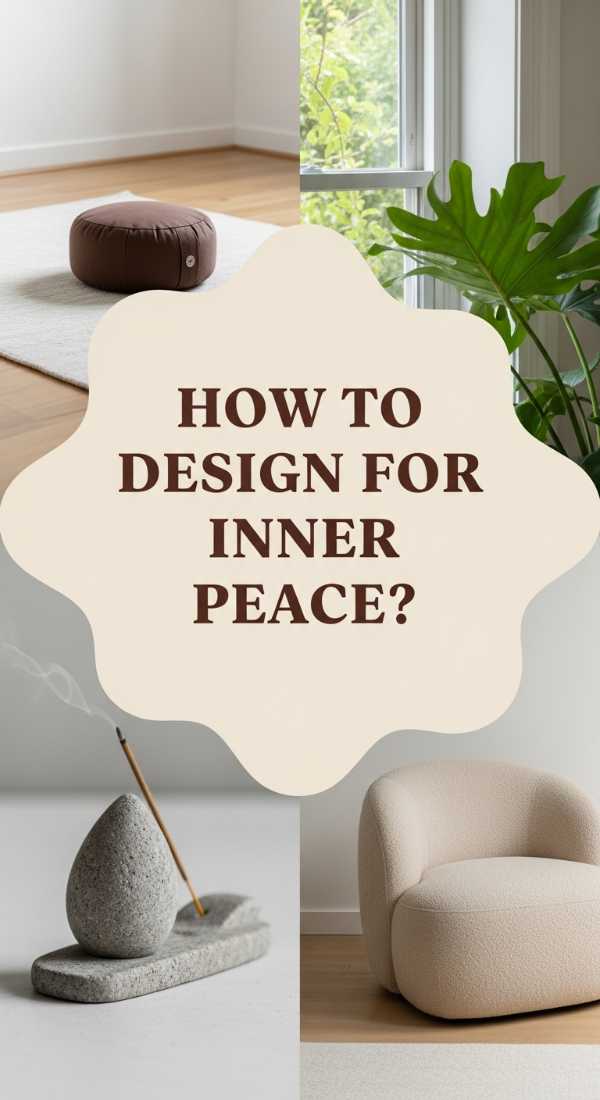
Designing for inner peace is about more than just aesthetics; it’s about the ‘flow’ of energy through your home. We love this philosophy because it prioritizes the way you move through your morning and evening rituals. Imagine a hallway that is completely clear, leading you toward a sunlit kitchen where every tool has a hidden home. The feeling of smooth wooden floors under bare feet and the lack of visual ‘static’ allows your brain to enter a flow state effortlessly, turning chores into meditations.
Essential Elements:
- Hidden storage solutions (built-ins or storage ottomans).
- Consistent flooring throughout the entire home.
- A dedicated ‘tech-free’ zone or meditation corner.
- Natural materials like bamboo, cork, and linen.
- Soft, diffused window treatments.
- Establish a ‘zoning’ plan to separate high-energy areas (kitchen) from low-energy ‘cooling’ areas (bedroom/den).
- Implement ‘closed’ storage to hide the ‘visual noise’ of daily life; use baskets or cabinetry to simmer down the clutter.
- Create a ‘transition’ at the entryway—a place to ‘whisk’ away the outside world (shoes, keys, mail) immediately.
- Align furniture to follow the natural ‘path of least resistance,’ ensuring wide walkways that prevent physical ‘friction.’
- Infuse the space with natural light as the primary ‘ingredient,’ using mirrors to reflect it into darker, ‘raw’ corners of the home.
- An oversized, deep-seated sofa with feather-filled cushions.
- A monochromatic color palette (whites, creams, and greys).
- Low-level coffee table in a natural finish.
- Soft, dimmable floor lamps.
- Minimalist shelving with only a few select books.
- Choose a ‘hero’ piece of furniture that anchors the room—this is your ‘protein’—and build everything else around it.
- Strip back the color palette to ‘base’ tones only; if a color feels too ‘spicy’ or loud, remove it to maintain the relaxation profile.
- ‘Marinate’ the room in soft textures by layering a rug over another rug (e.g., jute under wool) for extra ‘body.’
- Introduce ‘sound dampening’ elements like heavy drapes or acoustic art to ensure the room sounds as quiet as it looks.
- Adjust the ‘visual heat’ by ensuring no cords or electronics are visible; tuck them away to keep the relaxation ‘pure.’
- Uniform storage containers (glass jars, woven baskets).
- A ‘one-in, one-out’ rule for decor and books.
- Clear surfaces (the ‘flat surface’ rule).
- Minimal wall art—only pieces that truly resonate.
- Integrated cable management systems.
- Perform a ‘deep clean’ of every shelf and drawer, discarding the ‘scraps’ that no longer serve your vision.
- ‘Deglaze’ your walls by removing excess pictures, leaving only one or two ‘statement’ pieces to provide visual focus.
- Organize by ‘frequency of use’; items used daily should be ‘at the front of the fridge,’ while occasional items are tucked away.
- Use ‘clearance’ as a design tool—ensure there is at least 20% empty space on every shelf to avoid ‘overcrowding the pan.’
- Review the room weekly to ‘skim’ off any new clutter that has accumulated, keeping the ‘broth’ of your home crystal clear.
- Weighted blankets in neutral tones.
- Table lamps with warm, amber bulbs.
- A tray for tea or coffee on the ottoman.
- Scented candles with notes of rain, earth, or vanilla.
- Comfortable floor pillows for a ‘low-to-earth’ feel.
- ‘Preheat’ the room by closing the blinds halfway to create a moody, intimate atmosphere.
- Layer your ‘base’ with extra-soft textiles; use a ‘folding technique’ to drape blankets over the sofa rather than just tossing them.
- Prepare a ‘nook’ specifically for reading or resting, ensuring it has its own dedicated light source and a side table.
- Infuse the room with ‘steam’ (metaphorically) via a diffuser using essential oils like lavender or frankincense to ground the senses.
- Keep the ‘ingredients’ simple: one book, one mug, one blanket. Anything else is a ‘distraction’ from the rainy day vibe.
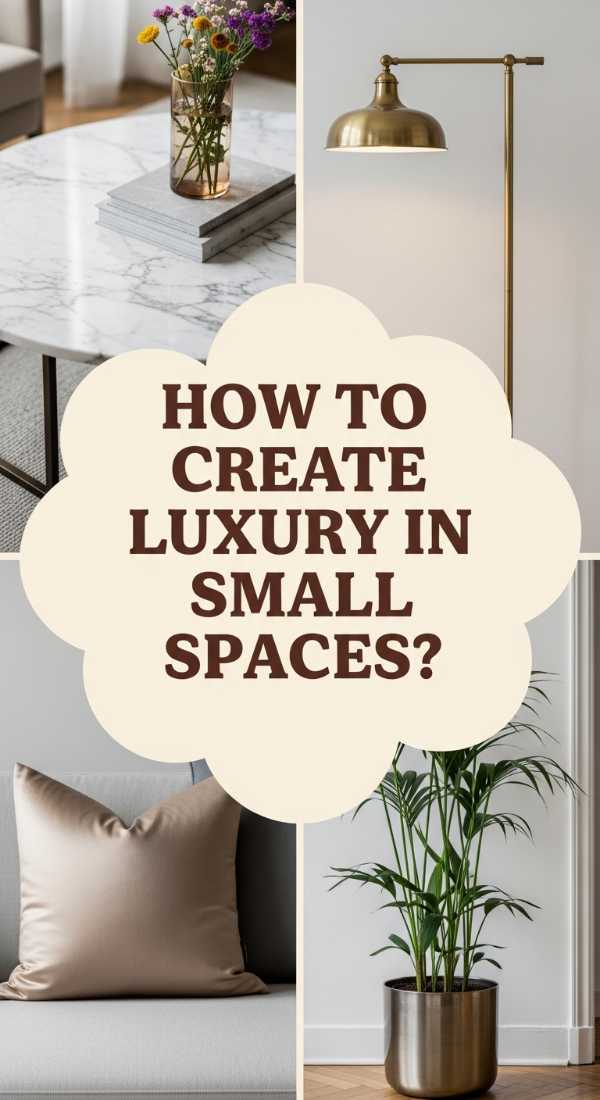
- High-quality materials (brass, marble, velvet, silk).
- Statement lighting (a designer pendant or floor lamp).
- A curated collection of coffee table books.
- Oversized art that fills a wall without cluttering it.
- Fresh white flowers in a crystal vase.
- Swap out ‘basic’ hardware (knobs, pulls) for ‘premium’ versions in brushed gold or matte black to ‘season’ the room with luxury.
- Introduce a ‘rich’ texture like a silk-blend rug to add a subtle ‘sheen’ to the floor, reflecting light like a well-made sauce.
- Invest in one ‘star’ designer piece that acts as the ‘main course’ of the room’s visual identity.
- ‘Plate’ your decor carefully: use a marble tray to corral small items, giving them a sense of importance and order.
- Ensure every item is ‘polished’—from the glass surfaces to the fluff of the pillows—to maintain a ‘high-heat’ luxury finish.
- Ergonomic furniture with aesthetic appeal.
- High-thread-count linens and natural fibers.
- Dimmable, architectural lighting.
- Custom or semi-custom window treatments.
- A neutral but ‘rich’ color palette (champagne, taupe, charcoal).
- ‘Whisk’ away any furniture that is uncomfortable or ‘cheap’ feeling; high-end comfort requires a solid foundation of quality.
- Layer in ‘softness’ using feather-wrapped foam cushions, which provide both ‘structure’ and ‘give’—the perfect texture for lounging.
- Upgrade your ‘lighting recipe’ by adding smart bulbs that automatically warm up as the sun sets, mirroring natural circadian rhythms.
- Focus on ‘edges’—ensure all textiles are neatly hemmed and all furniture is dust-free to provide a ‘clean bite’ of visual design.
- Finish with a ‘garnish’ of high-quality fragrance, like a luxury room spray or a high-end reed diffuser.
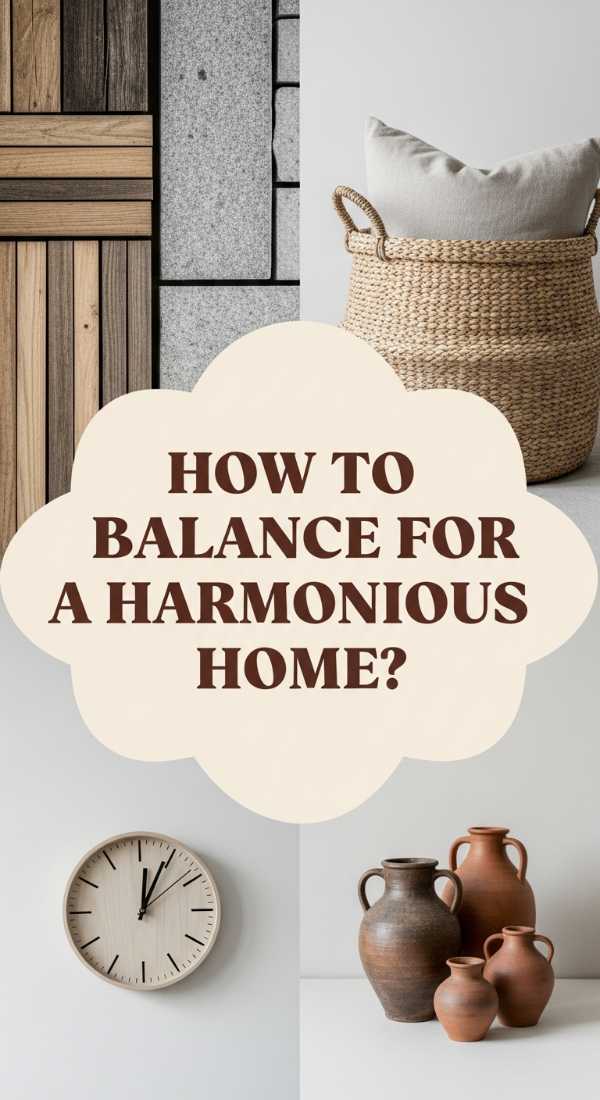
- A mix of hard and soft textures (stone vs. wool).
- A balanced color palette of warm and cool neutrals.
- Symmetrical or balanced furniture layouts.
- Natural elements (plants, stone, wood).
- Ample negative space to ‘air out’ the design.
- Create a ‘ratio’ of 70% minimalist structure (clean lines, clear surfaces) and 30% cozy elements (softness, life, warmth).
- Balance ‘cool’ materials like glass or metal with ‘warm’ materials like wood or fabric to keep the room’s ‘temperature’ neutral.
- Use ‘visual weight’ to balance the room; if one side has a heavy sofa, ‘offset’ it with two light chairs or a large plant on the other.
- ‘Simmer’ your decor over time—don’t buy everything at once. Let the room ‘develop its flavors’ as you find pieces that truly fit.
- Taste-test the space by sitting in every chair and viewing the room from every angle, adjusting until the ‘harmony’ is felt in your chest.
How to make it
How to Achieve Living Room Decor Minimalist Style for Pure Relaxation

Why we love this
Pure relaxation is found in the absence of demands. We love minimalist living room decor because it makes no demands on your attention. The sight of a soft, oversized linen sofa in a pale ‘clotted cream’ shade, paired with the gentle flicker of a fireplace, creates an immediate drop in cortisol. The textures are the star here—the rough grain of a reclaimed wood stool against the silkiness of a bamboo-silk rug provides a grounding, sensory experience that helps you reconnect with your body after a long day.
Essential Elements:
How to make it
How to Refine Your Minimalist Room for a Clutter Free Mindset
Why we love this
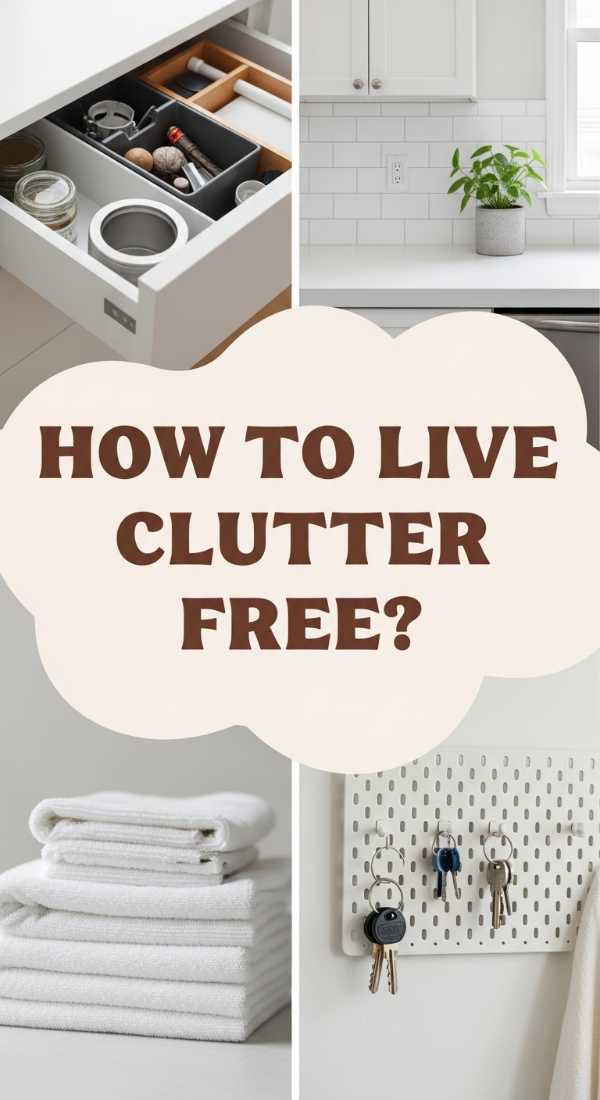
A refined room is a refined mind. We love this because it’s about the ‘edit.’ By refining a room, you are essentially distilling your life down to its most beautiful essence. The air feels lighter in a refined room; the light hits the surfaces more cleanly. There’s a specific joy in knowing exactly where everything is, and seeing only things that represent the person you are becoming, rather than the person you used to be. It’s the ultimate form of self-care through environment.
Essential Elements:
How to make it
How to Style Minimalist Cozy Spaces for Rainy Day Vibes

Why we love this
Rainy days demand a specific kind of environmental support, and a cozy minimalist space is the perfect ‘comfort food’ for the soul. We love the contrast between the grey, drizzly world outside and the bright, warm, intentional space inside. The sound of rain against the glass paired with a chunky knit blanket and the soft glow of a table lamp creates a cinematic level of peace. It’s about ‘hygge’ through a minimalist lens—comfort without the chaos.
Essential Elements:
How to make it
How to Elevate Minimalist Living Room Small Spaces for Luxury Living
Why we love this
Luxury isn’t about how much you have; it’s about the quality of what you keep. We love this approach because it proves that even a studio apartment can feel like a five-star hotel suite. The tactile sensation of a velvet cushion, the weight of a brass lamp base, and the scent of expensive white tea create a ‘high-end’ experience. It’s about ‘quiet luxury’—the kind that doesn’t shout for attention but provides a deep, resonant sense of well-being through superior materials and clean lines.
Essential Elements:
How to make it
How to Transform a Decor Minimalist Space for High End Comfort

Why we love this
High-end comfort is the sweet spot where luxury meets usability. We love this because it’s a space you can actually live in, not just look at. It’s the feeling of a perfectly ergonomic chair that supports your back while looking like a piece of sculpture. It’s the scent of high-quality leather and the sight of perfectly hemmed linen drapes. This transformation focuses on the ‘sensory’ luxury of everyday items, making the mundane act of sitting or sleeping feel like an event.
Essential Elements:
How to make it
How to Balance Cozy Minimalist Elements for a Harmonious Home
Why we love this
Harmony is the ultimate goal of any home. We love the balance of cozy and minimalist elements because it represents the duality of life: the need for order and the need for warmth. A harmonious home feels like a perfectly balanced recipe—not too salty, not too sweet. The sight of a clean, white-walled room softened by the organic curves of a wooden bowl and the warmth of a woven rug creates a ‘visual melody’ that calms the nervous system instantly.
Essential Elements:
How to make it
Conclusion: Finding Your Personal Zen
Transforming your home into a minimalist sanctuary isn’t a weekend project; it’s a lifestyle shift. It’s about choosing peace over clutter, and quality over quantity. As you begin to strip away the excess, you’ll find that you aren’t just cleaning your house—you’re clearing your mind. Your home should be a reflection of the tranquility you want to feel inside. Start small, trust your intuition, and remember that the most beautiful thing in any room is the space you leave for yourself to breathe.