
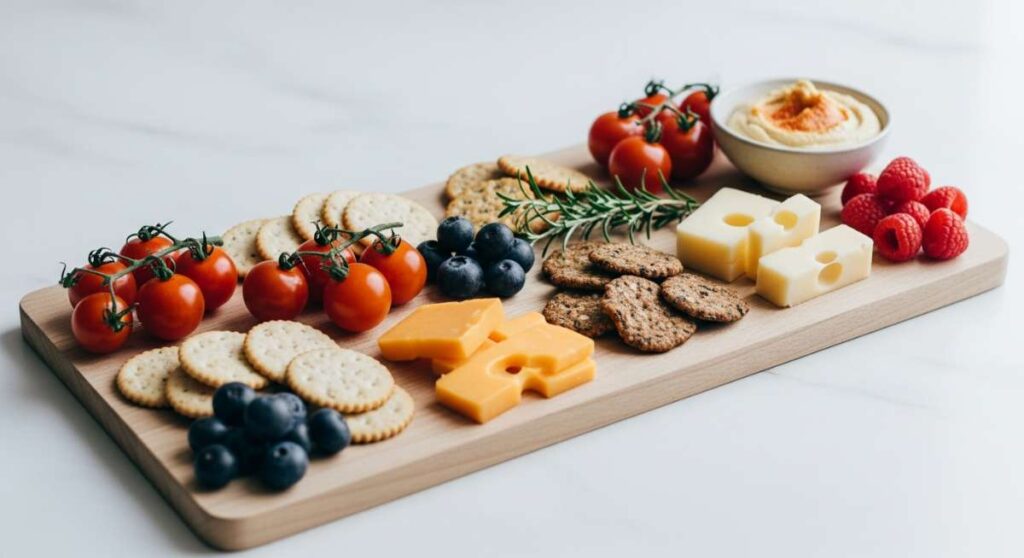
Why This Simple Food Board Went Viral (And How to Recreate It)
I remember sitting on my sun-drenched porch last Sunday, watching the light filter through the trees, when I realized that the best meals aren’t always the most complicated. They are the ones that feel like a collection of memories on a plate. This ‘Simple Food Board’ isn’t just a snack platter; it’s a celebration of seasonal abundance that took the internet by storm because it honors the basics done perfectly, allowing textures and colors to speak for themselves.
The magic of a viral food board lies in the balance between sweet, savory, crunchy, and soft. It’s about creating a visual story that invites people to linger, talk, and taste. Whether you are hosting a backyard gathering or looking for a quiet afternoon treat, these ten elements are the secret ingredients to making your own grazing board an absolute sensation that your followers will be begging to replicate.
How to make hummingbird nectar?

Why we love this
There is something deeply meditative about setting out a dish of homemade nectar and waiting for those iridescent wings to appear. This crystal-clear syrup mimics the sweet bounty of flowers, shimmering in the sunlight and offering a vital energy source for our tiny garden visitors. The aroma is neutral, but the visual of birds darting around a feeder creates a serene, magical atmosphere in any backyard setting. It is the ultimate way to bring nature directly to your table view, feeling both rustic and intentionally kind.
Ingredients
- 1 cup granulated white sugar
- 4 cups water
How to make it
- In a medium saucepan, combine the sugar and water over medium-high heat. Stir constantly to ensure the sugar doesn’t settle and burn at the bottom.
- Bring the mixture to a low boil. Once it reaches a boil, continue stirring for about 2 minutes until the sugar is completely dissolved and the liquid is perfectly transparent.
- Remove the pan from the heat immediately. Over-boiling will change the water-to-sugar ratio, which can be harmful to the birds’ digestion.
- Allow the nectar to cool completely to room temperature before pouring it into your feeder. Never add red food coloring, as it can be toxic; the red on the feeder itself is enough to attract them.
- Store any leftover nectar in a clean, airtight glass jar in the refrigerator for up to one week.
How to make strawberry pie?
Why we love this
A fresh strawberry pie is the crown jewel of any summer board, boasting a vibrant, glossy red sheen that looks like liquid rubies. When you slice into it, the scent of macerated berries and buttery crust fills the air, promising a texture that is both crisp and delightfully jammy. Each bite is a burst of sun-ripened sweetness, balanced by a hint of tartness that lingers on the palate. It’s the kind of dessert that feels like a warm hug from grandmother, yet looks sophisticated enough for a high-end bistro.
Ingredients
- 1 pre-baked 9-inch pie crust
- 6 cups fresh strawberries (hulled)
- 1 cup granulated sugar
- 3 tablespoons cornstarch
- 1/2 cup water
- 1 tablespoon lemon juice
How to make it
- Mash enough strawberries to fill 1 cup. Leave the remaining 5 cups of berries whole or halved for the filling structure.
- In a small saucepan, whisk together the sugar and cornstarch until no lumps remain. Gradually stir in the water and the 1 cup of mashed berries.
- Cook the mixture over medium heat, stirring constantly, until it reaches a simmer. The glaze will begin to thicken and turn from cloudy to a translucent, bright red. This usually takes about 3 to 5 minutes of active simmering.
- Remove from heat and stir in the lemon juice for brightness. Let the glaze cool slightly so it doesn’t wilt the fresh berries.
- Arrange the remaining fresh berries into the pre-baked crust, then pour the warm glaze evenly over the top, ensuring every berry is coated.
- Refrigerate the pie for at least 3 to 4 hours until the glaze is fully set and firm before slicing with a sharp, wet knife.
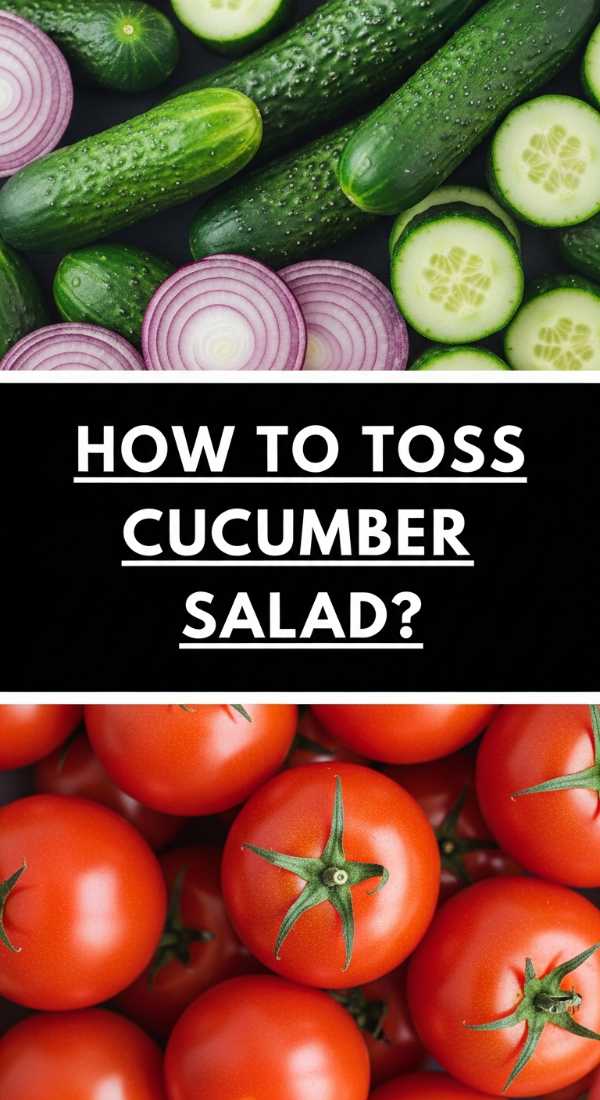
How to toss cucumber salad?

Why we love this
This salad is the ultimate palate cleanser on a food board, offering a cool, watery crunch that contrasts beautifully with richer items. The aroma of fresh dill mixed with the sharp tang of white vinegar is instantly refreshing, cutting through the heat of a summer afternoon. Its pale green translucent slices look like stained glass when piled high, drizzled with a light dressing that pools at the bottom of the bowl. It is light, crisp, and incredibly hydrating, making it the perfect side for grilled proteins.
Ingredients
- 2 large English cucumbers, thinly sliced
- 1/2 red onion, sliced into paper-thin half-moons
- 1/3 cup white vinegar
- 1 tablespoon sugar
- 1 teaspoon salt
- 2 tablespoons fresh dill, chopped
How to make it
- Place the sliced cucumbers and red onions in a large glass bowl. Using a mandoline for the cucumbers ensures uniform thickness, which allows the dressing to penetrate evenly.
- In a separate small jar, whisk together the vinegar, sugar, and salt until the granules are completely dissolved.
- Pour the dressing over the vegetables and toss thoroughly using tongs or clean hands to ensure every slice is lubricated.
- Sprinkle the fresh dill over the top and toss once more. The dill should be bright green; if it looks dark or wilted, it has been handled too much.
- Cover and refrigerate for at least 30 minutes. This “marinating” time allows the cucumbers to release a bit of their juice, creating a flavorful brine that balances the acidity.
How to bake pound cake?
Why we love this
A perfect pound cake is a marvel of golden-brown crust and a dense, velvety interior that melts on the tongue. The aroma of high-quality butter and vanilla beans wafting from the oven is enough to make anyone stop in their tracks. It has a satisfying weight and a fine-crumb texture that is sturdy enough to be sliced and served on a board without falling apart. It’s a timeless classic that provides a neutral, buttery canvas for fresh fruits and whipped creams, making it the anchor of a sweet grazing spread.
Ingredients
- 1 pound (4 sticks) unsalted butter, room temperature
- 3 cups granulated sugar
- 6 large eggs, room temperature
- 3 cups all-purpose flour
- 1/2 teaspoon salt
- 1 tablespoon vanilla extract
How to make it
- Preheat your oven to 325°F (165°C). Thoroughly grease and flour a 10-inch tube pan or Bundt pan to ensure the cake releases cleanly.
- In a large stand mixer, cream the softened butter and sugar on medium-high speed for at least 5 to 7 minutes. The mixture should become pale, almost white, and very fluffy. This aeration is the only leavening the cake gets.
- Add eggs one at a time, beating well after each addition. Ensure the egg is fully incorporated before adding the next to prevent the batter from curdling.
- Turn the mixer to low and gradually add the flour and salt. Mix just until the white streaks disappear—overmixing at this stage will result in a tough, rubbery cake.
- Stir in the vanilla extract by hand. Pour the thick batter into the prepared pan and smooth the top with a spatula.
- Bake for 75 to 90 minutes. Test for doneness by inserting a long wooden skewer; it should come out clean or with just a few moist crumbs. Cool in the pan for 15 minutes before inverting onto a wire rack.
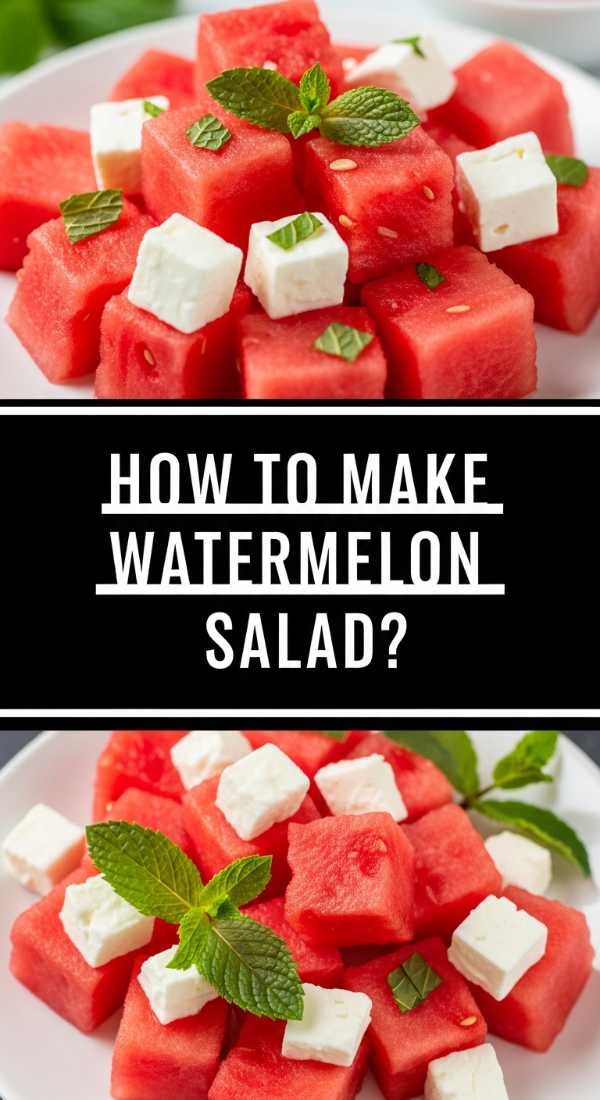
How to make watermelon salad?
Why we love this
Watermelon salad is a masterclass in flavor contrast, combining the icy sweetness of melon with the salty, creamy punch of feta cheese. The visual of bright pink cubes against snow-white cheese and emerald-green mint leaves is absolutely striking on any viral food board. As you eat, the juice from the melon mingles with the lime dressing, creating a vibrant, zesty finish that wakes up the taste buds. It’s the definition of a “refreshing” dish, offering a cooling sensation that is essential for outdoor dining.
Ingredients
- 6 cups seedless watermelon, cubed
- 1 cup feta cheese, crumbled
- 1/4 cup fresh mint leaves, torn
- 2 tablespoons extra-virgin olive oil
- 1 tablespoon lime juice
- A pinch of sea salt
How to make it
- Chill your watermelon thoroughly before cutting. Cold melon holds its shape better and provides a more refreshing mouthfeel.
- Place the watermelon cubes in a wide, shallow bowl rather than a deep one to prevent the bottom layers from getting crushed.
- In a small bowl, whisk together the olive oil and lime juice until emulsified.
- Drizzle the dressing over the watermelon and gently toss with your hands to coat the fruit without breaking the cubes.
- Scatter the crumbled feta and torn mint leaves over the top. Do not over-mix after adding the feta, or the cheese will turn the melon juices cloudy.
- Finish with a light sprinkle of flaky sea salt just before serving to enhance the sweetness of the fruit.
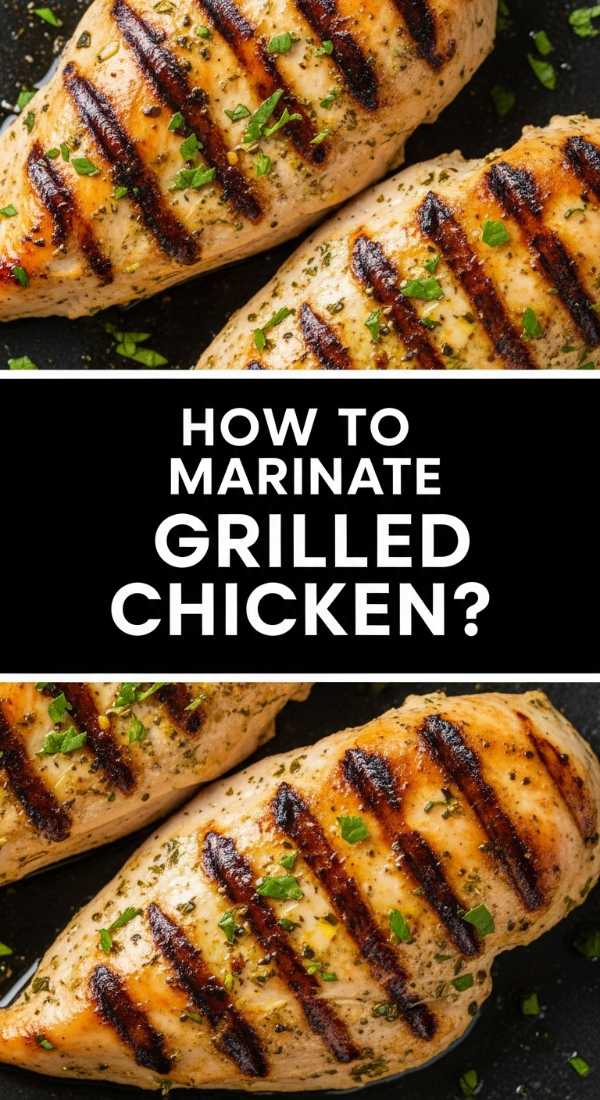
How to marinate grilled chicken?

Why we love this
When chicken is marinated correctly, it transforms into a succulent, charred masterpiece with a depth of flavor that penetrates deep into the meat. The aroma of garlic, lemon, and caramelized proteins over a hot flame is the quintessential scent of a summer cookout. The texture is tender and juicy, with crispy edges that provide a smoky contrast to the bright, acidic marinade. It serves as the hearty, protein-rich center of a food board, pairing perfectly with both salads and bread.
Ingredients
- 1.5 lbs chicken breasts or thighs
- 1/4 cup olive oil
- 3 tablespoons lemon juice
- 3 cloves garlic, minced
- 1 teaspoon dried oregano
- 1/2 teaspoon smoked paprika
- Salt and pepper to taste
How to make it
- Place the chicken between two sheets of plastic wrap and pound it to an even thickness. This ensures the meat cooks at the same rate and prevents the edges from drying out.
- In a gallon-sized resealable bag, combine the olive oil, lemon juice, garlic, oregano, and paprika. Squeeze the bag to mix the ingredients.
- Add the chicken to the bag, seal it, and massage the marinade into the meat. Refrigerate for at least 30 minutes, but no more than 4 hours, as the lemon juice will begin to “cook” the fibers and make them mushy if left too long.
- Preheat your grill to medium-high heat (about 400°F). Lightly oil the grates to prevent sticking.
- Place chicken on the grill. Cook for 5-7 minutes per side. Use a meat thermometer to pull the chicken when it reaches 160°F; the carryover cooking will bring it to the safe 165°F while keeping it moist.
- Let the chicken rest for 5 minutes before slicing it into strips to serve on your board.
How to brew sun tea?

Why we love this
Sun tea is the epitome of slow living, using the gentle heat of the sun to coax a smooth, mellow flavor out of tea leaves. Unlike boiled tea, which can sometimes turn bitter, sun-brewed tea has a soft, rounded profile that feels incredibly natural and clean. Watching the clear water slowly transform into a deep amber hue inside a glass jar is a visual treat that connects you to the rhythm of the day. It’s a nostalgic beverage that tastes like sunshine and serves as a low-caffeine, hydrating centerpiece for any gathering.
Ingredients
- 8 black or green tea bags
- 1 gallon cold filtered water
- Fresh mint or lemon slices for garnish
- Ice cubes
How to make it
- Find a large, very clean glass gallon jar. Avoid plastic, as it can leach flavors when sitting in the heat.
- Fill the jar with cold, filtered water and place the tea bags inside, leaving the strings hanging over the rim for easy removal.
- Secure the lid tightly and place the jar in a spot that receives direct, consistent sunlight (like a porch step or an outdoor table).
- Let the tea steep for 3 to 5 hours. Check the color periodically; it should be a rich, transparent amber. Do not leave it out for more than 4-5 hours to prevent any bacterial growth from the warm water.
- Once brewed, remove the tea bags immediately and stir the tea.
- Pour over large glasses of ice and garnish with fresh mint or lemon. Refrigerate the remaining tea immediately.
How to bake banana bread?
Why we love this
There is no scent more comforting than a loaf of banana bread browning in the oven, filling the house with notes of cinnamon, caramelized sugar, and overripe fruit. The crust is slightly tacky and sweet, while the interior is moist, dense, and studded with the richness of mashed bananas. It’s a rustic addition to a food board that feels intentional and homemade, providing a soft texture that pairs beautifully with a smear of salted butter or a drizzle of honey. It’s the ultimate crowd-pleaser that turns “leftover” fruit into a viral-worthy delicacy.
Ingredients
- 3 very ripe bananas, mashed
- 1/2 cup melted unsalted butter
- 3/4 cup brown sugar
- 1 large egg, beaten
- 1 teaspoon vanilla extract
- 1 teaspoon baking soda
- 1.5 cups all-purpose flour
- 1/2 teaspoon ground cinnamon
How to make it
- Preheat your oven to 350°F (175°C) and grease a 4×8 inch loaf pan with butter or non-stick spray.
- In a large bowl, mash the bananas with a fork until they are mostly smooth with just a few small chunks for texture.
- Stir the melted butter into the mashed bananas until fully combined. Mix in the brown sugar, egg, and vanilla extract. The brown sugar adds a deep molasses note that white sugar lacks.
- Sprinkle the baking soda, cinnamon, and a pinch of salt over the wet mixture and stir well.
- Gently fold in the flour using a spatula. Stop the moment you see no more dry flour streaks; overworking the batter will make the bread tough.
- Pour the batter into the pan and bake for 50 to 60 minutes. The loaf is done when a tester comes out clean and the top has a deep, golden-brown split down the center. Cool completely before slicing for the best texture.
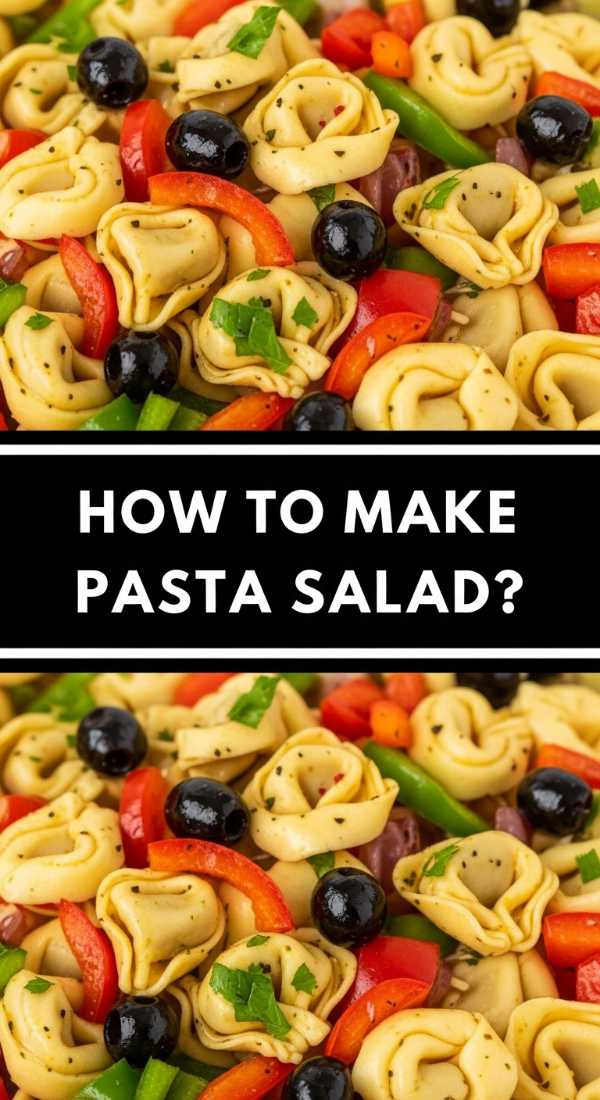
How to make pasta salad?
Why we love this
Pasta salad is the “everything” dish of the board—a colorful medley of chewy noodles, crisp vegetables, and zesty dressing. Each forkful offers a different combination of textures, from the snap of a bell pepper to the silky curve of a rotini noodle. The aroma is herb-forward and bright, usually dominated by oregano and wine vinegar. It’s a robust, filling option that stays fresh for hours, making it the practical hero of any outdoor event or viral food spread where grazing is the main activity.
Ingredients
- 1 lb rotini or fusilli pasta
- 1 cup cherry tomatoes, halved
- 1/2 cup cucumbers, diced
- 1/2 cup kalamata olives, sliced
- 1/4 cup red onion, finely minced
- 1/2 cup Italian vinaigrette
- 1/4 cup grated parmesan cheese
How to make it
- Boil the pasta in heavily salted water. Cook it for exactly 1 minute past the “al dente” stage indicated on the box; pasta firms up as it cools, and this extra minute ensures it stays tender after being refrigerated.
- Drain the pasta and rinse it immediately under cold running water to stop the cooking process and wash away excess starch, which prevents the noodles from sticking together.
- In a massive mixing bowl, combine the cooled pasta with the tomatoes, cucumbers, olives, and onions.
- Pour half of the Italian dressing over the mixture and toss well. Let it sit for 15 minutes to absorb the flavor.
- Just before serving, add the remaining dressing and the parmesan cheese. This “double-dressing” technique ensures the salad isn’t dry, as the pasta naturally soaks up liquid over time.
- Taste and add a final crack of black pepper or a squeeze of lemon if it needs more zing.
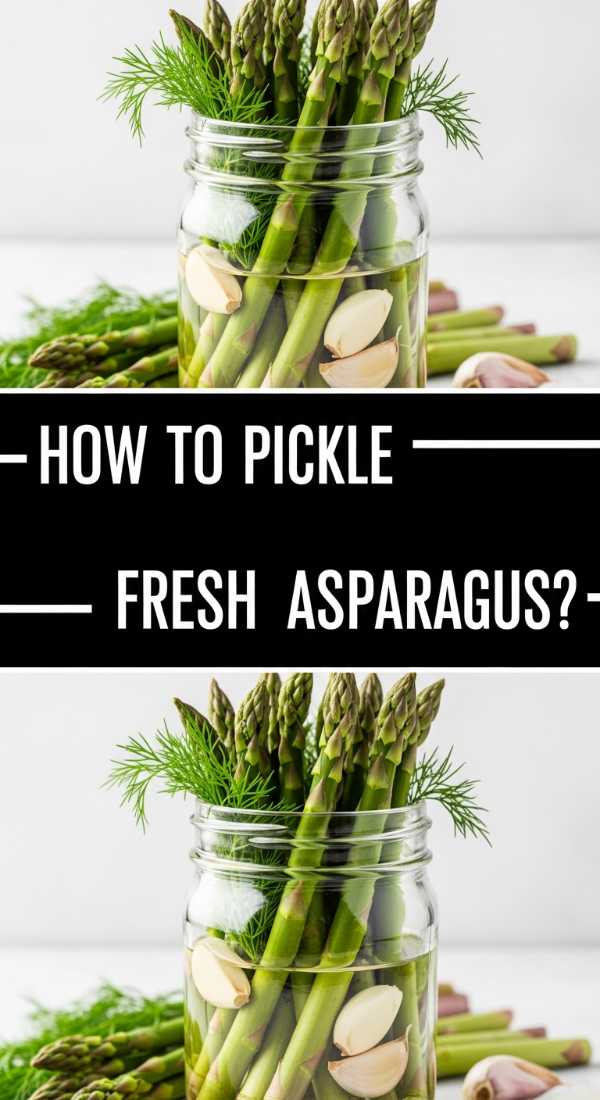
How to pickle fresh asparagus?
[IMAGE_10]
Why we love this
Pickled asparagus is the sophisticated, snappy surprise that elevates a standard board to viral status. These long, elegant spears stand tall in jars, offering a potent vinegary tang and a spicy kick that wakes up the palate between bites of heavier foods. The texture is a satisfying “snap” that gives way to a tender core, while the aroma of garlic and peppercorns provides a savory, mouth-watering backdrop. They are essentially edible garnishes that look stunning when fanned out across a platter.
Ingredients
- 1 lb fresh asparagus, woody ends trimmed
- 1 cup white vinegar
- 1 cup water
- 1 tablespoon kosher salt
- 1 tablespoon sugar
- 2 cloves garlic, smashed
- 1 teaspoon red pepper flakes
- 1 teaspoon peppercorns
How to make it
- Trim the asparagus spears so they are about an inch shorter than your glass pint jars. Blanch them in boiling water for exactly 60 seconds, then immediately plunge them into an ice bath to preserve their bright green color.
- Pack the asparagus spears vertically into the clean jars, squeezing them in tightly so they don’t float. Tuck the garlic cloves and spices into the gaps.
- In a small saucepan, bring the vinegar, water, salt, and sugar to a rolling boil, stirring until the solids are dissolved.
- Carefully pour the hot brine over the asparagus, leaving about half an inch of headspace at the top of the jar.
- Tap the jars on the counter to release any trapped air bubbles, then seal with the lids.
- Let the jars cool to room temperature on the counter before moving them to the refrigerator. For the best flavor, wait at least 24 hours before eating; they will stay crisp and delicious for up to 2 weeks.
The Art of the Simple Board
Creating a viral food board is less about professional culinary skills and more about the love you put into the presentation. By combining these ten elements—from the sweet nectar that brings nature to your window to the zesty snap of pickled asparagus—you create a multisensory experience that people can’t help but share. Remember, the best boards are messy, abundant, and meant to be enjoyed with friends. So grab your biggest platter, start prepping these recipes, and watch your table become the center of the conversation.
Frequently Asked Questions
What is the best board to use for a large spread?
A large wooden butcher block or a marble slab is ideal. Wood offers a rustic, warm feel, while marble keeps items like cheese and fruits slightly cooler.
How long can a food board sit out?
For food safety, most boards should not sit out for more than 2 hours. If you are outdoors in the heat, aim for 1 hour and keep items like the watermelon salad in bowls nestled in ice.
Can I make these components in advance?
Absolutely! The pickled asparagus, pasta salad, and pound cake actually taste better when made a day ahead, allowing flavors to meld and textures to set.