
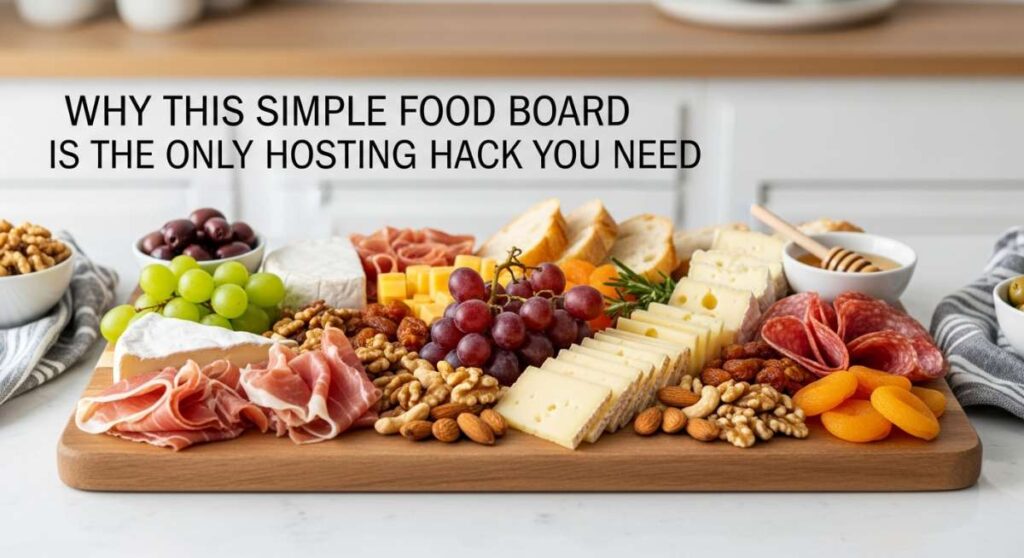
There is a certain kind of magic that happens when you set down a giant, overflowing board in the center of a crowded table. You know that sound—the collective gasp of delight, the immediate reach for phones to snap a photo, and then the comfortable, rhythmic clinking of forks and glasses. For years, I tried to master the art of the multi-course dinner party, only to end up exhausted in the kitchen while my guests laughed in the next room. I realized that the best memories aren’t made over fancy soufflés, but over shared, simple textures and vibrant colors that invite everyone to dig in together.
This Viral Simple Food Board is my ultimate hosting secret. It’s a tapestry of nature’s most humble offerings—golden dandelions from the yard and sun-ripened mangoes from the market. It’s about celebrating the seasons and the tactile joy of picking up a crispy fried flower or drizzling golden honey over a bowl of bright fruit. This board isn’t just food; it’s a conversation starter, a stress-reliever, and a beautiful way to bring the outdoors inside. Let’s dive into the components that make this board a viral sensation.
How to make dandelion honey?

Why we love this
Dandelion honey is a revelation of the senses, a liquid sunshine that captures the very essence of a spring meadow in a jar. As you simmer the bright yellow petals, the kitchen fills with a delicate, grassy aroma that is surprisingly floral and sweet, reminiscent of a warm afternoon breeze. The texture is thick and viscous, coating the back of a spoon with a translucent amber glow that looks stunning drizzled over fresh goat cheese or warm sourdough bread. It’s a vegan alternative to bee honey that feels deeply artisanal and connected to the earth, offering a unique flavor profile that is both earthy and bright.
Ingredients
- 4 cups fresh dandelion petals (yellow parts only, no green)
- 4 cups water
- 1 lemon, sliced into rounds
- 1 orange, sliced into rounds
- 4 cups granulated sugar
- 1/2 teaspoon vanilla extract
How to make it
- Begin by meticulously separating the yellow dandelion petals from the green bracts; the green parts are bitter and will ruin the delicate flavor of your honey. Aim for 4 packed cups of pure yellow petals.
- Place the cleaned petals in a large heavy-bottomed pot and add 4 cups of water, along with the sliced lemon and orange, which provide the necessary acidity and pectin for the set.
- Bring the mixture to a gentle boil, then immediately reduce the heat to low and let it simmer for about 20 minutes to infuse the water with the floral essence.
- Turn off the heat and let the mixture steep overnight (or at least 6 hours) at room temperature to extract maximum flavor and color from the petals.
- The next morning, strain the liquid through a fine-mesh sieve lined with cheesecloth into a clean pot, squeezing the petals firmly to get every drop of infused liquid.
- Add the granulated sugar to the liquid and bring it to a very low, slow simmer over medium-low heat. Do not let it boil vigorously; you want a slow reduction.
- Simmer for 1 to 2 hours, stirring occasionally. You are looking for a visual cue: the liquid should thicken into a syrup-like consistency and turn a deep golden amber. You can test the set by placing a drop on a cold plate; it should hold its shape.
- Stir in the vanilla extract at the very end, then pour the hot honey into sterilized jars and seal. It will thicken further as it cools.
How to make mango smoothies?

Why we love this
A perfectly blended mango smoothie is like a tropical vacation in a glass, offering a velvety, luscious mouthfeel that feels indulgent yet refreshing. The aroma is instantly energizing, hitting you with notes of sun-drenched fruit and creamy coconut that transport you to a white-sand beach. When you take that first sip, the texture is incredibly smooth—thick enough to hold a straw upright but fluid enough to glide over the palate. The vibrant orange hue is visually stunning on a food board, acting as a bright focal point that promises a burst of Vitamin C and pure, unadulterated joy.
Ingredients
- 2 cups frozen mango chunks
- 1 ripe banana, sliced
- 1 cup unsweetened coconut milk (from a carton)
- 1/2 cup Greek yogurt
- 1 tablespoon lime juice
- 1 teaspoon honey or agave (optional)
How to make it
- Ensure your mango chunks are completely frozen before starting; this is the secret to achieving that thick, soft-serve-like texture without needing to add ice, which can dilute the flavor.
- In a high-speed blender, pour in the coconut milk and lime juice first. Adding liquids to the bottom prevents the blades from getting stuck and ensures a more even emulsion.
- Add the Greek yogurt and the sliced banana. The banana acts as a natural sweetener and provides a creamy backbone to the smoothie.
- Heap the frozen mango chunks on top. Secure the lid tightly and start the blender on its lowest speed setting.
- Gradually increase the speed to high. Use a tamper if your blender has one to push the frozen fruit down into the blades, ensuring every chunk is pulverized into a smooth puree.
- Blend for a full 60 seconds. Look for a vortex to form in the center of the blender; this indicates that the mixture is fully homogenized and aerated.
- Taste for sweetness; if the mangoes weren’t peak-ripened, add a drizzle of honey or agave and pulse for another 5 seconds.
- Pour immediately into chilled glasses to maintain the frosty, thick consistency.
How to brew dandelion tea?

Why we love this
Brewing dandelion tea is a meditative ritual that honors the healing properties of nature, producing a beverage that is as grounding as it is healthful. Whether using the roots for a deep, roasted, coffee-like flavor or the petals for a lighter, floral infusion, the experience is profoundly soothing. The steam rising from the mug carries a faint scent of rain-washed earth and honeyed wildcraft, inviting you to slow down and savor the moment. It’s a beautiful, translucent gold liquid that feels like a detoxifying hug for the body, making it a sophisticated addition to any wellness-focused food board.
Ingredients
- 2 tablespoons dried dandelion root (roasted or raw) OR 1 cup fresh dandelion flowers
- 2 cups filtered water
- 1 cinnamon stick (optional)
- Lemon wedge and honey for serving
How to make it
- If using fresh flowers, ensure they have been rinsed thoroughly in cold water to remove any garden debris or insects. If using roots, ensure they are finely chopped to increase surface area for infusion.
- For root tea (which is more robust), place the roots and a cinnamon stick in a small saucepan with 2 cups of filtered water.
- Bring the water to a boil, then reduce the heat to a simmer. Cover the pot to prevent the beneficial volatile oils from escaping with the steam.
- Simmer the roots for about 10 to 15 minutes. The water will darken significantly as the roots release their minerals and earthy flavor notes.
- If you are making flower tea, simply place the fresh petals in a teapot and pour boiling water over them. Steep for 5 to 7 minutes; any longer and the tea may become slightly bitter.
- Strain the tea through a fine-mesh strainer into your favorite mug or a glass carafe for the board.
- Observe the clarity of the tea; it should be a clear, deep amber or pale yellow depending on the part of the plant used.
- Serve with a slice of lemon to brighten the earthy undertones and a small side of honey for those who prefer a touch of sweetness.
How to blend tropical smoothies?

Why we love this
The tropical smoothie is the ultimate crowd-pleaser, a symphony of exotic flavors like pineapple, passionfruit, and mango that dance across the tongue. It has a complex, multi-layered profile where the tartness of citrus perfectly balances the creamy sweetness of tropical fruits, creating a refreshing acidity that keeps you coming back for more. The texture is airy and light, almost like a whipped mousse, making it feel far more sophisticated than your average morning drink. Displayed on a board in mini glass jars, these smoothies offer a pop of vibrant color and a promise of sunshine, no matter the weather outside.
Ingredients
- 1 cup frozen mango chunks
- 1/2 cup frozen pineapple chunks
- 1/4 cup passionfruit pulp
- 1 cup orange juice (freshly squeezed is best)
- 1/2 cup coconut cream
- A squeeze of fresh lime
How to make it
- Start by prepping your fruit; using frozen mango and pineapple is critical for a frosty texture that won’t separate quickly on a serving board.
- Combine the orange juice and coconut cream in the blender. The coconut cream adds a decadent, fatty richness that carries the tropical flavors beautifully across the palate.
- Add the frozen mango and pineapple chunks to the liquid base.
- Pour in the passionfruit pulp. If using fresh passionfruit, you can choose to include the seeds for a crunchy texture or strain them out for a smoother finish.
- Add a generous squeeze of lime to provide a sharp acidic top note that cuts through the sweetness of the orange and mango.
- Blend on high speed for at least 45 to 60 seconds. You want to ensure the pineapple fibers are completely broken down into a silky liquid.
- The visual cue for perfection is a thick, pale orange mixture that clings to the sides of the blender jar but pours with a smooth, continuous flow.
- Garnish with a tiny mint leaf or a slice of starfruit for that viral, high-end lifestyle aesthetic before serving.
How to fry dandelion flowers?

Why we love this
Fried dandelion flowers are the “garden tempura” you never knew you needed, offering a shocking and delightful contrast of textures. The outer batter is shatteringly crisp and salty, while the flower inside remains tender, releasing a faint, sweet nuttiness when bitten. It’s an interactive snack that feels daring and whimsical, perfect for a viral food board where you want to spark conversation. The aroma of hot oil and toasted batter is irresistible, and when served hot with a sprinkle of flaky sea salt, these golden morsels become the star of the show, proving that weeds can truly be gourmet.
Ingredients
- 20-30 large, freshly picked dandelion flowers
- 1 cup all-purpose flour
- 1/2 cup cornstarch
- 1 teaspoon baking powder
- 1 cup ice-cold sparkling water
- 1/2 teaspoon salt
- Neutral oil for frying (like vegetable or grapeseed)
How to make it
- Harvest your dandelions in the morning when they are fully open. Leave about half an inch of the green stem attached to use as a “handle” for dipping. Wash them gently and pat them completely dry with paper towels; moisture is the enemy of a crisp fry.
- In a medium bowl, whisk together the flour, cornstarch, baking powder, and salt. The cornstarch is the secret ingredient for a lighter, crispier crust.
- Slowly pour the ice-cold sparkling water into the dry ingredients. Whisk gently until just combined; a few small lumps are okay. Using cold, carbonated water creates tiny air bubbles that expand in the heat, making the batter extra airy.
- Heat about 2 inches of oil in a heavy skillet or Dutch oven to exactly 350°F (175°C). Use a candy thermometer to monitor this, as too low heat will result in greasy flowers, and too high will burn the delicate petals.
- Hold a dandelion by the stem, dip it into the batter to coat it thoroughly, and then carefully drop it into the hot oil.
- Fry for about 2 to 3 minutes, turning once, until the batter is a beautiful pale golden brown.
- Remove with a slotted spoon and drain on a wire rack (rather than paper towels) to keep the air circulating and the batter crisp.
- Immediately sprinkle with flaky sea salt while still hot so the salt adheres to the surface.
How to prep mango bowls?

Why we love this
Mango bowls are the epitome of edible art, turning a simple fruit into a stunning, vessel-like centerpiece for your hosting board. There is something deeply satisfying about the tactile experience of scooping perfectly cubed, sunshine-yellow fruit directly from its own skin. The mango’s natural perfume is amplified when sliced fresh, filling the air with a scent that is both floral and intensely fruity. The contrast between the smooth, buttery flesh and the colorful toppings like granola, berries, or mint makes for a textured bite that is as nutritious as it is beautiful. It’s a low-effort, high-impact way to bring a professional chef’s touch to your home gathering.
Ingredients
- 2 large, ripe mangoes (Haden or Kent varieties work well)
- 1/2 cup granola
- Fresh blueberries or raspberries
- Shredded coconut
- Fresh mint leaves
- A drizzle of lime juice
How to make it
- Select mangoes that give slightly to gentle pressure; they should be ripe but firm enough to hold their shape when carved.
- Position the mango upright on a cutting board. Slice off the “cheeks” by cutting vertically about half an inch away from the center pit on both sides.
- Take one mango cheek and, using a small paring knife, score a grid pattern into the flesh. Be careful to cut down to the skin but not through it. Aim for 3/4-inch squares.
- Hold the cheek with both hands and press your thumbs against the skin side to “pop” the mango inside out. The cubes will stand up like a hedgehog, making them easy to pick or scoop.
- Place the inverted mango cheeks on your board. To turn them into “bowls,” you can gently scoop out some of the center cubes to create a small indentation.
- Fill the center of the mango with a tablespoon of crunchy granola and a few fresh berries.
- Sprinkle shredded coconut over the top for a snowy, tropical finish.
- Add a final squeeze of lime juice over the fruit to prevent browning and to enhance the natural sweetness of the mango.
How to cook dandelion greens?
Why we love this
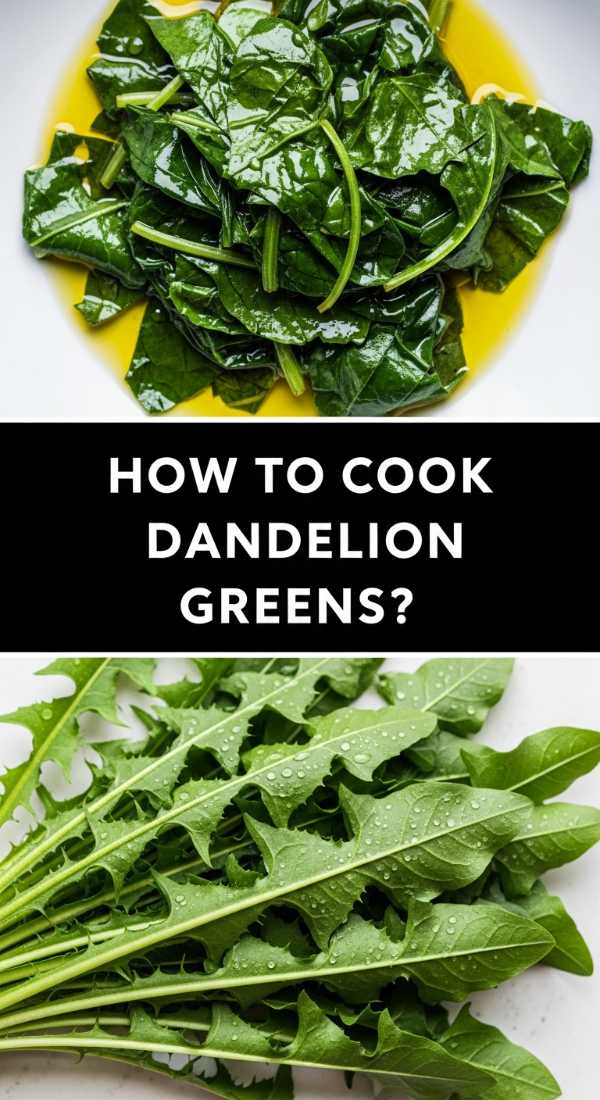
Dandelion greens are the sophisticated, peppery cousin of kale and spinach, bringing a bold, zesty flavor profile to your food board. When cooked correctly, their initial bitterness mellows into a savory, complex green that pairs exquisitely with rich fats like olive oil or bacon. The texture is tender yet holds a slight bite, providing a much-needed savory anchor to a board that might otherwise be very sweet. The deep, forest-green color adds visual depth to your spread, and the aroma of sautéed garlic and greens is a classic kitchen scent that signals a wholesome, home-cooked meal is being shared.
Ingredients
- 1 large bunch fresh dandelion greens
- 2 tablespoons extra-virgin olive oil
- 3 cloves garlic, thinly sliced
- 1/4 teaspoon red pepper flakes
- Salt and black pepper to taste
- 1/2 lemon (for juice)
How to make it
- Thoroughly wash the dandelion greens in cold water to remove any grit. If the greens are particularly large and mature, they can be quite bitter.
- To temper the bitterness, bring a large pot of salted water to a boil. Blanch the greens for exactly 2 minutes. This step is crucial for drawing out the harsh compounds while keeping the leaves vibrant green.
- Immediately plunge the blanched greens into an ice bath to stop the cooking process, then drain and squeeze out as much water as possible. Chop them into 2-inch pieces.
- In a large sauté pan, heat the olive oil over medium heat. Add the sliced garlic and red pepper flakes. Cook for 1-2 minutes until the garlic is golden and fragrant, but be careful not to burn it.
- Add the blanched greens to the pan. Increase the heat to medium-high and toss frequently to coat the leaves in the garlic oil.
- Sauté for 3 to 5 minutes until the greens are tender and have absorbed the flavors of the oil.
- Season generously with salt and pepper. The salt is essential for balancing the remaining bitter notes.
- Just before serving, squeeze the fresh lemon juice over the greens. The acidity brightens the dish and creates a beautiful, glossy finish on the leaves.
How to make creamy smoothies?

Why we love this
A truly creamy smoothie is an exercise in perfect emulsion—a luxurious, satin-like drink that feels more like a melted milkshake than a health drink. This version focuses on achieving a density that is incredibly satisfying to the palate, where the ingredients are so finely integrated that you can’t tell where one ends and the other begins. The subtle creaminess allows flavors like vanilla or mild fruit to shine through without being overpowered by ice. On a food board, these serve as a comforting, smooth counterpoint to crunchy elements, offering a soothing, chilled experience that guests will keep reaching for.
Ingredients
- 1 1/2 cups frozen fruit (like mango or banana)
- 1/2 cup full-fat Greek yogurt or silken tofu
- 1/2 an avocado (the secret to creaminess)
- 1 cup whole milk or creamy oat milk
- 1 teaspoon vanilla bean paste
- 1 tablespoon almond butter
How to make it
- The key to the ultimate creamy texture is the inclusion of healthy fats. Scoop out half an avocado; it adds a buttery mouthfeel without altering the flavor of the fruit.
- Place the liquid (milk) into the blender first. Follow with the Greek yogurt and the almond butter.
- Add the vanilla bean paste. Using paste instead of extract allows those beautiful little vanilla bean specks to be visible in the final drink.
- Top with the frozen fruit. Using frozen fruit is non-negotiable; ice creates a grainy, slushy texture, whereas frozen fruit creates a smooth, thick cream.
- Start the blender on the lowest setting to break down the large chunks of fruit and avocado.
- Slowly ramp up to the highest speed. Blend for at least 60 to 90 seconds. This longer blending time aerates the fats and creates a micro-foam that contributes to the creamy sensation.
- Check the consistency. If it’s too thick to pour, add a tablespoon of milk at a time until it reaches a “heavy cream” consistency.
- Pour into small glass carafes. The smoothie should look glossy and thick, holding a slight peak when the blender stops.
How to make dandelion syrup?

Why we love this
Dandelion syrup is a culinary hidden gem, a bright and floral liquid gold that elevates everything it touches. It has a lighter, more herbaceous flavor than traditional maple syrup, with a honey-like sweetness that is backed by the refreshing essence of a spring garden. The syrup is perfectly clear and takes on a stunning yellow tint that looks gorgeous in a glass bottle on your food board. Whether it’s drizzled over a stack of pancakes, used as a sweetener for iced tea, or shaken into a craft cocktail, this syrup adds a touch of wildcrafted elegance that feels both nostalgic and modern.
Ingredients
- 2 cups dandelion petals (yellow parts only)
- 2 cups water
- 2 cups granulated sugar
- 1 slice of lemon
- Optional: 1 sprig of fresh mint
How to make it
- Similar to the honey process, ensure you are only using the bright yellow petals. Any green will introduce an unwanted bitterness to your syrup.
- In a small saucepan, combine the water, dandelion petals, and the lemon slice. Bring to a boil, then simmer for 15 minutes.
- Remove from heat and let the mixture steep for at least 4 hours. For a deeper flavor, you can leave it overnight in the refrigerator.
- Strain the infusion through a fine-mesh sieve or a coffee filter into a clean saucepan, pressing the petals to extract all the flavored water.
- Add the granulated sugar to the floral water. Heat over medium-high, stirring constantly until the sugar has completely dissolved.
- Once the sugar is dissolved, bring the mixture to a gentle boil and let it cook for about 5 to 8 minutes. You aren’t looking for the thickness of honey here; you want a light, pourable syrup consistency.
- The syrup is done when it lightly coats the back of a spoon but still runs off easily. It will thicken slightly as it cools.
- Pour into a sterilized glass bottle. If stored in the refrigerator, this floral nectar will stay fresh and vibrant for up to 3 weeks.
How to make mango sorbet?

Why we love this
Mango sorbet is the ultimate palate cleanser—a pure, frozen expression of the fruit that is incredibly refreshing and surprisingly decadent. Its texture is smooth and icy in the best way possible, melting instantly on the tongue into a pool of intense mango flavor. Because it’s usually made with very few ingredients, the quality of the fruit really shines, offering a bright, sunshine-colored scoop that looks beautiful served in small glass bowls on a board. It’s naturally dairy-free and fat-free, making it an inclusive dessert option that feels like a light, elegant finish to a gathering.
Ingredients
- 4 cups frozen mango chunks
- 1/4 cup agave nectar or simple syrup
- 2 tablespoons lime juice
- 2-3 tablespoons warm water (only if needed for blending)
How to make it
- For the smoothest sorbet, let your frozen mango chunks sit on the counter for about 5 minutes before blending. This slight softening helps the blender process the fruit without needing too much added liquid.
- Place the frozen mango chunks into a high-powered blender or a food processor. A food processor often works better for sorbet as it has a wider base for the frozen fruit to move around.
- Add the agave nectar and the lime juice. The lime juice is vital here—it prevents the sorbet from being one-dimensionally sweet and adds a necessary zing.
- Pulse the mixture 10 to 15 times to break the chunks into smaller bits.
- Switch to a continuous blend on medium speed. If the motor is struggling, add warm water one tablespoon at a time. Be very careful; too much water will turn your sorbet into a smoothie.
- Continue blending until the mixture is completely smooth and takes on a “soft serve” appearance. You may need to stop and scrape down the sides several times.
- For immediate serving, scoop the soft sorbet directly onto your board. For a firmer, more traditional sorbet texture, transfer the mixture to a shallow container and freeze for 2 to 4 hours.
- Use a warm ice cream scoop to create perfect, round globes of golden sorbet, and garnish with a tiny bit of lime zest for a professional look.
The Magic of the Modern Food Board
As we wrap up this journey through the fields of dandelions and the tropics of mangoes, remember that the most important ingredient in any food board is the spirit of sharing. These recipes are designed to be flexible, colorful, and above all, fun to eat. When you place these elements together—the crunch of the fried flowers, the silkiness of the mango sorbet, and the earthy warmth of the tea—you’re creating more than just a meal; you’re creating an experience. So, gather your friends, clear the table, and let the board do the hosting for you. Your guests will leave full of good food and even better memories.
Frequently Asked Questions
Everything you need to know about making your viral food board a success!