
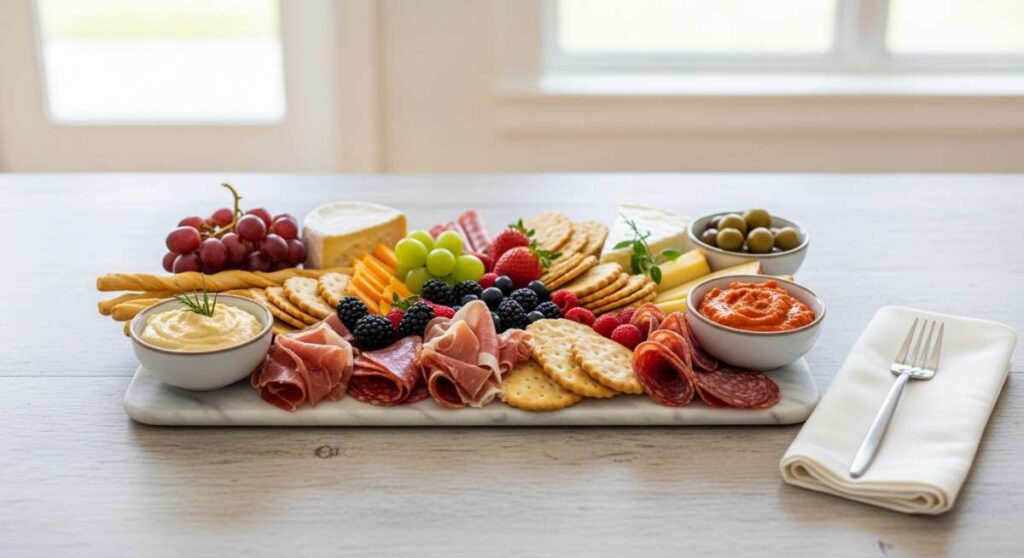
Why This Easy Snack Board is Taking Over My Social Media Feed
There is something inherently magical about the way a well-curated snack board brings people together. I remember the first time I set one out on my reclaimed wood coffee table; the room suddenly felt warmer, the conversation flowed more freely, and for a moment, the digital noise of the world just faded away. It is not just about the food; it is about the intention behind the arrangement—the vibrant colors of fresh produce meeting the rustic textures of artisanal bakes.
Lately, my social media feed has been a non-stop parade of these ‘lifestyle boards’ that blend high-end aesthetics with accessible, home-cooked comfort. Whether it is a lazy Sunday afternoon or a planned spring gathering, these boards represent a return to slow living. We are trading complicated three-course meals for a sprawling landscape of flavors that allow every guest to pick and choose their own adventure. It is the ultimate expression of modern hospitality: effortless, beautiful, and deeply satisfying.
As I have experimented with my own boards, I have found that the secret to a viral-worthy spread is variety. You need the crunch of a fresh salad, the warmth of a simmered soup, and the sweet finish of a delicate cake. Today, I am sharing the ten essential recipes that have transformed my hosting game and turned my living room into the most tagged spot on my friends’ Instagram stories.
How to bake spring cakes?
Why we love this
Nothing says spring quite like a light, airy sponge cake infused with the subtle fragrance of lemon zest and vanilla bean. When you take that first bite, the texture is remarkably soft, almost like a cloud dissolving on your tongue, followed by a bright, citrusy punch that awakens the palate. The aroma that fills your kitchen while these bake is better than any candle—sweet, buttery, and full of the promise of warmer days. It is the perfect centerpiece for a dessert board, looking absolutely stunning when topped with edible pansies or a dusting of powdered sugar.
Ingredients
- 2 cups all-purpose flour
- 1 1/2 cups granulated sugar
- 1/2 cup unsalted butter, softened
- 1 cup whole milk at room temperature
- 3 large eggs
- 2 tsp baking powder
- 1 tbsp fresh lemon zest
- 1 tsp pure vanilla extract
How to make it
- Begin by preheating your oven to 350°F (175°C) and generously greasing a 9-inch round cake pan with butter or non-stick spray, then lining the bottom with parchment paper for a flawless release.
- In a large mixing bowl, cream together the softened butter and granulated sugar using a stand mixer or hand mixer on medium-high speed for at least 3-5 minutes until the mixture is pale, light, and fluffy; this step incorporates air essential for a soft crumb.
- Add the eggs one at a time, beating well after each addition to ensure the emulsion doesn’t break, then stir in the lemon zest and vanilla extract.
- In a separate bowl, sift together the flour and baking powder to remove any lumps and ensure even distribution of the leavening agent.
- Gradually add the dry ingredients to the wet ingredients in three parts, alternating with the milk, starting and ending with the flour; mix only until just combined to avoid overworking the gluten, which can make the cake tough.
- Pour the batter into the prepared pan and smooth the top with a spatula. Bake for 30-35 minutes, or until a wooden skewer inserted into the center comes out clean with just a few moist crumbs attached.
- Allow the cake to cool in the pan for 10 minutes before transferring it to a wire rack to cool completely, ensuring a perfectly set structure before frosting or serving.
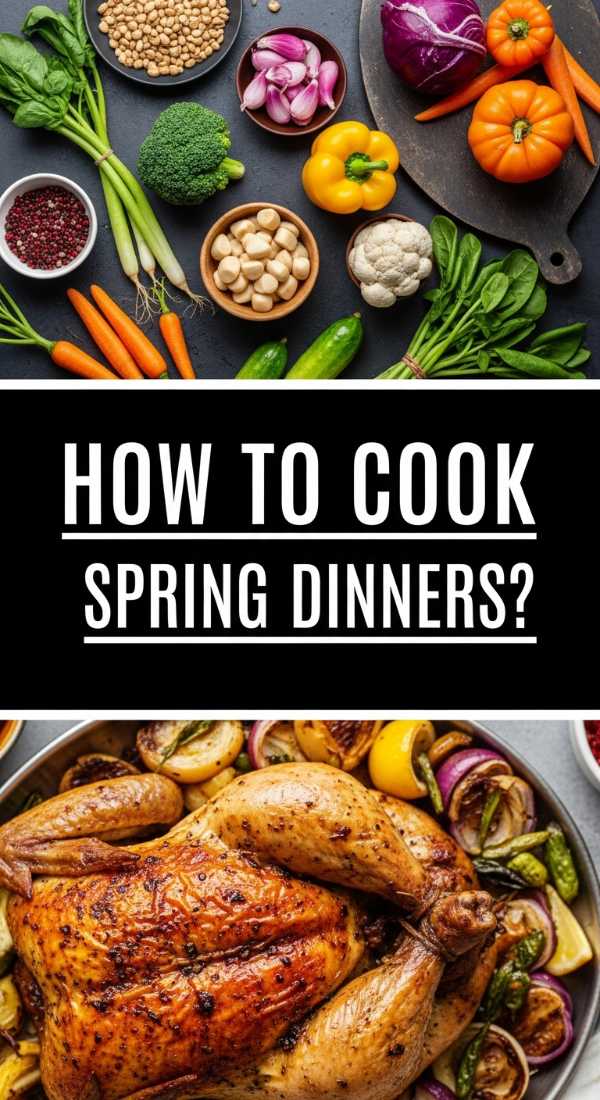
How to cook spring dinners?

Why we love this
Spring dinners are all about celebrating the emergence of fresh greens and tender proteins after a long winter of heavy stews. Imagine a plate filled with succulent roasted chicken thighs accompanied by snap peas that pop with sweetness and asparagus spears that still have a bit of a crisp bite. The flavors are clean and vibrant, highlighted by fresh herbs like tarragon or chives and a light drizzle of olive oil. It feels nourishing and restorative, capturing that unique feeling of the first evening you can leave the windows open while you eat.
Ingredients
- 4 bone-in, skin-on chicken thighs
- 1 bunch fresh asparagus, trimmed
- 1 cup sugar snap peas
- 3 tbsp extra virgin olive oil
- 2 cloves garlic, minced
- 1 tbsp fresh tarragon, chopped
- 1 lemon, sliced into rounds
- Sea salt and cracked black pepper to taste
How to make it
- Position your oven rack in the center and preheat the oven to 425°F (220°C); a high temperature is crucial for achieving crispy chicken skin and perfectly charred vegetables.
- Pat the chicken thighs completely dry with paper towels; removing moisture is the professional secret to getting that golden-brown, crackling skin we all crave.
- In a large sheet pan, toss the asparagus and snap peas with two tablespoons of olive oil, minced garlic, salt, and pepper until every surface is lightly coated.
- Season both sides of the chicken thighs liberally with salt, pepper, and the chopped tarragon, then nestle them among the vegetables on the sheet pan, placing lemon slices on top of each thigh.
- Roast for 25-30 minutes. You are looking for an internal temperature of 165°F (74°C) for the chicken, and the vegetables should be tender-crisp with slightly caramelized edges.
- For an extra crispy finish, turn on the broiler for the last 2 minutes of cooking, watching closely to prevent burning while the skin bubbles and browns.
- Remove from the oven and let the chicken rest for 5 minutes before serving to allow the juices to redistribute throughout the meat for maximum succulency.
How to make rotel dip?

Why we love this
There is a reason this dip is a staple at every gathering—it is the ultimate comfort food that appeals to the inner child in everyone. The texture is incredibly smooth and velvety, with pockets of zesty tomatoes and spicy green chilies that provide a gentle heat. As it sits in a warm bowl on your board, the savory aroma of melted cheese and seasoned meat acts like a magnet for guests. It’s salty, creamy, and possesses that addictive quality that makes it impossible to stop after just one chip, making it the MVP of any social media food spread.
Ingredients
- 1 lb ground breakfast sausage or lean ground beef
- 16 oz processed cheese (like Velveeta), cubed
- 1 can (10 oz) Ro-Tel Diced Tomatoes and Green Chilies, undrained
- 1/2 cup sharp cheddar cheese, shredded
- 1/4 tsp cumin
- Optional: Fresh cilantro and jalapeños for garnish
How to make it
- Place a large skillet over medium-high heat and add your ground meat, breaking it up into small crumbles with a wooden spoon as it browns. Cook until no pink remains and the meat has developed a savory crust.
- Drain the excess grease thoroughly from the skillet; this prevents the dip from becoming oily and ensures a clean, cheesy flavor profile.
- Reduce the heat to low-medium. Add the cubed processed cheese to the skillet along with the entire can of Ro-Tel (do not drain the liquid, as the juices provide essential flavor and thinning).
- Stir constantly with a heat-resistant spatula to prevent the cheese from scorching on the bottom of the pan. The goal is a slow, even melt that results in a silky consistency.
- Once the processed cheese is fully melted, stir in the shredded sharp cheddar and cumin, continuing to stir until the mixture is uniform and bubbling slightly.
- If the dip is too thick, you can add a splash of milk or heavy cream to reach your desired consistency, stirring vigorously to incorporate.
- Transfer the dip immediately to a pre-warmed serving bowl or a small slow cooker set to ‘warm’ to maintain that perfect gooey texture throughout your party.
How to toss summer salads?

Why we love this
A true summer salad is a masterclass in balance, combining the crunch of garden-fresh cucumbers with the juicy sweetness of peak-season peaches or berries. The scent is herbaceous and bright, dominated by torn mint or basil leaves that release their essential oils as they are tossed. It feels incredibly refreshing on a hot afternoon, offering a cooling contrast to grilled meats or spicy dips. When presented on a board, the vibrant reds, greens, and yellows create a visual pop that looks like a piece of edible art, inviting everyone to dig in.
Ingredients
- 4 cups baby arugula or spring mix
- 2 ripe peaches, sliced
- 1/2 cup crumbled feta or goat cheese
- 1/4 cup toasted pecans or walnuts
- 1/2 English cucumber, thinly sliced
- Dressing: 3 tbsp olive oil, 1 tbsp balsamic glaze, 1 tsp honey, salt/pepper
How to make it
- Start by chilling your salad bowl in the refrigerator for 15 minutes before prep; a cold bowl helps keep the delicate greens crisp and prevents wilting during the assembly process.
- In a small jar, whisk together the olive oil, balsamic glaze, honey, salt, and pepper until the dressing is fully emulsified and thickened.
- Place the washed and thoroughly dried arugula in the chilled bowl. Note: Use a salad spinner if possible, as water clinging to the leaves will prevent the dressing from adhering.
- Add the cucumber slices and half of the peach slices to the greens. Drizzle about two-thirds of the dressing over the top.
- Using large salad tongs or your hands (the professional way!), gently toss the salad with a lifting motion to ensure every leaf is lightly coated without crushing the fruit.
- Transfer the tossed greens to your serving platter or board, then artfully arrange the remaining peach slices, crumbled cheese, and toasted nuts on top for a beautiful presentation.
- Finish with a final light drizzle of the remaining dressing and a crack of fresh black pepper just seconds before serving to maintain the peak texture of the greens.
How to prep crockpot meals?

Why we love this
There is a unique kind of soul-deep satisfaction that comes from walking into a house that smells like a slow-cooked masterpiece. Crockpot meals, like a tender pot roast or pulled pork, offer a depth of flavor that can only be achieved through hours of gentle simmering. The meat becomes so soft it yields at the mere suggestion of a fork, bathed in a rich, concentrated gravy that tastes like home. It is the ultimate ‘set it and forget it’ luxury, allowing you to spend your day focusing on other board elements while the slow cooker does the heavy lifting.
Ingredients
- 3 lb chuck roast or pork shoulder
- 1 large onion, quartered
- 3 carrots, cut into large chunks
- 1 cup beef or vegetable broth
- 2 tbsp tomato paste
- 3 cloves garlic, smashed
- 2 sprigs fresh rosemary
- Salt and pepper for seasoning
How to make it
- Before the meat ever touches the slow cooker, sear it. Heat a heavy skillet over high heat with a tablespoon of oil and brown the meat for 3-4 minutes on all sides until a deep, dark crust forms; this Maillard reaction is vital for deep flavor.
- Place the quartered onions, carrots, and smashed garlic at the bottom of the slow cooker liner to create a ‘rack’ for the meat to sit on, which prevents the bottom from boiling and allows for better heat circulation.
- In a small bowl, whisk the tomato paste into the broth until smooth and pour it over the vegetables.
- Place the seared meat on top of the vegetables and nestle the rosemary sprigs into the liquid. Season the top of the meat generously with salt and pepper.
- Cover with the lid and set the temperature to ‘Low’ for 8-10 hours. While ‘High’ is an option (4-5 hours), the ‘Low’ setting allows the connective tissues to break down slowly, resulting in a much more tender texture.
- Resist the urge to open the lid during the first 6 hours; each time you peek, you release a significant amount of heat and steam, which can add 20-30 minutes to the cooking time.
- Once finished, remove the meat to a shredding board and let it rest for 10 minutes before pulling it apart. Strain the remaining liquid into a saucepan and simmer it on the stove to reduce it into a thick, glossy jus.
How to use sourdough discard?

Why we love this
Sourdough discard is the secret ingredient you didn’t know you needed for adding a sophisticated, tangy depth to your snacks. When baked into crackers or flatbreads, it produces a distinct sourdough ‘twang’ that pairs perfectly with creamy cheeses and honey. The texture is delightfully crisp and shards apart beautifully, providing that essential crunch factor for your snack board. It turns what would be waste into a gourmet highlight, making your board feel sustainable, artisanal, and incredibly thoughtful for your guests.
Ingredients
- 1 cup sourdough discard (unfed)
- 1/2 cup all-purpose flour
- 2 tbsp melted butter or olive oil
- 1/2 tsp sea salt
- 1 tsp dried herbs (like rosemary or thyme)
- Flaky salt for topping
How to make it
- Preheat your oven to 325°F (165°C) and prepare two large baking sheets by lining them with parchment paper or silicone baking mats.
- In a medium mixing bowl, combine the sourdough discard, flour, melted butter, sea salt, and dried herbs. Stir with a spatula until a cohesive, slightly tacky dough forms.
- Divide the dough in half. Place one half on a piece of parchment paper and use a rolling pin to roll it out as thin as possible—ideally about 1/16th of an inch. The thinner the dough, the crispier the final cracker.
- Transfer the parchment with the rolled dough onto your baking sheet. Repeat the process with the second half of the dough.
- Lightly brush the surface of the dough with a tiny bit of water or olive oil and sprinkle with flaky sea salt or sesame seeds for extra texture.
- Bake for 10 minutes, then remove from the oven and use a pizza cutter or sharp knife to score the dough into squares or diamonds. Return to the oven for another 15-20 minutes.
- Watch the edges closely; you want the crackers to be golden brown and firm to the touch. Let them cool completely on the pan to reach their maximum crunch before breaking them along the score lines.
How to cook dirty spaghetti?

Why we love this
Dirty spaghetti is a bold, flavor-forward twist on a classic that brings a bit of Southern soul to your snack spread. The ‘dirty’ comes from a rich base of finely minced chicken livers or ground pork and beef, seasoned with the ‘holy trinity’ of bell peppers, onions, and celery. The aroma is deeply savory and complex, with hints of cayenne and smoked paprika that linger on the tongue. Each strand of pasta is coated in a dark, umami-rich sauce that feels incredibly indulgent and rustic, making it a conversation starter on any board.
Ingredients
- 1 lb spaghetti noodles
- 1/2 lb ground beef and 1/2 lb ground pork
- 1 small onion, finely diced
- 1 green bell pepper, finely diced
- 2 stalks celery, finely diced
- 2 cloves garlic, minced
- 1 tbsp Cajun seasoning
- 1/4 cup beef broth
How to make it
- Bring a large pot of heavily salted water to a rolling boil. Cook the spaghetti until it is slightly firmer than al dente; it will finish cooking in the sauce later, and you want it to retain some ‘tooth.’
- In a large Dutch oven or deep skillet, brown the ground beef and pork over medium-high heat until fully cooked. Do not drain the fat yet, as it carries the flavor for the vegetables.
- Add the finely diced onion, bell pepper, and celery (the holy trinity) to the meat. Sauté for 6-8 minutes until the vegetables are soft and translucent, absorbing the savory fats from the meat.
- Stir in the minced garlic and Cajun seasoning, cooking for just 60 seconds until fragrant to ensure the garlic doesn’t turn bitter.
- Pour in the beef broth and use a wooden spoon to scrape the bottom of the pan, releasing all the browned bits (the fond) which contain the most intense flavor.
- Lower the heat and simmer the meat mixture for 10 minutes until the liquid has reduced and thickened into a chunky, dark sauce.
- Add the cooked spaghetti directly into the sauce along with 1/2 cup of reserved pasta water. Toss vigorously for 2 minutes over medium heat until the sauce clings to every noodle and the texture is glossy and rich.
How to simmer spring soup?
Why we love this
Spring soup is like a garden in a bowl, featuring a silky, vibrant green base that looks stunning when served in small espresso cups on a snack board. The scent is dominated by fresh mint, peas, and leeks, offering a clean and restorative experience. It has a velvet-like consistency that feels light yet satisfying, perfect for dipping crusty bread or sourdough crackers. It’s a sophisticated addition that balances out the heavier, saltier elements of a board with its bright acidity and herbal notes.
Ingredients
- 2 cups frozen or fresh peas
- 2 large leeks, white and light green parts only, sliced
- 4 cups vegetable broth
- 1/4 cup fresh mint leaves
- 1 tbsp lemon juice
- 2 tbsp butter
- Salt and white pepper to taste
- Optional: Crème fraîche for garnish
How to make it
- Melt the butter in a large pot over medium heat. Add the sliced leeks and a pinch of salt, cooking slowly for 8-10 minutes until they are buttery and soft, but not browned.
- Pour in the vegetable broth and bring the mixture to a gentle simmer. Avoid a rolling boil, which can dull the bright green color of the vegetables.
- Add the peas to the simmering broth and cook for only 3-5 minutes. You want them to be tender but still vibrantly green; overcooking will turn them a muddy olive color.
- Remove the pot from the heat and stir in the fresh mint leaves and lemon juice. The residual heat is enough to wilt the mint and release its flavor without losing its freshness.
- Use an immersion blender (or transfer in batches to a standard blender) and process until the soup is completely smooth and silky. If using a standard blender, start on low speed to avoid steam pressure buildup.
- Taste and adjust the seasoning with salt and white pepper. White pepper is preferred here to keep the appearance clean and fleck-free.
- If the soup is too thick, stir in a little more broth or a splash of heavy cream. Serve warm or chilled, garnished with a swirl of crème fraîche and a tiny mint leaf.
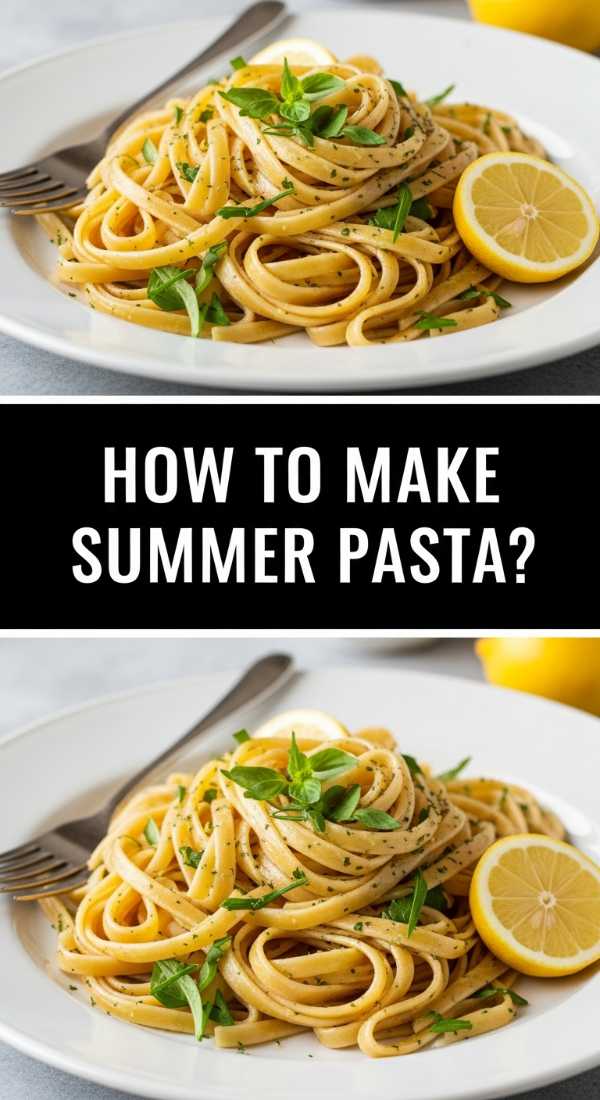
How to make summer pasta?

Why we love this
Summer pasta is the epitome of effortless cooking, relying on the heat of the freshly boiled noodles to gently ‘cook’ a sauce of raw tomatoes, garlic, and basil. The aroma is a heady mix of pungent garlic and sweet, sun-ripened tomatoes that have begun to burst and release their juices. It’s light, olive-oil based, and doesn’t leave you feeling weighed down, making it an ideal choice for outdoor dining. On a snack board, a small bowl of this pasta provides a hearty, colorful anchor that everyone will reach for.
Ingredients
- 1 lb linguine or fettuccine
- 2 cups cherry tomatoes, halved
- 3 cloves garlic, very thinly sliced
- 1/2 cup fresh basil, torn
- 1/3 cup high-quality extra virgin olive oil
- 1/2 tsp red pepper flakes
- Freshly grated parmesan cheese
How to make it
- In a large bowl, combine the halved cherry tomatoes, sliced garlic, torn basil, olive oil, and red pepper flakes. Let this mixture sit at room temperature for at least 30 minutes to allow the flavors to marry and the tomatoes to macerate.
- Cook your pasta in a large pot of salted water until it reaches the perfect al dente state. Reserve 1 cup of the starchy pasta water before draining.
- Immediately add the piping hot, drained pasta into the bowl with the raw tomato mixture. The heat from the pasta is essential as it will slightly soften the tomatoes and infuse the oil with garlic.
- Toss the pasta continuously for 2-3 minutes, adding splashes of the reserved pasta water as needed to create a light, silky emulsion that coats the noodles.
- The starch in the water combines with the olive oil and tomato juices to form a sauce that is light yet clings beautifully to the pasta.
- Season generously with sea salt and more cracked black pepper. Just before serving, fold in a handful of freshly grated parmesan cheese.
- For the best presentation on a board, use a carving fork to twirl the pasta into small ‘nests’ and place them in a shallow bowl, topped with a few extra fresh basil leaves.
How to decorate spring cookies?
[IMAGE_10]
Why we love this
Decorating spring cookies is a meditative and creative process that results in beautiful, buttery treats that double as table decor. The scent of sweet almond frosting and rich butter cookies is nostalgic and comforting. The texture is a delightful contrast between the snap of the royal icing and the soft, melt-in-your-mouth quality of the shortbread. These cookies bring a whimsical, curated feel to your board, offering a pop of pastel colors and intricate designs that are guaranteed to be the most photographed part of your spread.
Ingredients
- Batch of sugar cookies (chilled and cut into shapes)
- 4 cups powdered sugar
- 3 tbsp meringue powder
- 5-7 tbsp warm water
- Gel food coloring (pastel pink, yellow, and green)
- Decorative sprinkles or edible glitter
How to make it
- Start with completely cooled sugar cookies; decorating a warm cookie will cause the icing to melt and run off the edges.
- In a stand mixer fitted with the whisk attachment, beat the powdered sugar, meringue powder, and 5 tablespoons of water on low speed for 7-10 minutes until the icing is stiff and glossy.
- Divide the icing into small bowls and add gel food coloring drop by drop until you reach your desired pastel shades. Gel is superior to liquid coloring as it won’t change the consistency of the icing.
- Prepare your ‘piping’ icing by adding a few more drops of water until it reaches a ’15-second consistency’—meaning a line drawn through the icing disappears in exactly 15 seconds.
- Fit a piping bag with a small round tip and outline the edge of the cookie first. This creates a ‘dam’ that holds the rest of the icing in place.
- Immediately ‘flood’ the center of the cookie with more icing, using a toothpick or scribe tool to push the icing into the corners and pop any tiny air bubbles.
- Let the base layer dry for at least 2 hours before adding secondary details like flower petals or leaves on top. This ensures the colors don’t bleed into each other and the designs remain crisp.
Conclusion
Creating a viral-worthy snack board is about more than just following recipes; it’s about the joy of assembly and the pleasure of sharing. By combining these ten diverse elements—from the tang of sourdough discard to the sweetness of spring cakes—you create a tapestry of flavors that celebrates the season. Next time you host, remember that the most beautiful part of the board isn’t the arrangement, but the memories made while everyone is reaching for that last piece of rotel-dipped bread. Happy hosting!