
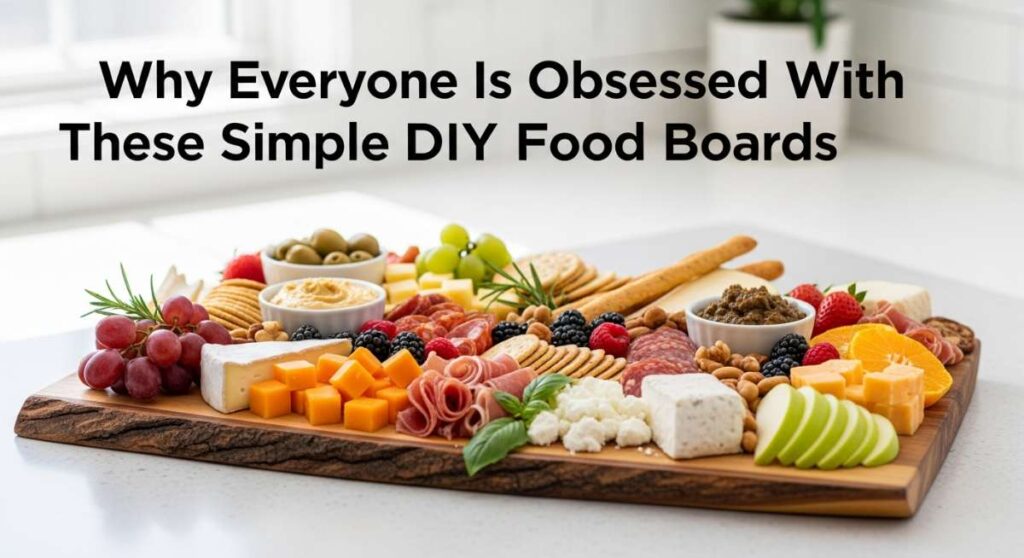
Why Everyone Is Obsessed With These Simple DIY Food Boards
Have you ever walked into a room and seen a spread so beautiful it almost felt like a shame to eat it? That’s the magic of the modern food board. We’ve moved far beyond basic cheese and crackers into a world where everything from pasta to roasted vegetables is served up in a way that invites everyone to lean in, share a story, and grab a fork. There’s a deep, soulful connection that happens when we eat this way; it turns a simple weeknight dinner into a communal celebration of flavor and togetherness.
I remember the first time I set down a massive wooden board covered in golden beets, steaming rice, and perfectly seared chicken. The room went quiet for a split second before the ‘oohs’ and ‘aahs’ started, and suddenly, the stress of the day just melted away. That is why we are all obsessed. It’s not just about the food—though the food is incredible—it’s about the permission to be messy, to be creative, and to enjoy every single bite in the company of the people we love. Let’s dive into how you can create these viral-worthy elements for your own board.
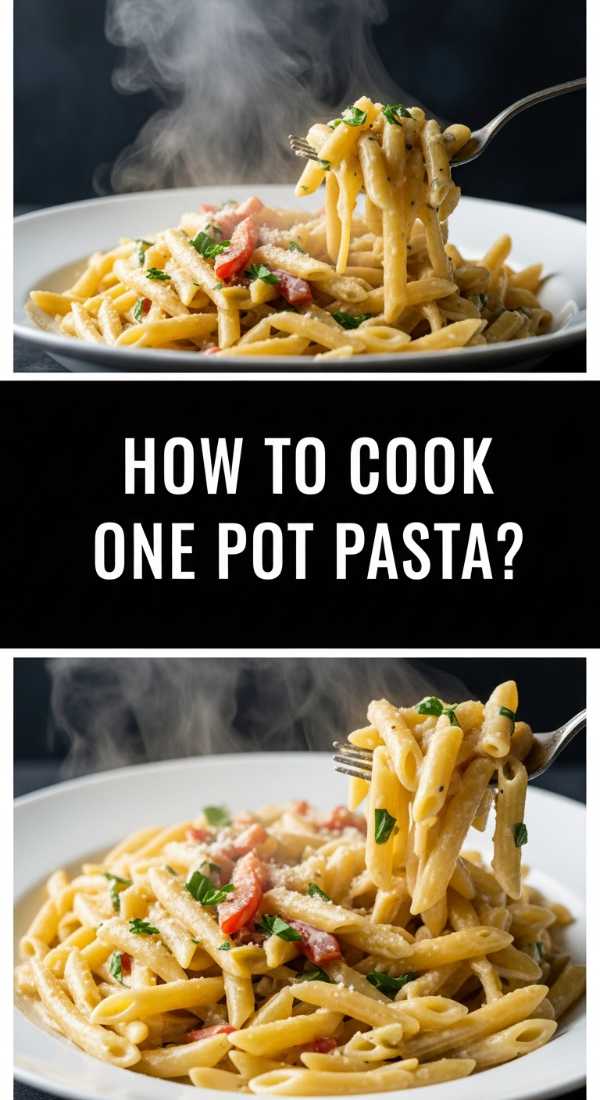
How to cook one pot pasta?
Why we love this
There is nothing quite like the silky, starchy magic that happens when pasta cooks directly in its own sauce. This one-pot method creates a texture that is impossibly creamy and rich, as the noodles release their natural starches into the bubbling liquid, binding everything together into a cohesive, flavorful masterpiece. As it simmers, the aroma of garlic and fresh herbs wafts through the house, promising a meal that feels like a warm hug. It is the ultimate comfort food for a food board, providing a hearty, crowd-pleasing center that everyone will be diving into with gusto.
Ingredients
- 1 pound linguine or fettuccine
- 4 cups vegetable or chicken broth
- 2 cups water
- 4 cloves garlic, thinly sliced
- 1 pint cherry tomatoes, halved
- 2 cups fresh spinach
- 1/2 cup heavy cream
- 1/2 cup grated parmesan cheese
- Fresh basil and red pepper flakes
How to make it
- Select a large, deep skillet or a wide-bottomed Dutch oven. Place the dry pasta, broth, water, sliced garlic, and halved tomatoes into the pot. Ensure the pasta lies as flat as possible to allow for even cooking.
- Turn the heat to high and bring the liquid to a rolling boil. Use tongs to gently move the pasta around as it softens to prevent the strands from sticking together in a clump.
- Once boiling, reduce the heat to a medium-high simmer. Cook for approximately 9 to 12 minutes, stirring frequently. This constant movement is crucial; it helps the pasta release starch, which creates that signature creamy sauce.
- When the liquid has reduced by about 75% and the pasta is al dente (firm to the bite), stir in the fresh spinach and heavy cream. The heat from the pasta will wilt the spinach in about 60 seconds.
- Turn off the heat entirely and stir in the grated parmesan cheese until it is fully melted and the sauce is glossy. Garnish with fresh basil and red pepper flakes before sliding the entire mixture onto your serving board.
How to roast golden beets?

Why we love this
Golden beets are the unsung heroes of the vegetable world, offering a milder, sweeter, and less ‘earthy’ profile than their red cousins. When roasted at a high temperature, they undergo a stunning transformation, their interiors becoming buttery soft while the outside develops a delicate, caramelized crust that sparkles under the kitchen lights. The vibrant sun-yellow hue adds an instant pop of color to any food board, making the entire spread look professional and intentionally designed. Each bite offers a satisfying density and a natural sugar-rush that pairs beautifully with salty cheeses or tangy dips.
Ingredients
- 4-5 large golden beets
- 3 tablespoons extra virgin olive oil
- 1 teaspoon dried thyme
- Flaky sea salt and cracked black pepper
- Fresh parsley for garnish
How to make it
- Preheat your oven to 400°F (200°C). Prepare a large rimmed baking sheet by lining it with parchment paper to prevent sticking and aid in clean-up.
- Thoroughly scrub the beets under cold water to remove any dirt. Peel the beets using a vegetable peeler, and then dice them into uniform 1-inch cubes. Keeping the size consistent ensures they all cook at the same rate.
- In a large mixing bowl, toss the beet cubes with the olive oil, thyme, salt, and pepper until every piece is glistening and well-coated with seasoning.
- Spread the beets in a single layer on the prepared baking sheet. Do not overcrowd the pan; if the beets are too close, they will steam rather than roast, and you’ll miss out on that beautiful caramelization.
- Roast for 35 to 45 minutes. Halfway through the cooking time, use a spatula to flip the beets so they brown evenly on all sides. They are done when a fork slides into a cube with almost no resistance and the edges are turning a deep golden brown.
How to make easy chicken?

Why we love this
There is a specific joy in mastering a pan-seared chicken that comes out juicy every single time, boasting a golden-brown crust that crackles slightly when you cut into it. The aroma of searing poultry combined with fresh rosemary and lemon zest is enough to make anyone’s mouth water before the board even hits the table. This preparation is versatile, leaning on simple high-quality ingredients to let the natural flavors shine, making it the perfect protein anchor for your DIY spread. It’s rustic, elegant, and provides that essential savory element that balances out sweeter vegetables or fruits on the board.
Ingredients
- 2 large boneless, skinless chicken breasts
- 2 tablespoons butter
- 1 tablespoon olive oil
- 2 sprigs fresh rosemary
- 1 lemon, halved
- 1 teaspoon garlic powder
- Salt and pepper to taste
How to make it
- Place the chicken breasts between two sheets of plastic wrap and use a meat mallet or a heavy skillet to pound them to an even thickness of about 3/4 inch. This ensures the chicken cooks through uniformly without drying out the thinner ends.
- Season both sides of the chicken generously with salt, pepper, and garlic powder. Press the seasoning into the meat so it adheres during the sear.
- Heat the olive oil and butter in a cast-iron or heavy stainless steel skillet over medium-high heat. Wait until the butter is foaming and just beginning to turn brown—this is the signal for a perfect sear.
- Lay the chicken in the pan and add the rosemary sprigs to the oil. Let the chicken cook undisturbed for 5-6 minutes. You are looking for a deep, mahogany-gold crust before you even think about flipping.
- Flip the chicken and squeeze the juice of half a lemon into the pan. Cook for another 5 minutes, or until the internal temperature reaches 165°F (74°C). Let the chicken rest for at least 5 minutes before slicing it into strips to serve on your board; this keeps all the juices inside.
How to stew one pot beef?

Why we love this
Beef stew is the ultimate labor of love, filling the house with a rich, savory scent that lingers like a warm memory of Sunday dinners at grandma’s. The way the beef fibers break down into tender, melt-in-your-mouth morsels after hours of slow simmering is nothing short of culinary alchemy. It provides a deep, umami-rich base for a food board, especially when served in a small communal pot surrounded by crusty bread for dipping. The sauce becomes a glossy, thick gravy that coats the back of a spoon, carrying the essence of red wine, thyme, and slow-cooked vegetables in every decadent spoonful.
Ingredients
- 2 pounds beef chuck, cut into 1.5-inch chunks
- 3 tablespoons flour
- 1 cup dry red wine (Cabernet or Merlot)
- 3 cups beef bone broth
- 3 large carrots, sliced into thick rounds
- 2 stalks celery, chopped
- 1 large yellow onion, diced
- 2 sprigs fresh thyme
How to make it
- Pat the beef chunks dry with paper towels. Toss them in a bowl with the flour, salt, and pepper until lightly coated. This flour coating is the secret to a naturally thick and velvety stew.
- In a heavy Dutch oven, heat two tablespoons of oil over medium-high heat. Sear the beef in batches, making sure not to crowd the pot. You want a dark, crispy crust on all sides of the meat. Remove the beef and set aside.
- Add the onions, carrots, and celery to the same pot. Cook for 5 minutes, using a wooden spoon to scrape up the brown bits (the fond) from the bottom of the pot—this is where all the flavor lives.
- Pour in the red wine to deglaze the pan. Let it bubble and reduce by half, which cooks off the harsh alcohol taste and leaves behind a deep fruitiness.
- Return the beef to the pot and add the beef broth and thyme sprigs. Bring to a boil, then immediately reduce the heat to low. Cover and simmer gently for 2.5 to 3 hours. The beef is ready when it literally falls apart at the touch of a fork.
How to make beet hummus?

Why we love this
Beet hummus is a visual showstopper, boasting a neon-magenta hue that looks like a piece of edible art in the center of your board. But beyond its stunning looks, the flavor profile is a sophisticated blend of earthy sweetness and the familiar, nutty tang of traditional tahini. The texture is whipped and airy, almost like a savory mousse, making it the perfect vehicle for dipping crisp cucumbers or toasted pita. It brings a fresh, vibrant energy to the spread that lightens up the heavier cooked elements, ensuring there is a balance of flavors that keeps guests coming back for more.
Ingredients
- 1 medium beet, roasted and peeled
- 1 can (15 oz) chickpeas, drained and rinsed
- 1/3 cup tahini
- Juice of 1 large lemon
- 2 cloves garlic, minced
- 1/2 teaspoon ground cumin
- 1/4 cup extra virgin olive oil
- Ice water (as needed for texture)
How to make it
- Place the roasted and peeled beet into a food processor and pulse until it is finely minced. This ensures no large chunks of beet remain in your finished hummus.
- Add the drained chickpeas, tahini, lemon juice, minced garlic, and cumin to the processor. Process for 1-2 minutes until the mixture begins to look thick and somewhat smooth.
- With the processor running on low, slowly drizzle in the olive oil. This emulsifies the dip, creating a creamy, luxurious mouthfeel.
- If the hummus still feels too thick or grainy, add 1-2 tablespoons of ice water while the motor is running. The cold water reacts with the tahini to fluff up the mixture, giving it that professional, whipped texture.
- Taste and adjust the seasoning with salt. Spread the hummus into a shallow bowl, create a swirl with a spoon, and fill the divot with a drizzle of oil and some toasted sesame seeds before placing it on your board.
How to bake easy potatoes?

Why we love this
A perfectly baked potato is a study in textures: a skin so crisp and salty it crackles, giving way to an interior that is as light and fluffy as a cloud. There is something deeply satisfying about the simple, honest aroma of a potato roasting in high heat, promising a blank canvas for butter, chives, or even a drizzle of that beet hummus we just made. When sliced open and placed on a board, they provide a rustic, hearty foundation that feels both nostalgic and totally trendy. They are the ultimate crowd-pleaser, filling the stomach and warming the soul with their earthy, reliable goodness.
Ingredients
- 4 large Russet potatoes
- 2 tablespoons olive oil
- 2 tablespoons kosher salt
- Optional: Butter, chives, and sour cream for serving
How to make it
- Preheat your oven to 425°F (220°C). A high temperature is essential for achieving that crispy, chip-like skin while steaming the inside to perfection.
- Scrub the potatoes thoroughly to remove any grit. Pat them completely dry with a towel; if the skin is wet, they will steam rather than crisp up.
- Use a fork to prick each potato 5 or 6 times. This allows steam to escape during the baking process, preventing the potato from bursting and ensuring a fluffier interior.
- Rub each potato generously with olive oil and then roll them in kosher salt until they are well-coated. Place them directly on the center oven rack for maximum air circulation (place a baking sheet on the rack below to catch any oil drips).
- Bake for 45 to 60 minutes. You can tell they are done when the skin is noticeably crisp and a knife slides into the center with zero resistance. For the fluffiest results, gently roll the potato on the counter before slicing it open to break up the internal starches.
How to make one pot rice?

Why we love this
Rice is the ultimate chameleon, but when cooked in one pot with aromatics and broth, it becomes a star in its own right rather than just a side dish. Each grain stays distinct and fluffy, having absorbed the golden hues of turmeric and the savory depths of the cooking liquid. The way the steam rises when you first lift the lid, releasing a cloud of nutty, toasted fragrance, is one of the great simple pleasures of cooking. Serving a pile of this aromatic rice on a food board provides a beautiful, textured base for meats and vegetables to rest upon, soaking up all the stray juices from the other components.
Ingredients
- 1.5 cups Basmati rice, rinsed
- 3 cups vegetable stock
- 1 small onion, finely diced
- 1/2 cup frozen peas
- 1/2 teaspoon turmeric powder
- 1 tablespoon butter
- Salt to taste
How to make it
- In a medium pot with a tight-fitting lid, melt the butter over medium heat. Add the diced onion and sauté for 3-4 minutes until translucent and fragrant.
- Add the dry, rinsed rice to the pot and stir it constantly for 2 minutes. This ‘toasts’ the rice, which prevents it from becoming mushy and gives it a wonderful nutty flavor. Stir in the turmeric during the last 30 seconds.
- Pour in the vegetable stock and add a pinch of salt. Turn the heat to high and bring the liquid to a full boil.
- Once boiling, stir once, then reduce the heat to the lowest possible setting and cover the pot with the lid. Do not lift the lid during the cooking process; the steam is doing the work!
- Cook for 15 minutes, then turn off the heat. Let the pot sit, still covered, for another 5 minutes. Finally, lift the lid, add the peas, and fluff the rice gently with a fork to combine. The residual heat will perfectly cook the peas while keeping the rice light and airy.
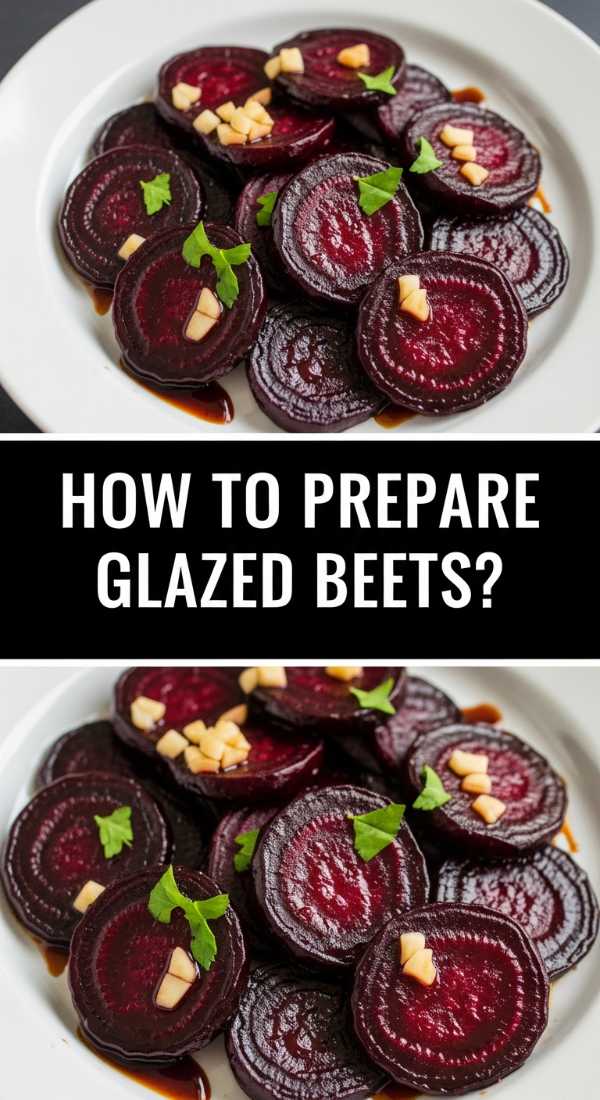
How to prepare glazed beets?
Why we love this
Glazed beets are like the candy of the vegetable kingdom, offering a sophisticated sweetness that is perfectly tempered by the tang of balsamic vinegar. The glaze coats each slice in a glossy, dark syrup that makes them shimmer like jewels on your food board, drawing the eye immediately. As the sugars in the honey and the natural juices of the beet reduce, they create a sticky, concentrated flavor that is both deeply savory and delightfully sweet. They provide a luxurious, gourmet touch that elevates the entire spread, proving that even the simplest ingredients can be transformed into something truly extraordinary with just a bit of heat and patience.
Ingredients
- 3 cups pre-cooked or steamed red beets, sliced
- 2 tablespoons honey
- 2 tablespoons balsamic vinegar
- 1 tablespoon butter
- Fresh cracked black pepper
How to make it
- Heat a large non-stick skillet over medium heat and add the butter. Once the butter is melted and bubbling, add the sliced, pre-cooked beets in a single layer.
- Sauté the beets for 3-4 minutes, allowing them to heat through and begin to slightly brown on the edges.
- Drizzle the honey and balsamic vinegar over the beets. Stir gently with a silicone spatula to ensure every slice is coated in the liquid.
- Continue to cook for another 5-7 minutes. You are waiting for the liquid to reduce and thicken into a syrupy consistency that clings to the beets. The bubbles will become smaller and more frequent as the glaze nears completion.
- Remove from heat just as the glaze becomes tacky. Sprinkle with a generous amount of fresh black pepper to cut through the sweetness, and transfer them to your board while they are still warm and glistening.
How to cook easy shrimp?

Why we love this
Shrimp are the kings of the fast-cook world, providing an instant hit of protein that feels decadent and light all at once. When cooked in a hot pan with plenty of garlic and butter, they develop a beautiful pink curl and a slight snap that is incredibly satisfying to bite into. The resulting garlic butter sauce is liquid gold, perfect for drizzling over the rest of the items on your food board or for mopping up with a piece of crusty bread. They bring a touch of coastal elegance to your DIY spread, smelling of fresh lemon and summer evenings, and they are always the first thing to disappear from the board.
Ingredients
- 1 pound large shrimp, peeled and deveined
- 3 cloves garlic, minced
- 2 tablespoons butter
- 1 tablespoon olive oil
- Juice of half a lemon
- 2 tablespoons chopped fresh parsley
- Red pepper flakes (optional)
How to make it
- Pat the shrimp completely dry with paper towels. This is the most important step; if the shrimp are wet, they will steam and turn rubbery rather than searing and developing flavor.
- Heat the olive oil and butter in a wide skillet over medium-high heat. Wait until the butter stops sputtering—this means the water has evaporated and you’re ready for a high-heat sear.
- Add the shrimp to the pan in a single layer. Do not crowd them; work in batches if necessary. Cook for 2 minutes without moving them. They should turn a vibrant pink on the bottom.
- Flip the shrimp and immediately add the minced garlic and red pepper flakes. Cook for only 1-2 minutes more. Overcooked shrimp become tough, so watch for them to form a ‘C’ shape—if they curl into an ‘O’, they are overdone.
- Remove the pan from the heat. Squeeze the lemon juice over the top and toss with fresh parsley. The residual heat will finish the cooking and create a bright, zesty sauce. Pile them high on your board for an instant focal point.
How to make beet chips?

Why we love this
Beet chips are the ultimate crunch factor for a lifestyle food board, providing a healthy alternative to processed snacks while looking absolutely stunning with their deep crimson rings. They have a concentrated, earthy sweetness that is amplified by the baking process, and the thin, brittle texture is endlessly addictive. There is a primal satisfaction in the loud crunch of a perfectly baked vegetable chip, especially when it’s been seasoned with just a hint of sea salt. They add height and texture to your board, tucked into the gaps between cheeses and dips, inviting guests to snack and crunch throughout the evening.
Ingredients
- 3 large red beets, trimmed
- Olive oil spray
- Fine sea salt
How to make it
- Preheat your oven to 300°F (150°C). A low and slow approach is vital here; if the oven is too hot, the natural sugars in the beets will burn before the moisture has fully evaporated, leaving you with bitter, charred chips.
- Use a mandoline slicer to cut the beets into paper-thin rounds. Consistency is key; if some are thicker than others, they won’t crisp at the same time. Aim for about 1/16th of an inch.
- Line two large baking sheets with parchment paper. Lay the beet slices out in a single layer, ensuring they do not overlap at all.
- Give the slices a very light mist of olive oil spray and a tiny sprinkle of fine sea salt. Be sparing with the salt, as the flavor will concentrate as the chips shrink in the oven.
- Bake for 45 to 60 minutes. After the first 30 minutes, rotate the pans in the oven. The chips are done when they are slightly wavy and feel dry to the touch. Remove them and let them cool completely on the pan; they will continue to crisp up as they reach room temperature.
The Art of the Board: Bringing It All Together
Now that you’ve mastered these individual components, the real fun begins: assembly! The secret to a viral-worthy food board is in the layers. Start by placing your larger items—like the one-pot pasta or the pot of beef stew—in the center or at opposite ends to create balance. Fill in the gaps with the vibrant golden beets and the neon-pink hummus. Use the beet chips and fresh shrimp to add height and texture, and don’t be afraid to let things touch! A food board is a celebration of abundance, a visual feast that tells your guests that there is plenty for everyone. It’s more than just a meal; it’s a lifestyle choice that prioritizes connection, creativity, and the simple joy of a well-made dish.