
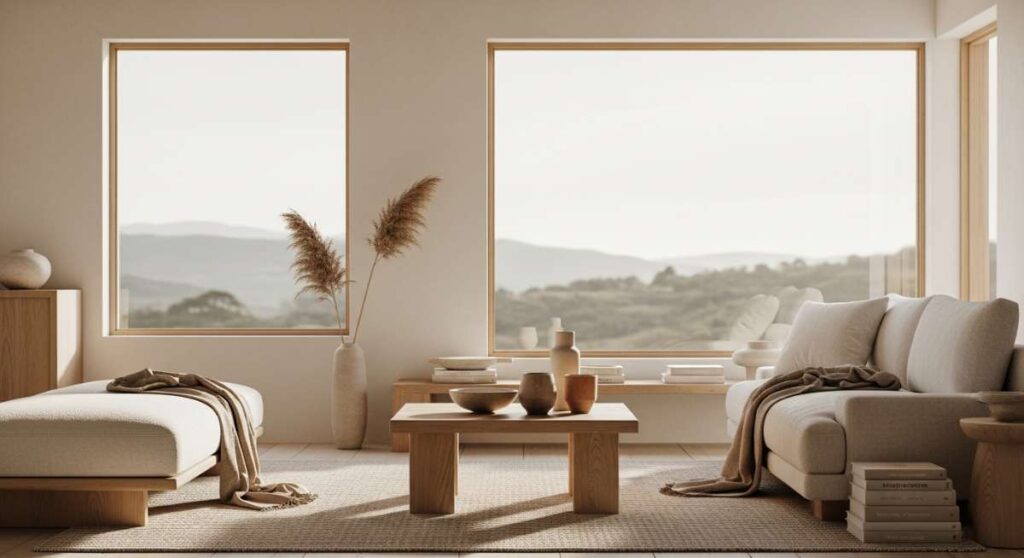
We’ve all had those days where the world feels a little too loud, haven’t we? Between the constant pings of our phones and the frantic pace of modern life, our homes have become more than just a place to sleep—they are our sanctuary. There’s a specific kind of magic that happens when you walk into a room that feels like a deep, calming breath, where every object has a purpose and the colors wrap around you like a warm hug. That is the essence of a soulful, minimalist home: it isn’t about emptiness, but about making space for the things that truly matter.
Transitioning to a cozy minimalist aesthetic isn’t about throwing everything away and living in a cold, white box. It’s about the art of curation. It’s about choosing a hand-thrown ceramic vase because you love the way its grit feels under your fingers, or selecting a linen throw that perfectly catches the afternoon sun. Today, I’m taking you through a journey of transforming your space into a haven of warm neutrals and clean lines—a place where your soul can finally sit down and rest.
How to Design a Cozy Minimalist Living Room for Ultimate Warmth
Why we love this
There is something inherently grounding about a room that balances the crispness of modern design with the tactile richness of organic materials. Imagine sinking into a cream-colored sofa as the evening light filters through sheer drapes, casting soft shadows across a weathered oak coffee table. You can almost smell the faint, earthy scent of dried eucalyptus and the rich aroma of a freshly poured tea. This aesthetic works because it focuses on ‘visual quiet,’ allowing your eyes to rest on beautiful textures like chunky wool knits and smooth stone surfaces rather than clutter.
Essential Elements:
- A low-profile sofa in a neutral performance fabric (linen or bouclé).
- Natural wood accents (oak, walnut, or reclaimed pine).
- Layered textiles in varied weights (wool, cotton, silk).
- A statement floor lamp with a warm-toned LED bulb.
- Organic shapes in ceramics and vases.
How to make it
- Begin by clearing the entire room to assess the ‘bones’ of the space. Look for the natural light sources and ensure no bulky furniture blocks the flow of movement.
- Select a large-scale area rug in a soft oat or sand color. For the perfect cozy feel, ensure the rug is at least 12-18 inches larger than your seating arrangement on all sides to anchor the room.
- Position your primary seating (the sofa) against the longest wall or facing a focal point like a fireplace. Leave at least 3 inches of ‘breathing room’ between the sofa and the wall to create an airy vibe.
- Layer in texture by adding two oversized pillows in a heavy weave and one draped throw blanket. The visual cue here is ‘softness over structure’—toss the throw casually rather than folding it perfectly.
- Introduce a wooden coffee table. The contrast between the soft fabric of the sofa and the hard, grain-rich surface of the wood provides the necessary visual tension for a minimalist room.
How to Style Small Living Room Ideas Apartment Cozy Aesthetic for Spacious Living
Why we love this
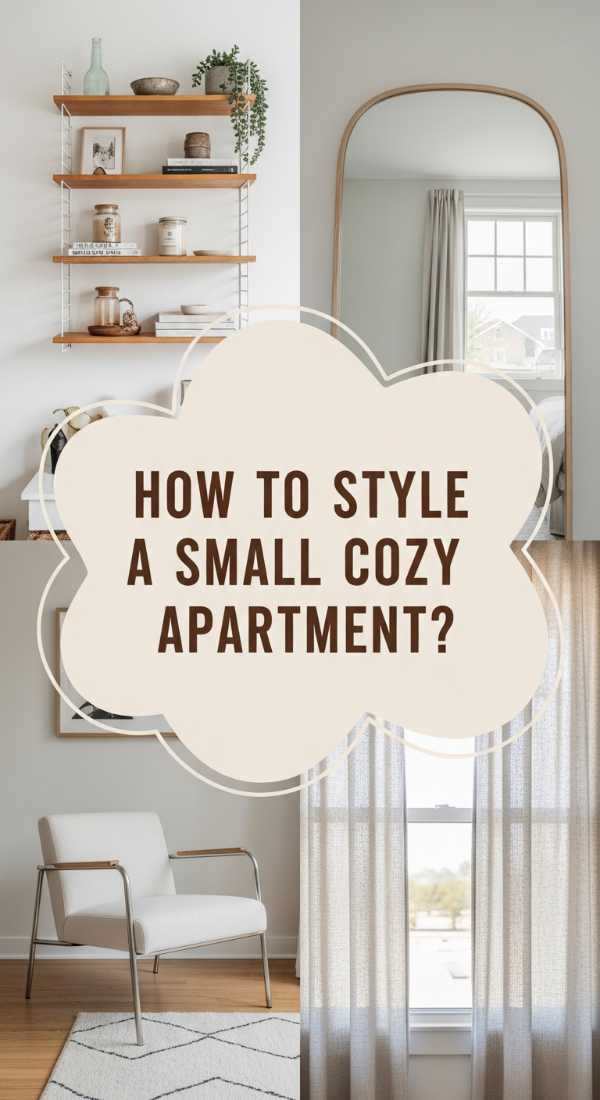
Small apartments often feel like a puzzle, but the cozy minimalist approach turns constraints into a design opportunity. We love this because it prioritizes vertical space and light, making even a 400-square-foot studio feel like a sprawling loft. There’s a tactile joy in seeing light bounce off a strategically placed mirror or feeling the extra floor space created by furniture with tapered legs. It creates an atmosphere of lightness and intentionality, where every square inch is treated with respect and care, resulting in a home that feels curated rather than crowded.
Essential Elements:
- ‘Leggy’ furniture (sofas and chairs with visible legs).
- Wall-mounted shelving units in light wood.
- Large-scale floor mirrors.
- Multi-functional ottomans with hidden storage.
- Sheer window treatments to maximize natural light.
How to make it
- Measure your floor plan accurately and select ‘apartment-scale’ furniture. Avoid overstuffed pieces that swallow the room; instead, look for silhouettes with clean, straight lines.
- Install a large mirror opposite your main window. This is a classic designer trick—aim for a mirror at least 4 feet tall to double the perceived depth of the room.
- Use ‘floating’ elements. Wall-mount your TV and use floating shelves for books. This keeps the floor clear, which is the number one visual cue for a ‘spacious’ feel.
- Choose a monochromatic color palette. When the walls, curtains, and rug are within three shades of each other (e.g., cream, beige, and tan), the boundaries of the room seem to disappear.
- Limit your decor to ‘The Rule of Three.’ On your coffee table or shelf, group three items of varying heights to create interest without cluttering the surface.
How to Choose Minimalist Room Decor for a Breathable Atmosphere

Why we love this
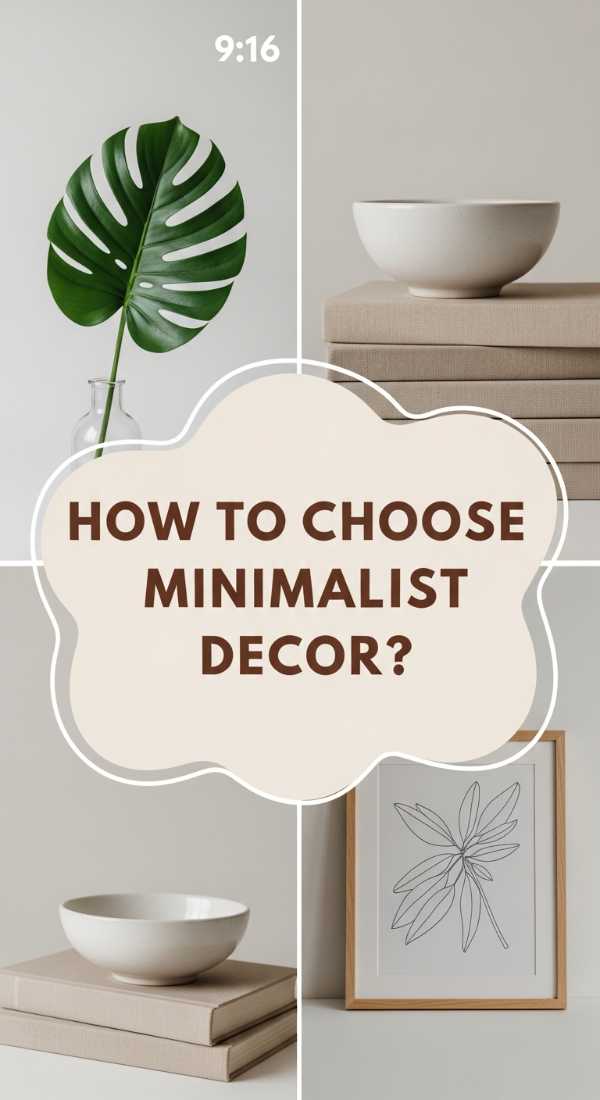
The beauty of breathable decor lies in the ‘pause’ between items. It’s the visual equivalent of a deep exhale. We love how a single, well-placed branch in a glass jar can command more attention than a dozen knick-knacks. The textures here are subtle—the matte finish of a ceramic bowl, the cool touch of a marble tray, or the soft ripple of a handmade paper print. It transforms your environment into a gallery of your own life, where only the most meaningful pieces are invited to stay, creating an aura of sophistication and calm.
Essential Elements:
- Negative space (empty areas on walls and tables).
- Matte-finish ceramics.
- Linen-bound books in neutral tones.
- Abstract line art with wide matting.
- Natural elements like dried seagrass or smooth river stones.
How to make it
- Perform a ‘decor audit.’ Remove every decorative item from your room and place them in a box. Only bring back the pieces that you truly love or use daily.
- Evaluate your wall art. Instead of a gallery wall with 20 small frames, choose one large, minimalist piece. Ensure there is at least 10 inches of empty wall space around the frame to let it ‘breathe.’
- Focus on the finish. When shopping, avoid shiny plastics. Opt for matte, honed, or brushed finishes that absorb light rather than reflecting it harshly.
- Group items by material. Place a group of three ceramic vessels together. This creates a ‘moment’ of design impact without feeling like the room is full of ‘stuff.’
- Incorporate one ‘living’ element per room. A single olive tree or a potted snake plant adds oxygen and a touch of organic green that balances the neutral palette.
How to Master Decor Minimalist Vibes for Stress Free Evenings
Why we love this
As the sun sets, a minimalist home transforms into a cocoon of comfort. We love the way soft, indirect lighting interacts with neutral tones to wash away the stress of the workday. There’s a specific sensory delight in the way a dimmable warm light hits a textured wall or the way a weighted blanket feels when there are no visual distractions in the room. This vibe is all about sensory deprivation of the ‘bad’ stuff (clutter, bright blue light) and enhancement of the ‘good’ stuff (softness, warmth, and peace).
Essential Elements:
- Dimmable ambient lighting.
- Weighted blankets in organic cotton.
- Essential oil diffusers with ceramic covers.
- Soundscapes or hidden speakers.
- Floor cushions for low-to-the-ground relaxation.
How to make it
- Swap all your light bulbs for ‘warm white’ (2700K). This mimics the golden hour and triggers the body’s natural relaxation response.
- Create a ‘tech-free zone.’ Designate a beautiful wooden bowl or tray where all phones and remotes go after 7:00 PM, removing the visual stress of digital clutter.
- Engage the sense of smell. Set up a minimalist diffuser using high-quality oils like cedarwood or lavender. Place it in a central location so the scent diffuses evenly through the space.
- Layer your lighting. Do not use the ‘big light’ (overhead light). Instead, use a combination of a floor lamp, a table lamp, and a single candle to create a soft, warm glow.
- Keep surfaces clear. Before sitting down to relax, take two minutes to clear any mail or dishes from the coffee table. A clear surface leads to a clear mind.
How to Create a Minimalist Room for Inner Peace and Clarity

Why we love this
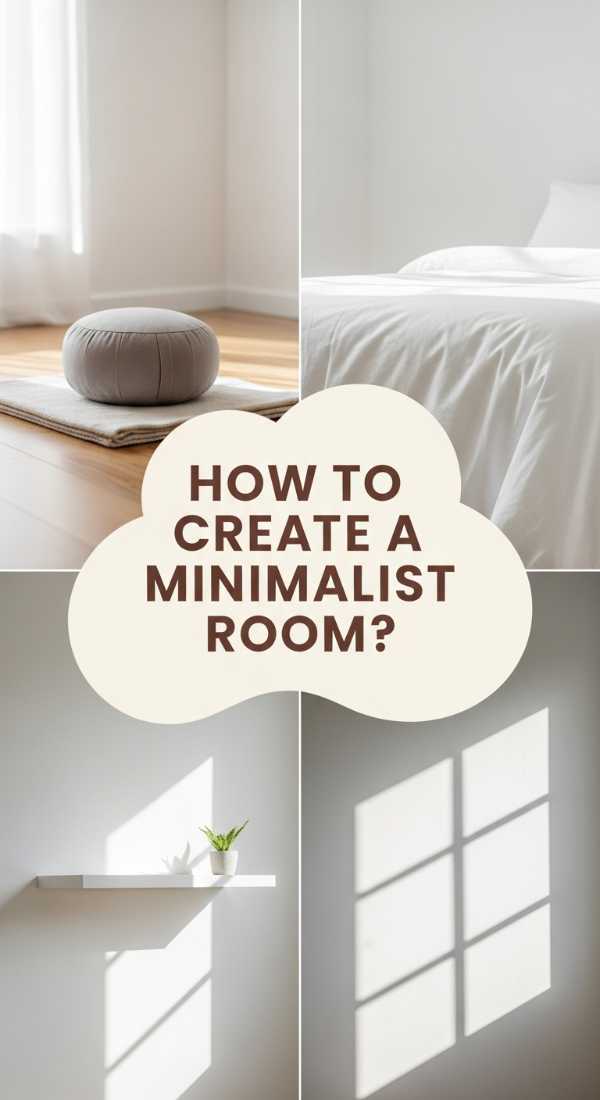
Creating a room for clarity is an act of self-care. We love the way an intentional space can actually lower your cortisol levels. Imagine a bedroom where the only things visible are a plush, linen-made bed and a single stack of books you actually intend to read. The air feels cooler, the sheets feel crisper, and your mind feels lighter. It’s about stripping away the ‘visual noise’ that reminds you of chores or to-do lists, leaving only a serene backdrop for meditation, sleep, or deep thought.
Essential Elements:
- Monochromatic bedding (whites, creams, or soft greys).
- Blackout curtains that blend into the wall color.
- Closed storage (wardrobes with smooth doors).
- Minimalist nightstands with single drawers.
- Soft, low-pile wool rugs underfoot.
How to make it
- Invest in ‘hidden storage.’ Use under-bed bins or sleek wardrobes to hide everything from clothes to extra electronics. If you can’t see it, it’s not occupying mental space.
- Select high-thread-count cotton or linen bedding. The tactile sensation of high-quality fabric is essential for a space designed for peace. Stick to one color for the duvet and pillows.
- Clear the nightstand. Keep only a lamp and a glass of water visible. Visual cues for rest should be the only things present near your head when you sleep.
- Use floor-to-ceiling curtains. Hang the rod as high as possible and choose a fabric that matches your wall color exactly. This creates a seamless, ‘unbroken’ visual line that calms the eyes.
- Incorporate a ‘zen’ corner. Place a single floor cushion or a comfortable chair facing a window. This dedicated spot for ‘doing nothing’ is the ultimate minimalist luxury.
How to Curate Cozy Minimalist Spaces for a Welcoming Entryway

Why we love this
The entryway is the handshake of your home. We love the cozy minimalist entryway because it sets a tone of ‘ordered peace’ the moment you cross the threshold. There’s something so satisfying about hanging your coat on a sleek wooden peg and dropping your keys into a handmade stone bowl. It smells like home—perhaps a hint of citrus or sandalwood—and it looks like an invitation to leave the chaos of the street behind. It’s the perfect transition from the ‘busy’ world to your private sanctuary.
Essential Elements:
- A slim console table in light wood or metal.
- Wall-mounted wooden pegs or a hidden coat closet.
- A woven seagrass basket for shoes.
- A small ceramic tray for keys and mail.
- A durable jute runner.
How to make it
- Define the zone. Even if you don’t have a formal foyer, use a jute runner rug to create a ‘pathway’ that signals the entrance of the home.
- Install hooks at varying heights. This keeps bags and coats off the floor. Use high-quality wooden pegs for a warmer, more designer look than standard metal hooks.
- Add a ‘catch-all’ station. Place a console table or a floating shelf at hip height. Use a single ceramic bowl to hold keys, ensuring that small items don’t clutter the surface.
- Hide the shoes. Use a large, high-sided woven basket. It adds a natural texture to the space while completely concealing the visual mess of sneakers and boots.
- Add a mirror for a last-minute check. Choose a round mirror to break up the straight lines of the hallway and help reflect light into what is often the darkest part of the home.
How to Arrange Minimalist Cozy Corners for the Perfect Reading Retreat
Why we love this
A reading corner is a micro-sanctuary within your home. We love it because it’s the ultimate expression of ‘intentional comfort.’ The tactile experience is everything here: the rough texture of a jute rug, the buttery softness of a leather chair, and the warmth of a spotlight focused right on the pages of your favorite book. It’s a space that encourages you to slow down, disconnect from the digital world, and indulge in a tactile, analog experience. It feels like a secret garden, even if it’s just a corner of your living room.
Essential Elements:
- A comfortable armchair (bouclé or leather).
- An adjustable floor lamp with a focused beam.
- A small, sculptural side table.
- A soft, chunky knit throw blanket.
- A single shelf for current reads.
How to make it
- Find your ‘quiet’ corner. Choose a spot away from the TV or high-traffic kitchen areas—ideally near a window for natural daylight.
- Angle the chair. Position your armchair at a 45-degree angle to the wall. This ‘breaks’ the grid of the room and makes the corner feel like its own separate destination.
- Set up ‘task lighting.’ Place a floor lamp behind the chair so the light falls over your shoulder onto your lap. This prevents eye strain and creates a cozy ‘pool’ of light.
- Add a surface for tea. The side table should be at the same height as the arm of the chair. This ensures you don’t have to reach far for your mug, maintaining your state of flow.
- Curate your books. Only keep 3-4 books in this area. Stacking them horizontally on the bottom shelf of the side table creates a clean, minimalist look.
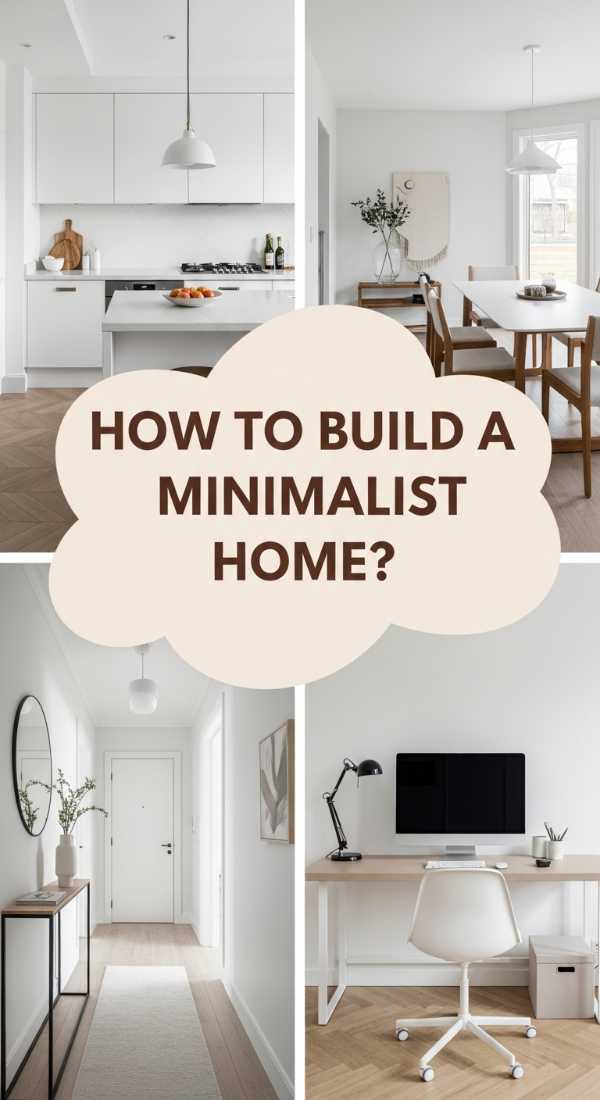
How to Build a Minimalist Home for a Simplified Lifestyle
Why we love this
Building a minimalist home from the ground up (or through a total overhaul) is a lifestyle transformation. We love this because it shifts the focus from ‘owning’ to ‘being.’ When your entire home follows a cohesive, neutral, and minimalist philosophy, your daily routines become smoother. There is a profound sense of relief when you know exactly where everything is and every item serves a purpose. It’s a home that supports your goals rather than demanding your constant attention for cleaning and tidying.
Essential Elements:
- Uniform color palette throughout the home.
- High-quality, durable materials (stone, solid wood, linen).
- Integrated storage solutions (custom cabinetry).
- Minimal window dressings.
- Open floor plans with clear walkways.
How to make it
- Define your ‘Neutral Base.’ Pick one white or off-white paint color (like ‘Swiss Coffee’ or ‘Cloud White’) and use it for 80% of the home. This creates a seamless flow between rooms.
- Invest in ‘Hero Pieces.’ Instead of buying a lot of cheap furniture, save for one high-quality piece per room—like a solid white oak dining table. These pieces age beautifully and reduce the need for replacements.
- Audit your ‘Daily Flow.’ Observe which areas get cluttered. If shoes pile up by the door, build a dedicated cabinet there. Design your home to solve your specific clutter habits.
- Maintain ‘The One-In, One-Out’ rule. For every new item brought into the home, one must leave. This ensures your minimalist lifestyle remains sustainable over time.
- Schedule a ‘Reset’ every Sunday. Take 20 minutes to return every item to its designated ‘home.’ A minimalist house only works if you respect the systems you’ve put in place.
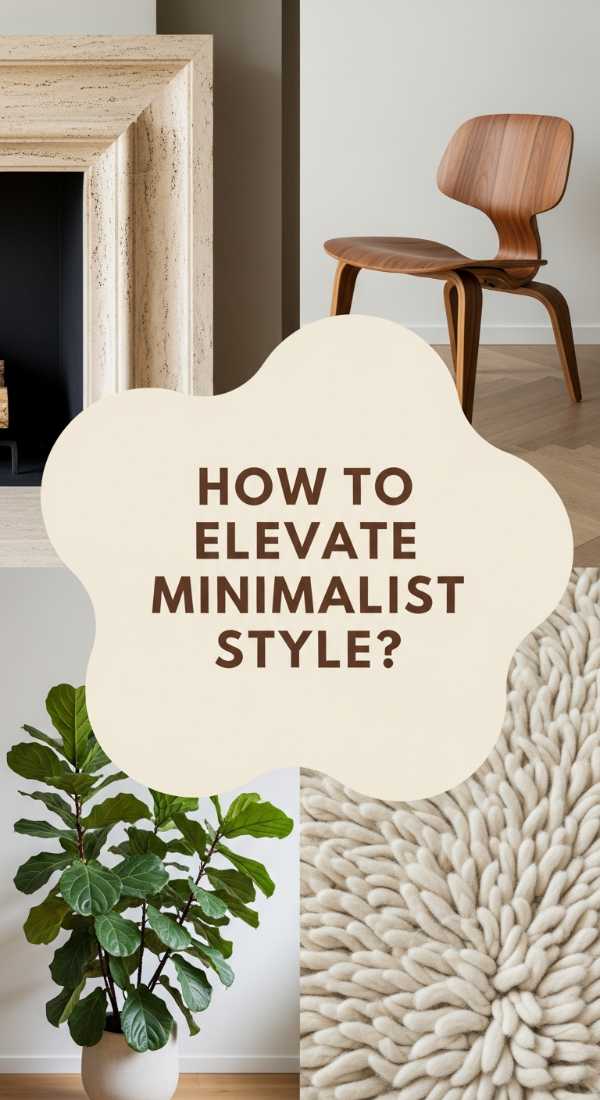
How to Elevate Living Room Decor Minimalist Style for Modern Luxury
Why we love this
Luxury doesn’t mean ‘more’—it means ‘better.’ We love the elevated minimalist look because it feels like a high-end boutique hotel but with the soul of a personal home. It’s about the interplay of premium materials: the cold elegance of marble against the warmth of walnut, or the matte texture of lime-washed walls against the sheen of a brass lamp. It looks expensive because it is intentional. This style radiates a quiet confidence, proving that you don’t need to shout to be heard; you just need to choose the right pieces.
Essential Elements:
- Marble or travertine accents (trays, side tables).
- Lime-wash or textured wall finishes.
- Large-scale, singular decorative branches.
- Velvet or silk accents in muted tones.
- Minimalist architectural lighting.
How to make it
- Apply a textured wall finish. Use a lime-wash paint in a pale ‘greige’ to add depth and movement to your walls without using wallpaper. The visual cue is a soft, chalky appearance.
- Incorporate a ‘statement material.’ Swap a standard wood side table for one made of solid travertine or marble. The weight and natural veining of the stone instantly elevate the room’s status.
- Focus on scale. Choose one oversized piece of art or an extra-large floor vase. Smaller items tend to look ‘cluttered,’ while one large-scale item looks ‘curated’ and ‘luxe.’
- Use ‘hidden’ tech. Use a TV that looks like a framed piece of art when off, and hide all wires within the wall or behind furniture. Luxury is the absence of visible struggle or mess.
- Introduce subtle metallics. A single brass floor lamp or a silver-lined tray adds a ‘pop’ of light that prevents a neutral room from looking flat.
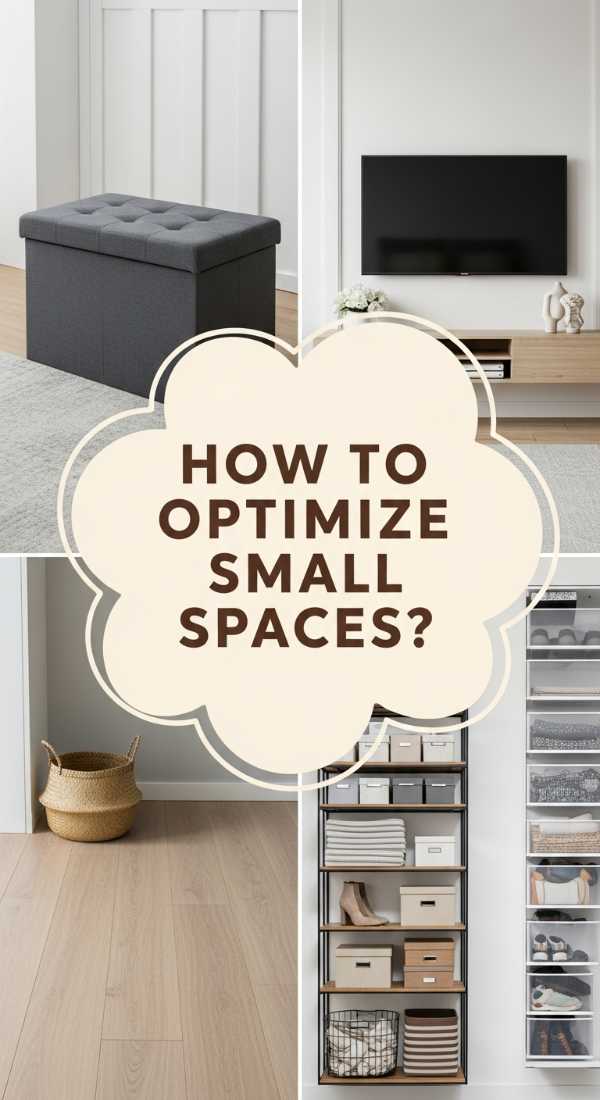
How to Optimize Minimalist Living Room Small Spaces for Maximum Comfort
[IMAGE_10]
Why we love this
The ultimate challenge is making a small space feel both minimalist and incredibly comfortable. We love this because it forces a focus on ergonomics and sensory warmth. It’s about the feeling of a plush, oversized rug that covers the entire floor, or the convenience of a nesting table that appears only when you need it. When you optimize a small space correctly, it doesn’t feel ‘tight’—it feels ‘intimate.’ It’s a cozy nest that wraps you in comfort, where everything is within reach and nothing is in the way.
Essential Elements:
- Nesting coffee tables.
- Wall-mounted lighting (to save table space).
- Low-profile, deep-seated furniture.
- Floor-to-ceiling shelving in a light finish.
- Mirror-finish accents to reflect depth.
How to make it
- Prioritize ‘Seating Depth’ over ‘Seating Width.’ In a small room, choose a sofa that is deeper rather than longer. This allows you to lounge comfortably without taking up too much wall space.
- Use ‘Wall Sconces’ instead of floor lamps. By mounting your lights on the wall, you free up valuable floor space for movement, making the room feel larger.
- Select a ‘Nesting’ table set. These provide extra surface area when guests are over but slide neatly away to maintain the minimalist ‘breathable’ look daily.
- Go big with the rug. A common mistake is using a small rug in a small room. Use a rug that goes almost wall-to-wall; this tricks the eye into seeing a much larger floor area.
- Utilize ‘Vertical Storage’ with a purpose. Install floor-to-ceiling shelves that match the wall color. Use them to store essentials in matching neutral bins to keep the look cohesive and quiet.
The Soul of Your Home
Creating a cozy minimalist home is a journey, not a destination. It’s a practice of mindfulness that starts with the way you choose a pillow and ends with the way you feel when you walk through your front door. By focusing on warm neutrals, clean lines, and tactile textures, you aren’t just decorating a house; you are curating a lifestyle of peace and clarity. Your home should be the place where you are the best version of yourself—unburdened, calm, and completely at home. Happy styling!