
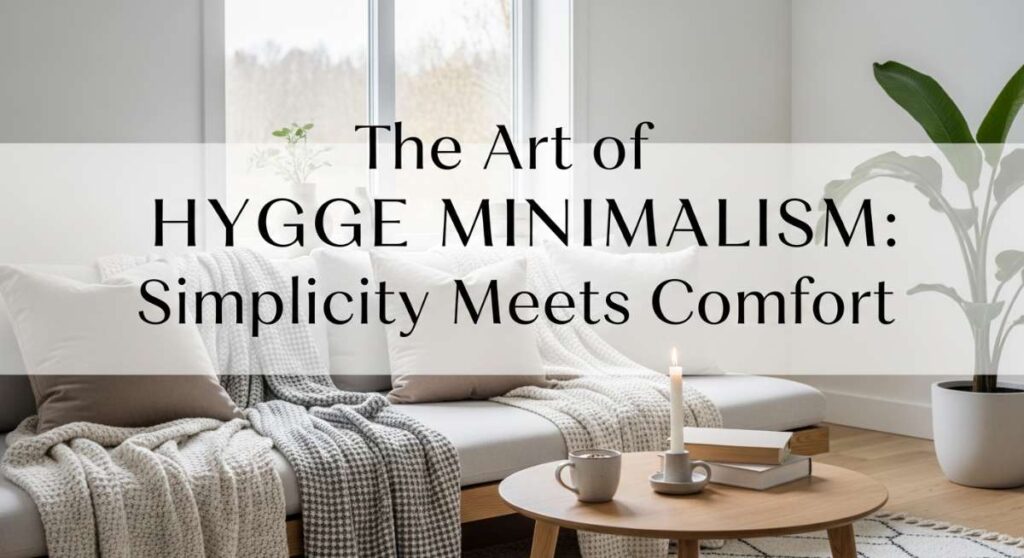
The Art of Hygge Minimalism: Simplicity Meets Comfort
Have you ever walked into a room and felt an immediate sense of relief, like a physical weight lifting off your shoulders? That is the magic of Hygge Minimalism. It’s the sweet spot where the clean, intentional lines of minimalist design meet the soul-warming, snuggly embrace of Danish hygge. For years, I thought I had to choose: either a cold, sterile gallery-style home or a cluttered nest of blankets and trinkets. But then I discovered that true peace comes from having exactly what you need, and making sure those few things are incredibly soft, beautiful, and meaningful.
Creating a cozy minimalist home isn’t about emptying your rooms; it’s about filling them with intention. It’s about the way the afternoon sun hits a single ceramic vase, the scent of a beeswax candle flickering on a reclaimed wood table, and the feeling of high-quality linen against your skin. In this guide, we are going to dive deep into how you can transform your living space into a sanctuary that breathes with you, offering a soft place to land at the end of every long day. Let’s embark on this journey of stripping away the noise to find the quiet, warm heart of your home.
How to Curate a Cozy Minimalist Living Room for Ultimate Relaxation
Why we love this
There is something deeply restorative about a living room that doesn’t demand your attention with clutter, but rather invites you to sink in and stay awhile. We love this approach because it focuses on the tactile experience—the rough grain of a wooden coffee table paired with the buttery softness of a cream-colored wool rug. The aroma of white tea and ginger wafts through the air, while the visual landscape remains calm and unbroken, allowing your mind to finally drift away from the stresses of the outside world and into a state of pure, unadulterated presence.
Essential Elements:
- Neutral-toned oversized sofa with clean lines
- Natural wood accents (oak or walnut)
- Plush wool or jute area rug
- Dimmable amber lighting
- A single, high-quality cashmere throw
- Ceramic vessels with dried botanicals
How to make it
- Begin by clearing the floor plan; remove any furniture that impedes the natural flow of traffic to ensure the room feels open and ‘breathable.’
- Position your primary seating (the sofa) toward the room’s natural focal point, such as a fireplace or a large window, ensuring there is at least 18 inches of space between the sofa and the coffee table for comfort.
- Incorporate ‘warm’ textures by layering a heavy-knit blanket over the arm of the sofa, tucking it slightly into the cushions to create an effortless, lived-in look.
- Adjust your lighting temperature; swap out cool-toned bulbs for ‘warm white’ (2700K) to mimic the soft glow of golden hour, placing lamps at eye level rather than using harsh overhead lights.
- Audit your surfaces; choose only three meaningful items for the coffee table—a book, a candle, and a small tray—to maintain a polished yet inviting vibe.
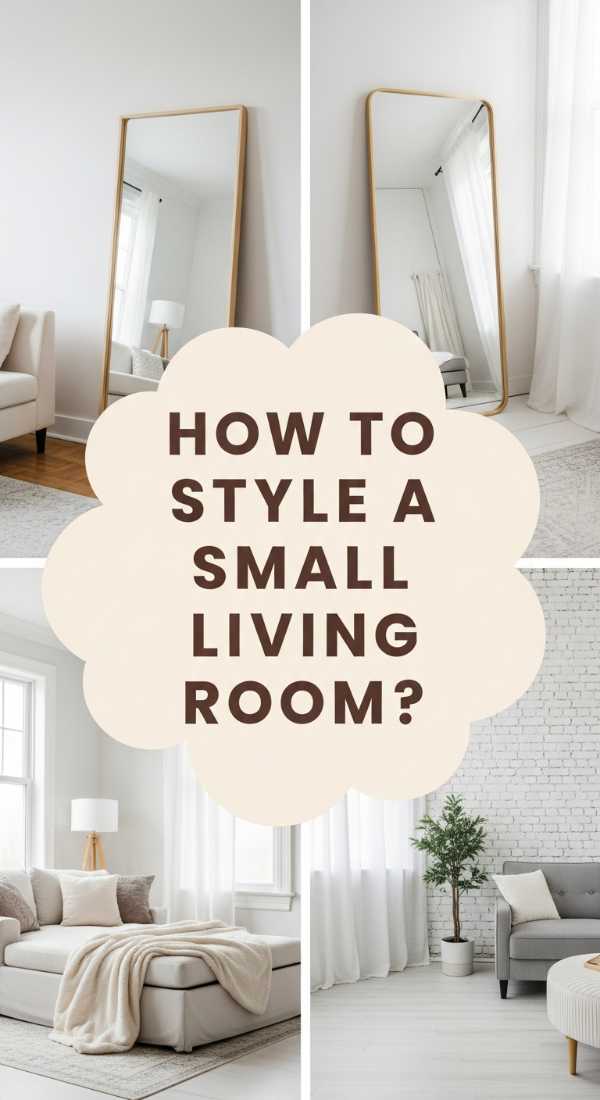
How to Style a Small Living Room for a Breathable Aesthetic
Why we love this
Small spaces have a unique way of feeling like a warm hug when styled correctly, rather than a cramped box. We love this aesthetic because it proves that you don’t need a mansion to experience luxury; you just need smart choices and a light touch. Imagine the sun reflecting off a strategically placed mirror, illuminating a corner filled with a single lush Monstera leaf. The air feels lighter, the colors are soft and ethereal, and every piece of furniture feels like it was hand-picked to serve your comfort without stealing your precious floor space.
Essential Elements:
- Furniture with exposed legs to create a sense of floor continuity
- Large wall-mounted mirrors
- Sheer linen curtains
- Multi-functional nesting tables
- Monochromatic color palette (whites, creams, and soft greys)
How to make it
- Select a ‘hero’ piece of furniture that fits the scale of the room—avoid oversized sectionals and opt for a sleek three-seater with thin arms to maximize seating without bulk.
- Mount floor-to-ceiling sheer curtains at least 6 inches above the window frame to draw the eye upward, creating the illusion of height and airy volume.
- Utilize the ‘leggy’ rule; ensure your sofa and chairs have visible legs rather than ‘skirted’ bases, which allows light to pass underneath and prevents the room from looking ‘grounded’ or heavy.
- Strategically place a large mirror opposite your primary light source to bounce natural light into the darkest corners, instantly doubling the perceived depth of the room.
- Stick to a tight color story; use varying shades of the same neutral tone for walls, rugs, and furniture to eliminate visual breaks that make a room feel smaller.
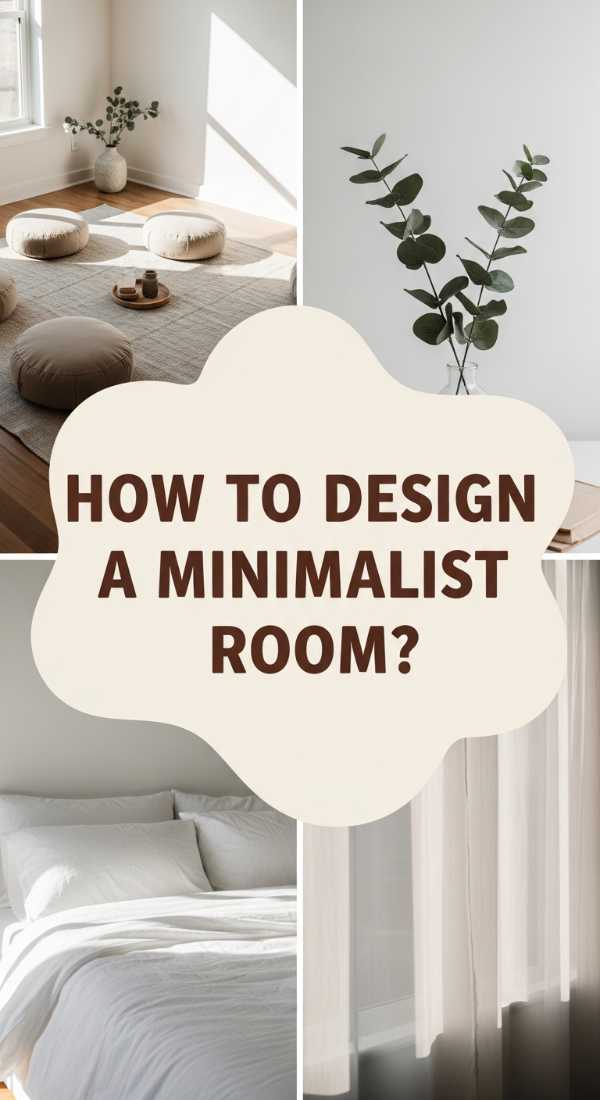
How to Design a Minimalist Room for Total Inner Peace
Why we love this
This design style is less about decorating and more about soul-care, creating a vacuum where the chaos of the world cannot enter. We love it because it treats your bedroom as a temple of rest, where the scent of lavender oil and the sight of crisp, organic cotton sheets signal to your nervous system that it is safe to let go. There is a profound silence in a room designed this way—a visual quietude that helps quiet the chatter in your head, leaving you with nothing but the rhythm of your own breath and the comfort of a space that truly understands you.
Essential Elements:
- Low-profile platform bed frame
- Organic cotton or bamboo bedding in earth tones
- Hidden storage solutions (under-bed or built-in)
- A single piece of abstract, calming wall art
- A salt lamp or soft-glow bedside lantern
How to make it
- Remove all electronics and work-related items from the room to establish a ‘sacred zone’ dedicated exclusively to rest and intimacy.
- Dress the bed using the ‘layering’ technique: start with a high-thread-count fitted sheet, add a duvet with a breathable cover, and finish with a single textured coverlet at the foot for visual depth.
- Opt for a low-profile bed frame which keeps the center of gravity low in the room, creating a psychological sense of groundedness and stability.
- Install ‘blackout’ window treatments that are hidden behind aesthetic linen panels, ensuring total darkness for sleep while maintaining a soft look during the day.
- Apply the ‘one-in, one-out’ rule for decor; for every new item introduced to the nightstand, remove another to keep the visual field clear and stress-free.
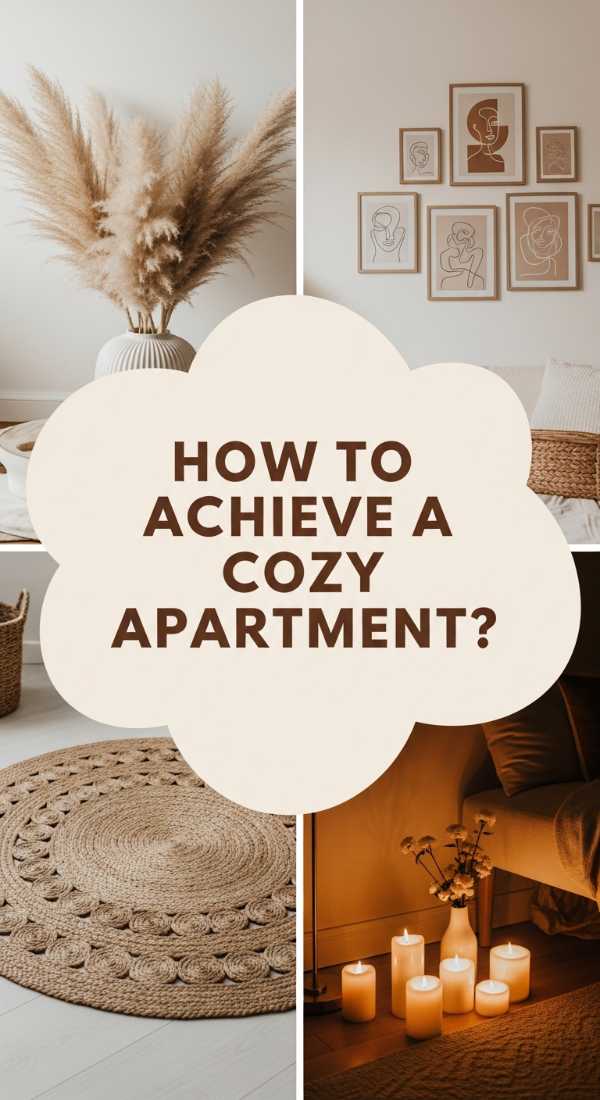
How to Achieve a Cozy Aesthetic Apartment for a Harmonious Life
Why we love this
Apartment living often comes with constraints, but this style turns those limitations into a cozy, curated masterpiece of personal expression. We love this because it embraces the ‘nooks and crannies,’ turning a simple corner into a sanctuary for coffee and contemplation. The harmony comes from a perfect balance of utility and beauty—where a functional kitchen shelf becomes a display of artisanal ceramics and a small balcony becomes a glowing escape with a few well-placed lanterns. It is about making your rental feel like a legacy, a place where your soul feels completely at home.
Essential Elements:
- Warm-toned peel-and-stick backsplash or wallpaper
- Indoor plants like Snake Plants or Pothos
- Textured floor cushions for extra seating
- String lights or ‘fairy’ lights in warm white
- Floating shelves for vertical interest
How to make it
- Define specific ‘zones’ within your open-plan apartment using area rugs to separate the living area from the dining area, which provides a sense of architectural order.
- Install ‘renter-friendly’ floating shelves to move your decor off the floor and onto the walls, which frees up walking space and creates a sense of openness.
- Introduce life into the space with low-maintenance greenery; place plants at varying heights—one on the floor, one on a table, and one hanging—to create a lush, ‘forest’ feel.
- Switch out standard apartment hardware (like cabinet pulls) for brushed brass or matte black versions to instantly elevate the ‘polished’ feel of the space.
- Use scent as a design tool; employ an ultrasonic diffuser with essential oils like cedarwood and orange to create a signature ‘home’ aroma that greets you at the door.
How to Select Minimalist Room Decor for a Polished Vibe
Why we love this
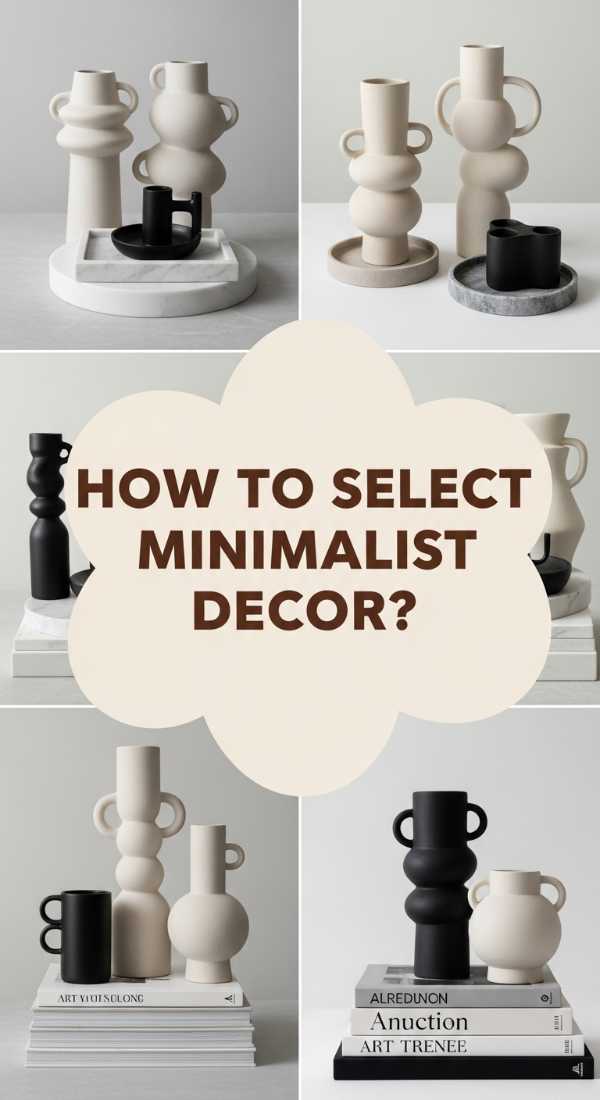
Selecting decor with a minimalist mindset is an exercise in discerning what truly brings you joy versus what is just ‘filler.’ We love this because it celebrates the ‘hero’ object—a single, perfectly imperfect handmade bowl or a sculpture that catches the light just right. There is a high-end, polished feeling that comes from having fewer things, as each item is allowed to ‘breathe’ and be appreciated for its form and texture. It feels intentional, sophisticated, and deeply personal, as if every item in the room has a story to tell but isn’t shouting to be heard.
Essential Elements:
- Sculptural vases with matte finishes
- Hardcover books with neutral spines
- Hand-thrown pottery and ceramics
- Frameless or thin-frame mirrors
- Taper candles in modern holders
How to make it
- Follow the ‘Rule of Three’ when grouping decor; place items of varying heights and textures together to create a balanced, professional-looking vignette.
- Prioritize quality over quantity; instead of buying five cheap accents, invest in one high-quality piece made from natural materials like marble, stone, or solid wood.
- Consider the ‘negative space’; leave at least 40% of your shelf or tabletop empty to ensure the eye has a place to rest and the decor doesn’t feel cluttered.
- Choose a consistent color palette for all decor items—such as ‘warm sand’ and ‘charcoal’—to ensure that pieces from different rooms can be swapped seamlessly.
- Check the ‘visual weight’ of items; balance a heavy stone vase with a light, airy branch or a delicate glass candle holder to keep the arrangement from feeling lopsided.
How to Organize a Minimalist Home for Mental Clarity

Why we love this
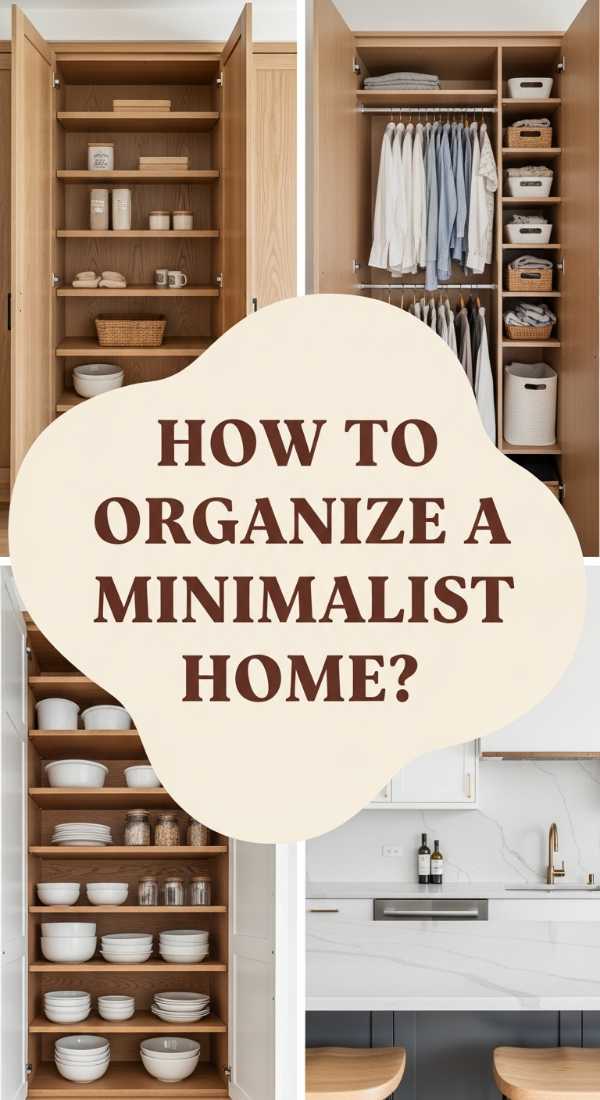
Organizing for minimalism isn’t just about putting things away; it’s about curating a lifestyle where your environment supports your focus. We love this because it removes the ‘visual noise’ that triggers cortisol, replacing it with a sense of calm efficiency. Imagine opening a drawer to find only what you need, neatly arranged in bamboo dividers, or seeing a countertop that is completely clear except for a fresh bowl of fruit. This clarity in your physical space directly translates to a more peaceful, creative, and productive mind, allowing you to focus on what actually matters.
Essential Elements:
- Uniform storage bins (wicker or felt)
- Bamboo drawer organizers
- Labelled glass jars for pantry items
- A dedicated ‘drop zone’ for keys and mail
- Hidden cable management boxes
How to make it
- Execute a ‘deep purge’ by category (clothing, books, papers); only keep items that serve a functional purpose or provide genuine emotional value.
- Implement the ‘daily reset’ habit: spend 10 minutes every evening returning every item to its designated ‘home’ so you wake up to a fresh, clear start.
- Use ‘contained storage’ for small items; group like-objects into uniform bins to hide the visual chaos of different shapes and colors behind a clean, textural exterior.
- Clear all flat surfaces (counters, tables) of non-essential items, storing appliances in cabinets to maintain a sleek, uninterrupted visual line across the room.
- Organize by frequency of use; place daily essentials at eye level and occasional items on higher shelves to streamline your physical movements through the house.
How to Layer Living Room Decor for a Minimalist Feel
Why we love this
Layering in minimalism is a delicate art—it’s about adding depth without adding bulk. We love this technique because it prevents a minimalist room from feeling cold or ‘flat.’ By layering different textures of the same color, you create a rich, sophisticated environment that feels incredibly high-end. Think of a linen sofa with a chunky knit pillow and a smooth silk cushion; it’s the contrast of those surfaces that creates interest and warmth, making the space feel finished and ‘designed’ rather than just empty.
Essential Elements:
- Textured throw pillows in varying sizes
- A secondary rug (smaller sheepskin or hide) for layering
- Different wood finishes (light oak mixed with darker walnut)
- Varying fabric weights (heavy wool vs. light linen)
- Layered lighting (floor lamps, table lamps, and candles)
How to make it
- Start with your ‘base’ layer—a large, neutral rug that anchors the room and defines the seating area.
- Add a ‘texture’ layer by placing a smaller, more tactile rug (like a faux sheepskin) diagonally over a corner of the base rug for a cozy, asymmetrical look.
- Layer your seating with ‘triplets’ of pillows; use one large square pillow in a heavy fabric, a medium one in a different texture, and a small lumbar pillow for contrast.
- Introduce ‘depth’ through lighting; place a tall floor lamp in a corner and a small, dimmable lamp on a side table to create ‘pockets’ of light that add dimension to the room.
- Use books to layer height on coffee tables; stack two or three large coffee table books and place a small decorative object on top to create a tiered visual effect.
How to Master Minimalist Living in Small Spaces for Daily Joy

Why we love this
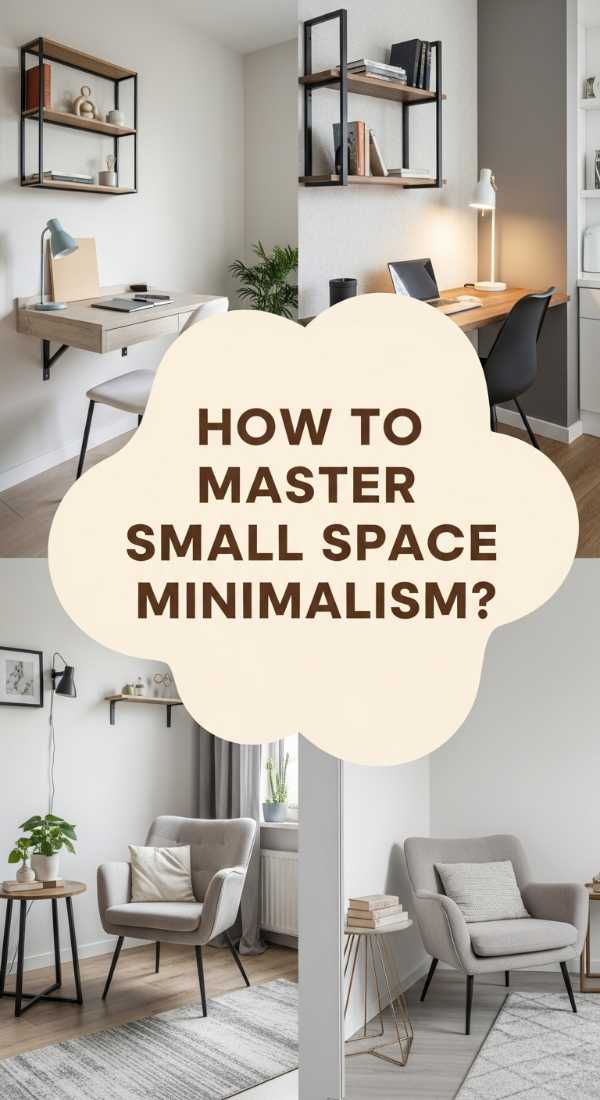
Living small and minimal is a liberating choice that prioritizes experiences over possessions. We love this because it forces you to become an editor of your own life, choosing only the best for yourself. There is a unique joy in having a small, perfectly organized home where every square inch is used intentionally. It fosters a sense of gratitude for the things you do have and simplifies your daily routine, giving you more time to enjoy your morning coffee, read a book, or simply exist in a space that feels like a pure reflection of your highest self.
Essential Elements:
- Fold-down or wall-mounted desks
- Vertical wall storage systems
- Light-reflective surfaces and finishes
- Multipurpose furniture (ottomans with storage)
- A ‘one-in-one-out’ mindset
How to make it
- Maximize your ‘vertical real estate’ by installing shelving all the way to the ceiling, using the highest shelves for items you only use once or twice a year.
- Choose furniture that serves at least two purposes, such as a bed with built-in drawers or a dining table that can also function as a workspace.
- Maintain a ‘strict edit’ on your belongings; once a month, go through your space and remove anything that hasn’t been used, ensuring the ‘stuff’ doesn’t overtake the ‘space.’
- Focus on ‘quality over volume’ for kitchenware; own four beautiful, matching plates that you love rather than a disorganized set of twelve.
- Keep the floor as clear as possible; the more floor you can see, the larger and more joyful the small space will feel to inhabit.
How to Blend Cozy Minimalism for a Warm Personal Sanctuary
Why we love this
Blending ‘cozy’ and ‘minimalist’ is the ultimate design hack for a modern life. We love this because it acknowledges that we are human beings who need both order and comfort. It’s the feeling of a clean, organized kitchen paired with the smell of freshly baked bread, or a minimalist workspace that features a soft, ergonomic chair and a warm cup of tea. It is a sanctuary that doesn’t just look good on camera—it feels good in your soul, providing a consistent sense of safety, warmth, and peace regardless of what is happening in the world outside.
Essential Elements:
- Warm-toned woods and natural fibers
- Dimmable, soft-glow lighting
- Personal items with high sentimental value (but few of them)
- Comfortable, high-quality seating
- A palette of warm whites, beiges, and soft tans
How to make it
- Analyze your room for ‘cold’ spots—corners that feel empty or clinical—and introduce a ‘warm’ element like a tall plant or a floor lamp with a fabric shade.
- Infuse the space with your personal history by choosing one or two meaningful heirlooms to display prominently, giving the minimalism a ‘soul.’
- Prioritize ‘softness’ in high-touch areas; ensure your most-used chair has a high-quality cushion and a soft throw within reach at all times.
- Balance the ‘straight lines’ of minimalist furniture with ‘organic shapes,’ such as a round mirror or a curved vase, to soften the visual energy of the room.
- Create a ‘sensory anchor’ in the room; use a specific candle or incense that you only light when you want to relax, training your brain to associate the space with peace.
How to Transform Your Room with Minimalist Decor for a Fresh Start
[IMAGE_10]
Why we love this
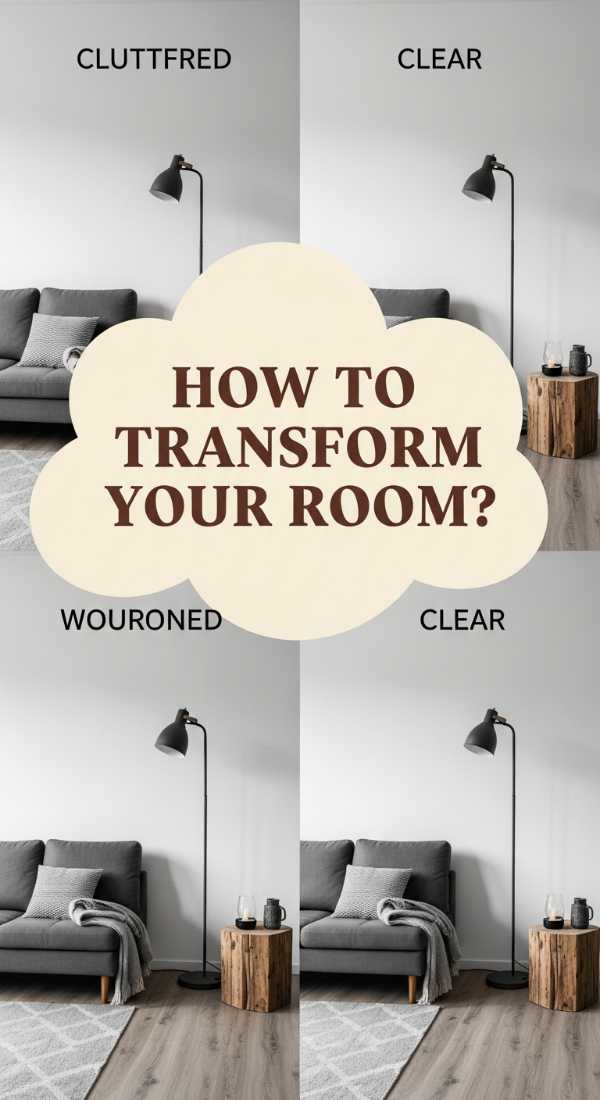
There is nothing quite as powerful as a fresh start, and transforming your room is the perfect way to signal a new chapter in your life. We love this process because it is a physical manifestation of letting go and making room for the new. As you clear away the old decor and introduce intentional, minimalist pieces, you are literally creating a new environment for yourself to grow in. The result is a room that feels ‘new,’ ‘fresh,’ and ‘full of potential,’ acting as a daily reminder that you have the power to curate your life exactly how you want it to be.
Essential Elements:
- A fresh coat of warm white paint
- New, high-quality bed linens
- Minimalist wall art with personal meaning
- Smart storage that hides daily clutter
- Intentional ‘negative space’ on walls and floors
How to make it
- Strip the room entirely; remove everything except the largest furniture pieces to see the space with ‘fresh eyes’ and understand its true proportions.
- Apply a fresh coat of ‘Warm White’ paint (look for undertones of yellow or pink, not blue) to instantly brighten and clean the energy of the room.
- Re-introduce only the items that fit your new vision, placing them one by one and evaluating the ‘feel’ of the room after each addition.
- Invest in ‘invisible’ organization; use boxes and bins that match your shelf color to hide the visual noise of cords, papers, and small electronics.
- Celebrate the transformation by spending your first evening in the ‘new’ space with zero distractions—just you, the quiet, and the comfort of your fresh start.
Conclusion: The Journey to Simplicity
Embracing Hygge Minimalism is not a destination, but a beautiful, ongoing practice of choosing what truly matters. By focusing on quality, texture, and intentionality, you turn your home into more than just a place to sleep—it becomes a sanctuary that nurtures your spirit. Remember, the goal isn’t perfection; it’s a space that feels like you, only better. Start small, breathe deep, and enjoy the peace that comes with a life lived with less, but better.