
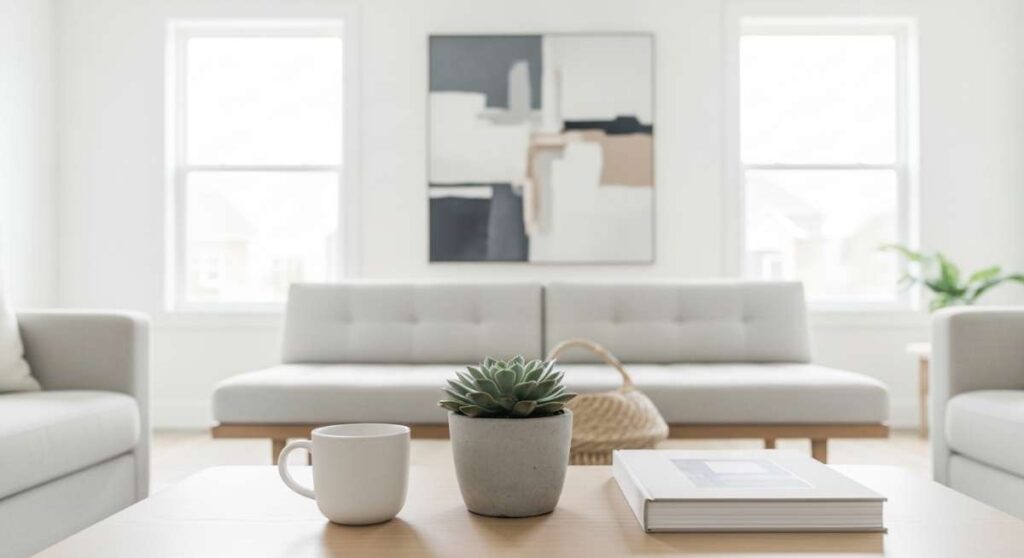
The Ultimate Guide to Mastering the Viral Minimalist Home Aesthetic
Have you ever walked into a room and felt an immediate, cooling wave of relief wash over you? That feeling isn’t a coincidence; it is the power of a curated, minimalist environment. In a world that feels increasingly loud and cluttered, our homes have become our final bastions of peace. The viral minimalist aesthetic isn’t about living in a cold, empty white box; it is about reclaiming your space and your mental bandwidth by surrounding yourself only with what truly serves your soul.
I remember the moment I decided to lean into this lifestyle. I was staring at a coffee table buried under magazines and half-used candles, and I realized my home was adding to my stress rather than depleting it. By shifting my focus to quality, intentionality, and breathability, I transformed my living space into a sanctuary that feels like a warm hug every time I step through the door. Today, I’m sharing every secret to help you achieve that same effortless, high-end look that’s taking over your feed.
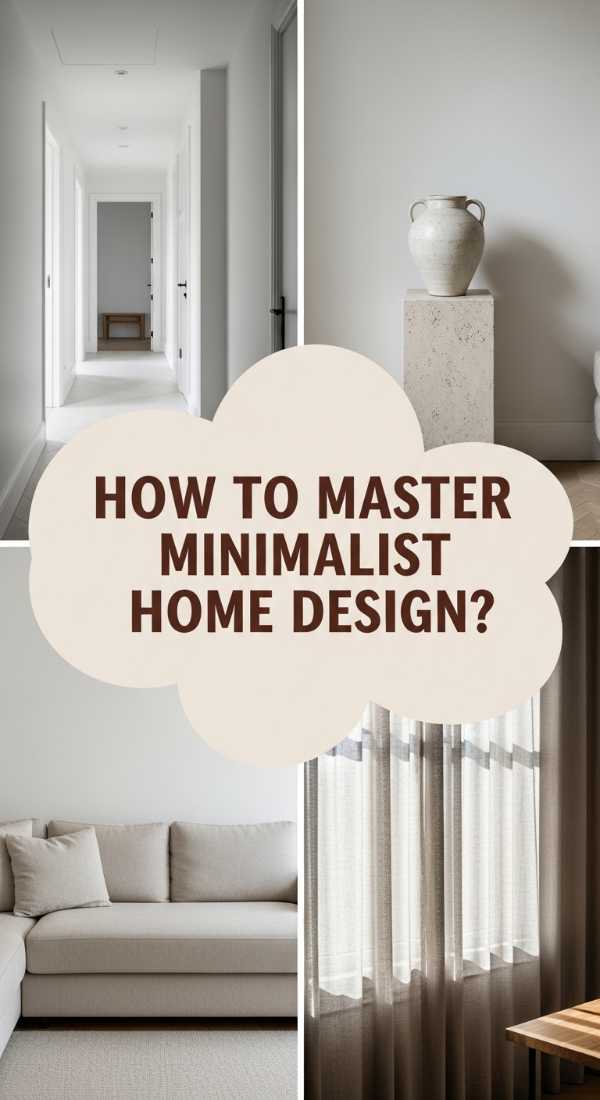
How to Master Minimalist Home Design for Ultimate Peace
Why we love this
There is a profound sense of psychological liberation that comes with mastering a truly peaceful minimalist design. Imagine waking up to a room where the sunlight hits wide, clear surfaces, highlighting the natural grain of oak wood and the soft, matte finish of ceramic vases. The air feels lighter, and the scent of fresh eucalyptus or a subtle linen spray lingers without being masked by the musk of old dust or crowded shelves. It is a visual deep breath that allows your mind to settle into a state of focus and calm, turning your home into a living meditation.
Essential Elements:
- Negative space as a primary design feature
- Natural light optimization
- Subtle, organic silhouettes
- High-quality natural materials (wood, stone, linen)
- A refined, limited color palette
How to make it
- Begin by auditing every single item in the room. Remove everything from the space and only bring back items that serve a functional purpose or bring genuine joy. If a piece doesn’t fit the ‘peace’ criteria, it stays out.
- Arrange your furniture to maximize the ‘flow’ of the room. Ensure there are clear walking paths at least 3 feet wide between major pieces. This physical openness translates directly into mental openness.
- Focus on the ‘Hero’ piece. Choose one high-quality item, like a low-slung linen sofa or a reclaimed wood dining table, and let it be the star. Avoid ‘cluttering’ the hero with unnecessary side tables or excess floor lamps.
- Incorporate ‘living’ elements. A single, large-scale plant like a Fiddle Leaf Fig or a tall vase of dried pampas grass adds life without the visual noise of smaller, scattered pots.
- Master the lighting. Use sheer curtains to diffuse natural light during the day and warm-toned LED bulbs (2700K) in sculptural floor lamps for the evening to maintain a soft, non-clinical glow.
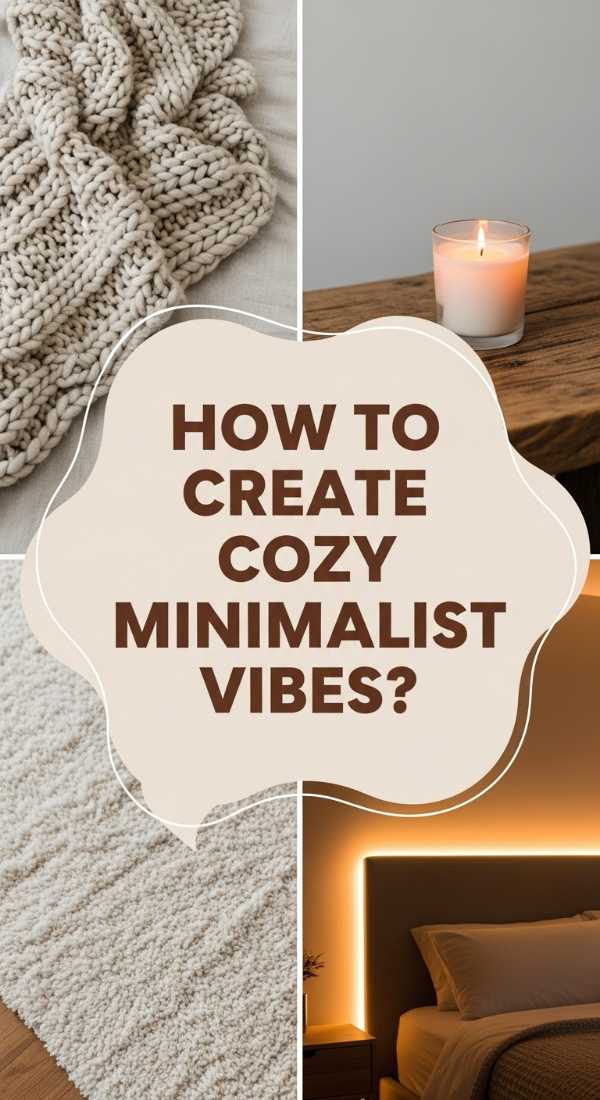
How to Create Cozy Minimalist Vibes for a Warm Sanctuary
Why we love this
Minimalism doesn’t have to mean coldness, and the ‘Cozy Minimalist’ vibe is the perfect marriage of clean lines and tactile warmth. This approach focuses on the sensory experience—the feeling of a heavy knit throw against your skin, the flickering amber glow of a hand-poured soy candle, and the soft ‘thud’ of bare feet on a thick wool rug. It creates a sanctuary where you can truly unplug, wrapping you in a cocoon of intentional comfort that feels both expensive and deeply lived-in, like a luxury spa tucked away in the mountains.
Essential Elements:
- Layered textiles in varied weights
- Warm wood tones (walnut or oak)
- Dimmable, amber-toned lighting
- Handcrafted ceramics with organic edges
- A signature home scent like cedarwood or vanilla
How to make it
- Layer your textiles with intention. Start with a base of neutral upholstery, then add one chunky knit throw and two oversized linen pillows. The key is to keep the colors monochromatic while varying the textures.
- Swap out cold surfaces. Replace glass or metal coffee tables with warm wood options. The organic texture of wood immediately softens the ‘minimalist’ edge and provides a grounding presence.
- Implement the ‘Rule of Three’ for surfaces. On a sideboard, place one large ceramic lamp, one medium-sized bowl, and one small candle. This creates a curated look that feels full but never cluttered.
- Incorporate soft scents. Use an ultrasonic diffuser with essential oils like sandalwood and bergamot. The fine mist adds moisture to the air and creates an invisible layer of ‘cozy’ that hits you the moment you enter.
- Adjust your light levels. Avoid overhead ‘big lights.’ Instead, use a combination of task lighting and accent lamps placed at different heights to create pockets of warmth and shadow.
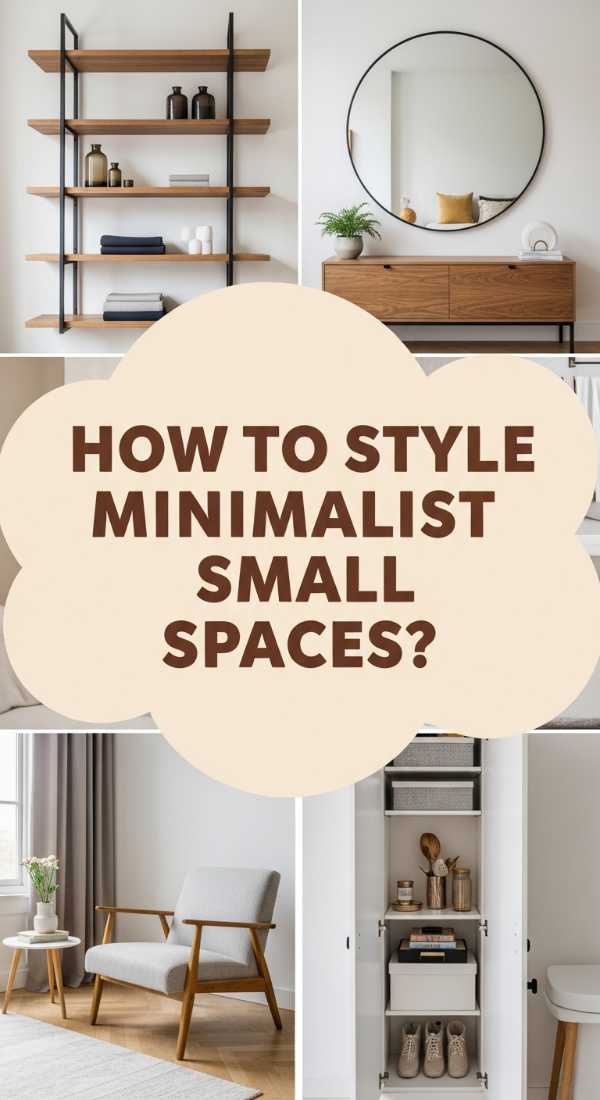
How to Style Minimalist Living Room Small Spaces for Maximum Flow
Why we love this
Styling a small space with a minimalist lens is like solving a beautiful puzzle that results in an airy, expansive retreat. When you eliminate the bulk, you suddenly realize that your square footage isn’t the problem—the visual weight was. We love this because it proves you don’t need a mansion to experience luxury. In a well-styled small space, every shadow and highlight is intentional; the way a mirror catches the afternoon sun or how a leggy armchair allows you to see more of the floor, creating an illusion of infinite space and effortless flow.
Essential Elements:
- Furniture with exposed legs to create ‘air’
- Large-scale mirrors to reflect light
- Multi-functional hidden storage
- Transparent materials like acrylic or glass
- Vertical design elements to draw the eye up
How to make it
- Select furniture with a ‘slim’ profile. Opt for sofas and chairs with thin legs rather than ‘skirted’ bases. Seeing the floor continue under the furniture tricks the brain into perceiving more square footage.
- Position a large floor-to-ceiling mirror opposite your primary window. This doubles the natural light and creates a ‘window’ effect that visually expands the walls.
- Utilize hidden storage. Choose a coffee table with a secret compartment or an ottoman that opens up. This allows you to tuck away remotes, books, and blankets, keeping the visible surfaces pristine.
- Go big with art. Instead of a gallery wall (which can look cluttered), choose one large, minimalist canvas. This provides a single focal point that anchors the room without fragmenting the space.
- Keep window treatments simple. Use floor-to-ceiling linen drapes in a color that matches the walls. This creates a continuous line that makes the ceiling feel higher and the room feel wider.
How to Arrange Room Decor Minimalist Style for Better Sleep
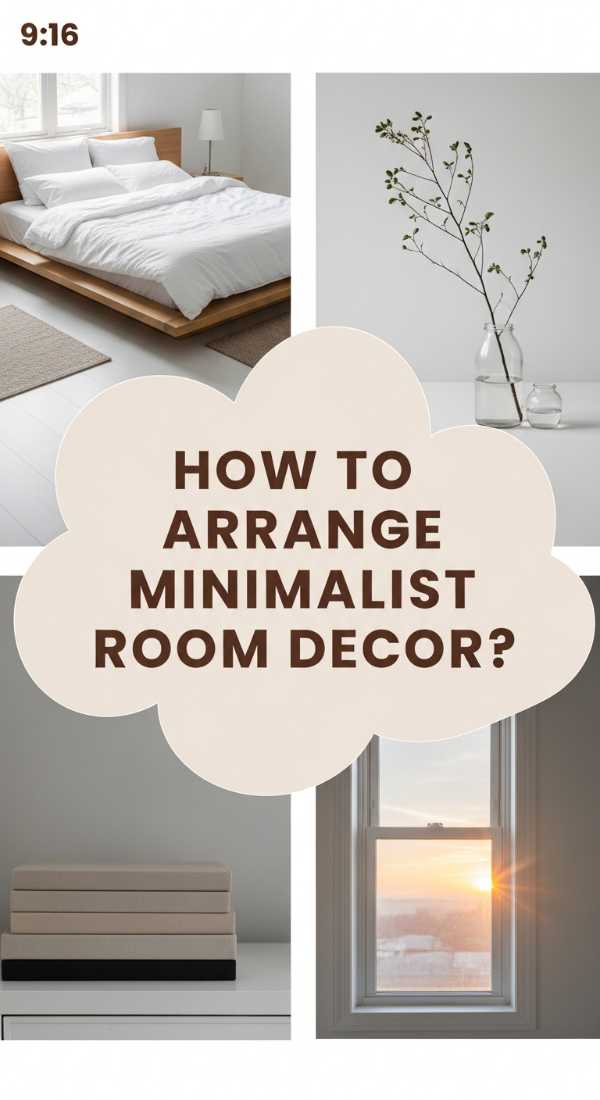
Why we love this
The bedroom is the most sacred space in the home, and a minimalist arrangement is the ultimate secret to restorative sleep. By stripping away the visual ‘to-do list’—the pile of books, the charging cables, the laundry in the corner—you create a vacuum for rest. We love the feeling of cool, crisp cotton sheets against a backdrop of muted tones and empty surfaces. It signals to the brain that the day is over, allowing the aroma of lavender and the stillness of the room to pull you into a deep, uninterrupted slumber.
Essential Elements:
- Monochromatic bedding in natural fibers
- Clear nightstands (no tech)
- Blackout window treatments
- Dimmable bedside lamps
- Low-VOC materials for air purity
How to make it
- Clear your nightstands completely. Leave only the essentials: a carafe of water and perhaps a single book. Store chargers and electronics in a drawer or another room to eliminate blue light and psychological ‘pings.’
- Invest in high-thread-count organic cotton or linen bedding. Choose a single tone—like oatmeal, soft grey, or crisp white—for the entire bed to create a visual field of tranquility.
- Symmetrically arrange your pillows. Use two large sleeping pillows and two slightly firmer shams. Avoid a ‘mountain’ of decorative pillows that you have to move every night; minimalism is about ease.
- Introduce a ‘sleep’ scent. Use a linen mist with essential oils of chamomile and valerian root. Spritzing this nightly creates a sensory anchor that tells your body it is time to wind down.
- Ensure total darkness. Install blackout honeycomb shades or heavy velvet curtains that seal out the morning light, allowing your circadian rhythm to dictate when you wake, rather than a streetlamp.
How to Build a Minimalist Home Aesthetic for Stress Free Living
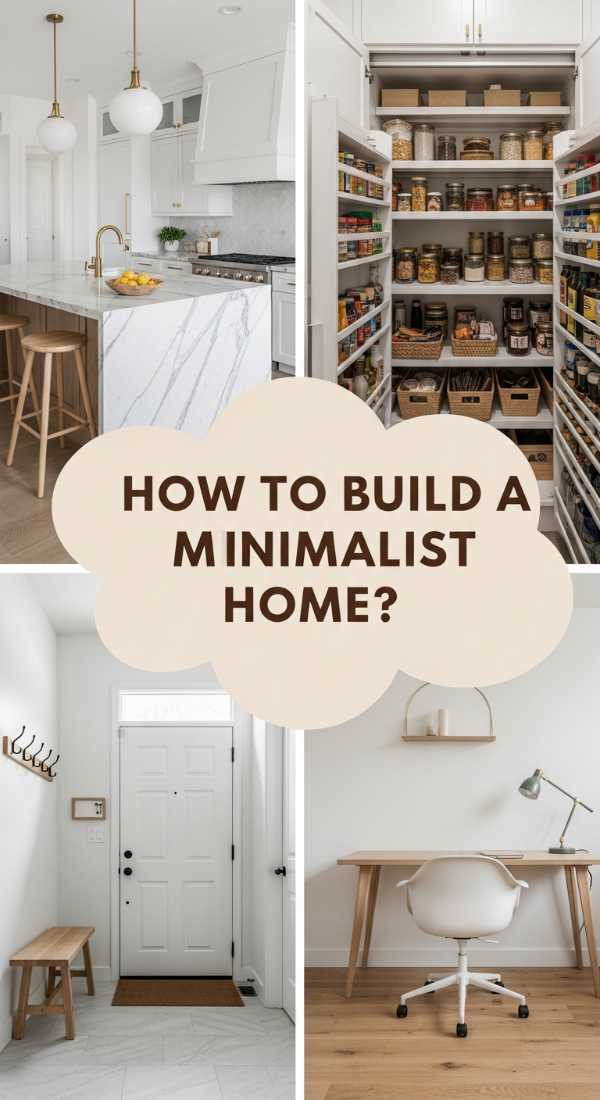
Why we love this
Building a stress-free home aesthetic is about more than just decor; it’s about engineering your environment to support your mental health. We love this because it removes the ‘background hum’ of anxiety that comes from a disorganized home. Every time you open a drawer and find exactly what you need, or glance at a kitchen counter that is completely bare except for a bowl of fresh fruit, your cortisol levels drop. It is the luxury of clarity, where the tactile smoothness of organized surfaces provides a soothing rhythm to your daily chores.
Essential Elements:
- Uniform storage containers
- Designated ‘homes’ for every object
- Label-free environments (decanting)
- Clear surfaces (the 1-minute rule)
- Quality over quantity mindset
How to make it
- Adopt the ‘Decanting’ method. Remove dry goods, soaps, and detergents from their loud, branded packaging and place them in glass jars or ceramic dispensers. This removes visual ‘noise’ and creates a high-end, uniform look.
- Implement the ‘one-in, one-out’ rule. For every new item that enters your home, one must leave. This prevents the slow creep of clutter and ensures your aesthetic remains sharp and intentional.
- Designate ‘drop zones.’ Have a specific, hidden basket for mail and a tray for keys. By containing the inevitable daily chaos into small, defined areas, the rest of your home remains a stress-free zone.
- Clear all flat surfaces daily. Before bed, spend 5 minutes clearing the kitchen counters and coffee table. Wiping down these surfaces with a gentle, scented cleaner (like grapefruit or mint) prepares your home to greet you peacefully in the morning.
- Focus on high-quality basics. Instead of ten cheap mugs, own four beautiful, handmade ceramic ones. Using fewer, better items reduces the time spent on dishes and maintenance.
How to Curate Minimalist Cozy Textures for the Perfect Nook
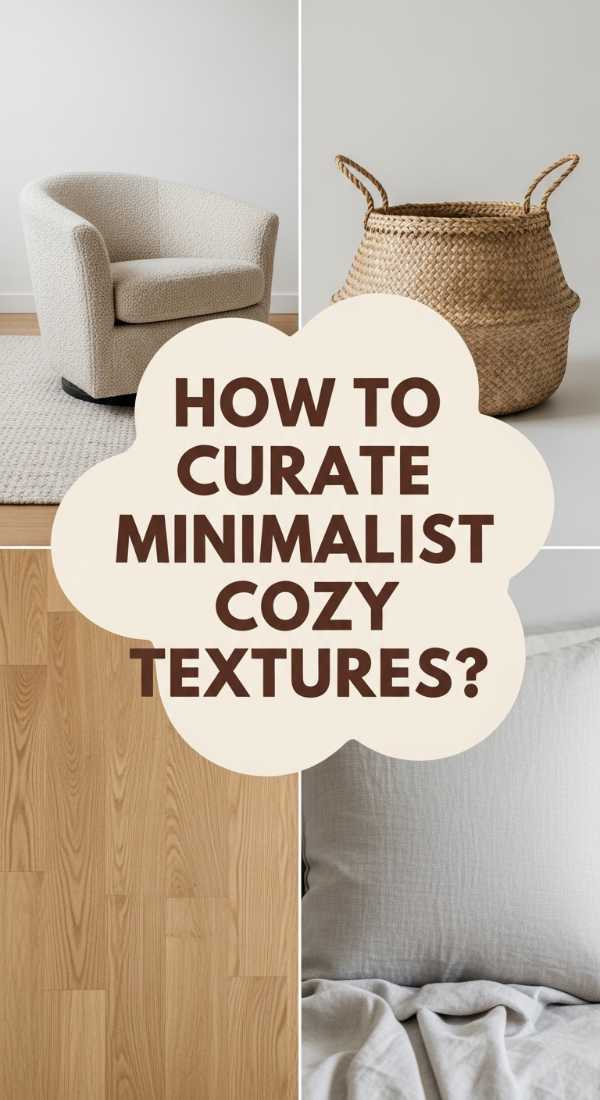
Why we love this
There is something magical about a minimalist nook—it is a small, dedicated space designed for a single purpose: relaxation. We love the interplay of textures here; the rough weave of a jute rug beneath the buttery softness of a leather chair, topped with a cloud-like mohair throw. It’s a sensory feast that doesn’t require a lot of ‘stuff’ to feel indulgent. It’s the perfect place to curl up with a cup of herbal tea, feeling the warmth of the ceramic mug while the afternoon light dances across the varied surfaces of your curated sanctuary.
Essential Elements:
- Natural fiber rugs (jute, wool, sisal)
- Contrasting textile weights
- Organic-shaped seating
- Subtle patterns (herringbone or waffle weave)
- Soft, focused task lighting
How to make it
- Select a quiet corner. Choose a spot with natural light, ideally near a window. Place a single, comfortable armchair—look for something with a rounded back to contrast the sharp lines of the room.
- Layer your flooring. Start with a thin jute rug for texture and top it with a smaller, plush wool rug. This ‘doubling up’ adds depth and physical warmth to the floor.
- Mix your ‘softs.’ Place a linen pillow and a wool throw on the chair. Mixing materials like this creates visual interest through texture rather than color, keeping the minimalist vibe intact.
- Add a ‘low’ side table. A small, stump-style wooden stool or a low stone plinth provides a place for your tea without taking up visual space. The closer to the floor the furniture is, the more grounded the nook feels.
- Create a ‘lighting bubble.’ Use a small, adjustable floor lamp with a warm bulb aimed specifically at your reading material. This pools the light in one spot, making the rest of the room fade away into a cozy shadow.
How to Design Living Room Decor Minimalist Accents for Elegant Gatherings
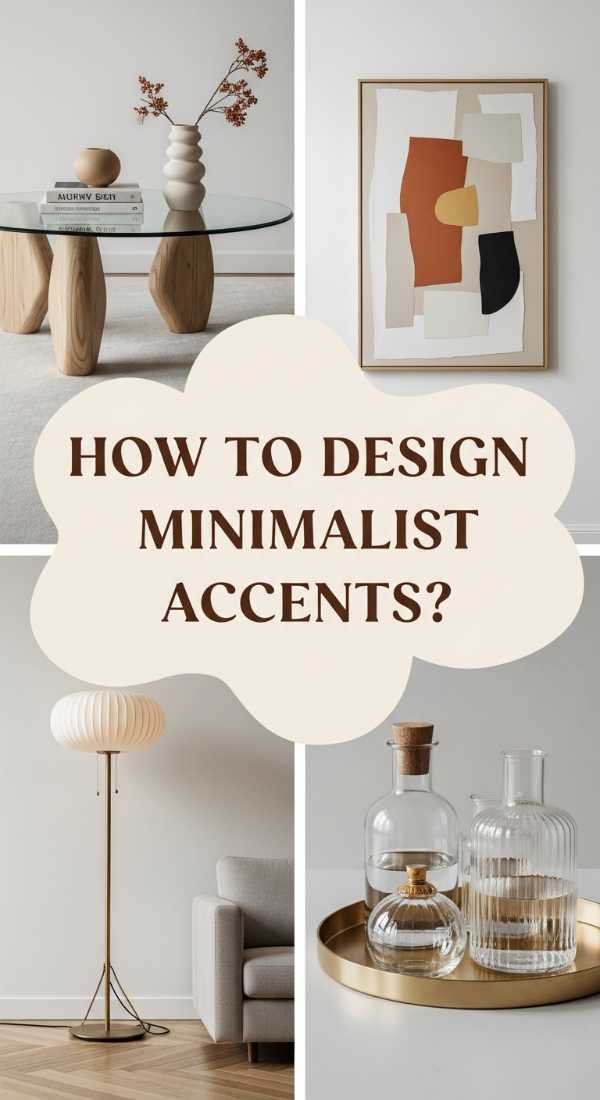
Why we love this
Minimalist gatherings are the height of modern elegance. When the decor is stripped back to the essentials, the focus shifts entirely to the conversation, the food, and the people. We love the sophisticated look of a long dining table adorned only with a few sculptural candles and a single branch of greenery. It feels intentional and high-end, like a private dinner at an art gallery. The lack of clutter allows the aroma of the meal to take center stage, creating a refined atmosphere where guests feel relaxed and truly seen.
Essential Elements:
- Sculptural centerpieces (a single branch or vase)
- Taper candles in varying heights
- Linen napkins and tablecloths
- Uniform, high-quality dinnerware
- Understated background music
How to make it
- Choose a focal point for the table. Instead of a large floral arrangement, use a single, tall ceramic vase with one dried palm leaf or a blooming branch. This adds height and drama without blocking the view of guests.
- Utilize candlelight. Place five to seven cream-colored taper candles in simple brass or ceramic holders along the center of the table. The flickering light adds a ‘viral’ warmth that makes every photo look professional.
- Stick to a neutral palette for linens. Use a stonewashed linen tablecloth in a sand or charcoal tone. The natural wrinkles in the fabric provide texture and eliminate the need for ironing, fitting the ‘effortless’ minimalist ethos.
- Curate your playlist. Choose low-fi beats or ambient jazz at a volume that allows for easy talking. Sound is a major part of your home’s ‘decor’—make sure it feels as clean and curated as your furniture.
- Serve simply. Use large, white platters for food. Minimalist plating—where the food has plenty of white space around it—makes even a simple salad look like a gourmet dish.
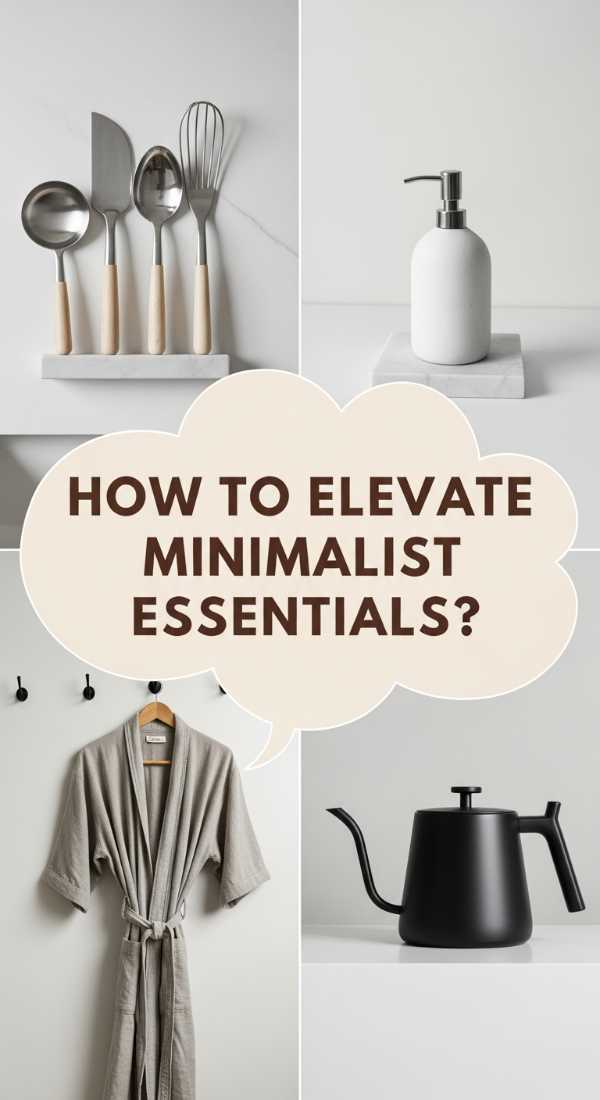
How to Elevate Minimalist Home Essentials for Effortless Luxury
Why we love this
Effortless luxury is the result of upgrading the things you use every single day. We love this approach because it turns mundane moments—like drying your hands or pouring a glass of water—into a high-end experience. When your hand towels are plush, heavy-weight cotton and your water carafe is a piece of hand-blown glass, your home feels like a five-star hotel. It is the sensory pleasure of high-quality materials that makes minimalism feel expensive, creating a life that is streamlined, beautiful, and deeply satisfying.
Essential Elements:
- High-GSM (Grams per Square Meter) towels
- Glass or marble kitchen accessories
- Artisanal soaps in glass bottles
- High-quality metal hardware (brushed gold or matte black)
- Matching storage vessels for everything
How to make it
- Upgrade your ‘touchpoints.’ Replace plastic soap dispensers with heavy glass or stone ones. Every time you wash your hands, the weight of the bottle provides a subtle cue of quality and luxury.
- Invest in the ‘daily towels.’ Swap mismatched kitchen and bath towels for a set of uniform, high-GSM towels in a neutral tone like sage, clay, or white. The thickness of the fabric is the key to that ‘spa’ feeling.
- Curate your utility items. Even your broom and dustpan can be aesthetic. Choose versions made of wood and horsehair. Storing beautiful tools in plain sight turns them into part of the decor.
- Switch your hardware. If you’re a renter or on a budget, simply changing the knobs on your cabinets to matte black or brushed brass can instantly elevate the entire aesthetic of the room.
- Use a glass carafe system. Keep a beautiful glass carafe and matching glass on your nightstand or desk. It encourages hydration while looking like a deliberate design choice rather than a leftover water bottle.
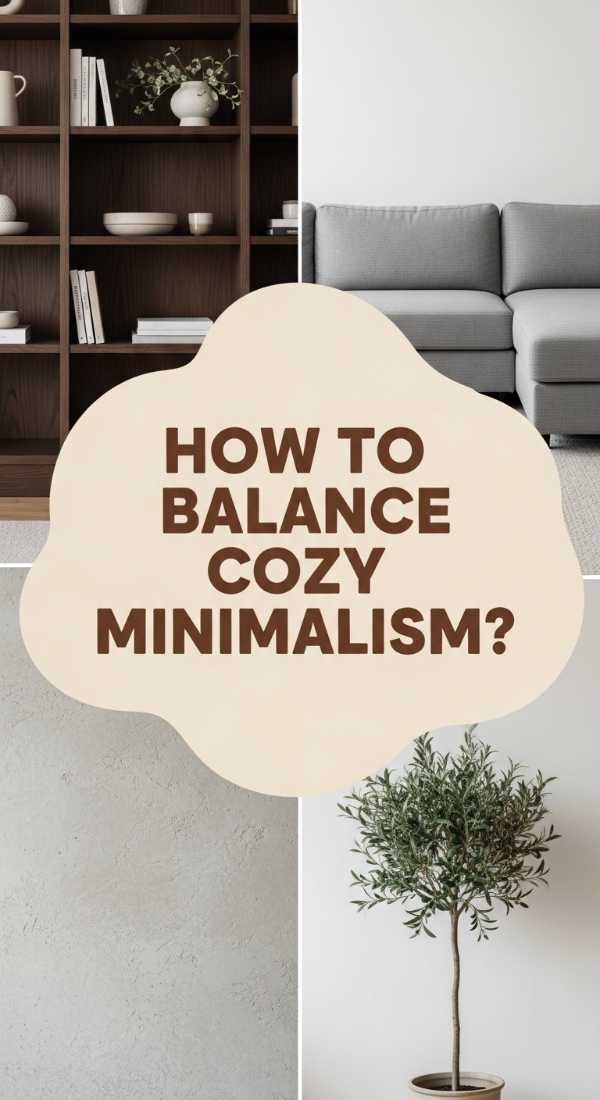
How to Balance Cozy Minimalist Elements for a Harmonious Den
Why we love this
The den is where we truly live, and finding the balance between ‘cozy’ and ‘minimalist’ here is the key to a harmonious home. We love the way a large, plush sectional sofa can still feel minimalist if it’s styled with a single, oversized throw in a matching shade. It’s about the balance of proportions—the ‘yang’ of a clean, flat-screen TV balanced by the ‘yin’ of a soft, textured rug and a warm wooden media console. It creates a space that is functional for movie nights but remains a serene, uncluttered haven during the day.
Essential Elements:
- Low-profile, oversized seating
- Texture-rich area rugs
- Integrated, hidden technology
- Warm wood accents
- Subtle, layered lighting
How to make it
- Anchor the room with a large rug. Ensure the rug is big enough that all furniture legs sit on it. A large rug ‘holds’ the room together, while a small rug makes it look fragmented and cluttered.
- Hide the tech. Use a media console with solid doors to hide gaming consoles, cables, and routers. If possible, use a ‘Frame’ style TV that displays art when not in use to maintain the aesthetic.
- Balance the sofa. If you have a large, heavy sofa, pair it with light, airy side tables. This creates a visual equilibrium where the weight of the comfort is offset by the lightness of the design.
- Introduce ‘soft’ corners. Use round pillows or a circular coffee table to break up the straight lines of the walls and the TV. This makes the room feel more ‘den-like’ and approachable.
- Use floor-level lighting. Place a small uplight behind a large potted plant in the corner. This creates soft, leafy shadows on the wall, adding a layer of cozy ‘mood’ without needing extra furniture.
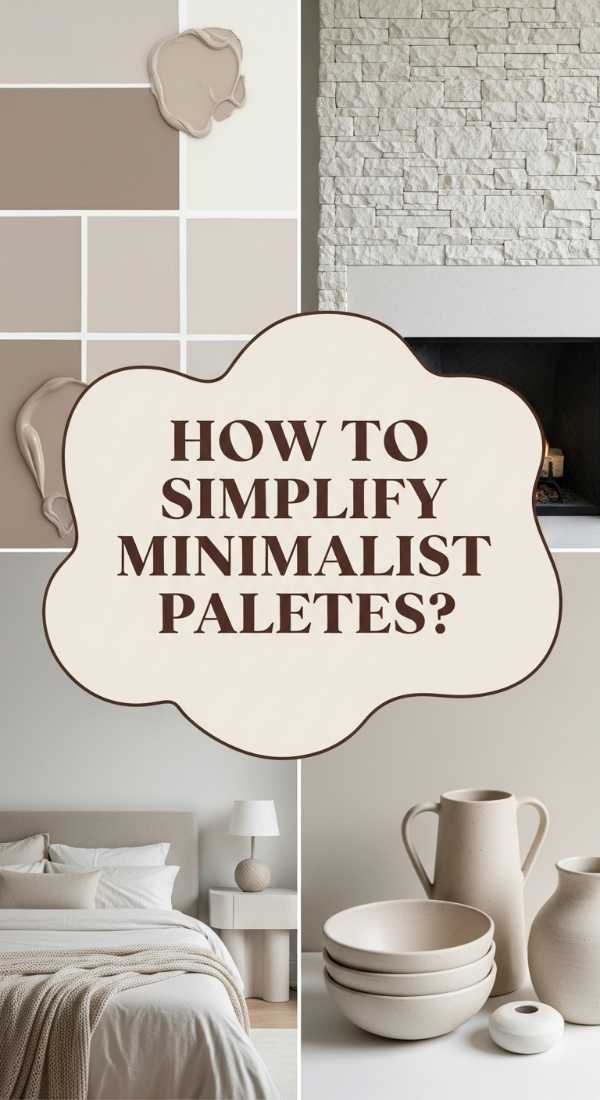
How to Simplify Room Decor Minimalist Palettes for Timeless Beauty
Why we love this
There is a timeless beauty in a simplified palette that transcends trends. We love how a room draped in shades of ‘greige,’ cream, and charcoal feels both modern and historic. It’s like a blank canvas that allows the architecture of the room and the quality of the light to take center stage. This approach creates a ‘quiet’ beauty that doesn’t scream for attention but rather invites you to linger. It is the ultimate luxury: a home that never goes out of style and always feels fresh, clean, and incredibly sophisticated.
Essential Elements:
- A base of 3-4 neutral tones
- Varied finishes (matte, gloss, brushed)
- Natural, unpainted wood
- Pops of black for grounding
- White space on walls
How to make it
- Define your ‘base’ white. Not all whites are equal. Choose a warm white with yellow or pink undertones for a cozy feel, or a cool white with blue undertones for a more gallery-like, modern vibe.
- Apply the 60-30-10 rule. Use your primary neutral for 60% of the room (walls), a secondary shade for 30% (furniture/rugs), and a final accent shade for 10% (pillows/vases). This ensures perfect balance.
- Play with finishes, not colors. Instead of adding a new color, add a new finish. Use a matte wall paint, a satin-finish wooden table, and a high-gloss ceramic bowl. The variation in how they reflect light adds depth.
- Ground the room with black. Every minimalist room needs a touch of black—a lamp base, a picture frame, or a chair leg. This ‘grounds’ the lighter colors and gives the eye a place to rest.
- Leave walls ‘naked.’ Resist the urge to fill every wall. Leaving a large portion of your wall space empty draws more attention to the art you *do* choose to hang and creates that sought-after ‘viral’ airiness.
Conclusion
Mastering the viral minimalist home aesthetic is a journey toward intentional living. It isn’t just about the furniture you buy, but the peace of mind you cultivate by letting go of the excess. By focusing on quality, texture, and light, you can transform your home into a sanctuary that nourishes your spirit and looks absolutely stunning. Start small, be intentional, and enjoy the breathing room.