

10 Elements of the Internet’s Favorite Minimalist Home Board
Have you ever found yourself scrolling through Pinterest at midnight, heart fluttering at the sight of a perfectly sun-drenched living room with nothing but a single linen sofa and a sculptural vase? You aren’t alone. We’ve all been captivated by that specific ‘Internet-famous’ minimalist aesthetic that feels both impossibly clean and incredibly lived-in. It’s a delicate balance that promises a life of less clutter and more clarity, a visual sigh of relief in a world that often feels too loud.
Creating this look isn’t just about throwing things away; it’s about the art of curation. It’s the warmth of a morning coffee against a marble tabletop, the scent of dried eucalyptus in a ceramic pitcher, and the soft touch of a chunky knit blanket. Today, I’m pulling back the curtain on the ten essential elements that make these viral boards so magnetic, so you can bring that same sense of curated serenity into your own home.
How to Design a Cozy Minimalist Living Room for Endless Warmth
Why we love this
There is something deeply grounding about a room that uses a palette of oatmeal, sand, and toasted almond. We love this because it appeals to the sense of touch—the rough weave of a jute rug beneath your feet paired with the buttery softness of a leather armchair. It smells of vanilla bean candles and feels like the first cold day of autumn when you’re wrapped in a heavy wool cardigan. It creates a cocoon-like environment where the absence of ‘stuff’ allows the richness of the textures to truly shine, making the space feel expansive yet intimate.
Essential Elements:
- Neutral-toned linen sectional
- Organic wood coffee table
- Hand-woven wool throw blankets
- Dimmable warm-toned LED lighting
- Potted olive tree in a terracotta pot
How to make it
- Establish the Base Layer: Begin by clearing the room entirely. Start with a high-quality, large-scale rug in a light cream or beige. Ensure the rug is large enough that all furniture legs sit comfortably on it, creating a unified ‘island’ of comfort.
- Anchor with Scale: Place your largest piece—the sofa—against the main wall. Choose a low-profile silhouette to keep sightlines open. Professional tip: Leave at least 3 inches of breathing room between the sofa and the wall to allow for shadow play and air circulation.
- Introduce Natural Textures: Add a coffee table made of raw, reclaimed wood. The imperfections in the grain act as the room’s ‘art.’ Balance the hardness of the wood with soft textiles; drape a heavy knit throw over one corner of the sofa.
- Curate the Lighting: Avoid harsh overhead lights. Instead, layer three sources of warm light (2700K color temperature). Use a tall floor lamp for reading, a table lamp for mid-level glow, and hidden LED strips for architectural accenting.
- Breath Life into the Corners: Finish by placing a large-scale plant, like an olive tree, in a corner. The green adds a vital pop of color without breaking the minimalist vibe.
How to Master Small Living Room Ideas for an Apartment Aesthetic
Why we love this
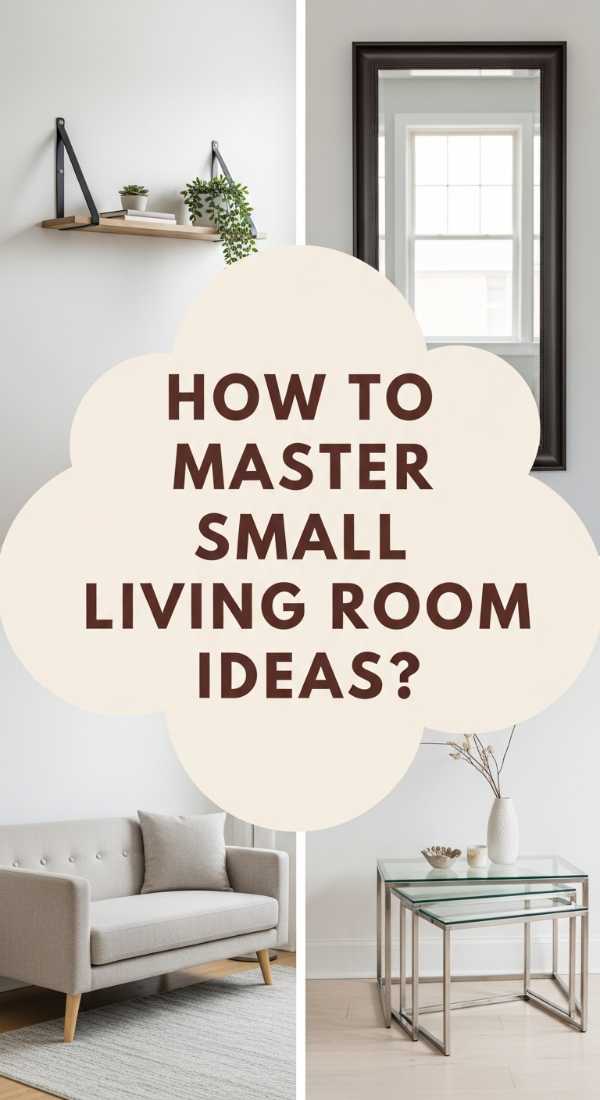
This aesthetic is the ultimate solution for the urban dweller who craves luxury in a limited footprint. We love it because it utilizes clever geometry and light to transform a ‘cramped’ space into a ‘curated’ one. It feels like a fresh start—the scent of citrus cleaner and fresh laundry. Imagine sitting on a perfectly scaled loveseat, the morning sun bouncing off a well-placed mirror, making the air feel light and breezy. It’s about the joy of owning only what you need, where every item has a purpose and a place, providing a sense of order in a busy city.
Essential Elements:
- Leggy furniture (mid-century modern style)
- Large-scale wall mirror
- Multifunctional storage ottoman
- Sheer floor-to-ceiling curtains
- Acrylic or glass nesting tables
How to make it
- Maximize Vertical Height: Install curtain rods as close to the ceiling as possible. Use sheer, floor-length panels to draw the eye upward, creating the illusion of taller walls.
- Select ‘Leggy’ Furniture: Choose a sofa and chairs with exposed legs rather than upholstered skirts. This allows light to flow underneath the furniture, making the floor area appear larger than it is.
- Utilize Mirror Mastery: Place a large floor-length mirror opposite your primary window. This ‘doubles’ your light source and creates a visual window into an imagined second room, significantly reducing feelings of claustrophobia.
- Implement Hidden Storage: Swap a standard coffee table for a storage ottoman in a matching fabric. This allows you to tuck away blankets and tech cords instantly, maintaining the ‘clean’ minimalist surface.
- Opt for Transparency: Use a glass or acrylic coffee table. Because these items are visually ‘weightless,’ they provide function without cluttering the visual field of the room.
How to Curate Minimalist Room Decor for Total Serenity

Why we love this
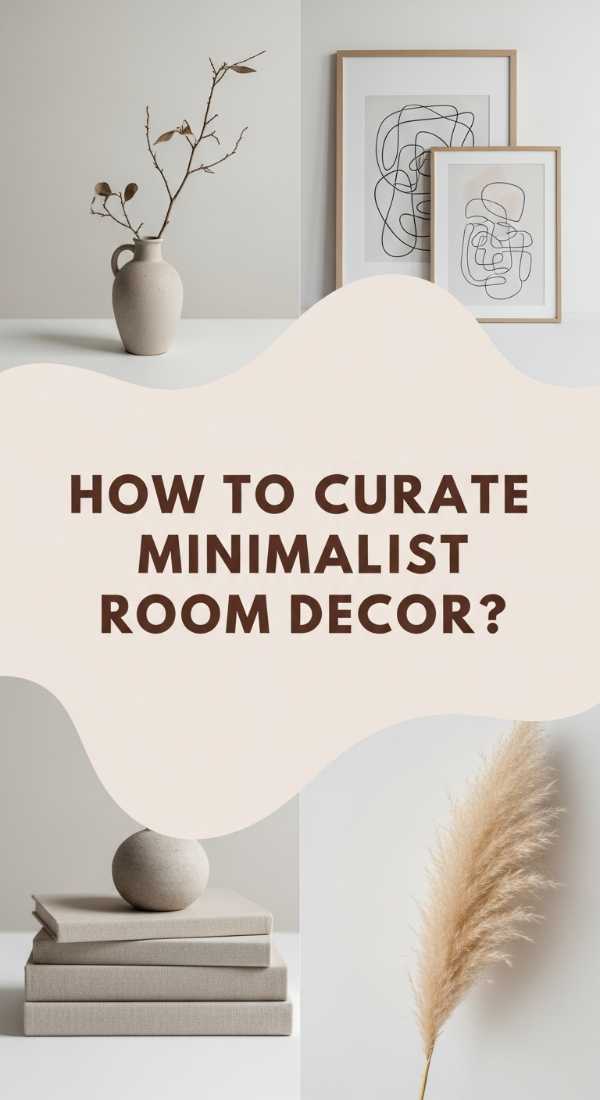
This approach is all about the ‘slow living’ movement—the quiet rustle of a page turning and the stillness of a room at dusk. We love this because it prioritizes mental health over material accumulation. The aesthetic is characterized by cool tones and negative space, smelling faintly of lavender and fresh air. It feels like stepping into a spa; the visual noise of the world is muted, allowing your mind to finally settle. The smooth surfaces and clean lines offer a tactile sense of calm that helps you transition from a high-stress workday to a peaceful evening.
Essential Elements:
- Monochromatic art pieces
- Single-stem vases
- Low-pile neutral rugs
- Floating shelves
- Smooth ceramic sculptures
How to make it
- The Rule of One: For every surface, choose only one significant decorative item. Instead of a cluster of small frames, use one large, monochromatic painting. This creates a focal point that doesn’t overwhelm the eye.
- Embrace Negative Space: Leave at least 40% of your shelf and wall space empty. This ‘white space’ is an intentional design choice that allows the remaining items to feel more valuable and thoughtful.
- Curate a Color Story: Stick to a very tight palette of three shades. For example: charcoal, slate, and mist. Use these colors across different textures—a slate ceramic vase on a mist-colored shelf.
- Introduce Organic Shapes: Avoid sharp edges where possible. Choose rounded, organic-shaped vases or bowls to soften the minimalist lines and provide a more ‘human’ and serene feel.
- Hidden Technology: Conceal all wires and black boxes (routers, chargers). Use cord management kits to ensure that the only things visible are your curated decor pieces.
How to Create a Minimalist Cozy Sanctuary for Ultimate Relaxation
Why we love this
There is nothing more evocative than a bedroom that feels like a cloud. We love this sanctuary vibe because it focuses on the sensory experience of rest—the crisp coolness of percale cotton sheets and the heavy, comforting weight of a duvet. It smells of eucalyptus and white tea, evoking the feeling of a high-end boutique hotel. This space is designed for the transition into sleep; it’s a tactile playground of soft linens and hushed tones where the outside world simply ceases to exist, leaving you in a state of pure, unadulterated relaxation.
Essential Elements:
- High-thread-count linen bedding
- Upholstered headboard in a neutral fabric
- Blackout curtains in a heavy weave
- Minimalist nightstand with a single drawer
- Soft-glow ambient bedside lamp
How to make it
- Layer the Bedding: Start with a high-quality mattress protector, followed by linen sheets. Layer a heavy down-alternative duvet, then fold a textured coverlet at the foot of the bed. This creates a visual ‘nesting’ effect.
- Symmetry for Stability: Place identical nightstands and lamps on either side of the bed. Symmetry is naturally calming to the brain and reinforces the idea of the bed as a central sanctuary.
- The Minimalist Nightstand Rule: Keep the surface of your nightstand clear except for a lamp and perhaps a single book or carafe of water. Use the drawer for all ‘clutter’ items like chargers or glasses.
- Soft Landing: Place a small, high-pile rug right where your feet hit the floor in the morning. This physical sensation of softness immediately sets a positive tone for the day.
- Mood Lighting Mastery: Use smart bulbs that transition from a bright white in the morning to a warm, low-intensity amber in the evening to mimic natural circadian rhythms.
How to Build a Minimalist Home for Effortless Cohesion

Why we love this
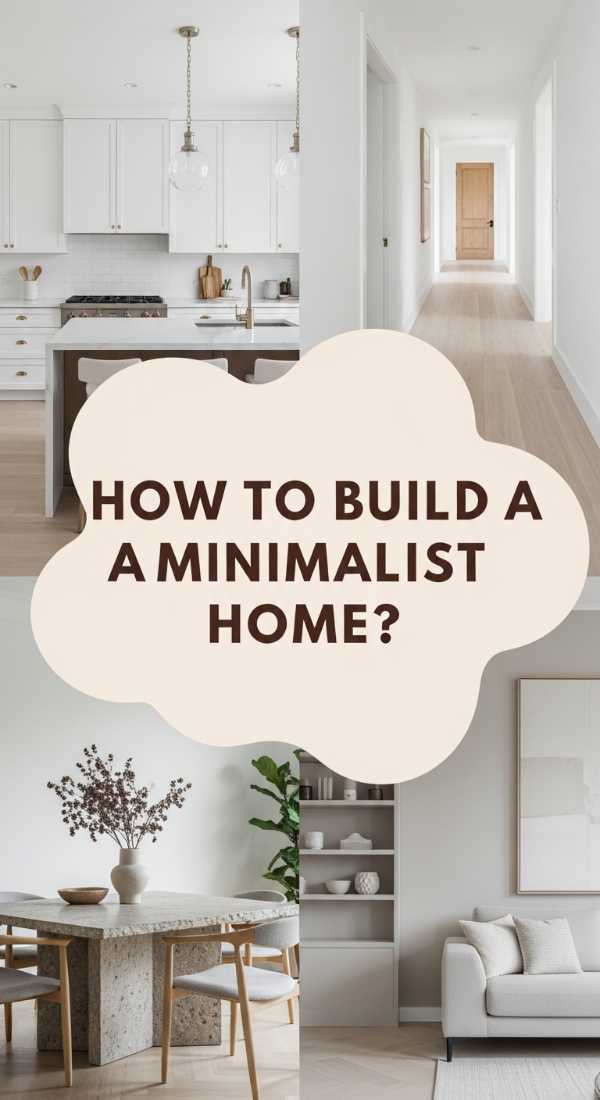
This is the ultimate ‘Pinterest Home’ dream—a house where every room feels like a continuation of the last. We love this because it removes the jarring transition between different design styles, creating a flow that feels rhythmic and musical. It smells of a signature home fragrance—perhaps sandalwood or sea salt—that greets you at the door. Walking through this home feels like a curated journey; the consistent use of light oak and matte black accents creates a sense of professional design that is both sophisticated and incredibly easy on the eyes.
Essential Elements:
- Consistent flooring throughout
- Uniform paint color (warm white or greige)
- Repeated hardware finishes (e.g., matte black)
- Shared textile palette across rooms
- Integrated storage solutions
How to make it
- Standardize the Palette: Choose one ‘anchor’ white for all walls and one ‘accent’ color for all doors or trim. This creates a visual ‘red thread’ that ties the entire home together.
- Sync the Hardware: Replace mismatched knobs and pulls with a single style throughout the house. Matte black or brushed brass provides a modern, minimalist pop that looks cohesive across kitchens, baths, and bedrooms.
- Uniform Flooring: If possible, use the same flooring material in every room (excluding wet areas). This prevents the visual break at doorways and makes the entire floor plan feel significantly larger.
- Repeat Texture Profiles: If you use linen in the living room, use linen curtains in the dining room. Repeating textures creates a sense of familiarity and comfort as you move through the space.
- Centralized Clutter Control: Create a ‘drop zone’ near the entrance with built-in cabinetry. By containing the daily mess (keys, mail, bags) in one hidden area, the rest of the home remains a minimalist masterpiece.
How to Style Living Room Decor Minimalist for Earthy Vibes
Why we love this
This style brings the outdoors in, creating a bridge between the clinical nature of minimalism and the wild beauty of the forest. We love it because it feels ‘alive’—the smell of wet soil after rain and the rough, honest texture of a terracotta pot. It’s an aesthetic that celebrates the imperfect; the knot in a wooden stool or the uneven glaze on a handmade mug. This space doesn’t just look good; it feels soulful and grounded, offering a tactile connection to nature that is often lost in modern interior design.
Essential Elements:
- Natural stone accents (travertine or marble)
- Terracotta or clay pottery
- Dried botanical arrangements
- Unfinished wood furniture
- Woven seagrass baskets
How to make it
- Source Raw Materials: Choose a coffee table or side table with a visible, live edge. The raw wood provides an earthy anchor for the room.
- Incorporate Clay and Stone: Place a few high-quality terracotta vases on a shelf. The porous, matte texture of the clay contrasts beautifully with smooth, minimalist surfaces.
- Go for Dried Greenery: Instead of high-maintenance flowers, use dried pampas grass or eucalyptus branches. They provide height and an organic silhouette that lasts for months with zero effort.
- Choose Earth-Toned Textiles: Select throw pillows in shades of moss green, terracotta, or burnt umber. Ensure the fabrics are natural, like heavy cotton or hemp.
- Utilize Natural Light: Keep window treatments minimal to let in as much ‘green’ light from the outside as possible. This reinforces the connection between the indoor decor and the outdoor world.
How to Elevate Minimalist Living Room Small Spaces for Bright Living
Why we love this
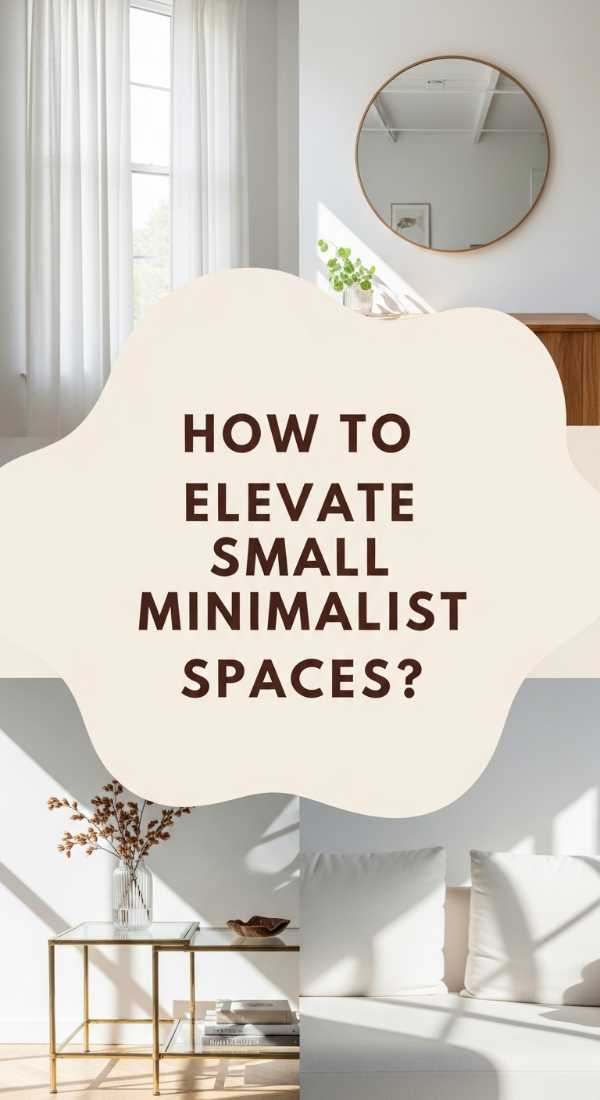
This is about the power of the ‘glow.’ We love this bright minimalist style because it feels incredibly optimistic and energizing—the feeling of a sunny Sunday morning where everything is possible. It smells of fresh-cut lemons and looks like a blank canvas waiting for a story. The use of high-reflectance whites and light-catching glass makes the space feel airy and weightless, as if the walls themselves are breathing. It’s the perfect antidote to dark, gloomy winter days, providing a year-round sense of summer luminosity.
Essential Elements:
- High-gloss white finishes
- Mirrored or metallic accents
- Sheer white window treatments
- Light-colored wood (ash or maple)
- Low-profile white furniture
How to make it
- Reflective Paint Choice: Use a paint with a Satin or Semi-Gloss finish on trim and a ‘Bright White’ with high Light Reflectance Value (LRV) on walls. This ensures every bit of light is bounced around the room.
- Declutter Surfaces Completely: In a bright space, every shadow counts. Keep surfaces 90% clear to allow light to flow uninterrupted across the planes of your furniture.
- Incorporate Glass Elements: Use a glass-topped dining table or glass shelving units. These allow the eye to see right through the furniture to the light-reflecting walls beyond.
- Strategic Mirror Placement: Hang a mirror directly opposite the largest light source to double the illumination. Use a thin, minimalist frame to keep the look modern.
- Use White-on-White Textures: Layer a white faux-fur rug over a white wood floor. The variation in texture prevents the room from feeling clinical while maintaining the bright, monochromatic theme.
How to Personalize Room Decor Minimalist for Individual Style

Why we love this
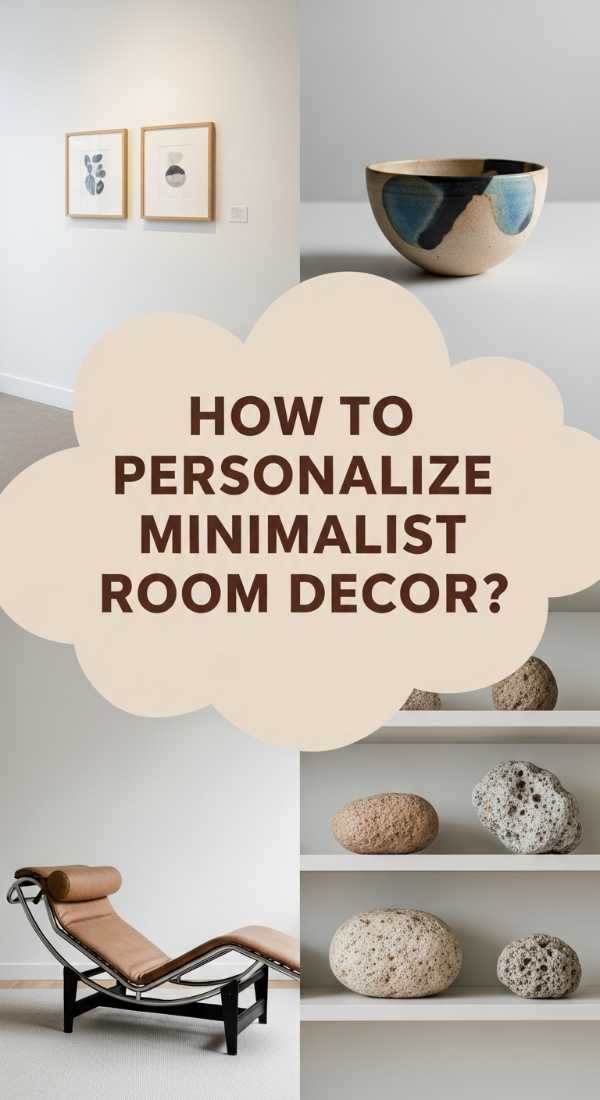
Minimalism often gets a bad rap for being ‘cold’ or ‘soulless,’ but this personalized approach proves that less can be incredibly ‘you.’ We love this because it turns your home into a gallery of your life’s best moments—the smell of an old book you’ve read ten times or the sight of a single heirloom vase from your grandmother. It feels curated and intentional, not stripped bare. It’s the joy of seeing your personality reflected in a few high-quality items rather than being buried under a mountain of generic decor.
Essential Elements:
- Gallery-style art lighting
- A ‘hero’ antique piece
- Curated book stacks
- Personal photographs in uniform frames
- Custom scent profile (diffuser or candle)
How to make it
- The ‘Hero’ Piece Strategy: Choose one item that has deep personal meaning—a vintage trunk or a unique sculpture. Make this the center of your minimalist arrangement, giving it the space it deserves to tell its story.
- Curate Your Collections: If you collect something (like ceramics), don’t show the whole collection. Choose the three best pieces and display them with plenty of space between them.
- Uniform Framing: Take personal photos and convert them to black and white. Use identical minimalist frames with large white mats to give them a professional, gallery-like appearance.
- Incorporate Personal ‘Scent Memory’: Choose a high-quality room spray or candle that reminds you of a favorite place. In a minimalist room, scent becomes a powerful, invisible ‘decor’ element.
- Functional Personalization: Use items you actually use as decor. A beautiful guitar on a stand or a vintage typewriter on a desk adds personality without adding ‘useless’ clutter.
How to Transition to Minimalist Cozy Decor for Seasonal Comfort
Why we love this
This is for the person who loves the change of seasons but hates the clutter of seasonal bins. We love this because it’s a sustainable, low-stress way to celebrate the time of year—the smell of cinnamon in the winter or fresh mint in the summer. It feels like a subtle shift in the air, a gentle rotation of textures that keeps your home feeling fresh and relevant without ever feeling overdecorated. It’s the art of the ‘swap,’ where a few key changes can entirely transform the mood of the space.
Essential Elements:
- Seasonal pillow covers (linen for summer, velvet for winter)
- Rotating natural elements (pinecones, seashells)
- Weight-variable throw blankets
- Seasonal scents (citrus, spice, cedar)
- Adjustable lighting (warm vs. cool tones)
How to make it
- The Textile Swap: Have two sets of pillow covers and throws. In the summer, use light-colored linens. In the winter, swap them for deep-toned velvets or wool. This changes the ‘warmth’ of the room instantly.
- Nature’s Calendar: Use a single large vase as your seasonal centerpiece. Fill it with cherry blossoms in spring, green branches in summer, dried wheat in autumn, and evergreen boughs in winter.
- Scent Cycling: Switch your essential oil blends with the weather. Use refreshing grapefruit in the heat and grounding frankincense or clove when the temperature drops.
- Rug Layering: In colder months, layer a small sheepskin rug over your existing neutral rug to add physical and visual warmth. Remove it when the weather turns warm to ‘lighten’ the floor.
- Candle Depth: Transition from tea lights in glass holders (light and airy) to thick pillar candles in ceramic holders (substantial and cozy) as the days get shorter.
How to Arrange Decor Minimalist for a Mindful Atmosphere
[IMAGE_10]
Why we love this
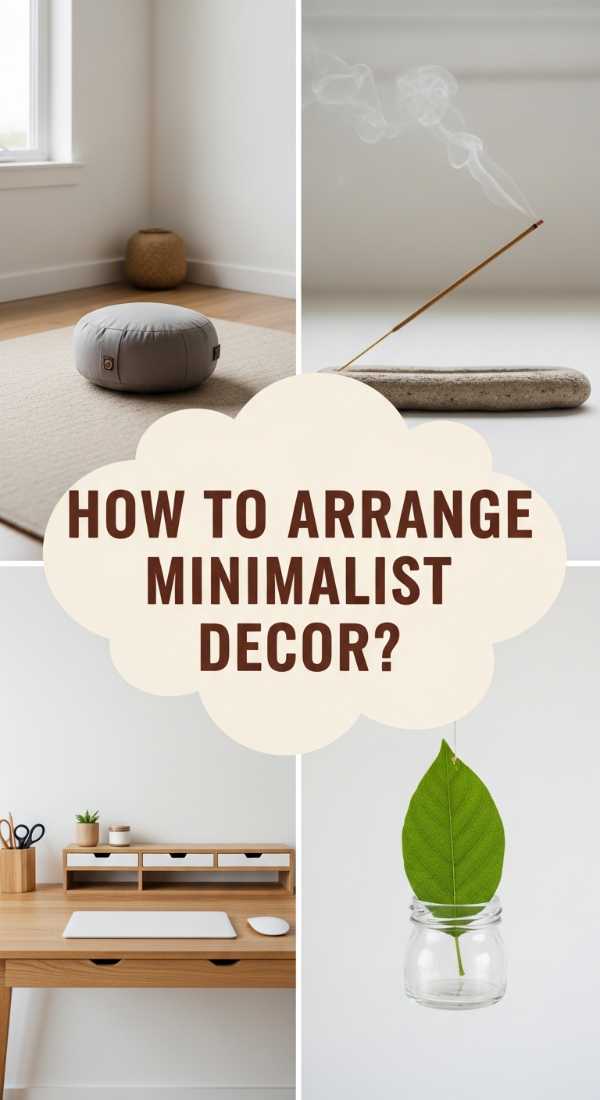
This is the ultimate goal of the minimalist movement: a home that actively improves your state of mind. We love this because it uses the principles of Feng Shui and intentionality to create a ‘zen’ zone—the smell of incense and the sound of soft wind chimes or quiet music. It feels like a deep breath for your soul. Every object is placed with such care that the room itself seems to radiate a sense of balance and purpose, helping you feel more mindful and present in your daily life.
Essential Elements:
- Low-to-the-ground furniture
- Natural fiber meditation cushions
- Indoor water feature or sound machine
- Clear pathways (no furniture blocking flow)
- Soft, diffused natural light
How to make it
- Prioritize Flow: Arrange your furniture so there is a clear, unobstructed path through the room. This ‘unblocked’ space allows for better energy movement and reduces the feeling of being ‘stuck.’
- Level the Vision: Use lower furniture to create a sense of groundedness. A low coffee table or floor cushions encourage a different, more relaxed posture that promotes mindfulness.
- Incorporate Soundscapes: Use a small, minimalist water fountain or a high-quality hidden speaker to play ambient nature sounds. This adds a layer of ‘decor’ that isn’t visual but deeply affects the atmosphere.
- The ‘One-In, One-Out’ Rule: To maintain the mindful atmosphere, commit to removing one item every time you bring a new one into the room. This prevents gradual ‘clutter creep.’
- Daily Reset Ritual: Spend five minutes every evening returning every item to its designated place. This ‘closes’ the day and ensures you wake up to a serene, mindful environment every morning.
Conclusion: Embracing the Minimalist Journey
The beauty of the Internet’s favorite minimalist boards isn’t that they are perfect, but that they are intentional. By focusing on quality over quantity and texture over trends, you can create a home that doesn’t just look like a viral photo, but feels like a sanctuary. Remember, minimalism is a personal journey—start small, keep what you love, and let the rest go. Your home should be a reflection of the peace you want to feel inside.
Minimalist Home FAQ
What is the most important rule of minimalism?
The most important rule is intentionality. Every item in your home should serve a purpose or bring you genuine joy. It’s not about having ‘nothing,’ but about having only what matters.
How do I make minimalism feel cozy instead of cold?
The key is texture. Mix different natural materials like wool, wood, linen, and stone. Use warm-toned lighting and incorporate plants to bring life and softness to the clean lines.
Can I be a minimalist if I have kids or pets?
Absolutely! Minimalist living is actually easier with kids because there is less to clean and more room to play. The trick is having ‘closed storage’ (cupboards and bins) where toys and pet supplies can be tucked away when not in use.