
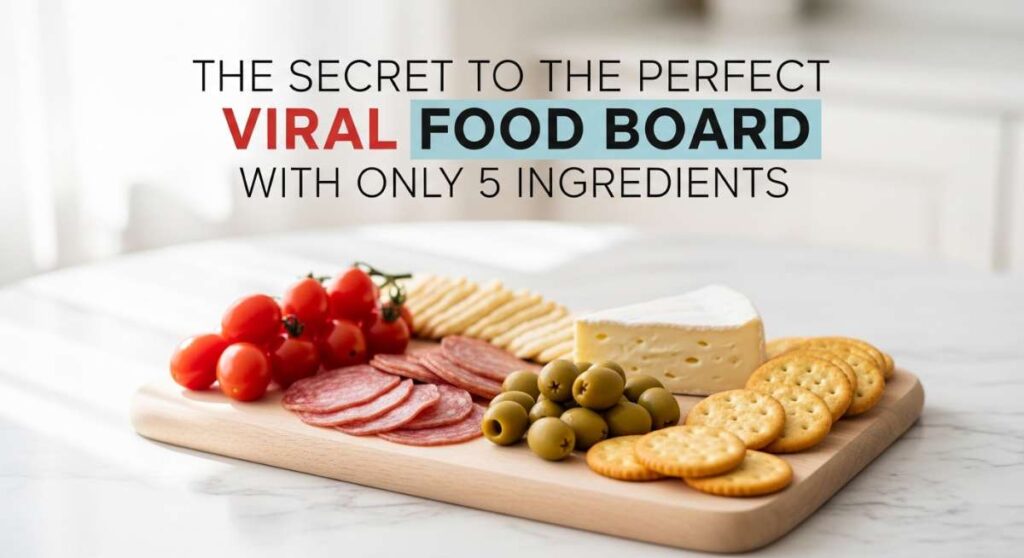
There is nothing quite like the collective gasp of joy when you set a beautiful, overflowing food board in the center of the table. It’s the ultimate symbol of hospitality, inviting everyone to lean in, share stories, and indulge in a variety of textures and flavors. I used to think these viral-worthy spreads required a culinary degree and a massive grocery budget, but I’ve discovered a secret: the most stunning boards are actually the simplest, focusing on just a few high-quality elements that look and taste like a dream.
The magic lies in the intention you put into each component. Whether it’s a slow Sunday brunch or a cozy weeknight gathering, a 5-ingredient focus allows the natural beauty of the food to shine without the clutter of a complicated recipe. By mastering a few core techniques, you can turn basic pantry staples into the stars of your next social media post and, more importantly, the center of your family’s favorite memories.
How to bake buttery scones?

Why we love this
There is an undeniable romance in the scent of buttery scones wafting through a sunlit kitchen. When done correctly, they possess a delicate, crumbly texture that melts on the tongue, followed by a rich, milky finish that pairs perfectly with a steaming cup of Earl Grey. The outer shell should have a golden, crystalline crunch from a light dusting of sugar, while the interior remains soft, airy, and layered with the essence of high-quality butter. It’s a sensory experience that feels both rustic and incredibly sophisticated, evoking memories of quiet mornings and slow living.
Ingredients
- 2 cups All-purpose flour
- 1/2 cup Cold unsalted butter (cubed)
- 1/4 cup Granulated sugar
- 1 tablespoon Baking powder
- 3/4 cup Heavy cream
How to make it
- Begin by whisking your flour, sugar, and baking powder in a large chilled bowl to ensure even distribution of the leavening agent.
- Take your rock-cold butter cubes and use a pastry cutter or your fingertips to rub them into the flour until the mixture resembles coarse meal with some pea-sized lumps remaining; these lumps are the key to flakiness.
- Create a well in the center and pour in the heavy cream, stirring gently with a fork just until a shaggy dough forms—be careful not to overwork the gluten, which would make the scones tough.
- Turn the dough onto a lightly floured surface, pat it into a 1-inch thick disk, and cut into 8 wedges using a sharp knife or bench scraper for clean edges.
- Arrange the wedges on a parchment-lined sheet and bake at 400°F (200°C) for 15-18 minutes, or until the tops are a pale golden brown and the scones feel firm to a light touch.
How to make cookie dough?
Why we love this
Edible cookie dough is the ultimate nostalgic indulgence, offering that decadent, sugary grit and velvety smoothness we all used to sneak from the mixing bowl as children. The aroma is a heady mix of deep molasses from the brown sugar and the floral notes of pure vanilla, creating an intoxicating scent that fills the room. Each bite is a play of textures, from the creamy base to the sudden, satisfying snap of cold chocolate chips. It is comfort food in its purest, most unadulterated form, designed to be enjoyed by the spoonful while curled up on the sofa.
Ingredients
- 1 cup Heat-treated all-purpose flour
- 1/2 cup Softened salted butter
- 3/4 cup Packed brown sugar
- 2 tablespoons Milk
- 1/2 cup Mini chocolate chips
How to make it
- First, heat-treat your flour by spreading it on a baking sheet and toasting it at 350°F for 5-7 minutes until it reaches 160°F to ensure it is safe to consume raw.
- In a medium bowl, cream together the softened butter and brown sugar using a hand mixer on medium-high speed for at least 2 minutes until the mixture is light, fluffy, and significantly paler in color.
- Add the milk one tablespoon at a time, beating continuously until the liquid is fully emulsified into the fats for a silky consistency.
- Gradually fold in the heat-treated flour using a rubber spatula, mixing only until no white streaks remain to maintain a soft, pliable texture.
- Finally, stir in the chocolate chips by hand, ensuring they are evenly distributed throughout the dough before serving or chilling.
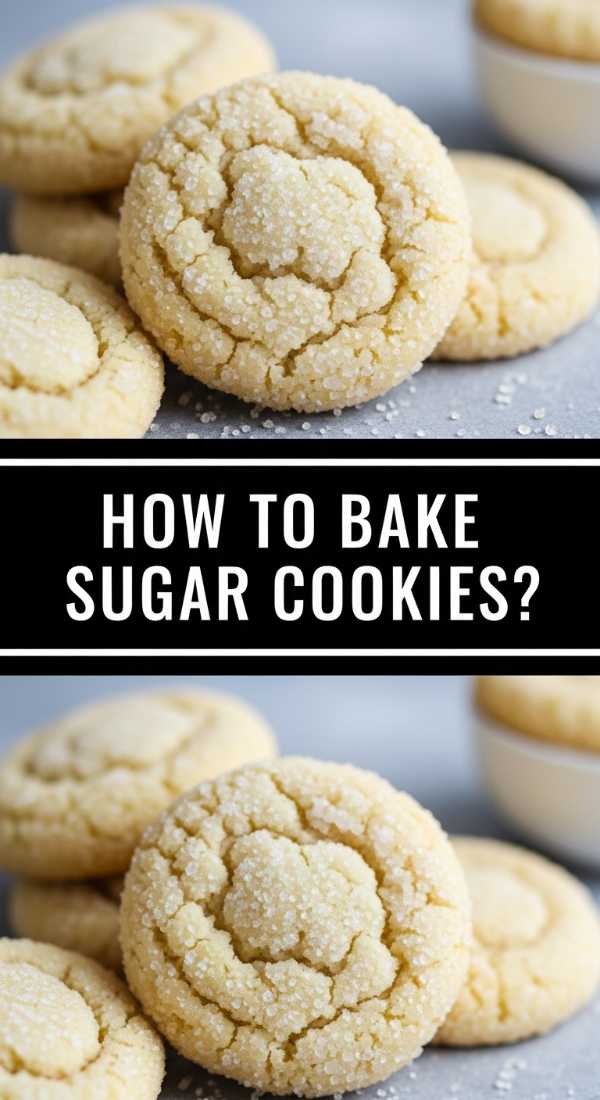
How to bake sugar cookies?

Why we love this
A perfect sugar cookie is a masterclass in balance—simple yet profound, with a crisp edge that gives way to a soft, almost buttery-tender center. The flavor is clean and bright, emphasizing the high-quality vanilla and the sweet, comforting notes of caramelized sugar. Visually, they are a blank canvas of golden perfection, smelling like a professional bakery at dawn. There is a deep satisfaction in the way they snap cleanly in half, releasing a tiny cloud of sweet aroma that invites you to take just one more bite after another.
Ingredients
- 1 cup Unsalted butter (room temp)
- 1 cup Granulated sugar
- 1 Large egg
- 2 1/2 cups All-purpose flour
- 1/2 teaspoon Baking soda
How to make it
- Beat the room-temperature butter and sugar together for about 3 minutes until the mixture looks like wet sand and has gained significant volume.
- Incorporate the egg, beating on medium speed until the batter is smooth and glossy, ensuring you scrape down the sides of the bowl to catch every bit of fat.
- Sift in the flour and baking soda gradually, mixing on the lowest speed possible just until the flour disappears to prevent the cookies from becoming bread-like and tough.
- Scoop rounded tablespoons of dough, roll them into smooth balls between your palms, and place them 2 inches apart on a baking sheet to allow for natural spreading.
- Bake at 350°F (175°C) for 10-12 minutes; the key visual cue is that the edges should be just barely turning a light golden brown while the centers still look slightly soft and underbaked.
How to make creamy cheesecake?

Why we love this
The allure of a perfect cheesecake lies in its dense, velvety richness that coats the palate in a luxurious embrace of tangy cream and sweet vanilla. It’s a sophisticated dessert that feels heavy and substantial yet manages to melt away smoothly with every forkful. The contrast between the buttery, crunchy graham cracker base and the ethereal, cloud-like filling is a textural masterpiece. As it bakes, the scent of warm dairy and sugar creates an atmosphere of pure decadence, promising a treat that is as elegant as it is satisfying.
Ingredients
- 24 oz Full-fat cream cheese (softened)
- 1 cup Granulated sugar
- 3 Large eggs
- 1 teaspoon Vanilla extract
- 1 pre-made Graham cracker crust
How to make it
- Ensure all ingredients, especially the cream cheese and eggs, are at true room temperature to prevent any lumps from forming in your batter.
- Beat the cream cheese and sugar together on low-to-medium speed for several minutes, stopping frequently to scrape the bottom of the bowl until the mixture is perfectly homogenous and satiny.
- Add the eggs one at a time, mixing on the lowest setting just until the yellow disappears; over-mixing at this stage incorporates air which causes the cheesecake to crack.
- Pour the batter into the crust and tap the tin firmly on the counter three times to release any trapped air bubbles to the surface.
- Bake at 325°F (160°C) for 45-50 minutes until the edges are set but the center still has a slight, gelatinous jiggle; turn off the oven and leave the door ajar for an hour to cool the cake slowly before refrigerating.
How to frost moist cupcakes?

Why we love this
Frosting a cupcake is where baking turns into art, transforming a simple cake into a viral-worthy centerpiece. The visual appeal of a perfectly piped swirl, with its sharp ridges and glossy finish, is enough to make anyone reach for their camera. The frosting should be stiff enough to hold its shape but so soft that it feels like silk against the tongue, providing a sweet, buttery counterpoint to the moist crumb of the cupcake. It’s the crowning glory that adds height, texture, and a burst of concentrated flavor to every single mouthful.
Ingredients
- 1/2 cup Unsalted butter (softened)
- 2 cups Powdered sugar
- 2 tablespoons Heavy cream
- 1 teaspoon Vanilla extract
- 12 Pre-baked cupcakes
How to make it
- Whip the softened butter alone for 5 minutes using a whisk attachment until it becomes white in color and incredibly airy.
- Add the powdered sugar one half-cup at a time, mixing on low first to avoid a sugar cloud, then increasing to high for 30 seconds after each addition to build structure.
- Drizzle in the heavy cream and vanilla, then perform a final whip on high speed for 2 minutes until the frosting looks like stiff, glossy peaks of meringue.
- Fit a piping bag with a large star tip (like a 1M or 2D) and fill it halfway, squeezing the bag to remove any air pockets that might cause the frosting to “sputter.”
- Starting at the outer edge of the cooled cupcake, apply steady pressure and move in a tight spiral toward the center, lifting the bag quickly at the very top to create a professional-looking point.
How to flip fluffy pancakes?
Why we love this
There is a specific rhythm to making pancakes that feels like the heartbeat of a happy home. The sound of the batter hitting a hot, buttered griddle and the sight of those first few bubbles breaking the surface is pure anticipation. A perfect pancake is thick and spongy, with a uniform golden-brown tan and an interior that is light enough to soak up maple syrup like a delicious sponge. The aroma of toasted flour and sizzling butter is the ultimate wake-up call, promising a morning filled with warmth and simple, sweet joy.
Ingredients
- 1 cup All-purpose flour
- 1 cup Milk
- 1 Large egg
- 2 teaspoons Baking powder
- 1 tablespoon Melted butter
How to make it
- Whisk the flour and baking powder in one bowl and the milk, egg, and melted butter in another, then combine them using a light hand—a few lumps are actually desirable for a fluffier texture.
- Heat a non-stick skillet or griddle over medium-low heat; the temperature is correct when a drop of water sizzles and dances across the surface before evaporating.
- Pour 1/4 cup of batter for each pancake, leaving enough space between them so they don’t merge into one giant cake.
- Watch for the visual cue: wait until bubbles form on the surface AND the edges of the pancake look matte and set (about 2-3 minutes) before even thinking about the flip.
- Slide a thin spatula all the way under the cake and flip with a quick flick of the wrist, cooking the second side for only about 60 seconds until it has risen and is golden.
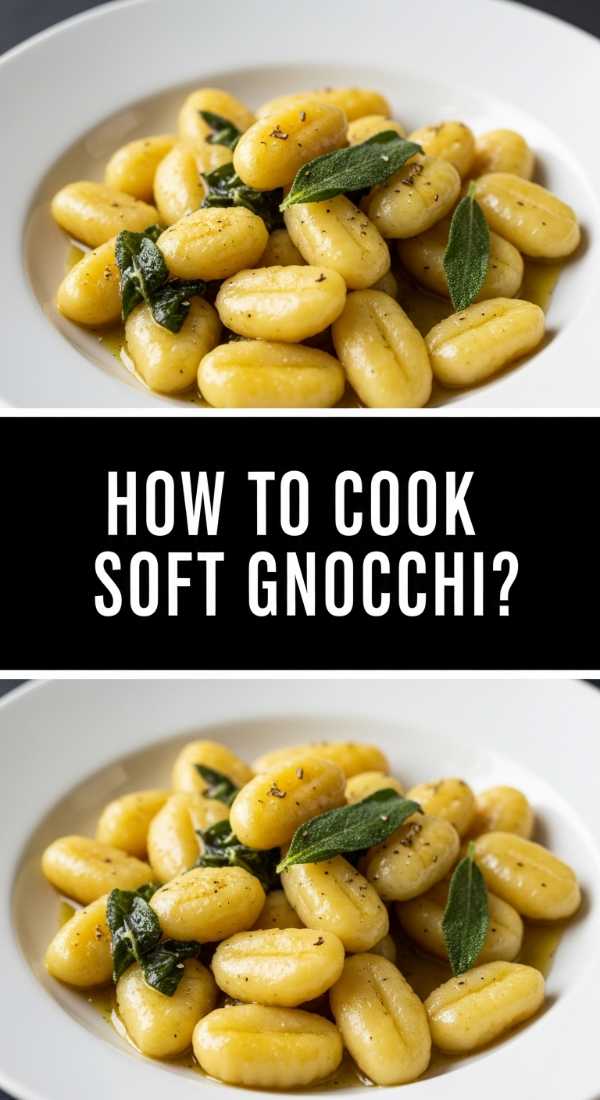
How to cook soft gnocchi?
Why we love this
Gnocchi are often described as “little pillows,” and when cooked to perfection, they truly live up to that name. They possess a delicate, ethereal quality that feels substantial yet light on the stomach, carrying the earthy, comforting taste of potato and a hint of toasted flour. As they sear in a pan, they develop a thin, golden crust that crackles slightly before giving way to a soft, melting interior. The process of making them is tactile and meditative, resulting in a dish that feels like a warm, handcrafted hug from an Italian grandmother.
Ingredients
- 2 large Russet potatoes (boiled/peeled)
- 1 cup All-purpose flour
- 1 Large egg
- 1/2 teaspoon Salt
- 2 tablespoons Butter (for pan-searing)
How to make it
- Pass your warm, boiled potatoes through a potato ricer onto a clean surface to ensure there are absolutely no lumps; letting the steam escape is vital for a light dough.
- Sprinkle the flour and salt over the potato mound, add the beaten egg, and gently “fold” the ingredients together with your hands until a soft, non-sticky dough forms—do not knead it like bread.
- Roll the dough into long ropes about 1/2 inch thick and cut into 1-inch nuggets using a floured knife.
- Bring a large pot of heavily salted water to a rolling boil and drop the gnocchi in batches; they are done the second they float to the surface (usually within 60-90 seconds).
- Immediately transfer the boiled gnocchi to a hot skillet with foaming butter and sear over medium-high heat for 2 minutes until the exteriors are crispy and mahogany brown.
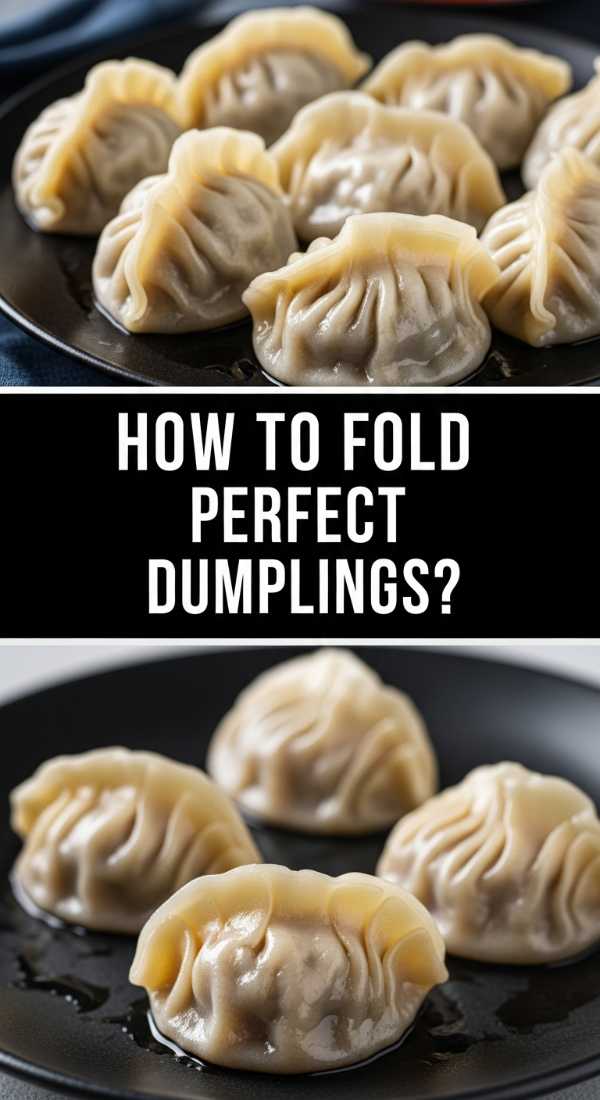
How to fold perfect dumplings?

Why we love this
Dumplings are the ultimate labor of love, representing a perfect harmony of flavors encased in a thin, elastic dough. There is a deep satisfaction in the contrast between the tender, steamed wrapper and the savory, juicy interior that bursts with the heat of ginger and soy. The visual of a platter filled with neatly pleated dumplings is incredibly impressive, looking like something straight out of a high-end dim sum restaurant. Each bite is a complex journey of textures, from the slight chew of the dough to the succulent, well-seasoned filling inside.
Ingredients
- 1 pack Round dumpling wrappers
- 1/2 lb Ground pork or chicken
- 1 cup Finely shredded cabbage
- 1 tablespoon Soy sauce
- 1 teaspoon Grated ginger
How to make it
- In a large bowl, mix your ground meat, cabbage, soy sauce, and ginger vigorously in one direction until the mixture becomes sticky and paste-like, which ensures the filling stays together.
- Place a single wrapper in your non-dominant palm and put exactly one teaspoon of filling in the center—overfilling is the number one cause of dumpling failure.
- Wet the edge of the wrapper with a finger dipped in water, then fold the wrapper in half but do not seal it yet.
- Starting from one side, create 3-5 small pleats along the front edge of the wrapper, pressing them firmly into the back edge to create a crescent shape that stands up on its own.
- To cook, pan-fry the bottoms in a tablespoon of oil until brown, then pour in 1/4 cup of water and immediately cover with a lid to steam for 5 minutes until the wrappers are translucent and the meat is fully cooked.
How to roast crispy potatoes?
Why we love this
Crispy roasted potatoes are the undisputed king of side dishes, offering an addictive crunch that gives way to a fluffy, mashed-potato-like interior. The outer skin becomes a craggy, golden landscape of salt and herbs, smelling of toasted rosemary and garlic. There is something deeply primal and satisfying about the sound of that first crunch. They are the perfect vessel for soaking up sauces or simply being enjoyed on their own, still hot from the pan, serving as the ultimate salty, savory comfort that elevates any food board to viral status.
Ingredients
- 2 lbs Yukon Gold potatoes (cubed)
- 1/4 cup Extra virgin olive oil
- 1 teaspoon Sea salt
- 2 sprigs Fresh rosemary
- 3 cloves Smashed garlic
How to make it
- Parboil your potato cubes in salted water for exactly 8 minutes until the outsides are soft but the centers are still firm; this is the secret to maximum crunch.
- Drain the potatoes and shake them vigorously in the pot with the lid on to “scuff up” the edges; those fuzzy, starchy bits are what will turn into the crispy crust.
- Pour the olive oil onto a large baking sheet and place it in a preheated 425°F (220°C) oven for 5 minutes until the oil is shimmering and hot.
- Carefully spread the scuffed potatoes onto the hot oil, toss with salt, rosemary, and garlic, and spread them out so no two potatoes are touching.
- Roast for 45-50 minutes, flipping them only once halfway through, until they are deep amber and sound hollow when tapped with a spatula.
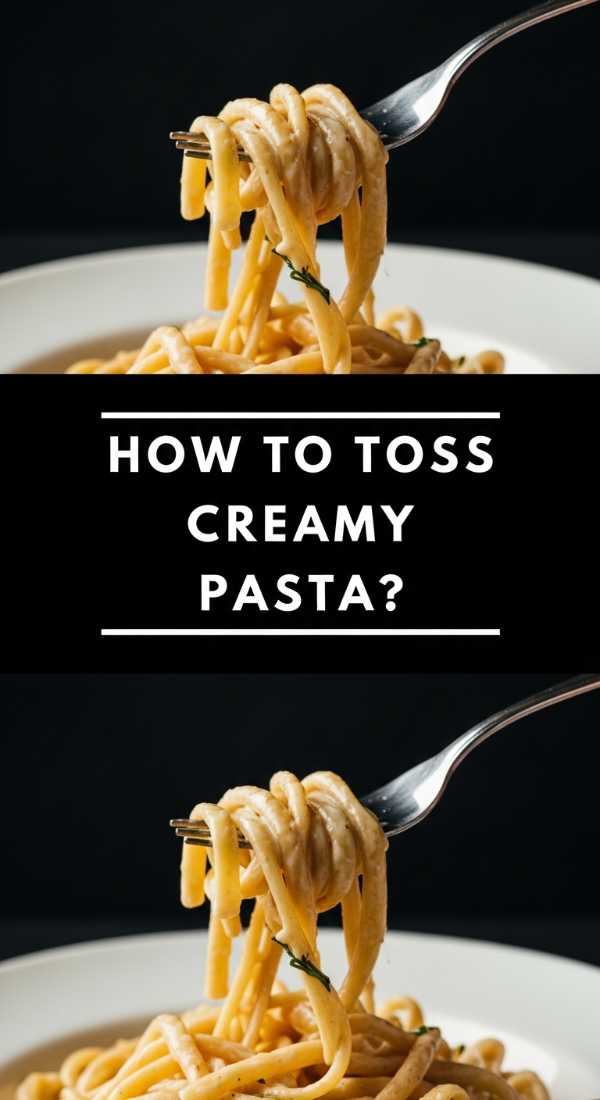
How to toss creamy pasta?
[IMAGE_10]
Why we love this
The beauty of a perfectly tossed creamy pasta lies in the emulsion—the way the cheese and cream bind with the starchy pasta water to create a sauce that is thick, glossy, and perfectly clings to every strand. It’s a decadent experience that feels like pure luxury, smelling of sharp Parmesan and pungent garlic. The pasta itself should remain al dente, providing a firm bite against the velvety smoothness of the sauce. It is a dish that demands to be eaten immediately, while the steam is still rising and the sauce is at its peak of silkiness.
Ingredients
- 1/2 lb Long pasta (like Linguine)
- 1/2 cup Heavy cream
- 1/2 cup Grated Parmesan cheese
- 2 cloves Minced garlic
- 1 tablespoon Butter
How to make it
- Boil your pasta in a pot of water that is salted “like the sea,” and crucially, reserve 1 cup of the cloudy pasta water before draining the noodles 2 minutes before the package directions say they are done.
- In a wide skillet, melt the butter and sauté the minced garlic over medium-low heat just until fragrant and blonde; do not let the garlic brown or it will turn bitter.
- Pour in the heavy cream and bring to a gentle simmer for 1 minute until it slightly thickens, then add the undercooked pasta directly into the cream.
- Add the Parmesan cheese and 1/4 cup of the reserved pasta water, tossing the noodles constantly with tongs over medium heat.
- Continue tossing for 2-3 minutes as the pasta finishes cooking in the sauce; the starch in the water will emulsify the fats into a glossy, clingy coating that doesn’t pool at the bottom of the plate.
Conclusion: Bringing it All Together
Creating a viral-worthy food board isn’t about being perfect; it’s about the love of the process and the joy of sharing. When you focus on these simple, five-ingredient foundations, you allow yourself the space to enjoy the textures and aromas that make cooking so special. So, grab your favorite wooden board, pick two or three of these techniques to master, and invite your favorite people over. The best memories are made around a table filled with good food and even better company.
Frequently Asked Questions
Check out some of the most common questions about building the perfect simple food board.