
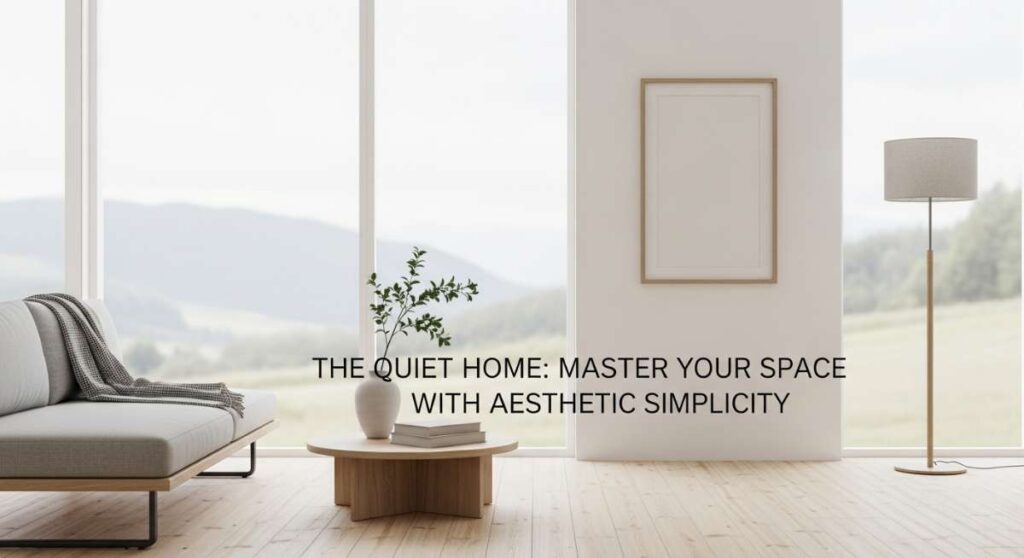
The Quiet Home: Master Your Space with Aesthetic Simplicity
Have you ever walked through your front door after a long, loud day and felt like the walls were closing in on you? We live in a world that is constantly screaming for our attention, filled with digital noise and physical clutter that hitches a ride on our subconscious. For years, I felt like my home was just another ‘to-do’ list, a collection of objects that demanded dusting but gave nothing back in terms of soul or serenity.
Then, I discovered the magic of the ‘Quiet Home.’ It isn’t about living in a cold, empty box; it’s about curating a sanctuary where every texture, scent, and shadow serves a purpose. It’s the feeling of cool linen against your skin on a Saturday morning, the way a single ceramic vase catches the golden hour light, and the profound exhale that happens when your eyes have a place to rest. Today, I’m sharing how you can transform your living space into an aesthetic minimalist haven that breathes life back into your routine.
How to Curate Minimalist Spaces for Maximum Serenity

Why we love this
There is a visceral sense of relief that washes over you when you enter a room where every object has been chosen with intention. We love this approach because it replaces the visual ‘static’ of clutter with a rhythmic flow of open space and meaningful anchors. Imagine the scent of Palo Santo drifting through a room where the air feels lighter, and the tactile satisfaction of touching a smooth, reclaimed wood surface that isn’t buried under mail or trinkets. It’s about creating a vacuum for peace to rush in, allowing your mind to finally settle into the present moment.
Essential Elements:
- A single focal point (like a large-scale piece of art).
- Negative space (the ‘breathing room’ on walls and floors).
- Intentional storage solutions that hide utility items.
- Natural materials like stone, wood, and clay.
How to make it
- Conduct a ‘Visual Audit’ by standing in the doorway of your room and closing your eyes for ten seconds. When you open them, identify the first three items that feel ‘heavy’ or distracting.
- Clear all surfaces entirely, including coffee tables and mantels, to establish a ‘Zero State.’ This provides a clean slate for intentional rebuilding.
- Introduce one ‘Anchor Piece’ that defines the room’s purpose, ensuring it is positioned to allow for 360-degree ‘flow’—no furniture should block natural walking paths.
- Layer in ‘Breathability’ by ensuring at least 30% of your shelf space remains empty; this ‘visual silence’ is the cue for your brain to stop processing data and start relaxing.
- Evaluate the ‘Visual Weight’ of each item; if an object doesn’t provide utility or a deep emotional spark, move it to a ‘purgatory box’ for 30 days before deciding its permanent fate.
How to Master a Clean Aesthetic for a Refreshing Home Atmosphere
Why we love this
A clean aesthetic is the ultimate palate cleanser for the soul, reminiscent of the crisp, biting air of a mountain morning or the scent of freshly laundered sheets drying in a breeze. We love this because it prioritizes clarity; it uses light and geometry to expand small rooms into expansive sanctuaries. The feeling is one of renewal—as if the house itself is taking a deep, restorative breath. When your surroundings are visually ‘clean,’ your thoughts follow suit, moving from chaotic and cluttered to streamlined and inspired.
Essential Elements:
- Monochromatic or high-contrast color palettes.
- Sleek, handle-less cabinetry.
- Invisible organization (hidden cables and cords).
- Glass and reflective surfaces to bounce light.
How to make it
- Begin by ‘De-cluttering the Light,’ which means removing heavy drapes and replacing them with sheer panels or nothing at all to maximize the ‘luminosity’ of the room.
- Execute a ‘Cord Management Sweep’ using cable boxes or adhesive clips to ensure no black wires are visible; visual cues of technology often disrupt the ‘organic’ feel of a clean space.
- Polish all reflective surfaces—glass, mirrors, and metal—using a 70% isopropyl alcohol solution for a streak-free, high-gloss finish that creates a sense of ‘infinite space.’
- Group like-objects in odd numbers (3 or 5) on trays to create ‘micro-vignettes,’ which prevents the space from looking scattered while maintaining a ‘curated’ look.
- Assess the ‘Visual Temperature’ of your lightbulbs; swap out yellow-toned bulbs for ‘Daylight’ LEDs (5000K) to ensure the whites in your room look crisp and never dingy.
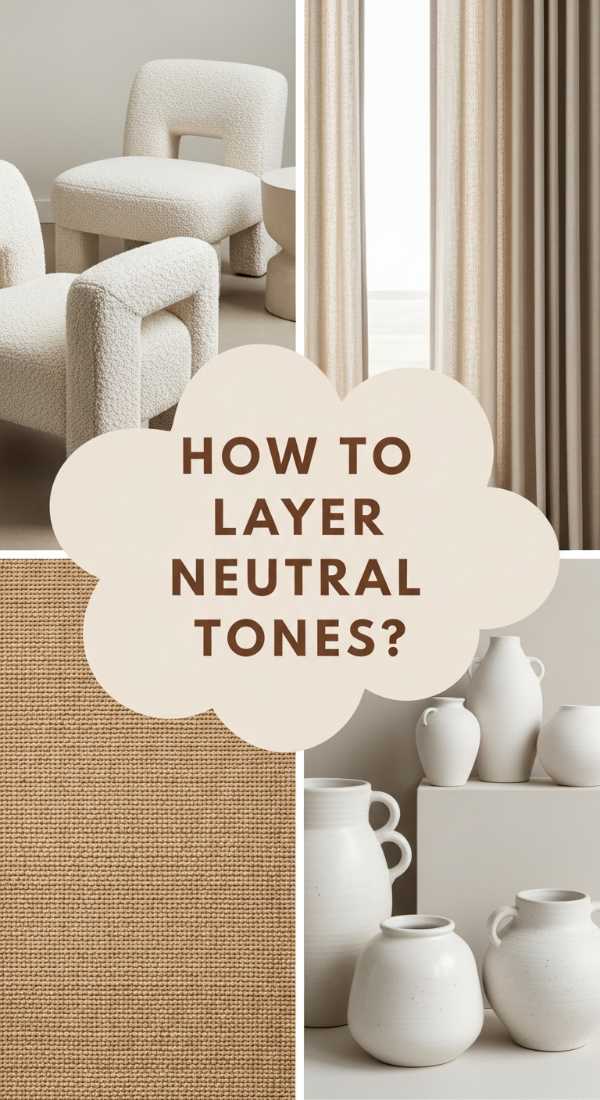
How to Layer Neutral Tones for a Cozy Living Sanctuary
Why we love this
Layering neutrals is the secret to making minimalism feel warm rather than cold. We love this because it plays with the subtle textures of oatmeal, sand, and charcoal, creating a rich tapestry that feels as cozy as a cashmere wrap. Imagine the feeling of a chunky wool rug underfoot paired with the smooth velvet of a beige sofa and the rough grain of a travertine side table. It’s a sensory experience that relies on ‘feel’ rather than ‘flash,’ creating a sophisticated sanctuary that invites you to sink in and stay a while.
Essential Elements:
- A base of soft whites or creams.
- Textured fabrics (linen, wool, bouclé).
- Varied wood tones (light oak to deep walnut).
- Metallic accents in brushed brass or matte black.
How to make it
- Establish your ‘Base Layer’ with a large-scale neutral rug that extends at least 12 inches beyond your furniture to ‘ground’ the room.
- Mix ‘Textural Opposites’ by placing a rough-hewn wooden bowl on a smooth stone table; this creates ‘visual friction’ which makes a neutral palette look expensive and layered.
- Add ‘Depth’ by incorporating at least three shades of your primary neutral (e.g., cream, biscuit, and latte) to prevent the room from looking flat or ‘one-note.’
- Introduce ‘Living Neutrals’ through dried botanicals like pampas grass or eucalyptus, which add organic shapes and a soft, earthy aroma to the corners of the room.
- Finalize the look with ‘Soft Lighting’—use lamps with linen shades that diffuse the light, creating a ‘golden glow’ visual cue that the space is ready for relaxation.
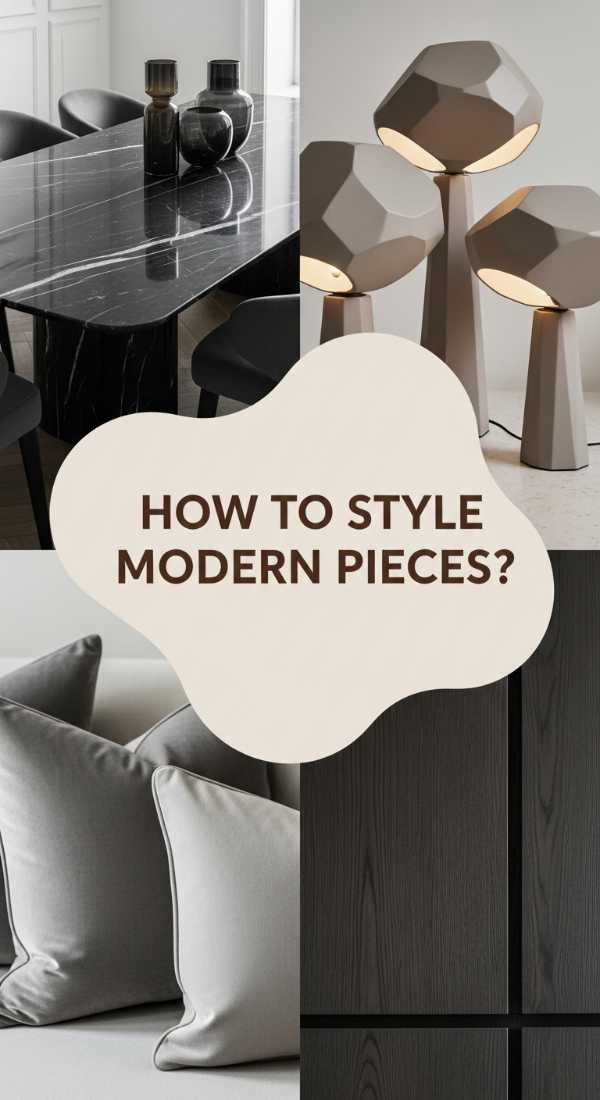
How to Style Simple Modern Furniture for Timeless Elegance
Why we love this
Modern furniture is the architecture of a quiet home, providing the skeletal structure upon which peace is built. We love this style because it honors form and function without unnecessary ornamentation, allowing the quality of craftsmanship to shine. There is something deeply satisfying about the clean sweep of a mid-century sideboard or the low profile of a Japanese-inspired bed frame. These pieces don’t shout; they whisper ‘elegance,’ providing a timeless backdrop that evolves with you through the seasons of your life.
Essential Elements:
- Low-profile silhouettes.
- Tapered legs and clean lines.
- Natural finishes (matte vs. high-gloss).
- High-quality materials (solid wood, leather, steel).
How to make it
- Select one ‘Hero Piece’ of furniture with a distinct architectural shape, such as a wishbone chair or a modular sofa, to serve as the ‘Visual Anchor’ of the space.
- Ensure ‘Proportional Balance’ by leaving at least 18 inches of floor space around large furniture items; this ‘visual breathing room’ is the cue for a modern, high-end look.
- Mix ‘Geometric Profiles’ by pairing a round coffee table with a linear, rectangular sofa to break up the monotony of straight lines.
- Treat furniture like ‘Functional Sculpture’—avoid pushing everything against the walls; ‘float’ your furniture in the center of the room to create a more intimate and professional layout.
- Check for ‘Visual Weight Balance’—if you have a heavy, dark wood desk, balance it with a light, airy chair to ensure the room doesn’t feel ‘bottom-heavy’ or lopsided.
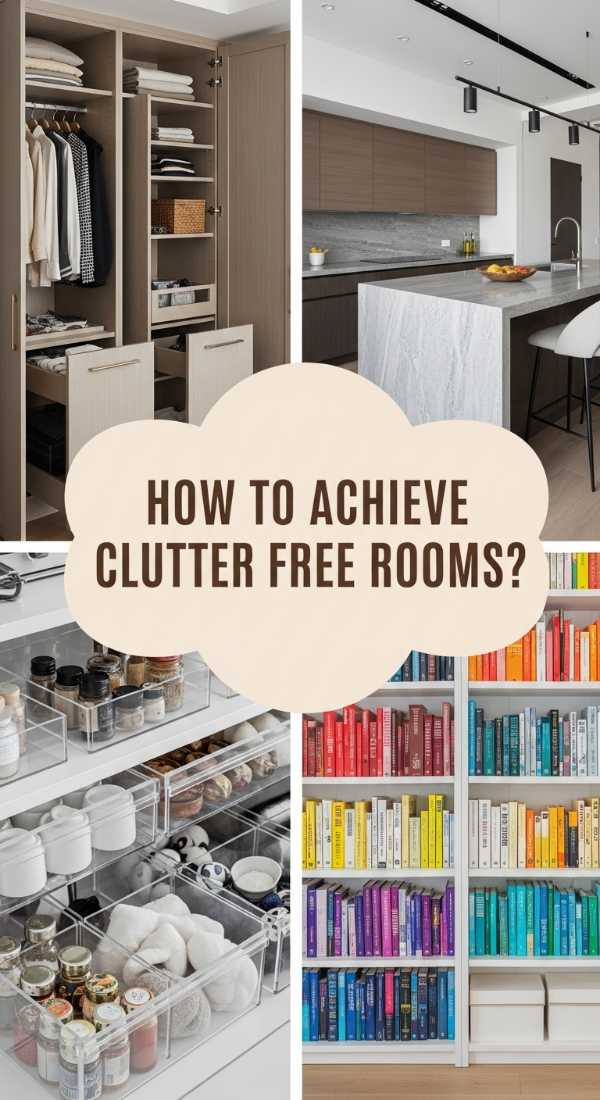
How to Organize Clutter Free Rooms for a Mindful Life
Why we love this
Clutter is more than just ‘stuff’; it’s an unfinished task for your brain to process. We love clutter-free organizing because it transforms a room into a temple of mindfulness. Imagine opening a drawer to find every item neatly partitioned, or a closet where you can see every garment you own at a glance. It smells like cedarwood and fresh air, and it feels like a weight being lifted off your shoulders. This isn’t about perfection; it’s about creating a system that supports your peace of mind so you can focus on what truly matters.
Essential Elements:
- Hidden storage (ottomans with lids, built-in cabinets).
- Uniform containers (glass jars, wicker baskets).
- A dedicated ‘drop zone’ for daily items.
- Labelled zones for high-frequency objects.
How to make it
- Implement the ‘Touch It Once’ rule for mail and small items; decide immediately if it is filed, recycled, or used, preventing ‘clutter-creep’ on flat surfaces.
- Utilize ‘Zone-Based Categorization’—group all items by their ‘Active Phase’ (e.g., morning routine items in one basket, evening relaxation items in another).
- Install ‘Vertical Solutions’ like floating shelves to move items off the floor; this increases the ‘visual floor area,’ which is a psychological cue for a larger, calmer room.
- Conduct a ‘Quarterly Purge’ where you evaluate the ‘Doneness’ of your items—if a tool hasn’t been used or an ornament hasn’t been enjoyed in 90 days, it’s ‘cooked’ and ready to be donated.
- Set a ’10-Minute Reset’ timer every evening to return all items to their ‘Home Base,’ ensuring you wake up to a ‘freshly prepped’ environment every morning.
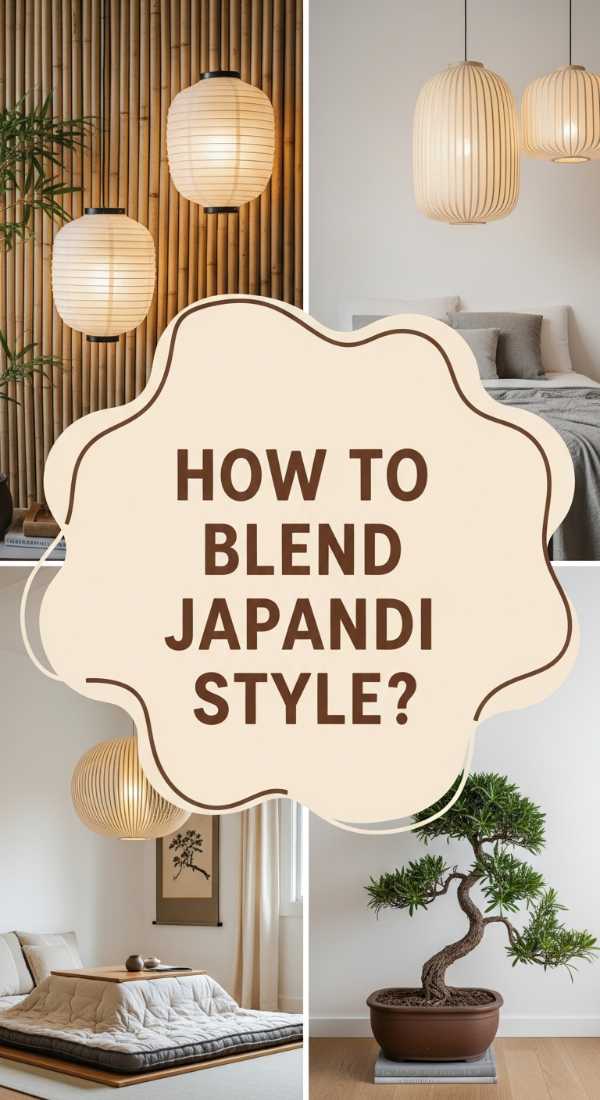
How to Blend Japandi Interior Design for Sustainable Beauty
Why we love this
Japandi is the soulful marriage of Japanese wabi-sabi and Scandinavian hygge, and we are obsessed with its grounded, earthy vibe. It celebrates the beauty of imperfection—the crack in a ceramic bowl, the knot in a pine floorboard—while maintaining the functional warmth of a Nordic cabin. It feels like a quiet forest walk; the air is cool, but the textures are warm. It’s a sustainable way of living that values quality over quantity, inviting a sense of ancient wisdom and modern comfort into every corner of your home.
Essential Elements:
- Natural fibers (jute, hemp, linen).
- Black accents against light wood.
- Indoor greenery (Bonsai or Olive trees).
- Low-to-the-ground furniture.
How to make it
- Source ‘Authentic Materials’ like unpolished stone or raw linen; the ‘visual cue’ for Japandi is the raw, unrefined texture that suggests a connection to the earth.
- Apply the ‘Contrast Principle’ by pairing light Scandi woods (like ash or birch) with dark Japanese elements (like black stained oak or cast iron) to create ‘Visual Tension.’
- Integrate ‘Nature Indoors’ by placing one large, sculptural plant in a corner; ensure the pot is a matte, earthy terracotta to keep the ‘Organic Balance’ high.
- Adopt ‘Minimalist Ornamentation’—choose one high-quality piece of pottery and place it off-center on a shelf to honor the ‘Asymmetry’ found in Japanese design.
- Optimize for ‘Sustainable Durability’ by choosing items that ‘age beautifully,’ such as leather that patinas or wood that deepens in color, ensuring your home grows with you.
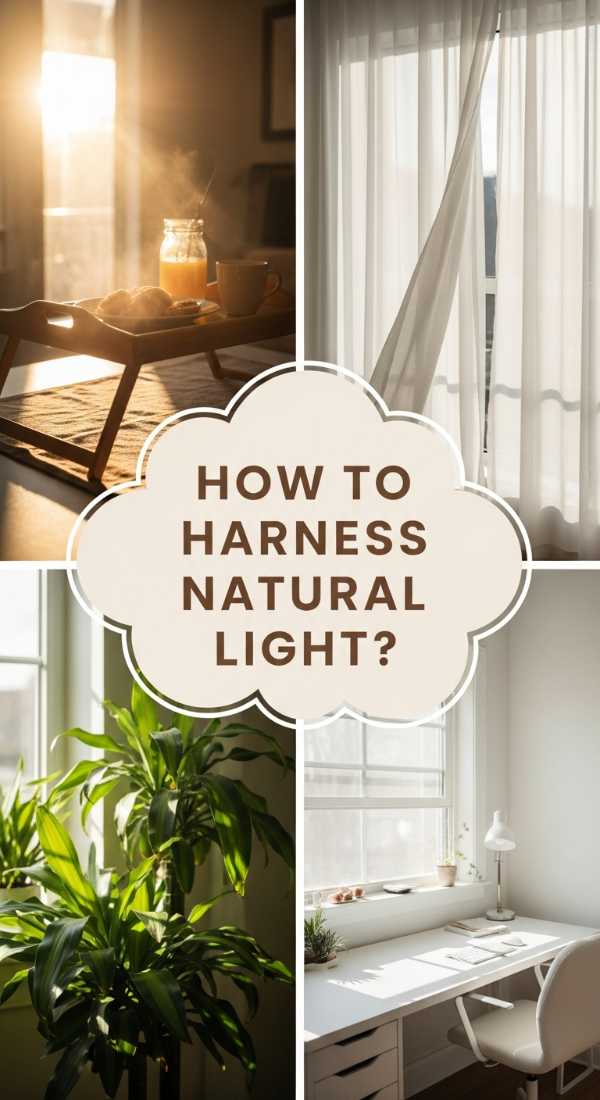
How to Harness Natural Light for a Productive Morning Glow

Why we love this
Light is the ultimate architect of mood, and there is nothing quite like the soft, buttery glow of the morning sun to kickstart your productivity. We love harnessing natural light because it acts as a natural alarm clock, syncing our circadian rhythms with the world outside. It transforms a room from a static box into a living, breathing space that changes character as the sun moves. The feeling of warmth on your face while you sip your coffee is the ultimate luxury—a simple, free gift from nature that makes your home feel expansive and alive.
Essential Elements:
- Large, unobstructed windows.
- Mirrors placed opposite light sources.
- Light-colored paint that reflects photons.
- Translucent window treatments.
How to make it
- Identify the ‘Primary Light Path’ in your room at 8:00 AM and clear any tall furniture that casts shadows across the main floor area.
- Strategically place a ‘Reflective Anchor’ (a large mirror) directly across from your largest window to ‘double’ the amount of incoming light and create a ‘Visual Glow.’
- Choose a ‘High-Reflective Value’ (LRV) paint for your walls—look for whites with an LRV of 80 or higher to ensure light ‘bounces’ into every dark corner.
- Clean your windows inside and out with a squeegee technique to remove ‘Visual Haze,’ which can block up to 20% of usable natural light.
- Position your ‘Primary Workspace’ or coffee nook within 3 feet of a window to maximize ‘Vitamin D exposure’ and create a ‘Natural Focus Zone.’
How to Design a Dreamy Bedroom for Restful Nights
Why we love this
Your bedroom should be the ultimate destination at the end of a long day—a soft, quiet cocoon that signals your brain it’s time to let go. We love this ‘dreamy’ approach because it uses sensory cues like the scent of lavender, the weight of a heavy duvet, and the absence of blue light to induce deep rest. It feels like stepping into a cloud; the outside world vanishes, and all that remains is the rhythm of your own breath. It’s the one place where you can truly be ‘off,’ surrounded by textures that comfort and colors that soothe.
Essential Elements:
- Layered bedding (cotton sheets + linen duvet + wool throw).
- Blackout curtains for total darkness.
- Warm, low-level bedside lighting.
- A ‘tech-free’ zone (no screens).
How to make it
- Execute the ‘Hospital Tuck’ on your base sheets to ensure a tight, wrinkle-free surface that provides ‘Tactile Smoothness’ throughout the night.
- Layer ‘Temperature-Regulating Fabrics’—start with a 100% cotton base, add a down or down-alternative insert, and top with a linen cover for the ‘Visual Weight’ of a high-end hotel.
- Install ‘Warm-Dim’ lighting (2700K or lower) on your bedside to trigger ‘Melatonin Production’ as soon as you enter the room.
- Mist your pillows with a ‘Sleep-Inducing Scent’ (lavender and cedarwood) to create an ‘Olfactory Anchor’ that signals your brain it’s time for rest.
- Clear the ‘Visual Noise’ from your nightstands—keep only a book, a carafe of water, and a lamp; ‘visual doneness’ is achieved when the bedside looks like a minimalist spa.
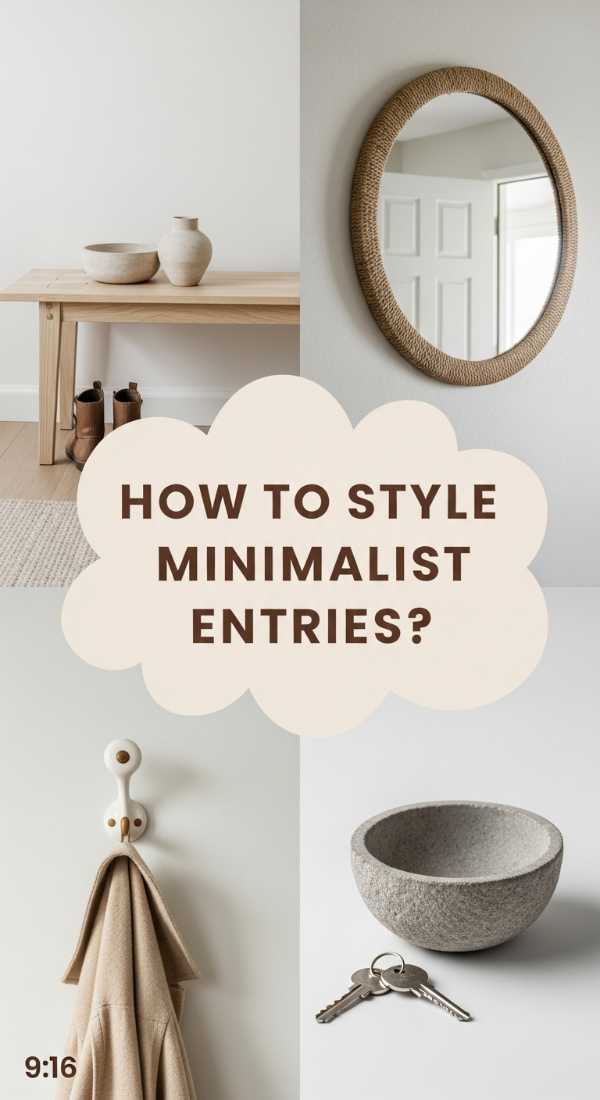
How to Style a Minimalist Entryway for a Warm Welcome

Why we love this
The entryway is the handshake of your home; it’s the first thing you see when you return and the last thing you see when you leave. We love a minimalist entryway because it prevents ‘transitional chaos’—the pile of shoes and keys that usually greets us. Instead, it offers a moment of calm. It feels organized, smelling of fresh citrus or eucalyptus, and looks like a curated gallery. It’s a gentle transition from the busy world to your personal sanctuary, setting the tone for the rest of your living space.
Essential Elements:
- A slim console table.
- A functional ‘catch-all’ tray for keys.
- Concealed shoe storage.
- A statement mirror for last-minute checks.
How to make it
- Define the ‘Transition Boundary’ with a durable, low-pile runner rug that can handle foot traffic while providing ‘Visual Softness.’
- Implement a ‘Hidden Shoe System’—use a closed cabinet or a bench with a hidden compartment to ensure no footwear ‘clutters’ the visual path.
- Create a ‘Landing Pad’ using a heavy ceramic or brass bowl on the console table to ‘corral’ small items like keys and sunglasses.
- Add a ‘Scent Signature’ with a reed diffuser or a small candle in a crisp, clean scent like ‘Sea Salt’ or ‘White Tea’ to greet guests with an ‘Aromatic Welcome.’
- Hang a ‘Proportional Mirror’ at eye level; this not only helps with grooming but acts as a ‘Visual Expander’ for typically narrow hallway spaces.
How to Arrange a Clean Aesthetic Kitchen for Joyful Cooking
[IMAGE_10]
Why we love this
A clean aesthetic kitchen is where mindfulness meets nourishment. We love this because it removes the stress of ‘digging’ for tools and replaces it with the joy of creation. Imagine the sound of a sharp knife on a wooden board, the sight of fresh herbs in glass jars, and the feel of cool marble countertops. It’s a space that invites you to slow down and savor the process of cooking, turning a daily chore into a restorative ritual. When the surfaces are clear and the pantry is organized, your culinary creativity has room to soar.
Essential Elements:
- Empty countertops (stow the toaster and blender).
- Uniform food storage (glass canisters).
- A single, high-quality wooden cutting board.
- Integrated or hidden appliances.
How to make it
- Perform a ‘Countertop Sweep’—if an appliance isn’t used daily, it’s ‘under-cooked’ and should be stored in a lower cabinet to clear ‘Visual Workspace.’
- Decant ‘Dry Goods’ into uniform glass jars; the ‘visual cue’ for a clean kitchen is the repetition of shapes and colors in your pantry.
- Degloss your surfaces using a 50/50 mix of white vinegar and water on a microfiber cloth to ensure a ‘High-Shine’ finish that reflects the overhead lighting.
- Style your ‘Utility Zone’—place a soap dispenser and a single scrub brush on a small marble tray to turn ‘cleaning tools’ into ‘decor elements.’
- Set the ‘Atmospheric Heat’ by simmering a small pot of water with lemon slices and rosemary on the stove; this ‘Visual and Aromatic Cue’ makes the kitchen feel ‘Warm and Ready’ for use.
Conclusion: The Art of Living Quietly
Mastering aesthetic simplicity isn’t about owning less for the sake of it; it’s about making room for more of what matters: more peace, more clarity, and more connection. By curating your space with intention—layering textures, harnessing light, and clearing the mental and physical clutter—you transform your home into a living sanctuary that supports your highest self. Start small, perhaps with a single shelf or a corner of your bedroom, and feel the shift. Your quiet home is waiting for you.