

Beyond Minimal: Elevating Your Space with 2026 Aesthetic Inspiration
We’ve all spent the last few years searching for that elusive sense of peace within our own four walls. In 2026, the trend has shifted from merely clearing away the clutter to intentionally curating an atmosphere that breathes with us. It’s no longer about a blank canvas; it’s about the emotional resonance of a room—how the morning light hits a textured ceramic vase or the way a velvet armchair cradles you after a long day of digital noise.
Think of your home as a living, breathing extension of your mental state. As we look toward the 2026 aesthetic, we see a marriage of high-tech functionality and raw, organic soul. We are moving beyond the cold minimalism of the past and into a realm of ‘warm intentionality.’ Whether you’re carving out a corner for deep work or a sanctuary for deep sleep, these spaces are designed to nourish the human spirit in an increasingly fast-paced world.
How to Design a Minimalist Living Room for Ultimate Mental Clarity
Why we love this
There is a profound stillness that comes with a minimalist living room that prioritizes tactile richness over visual noise. Imagine stepping onto a low-pile wool rug that feels like soft moss underfoot, surrounded by walls painted in a creamy, matte ‘oatmeal’ that absorbs the harsh glare of the sun. The scent of Hinoki wood and white tea wafts through the air, while the absence of cord clutter and unnecessary trinkets allows your mind to finally stop scanning for tasks and simply exist in the present moment.
Essential Elements:
- Low-profile modular sofa in bouclé or heavy linen.
- A single, oversized statement piece of abstract art with neutral tones.
- Smart-tinting windows or sheer floor-to-ceiling linen drapes.
- Negative space—at least 30% of the floor area should remain unoccupied.
- Hidden storage systems with push-to-open wood grain panels.
How to make it
- Begin by auditing your current inventory; remove every item that does not serve a dual purpose of utility and aesthetic harmony, ensuring the room feels ‘light’ before any additions.
- Select a primary neutral palette—focus on three shades of the same undertone (e.g., warm beige, sand, and taupe) to create depth without introducing jarring contrast.
- Install indirect LED cove lighting around the ceiling perimeter, setting the color temperature to a soft 2700K to mimic the gentle glow of a setting sun.
- Position your largest furniture piece, the sofa, away from the walls to create a ‘floating’ island of comfort that encourages better air circulation and visual flow.
- Layer in exactly three high-quality textures (a stone coffee table, a wool throw, and a ceramic lamp) to provide sensory engagement without visual overwhelm.
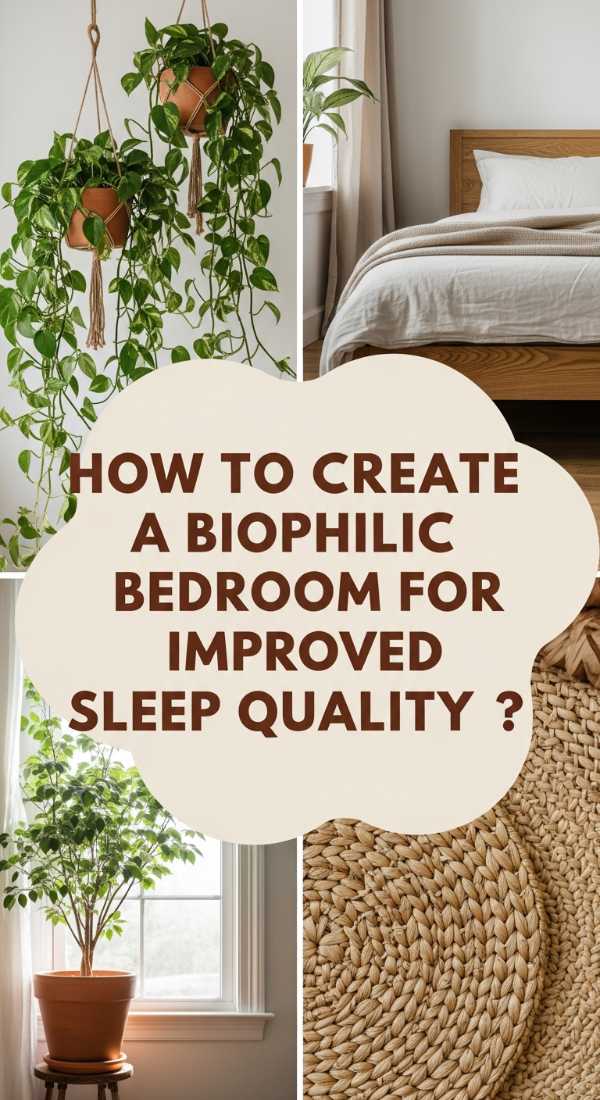
How to Create a Biophilic Bedroom for Improved Sleep Quality

Why we love this
Falling asleep in a biophilic sanctuary feels like being tucked into a secret garden sheltered from the world. The air is noticeably crisper, filtered by lush Monstera leaves and Snake plants that stand like silent guardians in the corners. You can feel the coolness of real cotton sheets against your skin while the subtle, earthy aroma of damp soil and eucalyptus calms your nervous system, turning the act of going to bed into a restorative ritual that mimics the natural rhythms of the earth.
Essential Elements:
- A solid oak or bamboo bed frame with no metal components.
- Circadian-tuned lighting that slowly dims to an amber hue at sunset.
- At least five large-leaf indoor plants positioned at varying heights.
- A living moss wall or framed preserved moss art above the headboard.
- Natural fiber bedding in shades of forest green or terracotta.
How to make it
- Start by positioning your bed to maximize the view of the natural world outside, or if a window isn’t available, make a large-scale plant the focal point of your eye-line.
- Introduce ‘active’ greenery by selecting plants like Sansevieria or Aloe Vera which release oxygen specifically at night, improving the micro-climate of your sleeping zone.
- Install a smart lighting bridge that syncs with your local sunrise and sunset times; the transition from cool daylight to warm evening tones should be imperceptible over 30 minutes.
- Incorporate raw wood surfaces—ensure they are finished with natural oils rather than chemical varnishes to maintain the ‘breathability’ and scent of the wood.
- Finalize the space with a soundscape machine or a small water feature to provide the ‘pink noise’ of rustling leaves or flowing water, which has been shown to stabilize sleep cycles.
How to Curate an Organic Modern Kitchen for a Calmer Morning Routine
Why we love this
The organic modern kitchen is a masterclass in sensory grounding, where the cold hardness of traditional marble is replaced by the warmth of honed limestone and reclaimed timber. The morning light dances off hand-glazed Zellige tiles that have a slight ripple, reminding you of the human hands that made them. As you brew your coffee, the interface of your hidden appliances responds with a gentle haptic buzz, making the functional aspects of your morning feel seamless and sophisticated rather than mechanical and loud.
Essential Elements:
- Honed stone countertops with soft, rounded ‘bullnose’ edges.
- Hand-pressed ceramic tiles for the backsplash in an irregular grid.
- Integrated cabinetry that conceals all appliances for a continuous wood-grain look.
- Woven rattan or leather-strap bar stools for organic texture.
- A dedicated ‘wellness station’ with an herb garden and filtered water tap.
How to make it
- Reface your existing cabinetry with high-quality wood veneers like white oak or walnut, ensuring the grain runs vertically to draw the eye upward and create a sense of height.
- Swap out high-shine chrome fixtures for matte brushed brass or gunmetal grey to reduce ‘glare fatigue’ during bright morning hours.
- Set up your ‘wellness station’ by installing a high-pressure, filtered water dispenser alongside a built-in stone planter for fresh basil and mint.
- Organize your countertops using the ‘rule of three’—only three functional decorative items (like a wooden cutting board, a ceramic crock, and a bowl of fruit) should be visible.
- Install under-cabinet task lighting that is adjustable; keep it bright for meal prep but dim it to a soft ‘candlelight’ glow during your first cup of coffee.
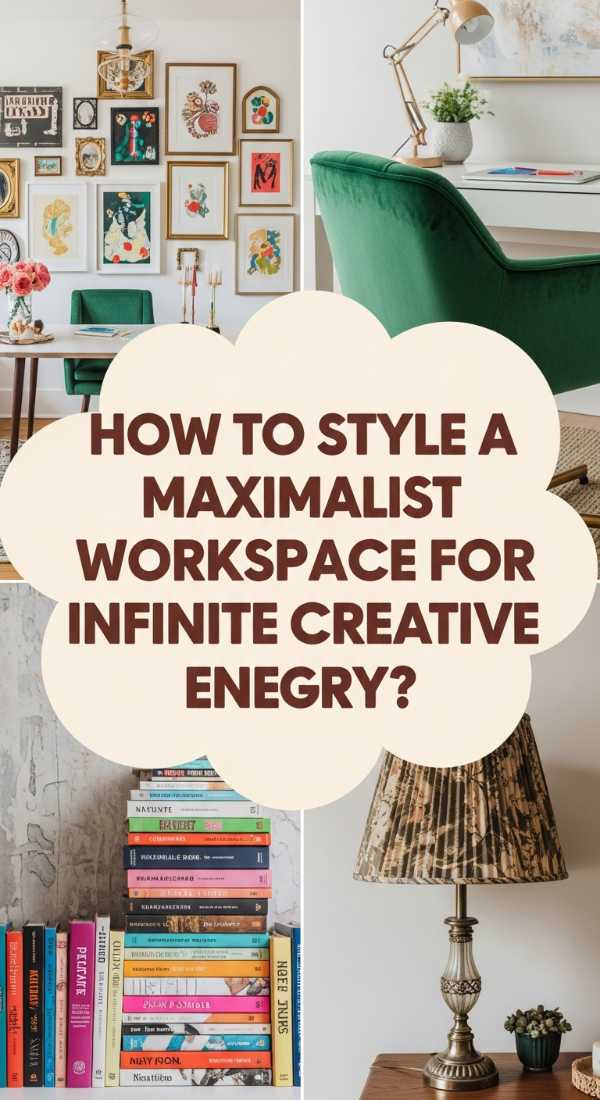
How to Style a Maximalist Workspace for Infinite Creative Energy

Why we love this
A maximalist workspace in 2026 isn’t about clutter; it’s about ‘curated abundance’ that acts as a visual spark plug for the brain. It is a feast for the eyes—a velvet chair in a deep jewel tone, a gallery wall of mismatched frames holding everything from vintage maps to neon posters, and the smell of old books and vibrant citrus. Every corner offers a new detail to discover, ensuring that when your eyes wander from the screen, they land on something that inspires a new thought or a burst of creative problem-solving.
Essential Elements:
- A large, glass-topped desk to display inspiration boards underneath.
- Floor-to-ceiling shelving filled with books, sculptures, and artifacts.
- A mix of high-contrast patterns (stripes with florals or animal prints).
- Bold, saturated wall colors like midnight blue or deep burgundy.
- Multiple layers of lighting, including a vintage desk lamp and a neon sign.
How to make it
- Choose a ‘foundation color’ for your walls that is bold but deep, which allows the objects placed against it to pop without making the room feel small.
- Build your gallery wall starting from the center with your largest piece, then spiral outward with smaller items, maintaining a consistent 2-inch gap between frames for visual ‘order’ within the chaos.
- Integrate different eras; pair a mid-century modern desk with a baroque-style mirror to create a ‘timeless’ feeling that transcends current fads.
- Use ‘clutter trays’—decorative lacquer trays that group smaller items together, which tricks the eye into seeing one organized unit rather than ten scattered objects.
- Adjust the ‘energy’ of the room with light; use a bright overhead light for focused tasks and switch to colorful, low-level mood lighting for brainstorming sessions.
How to Arrange a Scandi-Boho Entryway for the Warmest Guest Welcome

Why we love this
The Scandi-Boho entryway is like a warm hug the moment you step through the door. It balances the ‘hygge’ coziness of Scandinavia with the free-spirited textures of Bohemian design. You are greeted by the scent of sandalwood and the sight of sun-bleached woods and woven baskets. It’s a space that says ‘take your shoes off and stay a while,’ offering a soft landing spot for your keys and a comfortable bench that invites you to shed the weight of the outside world before entering the heart of the home.
Essential Elements:
- A light-wood hallway bench with a chunky knit cushion.
- Woven seagrass baskets for shoe and umbrella storage.
- A round oversized mirror to bounce light and soften the hallway’s lines.
- Macramé wall hangings or a simple dried flower arrangement.
- A vintage Persian-style runner in muted, faded earth tones.
How to make it
- Position an oversized round mirror directly opposite your light source to instantly double the perceived space and brightness of the entry.
- Arrange three different sized seagrass baskets under a floating wood shelf to create a functional ‘drop zone’ that hides everyday clutter.
- Select a runner rug that is at least 6 inches narrower than the hallway on both sides to create a ‘pathway’ effect that draws guests into the house.
- Add a ‘sensory anchor’ like a reed diffuser or a high-end candle in a niche, ensuring the first thing guests notice is a calming, signature home scent.
- Install a series of minimalist wooden pegs at varying heights, allowing coats and bags to become a casual, layered part of the decor.
How to Build a Dark Academia Library for Deep Intellectual Focus

Why we love this
Stepping into a Dark Academia library feels like entering a portal to a prestigious, centuries-old university. The air is heavy with the comforting, vanillic scent of old paper and leather-bound spines. The lighting is intentionally dim, focused only where it’s needed by brass banker’s lamps, casting long, dramatic shadows that encourage deep introspection. It’s a scholarly retreat where the touch of a cold marble bust and the velvet weight of heavy curtains create a cocoon of silence, perfect for losing yourself in a classic text or a complex project.
Essential Elements:
- Dark-stained wooden bookshelves (walnut or espresso).
- A leather wingback chair with a matching footstool.
- Heavy velvet floor-to-ceiling drapes in forest green or oxblood.
- Brass hardware and accent lighting.
- A collection of ‘curiosities’ like globes, hourglasses, and framed botanical prints.
How to make it
- Paint the walls and the bookshelves the same dark, moody color to create a ‘wraparound’ effect that makes the walls seemingly disappear.
- Organize your books by height and leather color rather than just genre, mixing in horizontal stacks to break up the vertical lines of the shelves.
- Place a high-quality leather chair in a corner with its back to the room, creating a dedicated ‘focus zone’ away from any digital distractions.
- Layer your lighting by using ‘pools of light’—one lamp on the desk, one by the chair, and small puck lights inside the bookshelves to highlight specific titles.
- Incorporate ‘academic’ textures like a wool plaid throw and a heavy brass paperweight to give the space a sense of history and weight.
How to Craft a Mediterranean Patio for Eternal Summer Vibes

Why we love this
A Mediterranean patio is an invitation to slow down to the pace of a coastal village. The floor is made of sun-warmed terracotta tiles that feel slightly grit-textured under bare feet, and the air smells of blooming jasmine and lemon zest. Under the shade of a pergolas draped in bougainvillea, you can hear the faint tinkling of ice in a glass and the distant hum of cicadas. It’s a space that blurs the line between indoors and out, where the rough-hewn stone walls and linen-covered lounge chairs create a permanent vacation state of mind.
Essential Elements:
- Terracotta or Saltillo floor tiles in a warm orange-red hue.
- Wrought iron or weathered teak outdoor furniture.
- White linen cushions and outdoor pillows for a breezy feel.
- Large ceramic urns planted with olive trees or citrus.
- A string of Edison-style patio lights for a golden evening glow.
How to make it
- Lay down your terracotta tiles in a herringbone pattern to add a touch of Old World architectural interest to even a basic concrete slab.
- Install a wooden pergola or a large canvas sail shade to create the ‘dappled light’ effect characteristic of Mediterranean courtyards.
- Group large oversized ceramic pots in odd numbers (sets of 3 or 5) and fill them with drought-resistant plants like lavender and rosemary for fragrance.
- Use ‘lived-in’ textiles; choose linen covers that look better with a few wrinkles and a slight sun-faded patina.
- Set the scene for ‘eternal summer’ by installing a simple outdoor speakers system to play soft acoustic guitar or the sound of waves.
How to Refine a Japandi Bathroom for a Spa-Like Daily Ritual
Why we love this
The Japandi bathroom is the ultimate expression of ‘Wabi-Sabi’—finding beauty in the imperfect and the minimal. It combines the rustic warmth of Japanese design with the sleek functionality of Scandinavian style. You feel the smooth, matte surface of a stone resin bathtub and the warmth of a heated slatted-wood floor. The steam from the shower carries the scent of cedarwood, and the lack of visual clutter—no half-empty plastic bottles in sight—instantly lowers your cortisol levels, turning a quick shower into a meditative ritual.
Essential Elements:
- A freestanding soaking tub with a matte finish.
- Slatted wood (teak or hinoki) flooring or bath mats.
- Matte black or brushed nickel ‘hidden’ plumbing fixtures.
- Floating vanities with clean lines and no visible hardware.
- A single, tall branch (like eucalyptus or cherry blossom) in a ceramic vase.
How to make it
- Replace your standard bath mat with a raised teak slat board to allow for better drainage and a more ‘organic’ feel underfoot.
- Decant all your soaps and shampoos into matching ceramic or frosted glass bottles to eliminate the ‘visual noise’ of commercial packaging.
- Install a wall-mounted floating vanity to keep the floor clear, which makes the bathroom feel significantly larger and more airy.
- Add a dimmable light switch and replace standard bulbs with ‘warm-to-dim’ LEDs that turn more golden as you lower the brightness.
- Incorporate a small ‘meditation’ element, such as a smooth river stone on the vanity or a small dish of sea salt, to ground the space in nature.
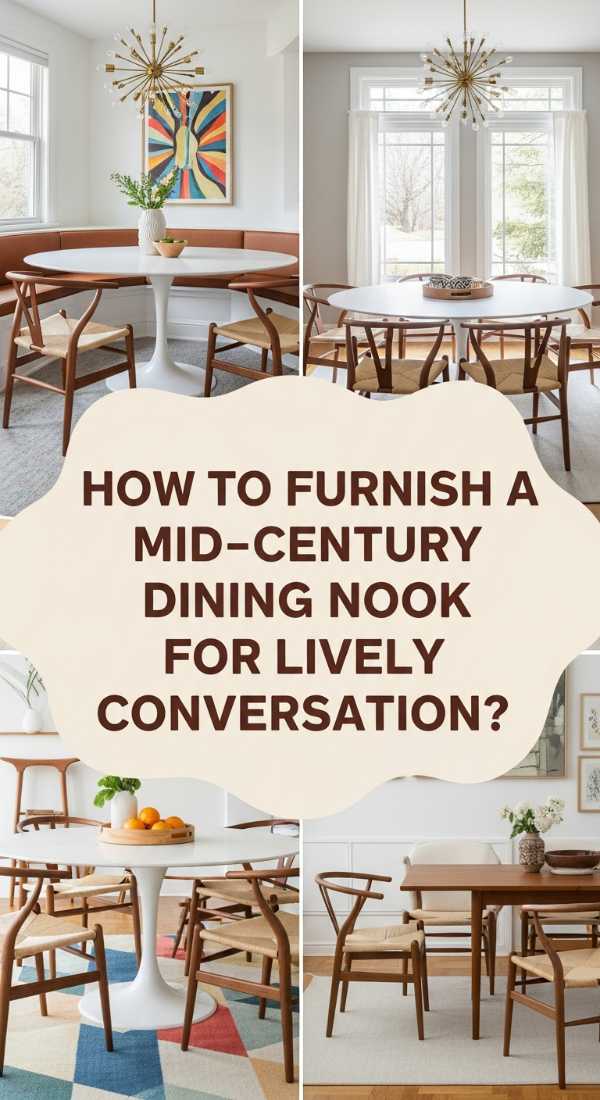
How to Furnish a Mid-Century Dining Nook for Lively Conversation
Why we love this
There is an inherent optimism in a Mid-Century dining nook that makes every meal feel like a special occasion. The iconic ‘tulip’ table with its sweeping curves invites people to lean in, while the geometric patterns on the rug provide a playful backdrop for lively debate and laughter. You feel the smooth polish of walnut wood and the soft give of a vinyl seat cushion. With a vintage Sputnik chandelier overhead casting a starburst of light, the space feels energetic, stylish, and perfectly poised for a night of martinis and deep conversation.
Essential Elements:
- A round walnut or marble-top pedestal table.
- Molded plastic or bentwood ‘Eames-style’ dining chairs.
- A bold, geometric patterned rug in mustard, teal, or burnt orange.
- A statement pendant light (Sputnik or artichoke style).
- A small bar cart stocked with vintage glassware.
How to make it
- Choose a round table for small nooks; the lack of corners encourages ‘democratic’ seating and better eye contact between guests.
- Hang your statement pendant light exactly 30 to 34 inches above the table surface to create an intimate ‘pool of light’ that anchors the dining zone.
- Select a rug that is at least 36 inches wider than the table on all sides so that chairs remain on the rug even when pulled out.
- Mix materials; pair the ‘hard’ surface of a marble table with the ‘soft’ organic lines of wooden chairs to create visual balance.
- Style the center of the table with a low-profile bowl of bright citrus (lemons or oranges) to provide a pop of color that doesn’t block the view across the table.
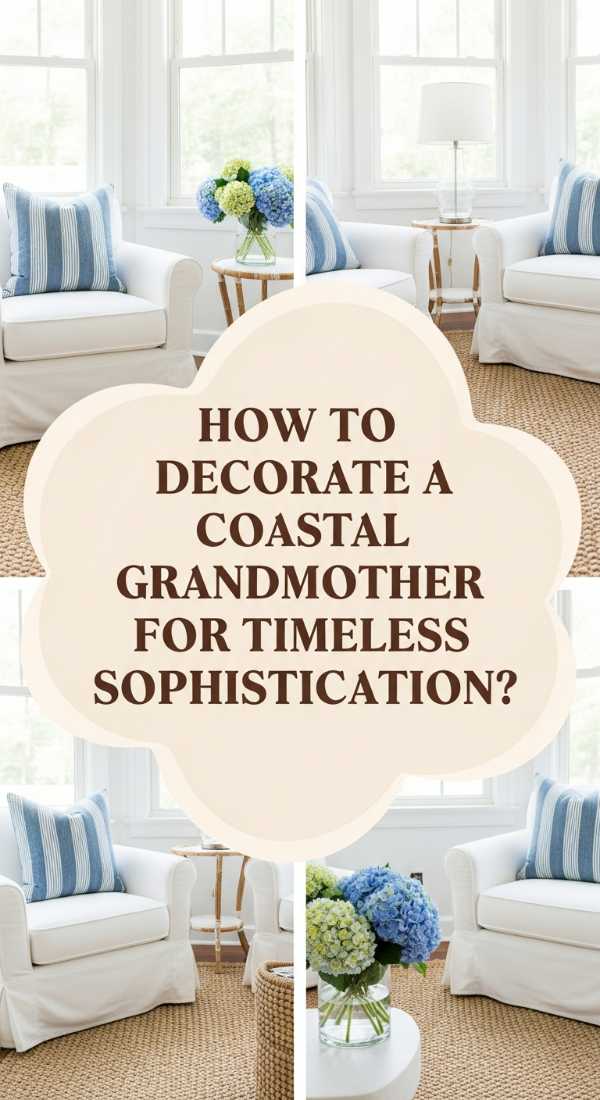
How to Decorate a Coastal Grandmother Sunroom for Timeless Sophistication
[IMAGE_10]
Why we love this
The Coastal Grandmother sunroom is the epitome of ‘quiet luxury’ mixed with approachable comfort. It feels like a breezy afternoon in the Hamptons, regardless of your zip code. You are surrounded by layers of white linen, ticking stripes, and the natural texture of seagrass. The room is filled with soft, diffused light that highlights a bowl of fresh hydrangeas and a stack of well-loved hardcover books. It’s a space that celebrates the finer things—good tea, beautiful views, and quality fabrics—without ever feeling too precious to actually live in.
Essential Elements:
- Slipcovered white or cream sofas in heavy cotton or linen.
- Natural seagrass or sisal wall-to-wall carpeting or rugs.
- Blue and white ginger jars used as vases or decor.
- Lightweight wicker or rattan side chairs.
- Large windows with minimal treatments to let in maximum light.
How to make it
- Opt for high-quality slipcovers; the ‘Coastal Grandmother’ look relies on the ability to wash your whites so they always look crisp and clean.
- Layer a smaller wool rug over a larger seagrass rug to add a ‘soft’ landing spot while maintaining the coastal textural foundation.
- Incorporate ‘living’ blue and white elements—fresh hydrangeas in a classic chinoiserie vase are a non-negotiable staple for this aesthetic.
- Keep the window treatments extremely simple; use white linen ‘cafe curtains’ or Roman shades that disappear when retracted.
- Create ‘vignettes of leisure’ by placing a half-finished puzzle or a tray with a teapot and cups on the coffee table to give the room a lived-in soul.
Conclusion: Your Home is Your Masterpiece
As we move into 2026, the most important design rule is that there are no rules—only feelings. Whether you find your peace in the stark clarity of minimalism or the vibrant energy of a maximalist library, the goal is to create a space that reflects your internal world. By focusing on sensory details, natural materials, and intentional layouts, you can turn any room into a sanctuary that doesn’t just look good on social media, but feels good to live in every single day. Start small, choose what you love, and watch your space transform your life.