
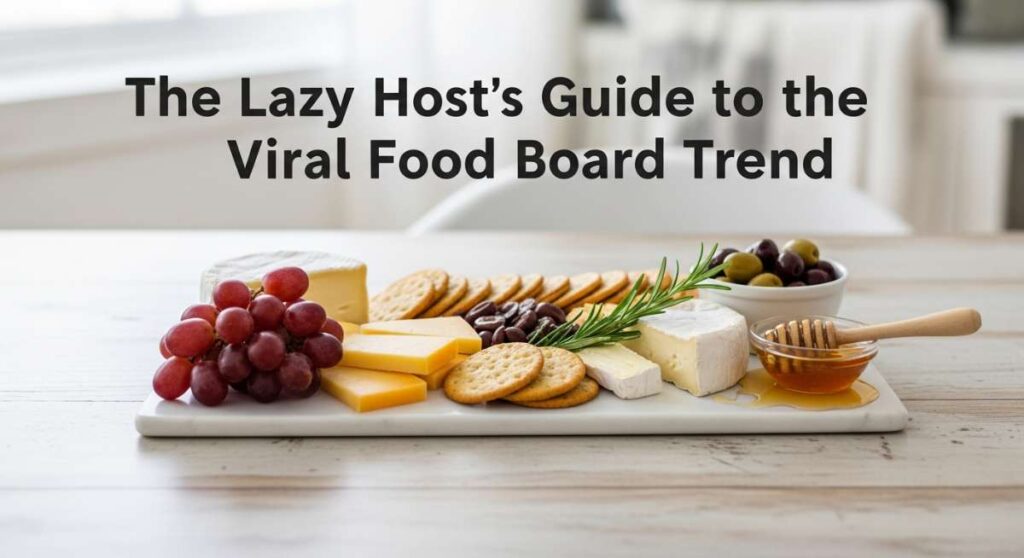
The Lazy Host’s Guide to the Viral Food Board Trend
We’ve all been there: the group chat is buzzing, your friends are coming over in three hours, and the pressure to produce a Pinterest-perfect meal feels overwhelming. You want something that looks like you spent the whole day in the kitchen, but let’s be real—you’d much rather spend that time catching up on your favorite series or perfecting your playlist. This is where the viral food board trend saves the day. It’s the ultimate hack for the lazy (but stylish) host who wants to serve something interactive, vibrant, and incredibly delicious without the formal plated stress.
Today, we’re taking the board trend into a savory, refreshing territory with a Viral Thai Pasta Board. Imagine a sprawling landscape of silky rice noodles, crunchy colorful veggies, and a dipping sauce so addictive your guests will be asking for the recipe before they’ve even finished their first bite. It’s casual, it’s gorgeous, and it’s the most effortless way to feed a crowd. Let’s dive into how you can master this trend with zero stress and maximum flavor.
How to make thai pasta?
Why we love this
There is something inherently comforting yet exciting about the texture of authentic Thai pasta. The way the translucent rice noodles catch the light, promising a chewy, satisfying bite that carries the weight of savory sauces perfectly, is a sensory delight. As you lift a forkful, the faint aroma of jasmine and steamed rice fills the air, creating a neutral yet elegant canvas for the bold, spicy, and sour notes that define this cuisine. It’s a dish that feels light and refreshing even on a humid evening, making it the perfect centerpiece for a shared board where everyone can customize their experience.
Ingredients
- 8oz thin rice sticks (Pad Thai style)
- 4 cups boiling water
- 1 teaspoon toasted sesame oil
- 1 pinch of sea salt
How to make it
- Place your dry rice noodles in a large, heat-proof glass bowl, ensuring they aren’t tangled too tightly so the water can circulate.
- Bring a kettle to a rolling boil and pour the water over the noodles until they are completely submerged by at least two inches.
- Cover the bowl with a lid or a large plate to trap the steam; let them soak for exactly 6 to 8 minutes, checking periodically for a ‘springy’ texture that is soft but not mushy.
- Drain the noodles immediately in a fine-mesh colander and rinse them under cold running water for 60 seconds to stop the cooking process and remove excess starch.
- Toss the cooled noodles gently with toasted sesame oil using your hands or tongs to prevent sticking and to add a subtle, nutty fragrance before arranging them on your board.
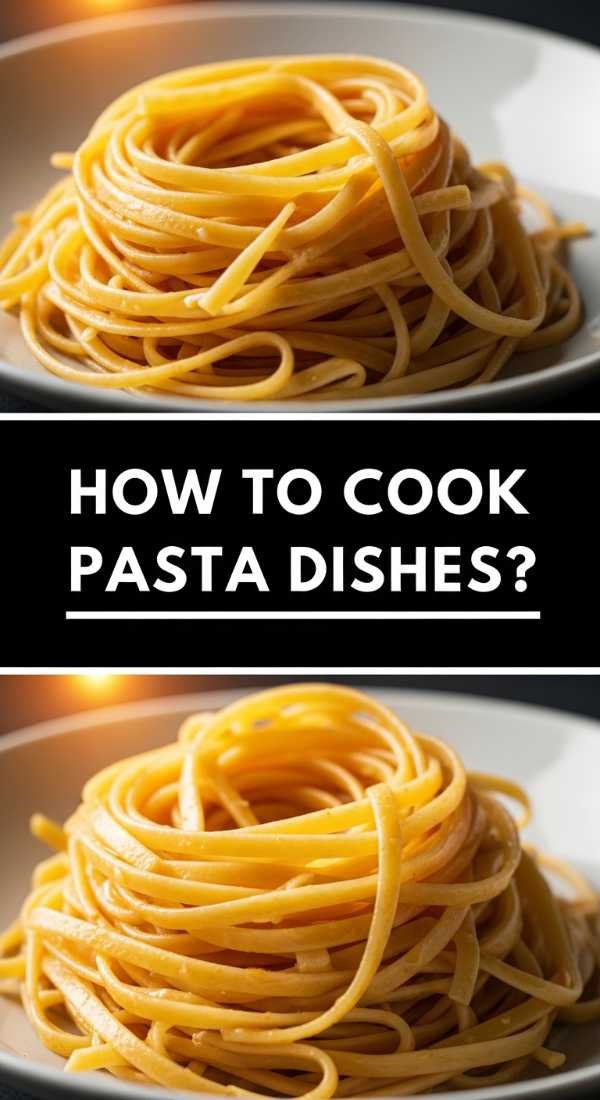
How to cook pasta dishes?
Why we love this
Mastering the art of cooking pasta dishes is like learning a secret language of hospitality. The sound of water bubbling vigorously on the stove and the steam rising to fog up the windows creates an instant atmosphere of warmth and home. When you get the timing just right, the pasta retains a structural integrity that feels professional and intentional. There’s a certain magic in the simplicity of boiling water and grain, transforming into a base that can transport your taste buds to any corner of the globe with just a few choice additions.
Ingredients
- 6 quarts of filtered water
- 2 tablespoons kosher salt
- 1 pound of high-quality pasta
- Reserved pasta water (1 cup)
How to make it
- Fill a heavy-bottomed stockpot with filtered water, leaving enough room at the top to prevent overflow when the pasta is added.
- Add a generous amount of salt once the water begins to simmer; the water should taste like the sea to properly season the pasta from the inside out.
- Once at a full, rolling boil, drop the pasta in all at once and stir immediately to prevent the strands or shapes from clumping together.
- Set a timer for 2 minutes less than the package instructions, testing a piece frequently for that ‘al dente’ snap where the center is just barely cooked through.
- Before draining, use a heat-safe measuring cup to scoop out a cup of the starchy cooking water, which is the secret ingredient for emulsifying any sauce you choose to add later.
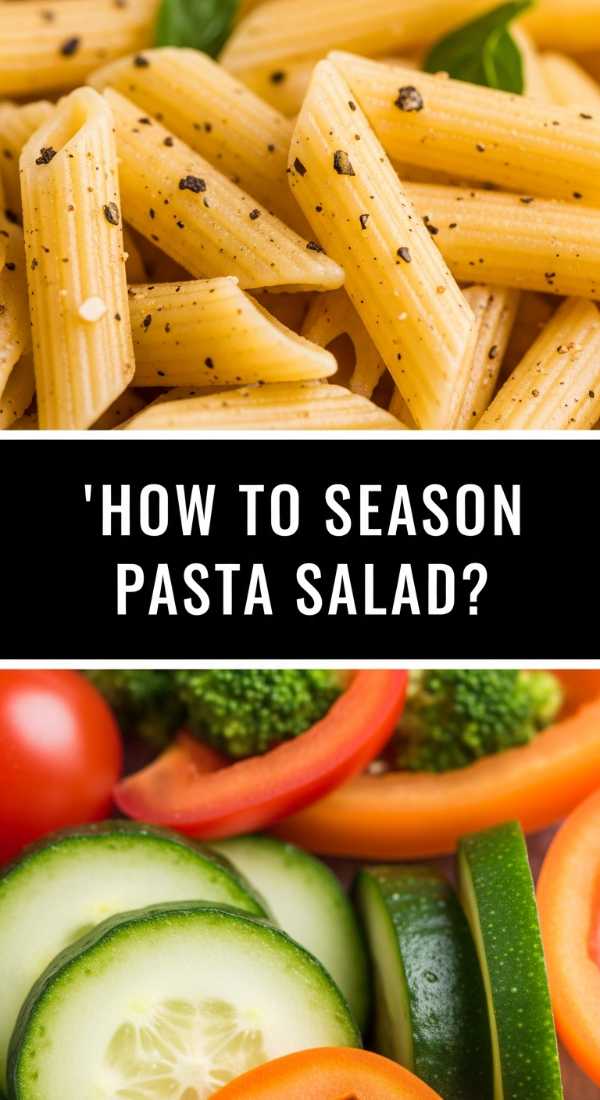
How to season pasta salad?
Why we love this
Seasoning a pasta salad is where the alchemy happens, turning a bowl of cold starch into a vibrant explosion of flavor. The smell of fresh lime juice hitting red chili flakes releases a sharp, zesty perfume that awakens the palate instantly. We love this process because it’s a layering of sensations—the crunch of the salt, the heat of the pepper, and the depth of umami-rich sauces. It turns the board from a visual treat into a culinary journey, where every nook and cranny of the pasta is infused with a personality all its own.
Ingredients
- Crushed red pepper flakes
- Zest of two limes
- Flaky sea salt
- Freshly cracked black peppercorns
How to make it
- Begin by zestng fresh limes directly over the cooked and cooled pasta, allowing the aromatic oils from the peel to coat the surface.
- Sprinkle a measured amount of red pepper flakes across the top, focusing on even distribution so no single bite is overwhelmingly spicy.
- Add a generous pinch of flaky sea salt, which provides small bursts of salinity that contrast beautifully with the sweet and sour elements of the dish.
- Finish with several turns of a black pepper mill to provide an earthy back-note that grounds the brighter citrus flavors.
- Toss the pasta gently with clean hands to ensure every strand is speckled with seasoning before the liquid dressing is applied.
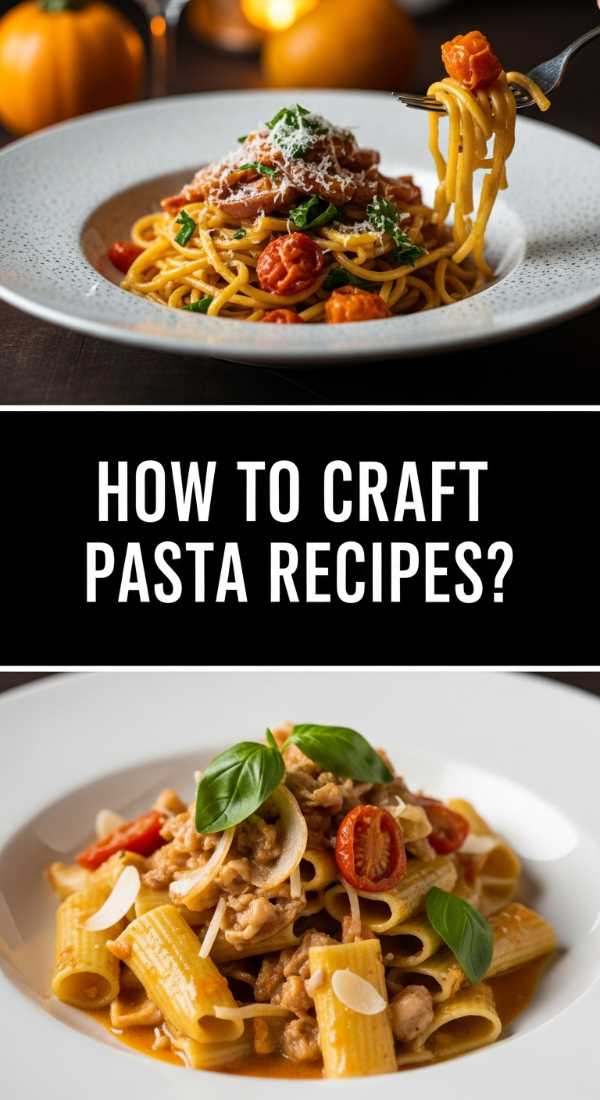
How to craft pasta recipes?
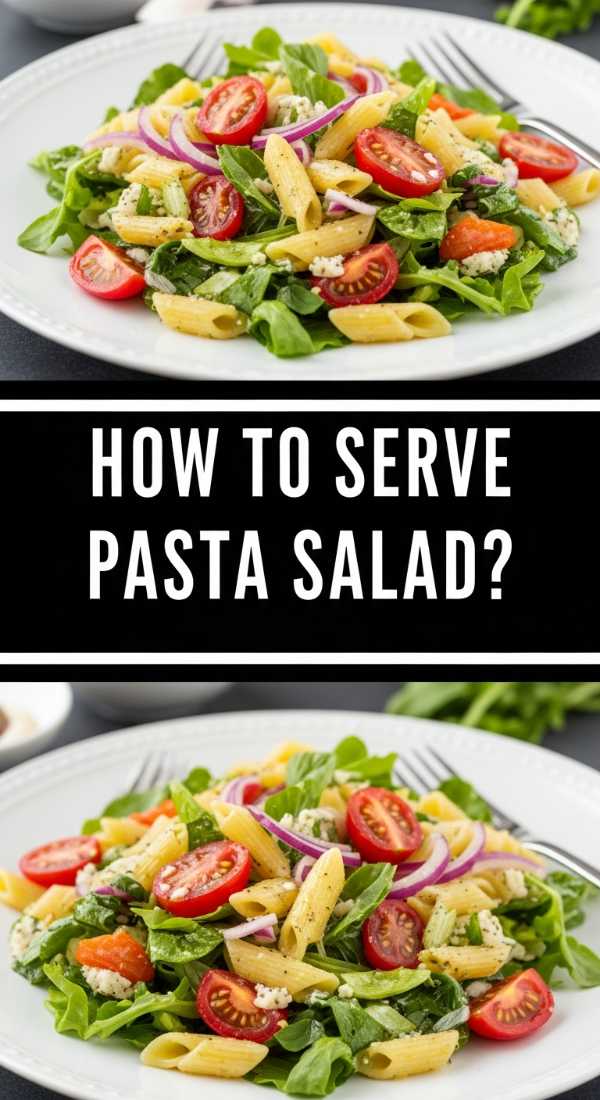
Why we love this
Crafting a unique pasta recipe is an act of creative expression that allows you to play with colors and textures like an artist. There’s a profound satisfaction in seeing a rainbow of purple cabbage, orange carrots, and green herbs come together against the white background of the noodles. It’s about more than just food; it’s about the balance of the ‘Five Tastes’—sweet, sour, salty, bitter, and umami. When you craft a recipe specifically for a food board, you’re designing an interactive experience that invites people to explore different combinations with their eyes before they even take a bite.
Ingredients
- Thinly sliced red bell peppers
- Shredded purple cabbage
- Fresh cilantro and mint leaves
- Toasted crushed peanuts
How to make it
- Start with a vision of contrast: choose vegetables that offer a significant ‘crunch’ to offset the softness of the noodles.
- Prep your vegetables using a mandoline or a very sharp knife to ensure uniform, matchstick-sized pieces that will weave easily into the pasta.
- Select herbs that provide fragrance; tearing mint and cilantro by hand at the last second prevents bruising and keeps the aroma potent.
- Incorporate a protein element, such as grilled shrimp or marinated tofu, slicing them into bite-sized portions that are easy for guests to grab with tongs.
- Lay out the components in a ‘deconstructed’ fashion on the board first to visualize the color balance before mixing or serving.
How to serve pasta salad?
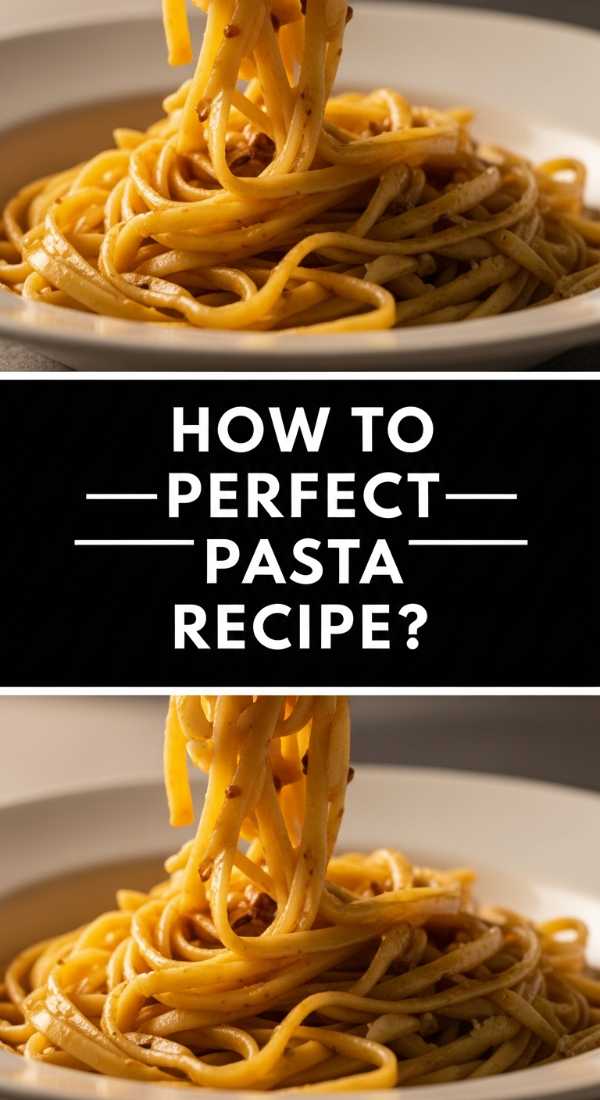
Why we love this
Serving pasta salad on a board instead of in a bowl is a total game-changer for the modern host. It removes the ‘heavy’ feeling of a traditional side dish and turns it into a lush, grazeable masterpiece. There is a visual abundance that comes with spreading the ingredients out—the way the lime wedges are nestled into the herbs and the sauce bowls are tucked into the noodles makes the meal feel generous and approachable. It encourages guests to linger, to pick, and to customize, making the meal feel like a shared event rather than just dinner.
Ingredients
- Large wooden or marble serving board
- Small ceramic ramekins for sauces
- Garnish: extra lime wedges and chili slices
- Mini serving tongs
How to make it
- Clean and dry your serving board thoroughly; if using wood, a light rub of food-grade mineral oil can make the colors of the food pop.
- Place your ramekins of dressing in diagonal corners of the board to create anchor points for the layout.
- Mound the seasoned pasta in the center of the board, creating a slightly raised ‘hill’ to add height and visual interest.
- Arrange the colorful vegetable components in ‘sweeps’ or clusters around the pasta, moving from lightest color to darkest for an ombre effect.
- Tuck lime wedges and sprigs of fresh herbs into any small gaps to create a look of overflowing abundance and provide guests with easy access to extra acidity.
How to perfect pasta recipe?
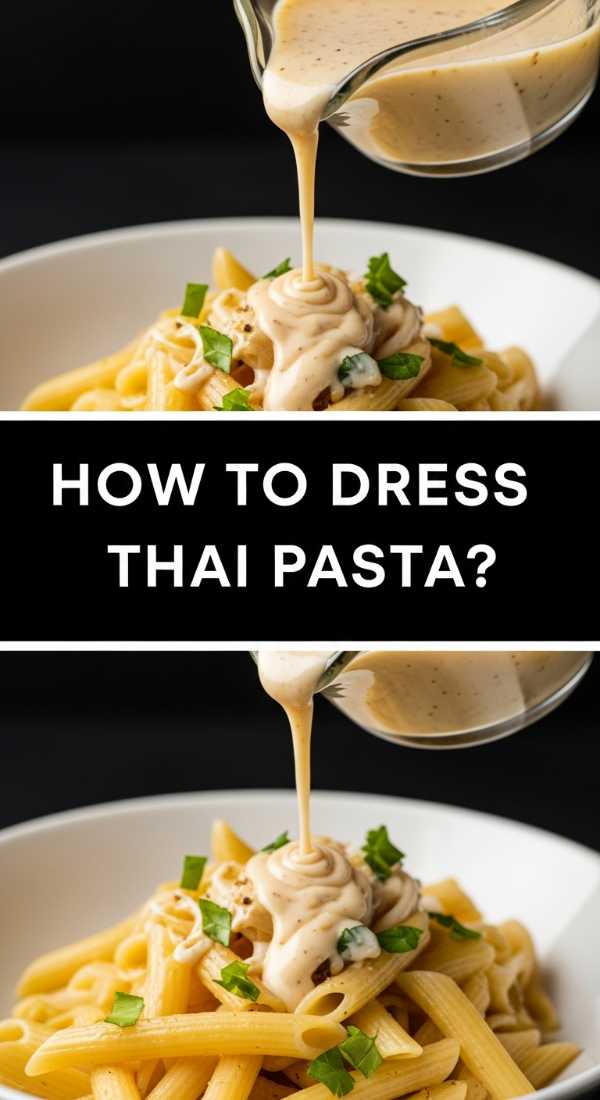
Why we love this
The quest to perfect a recipe is what turns a good cook into a great one. It’s that final moment of tasting—dipping a single noodle into the sauce and realizing it needs just one more squeeze of lime or a tiny pinch of sugar to harmonize. We love the ‘aha!’ moment when the flavors suddenly sing together in perfect unison. A perfected pasta board feels intentional; it shows your guests that you’ve considered every detail, from the temperature of the noodles to the crunch of the garnish, ensuring every mouthful is a 10/10 experience.
Ingredients
- Mirin or honey (for sweetness)
- Rice vinegar (for brightness)
- Fish sauce or liquid aminos (for depth)
- Freshly chopped bird’s eye chilies
How to make it
- Perform a ‘base taste’ of your assembled board components to identify what is missing: is it too flat? (needs acid) Too salty? (needs sweetness).
- Whisk a teaspoon of honey or mirin into your dressing if the heat of the chilies is too sharp; the sugar will mellow the burn on the back of the throat.
- If the dish feels heavy or oily, add a splash of rice vinegar directly to the noodles to ‘lift’ the flavor profile and refresh the palate.
- Check the texture: if the board looks ‘dry,’ a light misting of water or a drizzle of neutral oil can restore the glossy, appetizing sheen to the ingredients.
- Final Garnish: Add a scatter of micro-greens or edible flowers just before serving to provide a professional, high-end finish that screams ‘perfection.’
How to dress thai pasta?
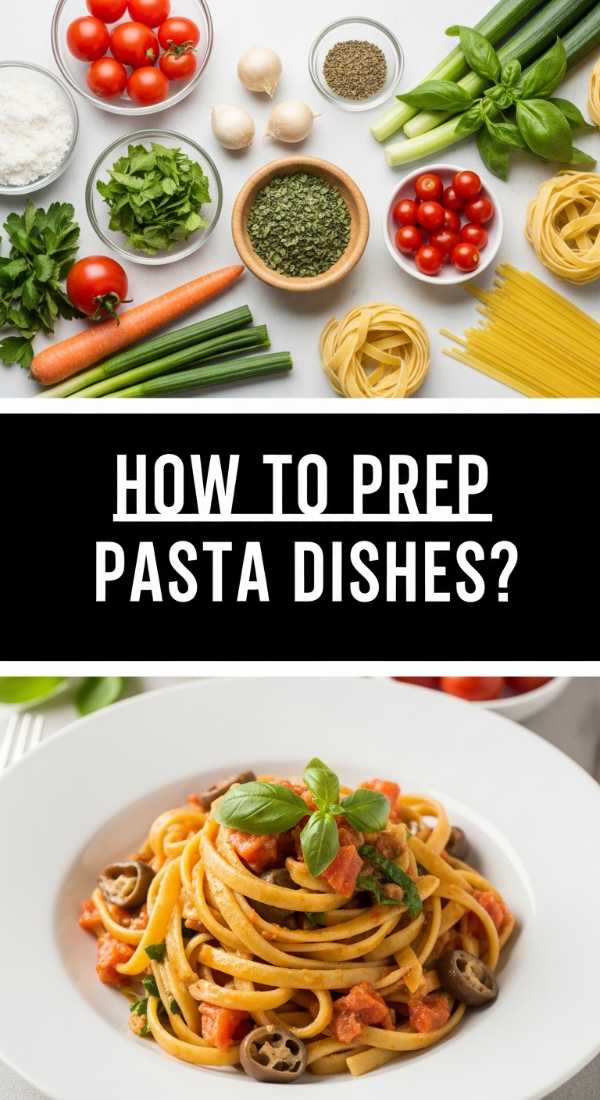
Why we love this
Dressing the pasta is the soul of the dish. The way a creamy, peanut-based dressing clings to the smooth surface of a rice noodle is incredibly satisfying. As you pour the dressing, the scent of ginger, garlic, and coconut milk wafts up, promising a rich and velvety mouthfeel. It transforms the dish from simple ingredients into a cohesive, decadent experience. The dressing acts as the glue that binds the spicy, sweet, and nutty elements together, making every bite feel lush and indulgent.
Ingredients
- 1/2 cup creamy peanut butter
- 3 tablespoons soy sauce
- 1 tablespoon grated fresh ginger
- 2 tablespoons warm coconut milk
How to make it
- In a medium mixing bowl, combine the peanut butter and soy sauce, whisking vigorously until a thick paste forms.
- Add the grated ginger and garlic, ensuring they are finely minced so their flavor is distributed without large, pungent chunks.
- Slowly stream in the warm coconut milk while whisking; the warmth helps thin the peanut butter into a pourable, silk-like consistency.
- Taste the dressing and adjust the thickness with a teaspoon of water if it feels too heavy to coat the noodles easily.
- For a food board, serve half the dressing in a bowl for dipping and drizzle the other half lightly over the noodles just before the guests arrive to keep them moist.
How to prep pasta dishes?
Why we love this
Preparation is the secret weapon of the ‘lazy’ host. There is a Zen-like calm in the ‘mise en place’—having every vegetable chopped, every sauce whisked, and every garnish ready in its own little bowl. We love prepping because it removes the chaos from the hosting experience. When the prep is done right, the actual assembly of the viral board takes less than five minutes, leaving you cool, collected, and ready to enjoy a glass of wine with your friends instead of sweating over a hot stove.
Ingredients
- Pre-washed vegetables
- Airtight containers for storage
- Sharp chef’s knife or mandoline
- Clean kitchen towels
How to make it
- Start your prep at least two hours before the event to allow ingredients to chill properly, which is essential for a cold pasta board.
- Slice all vegetables into uniform shapes and store them in airtight containers with a damp paper towel to keep them crisp and prevent wilting.
- Prepare the noodles and toss them in oil; store them in a large flat container rather than a deep bowl to prevent the weight of the noodles from crushing the ones at the bottom.
- Mix your dressings and store them in the jars or ramekins you plan to serve them in, saving you from cleaning extra dishes later.
- Set out your serving board and tongs on the counter so you have a clear workspace for the final ‘five-minute assembly’ before your guests walk through the door.
How to upgrade pasta salad?
Why we love this
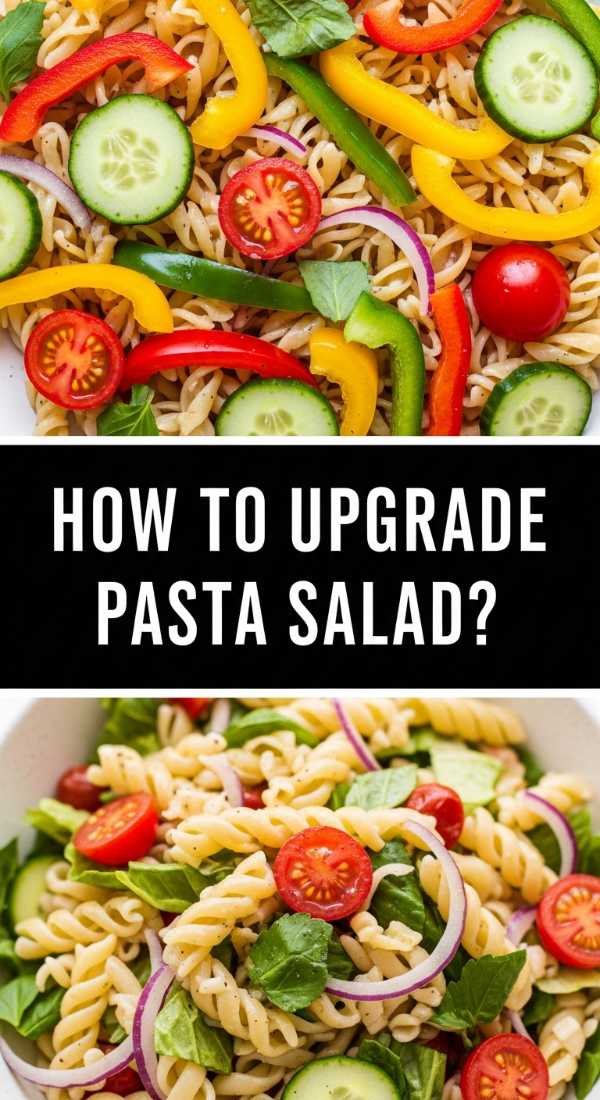
Upgrading a pasta salad is all about those small, luxurious touches that make a dish feel like it came from a high-end bistro. It’s the difference between ‘good’ and ‘unforgettable.’ We love the process of adding layers of sophistication—perhaps a drizzle of truffle-infused oil, a sprinkle of toasted black sesame seeds, or a handful of crispy fried shallots. These upgrades provide unexpected pops of flavor and texture that surprise the palate and elevate the entire aesthetic of your food board to something truly viral-worthy.
Ingredients
- Fried shallots or garlic chips
- Black sesame seeds
- Toasted chili oil (with crunchy bits)
- Micro-cilantro
How to make it
- Elevate the crunch factor by lightly toasting your sesame seeds in a dry pan over medium heat for 2 minutes until they smell nutty and fragrant.
- Add a jar of high-quality ‘chili crisp’ to the board; the spicy, crunchy bits of fried garlic and onion add an instant chef-level upgrade to every bite.
- Swap standard onions for quick-pickled red onions to add a bright pink pop of color and a sharp, tangy contrast to the creamy peanut sauce.
- Use micro-greens instead of standard chopped herbs for a more delicate, refined look that mimics fine-dining plating.
- Finish with a light dusting of furikake or crushed nori for a subtle sea-salt umami boost that ties all the Asian-inspired flavors together.
How to balance pasta flavors?
[IMAGE_10]
Why we love this
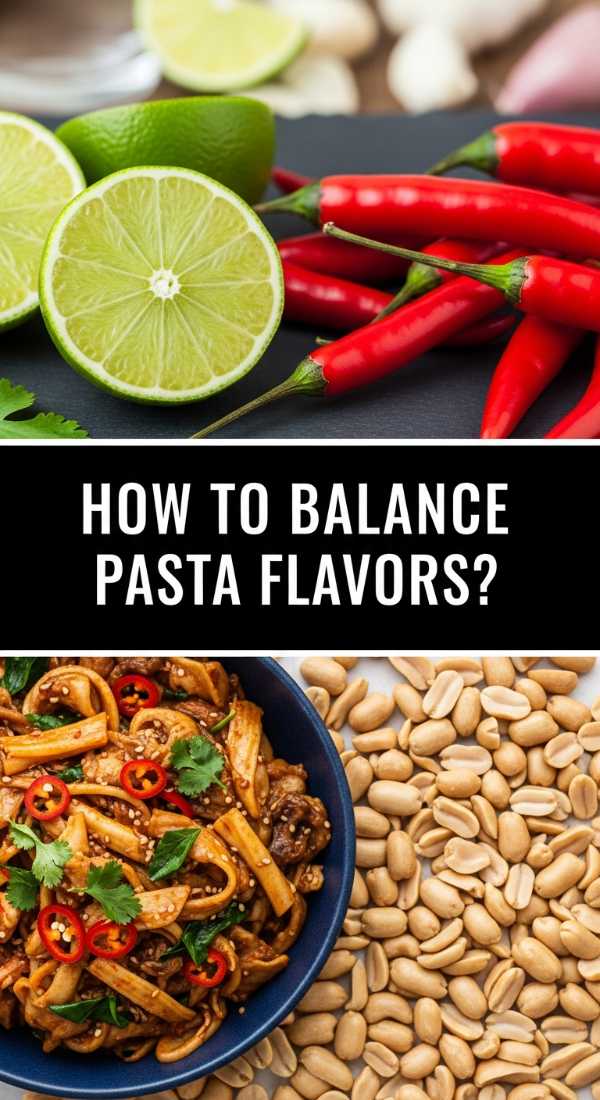
The balance of flavors is the ultimate hallmark of a successful Thai-inspired dish. It’s the dance between the sharp, puckering sourness of lime and the deep, earthy sweetness of palm sugar. We love this because it engages every single taste bud at once, creating a ‘full-mouth’ flavor experience that is incredibly satisfying. When a board is perfectly balanced, you don’t feel overwhelmed by one single note; instead, you find yourself going back for ‘just one more bite’ because the flavor profile is so harmonious and addictive.
Ingredients
- Fresh lime juice (Acid)
- Fish sauce (Salt/Umami)
- Brown sugar or Honey (Sweet)
- Fresh Thai chilies (Heat)
How to make it
- Follow the ‘Rule of Four’: check your dish for Salt, Sweet, Sour, and Spicy elements in equal measure.
- If the dish tastes ‘muddy,’ add a squeeze of fresh lime; the acid acts like a spotlight, brightening the other ingredients.
- If the heat of the chilies is too aggressive, add a tiny bit more sugar or honey to coat the tongue and dampen the spice.
- Incorporate umami through fish sauce or soy sauce; if the dish feels like it’s ‘missing something,’ it’s usually this deep savory base note.
- Always do a final taste test with a ‘complete bite’—a piece of noodle, a vegetable, and a bit of sauce together—to ensure the balance holds up across all components of the board.
Conclusion
Hosting doesn’t have to be a high-stress performance. By embracing the viral food board trend, you’re choosing a path of creativity, connection, and really, really good food. This Thai pasta board is more than just a meal; it’s a conversation starter and a feast for the senses that proves you can be a ‘lazy’ host and still be the star of the show. So, grab your favorite board, boil those noodles, and get ready to watch your creation go viral in your own living room!