
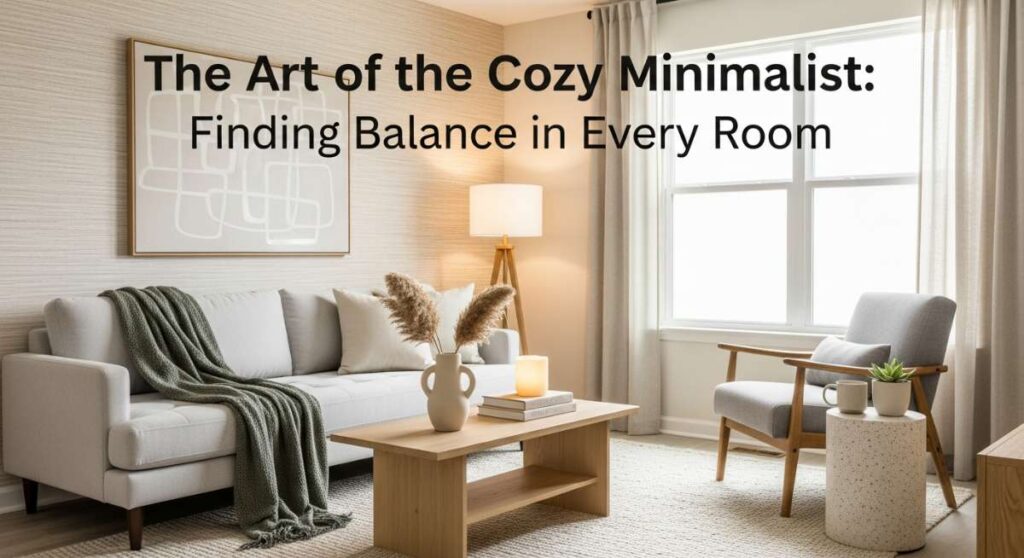
Have you ever walked into a room and felt your shoulders instantly drop an inch? That’s the magic we’re chasing today. For years, I thought I had to choose between the stark, cold lines of minimalism and the cluttered, overflowing warmth of a ‘lived-in’ home. I spent way too much time shuffling piles of knick-knacks or, conversely, staring at bare white walls that felt more like a gallery than a sanctuary.
The Art of the Cozy Minimalist isn’t about having nothing; it’s about having exactly what you need to feel held and inspired. It’s the soft click of a ceramic mug on a wooden coaster, the way a linen curtain filters the afternoon sun, and the intentional space that allows your mind to actually breathe. Today, I’m sharing how we can curate that perfect balance in every single corner of our homes.
How to Design a Cozy Minimalist Living Room for Ultimate Serenity
Why we love this
There is something deeply restorative about a living room that doesn’t demand your attention with visual noise. Imagine leaning back into a heavy-weight linen sofa that smells faintly of cedarwood and dried lavender, surrounded by a palette of soft oatmeals and warm clays. The texture of a chunky wool rug underfoot provides a tactile grounding that makes the air feel still and peaceful, while the absence of clutter allows the gentle flickering of a beeswax candle to become the main event, soothing your nervous system after a loud day in the world.
Essential Elements:
- Low-profile modular sofa in a neutral performance fabric.
- Solid oak coffee table with rounded edges.
- Hand-woven wool area rug in a cream or bone hue.
- Single sculptural ceramic vase with a dried branch.
- Dimmable floor lamp with a warm-toned Edison bulb.
How to make it
- Clear the Palette: Strip the room of all small decor. This is your ‘prep’ phase. Clean the surfaces thoroughly to ensure a fresh base, much like deglazing a pan to start a rich sauce.
- Layer the Foundation: Position your largest furniture piece first to anchor the ‘heat’ of the room. Ensure there is at least 18 inches of walkway space to maintain a ‘breathable’ flow.
- Temper the Lighting: Swap cool-white bulbs for warm-spectrum LEDs (2700K). This is like controlling the flame; too high and it’s clinical, too low and it’s dark. Aim for a medium, golden glow.
- Fold in Textures: Add exactly two high-quality throws. Drape them over the armrest using the ‘pinch and drop’ technique for a natural, unforced drape that suggests effortless comfort.
- Garnish with Nature: Place one organic element, like a stone or a branch. Observe the visual cue: if the eye rests easily on the object without jumping to a nearby distraction, your composition is ‘cooked’ to perfection.
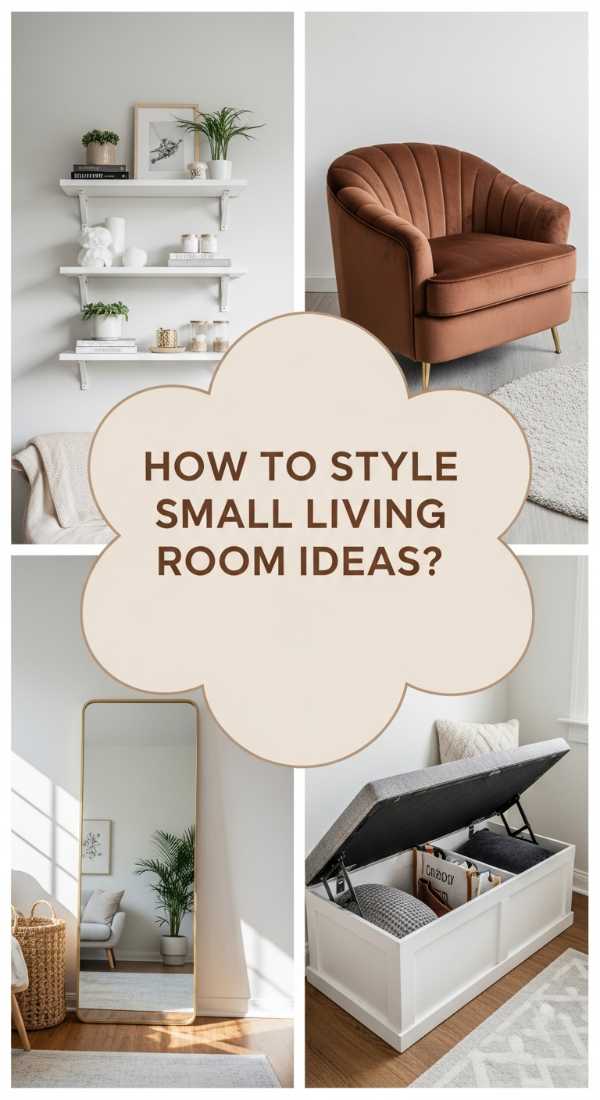
How to Style Small Living Room Ideas for an Aesthetic Apartment Vibe
Why we love this
Small apartments often feel like they’re closing in on us, but with a cozy minimalist approach, they transform into high-end jewelry boxes. We love this look because it prioritizes light and reflection, making a forty-square-foot space feel like a sprawling loft. The scent of fresh eucalyptus hanging in a corner, the glint of a brass mirror catching the sunrise, and the soft ‘swish’ of sheer voile curtains create an atmosphere of curated luxury that proves you don’t need a mansion to live beautifully.
Essential Elements:
- Wall-mounted floating shelving.
- Over-sized arched floor mirror to bounce light.
- Acrylic or glass ‘ghost’ coffee table to minimize visual weight.
- Velvet floor cushions for extra seating without the bulk.
- Macramé wall hanging for soft, vertical texture.
How to make it
- Vertical Prep: Utilize your walls as the primary ‘countertop.’ Mount shelves at eye level to draw the gaze upward, increasing the perceived volume of the room.
- The Mirror Technique: Place your mirror opposite the largest window. This ‘doubles’ the light intensity, acting as a natural brightener for the space.
- Simmer the Color Story: Stick to a monochromatic palette with varying shades of one color (e.g., all shades of beige). This prevents the visual ‘clutter’ of high-contrast transitions.
- Seeding the Comfort: Place floor cushions in unused corners. This creates a functional ‘nook’ without the heavy footprint of an armchair.
- Final Reduction: Remove one item from the room once you think you’re finished. A ‘reduced’ space often feels more expensive and intentional.
How to Master Minimalist Room Decor for a Breathable Sanctuary
Why we love this
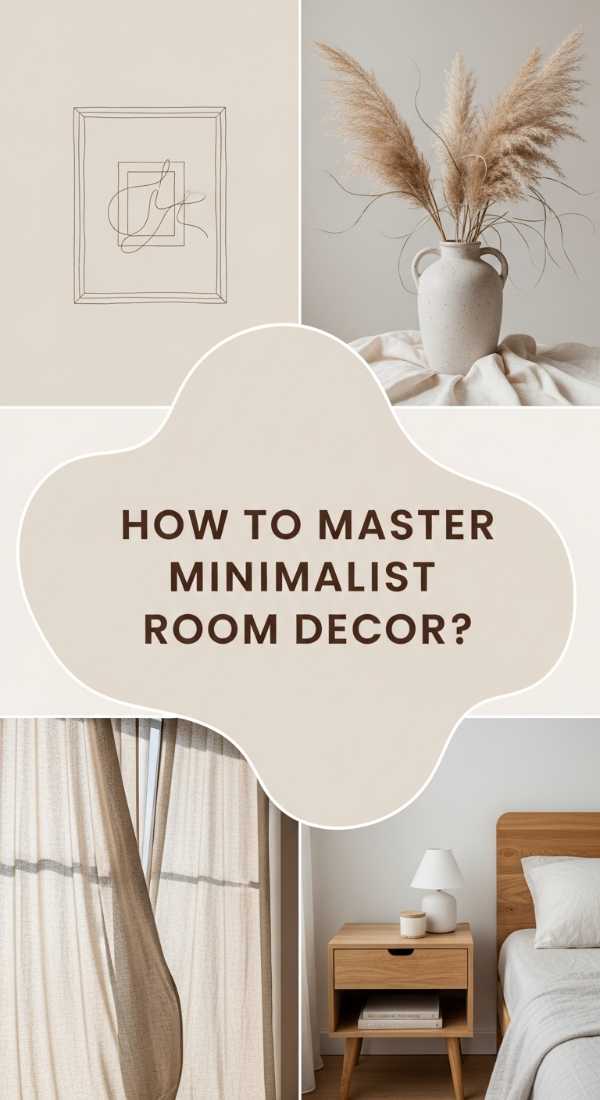
A breathable sanctuary is all about the ‘inhale.’ We love this because it removes the ‘visual dust’ that clogs our mental clarity. Walking into a room styled this way feels like a cool breeze on a humid day. The focus is on quality—a single, perfectly framed piece of line art, a smooth marble tray holding a lone crystal, and the crisp, clean scent of white tea. It’s a sensory reset that allows you to focus on your thoughts rather than your things.
Essential Elements:
- Minimalist line art in a thin black frame.
- Marble or stone tray for grouping essentials.
- Cotton-linen blend curtains in a soft white.
- Small potted snake plant for air purification.
- Hidden cable management boxes.
How to make it
- The Sift and Sort: Audit every surface. If an item doesn’t serve a daily function or bring a deep sense of joy, move it to ‘cold storage’ (a closet).
- Zoning the Heat: Create a focal point, like a piece of art. Ensure it has ‘negative space’ (empty wall) around it to allow the ‘flavor’ of the art to stand out.
- Texture Infusion: Introduce different finishes—matte ceramic against polished stone. This contrast provides interest without needing ‘busy’ patterns.
- Wire Taming: Tuck all electronics and cords into hidden boxes. Visual ‘noise’ from wires is the equivalent of a messy kitchen counter; it ruins the final presentation.
- The Air Test: Crack a window and light a clean-burning soy candle. The room is ready when the air feels light and the scent is a subtle undertone rather than an overwhelming top note.
How to Create a Minimalist Cozy Atmosphere for Rainy Day Relaxation
Why we love this
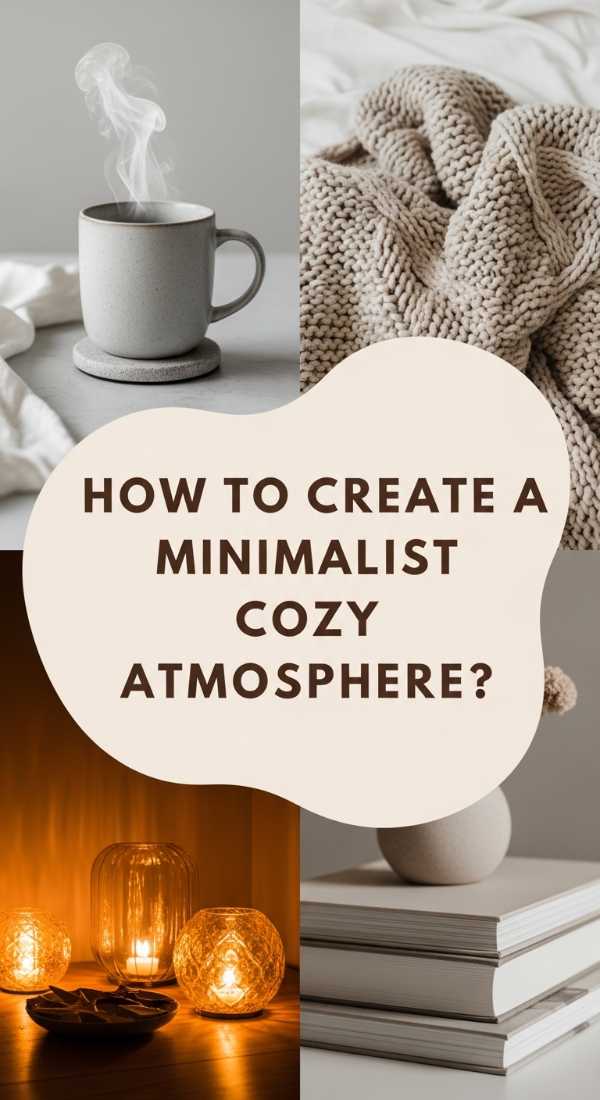
Rainy days demand a specific kind of ‘low-and-slow’ energy. This aesthetic is all about the ‘nest.’ We love the contrast between the grey, misty world outside and the golden, textured cocoon inside. The sound of droplets against the glass becomes a rhythmic soundtrack to the sensory experience of a heavy weighted blanket and the steam rising from a porcelain cup of Earl Grey. It’s about creating a space where the ‘nothingness’ of minimalism feels incredibly full of warmth.
Essential Elements:
- Weighted knit blanket in a charcoal or heather grey.
- Dimmable amber string lights or fairy lights.
- A stack of two or three favorite hardback books.
- A diffuser with ‘rain’ or ‘forest’ essential oils.
- A deep, comfortable armchair or bean bag.
- Setting the Ambient Heat: Turn off all overhead lights. Introduce ‘point’ lighting—small lamps and candles—to create pockets of warmth, much like small burners on a stove.
- Blanket Layering: Don’t just throw the blanket; fold it into thirds and place it over the footrest. This ‘preps’ the space for immediate use.
- Scent Steeping: Start your diffuser 20 minutes before you plan to sit. This allows the aroma to ‘marinate’ the air to the perfect intensity.
- The Reading Nook Prep: Arrange your books by size, largest on the bottom. This provides a stable, visually harmonious ‘side table’ for your tea.
- Sound Integration: If the rain isn’t loud enough, play a low-frequency brown noise. This creates a ‘seal’ around the room, keeping the cozy vibes in and the world out.
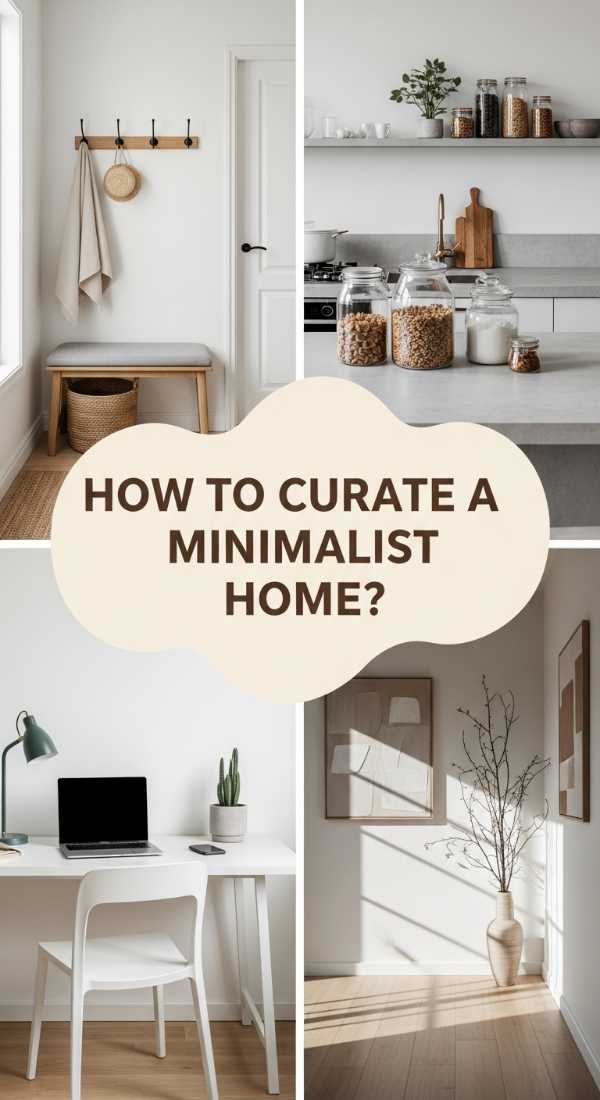
- Uniform glass jars for pantry and bathroom storage.
- A dedicated ‘reset’ tray by the door for keys and phone.
- Minimalist pour-over coffee set.
- Linen hand towels in earth tones.
- Wall-mounted hooks for daily-use items.
- Decant Everything: Remove items from plastic packaging and place them into glass or ceramic vessels. This removes the ‘visual noise’ of branding, creating a uniform, high-end ‘mise en place.’
- Path Clearing: Ensure all walkways are clear of ‘stray’ furniture. A mindful routine requires a path that allows for ‘straight-line’ movement.
- Station Setup: Create ‘zones’ for specific tasks. For example, a coffee station should have the kettle, beans, and mug all within one arm’s reach.
- The Daily Reset: Spend five minutes every evening returning items to their ‘home.’ This prevents the ‘boil-over’ of clutter that happens during a busy week.
- Sensory Markers: Use a specific soap or lotion that you love. The ‘visual cue’ of the beautiful bottle combined with the scent anchors the routine in the present moment.
- Matching pairs of pillows or lamps.
- The ‘Rule of Three’ for object grouping (e.g., a candle, a book, a plant).
- Neutral color palette with maximum three shades.
- Negative space on every shelf or table surface.
- Low-slung furniture to maintain an open sightline.
- Measure the Balance: Use a measuring tape to ensure objects are perfectly centered. In minimalism, ‘eyeballing it’ is like cooking without a timer; precision is what creates the high-end feel.
- The Rule of Three: Group items in odd numbers, varying their heights. This creates a visual ‘triangle’ that the eye finds naturally pleasing.
- Symmetry Check: Place matching end tables on either side of your sofa. This ‘frames’ the seating area, providing an immediate sense of structural harmony.
- Color Capping: Ensure your decor pieces don’t exceed three distinct tones. If a piece is too bright, it will ‘overpower’ the delicate flavor of the room.
- The Sightline Sweep: Sit on the floor and look across the room. Ensure no tall objects are ‘blocking’ the view of the opposite wall, keeping the ‘air’ of the room flowing.
- Leggy furniture (sofas and chairs on legs to show more floor).
- A large-scale rug (small rugs make rooms look smaller).
- Multifunctional nesting tables.
- Sheer floor-to-ceiling drapery.
- Soft, rounded furniture silhouettes.
- Scale Selection: Choose one ‘oversized’ soft item (like a rug or a sofa) and pair it with ‘under-scaled’ hard items (slender tables). This balance prevents the room from feeling ‘heavy.’
- Leggy Prep: Only buy furniture with exposed legs. This allows light to travel underneath, which acts as a ‘visual expander’ for the floor area.
- Softening the Edges: Introduce circular shapes—a round mirror or a curved pillow. These ‘break’ the harsh lines of a small square room, making it feel more organic.
- The ‘Float’ Technique: Move your sofa just two inches away from the wall. This ‘breathing room’ creates the illusion of a larger space and prevents a ‘cramped’ visual cue.
- Texture Folding: Layer a sheepskin or faux-fur throw over a modern chair. This ‘seasons’ the modern aesthetic with a dose of primal comfort.
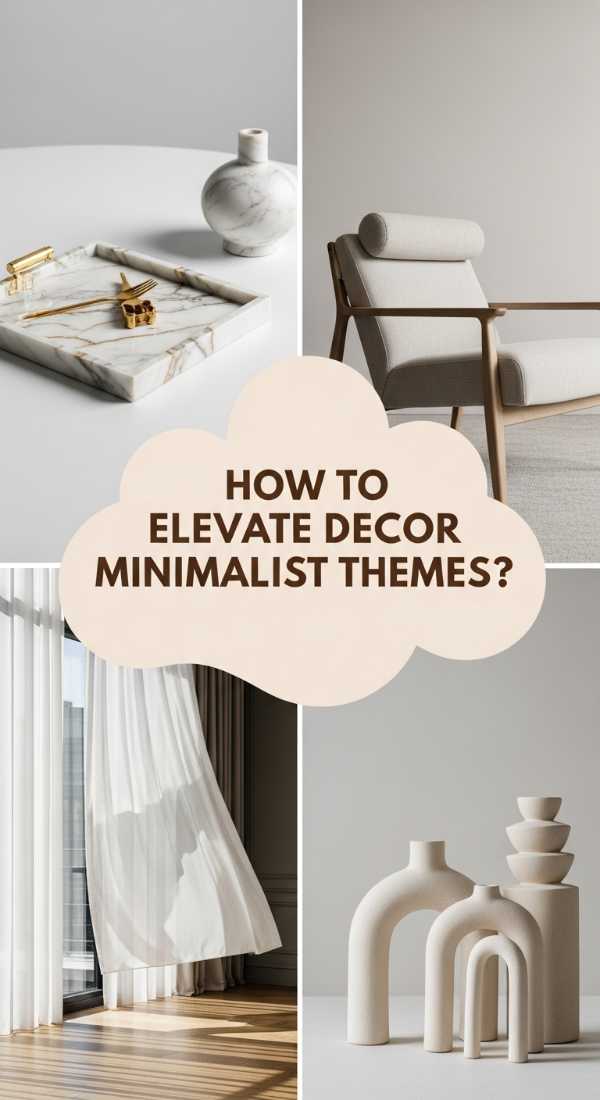
- Natural materials: stone, solid wood, real linen, brass.
- One ‘statement’ light fixture (like a plaster chandelier).
- Large-scale, high-quality art with museum-style lighting.
- Matte black or antique brass hardware.
- Scent profile: Oudh, Santal, or Amber.
- Material Audit: Replace any plastic or ‘veneer’ items with solid, natural equivalents. This is like substituting margarine for high-quality butter; the ‘taste’ of the room improves instantly.
- Statement Simmering: Choose one ‘hero’ piece (a chair or a light). Everything else in the room should ‘simmer’ quietly in the background to let the hero shine.
- The ‘Galllery’ Hang: Hang art so the center is exactly 57 inches from the floor. This professional ‘visual cue’ immediately elevates the perceived value of the space.
- Hardware Upgrade: Swap out standard cabinet pulls for heavy, solid brass or matte black ones. These small ‘spices’ provide a tactile sense of luxury every time you touch them.
- The Scent Seal: Use a high-quality room spray or candle with a complex, ‘niche’ scent profile. The aroma should linger like a fine perfume, signaling ‘high-end’ to the brain.
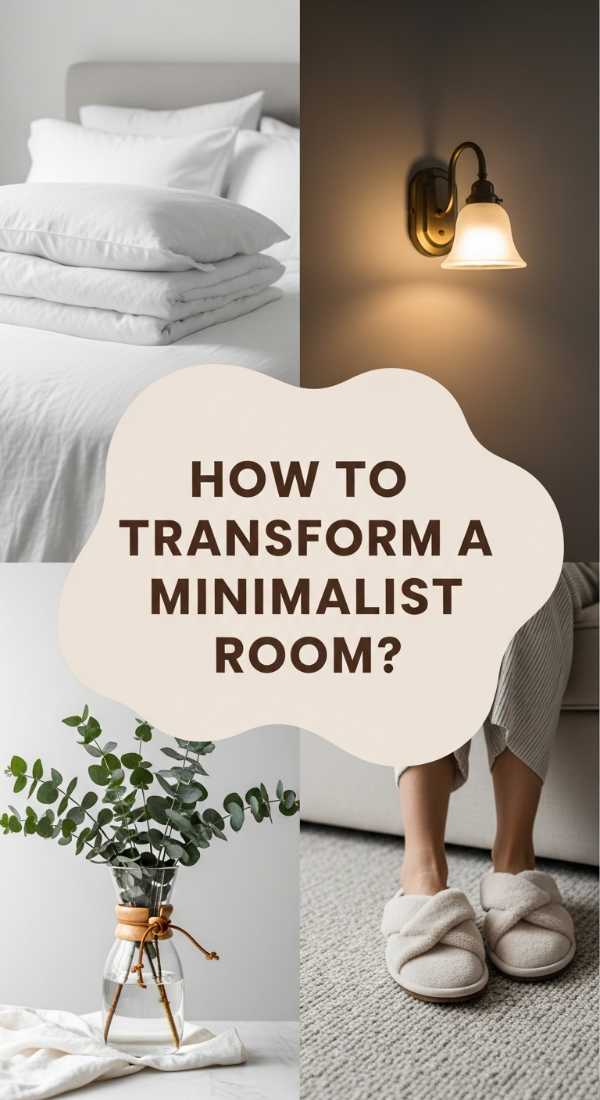
- 100% Cotton percale or French linen bedding.
- Total blackout curtains or shades.
- Zero-tech policy (no TVs or phone chargers in sight).
- Low-blue-light bedside lamps.
- A wool or silk rug for a soft ‘landing’ in the morning.
- The Bed Build: Layer your bed using the ‘hospital corner’ fold for the base sheet. This creates a tight, smooth surface that feels high-end and hotel-crisp.
- Tech Extraction: Remove all screens and blinking lights. This is the ‘prep’ for your brain, removing the ‘heat’ of blue light that prevents sleep.
- The ‘Cool’ Temp: Set the room temperature to 65-68°F. This is the ideal ‘simmer’ level for human rest.
- Sensory Softening: Place a thick rug where your feet hit the floor. The visual and tactile cue of ‘softness’ tells your nervous system it’s safe to relax.
- The Nightly Mise en Place: Set out your water and a book before you get in bed. Having everything ready prevents the need to ‘re-activate’ your brain once you’re in the sleep zone.
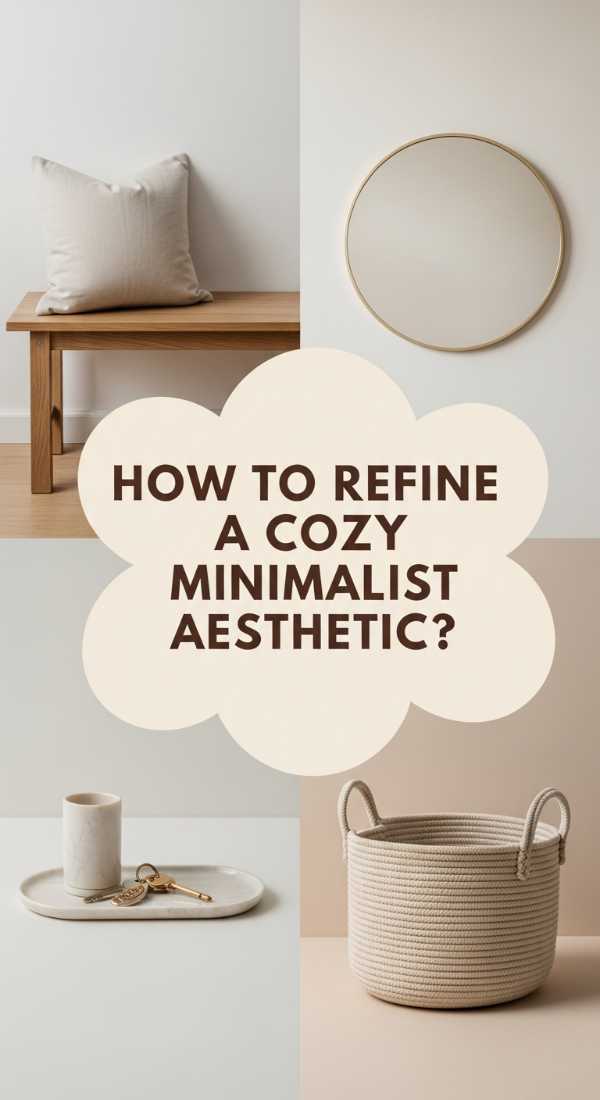
- A slim console table or a simple wooden bench.
- A large round mirror for a quick ‘check’ and to brighten the hall.
- A designated bowl or tray for ‘daily carry’ items.
- A single, high-quality floor basket for shoes.
- A welcoming scent (citrus or mint for energy).
- The ‘Drop’ Zone Prep: Define exactly where keys, mail, and bags go. If these items don’t have a ‘pan’ to sit in, they will ‘spill’ across the rest of the house.
- The Mirror Anchor: Hang a round mirror above your bench. The circular shape ‘softens’ the transition into the home, acting as a friendly visual greeting.
- Basket Management: Use one large basket for shoes. The ‘visual cue’ of a tidy floor immediately lowers stress levels as you enter.
- Lighting the Way: Use a small lamp on the console instead of the overhead light. This ‘simmering’ glow is much more welcoming than a harsh ‘high-heat’ ceiling light.
- The Final Flourish: Place a single stem of eucalyptus in a vase. It’s a ‘fresh garnish’ that provides a natural scent and a pop of life without the clutter of a full bouquet.
How to make it
How to Curate a Minimalist Home for a Mindful Daily Routine

Why we love this
When your home is curated for mindfulness, your daily tasks feel like ceremonies rather than chores. We love this because it turns the mundane—making coffee, washing your face—into a high-end experience. Imagine a kitchen counter with nothing on it but a sleek kettle and a ceramic jar, or a bathroom with only your favorite oils in glass droppers. It creates a ‘flow’ where you move through your day with grace and intention, unburdened by the friction of searching for things.
Essential Elements:
How to make it
How to Arrange Living Room Decor Minimalist Style for Visual Harmony

Why we love this
Visual harmony is the ‘umami’ of interior design—it’s that hard-to-define feeling where everything just clicks. We love this style because it uses symmetry and proportion to create a sense of absolute order and calm. The way a stack of books perfectly aligns with the edge of a tray, or how two matching lamps create a frame around a sofa, provides a sense of security. It’s balanced, it’s quiet, and it allows the architecture of your life to be the star of the show.
Essential Elements:
How to make it
How to Balance Minimalist Living Room Small Spaces for Modern Comfort
Why we love this
This is the ultimate ‘snug’ vibe. We love balancing small spaces because it forces us to be incredibly selective, resulting in a room that feels like a warm hug rather than a cramped box. It’s about that plush, high-pile rug that feels like walking on a cloud, paired with sleek, mid-century furniture that keeps the floor visible. It’s the perfect blend of ‘modern’ efficiency and ‘comforting’ softness, making your small living room the most popular spot in the house.
Essential Elements:
How to make it
How to Elevate Decor Minimalist Themes for a High-End Look
Why we love this
High-end minimalism isn’t about how much you spend; it’s about the integrity of the materials. We love this because it celebrates the raw beauty of the world—the grain in a piece of walnut, the veining in marble, the weave of raw silk. It feels expensive because it’s ‘quiet luxury.’ There are no loud logos or trendy patterns; instead, there is a deep, resonant quality to every object that makes the space feel timeless, sophisticated, and incredibly serene.
Essential Elements:
How to make it
How to Transform a Minimalist Room for Deep Restful Sleep
Why we love this
Your bedroom should be a ‘sleep machine.’ We love the minimalist approach here because it removes every possible distraction between you and your rest. Imagine a bed with crisp, cool white percale sheets, a single heavy linen duvet, and nothing on the nightstand but a glass of water and a stone tray. The air is cool, the colors are muted, and the silence is palpable. It’s a space designed for the ultimate luxury: a full eight hours of uninterrupted, restorative sleep.
Essential Elements:
How to make it
How to Refine a Cozy Minimalist Aesthetic for a Welcoming Entryway
[IMAGE_10]
Why we love this
The entryway is the ‘first bite’ of your home’s experience. We love a minimalist entryway because it provides an immediate transition from the chaos of the outside world into the peace of your sanctuary. A simple wooden bench, a single hook for your favorite coat, and the scent of fresh eucalyptus greeting you at the door. It’s a clear signal to your brain that you are home, and everything else can wait. It’s functional, beautiful, and incredibly grounding.
Essential Elements:
How to make it
Finding Your Own Balance
Becoming a cozy minimalist isn’t a destination; it’s a practice. It’s about checking in with your space and asking, ‘Does this add to my peace, or does it take away from it?’ By choosing quality over quantity and comfort over clutter, you create a home that doesn’t just look like a magazine—it feels like a soul-deep exhale. Start with one corner, use the techniques we’ve talked about, and watch how your whole life begins to feel a little more balanced.