
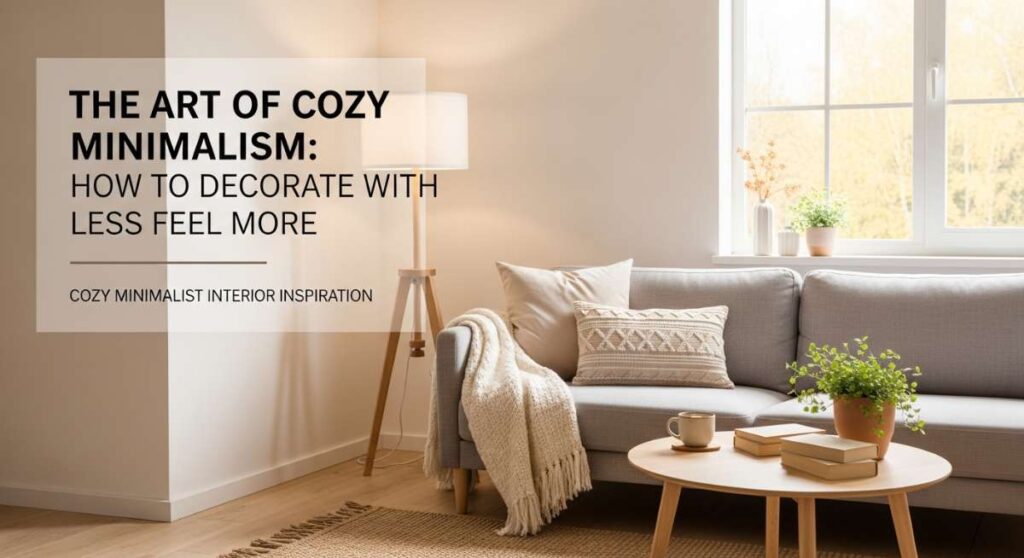
Have you ever walked into a room and felt like you could finally, truly breathe? For years, I thought ‘cozy’ meant ‘more’—more pillows, more trinkets, more layers of everything. But I found myself suffocated by the very things meant to comfort me. I was constantly tidying, moving piles of ‘stuff’ just to find a spot to sit and enjoy my morning coffee. That’s when I discovered the magic of cozy minimalism.
Cozy minimalism isn’t about living in a cold, empty white box; it’s about curate-ing a space where every single item serves a purpose or brings you genuine joy. It’s the art of creating ‘enough.’ When we strip away the visual noise of excess clutter, we make room for the things that actually matter: the way the light hits your favorite ceramic mug, the softness of a well-loved linen throw, and the peace of mind that comes from knowing exactly where everything is.
How to Curate a Cozy Minimalist Living Room for Ultimate Daily Peace

Why we love this
There is a profound, soul-deep quiet that settles over a room when it isn’t fighting for your attention with every square inch of space. This approach transforms the living room from a mere storage area for furniture into a sanctuary where the air feels lighter and the colors more soothing. Imagine sinking into a high-quality sofa, surrounded by textures like raw silk and reclaimed wood, while the scent of a single high-quality sandalwood candle wafts through the air. It’s about the tactile satisfaction of a space that breathes, offering a visual rest that lowers your cortisol levels the moment you step through the door.
Essential Elements:
- Neutral-toned, high-quality linen sofa
- Natural wood coffee table with clean lines
- One oversized, textured wool area rug
- Two or three meaningful art pieces
- Hidden storage solutions for electronics
How to make it
- Begin by clearing the room entirely of small decor items to reset your visual palate and see the ‘bones’ of the space.
- Position your largest piece of furniture—the sofa—facing the natural light source or the focal point of the room to anchor the layout.
- Layer in a single, large-scale rug that extends under the front legs of all seating to create a cohesive ‘zone’ of comfort.
- Select only three decorative objects for the coffee table: something organic (like a plant), something textural (like a stone tray), and something personal (like one book).
- Install warm-toned LED bulbs (2700K) in floor lamps to create soft pools of light rather than harsh overhead glare, which is essential for that minimalist ‘glow’.
How to Style a Small Living Room for a Spacious Apartment Aesthetic
Why we love this
Small spaces often feel like they are closing in on us, but with a minimalist lens, they become intimate jewel boxes of style. This aesthetic celebrates the efficiency of space, using light and reflection to trick the eye into seeing more than what is there. We love the way a well-placed mirror captures the morning sun and bounces it into dark corners, making a tiny studio feel like a grand loft. It’s the feeling of ‘everything in its place,’ where the lack of clutter creates a sense of luxury that even the largest, messiest mansions can’t replicate.
Essential Elements:
- Leggy furniture (to see the floor underneath)
- Large wall mirrors
- Acrylic or glass accent tables
- Monochromatic color palette
- Floating shelves for vertical storage
How to make it
- Identify the ‘dead zones’ in your apartment and install floating shelves high up to draw the eye upward, creating the illusion of height.
- Swap bulky, skirted furniture for pieces with exposed legs; seeing the floor continue under the sofa makes the room feel much larger.
- Place a large mirror directly opposite your main window to double the amount of natural light entering the room.
- Limit your color palette to three shades of the same color (e.g., cream, beige, and sand) to remove visual boundaries between walls and furniture.
- Curate your bookshelf by leaving at least 30% of the shelf space empty; this ‘negative space’ is the secret to an airy, sophisticated vibe.
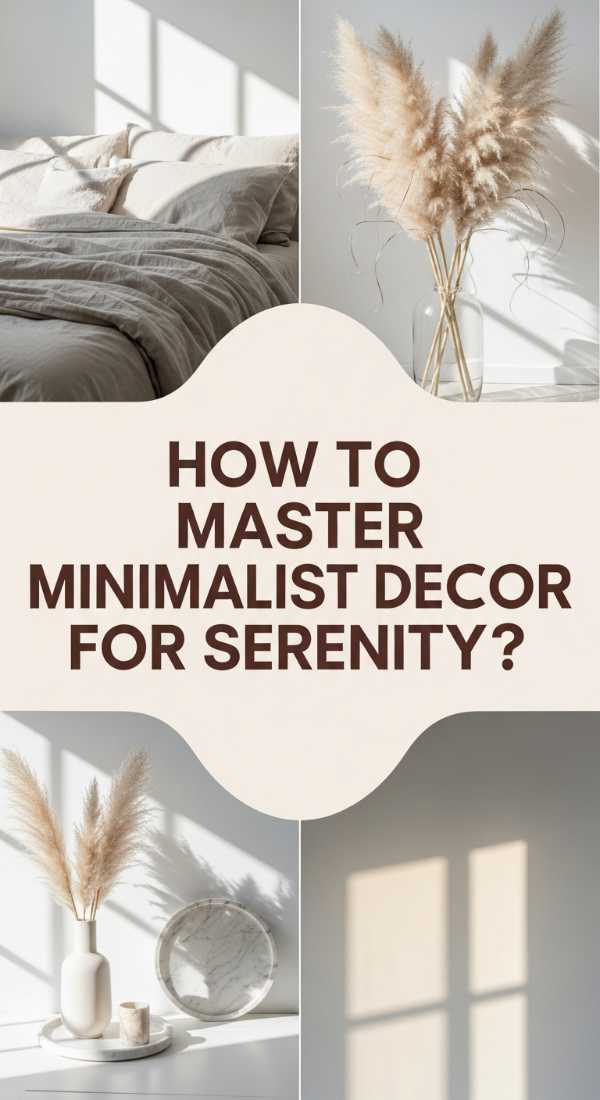
How to Master Minimalist Room Decor for a Serene Sanctuary
Why we love this
The beauty of mastering minimalist decor lies in the intentionality behind every choice. Instead of a dozen cheap vases, you have one hand-thrown ceramic vessel that tells a story. This section is all about the ‘sensory anchor’—a piece of decor that grounds you. We love how a single branch of eucalyptus in a clear glass bottle can feel more impactful than a whole bouquet. It’s about the crispness of a clean surface and the way shadows dance across a bare wall, creating a living art piece that changes throughout the day.
Essential Elements:
- Hand-crafted ceramic vases
- Dried botanical elements (pampas grass or eucalyptus)
- Frameless mirrors or leaners
- Textural wall hangings in neutral tones
- Soft, diffused lighting sources
How to make it
- Audit your current decor and remove anything that you don’t ‘love or find useful’ (the classic William Morris rule).
- Group items in ‘threes’ but keep the groupings sparse; for example, a tray, a candle, and a small bowl on a sideboard.
- Choose decor with varying heights to create a rhythmic flow that guides the eye gently around the room rather than jumping from spot to spot.
- Focus on the finish of your items—mix matte ceramics with shiny glass to provide interest without needing to add more colors.
- Clean your windows thoroughly; in minimalist decor, the view outside is often your most important ‘painting,’ so keep the frame crystal clear.
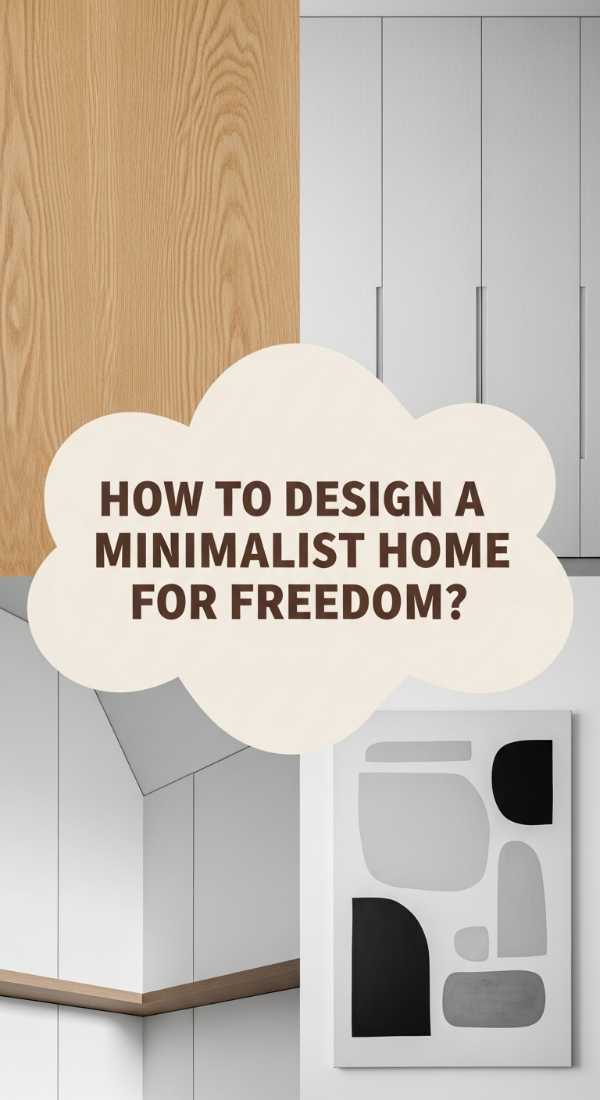
How to Design a Minimalist Home for a Clutter-Free Life

Why we love this
Designing a home for a clutter-free life is like giving your future self a daily gift of time. When your home is designed with minimalism in mind, cleaning takes minutes instead of hours, and the mental load of managing ‘stuff’ simply evaporates. We love the streamlined flow of a home where every object has a designated ‘home’ behind closed doors or on a beautiful display. It allows the architecture of the house to shine, highlighting the grain of the wood floors and the curve of the doorways, making the home itself the star of the show.
Essential Elements:
- Built-in cabinetry or seamless wardrobes
- Multi-functional furniture (storage ottomans)
- Uniform hangers in closets
- Dedicated ‘drop zones’ for mail and keys
- Clear, labeled storage bins for hidden areas
How to make it
- Map out your daily ‘paths’ through the house and place storage solutions exactly where you naturally drop things (like a basket for shoes by the door).
- Invest in closed storage rather than open shelving to hide the inevitable visual chaos of daily necessities like charging cables or documents.
- Standardize your basics; using the same style of towels, dishes, and hangers creates an instant sense of order and high-end design.
- Implement a ‘one in, one out’ rule for every new purchase to ensure your home’s inventory stays at a manageable level.
- Check the ‘visual weight’ of your furniture; choose pieces that feel light—like chairs with thin frames—to keep the energy of the home flowing.
How to Achieve a Minimalist Cozy Living Room for Warm Winter Evenings
Why we love this
Winter demands a specific kind of warmth that can often lead to clutter, but the minimalist approach keeps it chic and intentional. We love the juxtaposition of a clean, white room with the deep, rich texture of a chunky knit throw draped over a chair. It’s the ritual of lighting a single, high-quality wooden wick candle that crackles like a fireplace, providing both sound and light. This style makes you feel tucked in and safe, like a warm hug, without the dusty feeling of too many blankets and pillows piling up.
Essential Elements:
- Chunky knit wool throws
- Faux fur textures (cushions or rugs)
- Warm wood accents (cedar or walnut)
- Amber-glass candle holders
- Soft, dimmable floor lamps
How to make it
- Swap your lightweight summer linens for heavier textures like velvet or wool to add ‘visual warmth’ without adding more items.
- Group candles of varying heights on a wooden tray to create a ‘hearth’ effect if you don’t have a traditional fireplace.
- Use ‘warm’ metals like brass or copper in small doses (like a picture frame) to reflect the firelight and add a golden glow to the room.
- Layer a small sheepskin rug over your existing area rug to add a touch of winter luxury and extra softness underfoot.
- Ensure your lighting is layered at different levels—eye level, table level, and floor level—to eliminate shadows and create a cozy ‘cocoon’ effect.
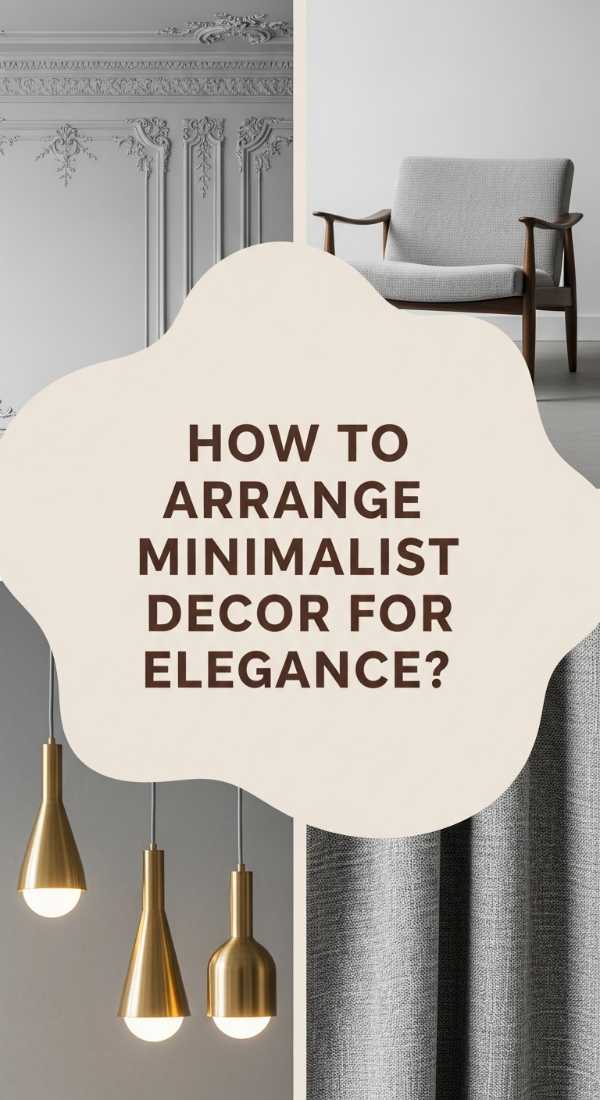
How to Arrange Room Decor Minimalist Style for Elevated Sophistication
Why we love this
Sophistication in minimalism comes from the confidence to leave a space empty. We love the ‘gallery’ feel of a room where a single pedestal holds a unique sculpture, or a large-scale abstract painting is allowed to own an entire wall. This arrangement feels like a high-end boutique hotel; it’s curated, balanced, and deeply intentional. It speaks of a lifestyle that values quality over quantity and understands that the most luxurious thing you can own is a sense of space and tranquility.
Essential Elements:
- Statement sculptural furniture
- Large-scale original art
- Pedestals or plinths for display
- Clean-lined window treatments (linen shears)
- Monochromatic textures
How to make it
- Follow the ‘Rule of Thirds’ when placing art; don’t center everything—sometimes placing a piece off-center creates a more modern, sophisticated tension.
- Choose one ‘hero’ piece for the room—like a designer lounge chair—and let everything else in the room serve to highlight it.
- Use negative space as a design element; leave at least one wall almost entirely bare to give the eye a place to rest.
- Incorporate ‘living’ decor, such as a tall fiddle leaf fig, to add a sculptural organic shape that softens the hard lines of minimalist furniture.
- Check your sightlines; stand in the doorway and ensure there is a clear, unobstructed path for the eye to travel across the room.
How to Transform a Tiny Apartment into a Minimalist Haven of Comfort
Why we love this
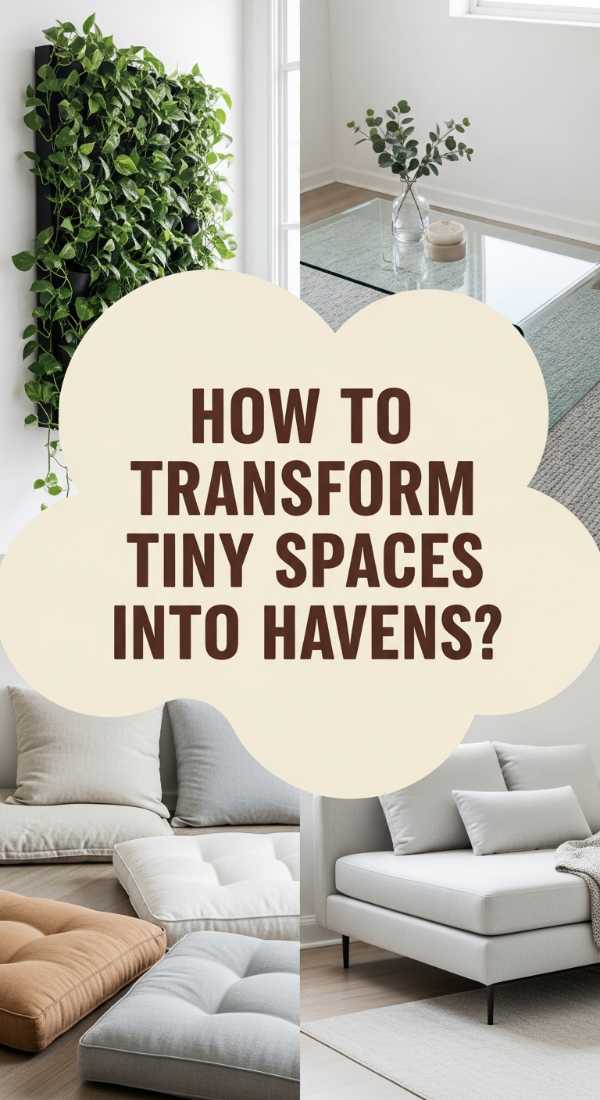
Transforming a tiny apartment into a haven is about the clever use of every inch without making it feel crowded. We love the ‘airy’ feel of a studio where the bed is a soft cloud of white linens and the dining area is a simple, sleek nook. It’s about creating ‘pockets’ of peace—a corner for reading, a spot for tea—that make the small square footage feel like a series of thoughtful experiences rather than a cramped box. It’s the ultimate expression of living large with less.
Essential Elements:
- Fold-down or wall-mounted furniture
- Translucent materials (lucite chairs)
- Uniform color schemes across all zones
- Under-bed storage containers
- Vertical herb gardens or plants
How to make it
- Use rugs to define different ‘rooms’ within your studio (e.g., a jute rug for the living area and a soft shag rug for the sleeping area).
- Stick to a ‘high-light’ color palette—whites, light grays, and pale woods—to maximize the reflection of any available sunlight.
- Select furniture that serves a double purpose, such as a trunk that acts as a coffee table and stores extra bedding.
- Keep surfaces like kitchen counters and desks 90% clear at all times to maintain the ‘haven’ feeling even when you’re busy.
- Hang curtains as high as possible—near the ceiling—to make the walls feel taller and the windows more expansive.
How to Select Living Room Decor Minimalist Elements for a Modern Look

Why we love this
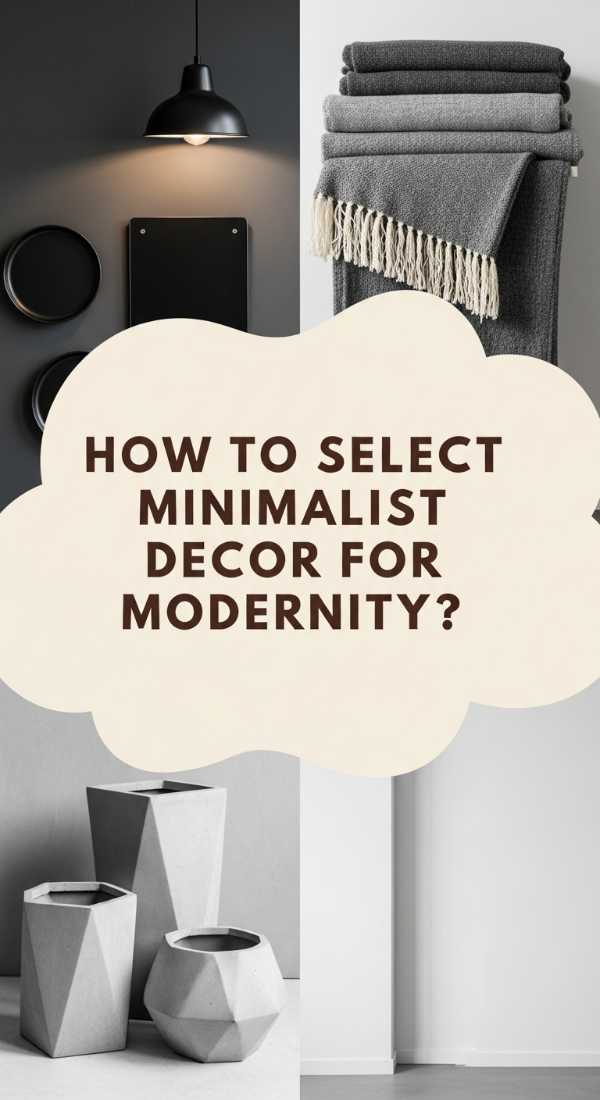
The modern minimalist look is all about sleek silhouettes and the ‘honesty’ of materials. We love how a concrete coffee table feels cool and solid, or how a matte black lamp adds a sharp, graphic edge to a soft beige room. This style feels current and fresh, removing the ‘dusty’ feel of traditional decor and replacing it with something vibrant and sharp. It’s for the person who loves the precision of a well-designed gadget and the clean lines of modern architecture brought into the home.
Essential Elements:
- Industrial materials (concrete, steel, glass)
- Matte black hardware and accents
- Geometric shapes and patterns
- Low-profile seating
- Integrated smart lighting
How to make it
- Introduce contrast by pairing a very soft texture (like a wool rug) with a very hard material (like a marble side table).
- Choose decor with geometric silhouettes—think spherical vases or triangular bookends—to add architectural interest.
- Hide all tech wires using cord organizers; nothing ruins a modern minimalist look faster than a tangle of black cables.
- Use a single pop of color—like a deep forest green or a navy blue—in an otherwise grayscale room to create a modern ‘focal point’.
- Opt for handle-less cabinets and ‘push-to-open’ drawers to maintain the sleekest possible profile for your furniture.
How to Cultivate a Minimalist Cozy Bedroom for Restorative Sleep

Why we love this
Your bedroom should be a ‘liminal space’—a transition between the busyness of the day and the deep rest of the night. A minimalist bedroom removes the reminders of ‘to-do’ lists and unfinished tasks, leaving only the softest fabrics and the most soothing tones. We love the feeling of cool, high-thread-count cotton sheets against the skin and the lack of ‘clutter-anxiety’ when you turn off the light. It’s a space that prioritizes your biology over your belongings, leading to deeper, more restorative sleep.
Essential Elements:
- 100% organic cotton or linen bedding
- Blackout curtains in a neutral fabric
- A single, high-quality bedside carafe
- Soft-glow salt lamps or dimmable bulbs
- Essential oil diffuser with lavender
How to make it
- Clear your nightstands of everything except a lamp and maybe a single book; the ‘visual noise’ next to your head affects sleep quality.
- Invest in the best bedding you can afford; in a minimalist bedroom, the bed is the only thing that matters, so make it feel like a five-star hotel.
- Use a ‘bed-making’ ritual every morning to reset the room and provide a sense of order to start your day.
- Store all clothing out of sight; if you can see a pile of laundry, your brain can’t fully relax into ‘sleep mode’.
- Incorporate one natural element, like a small snake plant, which purifies the air and adds a calm, living energy to the room.
How to Create a Cozy Minimalist Nook for Pure Relaxation
[IMAGE_10]
Why we love this
Even in a minimalist home, everyone needs a ‘cuddle spot’—a small nook dedicated to nothing but relaxation. We love the intentionality of a reading corner that only consists of a comfortable chair, a light, and a place to put a cup of tea. It’s a micro-sanctuary within your larger home sanctuary. The sensory experience here is key: the feel of a soft cushion, the warmth of the tea, and the perfect angle of the light for reading. It’s a small space that yields big emotional rewards.
Essential Elements:
- A deep, comfortable armchair or floor cushion
- An adjustable, slim-profile floor lamp
- A small, sturdy side table
- A soft, breathable throw blanket
- A basket for a few curated books
How to make it
- Choose a corner of a room that is away from ‘high traffic’ areas like the kitchen or the front door to ensure peace.
- Place your chair at a slight angle to the corner to create a ‘wrapped’ feeling of security and enclosure.
- Add a single, high-quality lumbar pillow to the chair to ensure you can stay comfortable for long periods of time.
- Ensure the lighting is ‘task-oriented’—it should shine directly on your book without spilling over into the rest of the room.
- Keep a small tray on the side table to catch your tea or coffee, preventing spills and keeping the minimalist aesthetic clean.
Conclusion: Embracing the Less-is-More Lifestyle
Decorating with less doesn’t mean you have to sacrifice the feeling of home; in fact, it’s quite the opposite. By choosing cozy minimalism, you are choosing to prioritize your well-being, your time, and the beauty of the few things you truly love. It’s a journey toward a more intentional life, one where your home serves as a background for your memories rather than a burden on your schedule. Start small, clear one surface today, and feel the immediate lightness it brings to your spirit.