

Hygge Meets Minimalist: How to Create a Cozy, Clutter-Free Home
Have you ever walked into a room and felt like you could finally, truly exhale? That magical moment where the visual noise stops and a sense of deep, soul-level peace takes over is what I like to call the ‘Hygge-Minimalist Sweet Spot.’ For years, I thought I had to choose between the stark, cold lines of modern minimalism and the cluttered, overstuffed warmth of a traditional cozy home, but I’ve realized that the most beautiful spaces live right in the middle.
Creating a cozy, minimalist home isn’t about owning as little as possible; it’s about making sure everything you own serves a purpose or sparks a specific feeling of comfort. It’s about the scent of cedarwood drifting through an airy hallway, the tactile thrill of a chunky knit throw against a sleek linen sofa, and the way the afternoon light hits a single, perfectly placed ceramic vase. It’s a lifestyle shift that prioritizes your mental well-being over ‘stuff.’
How to Design a Cozy Minimalist Living Room for Total Serenity
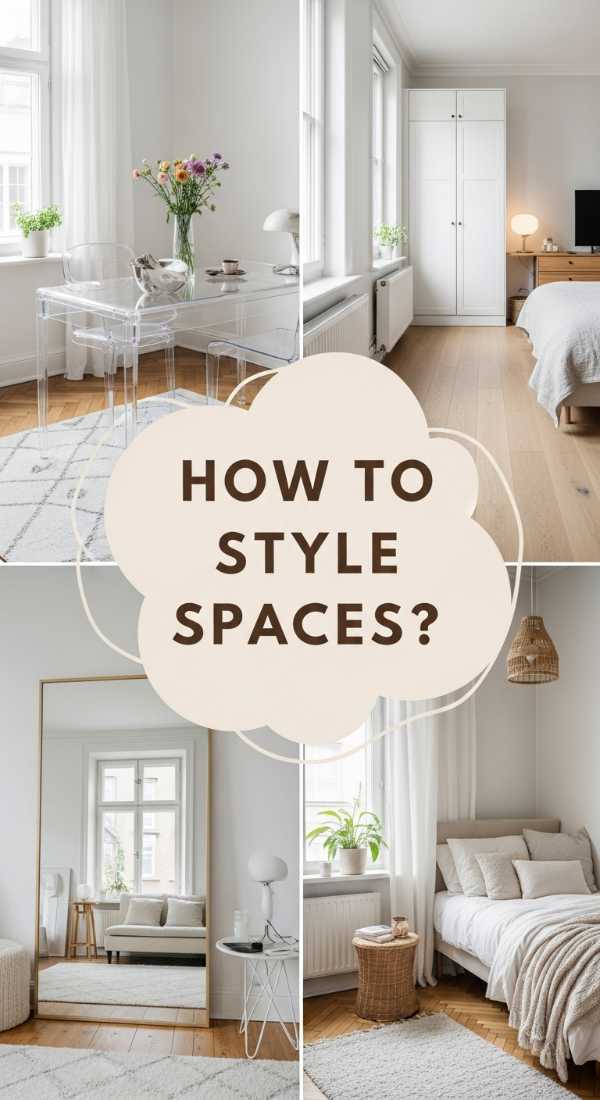
Why we love this
There is something profoundly healing about a living room that breathes. We love this approach because it strips away the frantic energy of daily life, replacing it with a palette of soft oatmeal, sand, and stone that mimics the natural world. Imagine sinking into a deep sofa where the fabric feels like a soft cloud, surrounded by enough negative space that your eyes can actually rest without catching on a pile of mail or a tangled web of cords. It’s about creating a sensory vacuum where the only things allowed to exist are comfort, light, and quiet joy.
Essential Elements:
- Low-profile modular sofa in a neutral performance fabric.
- A single oversized textured wool area rug.
- Sheer linen curtains that filter light into a soft glow.
- A curated stack of two or three art books.
- Hidden storage solutions for media and electronics.
How to make it
- Start by clearing the floor completely; a clear floor creates the illusion of infinite space and immediate serenity.
- Position your largest piece of furniture—the sofa—facing the primary light source to maximize vitamin D exposure during the day.
- Layer your rug first, ensuring it is large enough that all furniture legs sit on it, which grounds the room and prevents a ‘floating’ look.
- Introduce ‘soft’ lighting by placing floor lamps with warm-toned bulbs (2700K) in corners to eliminate harsh shadows and create a diffused amber glow.
- Edit your surfaces by following the ‘Rule of Three’: group a candle, a plant, and a book together, then leave the rest of the surface empty to allow the eye to rest.
How to Style a Small Living Room for Apartment Vibes and Comfort

Why we love this
Small apartments often get a bad rap for being cramped, but we love the challenge of turning a compact footprint into a high-vibe jewelry box of comfort. By leaning into the minimalist aesthetic, you actually make the room feel twice its size, while the ‘hygge’ elements ensure it never feels clinical or cold. It’s the perfect setup for someone who loves the intimacy of a close-knit space where every candle flicker is visible and every texture is within reach, creating a protective cocoon against the bustling city outside.
Essential Elements:
- Multifunctional furniture like an ottoman with hidden storage.
- Wall-mounted shelving to keep the floor clear.
- A large mirror to bounce light and create depth.
- Light-colored wood finishes (oak or maple).
- A single statement indoor tree, like a Fiddle Leaf Fig or Olive Tree.
How to make it
- Select furniture with visible legs; seeing the floor extend under your sofa and chairs tricks the brain into perceiving more square footage.
- Mount your television or artwork at eye level to draw the gaze upward, emphasizing the height of the ceiling rather than the narrowness of the walls.
- Use a monochromatic color scheme—different shades of the same white or beige—to blur the lines where the walls meet the floor.
- Incorporate ‘living’ textures like a seagrass basket or a wooden bowl to prevent the small space from feeling sterile.
- Limit your decorative ‘knick-knacks’ to one focal point, such as a gallery wall of just three large frames rather than ten small ones.
How to Master Minimalist Room Decor for a Breath of Fresh Air
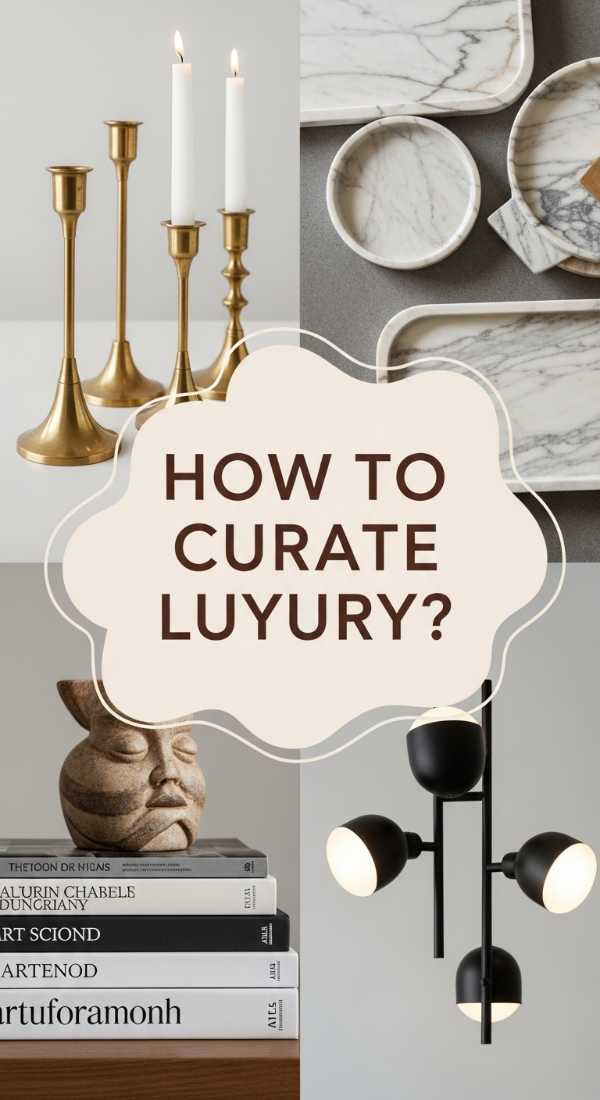
Why we love this
This style is the ultimate antidote to the ‘more is more’ culture that leaves us feeling overwhelmed. We love it because it treats decor as a form of meditation; every item in the room is there because it holds deep value or provides essential function. The result is a room that feels physically lighter, as if the air itself is cleaner and easier to breathe. It’s about the luxury of space and the quiet confidence of a room that doesn’t need to scream for attention with loud colors or busy patterns.
Essential Elements:
- Matte ceramic vases in organic shapes.
- Hand-poured soy candles in glass jars.
- Abstract line art with plenty of white space.
- Dried botanical stems like eucalyptus or pampas grass.
- Natural stone coasters or trays.
How to make it
- Conduct a ‘joy audit’ of your current decor, removing any item that doesn’t serve a daily purpose or evoke a positive memory.
- Swap out busy patterns for solid colors that have rich textures, such as a waffle-weave pillow or a stone-washed linen throw.
- Incorporate ’empty space’ on your shelves; aim for at least 40% of the shelf surface to be completely bare to allow the remaining items to ‘breathe.’
- Use natural scents like lavender or lemon to reinforce the feeling of cleanliness and freshness without visual clutter.
- Introduce one ‘organic’ element per surface—a smooth river stone, a piece of driftwood, or a single flower—to connect the room to the outdoors.
How to Curate Decor Minimalist Accents for a High-End Look
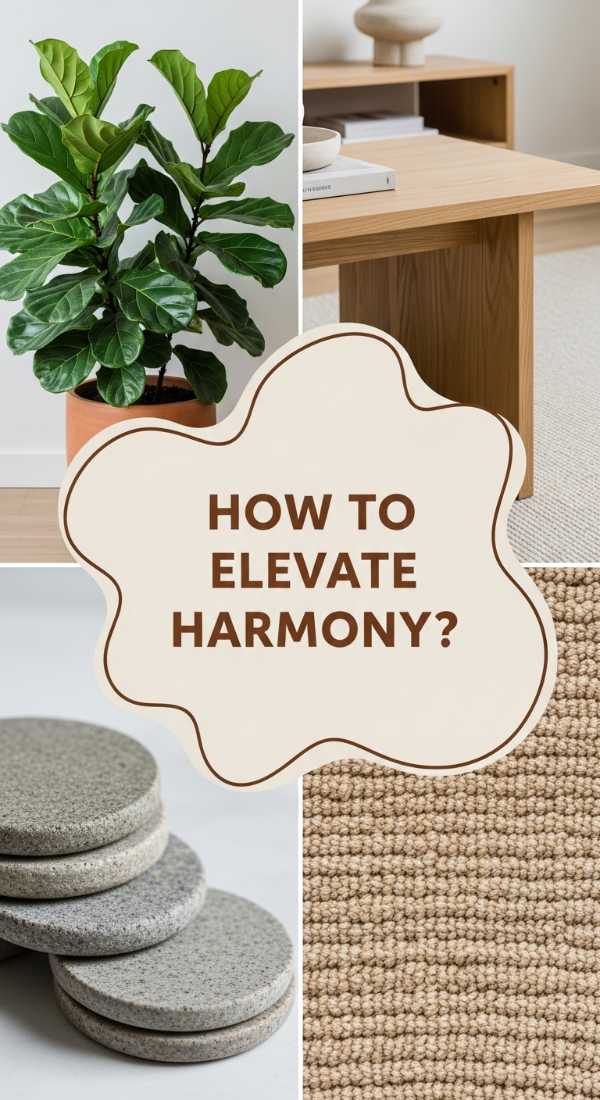
Why we love this
Minimalism doesn’t have to mean ‘cheap’ or ‘sparse’; in fact, it’s the hallmark of the world’s most luxurious hotels and homes. We love this look because it focuses on ‘quality over quantity,’ where a single high-end brass lamp or a hand-knotted wool rug does the work of twenty cheaper items. It creates a sophisticated, curated atmosphere that feels intentional and expensive without being gaudy. It’s the visual equivalent of a perfectly tailored cashmere coat—timeless, elegant, and incredibly soft.
Essential Elements:
- High-quality metals like brushed brass or blackened steel.
- Solid marble accents (trays, bookends, or side tables).
- Velvet pillows in deep, earthy tones like forest green or terracotta.
- Architectural lighting fixtures.
- Large-scale original artwork.
How to make it
- Invest in one ‘hero’ piece for the room, such as a designer lounge chair or a custom marble coffee table, and let it be the star.
- Avoid ‘matching sets’ of furniture; instead, mix textures like a leather chair with a fabric sofa to create a layered, custom-designed feel.
- Use a heavy-weight curtain rod and floor-to-ceiling drapes to add a sense of grandeur and vertical scale to the room.
- Hide all visible plastic—swap plastic soap dispensers for glass and hide remote controls in a sleek wooden box.
- Ensure every accent has a ‘clean edge’; avoid frills, tassels, or busy embroidery in favor of sharp, architectural silhouettes.
How to Elevate Room Decor Minimalist Styles for Natural Harmony

Why we love this
Bringing the outside in is the core of this harmonious style, and we love how it grounds the human spirit. By using materials like raw wood, terracotta, and jute, you create a space that feels like an extension of a forest or a beach. This harmony reduces stress and lowers the heart rate, making your home a literal sanctuary. It’s the feeling of warm sun on your skin and the smell of rain-dampened earth, all captured within four walls through the clever use of minimalist design.
Essential Elements:
- Live edge wooden furniture.
- Jute or sisal rugs for natural floor texture.
- Terracotta pots with sprawling greenery.
- Woven rattan or wicker storage baskets.
- Linen upholstery in unbleached, raw tones.
How to make it
- Introduce a variety of wood grains, but keep them within the same ‘temperature’ (all warm woods or all cool woods) to maintain a cohesive flow.
- Place plants at varying heights—one on the floor, one on a table, and one trailing from a high shelf—to mimic the layers of a natural landscape.
- Maximize natural light by keeping window sills completely clear and using mirrors to reflect the outdoor view into the room.
- Incorporate water elements if possible, such as a small, silent stone fountain, to add a calming auditory layer to the minimalism.
- Use ‘raw’ finishes; choose unpolished stones and unvarnished woods that will develop a beautiful patina over time.
How to Create a Cozy Minimalist Sanctuary for Rainy Day Relaxation
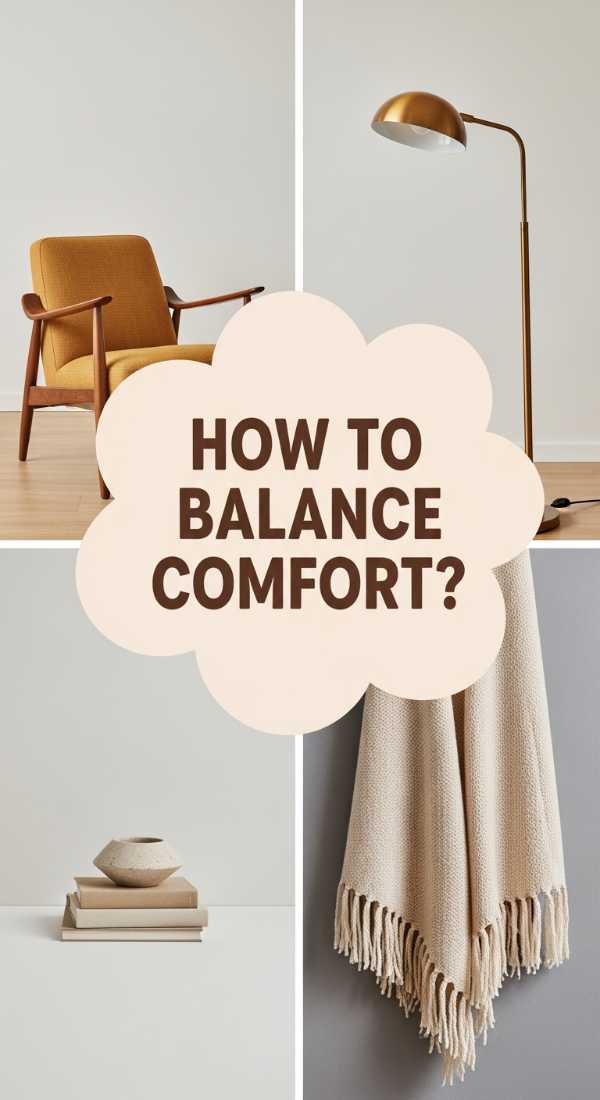
Why we love this
There is nothing quite like the sound of rain against the window when you are tucked away in a minimalist sanctuary. We love this vibe because it prioritizes ‘cocooning’—the act of retreating into a safe, warm space. Because the room is clutter-free, your mind isn’t distracted by chores or mess, allowing you to fully sink into the sensory experience of a hot cup of tea and a soft blanket. It’s the ultimate form of self-care, providing a quiet place to recharge while the world outside is gray and damp.
Essential Elements:
- An oversized, chunky knit ‘weighted’ blanket.
- Floor cushions or a soft sheepskin rug.
- A dimmable reading lamp with a warm bulb.
- A dedicated ‘tea station’ or tray.
- Piles of feather-filled cushions in various neutral shades.
How to make it
- Create a ‘texture sandwich’ on your seating: start with a smooth linen base, add a soft cotton throw, and finish with a high-pile wool pillow.
- Arrange your furniture to face inward toward a fireplace or a cozy corner rather than outward toward a TV or a door.
- Keep a basket of slippers and thick socks near the entrance of the room to encourage a ‘shoes-off’ policy that keeps the space clean and cozy.
- Utilize amber-toned glass candle holders to create a fire-like flicker that dances across the walls during a storm.
- Ensure all ‘tech’ is hidden or put away so the sound of the rain becomes the primary soundtrack of the room.
How to Balance Minimalist Cozy Elements for the Ultimate Reading Spot
Why we love this
A reading nook is the heart of a hygge home, and we love how a minimalist approach makes the books themselves the stars of the show. By stripping away the surrounding noise, you create a portal into other worlds. The balance here is key: enough comfort to stay for hours, but enough minimalism to keep your focus on the page. It’s a dedicated altar to slow living, where time seems to stretch out and the only thing that matters is the story in your hands.
Essential Elements:
- A deep-seated armchair with ergonomic support.
- A small, sturdy side table for a mug of coffee.
- A focused task light (adjustable arm lamp).
- A single shelf for ‘currently reading’ books.
- A soft footstool or ottoman.
- Position your chair in a corner or a ‘dead space’ under a window to create a sense of architectural enclosure.
- Choose a lamp with an adjustable neck so you can direct light perfectly onto your book without illuminating the whole room.
- Keep the side table clear of everything except your drink and your book; use a coaster to protect the surface and add a touch of texture.
- Layer a small rug specifically under the reading chair to ‘zone’ the area as a separate sanctuary from the rest of the room.
- Select a chair fabric that feels good against bare skin, like a soft boucle or a smooth velvet, to enhance the physical experience of reading.
- Sculptural furniture with interesting silhouettes.
- A neutral color palette with high-contrast accents (black and white).
- Open-frame coffee tables that don’t block the view.
- Geometric wall art.
- Consistent flooring throughout the space.
- Use the ‘Path of Least Resistance’ rule: ensure there are at least 3 feet of walking space between all furniture pieces to allow for effortless movement.
- Arrange items on your coffee table using varying heights—a tall vase, a medium book, and a flat tray—to create visual movement.
- Align the edges of your furniture with the architectural lines of the room (walls, windows, doors) to create a sense of structural ‘rightness.’
- Incorporate one ‘surprise’ element, like an unusually shaped mirror or a single bright pop of color, to act as a visual anchor.
- Use negative space as a ‘frame’ for your furniture; don’t push everything against the walls, let pieces sit in the open air to highlight their shape.
- Acrylic or ‘ghost’ furniture that disappears visually.
- Wall-mounted sconces instead of bulky floor lamps.
- Hidden ‘pocket’ storage.
- A fold-down desk or table.
- Light-reflecting satin paint finishes.
- Verticality is your best friend: install shelves all the way to the ceiling to store items you don’t use daily, keeping the lower ‘eye-level’ areas clear.
- Use ‘multi-purpose’ textiles—a beautiful quilt can be a wall hanging or a blanket, reducing the need for extra decor.
- Swap out heavy wooden doors for glass-paneled ones or even simple curtains to create a sense of ‘flow’ between small rooms.
- Keep your window treatments simple and high; hang the rod several inches above the window frame to make the windows feel larger.
- Practice ‘one-in, one-out’—for every new item brought into the small space, one must be donated or recycled to maintain the equilibrium.
- A ‘drop zone’ by the door to contain daily clutter (keys, mail).
- A consistent, calming scent profile throughout the house.
- Closed storage for all ‘utility’ items (vacuum, cleaning supplies).
- Soft, dimmable lighting in every room.
- A designated ‘quiet zone’ with no electronics.
- Establish a ’10-minute reset’ routine every evening where you return all items to their ‘minimalist homes’ so you wake up to a fresh space.
- Choose a ‘signature scent’ for your home, like sandalwood or white tea, to create a Pavlovian response of relaxation the moment you walk in.
- Limit your color palette to no more than 3-4 soft, related tones to reduce visual processing demands on your brain.
- Incorporate ‘soft’ sounds, such as a white noise machine or a soft playlist, to mask outdoor distractions and maintain a peaceful internal vibe.
- Invest in high-quality storage containers that are beautiful in their own right, so even the act of organizing feels like an aesthetic choice rather than a chore.
How to make it
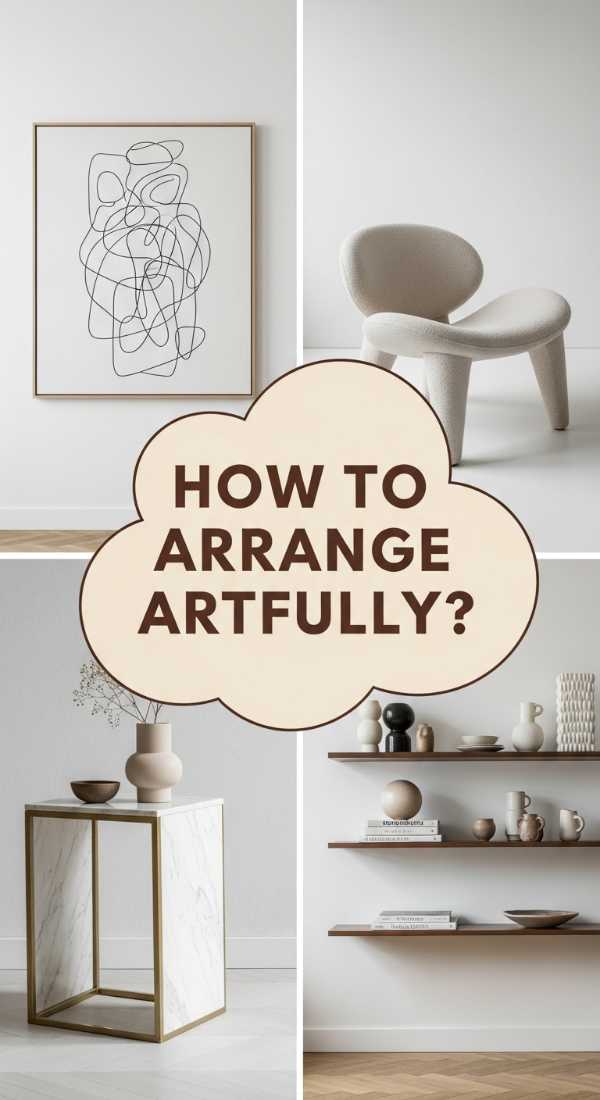
How to Arrange Living Room Decor Minimalist Pieces for Artistic Flow
Why we love this
We love this approach because it turns your living room into a living gallery. When you arrange minimalist pieces with ‘flow’ in mind, you are choreographing the way people move and breathe in the space. It’s about balance, symmetry, and the ‘golden ratio.’ The result is a room that feels curated and intentional, where every sightline is beautiful and every piece of furniture feels like a sculpture. It’s an elevated way of living that celebrates the beauty of form and function in perfect harmony.
Essential Elements:
How to make it
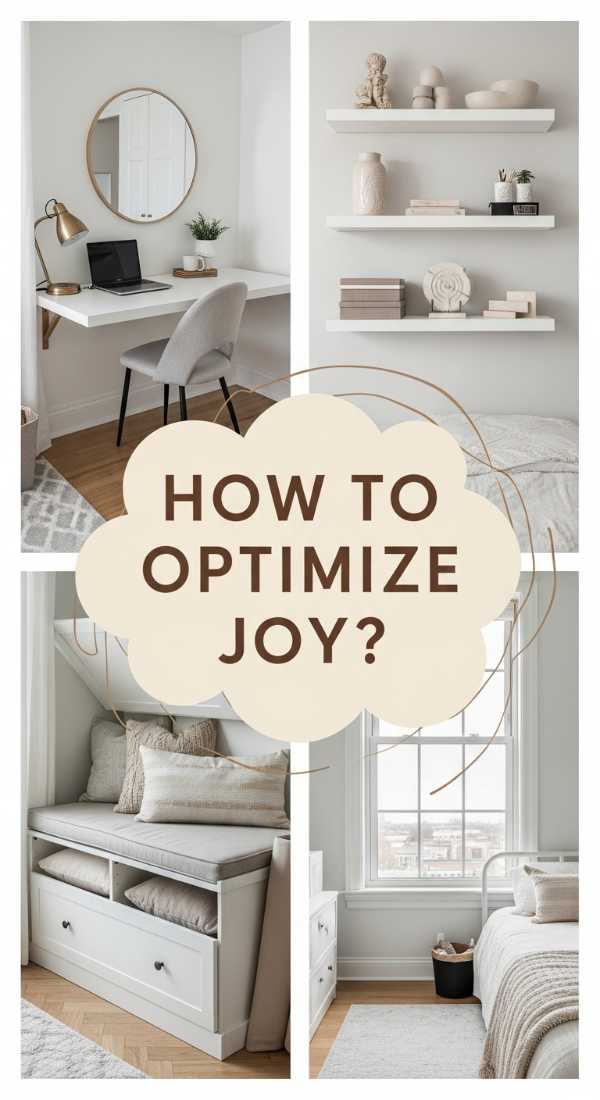
How to Optimize Minimalist Living Room Small Spaces for Maximum Joy
Why we love this
Optimization is the secret sauce of minimalist living, and we love how it empowers you to love the space you have. It’s about removing the ‘friction’ from your environment—no more tripping over shoes or searching for remotes. When a small space is optimized, it feels like a well-oiled machine that also happens to be incredibly cozy. It’s the joy of knowing that everything has a home and that your home, in turn, is taking care of you by providing a clear, calm environment.
Essential Elements:
How to make it
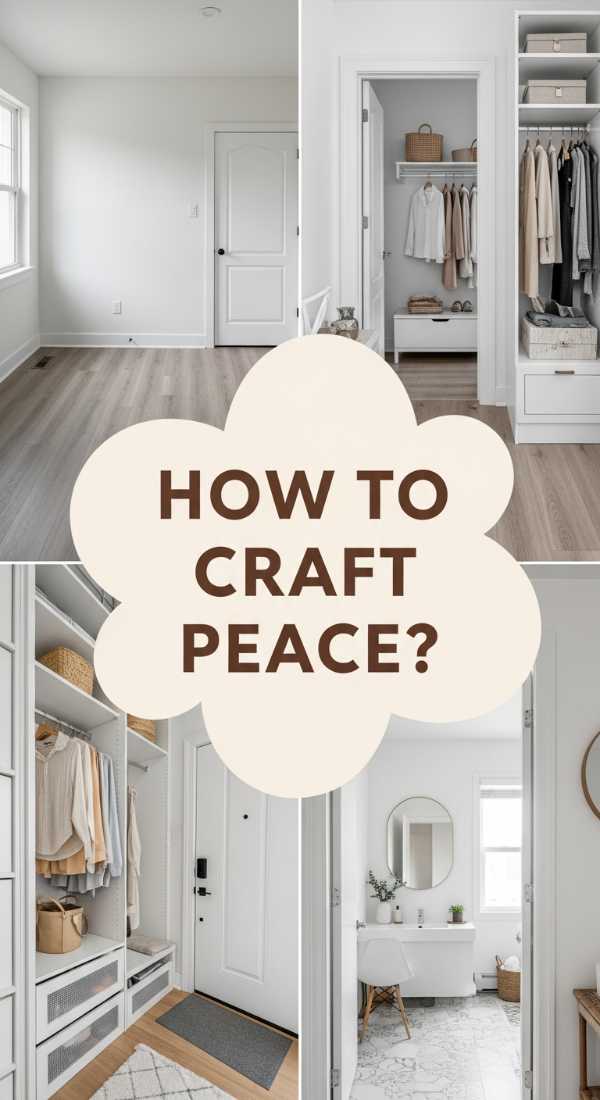
How to Craft a Minimalist Home for a Peaceful Mindset
[IMAGE_10]
Why we love this
Ultimately, we love cozy minimalism because it is a mental health tool. A cluttered home leads to a cluttered mind, and by intentionally crafting a minimalist environment, you are choosing peace every single day. We love the way a clean, warm home acts as a reset button for your nervous system. Coming home to a space that is both organized and soft is like a deep breath for your brain, allowing you to focus on what truly matters: your relationships, your passions, and your rest.
Essential Elements:
How to make it
Conclusion: The Art of Living with Less and Feeling More
Creating a cozy minimalist home isn’t a destination; it’s a beautiful, ongoing practice of editing and refining. It’s about choosing the softest blanket, the most meaningful book, and the clearest space so that you can live a life that feels as good as it looks. By blending the warmth of hygge with the clarity of minimalism, you aren’t just decorating a room—you are designing a life of intentionality and peace. So, take a deep breath, clear that first surface, and welcome the serenity in.