

The 5-Minute Viral Food Board That Everyone is Talking About
There is something almost magical about the moment you set a beautifully curated board in the center of a table. It’s more than just food; it’s an invitation to pause, to gather, and to share in the simple joys of life. I remember the first time I realized that the secret to those stunning, viral-worthy spreads wasn’t just expensive cheeses or fancy crackers, but the vibrant, living energy of fresh herbs plucked straight from my own kitchen. That splash of emerald green and that sharp, peppery aroma changed everything about how I entertain.
Creating a ‘Viral Simple Food Board’ is about the connection between your home and your plate. We often think of gardening and cooking as two separate chores, but when you bring the garden into the kitchen, the experience becomes holistic. Today, we’re diving deep into the art of the herb-centric lifestyle. From sleek indoor designs to lush outdoor oases, I’m going to show you exactly how to cultivate the ultimate secret ingredient that will make your boards the talk of the town. Let’s turn your home into a fragrant sanctuary of flavor and style.
How to Design an Indoor Herb Garden for Fresh Kitchen Vibes

Why we love this
There is nothing quite like the sensory explosion of walking into a kitchen filled with the earthy, sweet scent of live basil and mint. Designing an indoor garden isn’t just about utility; it’s about creating a visual focal point that breathes life into your living space. The vibrant green hues provide a stunning contrast against modern countertops, while the delicate textures of the leaves add a softness to the room. Every time you pinch a leaf for your food board, you’re treated to a burst of essential oils that instantly elevates your mood and your home’s atmosphere.
Essential Elements:
- Terracotta or ceramic pots with drainage holes
- High-quality organic potting mix
- A selection of culinary herbs (Basil, Parsley, Cilantro)
- A sunny windowsill or LED grow light
- Decorative pebbles for drainage
How to make it
- Begin by selecting a location that receives at least six to eight hours of bright, indirect sunlight daily, usually a south-facing window.
- Layer the bottom of your chosen pots with an inch of decorative pebbles to ensure that water doesn’t pool around the roots, preventing root rot.
- Fill the pots with a high-quality organic potting mix, leaving about an inch of space from the rim to prevent overflow when watering.
- Gently transplant your herbs by loosening the root ball and placing them in the soil, ensuring the top of the root ball is level with the soil surface.
- Water the plants thoroughly until liquid drains from the bottom, then place them in their sunny spot, rotating the pots weekly for even growth.
How to Plan an Outdoor Herb Garden for Organic Home Cooking
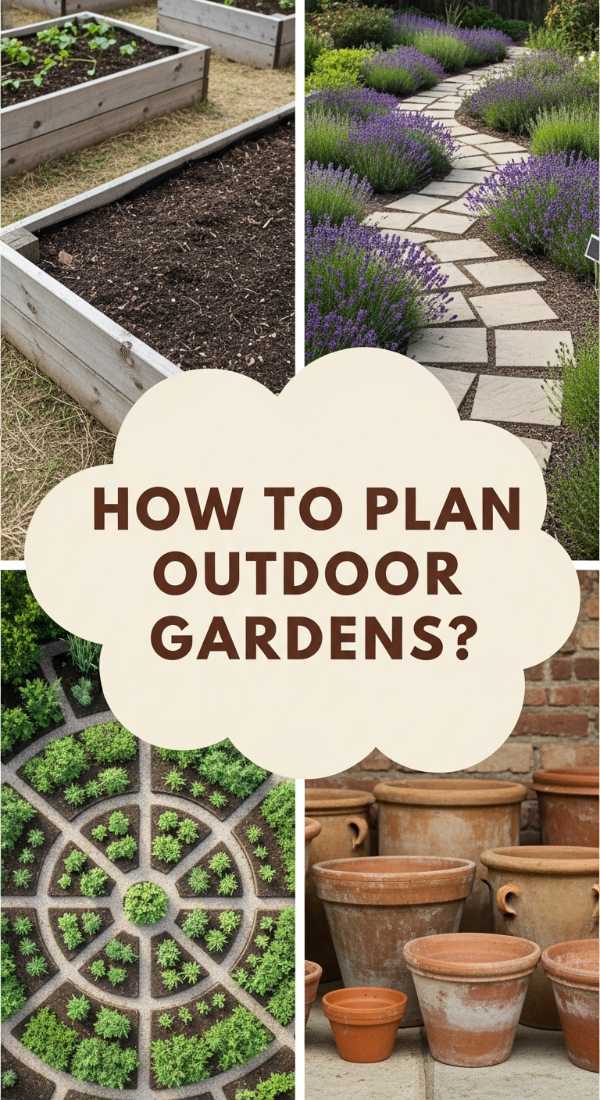
Why we love this
The transition from indoor living to an outdoor garden creates a profound sense of continuity and peace. Planning an outdoor herb space allows you to work with the seasons, feeling the warm sun on your shoulders and the rich soil between your fingers as you cultivate nature’s bounty. The aroma of rosemary and thyme wafting through the air on a breeze is a natural perfume that invites you to linger outside. It provides a robust, abundant supply of ingredients that makes every viral food board feel authentic, rustic, and deeply connected to the earth.
Essential Elements:
- Raised garden beds or designated ground plot
- Compost and organic fertilizer
- Garden trowel and pruning shears
- Mulch (straw or wood chips)
- Hardy herbs like Rosemary, Thyme, and Oregano
How to make it
- Identify a spot in your yard that receives full sun for most of the day and has well-draining soil to prevent soggy roots.
- Clear the area of weeds and debris, then mix in several inches of organic compost to enrich the soil with vital nutrients for herb growth.
- Sketch a layout that places taller herbs like rosemary in the back and lower-growing herbs like thyme in the front for optimal sun exposure.
- Dig holes twice the width of the herb’s root ball and plant them, firming the soil around the base to eliminate air pockets.
- Apply a thin layer of mulch around the plants to retain moisture and regulate soil temperature, then water deeply to help the herbs settle into their new home.
How to Build a DIY Herb Planter for Sustainable Living
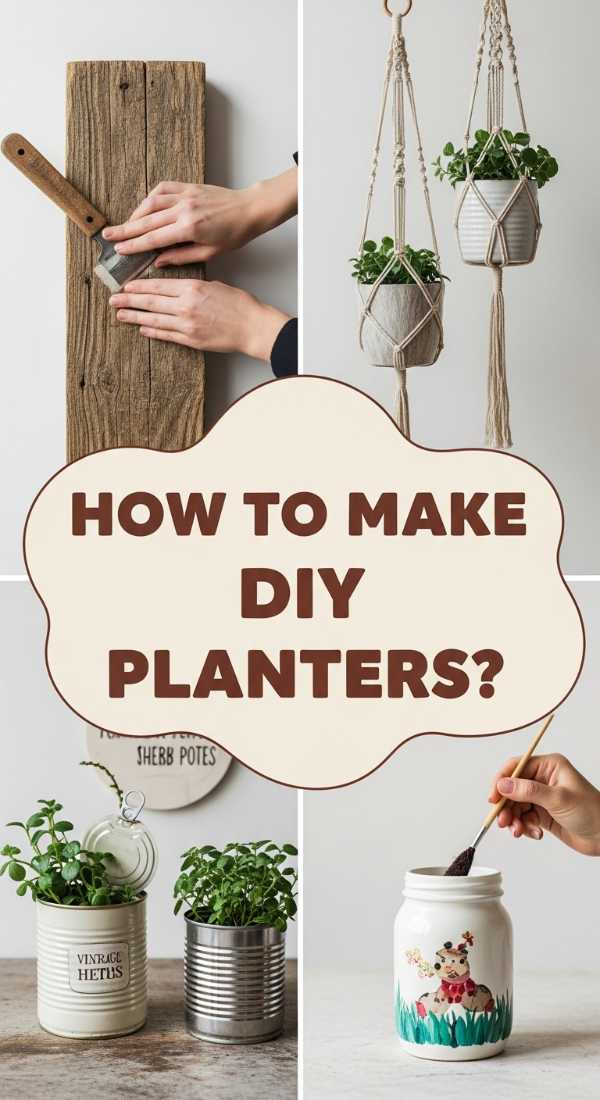
Why we love this
Building your own planter is a rewarding act of sustainable living that adds a personal, handcrafted touch to your kitchen or patio. The texture of raw wood and the sturdy construction provide a rustic aesthetic that perfectly complements the organic beauty of the herbs. It’s a tactile experience that allows you to control the materials used, ensuring your food-grade herbs are growing in a safe and healthy environment. There is a deep satisfaction in knowing that the container holding your ingredients was crafted by your own hands with love and intention.
Essential Elements:
- Untreated cedar or redwood boards
- Galvanized screws and a drill
- Plastic liner or weed barrier fabric
- Measuring tape and a hand saw
- Sanding block
How to make it
- Measure and cut your cedar boards into four side pieces and one bottom piece, ensuring the dimensions fit your available space perfectly.
- Pre-drill pilot holes along the edges of the boards to prevent the wood from splitting when you drive in the galvanized screws.
- Assemble the frame by screwing the side panels together, then attach the bottom piece, leaving small gaps between the bottom slats for drainage.
- Sand the edges of the wood to a smooth finish, removing any splinters and giving the planter a professional, polished look.
- Line the interior with weed barrier fabric to protect the wood from direct soil contact, then fill with potting soil and your favorite herb varieties.
How to Style a Wall Herb Display for Small Space Greenery
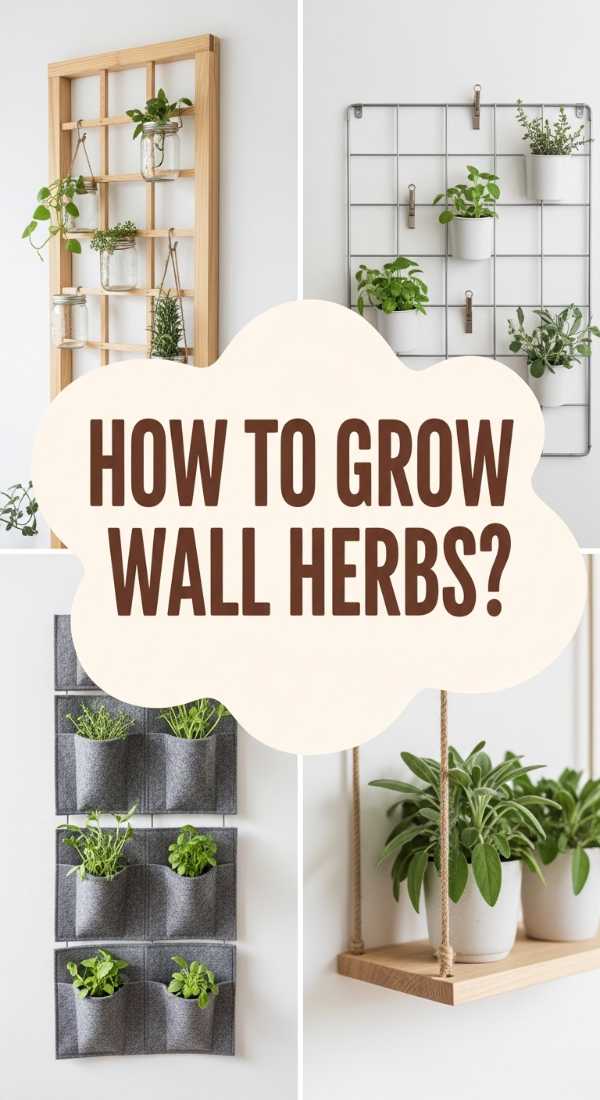
Why we love this
A vertical herb wall is the ultimate solution for urban dwellers who want to maximize their space without sacrificing the luxury of fresh greenery. It turns a plain, empty wall into a living work of art that captivates anyone who enters the room. The sight of trailing mint and upright chives creates a cascading tapestry of textures that is as functional as it is beautiful. It makes the act of harvesting herbs feel like picking a masterpiece, adding a layer of sophisticated charm to your daily cooking routine and your social media feed.
Essential Elements:
- Wall-mounted rails or floating shelves
- Matching hanging pots or mason jars
- S-hooks or specialized mounting hardware
- Label tags for each herb
- Trailing herbs (Mint, Creeping Thyme)
How to make it
- Select a wall that receives sufficient light and use a level to mark the placement for your rails or shelves to ensure a straight installation.
- Securely mount the hardware into wall studs or use heavy-duty anchors to support the weight of the pots and wet soil.
- If using jars, ensure you place a layer of charcoal or pebbles at the bottom for drainage since they lack traditional drainage holes.
- Arrange the pots on the rails or shelves, placing the herbs that require more light at the top and shade-tolerant herbs at the bottom.
- Add decorative labels to each pot for a curated look, making it easy to identify your ingredients while adding to the overall aesthetic appeal.
How to Master Growing Herbs Indoors for Year Round Flavor
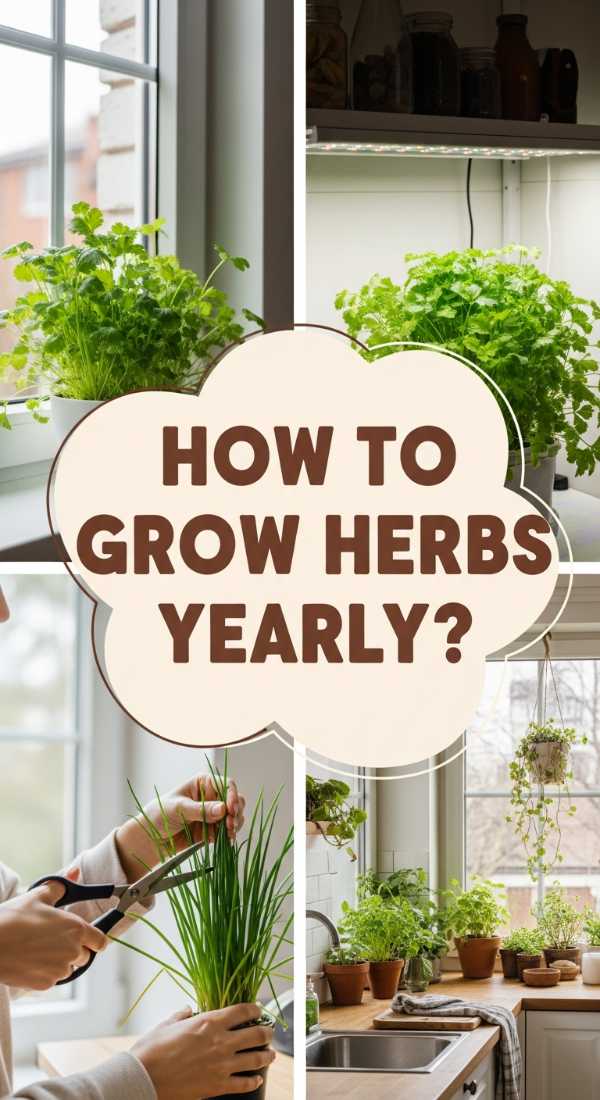
Why we love this
Mastering the art of indoor herb cultivation means the seasons never have to dictate the quality of your food boards. Even in the depths of winter, you can enjoy the bright, citrusy snap of fresh cilantro or the spicy bite of chives. There is a meditative quality to the daily maintenance—checking soil moisture, misting leaves, and watching new shoots emerge. This consistent access to fresh flavor ensures your cooking remains vibrant and soulful throughout the year, providing a constant connection to the natural world regardless of the weather outside.
Essential Elements:
- Full-spectrum LED grow lights
- A small oscillating fan for air circulation
- Liquid organic kelp fertilizer
- A spray bottle for misting
- Herbs: Chives, Cilantro, and Basil
How to make it
- Position your grow lights approximately 4 to 6 inches above the herbs, setting a timer for 14 to 16 hours of light per day to mimic summer conditions.
- Set up a small fan nearby to provide gentle air circulation, which strengthens the herb stems and prevents fungal growth or pests.
- Water only when the top inch of soil feels dry to the touch, as indoor plants are more susceptible to overwatering than those outdoors.
- Apply a diluted liquid organic fertilizer every two weeks during the growing season to provide the necessary nutrients for lush foliage development.
- Regularly harvest the top leaves of the plants to encourage bushier growth, ensuring you never remove more than a third of the plant at once.
How to Organize a Modern Herb Garden for Sleek Minimalist Decor

Why we love this
For the minimalist heart, an organized herb garden is a study in clean lines and purposeful beauty. By using uniform containers and a monochromatic palette, you transform the chaotic growth of nature into a structured, elegant display. The contrast between the wild, organic shapes of the herbs and the sharp, clean edges of modern planters creates a sophisticated tension that enhances any contemporary kitchen. It turns the act of gardening into a curated experience where every element serves both a functional and an aesthetic purpose.
Essential Elements:
- Uniform matte black or white ceramic pots
- A sleek metal or wooden tray
- Minimalist labels or a white paint pen
- Pruning shears with a clean design
- Hardy, upright herbs like Rosemary and Sage
How to make it
- Choose a set of identical pots to create a sense of rhythm and order, ensuring they all feature the same finish and size.
- Use a white paint pen to write the herb names directly onto the pots in a simple, modern script for a clean and integrated look.
- Place the pots on a matching tray to catch any water runoff while keeping the arrangement contained and visually organized on the counter.
- Prune your herbs regularly to maintain their shape, preventing them from becoming leggy and ensuring they fit the minimalist aesthetic of the space.
- Keep the surrounding area clutter-free, allowing the green of the herbs to be the primary pop of color in your sleek kitchen environment.
How to Craft a DIY Herb Garden for a Personalized Touch
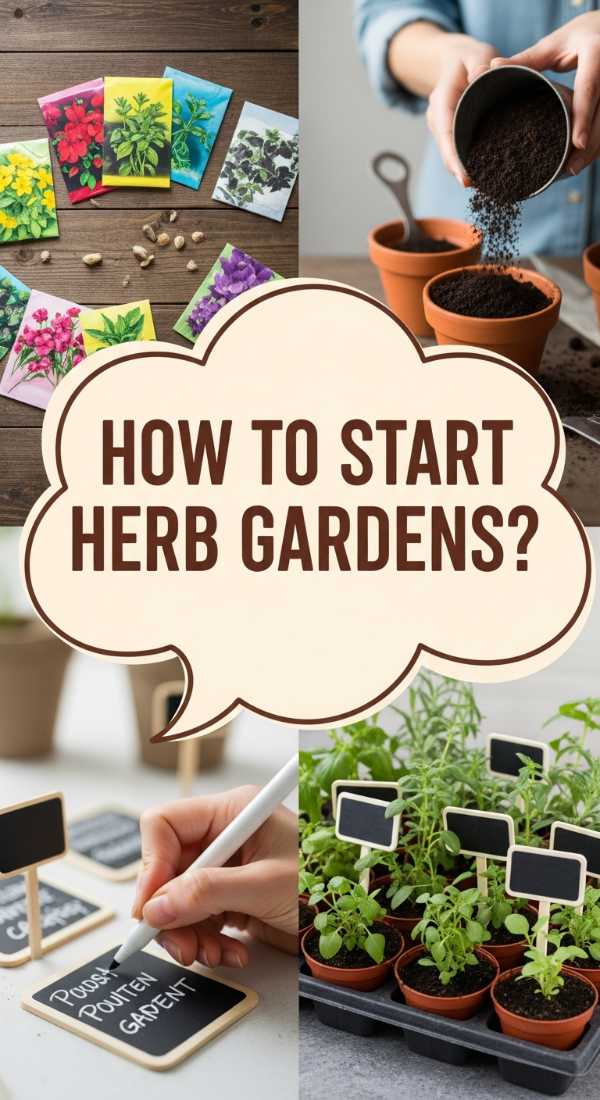
Why we love this
A personalized herb garden is an extension of your own personality and creativity. Whether you’re repurposing vintage tea tins or using hand-painted pots, these gardens tell a story about who you are. The eclectic mix of colors and textures creates a warm, lived-in feel that makes your kitchen the heart of the home. Every time you reach for a sprig of herb, you’re reminded of the joy found in the handmade and the unique, making your viral food boards feel even more special because they are rooted in your personal style.
Essential Elements:
- Upcycled containers (tins, crates, jars)
- Acrylic paints or decorative twine
- Hammer and nail (for drainage holes)
- Chalkboard paint or tags
- A variety of aromatic herbs
How to make it
- Gather your unique containers and thoroughly clean them, ensuring they are free of any residues that could harm the plants.
- If using metal tins or plastic containers, use a hammer and nail to carefully punch several drainage holes in the bottom.
- Decorate the containers with paint or twine to match your kitchen’s theme, allowing them to fully dry before adding any soil.
- Fill the customized containers with high-quality soil and plant your herbs, grouping them by their water and light requirements.
- Arrange the finished pots in a cluster on your counter or shelf, creating a personalized vignette that serves as both a garden and a decor piece.
How to Plan an Herb Garden Design for a Relaxing Backyard Oasis
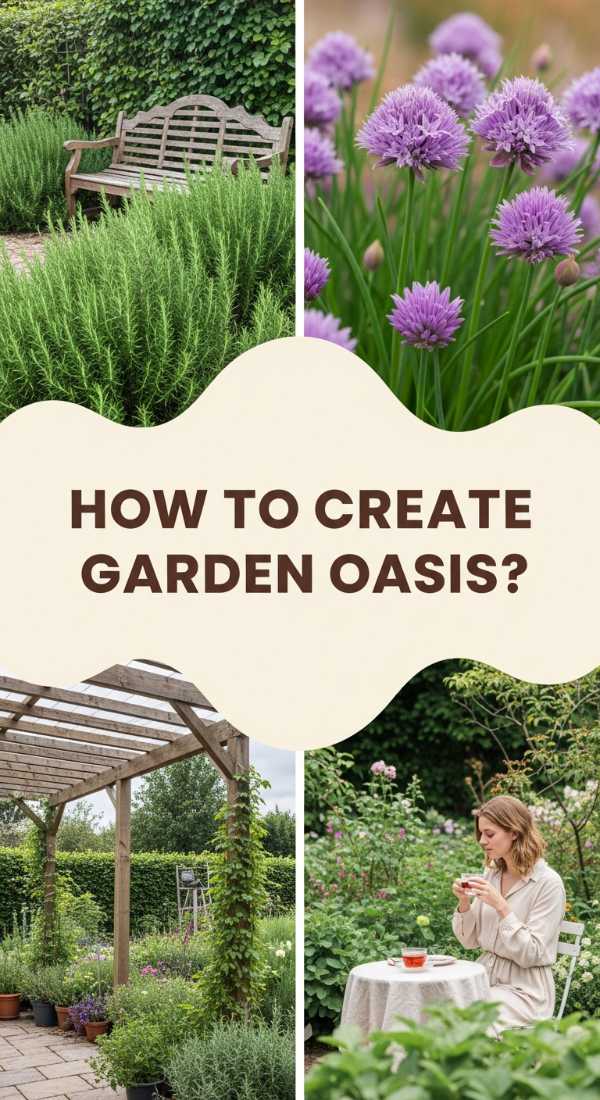
Why we love this
Designing an herb garden as part of a backyard oasis transforms your outdoor space into a sensory retreat. Imagine walking along a stone path, brushing against lavender and sage, releasing their calming scents into the air. The gentle buzz of bees and the rustle of leaves create a symphony of nature that melts away stress. This design isn’t just about the herbs you’ll eat; it’s about creating a landscape that nourishes the soul. It provides a peaceful backdrop for outdoor gatherings where you can assemble your food boards in the fresh air.
Essential Elements:
- Flagstone or gravel for paths
- Large decorative planters or stone borders
- Solar-powered garden lights
- Comfortable seating (bench or Adirondack chairs)
- Aromatic herbs: Lavender, Lemon Balm, Sage
How to make it
- Map out a circular or meandering path using flagstones, allowing the herb beds to be easily accessible from all sides for harvesting.
- Install stone borders or large weather-resistant planters to define the garden beds and add a structured, permanent feel to the landscape.
- Plant aromatic herbs along the edges of the path so their scent is released whenever someone walks by or brushes against them.
- Add solar-powered lights to illuminate the garden at night, creating a magical atmosphere for evening entertaining and food board serving.
- Place a comfortable bench nearby to encourage lingering in the garden, making it a true destination for relaxation and reflection.
How to Select Herb Planter Ideas for a Chic Urban Balcony
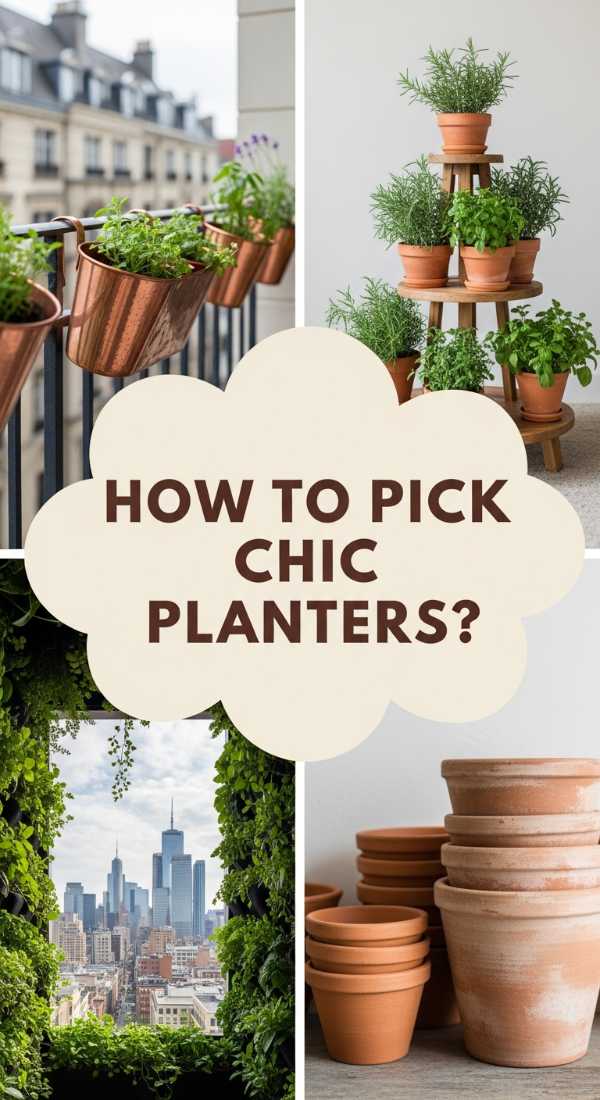
Why we love this
A chic urban balcony garden is a testament to the fact that you don’t need a sprawling backyard to live a lush, flavorful life. The contrast of the city skyline with the soft, delicate leaves of your herbs creates a sophisticated, cosmopolitan vibe. It’s about selecting the right containers—metallic finishes or sleek resins—that reflect the modern energy of the city while providing a green sanctuary above the pavement. Enjoying a glass of wine on the balcony with a freshly prepared food board featuring your own balcony-grown herbs is the height of urban luxury.
Essential Elements:
- Lightweight resin or metal railing planters
- Self-watering containers (ideal for windy balconies)
- Potting soil formulated for containers
- Vertical trellises for climbing herbs
- Wind-resistant herbs like Bay Laurel and Rosemary
How to make it
- Measure your balcony railings and floor space to determine the size and number of planters that will fit without overcrowding the area.
- Choose lightweight materials for your pots to avoid putting unnecessary weight on the balcony structure while making them easier to rearrange.
- Secure railing planters with heavy-duty zip ties or specialized brackets to ensure they stay safe during windy weather or storms.
- Install a small trellis for climbing herbs like jasmine or tall varieties like dill to take advantage of vertical space and add height to your garden.
- Use a self-watering system or water-retaining crystals in the soil to help keep the plants hydrated, as balcony plants tend to dry out faster due to wind.
How to Cultivate an Indoor Herb Garden for Natural Home Fragrance
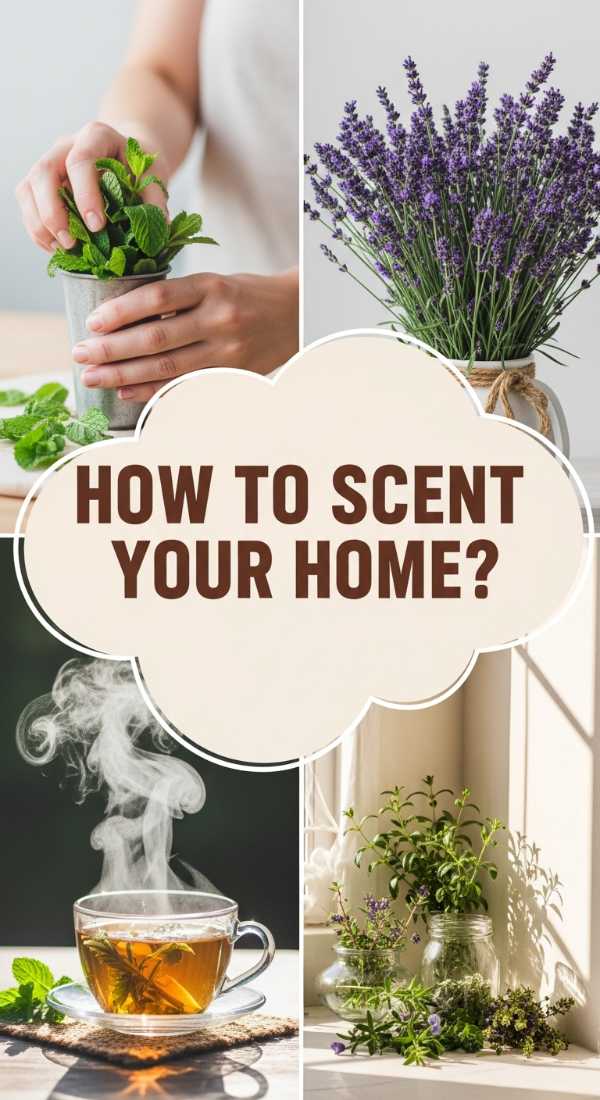
Why we love this
Cultivating an indoor garden specifically for fragrance is like having a living candle that never runs out. The scent of fresh peppermint, lemon verbena, and lavender creates an inviting, clean atmosphere that synthetic sprays can never replicate. These plants act as natural air purifiers, filtering the air while filling it with essential oils that can help reduce stress and improve focus. Walking into a home that smells naturally of fresh herbs is an immediate signal to the brain that you are in a safe, healthy, and beautiful sanctuary.
Essential Elements:
- Highly fragrant herbs (Lemon Verbena, Peppermint, Lavender)
- Decorative misting bottle
- Ceramic saucers to protect furniture
- Organic soil enriched with worm castings
- Small pruning snips
How to make it
- Group your most fragrant herbs together in a high-traffic area, like a hallway or living room, where the movement of air will carry their scent.
- Ensure each pot has a saucer to protect your furniture from moisture while maintaining a high-end, finished look for your indoor display.
- Mist the foliage of aromatic herbs like mint and lemon verbena occasionally to help release their natural oils into the surrounding air.
- Snip small sprigs regularly to use in potpourri or simply to keep the plant growing vigorously, which in turn produces more fragrant foliage.
- Rotate the plants near an open window when possible to let the breeze naturally distribute the herbal scents throughout the rest of your home.
Wrapping Up Your Green Lifestyle Journey
As we’ve explored, the ‘Viral Simple Food Board’ is so much more than just an arrangement of snacks—it’s the culmination of a lifestyle that celebrates growth, flavor, and design. Whether you’ve built a sleek minimalist display in your kitchen or a sprawling oasis in your backyard, you’ve created a source of constant inspiration. These herbs are the living heart of your home, providing the scents that welcome guests and the flavors that make every meal feel like a special occasion. Now, go forth, harvest those greens, and build a board that reflects the beautiful life you’re cultivating!