

Have you ever walked through your front door and felt an immediate weight lift off your shoulders? Or is it the opposite—does your home feel like a mounting to-do list, a collection of ‘stuff’ that demands your attention but gives nothing back? For years, I lived in the latter. I thought more was better, but all those pillows and knick-knacks were just noise. I was craving a sanctuary, a place where the air felt lighter and every corner breathed a soft ‘welcome home.’
Cozy minimalism isn’t about living in a cold, empty white box; it’s about curated comfort. It’s the art of stripping away the excess so that the things that truly matter—the softest throw blanket, the scent of morning coffee, the way the light hits your favorite chair—can finally take center stage. It’s about creating a space that nurtures your soul instead of draining your energy.
How to Style a Cozy Minimalist Living Room for Instant Calm
Why we love this
There is something deeply restorative about a living room that doesn’t compete for your attention. Imagine sinking into a sofa that smells faintly of vanilla and sun-warmed cotton, surrounded by soft, muted tones that mimic a foggy morning. The lack of visual clutter allows your eyes to rest, while the intentional placement of a single, vibrant green plant brings a sense of life and oxygen to the room. It feels like a long, slow exhale after a busy day.
Essential Elements:
- Neutral-toned linen sofa
- One large-scale piece of wall art
- A single high-quality ceramic vase
- Natural wood coffee table
- Soft, dimmable ambient lighting
How to make it
- Begin by clearing every single surface in the room to create a ‘blank canvas.’ This allows you to see the architectural bones of the space without distraction.
- Select a primary neutral color (like oatmeal or soft grey) for your largest furniture pieces to anchor the room. Ensure the fabric has a tactile, inviting weave.
- Introduce a singular focal point, such as a large-scale painting or a statement mirror, to provide visual interest without the chaos of a gallery wall.
- Layer in lighting by placing floor lamps with warm-spectrum bulbs (2700K) in corners to eliminate harsh shadows and create a glow that mimics golden hour.
- Finalize the space by adding exactly three decorative items to your coffee table: one organic element (a plant), one structural element (a book), and one personal element (a candle).
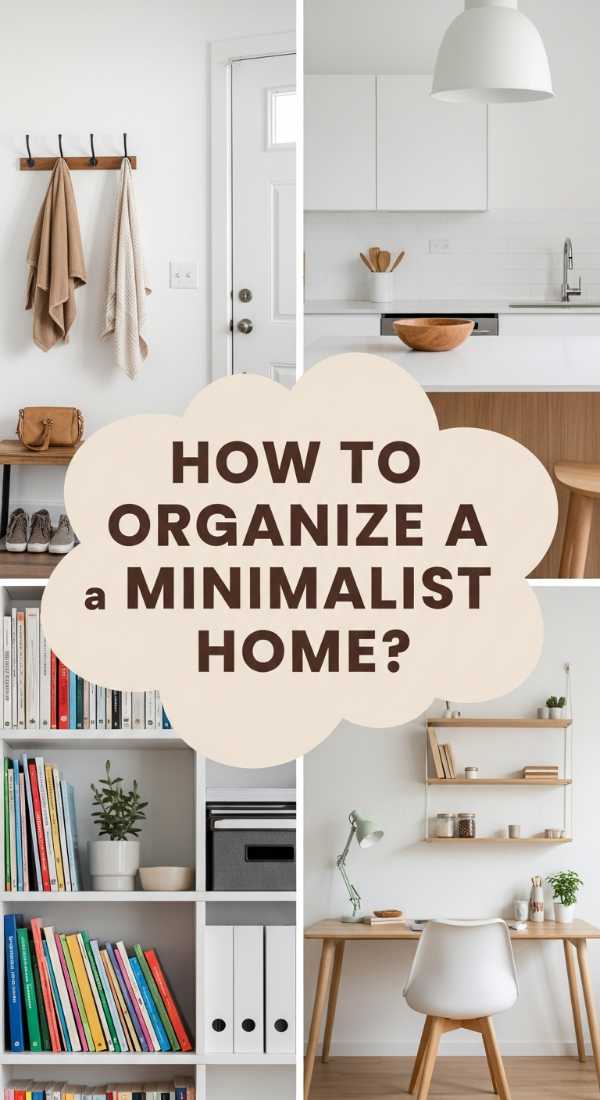
How to Organize a Minimalist Home for Mindful Daily Living
Why we love this
An organized home is the ultimate form of self-care because it removes the friction of daily life. Picture opening a drawer and seeing only the tools you use and love, perfectly spaced and easy to reach. There’s a tactile joy in the smooth slide of a wooden divider and the crispness of a labeled bin. This setup transforms chores from a frantic search into a rhythmic, almost meditative practice that keeps your mind as clear as your counters.
Essential Elements:
- Uniform glass jars for pantry items
- Bamboo drawer dividers
- Linen storage baskets
- A dedicated ‘drop zone’ tray
- Label maker for clarity
How to make it
- Conduct a ‘joy audit’ of one category at a time (like kitchen utensils), removing anything broken, duplicated, or unused for over six months.
- Measure your storage spaces precisely before purchasing containers; the goal is a custom fit that prevents items from sliding and creating hidden mess.
- Group like-items together using the ‘zone’ method—store coffee pods, sugar, and mugs all within an arm’s reach of the espresso machine.
- Decant dry goods into clear glass vessels to eliminate ‘visual noise’ from loud brand packaging and to easily see when supplies are running low.
- Establish a daily ‘reset’ routine where you spend ten minutes returning every item to its designated ‘home’ before you go to bed.
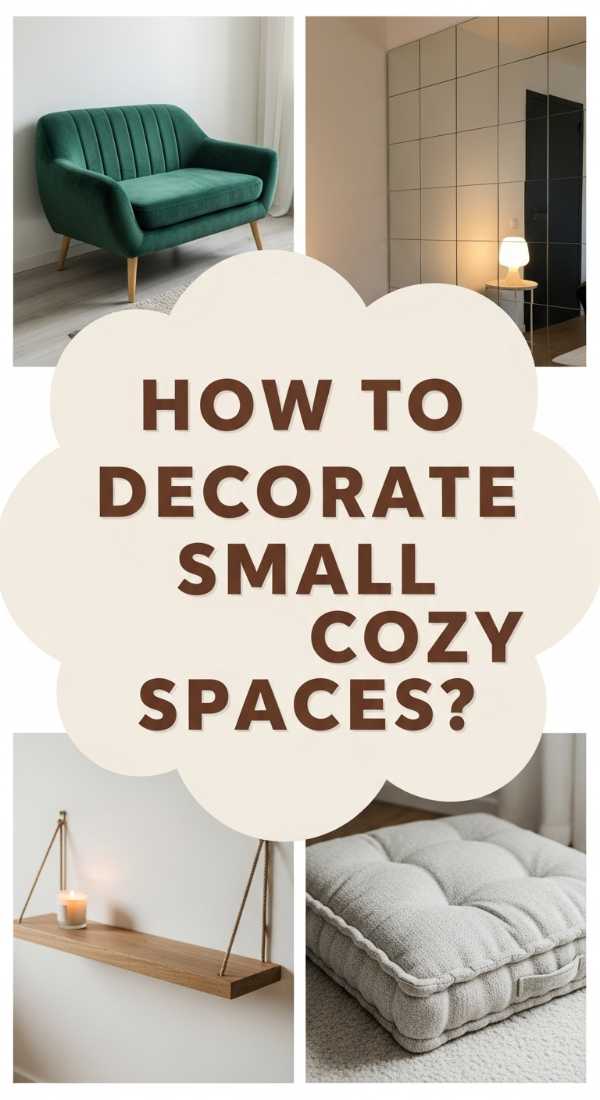
How to Decorate Small Living Room Spaces for Maximum Cozy Vibes
Why we love this
Small spaces have an inherent intimacy that large rooms often lack; they wrap around you like a warm hug. When you lean into the smallness with cozy minimalist principles, you create a jewelry-box effect. We love the way a plush, high-pile rug feels underfoot in a compact room, making the floor feel like an extension of the seating. It’s about making every square inch feel precious, intentional, and incredibly snug.
Essential Elements:
- Leggy furniture to show more floor space
- Multifunctional storage ottomans
- Sheer floor-to-ceiling curtains
- Mirrors to bounce natural light
- A monochromatic color palette
How to make it
- Choose ‘leggy’ furniture—pieces with visible legs rather than skirts—to allow light and air to flow underneath, tricking the eye into seeing more floor.
- Hang your curtain rods higher and wider than the actual window frame to draw the eye upward and make the ceilings feel cavernous.
- Stick to a monochromatic color scheme; using different shades of the same color prevents the room from feeling fragmented or cluttered.
- Incorporate a large mirror opposite your main light source to double the depth of the room and brighten dark corners instantly.
- Use a large rug that extends under all pieces of furniture; a small rug makes a room look smaller, whereas a large one ‘stretches’ the floor.
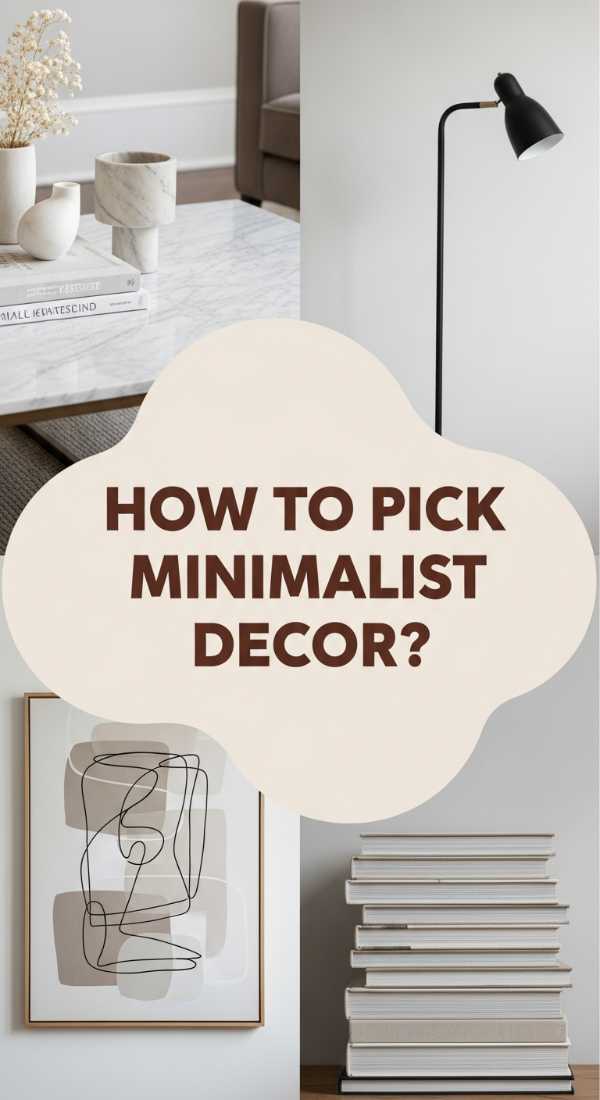
How to Select Minimalist Room Decor for a Refined Aesthetic
Why we love this
Selecting decor with a ‘less but better’ mindset is like curated gallery curation. Each piece carries weight and tells a story. We love the sensory contrast of a rough, hand-thrown ceramic bowl sitting atop a polished marble surface. It’s a refined aesthetic that prizes quality over quantity, where the scent of a luxury beeswax candle is more impactful than ten cheap knick-knacks. It feels sophisticated, timeless, and deeply personal.
Essential Elements:
- Handcrafted ceramics
- Natural stone accents (marble, travertine)
- Matte metal finishes
- Organic textiles (silk, wool, linen)
- Architecture-focused greenery
How to make it
- Apply the ‘One In, One Out’ rule: for every new decorative piece you bring home, one must be donated or sold to maintain the balance.
- Focus on ‘honest materials’—if it looks like wood, it should be wood. Avoid plastics or faux finishes that lack the tactile richness of the real thing.
- Choose decor with varied heights; group a tall dried branch in a vase with a medium-sized candle and a low-profile tray to create a visual triangle.
- Prioritize texture over pattern. Instead of a busy print, choose a pillow with a chunky knit or a throw with a delicate fringe.
- Edit ruthlessly. If a piece doesn’t serve a function or bring you genuine joy when you touch it, it doesn’t belong in your refined space.
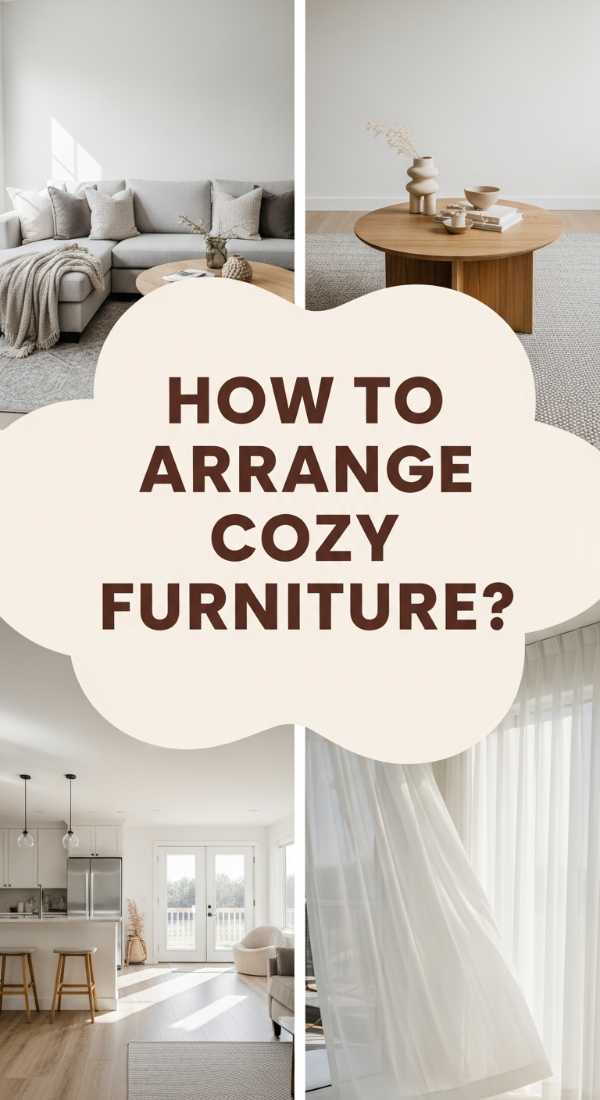
How to Arrange Minimalist Cozy Furniture for Better Flow

Why we love this
A well-arranged room feels like it’s guiding you through a dance. There are no corners to trip over or awkward gaps to navigate. We love the feeling of ‘breathable’ furniture placement, where there is a clear path to the window or the bookshelf. It creates a physical sense of ease, allowing energy—and people—to move freely. It turns a static room into a dynamic environment that supports your natural movements.
Essential Elements:
- Low-profile seating
- Floating furniture layouts
- Clear walkways (at least 30 inches)
- Symmetrical balance
- Scale-appropriate coffee tables
How to make it
- Identify the natural traffic patterns in your room and ensure there is at least a 3-foot wide path for walking between major furniture pieces.
- Pull furniture away from the walls—even just six inches—to create a ‘floating’ effect that feels much more high-end and spacious.
- Group seating in a way that encourages conversation, with chairs angled slightly toward each other and a central surface for drinks within reach.
- Balance the ‘weight’ of the room. If you have a heavy sofa on one side, place two lighter armchairs on the opposite side to level the visual scales.
- Keep the center of the room open; use a coffee table that is approximately two-thirds the length of your sofa to maintain perfect proportions.
How to Layer Minimalist Living Room Textures for Deep Relaxation
Why we love this
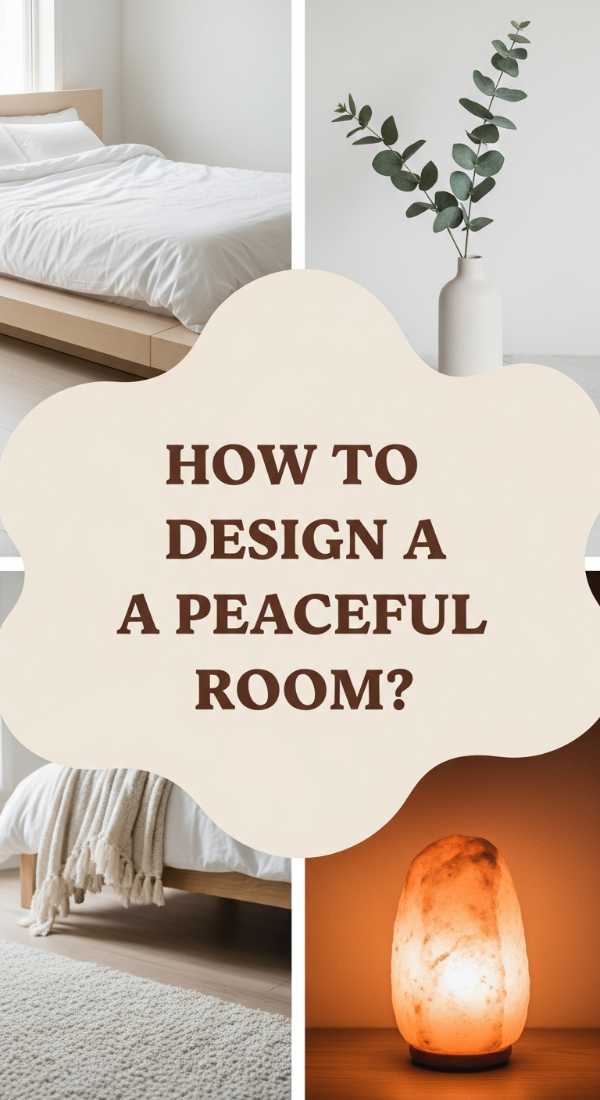
Texture is the secret ingredient that keeps minimalism from feeling cold. When you layer textures, you’re creating a sensory playground. We love the way a cool leather chair is warmed up by a sheepskin throw, or how a jute rug provides a grounding, earthy crunch beneath a soft velvet sofa. It’s a tactile experience that invites you to touch, snuggle, and stay a while, turning a simple room into a cocoon of deep relaxation.
Essential Elements:
- Woven seagrass baskets
- Chunky knit wool blankets
- Velvet or corduroy pillows
- Natural jute or sisal rugs
- Soft, brushed cotton throws
How to make it
- Start from the ground up by layering a soft, plush rug over a larger, flat-weave natural fiber rug for double the comfort and visual depth.
- Mix at least three different fabric types in your seating area, such as a leather sofa, linen pillows, and a chunky wool knit throw.
- Use baskets made of natural fibers like wicker or seagrass to hide tech clutter while adding an organic, ‘crunchy’ texture to the room.
- Incorporate wood elements with varying grains—a smooth walnut side table next to a rough-hewn oak stool provides a beautiful natural contrast.
- Finish with ‘soft’ edges; swap sharp-cornered pillows for ones with rounded inserts to make the entire room feel more approachable and inviting.
How to Design a Minimalist Room for Better Sleep Quality

Why we love this
The bedroom should be a sanctuary of stillness. A minimalist design here acts as a physical ‘off’ switch for your brain. We love the crisp, cool feeling of high-thread-count white sheets and the absence of blinking electronics. When the only things in your view are soft colors and clean lines, your heart rate naturally slows. It’s the ultimate sleep hygiene: a room that whispers ‘it’s time to rest.’
Essential Elements:
- Blackout linen curtains
- Under-bed storage (hidden)
- Dimmable warm lighting
- Natural fiber bedding (eucalyptus or cotton)
- Essential oil diffuser
How to make it
- Remove all ‘work’ and ‘stress’ related items from the bedroom, including desks, laptops, and even half-finished books that guilt you into reading.
- Choose a ‘low-contrast’ color palette for bedding—shades of white, cream, and sand—to reduce visual stimulation before sleep.
- Invest in high-quality blackout window treatments that blend seamlessly with the wall color to create a dark, cave-like environment for melatonin production.
- Utilize hidden storage, like a bed frame with built-in drawers, to keep surfaces like nightstands completely clear of everything except a lamp and water.
- Switch to ‘warm’ bedside bulbs and turn off all overhead lighting an hour before bed to signal to your circadian rhythm that the day is over.
How to Feature Living Room Decor Minimalist Accents for Visual Balance

Why we love this
Visual balance is the hallmark of a professionally designed home. It’s that ‘just right’ feeling where nothing feels lopsided. We love how a single, tall branch in a glass vase can balance out a heavy bookshelf, or how a round tray softens the square lines of a coffee table. It’s about creating a harmonious landscape for your eyes to wander over, finding beauty in the equilibrium and the quiet spaces in between.
Essential Elements:
- Odd-number groupings (The Rule of Three)
- Negative space (empty areas)
- A mix of geometric and organic shapes
- Consistent color accents
- Varying heights of decor
How to make it
- Master the ‘Rule of Three’: group items in odd numbers, varying their heights and textures to create a natural, pleasing focal point.
- Embrace ‘negative space.’ Leave at least 30% of your shelves or surfaces completely empty to give the items you do display room to breathe.
- Contrast shapes. If your furniture is very linear and ‘boxy,’ add a round mirror or a curved ceramic vase to break up the harsh lines.
- Distribute ‘visual weight’ evenly; if one corner of the room has a dark, heavy chair, balance it with a dark-framed piece of art on the opposite wall.
- Use a single accent color throughout the room in small doses (like three small gold accents) to tie the entire minimalist aesthetic together.
How to Create a Small Living Room Apartment Aesthetic for Warm Welcomes
Why we love this
Apartment living doesn’t have to feel temporary or cramped. A cozy minimalist apartment feels like an intentional retreat in the middle of a bustling city. We love the clever use of vertical space and the way a warm, amber-scented candle can make a studio feel like a sprawling home. It’s about making your guests—and yourself—feel immediately at ease with soft textures and a clutter-free entryway.
Essential Elements:
- Vertical shelving units
- Wall-mounted sconces
- Scented candles or reed diffusers
- Plush floor cushions
- An inviting entryway mirror
How to make it
- Go vertical. Use tall, slim shelving units to draw the eye upward and keep the floor clear, creating a sense of airiness in a tight layout.
- Install wall-mounted lighting (sconces) to free up space on side tables that would otherwise be taken up by bulky lamps.
- Create a ‘sensory greeting’ at the door with a signature home scent—think cedarwood or white tea—and a small tray for keys to prevent entryway clutter.
- Use light-reflective surfaces, like a glass coffee table, to make the central area of the apartment feel invisible and unobstructed.
- Keep the entryway ‘breathable’ by using a simple wall hook for one coat and a slim bench for shoes, rather than a bulky wardrobe.
How to Transform a Minimalist Home for a Peaceful Lifestyle
[IMAGE_10]
Why we love this
The ultimate goal of cozy minimalism isn’t just a pretty house; it’s a peaceful life. When your home is simplified, your mind follows. We love the transformation from a person who ‘cleans’ to a person who ‘curates.’ It’s about the silence of a Saturday morning in a clean kitchen and the freedom of knowing you own your things, rather than your things owning you. It’s a lifestyle shift that prioritizes time and presence over accumulation.
Essential Elements:
- Daily habit of ‘editing’
- Intentional purchase mindset
- Digital minimalism (hiding cords)
- Natural light maximization
- A dedicated ‘quiet corner’
How to make it
- Before buying anything new, wait 48 hours. Ask yourself if it serves a specific function or if it will simply become ‘noise’ in your peaceful environment.
- Hide all tech cords and chargers using cable management boxes; visible wires are ‘visual static’ that creates subconscious stress.
- Maximize natural light by keeping windows clean and removing heavy drapes; light is the most effective tool for boosting mood and peace.
- Designate one specific chair or corner as a ‘no-phone zone’ where you only engage in relaxing activities like reading or meditating.
- Perform a ‘quarterly purge’ where you go through one room and remove five items that no longer align with your peaceful, minimalist vision.
Conclusion: Your Sanctuary Awaits
Creating a cozy minimalist home is a journey, not a destination. It’s a practice of choosing peace over stuff, and quality over quantity. By following these guides, you aren’t just decorating a room; you’re building a sanctuary that will support your well-being for years to come. Start small, breathe deep, and enjoy the calm.
Frequently Asked Questions
Have more questions about transitioning to a minimalist lifestyle? Here are the most common inquiries from our community.