
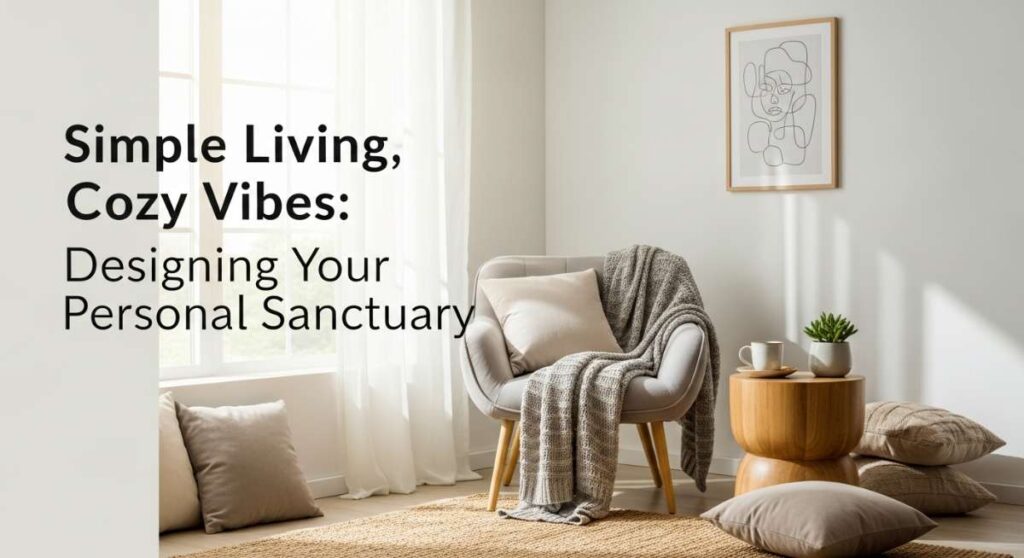
Have you ever walked through your front door after a long, chaotic day and felt your shoulders instantly drop an inch? That is the magic of a sanctuary. For the longest time, I thought a beautiful home meant more stuff—more pillows, more trinkets, more ‘things’ to fill the gaps. But I’ve learned that peace doesn’t live in the clutter; it lives in the space between the things we love. Minimalist living isn’t about empty white boxes; it’s about choosing what serves your soul and letting go of the rest.
Today, we’re diving deep into the art of the ‘Cozy Minimalist.’ We are reclaiming our homes as places of rest, curated with intention and wrapped in the warmth of soft textures and amber light. Whether you’re in a sprawling house or a tiny studio, these design recipes will help you simmer down the noise of the outside world and brew a space that feels like a constant, warm hug. Let’s create your personal sanctuary together.
How to Create a Cozy Minimalist Living Room for Ultimate Peace

Why we love this
There is a profound sense of serenity that comes from a room that feels curated rather than crowded. We love this approach because it focuses on the sensory experience of a space—the way the afternoon sun hits a single ceramic vase, the scent of cedarwood drifting from a hand-poured candle, and the tactile comfort of a heavy knit throw draped over a clean-lined sofa. It transforms a functional room into a breathing meditation, where every object has a purpose and every corner offers a visual rest for eyes tired of digital screens.
Essential Elements:
- Neutral color palette (oatmeal, bone, and soft grey)
- Low-profile modular sofa
- Natural wood coffee table
- Dimmable floor lamps with warm-toned bulbs
- A single, large-scale piece of abstract art
How to make it
- Clear the palette by removing every small decorative item from the room to see the ‘bones’ of the space.
- Position your primary seating toward a natural light source or a focal point like a fireplace, ensuring there is at least 30 inches of walking space around the perimeter for ‘breathable’ flow.
- Layer a high-pile wool rug over hard flooring to act as a sound-dampener; choose a size that allows all furniture legs to sit comfortably on the rug.
- Select three ‘soul objects’—items with deep personal meaning—and place them on the coffee table, leaving 60% of the surface area completely empty.
- Swap harsh overhead lighting for ‘island lighting’—place lamps at varying heights to create pockets of warmth, mimicking the soft glow of golden hour.
How to Style a Small Living Room Apartment for a Cozy Aesthetic
Why we love this
Small apartments often feel like they are closing in, but with the right cozy-minimalist ‘recipe,’ they become the ultimate jewel-box retreats. We love this style because it proves that luxury isn’t about square footage; it’s about the intimacy of a well-utilized corner. Imagine the aroma of fresh eucalyptus hanging in a sun-drenched nook while you sink into a chair that fits just right. It’s about the clever interplay of light and shadow, making a compact space feel like a private, high-end sanctuary that protects you from the bustle of city life.
Essential Elements:
- Multi-functional storage ottoman
- Sheer linen curtains for diffused light
- Wall-mounted shelving units
- Round mirrors to bounce light
- Potted tall plants like a Fiddle Leaf Fig
How to make it
- Maximize vertical height by hanging curtains from the ceiling line rather than the window frame; this draws the eye upward and creates an illusion of grandeur.
- Incorporate ‘leggy’ furniture—sofas and chairs with visible wooden legs—which allows the floor to remain visible and prevents the room from looking ‘heavy’ or stagnant.
- Utilize mirrors strategically across from windows to double the perceived depth of the room and increase the ‘lumen-bounce’ of natural light.
- Group small decor in ‘clusters of three’ on shelves to maintain organization while adding personality without the clutter of scattered items.
- Integrate one oversized green plant in a corner to provide ‘organic life’ and break up the sharp angles of apartment walls.
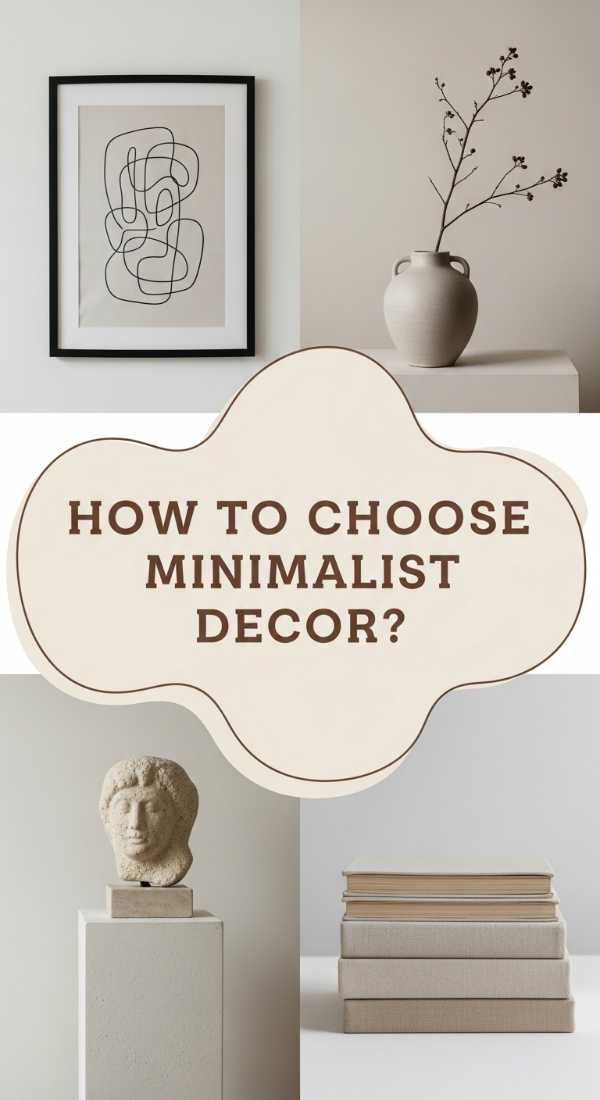
How to Choose Minimalist Room Decor for a Refined Home
Why we love this
Choosing decor is like selecting the spices for a gourmet meal—too many and you ruin the base; just enough and you elevate everything. We love refined minimalist decor because it prioritizes craftsmanship over quantity. It’s the weight of a hand-thrown clay bowl or the grain of a solid oak tray. There is a quiet confidence in a room that doesn’t scream for attention but instead invites you to linger on the details, feeling the cool touch of stone and the warmth of hand-woven textiles against your skin.
Essential Elements:
- Textural ceramic vases
- Stone or marble trays
- Hand-dipped taper candles
- Books with neutral linen covers
- Dried botanical stems (pampas or olive branches)
How to make it
- Audit your current decor and categorize items by material; keep only those that feel ‘authentic’ like stone, wood, glass, or cotton.
- Apply the ‘One-In, One-Out’ rule to prevent decorative bloat; for every new piece added, retire an older piece to storage or donation.
- Style surfaces using the ‘Triangle Method’—place a tall item (vase), a medium item (book stack), and a small item (candle) in a triangular formation to create visual balance.
- Introduce ‘negative space’ intentionally; leave one shelf in a bookcase entirely empty or with just a single object to give the eye a place to rest.
- Select a signature scent for the room, such as santal or amber, to add an invisible layer of decor that enhances the atmosphere without taking up physical space.
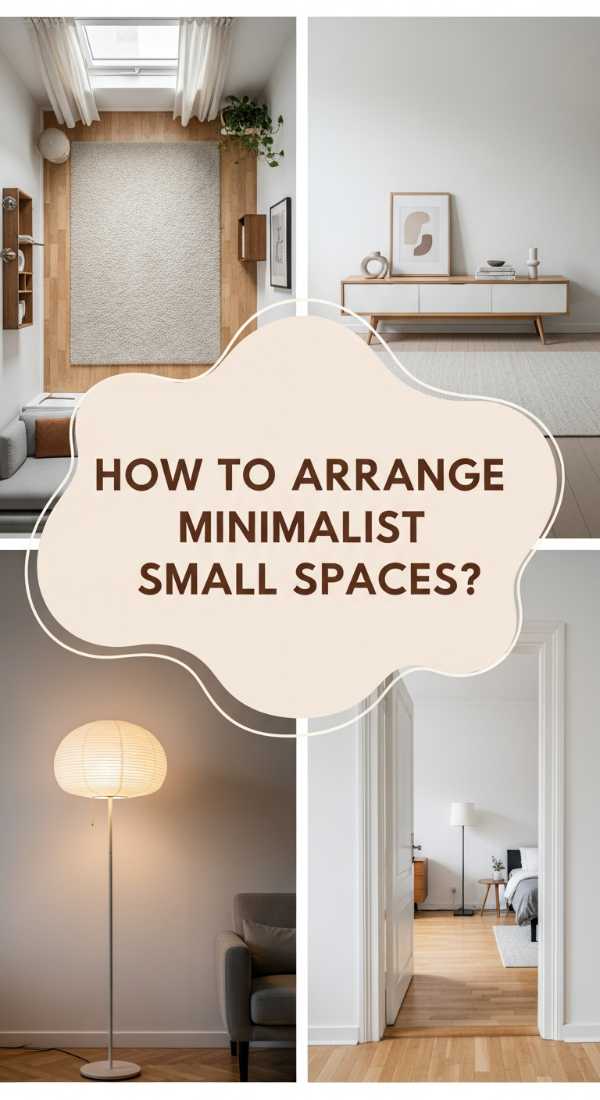
How to Arrange a Minimalist Living Room in Small Spaces for Maximum Flow
Why we love this
Flow is the ‘hidden ingredient’ of home design; when it’s right, you don’t notice it, but when it’s wrong, everything feels ‘off.’ We love a well-arranged minimalist space because it feels effortless and liberating. There’s a distinct feeling of relief when you can move through your home without dodging corners or tripping over rugs. It’s about creating paths of least resistance that guide you toward relaxation, making the home feel like a seamless extension of your own movements and intentions.
Essential Elements:
- Low-profile furniture
- Acrylic or glass accent tables (ghost furniture)
- Wall-mounted TV or media console
- Woven baskets for hidden storage
- Defined zones using rugs
How to make it
- Identify the ‘natural path’ of movement from the entrance to the seating and ensure a minimum 3-foot wide clearway for easy passage.
- Float the sofa away from the wall, even if just by 4 inches, to create a ‘shadow gap’ that makes the room feel airier and less boxed-in.
- Use ‘see-through’ materials like glass or acrylic for coffee tables to maintain functionality without creating a visual block in the center of the room.
- Define specific zones (reading, lounging, working) using rugs; this creates ‘rooms within a room’ without the need for physical barriers.
- Conceal all electronic cords using cable management boxes or wall-channels; visual ‘noise’ from wires is the fastest way to disrupt minimalist flow.
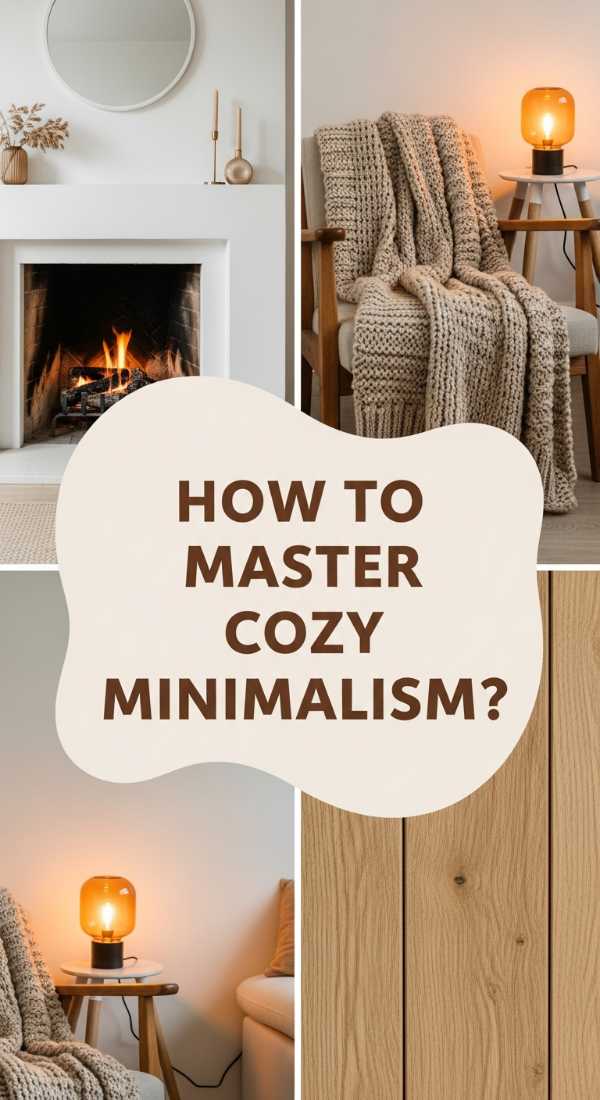
How to Master Cozy Minimalist Vibes for a Warm Welcome
Why we love this
The entryway is the ‘handshake’ of your home. We love the cozy minimalist welcome because it replaces the stress of a cluttered hallway with a calm, inviting embrace. Imagine stepping inside to the soft glow of a low-wattage lamp, the smell of a clean home, and a designated, beautiful spot for your keys and coat. It’s about setting the tone for the rest of your sanctuary, signaling to your brain that the outside world is gone and you are safe, warm, and finally home.
Essential Elements:
- Narrow wooden console table
- Woven rug runner
- Wall hooks for essential items
- A small bowl for keys
- Ambient lighting (small lamp)
How to make it
- Eliminate the ‘dumping ground’ by providing a specific, high-quality vessel (ceramic or brass) for keys and mail on a slim console table.
- Add a long, textured rug runner to draw the eye into the home, choosing a material like jute or sisal for durability and organic texture.
- Install a single, high-quality mirror above the entryway table to allow for a quick check-out while reflecting light into the often-darkest part of the house.
- Limit the number of coats and shoes visible; use a ‘current-use only’ policy where only one jacket per person is hung on the wall hooks.
- Keep a low-intensity lamp on a timer so you never walk into a dark house; use a 2700K bulb for that ‘candlelight’ warmth.
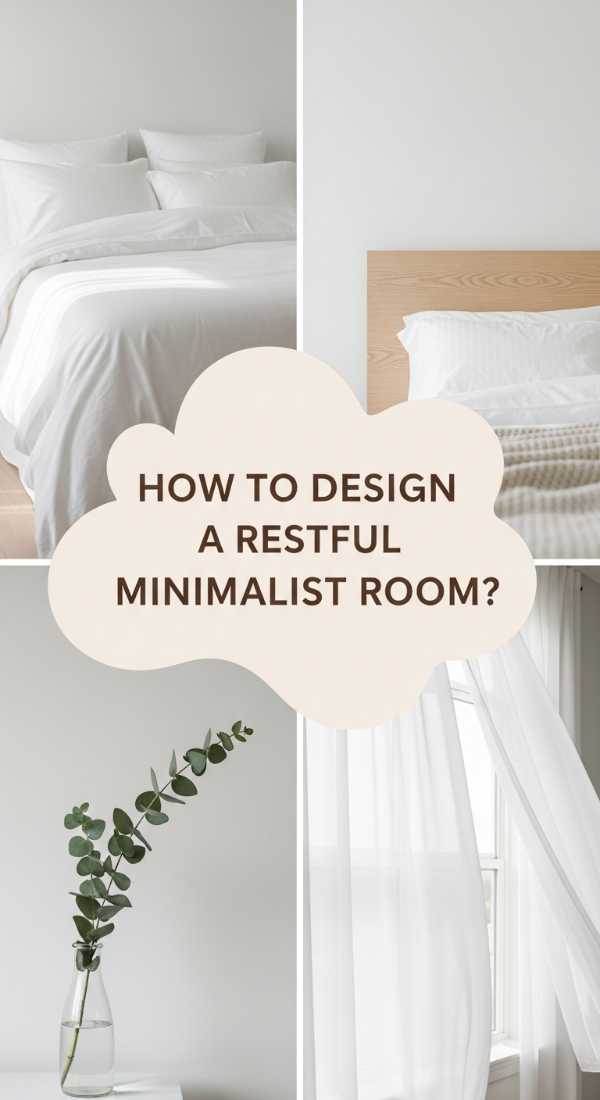
How to Design a Minimalist Room for a Restful Sleep

Why we love this
The bedroom is the ultimate sanctuary, and a minimalist design here is the key to deep, restorative rest. We love this approach because it treats the bedroom as a temple of sleep, stripped of distractions and digital noise. The feeling of cool, crisp linen against your skin, the silence of a clutter-free nightstand, and the soft diffusion of light through cotton curtains create a cocoon of safety. It’s about letting your mind power down because there is nothing ‘left to do’ or ‘look at’ in your field of vision.
Essential Elements:
- Linen or organic cotton bedding
- Upholstered or wooden headboard
- Zero-clutter nightstands
- Blackout curtains in neutral tones
- Soft, indirect lighting
How to make it
- Invest in high-thread-count natural linens in a monochromatic palette to reduce visual ‘chatter’ and improve skin-feel during sleep.
- Clear the nightstand of everything except a lamp, a glass of water, and a single book; store chargers and electronics inside a drawer out of sight.
- Position the bed so you have a clear view of the door but are not directly in line with it, which subconsciously increases the feeling of security.
- Use ‘layered’ window treatments—a sheer layer for daytime privacy and a heavy blackout layer to ensure total darkness for melatonin production.
- Introduce a soft wool rug exactly where your feet land in the morning to ensure the first sensory experience of the day is warm and comforting.
How to Achieve a Minimalist Home Look for Effortless Living

Why we love this
Effortless living is the result of a home that works for you, rather than you working for the home. We love this look because it simplifies daily routines, making cleaning faster and finding things easier. There is a quiet luxury in knowing exactly where everything is and having the space to breathe while you go about your day. It’s a lifestyle shift that values time and experience over the maintenance of ‘stuff,’ allowing you to focus on the moments that actually matter.
Essential Elements:
- Uniform storage containers
- Built-in or hidden cabinetry
- High-quality, multi-use furniture
- A cohesive color story throughout the home
- Quality over quantity mindset
How to make it
- Create a ‘unified color story’ by using the same three neutral shades in every room; this creates a seamless visual transition that feels high-end and calm.
- Adopt ‘closed storage’ solutions; use wardrobes or cabinets with solid doors rather than open shelving to hide the necessary but un-aesthetic items of daily life.
- Perform a ‘utility audit’—if you haven’t used an item in six months, it’s taking up ‘mental rent’ and should be removed.
- Select furniture that is easy to clean, such as sofas with removable slipcovers or tables with wipeable finishes, to reduce the ‘work’ of home maintenance.
- Set a daily ’10-minute reset’ timer every evening to return every item to its designated place, ensuring you wake up to a minimalist canvas every morning.
How to Layer Textures in a Cozy Minimalist Space for Visual Depth
Why we love this
Without texture, a minimalist room can feel cold or clinical; with it, it becomes a multi-dimensional masterpiece. We love layering textures because it adds ‘weight’ and ‘soul’ to a room without adding clutter. It’s the contrast of a rough jute rug against a smooth leather chair, or a chunky knit blanket resting on a sleek cotton sofa. These layers invite you to touch, feel, and sink into the environment, creating a rich sensory tapestry that feels expensive, thoughtful, and incredibly cozy.
Essential Elements:
- Natural fibers (wool, silk, linen, jute)
- Contrasting materials (wood vs. metal, stone vs. fabric)
- Faux fur or shearling accents
- Woven wall hangings or baskets
- Velvet or boucle pillows
How to make it
- Identify the ‘base’ material of the room (e.g., a smooth fabric sofa) and introduce its opposite (e.g., a chunky, rough-textured knit throw).
- Layer rugs: Place a smaller, soft sheepskin or plush wool rug over a larger, flat-weave jute rug to create a ‘nested’ feel that adds immediate depth.
- Use ‘varied grains’ in wooden pieces—mix a smooth walnut coffee table with a more rustic, textured oak side table to create organic visual interest.
- Incorporate ‘living textures’ like the waxy leaves of a plant or the rough bark of a decorative branch in a tall vase to connect the indoors with nature.
- Choose pillows in the same color family but different fabrics (e.g., one linen, one boucle, one velvet) to create a sophisticated, tactile arrangement.
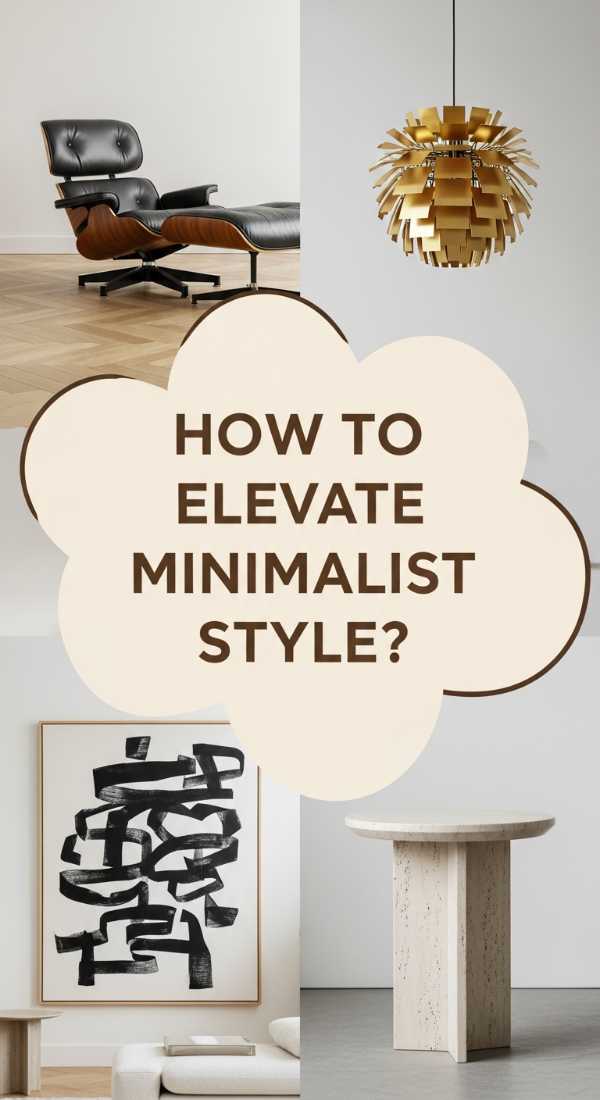
How to Elevate Living Room Decor Minimalist Style for a High-End Feel
Why we love this
High-end minimalism isn’t about the price tag; it’s about the precision of the edit and the ‘scale’ of the choices. We love this elevated look because it feels like a boutique hotel—curated, intentional, and undeniably chic. It’s about making a few ‘bold moves’ rather than many small ones. A single, perfectly sized lamp or a massive, museum-quality piece of art can transform a basic room into a sophisticated gallery-like space that still feels warm enough to live in.
Essential Elements:
- Oversized art pieces
- Statement lighting (sculptural chandeliers)
- Monochromatic color blocking
- High-quality metals (brushed brass or blackened steel)
- Clean-lined architectural furniture
How to make it
- Think ‘big’ for art; one 48-inch canvas on a wall makes a much more high-end statement than a gallery wall of ten smaller frames.
- Upgrade your hardware—replace standard plastic outlet covers with metal ones and swap basic cabinet pulls for heavy, solid-brass versions.
- Use ‘monochromatic layering’—style the entire room in varying shades of one color (like beige or charcoal) to create a high-fashion, cohesive aesthetic.
- Invest in one ‘sculptural’ piece of furniture, like an armchair with a unique silhouette, to act as the room’s functional art piece.
- Ensure all textiles (curtains, rugs, pillows) are perfectly steamed or pressed; the difference between ‘basic’ and ‘high-end’ is often the lack of wrinkles.
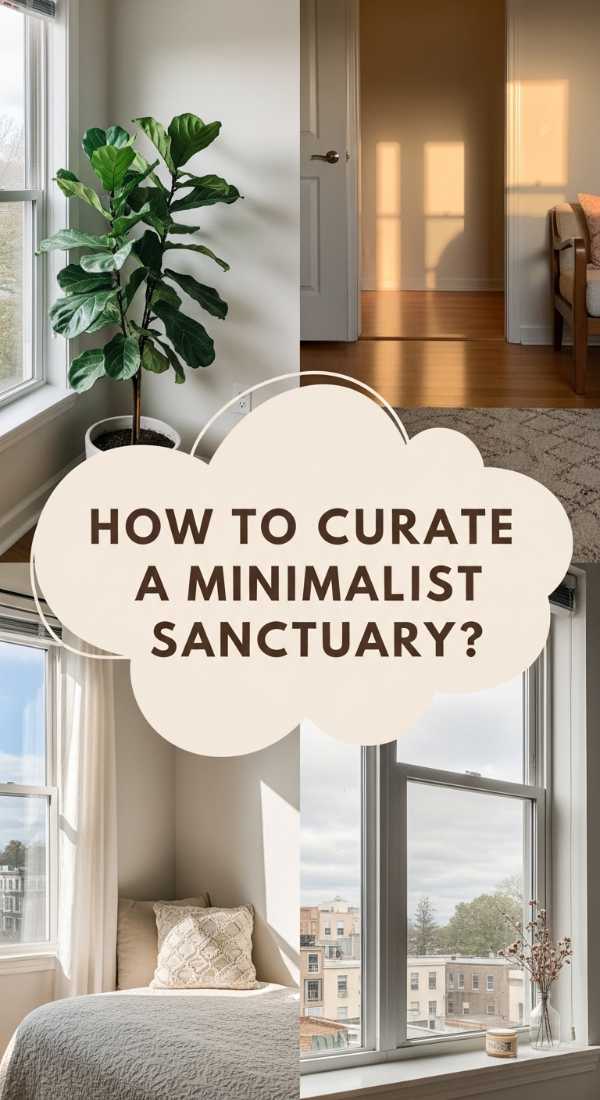
How to Curate a Minimalist Cozy Apartment for a Sanctuary Feel
[IMAGE_10]
Why we love this
Curating a sanctuary in an apartment is an act of self-care. We love this final step because it’s where your personality meets your peace. It’s the ritual of lighting a candle at sunset, the soft hum of a record player, and the sight of your favorite books lined up precisely. This is where the home becomes more than a place to sleep—it becomes a recharging station for your soul. It’s about crafting an environment that filters out the noise and leaves you with nothing but the best versions of your favorite things.
Essential Elements:
- A dedicated ‘tech-free’ zone
- Soft, dimmable ambient lighting
- Personal ‘joy objects’ curated on a tray
- A collection of high-quality candles or diffusers
- Floor cushions or a comfortable reading chair
How to make it
- Designate one corner as a ‘Digital-Free Zone’—no phones, no laptops—equipped only with a comfortable chair, a lamp, and your favorite books.
- Scent-scape your space: Use a high-quality essential oil diffuser with calming notes like lavender, bergamot, or sandalwood to signal ‘rest time’ to your brain.
- Curate a ‘joy tray’ on your ottoman or coffee table containing a candle, a small plant, and a personal memento that makes you smile.
- Replace all cool-white lightbulbs with ‘warm’ versions (2700K or lower) to mimic the soothing quality of firelight and sunset.
- End every evening by ‘thanking’ your space while you do a quick tidy; this mindful habit cements the feeling of the home as a cherished sanctuary.
Conclusion: Your Sanctuary Awaits
Designing a cozy minimalist sanctuary isn’t about following a set of rigid rules; it’s about discovering what brings you peace and giving those things the room to shine. By focusing on quality, texture, and light, you transform your home from a collection of rooms into a cohesive experience of rest. Start small, edit often, and remember that the most beautiful thing in your home is the space you create for yourself to simply *be*.