
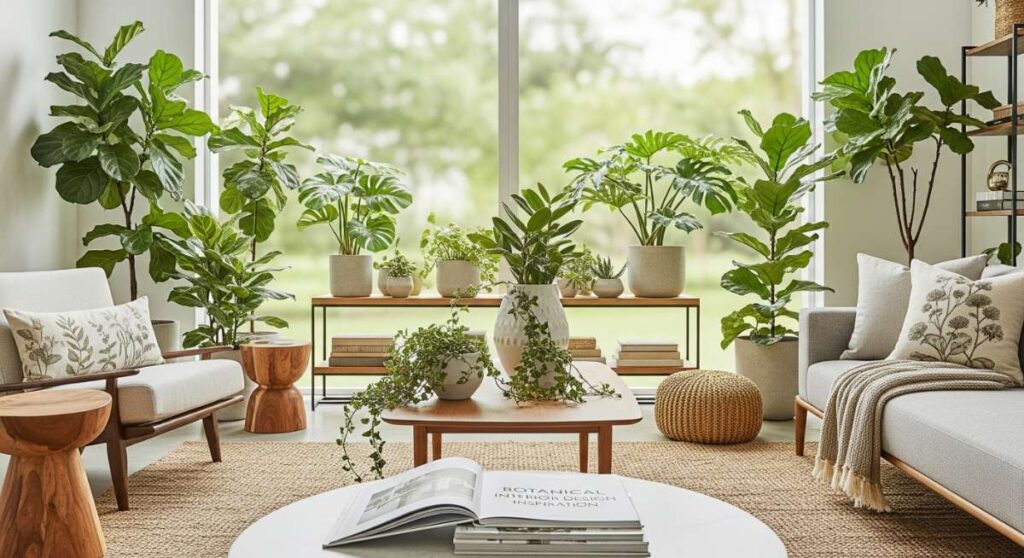
Have you ever stepped into a room and felt an immediate sense of relief, like a long-held breath finally being released? That is the magic of the botanical home. In a world that often feels dominated by screens and concrete, bringing the outside in isn’t just a design choice—it is a soulful necessity. I remember the first time I added a simple Monstera to my living room; the way the morning light caught those iconic splits changed the entire energy of my morning coffee. It felt less like a room and more like a living, breathing sanctuary.
This season, the trend has evolved from a few scattered pots to full-scale botanical immersion. We are talking about ‘Lush Living,’ where our walls become canvases for verdant life and our homes transform into private retreats. Whether you are a minimalist looking for a single leaf of elegance or a maximalist ready to build a vertical jungle, there is a botanical rhythm that fits your lifestyle. Let’s dive into how you can cultivate your own green oasis and why this shift toward nature-inspired interiors is the most refreshing trend of the decade.
How to Design a Lush Plant Mural Wall for a Serene Home Sanctuary

Why we love this
There is something deeply primal and comforting about being surrounded by a wall of dense, living greenery. This mural style mimics the forest floor, offering a multi-sensory experience where the subtle earthy scent of damp soil and the soft rustle of leaves create a cocoon of silence. It’s the ultimate way to dampen urban noise and provide a visual rest for tired eyes, making your sanctuary feel worlds away from the daily grind. The texture is rich and varied, offering a tactile softness that synthetic decor simply cannot replicate.
Essential Elements:
- Modular felt pocket planters or a trellis system
- A variety of ferns (Boston, Maidenhair, and Staghorn)
- Trailing Ivy and Philodendrons
- Moisture-resistant wall backing (like pond liner or plastic sheeting)
- Automated drip irrigation or a long-neck watering can
How to make it
- Begin by selecting a wall that receives consistent, indirect sunlight to ensure your ‘mural’ stays vibrant without burning.
- Install a waterproof barrier such as a heavy-duty plastic liner or cork panels over the wall surface to prevent moisture damage to your drywall.
- Secure your modular felt pockets or grid system into the wall studs using galvanized screws to support the weight of wet soil and mature plants.
- Fill each pocket with a high-quality, lightweight potting mix specifically formulated for moisture retention and drainage.
- Carefully transplant your ferns and trailing plants, placing larger, bushier specimens at the bottom and cascading vines at the top to create a natural waterfall effect.
- Water each pocket individually for the first week to settle the soil, then transition to your chosen irrigation method, checking daily for any dry spots in the corners.
How to Style a Minimalist Gallery Wall with Plants for Modern Elegance
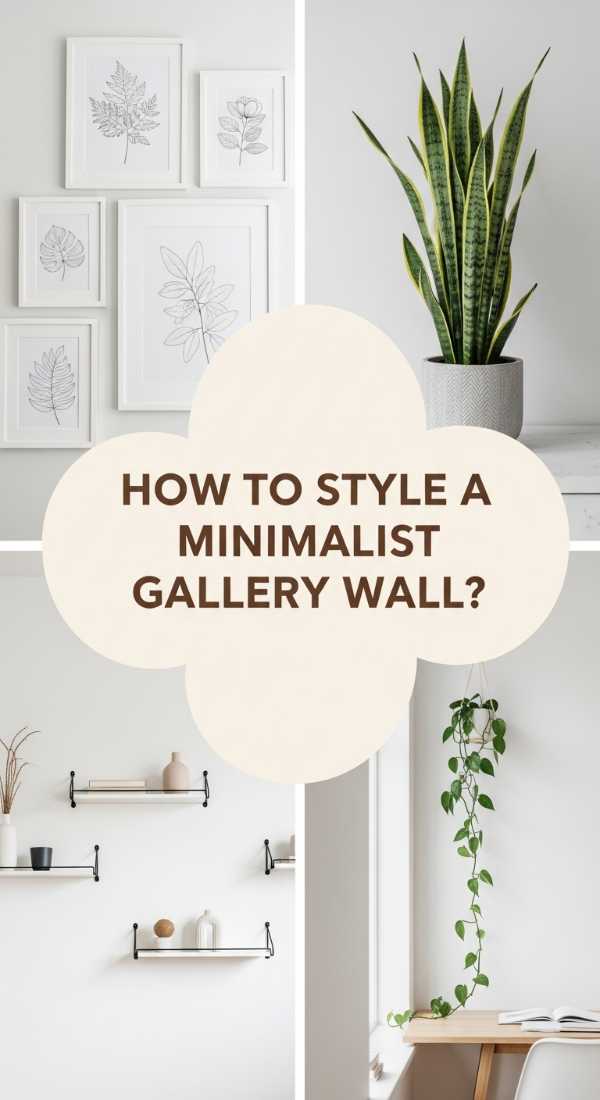
Why we love this
Minimalism meets nature in a way that feels incredibly sophisticated and curated. Instead of a riot of color, this approach focuses on the sculptural beauty of individual leaves—the perfect symmetry of a single palm frond or the architectural curve of a snake plant. It brings a sense of ‘expensive’ calm to a space, emphasizing clean lines and high-contrast visuals. You can almost feel the air getting crisper just by looking at these neatly framed botanical specimens against a stark white backdrop.
Essential Elements:
- Set of matching floating frames (black or light oak)
- Pressed or fresh-cut large-scale leaves (Monstera, Eucalyptus, or Ferns)
- Symmetric layout grid
- Subtle LED picture lighting
How to make it
- Choose 3 to 5 matching frames; thin profiles in black or natural wood work best for that high-end minimalist aesthetic.
- If using fresh leaves, select specimens with high structural integrity and clean edges, ensuring no browning or pest damage is visible.
- For a permanent look, press your leaves between heavy books for two weeks until moisture is completely removed, then mount them inside floating glass frames.
- Measure your wall space precisely, using a spirit level to mark out a perfectly symmetrical horizontal or vertical line.
- Space the frames exactly 4 inches apart to create a sense of intentionality and ‘breathable’ white space between each plant.
- Hang the frames and adjust your lighting so that the shadows of the leaves cast soft, artistic silhouettes against the wall.
How to Create a Maximalist Gallery Wall with Plants for Vibrant Living
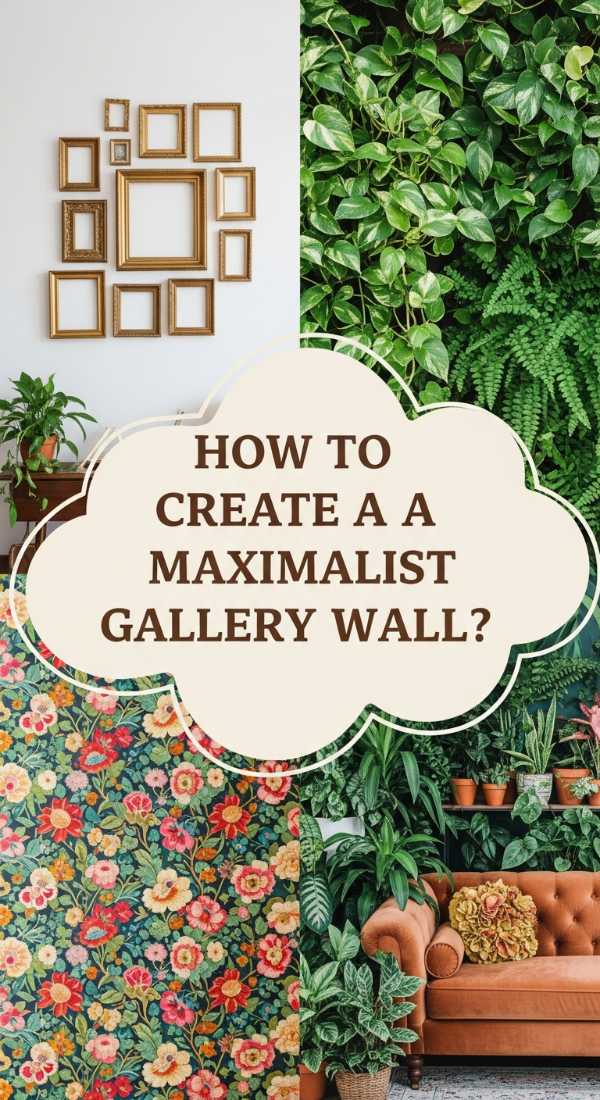
Why we love this
Maximalism is all about ‘more is more,’ and when it comes to plants, that means an explosion of life and personality. This style feels like a celebration of growth, where different shades of emerald, lime, and forest green clash and harmonize all at once. The aroma is intoxicatingly fresh, and the sheer volume of foliage creates a micro-climate that keeps your living space feeling cool and humid. It is an organized chaos that tells a story of a life lived in full bloom.
Essential Elements:
- A mix of hanging ceramic pots, wooden shelves, and wall-mounted baskets
- Contrasting textures (waxy Hoyas, fuzzy Calatheas, and jagged Monsteras)
- Eclectic artwork to nestle between the greens
- Command hooks and sturdy wall anchors
How to make it
- Start by installing a variety of shelving heights—some long and narrow, some small and circular—to create a dynamic ‘staircase’ for the eye to follow.
- Place your ‘anchor’ plants first: these should be your largest, most dramatic specimens, like a tall Fiddle Leaf Fig or a massive hanging Pothos.
- Fill the gaps with framed botanical prints or vintage mirrors to reflect the greenery and double the visual density.
- Use macramé hangers or wall hooks to suspend trailing plants from the ceiling or high shelves, allowing the vines to drape over the frames below.
- Mix and match pot materials—terracotta, glazed ceramic, and brass—to add layers of color and light-reflective surfaces.
- Regularly rotate the plants so they all receive even light, ensuring the ‘wall’ grows thick and lush in every direction.
How to Build a Vertical Plant Mural Wall for Tiny Apartment Living
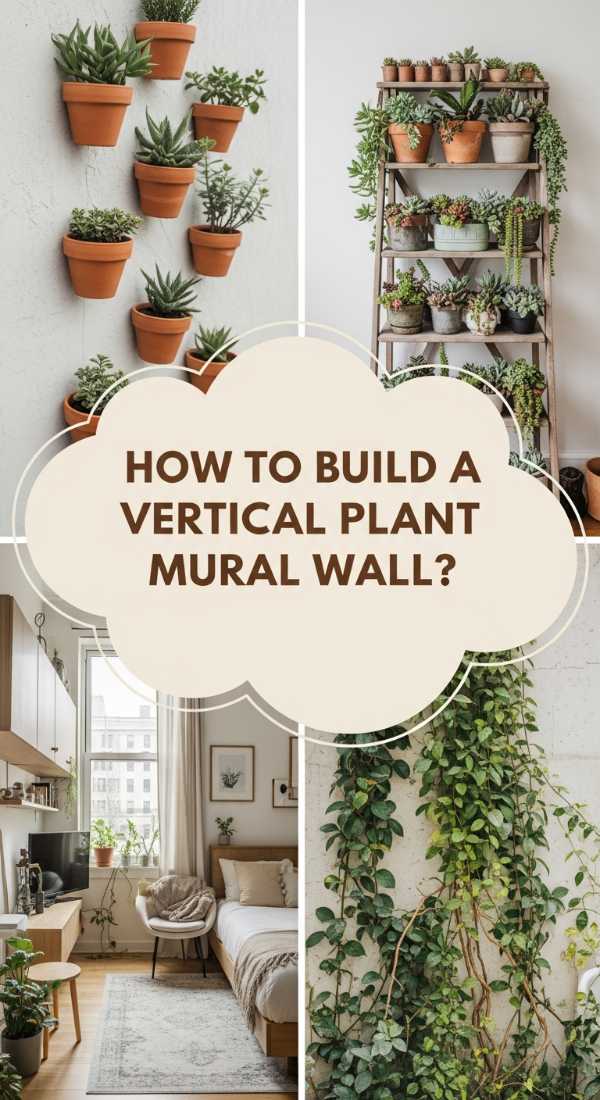
Why we love this
For those of us in cozy city apartments, floor space is a precious commodity. A vertical mural turns an unused wall into a sky-high garden, proving that you don’t need a backyard to be a plant parent. The feeling is one of elevation and openness; by drawing the eye upward, the room actually feels taller and more spacious. It’s like having a private window into a tropical jungle right next to your dining table, providing a daily dose of nature without tripping over a single pot.
Essential Elements:
- Slimline vertical planter towers or wall-mounted rails
- Low-maintenance climbers like Heartleaf Philodendron
- Lightweight plastic nursery liners to keep weight down
- Reflective wall paint (semi-gloss white or light grey)
How to make it
- Identify a vertical strip of wall, perhaps between two windows or next to a doorway, that measures at least 2 feet wide.
- Mount a series of horizontal metal rails or ‘grid’ panels from the floor up to the ceiling using heavy-duty wall anchors.
- Attach lightweight planter boxes or ‘S’ hooks with small pots to the rails, starting from the top and working your way down.
- Select ‘creeping’ or ‘trailing’ varieties that can be trained to grow up the grid using small floral ties.
- Incorporate a hidden water-catching tray at the very bottom of the installation to catch any drips during your weekly watering routine.
- Keep the arrangement narrow and streamlined to ensure it doesn’t impede walking paths in your small space.
How to Arrange a Soothing Gallery Wall with Plants for Better Sleep

Why we love this
The bedroom should be a temple of rest, and nothing invites sleep better than the gentle, air-purifying presence of botanical life. This arrangement focuses on plants that release oxygen at night and have a calming, muted visual palette. The soft, rounded leaves and the faint, clean scent of Sansevieria create a cocoon of tranquility. It’s the visual equivalent of a deep exhale, helping to lower cortisol levels and prepare the mind for a restorative night of dreams.
Essential Elements:
- Snake Plants (Sansevieria), Aloe Vera, and Lavender (if near a sunny window)
- Soft-touch wooden frames or wicker wall baskets
- Warm-toned backlighting
- Breathable clay pots
How to make it
- Choose plants specifically known for their air-purifying qualities and night-time oxygen production to enhance your sleep quality.
- Place your plant gallery on the wall directly opposite your bed so it is the last thing you see before closing your eyes and the first thing you see upon waking.
- Use wall-mounted wicker baskets or soft-colored ceramic pots to house the plants, avoiding bright or jarring neon colors.
- Arrange the plants in a loose, asymmetrical wave pattern to mimic the natural flow of a meadow rather than a rigid grid.
- Incorporate a few sprigs of dried lavender or eucalyptus among the living plants for a subtle, constant aromatherapy benefit.
- Ensure all pots are double-cached (a nursery pot inside a decorative pot) to prevent any water from dripping onto your bedding or floor.
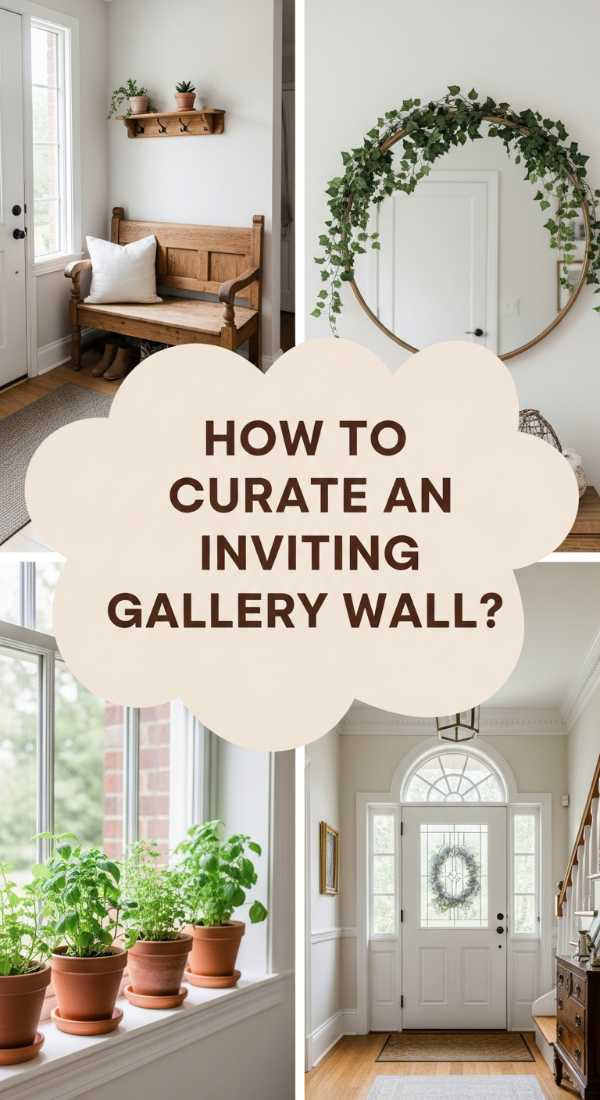
How to Curate an Inviting Gallery Wall with Plants for a Warm Welcome
Why we love this
The entryway is the handshake of your home, and a botanical gallery wall says ‘welcome’ with warmth and life. It immediately signals a home that is cared for and vibrant. The sight of lush leaves mixed with family photos or welcoming mirrors creates a bridge between the outside world and your private sanctuary. It’s an inviting, oxygen-rich greeting that makes every guest feel instantly at ease and curious about the rest of your green-filled abode.
Essential Elements:
- Small floating shelves or ‘wall pegs’
- Calathea varieties (for their stunning leaf patterns)
- A large focal point mirror
- Scented candles with woodsy or floral notes
How to make it
- Mount a large, round mirror in the center of your entryway wall to act as the ‘heart’ of the gallery and reflect light into darker hallways.
- Install 3 to 4 small floating shelves around the mirror at varying heights, ensuring they don’t stick out too far into the walkway.
- Place ‘showstopper’ plants like the Calathea Medallion on the shelves; their intricate patterns act like natural pieces of art.
- Intersperse the plants with small bowls for keys or framed quotes that resonate with your home’s philosophy.
- Add a few ‘spiller’ plants (like String of Hearts) on the highest shelves so they delicately frame the mirror.
- Check the lighting; if your entryway is dim, use high-quality artificial botanical stems or low-light tolerant ZZ plants.
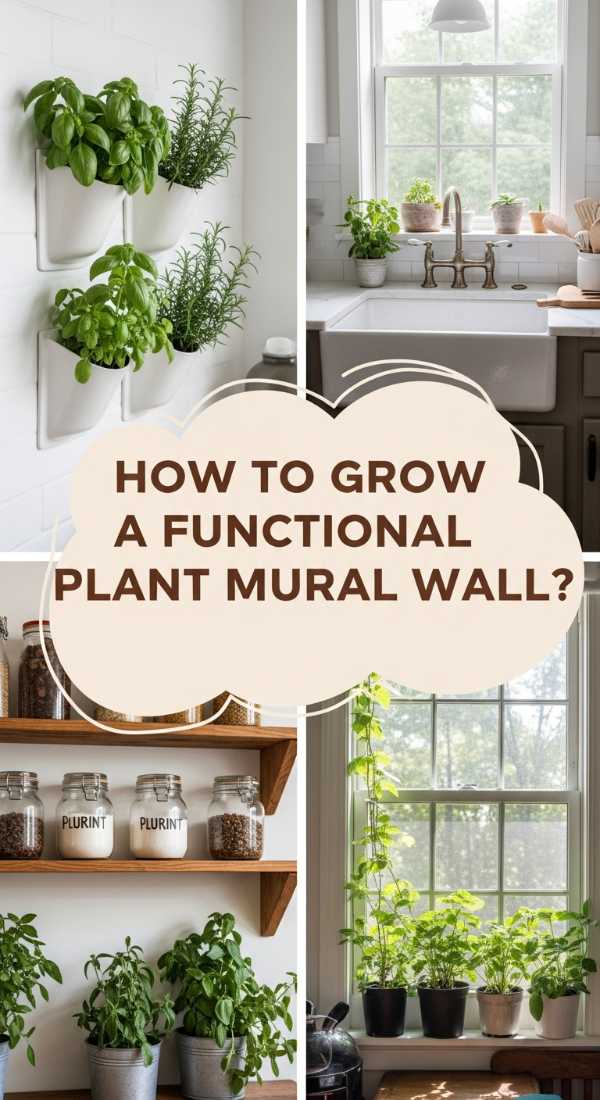
How to Grow a Functional Plant Mural Wall for Fresh Kitchen Herbs
Why we love this
This is where beauty meets utility. Imagine reaching out while you’re cooking to snip a few leaves of fresh basil or a sprig of rosemary directly from your wall. The kitchen becomes filled with the invigorating scents of mint and thyme, stimulating the appetite and making every meal feel like a farm-to-table experience. The vibrant green against chalkboard paint or white tile creates a ‘chef’s garden’ aesthetic that is both practical and incredibly stylish.
Essential Elements:
- Wall-mounted mason jars or specialized herb pockets
- Culinary herbs (Basil, Mint, Rosemary, Thyme, Chives)
- Chalkboard paint background (optional but recommended)
- Small LED grow lights (if the kitchen is dark)
How to make it
- Paint a section of your kitchen wall with black chalkboard paint to create a high-contrast backdrop that allows you to label your herbs with chalk.
- Secure a series of metal clamps or wooden crates to the wall, ensuring they are positioned near your primary prep area for easy access.
- Ensure every container has a layer of activated charcoal at the bottom to prevent root rot, as herbs are sensitive to overwatering.
- Plant your herbs according to their water needs—keep the moisture-loving mint and basil together and the dryer rosemary and thyme in a separate row.
- Install a small, sleek LED grow light bar underneath upper cabinets if your kitchen doesn’t have a large window.
- Harvest regularly by snipping from the top of the plants; this encourages them to grow bushier and keeps your mural looking full.
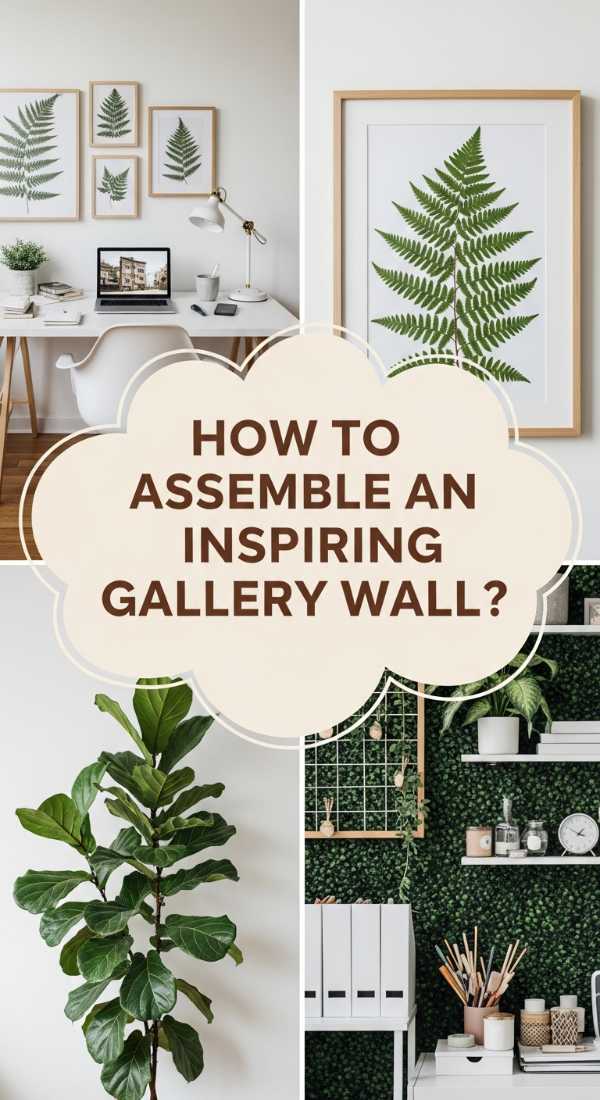
How to Assemble an Inspiring Gallery Wall with Plants for Deep Work Focus
Why we love this
In a home office, plants are more than just decor—they are cognitive boosters. This curated wall is designed to reduce eye strain by providing a ‘soft fascination’ point during breaks. The sturdy, dependable greens of Zamioculcas (ZZ plants) and the upright growth of Sansevieria symbolize focus and resilience. The lack of clutter and the emphasis on architectural foliage helps clear the mental fog, creating a workspace that feels energized yet disciplined.
Essential Elements:
- Matte-finish pots (grey, navy, or forest green)
- Hardy, low-maintenance plants (ZZ Plant, Rubber Tree, Sansevieria)
- Minimalist floating ledges
- Clean-lined desk accessories
How to make it
- Position your gallery wall within your peripheral vision while seated at your desk, rather than directly behind your monitor, to avoid distractions.
- Use long, single-level floating ledges to create a clean, horizontal line that doesn’t feel cluttered.
- Select plants with dark, glossy leaves that absorb light and reduce glare from computer screens.
- Group plants in odd numbers (3 or 5) and vary the heights slightly to keep the arrangement looking natural but orderly.
- Avoid ‘messy’ or fast-growing vines that might tangle with computer cables; stick to upright, self-contained plants.
- Clean the leaves every two weeks with a damp cloth to ensure they can ‘breathe’ and maintain that professional, sharp look.
How to Paint a Tropical Plant Mural Wall for an Exotic Retreat

Why we love this
Sometimes you want a botanical vibe that is permanent and larger-than-life. A painted mural mixed with real plants creates a stunning 3D effect that transports you straight to the Amalfi Coast or a Balinese jungle. The bold, oversized leaf patterns in shades of deep teal and emerald create a dramatic focal point that radiates warmth. It is an exotic escape that doesn’t require a passport, offering a vacation-like atmosphere every time you walk into the room.
Essential Elements:
- Stencils or a projector for leaf outlines
- High-pigment interior paint in various greens and gold
- Complementary real-life plants (Bird of Paradise or Parlor Palms)
- Large floor planters
How to make it
- Sketch out oversized leaf shapes (think Monstera or Banana leaves) on your wall using a light pencil or a projector for perfect proportions.
- Paint the background leaves in a lighter, more muted green to create a sense of depth and ‘distance.’
- Layer the foreground painted leaves in darker, bolder tones, adding gold or bronze metallic accents to the veins for a touch of luxury.
- Once the paint is dry, place large, real-life potted palms or a Bird of Paradise directly in front of the painted mural.
- The overlap between the 2D art and the 3D plant will create a deep, immersive thicket effect that makes the wall ‘disappear.’
- Use uplighting from the floor to cast the shadows of the real leaves onto the painted ones, further blurring the line between art and nature.
How to Craft a Dreamy Plant Mural Wall for the Ultimate Goddess Aesthetic

Why we love this
This is the ethereal, romantic side of botanical design. It is all about soft textures, flowing vines, and a touch of whimsy. Imagine delicate ‘String of Pearls’ cascading like jewelry down a wall, interspersed with dried wildflowers and soft, twinkling lights. It feels magical and feminine—a place where you can tap into your intuition and creativity. The aroma is soft and floral, and the overall vibe is one of effortless grace and dreamy, bohemian elegance.
Essential Elements:
- Trailing ‘jewelry’ plants (String of Pearls, String of Hearts, Burro’s Tail)
- Small glass terrariums and brass wall hooks
- Warm-toned fairy lights or Edison bulbs
- Dried pampas grass or preserved eucalyptus
How to make it
- Install small, delicate brass hooks in a scattered, ‘starry’ pattern across your wall.
- Hang small glass globes or lightweight ceramic teardrop planters from the hooks, filling them with slow-growing succulents or air plants.
- Drape long, delicate vines like Ceropegia woodii (String of Hearts) across the wall, securing them with tiny clear clips to guide their path.
- Weave thin copper wire fairy lights through the vines, ensuring the bulbs don’t touch the foliage directly to prevent heat damage.
- Tuck in a few stems of dried pampas grass or lavender between the planters to add a soft, fuzzy texture and a lasting scent.
- Maintain this ‘living jewelry’ by misting the air plants weekly and using a pipette to water the small succulents without making a mess.
Conclusion
Embracing botanical interior design is more than just a trend; it is a lifestyle shift toward wellness and beauty. Whether you choose the structural elegance of a minimalist gallery or the wild, immersive experience of a lush mural, you are inviting nature to be your co-decorator. These green walls don’t just sit there—they grow, they change, and they breathe with you. So, pick a corner, start with one leaf, and watch as your home transforms into the lush sanctuary you deserve.