

Less Stuff, More Soul: How to Master the Cozy Minimalist Aesthetic
Have you ever walked into a room and felt your shoulders immediately drop three inches? That is the magic of the cozy minimalist home. For years, we were told that to be cozy, we needed more—more pillows, more knick-knacks, more ‘stuff.’ But I’ve learned that the true essence of a soulful home doesn’t live in the abundance of things, but in the abundance of space, light, and intention. It’s about creating a sanctuary where you can finally hear your own thoughts over the noise of the world.
Transitioning to this lifestyle isn’t about living in a cold, white box; it’s about ‘editing’ your life so that only the pieces that truly resonate remain. When we clear the clutter, we make room for the soul to breathe. In this guide, I’m sharing how to strike that delicate balance between the ‘less’ of minimalism and the ‘warmth’ of a lived-in home. Let’s turn your living space into a breathable, beautiful masterpiece.
How to Curate a Cozy Minimalist Living Room for Instant Serenity
Why we love this
There is an ethereal quality to a room that prioritizes peace over patterns. We love this approach because it treats your living space like a deep, refreshing exhale, using a palette of soft oatmeal, warm wood, and diffused sunlight to wrap you in a gentle embrace. Imagine the scent of sandalwood wafting through a room where every object has a purpose, and the tactile sensation of a smooth wooden coffee table beneath your fingers provides a grounding connection to nature. It’s not just a room; it’s a sensory experience designed to lower your cortisol levels the moment you step through the door.
Essential Elements:
- Low-profile linen sofa in a neutral tone
- Natural oak or reclaimed wood coffee table
- A single, large-scale fiddle leaf fig or olive tree
- Sheer linen drapes that catch the afternoon breeze
- Soft, indirect warm lighting
How to make it
- Begin by ‘clearing the palate.’ Remove every small decorative item from the room until only the furniture remains. This allows you to see the architectural bones of the space.
- Analyze the ‘visual heat’ of your furniture. If a piece feels too heavy or dark, consider neutralizing it with a light-colored slipcover. Aim for a ‘medium-low’ visual temperature across the room.
- Position your primary seating to face a source of natural light or a focal point like a fireplace, ensuring there is at least 30 inches of ‘breathing room’ around each piece for easy flow.
- Incorporate ‘living’ elements. Place your large plant in a corner where it can catch the light, creating organic shadows that act as natural wallpaper.
- Finalize the ‘flavor’ with scent. Use a ceramic diffuser with essential oils like cedarwood or bergamot to set a permanent mood of tranquility.
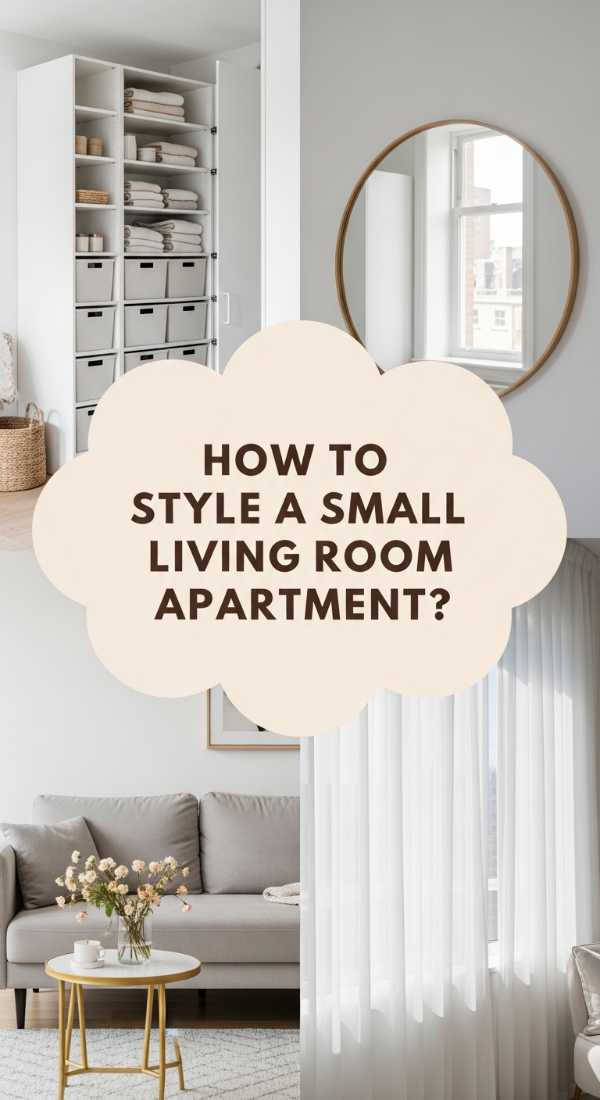
How to Style a Small Living Room Apartment for an Aesthetic Glow
Why we love this
Small apartments often feel like they are closing in on us, but with an aesthetic glow, they transform into precious jewelry boxes of comfort. We love this because it utilizes light as a primary decor element, turning cramped corners into luminous vignettes. The glow creates a sense of depth and mystery, making the walls feel like they are receding. There is something incredibly romantic about a small space lit by the golden hour, where the texture of a bouclé chair catches the light and a single candle flickers against a mirrored surface, making the entire apartment feel expansive yet intimate.
Essential Elements:
- Mirrored or glass surfaces to bounce light
- A variety of light sources (table lamps, floor lamps, candles)
- Warm-toned LED bulbs (2700K color temperature)
- Light-reflecting wall paint in ‘warm white’
- Minimalist wall sconces
How to make it
- Identify the ‘dark zones’ of your apartment. These are the corners that swallow light and make the room feel smaller.
- Apply the ‘Triangle Lighting Technique.’ Place three light sources at varying heights—one eye-level lamp, one floor lamp, and one candle—to create a warm ‘glow zone’ that eliminates harsh shadows.
- Use glass or acrylic furniture pieces. These ‘invisible’ elements provide function without adding visual weight, allowing the eye to travel through them to the light beyond.
- Place a large floor mirror opposite your main window. This acts as a ‘visual window,’ doubling the amount of natural light during the day and reflecting your glow sources at night.
- Adjust the ‘intensity.’ Use dimmers or smart bulbs to lower the light levels as the evening progresses, mimicking the natural rhythm of the sun for a truly restful atmosphere.
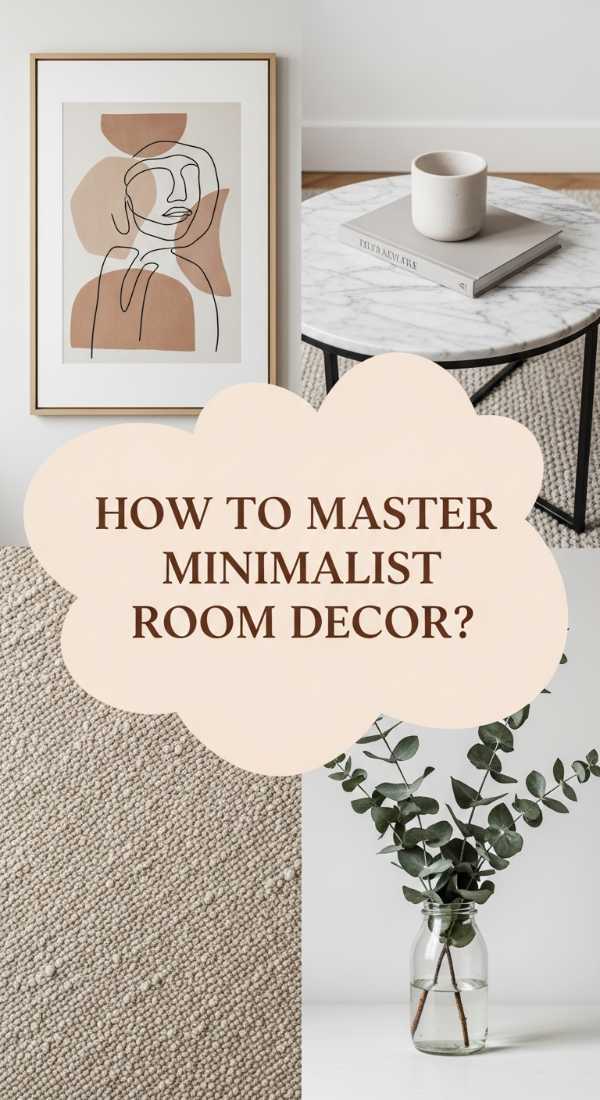
How to Master Minimalist Room Decor for a Breathable Sanctuary

Why we love this
A breathable sanctuary is the ultimate antidote to a busy mind. We love this style because it honors the concept of ‘Ma’—the Japanese word for the space between things. In this setting, a single ceramic vase on a shelf isn’t just a vase; it’s a focal point of beauty framed by silence. The air feels cleaner, the light feels brighter, and every item you choose to keep becomes a cherished treasure. It’s about the luxury of space and the quiet confidence of knowing that you have exactly what you need and nothing more.
Essential Elements:
- Negative space (empty wall sections)
- Handcrafted ceramic vessels
- A curated ‘capsule’ of books with neutral spines
- Natural fiber rugs (jute or wool)
- Framed minimalist line art
How to make it
- Evaluate your decor through the ’70/30 Rule.’ Aim for 70% of your surfaces to be completely clear, leaving only 30% for curated items. This creates the ‘breathability’ factor.
- Select your ‘hero’ decor. Choose one or two high-quality pieces, like a hand-thrown pot, and give them a prominent place on a shelf with at least six inches of empty space on either side.
- Address the ‘visual noise’ of your media. Turn book spines inward if they are too colorful, or group them by shade to create a cohesive, calming ‘visual texture.’
- Incorporate organic shapes. Avoid too many sharp angles; look for decor with soft curves that mimic the human form or nature to keep the minimalism feeling ‘human’ and soft.
- Check for ‘visual cues’ of clutter. If a surface starts to collect mail or keys, designate a hidden ‘landing strip’ inside a drawer to keep the sanctuary pristine.
How to Layer Cozy Minimalist Textures for a Warm Welcome
Why we love this
Minimalism can sometimes feel ‘flat,’ but layering textures is like adding spices to a dish—it brings out the richness and depth. We love this because it engages the sense of touch, turning a simple room into a tactile playground. Think of the contrast between a cool, smooth marble tabletop and a chunky, oversized knit throw draped over a chair. These layers create a ‘visual warmth’ that replaces the need for color or clutter, making the home feel incredibly inviting and expensive without being pretentious.
Essential Elements:
- Chunky wool knit blankets
- Smooth silk or velvet pillows in earth tones
- Woven seagrass baskets
- Matte finished metals (brass or black)
- Sheepskin (faux or real) rugs
How to make it
- Start with your ‘base coat’—the rug. Use a large jute or flat-weave wool rug to anchor the space with a natural, slightly rough texture.
- Layer the ‘softness.’ Add a secondary, smaller sheepskin rug on top of the jute rug at an angle to create a plush landing spot for your feet.
- Execute the ‘Texture Sandwich’ on your sofa. Place smooth linen pillows at the back, followed by a textured velvet pillow in the middle, and finish with a chunky knit throw tossed casually over the arm.
- Incorporate ‘hard’ textures. Balance the softness with a matte black metal tray or a stone coaster set to provide a crisp, clean counterpoint to the textiles.
- Observe the ‘visual weight.’ If the room feels too heavy, remove one textured layer. The goal is to feel ‘snug,’ not ‘smothered.’
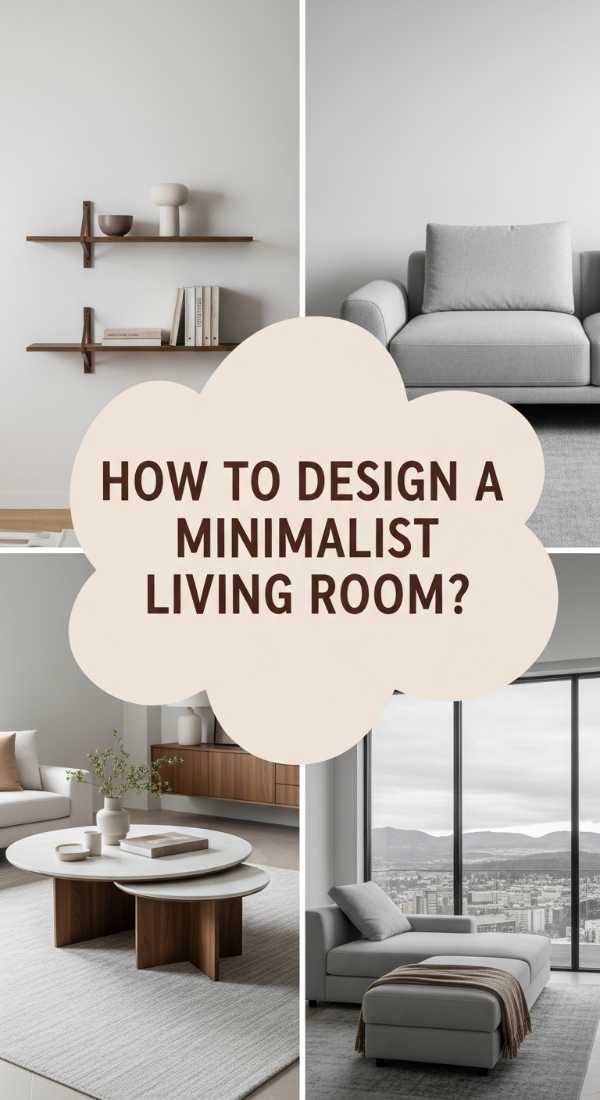
How to Design a Minimalist Living Room for Small Spaces and Big Comfort
Why we love this
Designing for small spaces requires a brilliant kind of editing that we absolutely adore. It’s about finding the ‘sweet spot’ where every square inch is optimized for both utility and beauty. We love the challenge of making a small room feel like a grand suite by using leggy furniture and smart zoning. There is a specific joy in sitting in a perfectly scaled chair, wrapped in a blanket, in a room where everything is within reach but nothing feels crowded. It’s the architectural equivalent of a warm hug.
Essential Elements:
- Furniture with ‘legs’ (to see more floor space)
- Wall-mounted shelving units
- Multi-functional ottomans
- Light-colored floor-to-ceiling curtains
- Scale-appropriate furniture (no oversized sectionals)
How to make it
- Measure your space with ‘chef-like precision.’ Ensure you have clear pathways of at least 2 feet between furniture pieces to avoid the ‘cluttered’ feel.
- Choose ‘elevated’ furniture. Opt for sofas and chairs with exposed legs rather than skirts. Seeing the floor continue underneath the furniture tricks the brain into thinking the room is larger.
- Utilize vertical space. Install floating shelves high on the wall to draw the eye upward, creating the illusion of higher ceilings.
- Implement ‘Zoning.’ Use a rug to define the living area, separating it from the dining or sleep area without the need for bulky walls or dividers.
- Focus on ‘high-impact’ comfort. Instead of many small cushions, use two large, high-quality down-filled pillows that provide maximum comfort without the visual mess of a ‘pillow pile.’
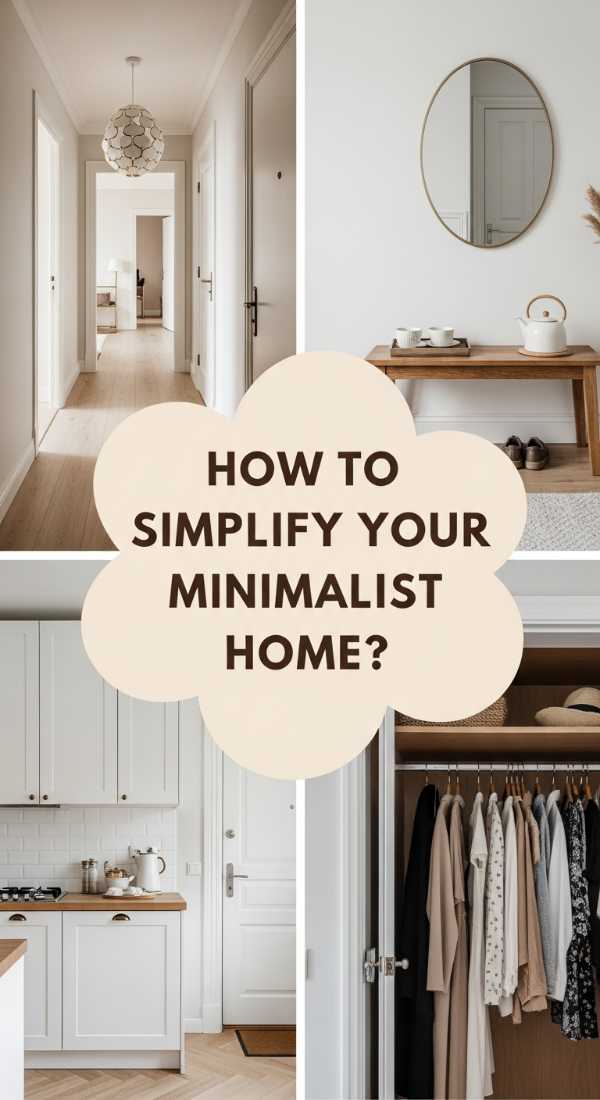
How to Simplify Your Minimalist Home for a Mindful Lifestyle
Why we love this
Simplifying your home is a profound act of self-care. We love this because it shifts the focus from ‘having’ to ‘being.’ When your home is simplified, your daily rituals—like brewing morning coffee or reading by the window—become more sacred. There is no guilt from unorganized piles or ‘to-do’ lists staring you in the face. It’s a mindful way of living that celebrates the present moment and allows your personality to shine through a few carefully chosen pieces of art or family heirlooms, rather than being buried under a mountain of ‘stuff.’
Essential Elements:
- Closed storage solutions (cabinets with doors)
- A ‘one-in, one-out’ policy
- Digital minimalism (hidden cords/cables)
- Intentional ’empty’ corners
- A dedicated ‘calm nook’
How to make it
- Perform a ‘utility audit.’ If you haven’t touched an item in six months, it’s taking up ‘mental rent’ in your home. Relocate it or donate it.
- Hide the ‘technological clutter.’ Use cord management boxes to tuck away charging cables and power strips. Visual silence is the key to a mindful lifestyle.
- Create ‘closed loops.’ Ensure everything has a specific home inside a cabinet or drawer. When you are done using an item, return it immediately to maintain the visual peace.
- Designate a ‘No-Phone Zone.’ Create one corner of the room with just a comfortable chair and a lamp, intended purely for reading, meditation, or quiet reflection.
- Practice ‘visual resting points.’ Leave at least one wall in the room completely blank to give your eyes a place to rest as you navigate the space.
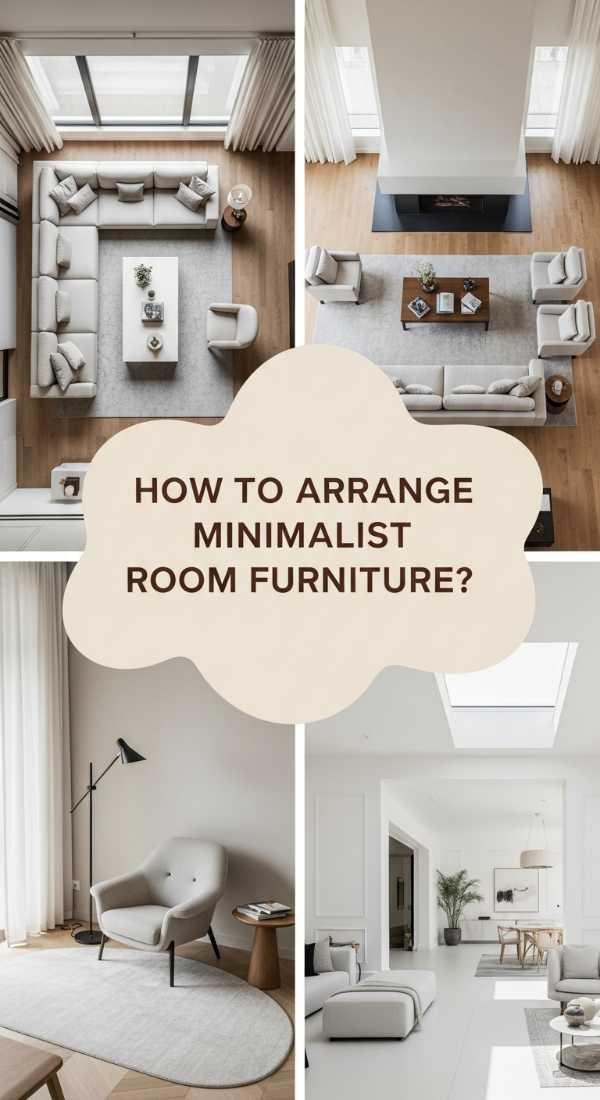
How to Arrange Minimalist Room Furniture for Harmonious Living

Why we love this
Harmonious furniture arrangement is the secret sauce of a cozy minimalist home. We love it because it dictates the energy of the room. When furniture is arranged correctly, conversations flow better, the air circulates more freely, and the room feels ‘balanced’ like a perfectly composed photograph. It’s about creating a ‘nest’ that feels secure yet open, where the furniture supports your lifestyle rather than dictating it. It’s the difference between a room that feels ‘stiff’ and a room that feels ‘alive.’
Essential Elements:
- A clear focal point (window, fireplace, or art)
- Symmetrical or balanced layout
- Floating furniture (not all pushed against walls)
- Natural ‘flow’ paths
- A mix of soft and hard edges
How to make it
- Find your ‘anchor.’ Choose the most important piece (usually the sofa) and place it facing the room’s natural focal point.
- Avoid ‘wall-hugging.’ If the room allows, pull your sofa a few inches away from the wall to create a sense of breathability and luxury.
- Balance the ‘visual weight.’ If you have a large sofa on one side, balance it with two smaller chairs or a substantial floor lamp on the other side to keep the room from feeling lopsided.
- Test the ‘walkability.’ Walk through the room with your eyes closed (carefully!). If you feel restricted or bump into corners, the furniture is too tight. Aim for a ‘fluid’ navigation path.
- Use ‘circular’ elements. In a room full of rectangular furniture, introduce a round coffee table or a circular mirror to break up the lines and add a sense of harmony and ‘softness.’
How to Select Minimalist Cozy Accents for a Timeless Look
Why we love this
Accents are the ‘soul’ of the minimalist home. We love this approach because it’s about quality over quantity—choosing one incredible hand-blown glass vase over ten cheap plastic ones. These accents act as the jewelry of the room, adding a timeless elegance that never goes out of style. There is something deeply satisfying about a room that feels ‘finished’ with just a few perfect touches: a single branch of eucalyptus, a vintage brass tray, or a stack of linen-bound journals. It feels curated, personal, and profoundly peaceful.
Essential Elements:
- Natural stone accents (travertine or marble)
- Organic greenery (dried branches or fresh stems)
- Vintage or ‘found’ objects with a story
- High-quality candles in ceramic vessels
- Matte stoneware dishes
How to make it
- Choose a ‘Signature Material.’ Select one accent material, like unlacquered brass or light travertine, and repeat it in 2-3 places throughout the room for a ‘cohesive flavor.’
- Use the ‘Rule of Three.’ When styling a surface, group three items of varying heights—for example, a tall branch, a medium-sized candle, and a small stone bowl.
- Focus on ‘patina.’ Select accents that will age beautifully, like leather or brass, which gain character over time rather than looking ‘worn out.’
- Keep the greenery ‘architectural.’ Instead of a busy bouquet, choose a single striking branch with interesting leaves. This provides a ‘minimalist pop’ of life without the visual clutter.
- Audit the ‘soul.’ Before adding an accent, ask: ‘Does this tell a story?’ If it’s just filler, leave it at the store.
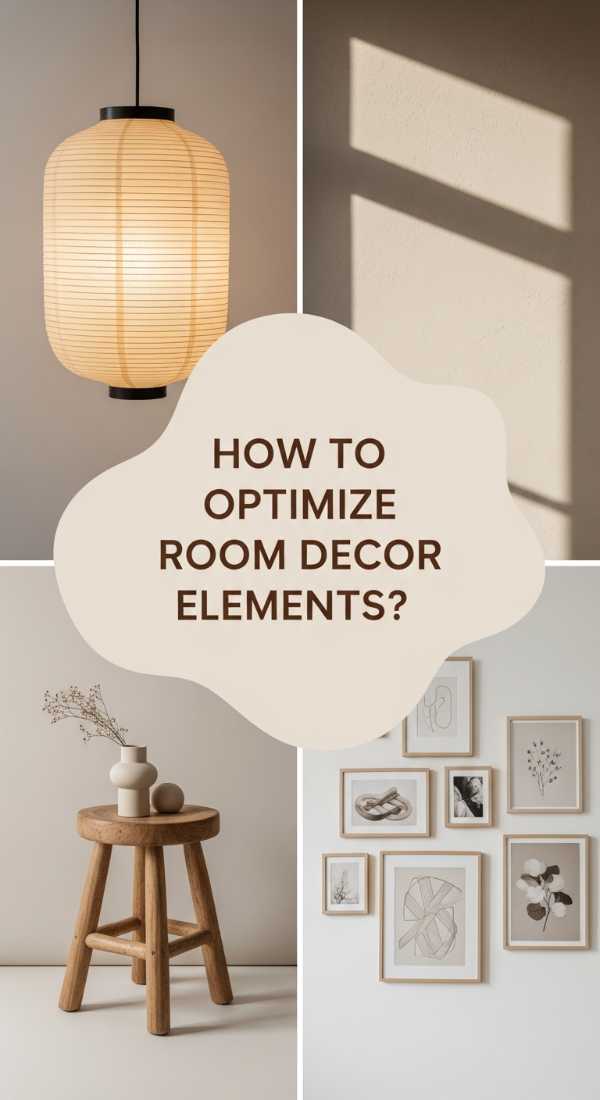
How to Optimize Room Decor Minimalist Elements for Pure Calm
Why we love this
Optimizing for calm is about fine-tuning the environment to support your nervous system. We love this because it goes beyond aesthetics into the realm of wellness. When you optimize your minimalist decor for calm, you are literally designing a space that helps you heal and recharge. Soft, diffused lighting, the gentle hum of a white noise machine hidden in a basket, and the sight of clean, organized surfaces all work together to create a ‘cocoon’ of safety. It’s the ultimate luxury in our fast-paced, digital world.
Essential Elements:
- Dimmable, soft-white lighting
- Acoustic softeners (rugs, curtains, wall hangings)
- Calming scent profile (lavender, palo santo)
- Hidden electronics and screens
- A ‘soft’ color palette of sage, cream, and slate
How to make it
- Address the ‘auditory clutter.’ Minimalist rooms can sometimes echo. Add ‘sound-absorbing’ elements like a heavy wool rug or fabric wall hangings to create a ‘hushed,’ library-like atmosphere.
- Tune the ‘color temperature.’ Ensure all your light bulbs are ‘warm white’ (2700K). Harsh blue-toned lights are the enemy of calm.
- Incorporate ‘sensory triggers.’ Place a high-quality linen throw exactly where you usually sit to signal to your brain that it is time to relax.
- Maximize ‘air quality.’ Use a sleek, minimalist air purifier to keep the air fresh and circulating, which subtly enhances the feeling of ‘purity’ in the space.
- Curate the ‘view.’ Ensure that from your primary seat, your line of sight is clear of any ‘messy’ areas like the kitchen counter or entryway.
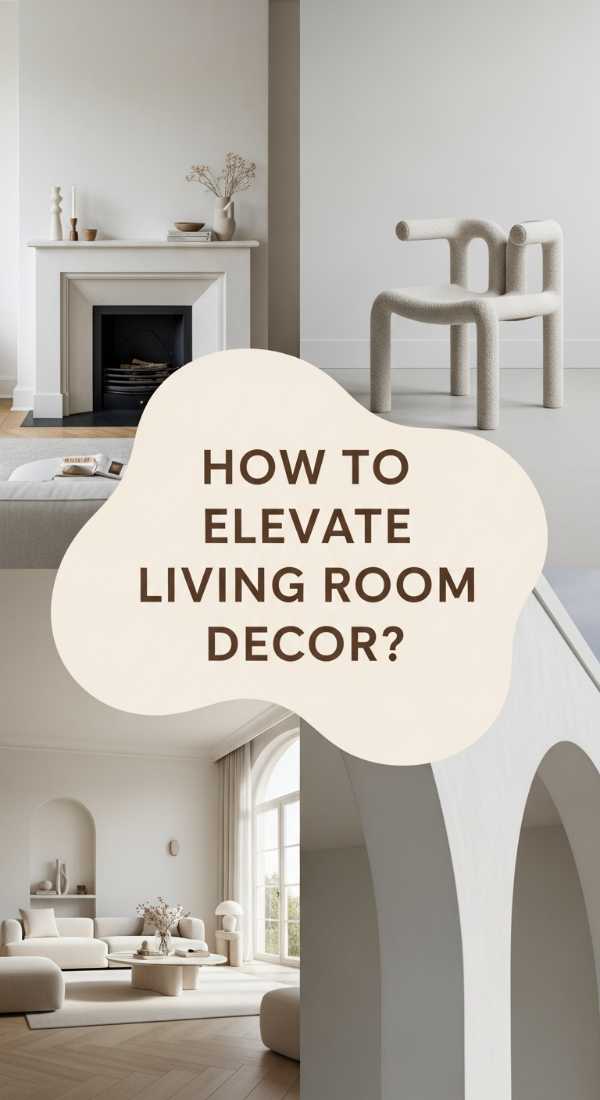
How to Elevate Living Room Decor Minimalist Style for Modern Peace
[IMAGE_10]
Why we love this
Modern peace is the evolution of minimalism—it’s sleek, sophisticated, but deeply comfortable. We love this because it proves that you don’t need ‘extra’ to be high-end. By focusing on exceptional materials and bold, simple lines, you create a living room that feels like a boutique hotel but functions like a family home. It’s a style that feels ‘grown-up’ and intentional, where the architecture of the furniture does the talking. It’s the perfect backdrop for a modern life that values clarity, elegance, and unhurried moments.
Essential Elements:
- Monochromatic color schemes
- High-contrast accents (black vs. cream)
- Oversized, minimalist art
- Sculptural furniture pieces
- Luxury natural fabrics (cashmere, mohair)
- Matte finishes
How to make it
- Establish a ‘Monochrome Base.’ Choose one color—like warm grey—and use it in varying shades for your walls, sofa, and rug to create a ‘seamless’ and elevated look.
- Introduce a ‘Sculptural Hero.’ Choose one piece of furniture, like an arched armchair or a stone-based coffee table, that acts as a work of art in itself.
- Scale up your art. Instead of a gallery wall, hang one very large, minimalist canvas. This simplifies the visual field and adds a ‘galleresque’ feel to the room.
- Apply ‘High-Contrast Pops.’ In a light room, use a few matte black elements—like a floor lamp or a picture frame—to ‘anchor’ the space and add a modern edge.
- Review the ‘Visual Finish.’ Ensure all surfaces are matte or satin. Highly glossy finishes can feel ‘busy’ and distracting, whereas matte finishes absorb light and promote a sense of ‘modern peace.’
Conclusion: Embracing the Soulful Home
Mastering the cozy minimalist aesthetic is a journey of editing out the unnecessary to make room for the extraordinary. It’s not about how little you can live with, but about how much more life you can fit into a space that isn’t cluttered with ‘things.’ By focusing on texture, light, and intention, you can create a home that doesn’t just look beautiful on Instagram, but feels beautiful to live in every single day. Remember, your home should be a reflection of your soul—quiet, warm, and perfectly enough.